 Thailand draws up to advance 262 key projects in 2027, with a total investment of THB229.769 billion: readies 20 key transport projects for Cabinet approval
THIS NEWS ARTICLE KINDLY SPONSORED BY FALLPROTEC, A WORLD-RENOWNED NAME IN THE DESIGN AND MANUFACTURE OF PREMIUM FALL PROTECTION SYSTEMS AND HEIGHT ACCESS SOLUTIONS
- Thailand’s Ministry of Transport is preparing to submit 20 key projects for Cabinet approval as part of a larger 2027 plan.
- The projects span all four transport modes, including road, rail, water, and air infrastructure.
- Key road projects include the eastern section of Bangkok’s Ring Road No. 3 and expressways in Phuket and to Suvarnabhumi Airport.
- The list also features rail projects like the MRT Brown Line, airport expansions in Chiang Mai and Phuket, and a new cruise terminal on Ko Samui.
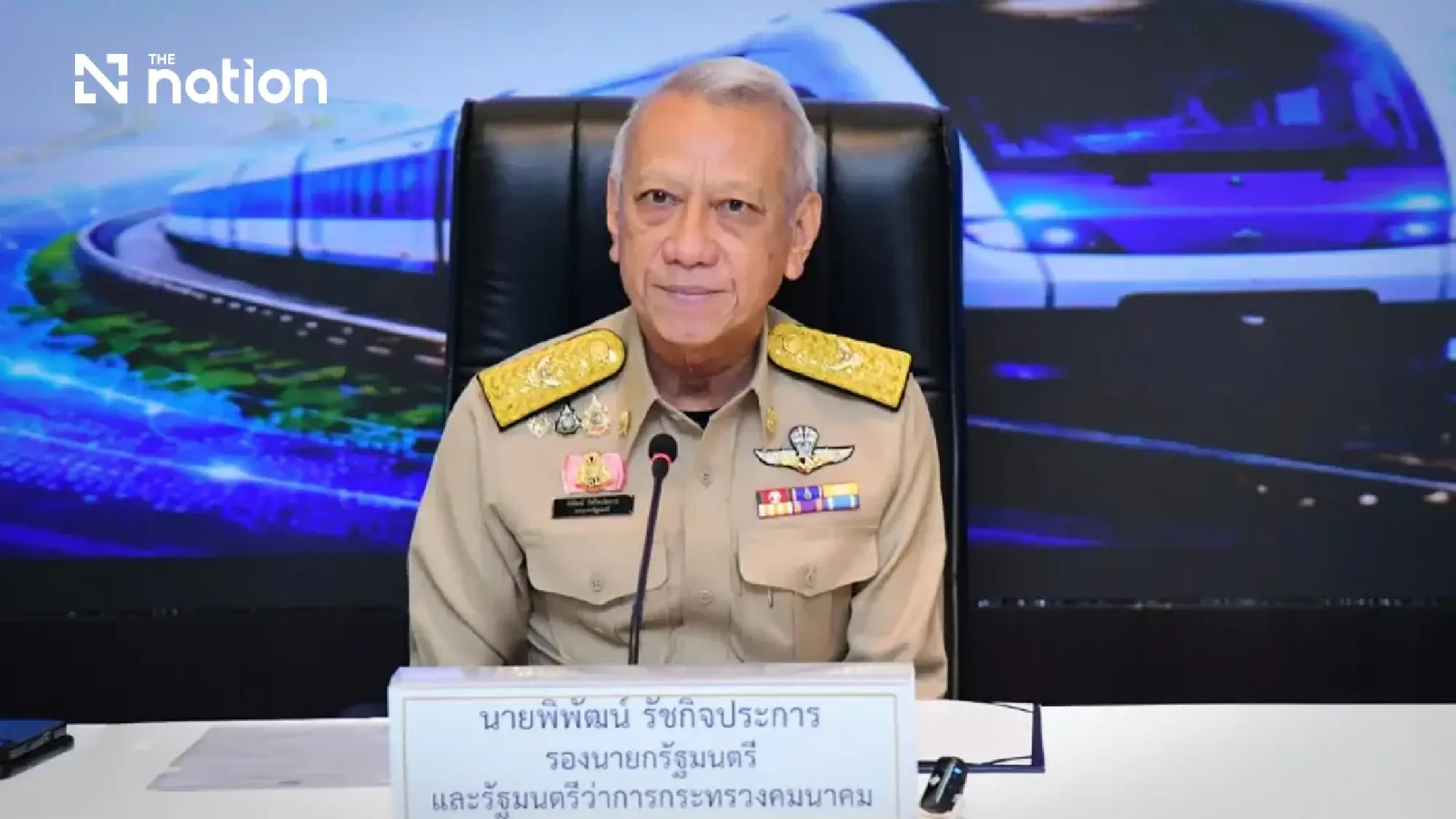
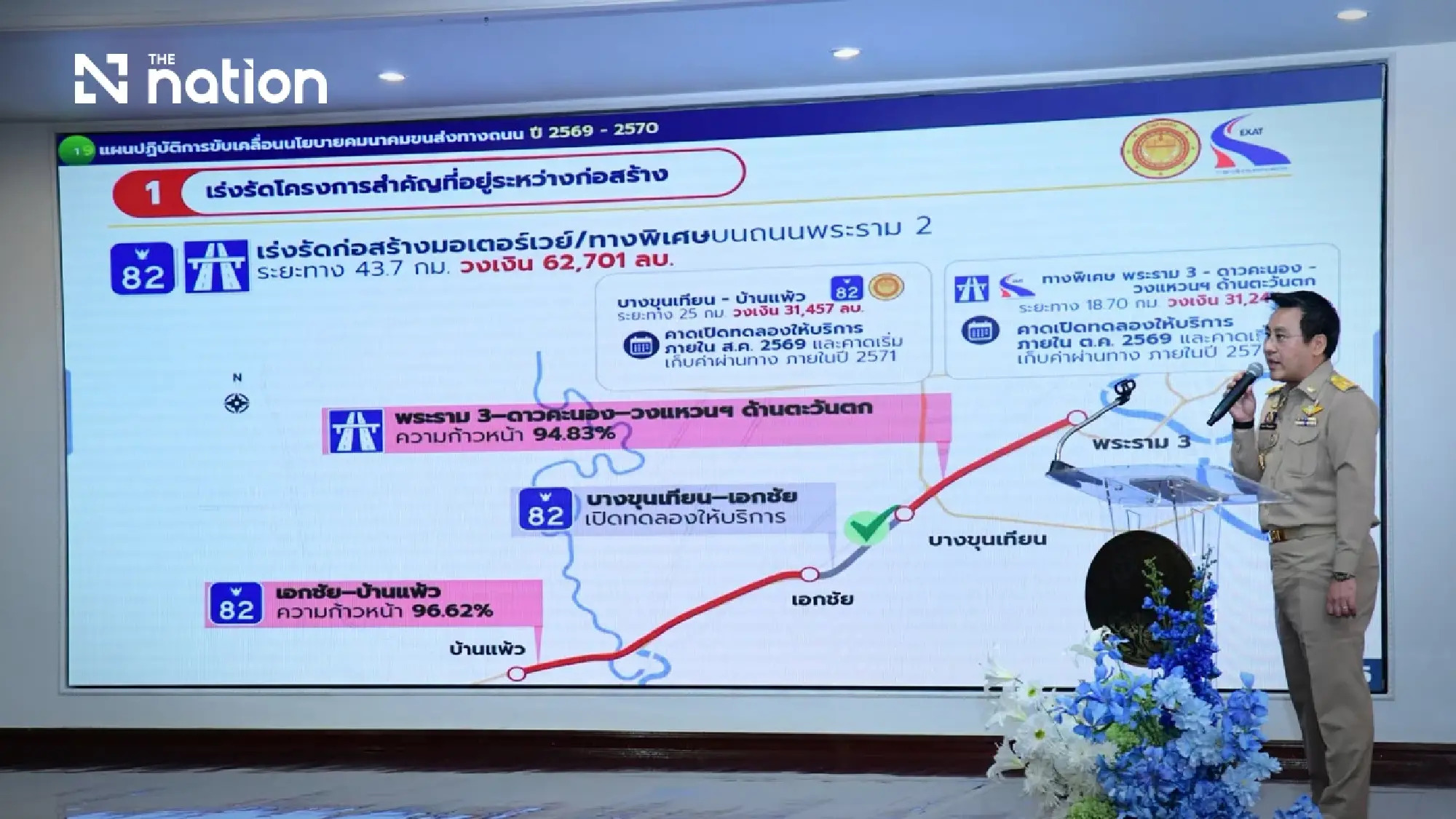
Phiphat Ratchakitprakarn, Minister of Transport, said the Ministry of Transport’s seminar covered all four transport modes, including road, rail, water and air.
A preliminary plan has been drawn up to advance 262 key projects in 2027, with a total investment of THB229.769 billion.
Of these, 20 are being prepared for submission to the Cabinet for approval.
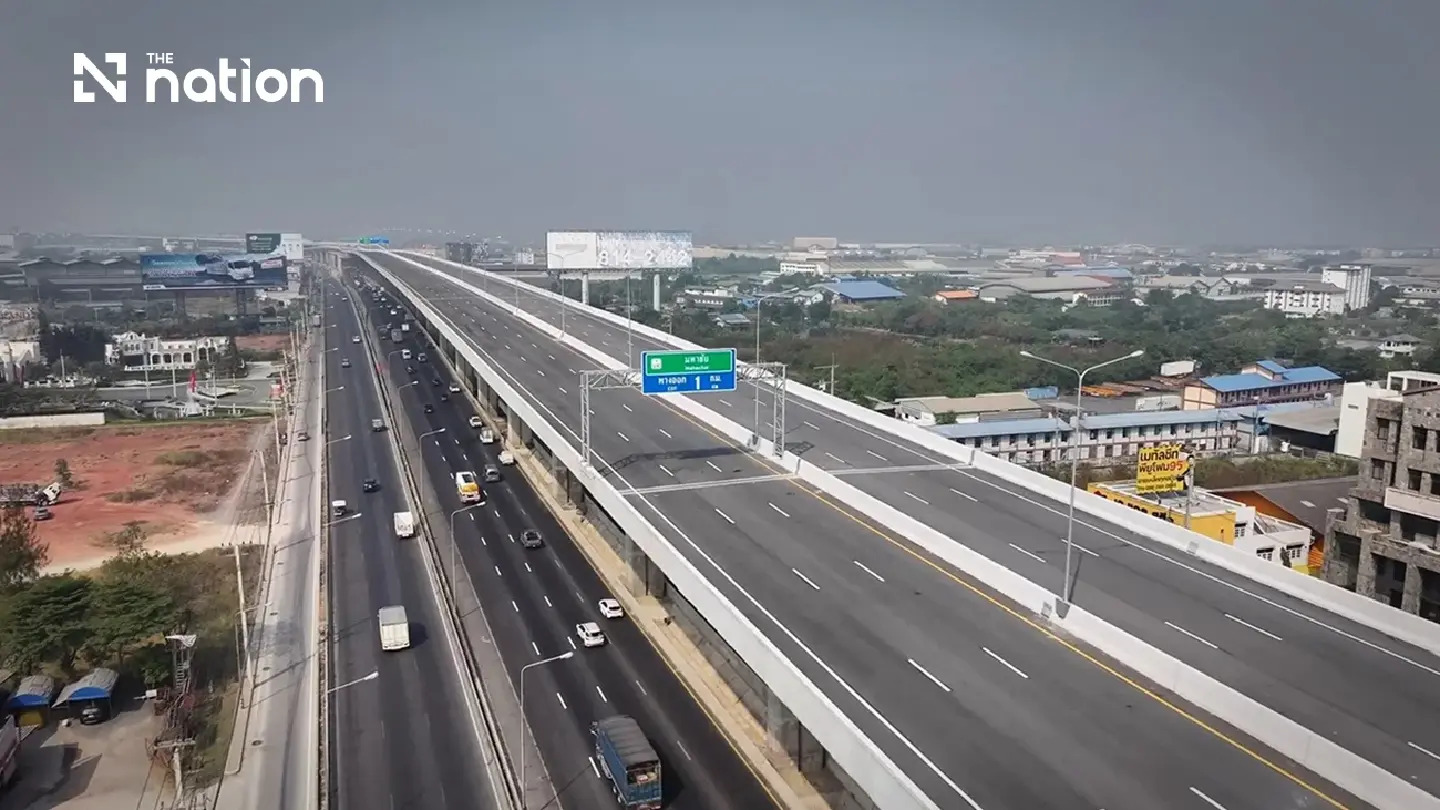
They include Ring Road around Bangkok No. 3, eastern section, from Highway 305 to Highway 304. Other road projects include the Srinakarin to Suvarnabhumi Airport Expressway and Phase 2 of the Phuket Expressway Project, covering Mueang Mai, Ko Kaeo and Kathu.
The list also includes a large cruise terminal development project in the Ko Samui district, Surat Thani, Phase 1 of the Chiang Mai International Airport Development Project and Phase 2 of the Phuket International Airport Development Project.
Rail projects include the MRT Brown Line from Khae Rai to Lam Sali in Bueng Kum, the Southern Line double-track railway from Chumphon to Surat Thani, the double-track railway from Surat Thani to Songkhla and the double-track railway from Hat Yai to Padang Besar, among others.
Motorway and expressway tenders
At the same time, several other investment projects scheduled for 2027 are being accelerated, with tenders to be launched in 2026 or by the second quarter of 2027 at the latest.
These include the M5 intercity motorway extension from Rangsit to Bang Pa-in, the M9 intercity motorway covering the elevated Bang Khun Thian–Bang Bua Thong section and the Bang Bua Thong–Bang Pa-in section, the Phuket Expressway Project Phase 1 covering the Kathu–Patong section and Phase 2 of the Nakhon Ratchasima–Nong Khai high-speed railway, among others.
Rail fares and feeder links
 Phiphat said progress was being made on a common-ticket system for urban rail, with fares of THB17–45 per journey and a single entry charge.
The measure is being prepared as a New Year’s gift for the public.
The ministry has held talks with the Ministry of Finance and assigned Krungthai Bank to develop the back-office system for the transition from the Rabbit card system to EMV technology across all lines.
The target is to extend the common-ticket system to land transport by bus and water transport by boat by mid-2027.
The Department of Land Transport has been instructed to redesign bus routes once the BMTA has taken delivery of all 1,520 new buses between March and June 2027.
The revised routes will serve specifically as feeder services carrying passengers to stations on each urban rail line, reducing route duplication and shortening journeys.
Regarding the transfer of the Green and Gold lines from the Bangkok Metropolitan Administration to the Mass Rapid Transit Authority of Thailand, the government plans for the authority to manage the entire urban rail system under a single-ownership model.
This includes negotiations to transfer the Green Line project and its debt from the Bangkok Metropolitan Administration to the authority.
The arrangement would allow the state to control fares and compensate private operators efficiently for fare differences.
The government must first wait for the Green Line concession to expire in 2029 before management rights return to the state.
A preliminary estimate puts the budget needed to subsidise fare differences at about THB4.6 billion a year.
The Department of Rail Transport is preparing more definitive figures before submitting them to the ministry again.
Phiphat added that the THB40 flat-fare measure covering the full routes of the Red and Purple lines, which is due to expire in November 2026, would initially be extended for another year until October 2027.
Both lines would be exempt from the THB17–45 per journey urban rail fare.
The ministry will also accelerate efforts to increase capacity at major and regional airports to accommodate increasing numbers of passengers and tourists, as well as rising cargo volumes.
It will proceed with the Suvarnabhumi Airport master plan and advance the eastern passenger terminal expansion project, known as the East Expansion.
It will also accelerate the Don Mueang International Airport Development Project Phase 3, the Chiang Mai International Airport Development Project Phase 1 and Phuket International Airport Development Project Phase 2.
Runways will also be extended at the regional airports of Chumphon, Ranong, Trang, Phrae and Buriram.
For the next phase from 2028 to 2030, the Ministry of Transport will study and develop large projects intended to open up new economic areas.
These include Ring Road around Bangkok No. 3, the southern section, and the Thailand Riviera coastal tourism route along both the Gulf of Thailand and Andaman coasts.
These projects require substantial investment.
The Ministry of Transport will therefore consider additional off-budget funding sources, including fundraising from the private sector and capital markets through the Thailand Future Fund, or TFFIF.
It will also consider opportunities for private-sector participation through public–private partnership arrangements, or PPPs, so the projects can proceed as planned without relying solely on the government budget.
Source: https://www.nationthailand.com/news/policy/40068592
Google Translation:
ประเทศไทยเตรียมโครงการคมนาคมสำคัญ 20 โครงการเพื่อขออนุมัติจากคณะรัฐมนตรี
ข่าวนี้ได้รับการสนับสนุนโดย FALLPROTEC บริษัทชั้นนำระดับโลกด้านการออกแบบและผลิตระบบป้องกันการตกจากที่สูงและโซลูชันการเข้าถึงที่สูงระดับพรีเมียม
กระทรวงคมนาคมของประเทศไทยกำลังเตรียมเสนอโครงการสำคัญ 20 โครงการเพื่อขออนุมัติจากคณะรัฐมนตรี ซึ่งเป็นส่วนหนึ่งของแผนพัฒนาปี 2027
โครงการเหล่านี้ครอบคลุมการคมนาคมทั้ง 4 รูปแบบ ได้แก่ ถนน ทางรถไฟ ทางน้ำ และทางอากาศ
โครงการถนนสำคัญ ได้แก่ ถนนวงแหวนรอบที่ 3 ส่วนตะวันออกของกรุงเทพฯ และทางด่วนในภูเก็ตและสนามบินสุวรรณภูมิ
นอกจากนี้ ยังมีโครงการทางรถไฟ เช่น รถไฟฟ้าสายสีน้ำตาล การขยายสนามบินในเชียงใหม่และภูเก็ต และท่าเรือสำราญแห่งใหม่บนเกาะสมุย
นายพิพัฒน์ รัชกิจประการ รัฐมนตรีว่าการกระทรวงคมนาคม กล่าวว่า การสัมมนาของกระทรวงคมนาคมครอบคลุมการคมนาคมทั้ง 4 รูปแบบ ได้แก่ ถนน ทางรถไฟ ทางน้ำ และทางอากาศ
แผนเบื้องต้นได้ถูกจัดทำขึ้นเพื่อผลักดันโครงการสำคัญ 262 โครงการในปี 2560 ด้วยงบประมาณลงทุนรวม 229.769 พันล้านบาท
ในจำนวนนี้ 20 โครงการอยู่ระหว่างการเตรียมเสนอต่อคณะรัฐมนตรีเพื่อขออนุมัติ
ซึ่งรวมถึง ถนนวงแหวนรอบกรุงเทพฯ สาย 3 ช่วงตะวันออก จากทางหลวงหมายเลข 305 ถึงทางหลวงหมายเลข 304 โครงการถนนอื่นๆ ได้แก่ ทางด่วนศรีนครินทร์-สนามบินสุวรรณภูมิ และโครงการทางด่วนภูเก็ต ระยะที่ 2 ครอบคลุมเมืองใหม่ เกาะแก้ว และกะทู้
นอกจากนี้ รายชื่อโครงการยังรวมถึง โครงการพัฒนาท่าเรือสำราญขนาดใหญ่ในอำเภอเกาะสมุย จังหวัดสุราษฎร์ธานี โครงการพัฒนาท่าอากาศยานนานาชาติเชียงใหม่ ระยะที่ 1 และโครงการพัฒนาท่าอากาศยานนานาชาติภูเก็ต ระยะที่ 2
โครงการรถไฟฟ้า ได้แก่ รถไฟฟ้าสายสีน้ำตาลจากแครายไปลำสาลี อำเภอบึงกุม รถไฟฟ้าสายใต้รางเดี่ยวจากชุมพรไปสุราษฎร์ธานี รถไฟฟ้ารางเดี่ยวจากสุราษฎร์ธานีไปสงขลา และรถไฟฟ้ารางเดี่ยวจากหาดใหญ่ไปปาดังเบซาร์ เป็นต้น
การประกวดราคาโครงการมอเตอร์เวย์และทางด่วน
ในขณะเดียวกัน โครงการลงทุนอื่นๆ อีกหลายโครงการที่กำหนดไว้สำหรับปี 2027 กำลังเร่งดำเนินการ โดยจะเปิดการประกวดราคาในปี 2026 หรืออย่างช้าที่สุดภายในไตรมาสที่สองของปี 2027
ซึ่งรวมถึงการขยายมอเตอร์เวย์ M5 จากรังสิตไปยังบางปะอิน การขยายมอเตอร์เวย์ M9 ในส่วนยกระดับบางขุนเทียน-บางบัวทอง และส่วนบางบัวทอง-บางปะอิน โครงการทางด่วนภูเก็ต เฟส 1 ในส่วนกะทู้-ป่าตอง และโครงการรถไฟฟ้าความเร็วสูงนครราชสีมา-หนองคาย เฟส 2 เป็นต้น
พิพัฒน์กล่าวว่ากำลังมีความคืบหน้าเกี่ยวกับระบบตั๋วร่วมสำหรับรถไฟในเมือง โดยมีค่าโดยสาร 17-45 บาทต่อเที่ยว และค่าธรรมเนียมแรกเข้าครั้งเดียว
มาตรการนี้กำลังเตรียมการเป็นของขวัญปีใหม่สำหรับประชาชน
กระทรวงได้หารือกับกระทรวงการคลังและมอบหมายให้ธนาคารกรุงไทยพัฒนาระบบงานเบื้องหลังสำหรับการเปลี่ยนจากระบบบัตร Rabbit ไปเป็นเทคโนโลยี EMV ในทุกสาย
เป้าหมายคือการขยายระบบตั๋วร่วมไปสู่การขนส่งทางบกโดยรถโดยสารประจำทางและการขนส่งทางน้ำโดยเรือภายในกลางปี 2560
กรมการขนส่งทางบกได้รับคำสั่งให้ปรับปรุงเส้นทางรถโดยสารประจำทางเมื่อการรถไฟฟ้าขนส่งมวลชนแห่งประเทศไทย (ม.ม.) รับมอบรถโดยสารใหม่ครบ 1,520 คัน ระหว่างเดือนมีนาคมถึงมิถุนายน 2560
เส้นทางที่ปรับปรุงใหม่จะทำหน้าที่เป็นเส้นทางเชื่อมต่อผู้โดยสารไปยังสถานีต่างๆ บนรถไฟฟ้าแต่ละสาย ลดความซ้ำซ้อนของเส้นทางและย่นระยะเวลาการเดินทาง
เกี่ยวกับการโอนสายสีเขียวและสายสีทองจากกรุงเทพมหานครไปยังการรถไฟฟ้าขนส่งมวลชนแห่งประเทศไทย รัฐบาลวางแผนให้การรถไฟฟ้าขนส่งมวลชนแห่งประเทศไทยบริหารจัดการระบบรถไฟฟ้าทั้งหมดภายใต้รูปแบบการเป็นเจ้าของเดียว
ซึ่งรวมถึงการเจรจาเพื่อโอนโครงการสายสีเขียวและหนี้สินจากกรุงเทพมหานครไปยังการรถไฟฟ้าขนส่งมวลชนแห่งประเทศไทย
ข้อตกลงนี้จะช่วยให้รัฐสามารถควบคุมค่าโดยสารและชดเชยส่วนต่างค่าโดยสารให้กับผู้ประกอบการเอกชนได้อย่างมีประสิทธิภาพ
รัฐบาลต้องรอให้สัมปทานรถไฟฟ้าสายสีเขียวหมดอายุในปี 2029 ก่อน จึงจะสามารถโอนสิทธิ์การบริหารจัดการกลับคืนสู่รัฐได้
การประเมินเบื้องต้นระบุว่า งบประมาณที่จำเป็นในการอุดหนุนส่วนต่างค่าโดยสารอยู่ที่ประมาณ 4.6 พันล้านบาทต่อปี
กรมการขนส่งทางรางกำลังจัดทำตัวเลขที่แน่นอนมากขึ้นก่อนที่จะส่งให้กระทรวงอีกครั้ง
พิพัฒน์กล่าวเพิ่มเติมว่า มาตรการค่าโดยสารคงที่ 40 บาท ครอบคลุมเส้นทางทั้งหมดของรถไฟฟ้าสายสีแดงและสีม่วง ซึ่งจะหมดอายุในเดือนพฤศจิกายน 2026 จะได้รับการขยายเวลาออกไปอีกหนึ่งปีจนถึงเดือนตุลาคม 2027
รถไฟฟ้าทั้งสองสายจะได้รับการยกเว้นจากค่าโดยสารรถไฟในเมือง 17-45 บาทต่อเที่ยว
กระทรวงจะเร่งดำเนินการเพิ่มขีดความสามารถของสนามบินหลักและสนามบินภูมิภาคเพื่อรองรับจำนวนผู้โดยสารและนักท่องเที่ยวที่เพิ่มขึ้น รวมถึงปริมาณสินค้าที่เพิ่มสูงขึ้นด้วย
โครงการนี้จะดำเนินการต่อตามแผนแม่บทสนามบินสุวรรณภูมิ และเร่งดำเนินการโครงการขยายอาคารผู้โดยสารฝั่งตะวันออก หรือที่รู้จักกันในชื่อโครงการขยายฝั่งตะวันออก
นอกจากนี้ ยังจะเร่งโครงการพัฒนาท่าอากาศยานนานาชาติดอนเมือง ระยะที่ 3 โครงการพัฒนาท่าอากาศยานนานาชาติเชียงใหม่ ระยะที่ 1 และโครงการพัฒนาท่าอากาศยานนานาชาติภูเก็ต ระยะที่ 2
รวมถึงการขยายทางวิ่งที่สนามบินภูมิภาคชุมพร ระนอง ตรัง แพร่ และบุรีรัมย์
สำหรับระยะต่อไป ตั้งแต่ปี 2028 ถึง 2030 กระทรวงคมนาคมจะศึกษาและพัฒนาโครงการขนาดใหญ่ที่มุ่งเปิดพื้นที่เศรษฐกิจใหม่
ซึ่งรวมถึงถนนวงแหวนรอบกรุงเทพฯ สาย 3 ส่วนใต้ และเส้นทางท่องเที่ยวชายฝั่งทะเลไทยริเวียร่า ทั้งตามแนวชายฝั่งอ่าวไทยและทะเลอันดามัน
โครงการเหล่านี้ต้องการเงินลงทุนจำนวนมาก
ดังนั้น กระทรวงคมนาคมจะพิจารณาแหล่งเงินทุนเพิ่มเติมจากงบประมาณแผ่นดิน รวมถึงการระดมทุนจากภาคเอกชนและตลาดทุนผ่านกองทุนอนาคตแห่งประเทศไทย (TFFIF)
นอกจากนี้ยังจะพิจารณาโอกาสในการมีส่วนร่วมของภาคเอกชนผ่านข้อตกลงความร่วมมือระหว่างภาครัฐและเอกชน (PPP) เพื่อให้โครงการสามารถดำเนินการได้ตามแผนโดยไม่ต้องพึ่งพางบประมาณของรัฐบาลเพียงอย่างเดียว