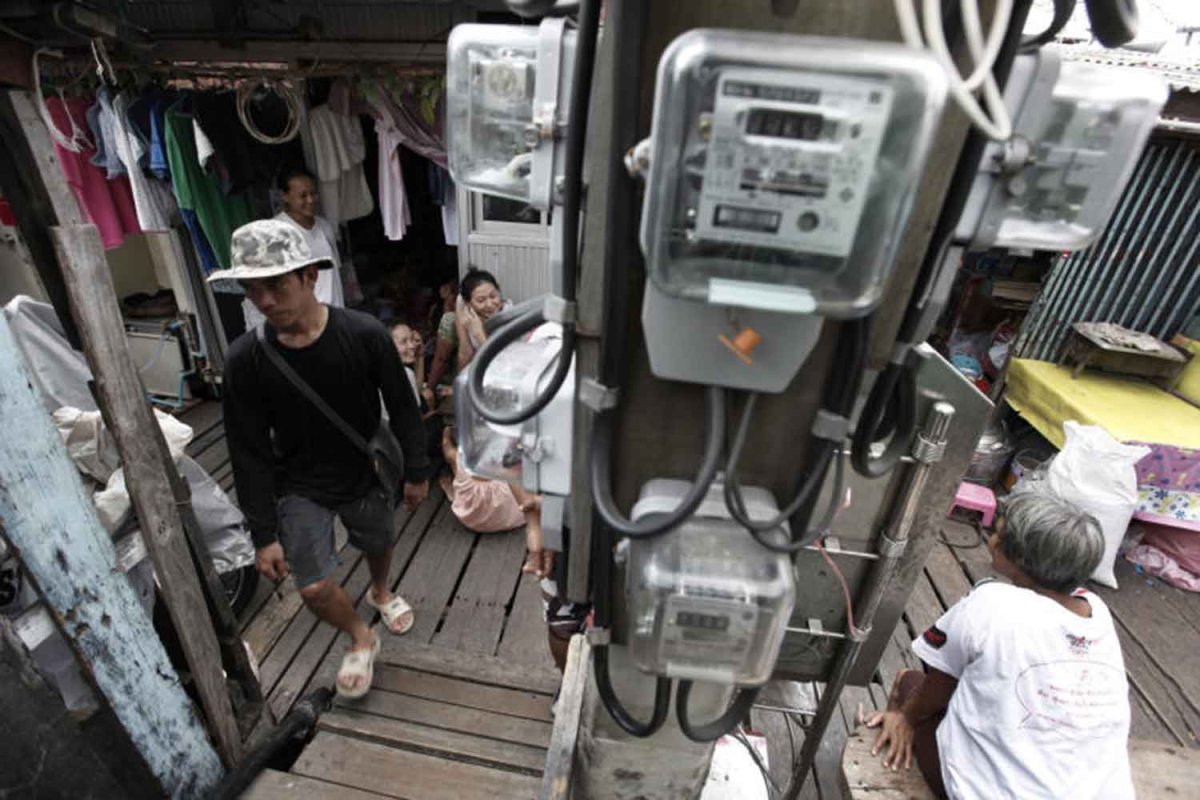
 Power bills in Thailand set to rise in final four months of 2026, expected to jump nearly fivefold
THIS NEWS ARTICLE KINDLY SPONSORED BY FALLPROTEC, A WORLD-RENOWNED NAME IN THE DESIGN AND MANUFACTURE OF PREMIUM FALL PROTECTION SYSTEMS AND HEIGHT ACCESS SOLUTIONS
Households and businesses are bracing for higher electricity bills in the final four months of this year as the Energy Regulatory Commission (ERC) has announced a sharp increase in the fuel tariff (Ft), which is expected to jump nearly fivefold from 0.16 baht to 0.94 baht per kilowatt-hour, driving overall power tariffs upwards.
ERC secretary-general Poonpat Leesombatpiboon explained that the increase is driven by a projection of rising fuel costs and the need to reimburse the Electricity Generating Authority of Thailand (Egat) for billions of baht spent on past electricity subsidies.
Egat is owed 31.2 billion baht, and part of the new tariff structure is designed to gradually settle this debt.
At present, the power tariff stands at 3.95 baht per unit and will remain in place until the end of August, after which new rates will be introduced.
The Ft is recalculated every four months to reflect changes in fuel prices, electricity imports, foreign exchange rates, and policy-related expenses, including the need to pay back money to Egat.
Mr Poonpat said rising fuel costs are being driven by “Pool Gas”, the weighted average price of natural gas from the Gulf of Thailand, Myanmar, and imported liquefied natural gas.
He noted that the rate is projected to climb 8% to 375 baht per million British thermal unit (mmBtu), up from 347 mmBtu in the previous period.
To ease the burden on consumers, the government has temporarily curbed electricity prices by tapping unused budgets from state electricity agencies and postponing payments to Egat.
However, the ERC is now seeking public input on four proposed tariff options, ranging from 3.95 to 4.73 baht per unit.
Each option carries the same base tariff of 3.78 baht per unit, with differences arising from the Ft.
The highest option would raise the tariff to 4.73 baht per unit, with Ft increasing to 0.94 baht per unit. This allows the government to fully repay Egat’s debt.
The second option proposes a smaller rise in the Ft, pushing the power tariff to 4.25 baht per unit while deferring repayment of Egat’s debt.
A third option sets the tariff slightly lower at 4.20 baht, reflecting a reduced gas price projection alongside the postponed debt.
In the fourth scenario, the tariff would remain unchanged at 3.95 baht per unit, but this would require electricity agencies to claw back 16.1 billion baht in unused funds, Mr Poonpat said.
Public consultations are open on the ERC website until July 20, and the commission’s board will finalise the new Ft rate by September.
Source: https://www.bangkokpost.com/business/general/3285575/power-bills-set-to-rise-in-final-four-months
Google Translation:
ค่าไฟฟ้าในประเทศไทยเตรียมปรับขึ้นในช่วง 4 เดือนสุดท้ายของปี 2026 คาดว่าจะเพิ่มขึ้นเกือบห้าเท่า
ข่าวนี้ได้รับการสนับสนุนโดย FALLPROTEC บริษัทชั้นนำระดับโลกด้านการออกแบบและผลิตระบบป้องกันการตกจากที่สูงและโซลูชันสำหรับการทำงานบนที่สูง
ครัวเรือนและธุรกิจต่างเตรียมรับมือกับค่าไฟฟ้าที่สูงขึ้นในช่วง 4 เดือนสุดท้ายของปีนี้ เนื่องจาก ก.ล.ต. ได้ประกาศปรับขึ้นอัตราค่าไฟฟ้า (ฟุต) อย่างมาก ซึ่งคาดว่าจะเพิ่มขึ้นเกือบห้าเท่าจาก 0.16 บาท เป็น 0.94 บาทต่อกิโลวัตต์ชั่วโมง ส่งผลให้ค่าไฟฟ้าโดยรวมสูงขึ้น
นายพูนพัฒน์ ลีสมบัติพิบูลย์ เลขาธิการ ก.ล.ต. อธิบายว่า การเพิ่มขึ้นดังกล่าวเกิดจากการคาดการณ์ต้นทุนเชื้อเพลิงที่เพิ่มสูงขึ้น และความจำเป็นในการชดเชยเงินอุดหนุนค่าไฟฟ้าหลายพันล้านบาทที่ ก.พ. ได้จ่ายไปในอดีต
การไฟฟ้าฝ่ายผลิต (กฟ.) มียอดค้างชำระ 31.2 พันล้านบาท และโครงสร้างอัตราค่าไฟฟ้าใหม่ส่วนหนึ่งออกแบบมาเพื่อชำระหนี้ก้อนนี้ทีละน้อย
ปัจจุบัน อัตราค่าไฟฟ้าอยู่ที่ 3.95 บาทต่อหน่วย และจะคงไว้จนถึงสิ้นเดือนสิงหาคม หลังจากนั้นจะมีการนำอัตราค่าไฟฟ้าใหม่มาใช้
อัตราค่าไฟฟ้าจะถูกคำนวณใหม่ทุก 4 เดือน เพื่อสะท้อนการเปลี่ยนแปลงของราคาน้ำมันเชื้อเพลิง การนำเข้าไฟฟ้า อัตราแลกเปลี่ยนเงินตราต่างประเทศ และค่าใช้จ่ายที่เกี่ยวข้องกับนโยบาย รวมถึงความจำเป็นในการชำระหนี้คืนแก่ กฟ.
นายพูนพัฒน์กล่าวว่า ต้นทุนน้ำมันเชื้อเพลิงที่เพิ่มสูงขึ้นนั้นเกิดจาก “Pool Gas” ซึ่งเป็นราคาเฉลี่ยถ่วงน้ำหนักของก๊าซธรรมชาติจากอ่าวไทย เมียนมาร์ และก๊าซธรรมชาติเหลวที่นำเข้า
เขากล่าวว่า อัตราค่าไฟฟ้าคาดว่าจะเพิ่มขึ้น 8% เป็น 375 บาทต่อล้านหน่วยความร้อนบริติช (mmBtu) จาก 347 mmBtu ในช่วงเวลาก่อนหน้า
เพื่อบรรเทาภาระของผู้บริโภค รัฐบาลได้ปรับขึ้นราคาค่าไฟฟ้าเป็นการชั่วคราวโดยนำงบประมาณที่ไม่ได้ใช้จากหน่วยงานการไฟฟ้าของรัฐมาใช้ และเลื่อนการชำระหนี้ให้กับการไฟฟ้าส่วนภูมิภาค (กฟ.)
อย่างไรก็ตาม ขณะนี้ คณะกรรมการกำกับพลังงาน (ERC) กำลังขอความคิดเห็นจากประชาชนเกี่ยวกับตัวเลือกอัตราค่าไฟฟ้า 4 ตัวเลือก ซึ่งมีราคาตั้งแต่ 3.95 ถึง 4.73 บาทต่อหน่วย
แต่ละตัวเลือกมีอัตราค่าไฟฟ้าพื้นฐานเท่ากันที่ 3.78 บาทต่อหน่วย โดยความแตกต่างเกิดจากค่า Ft
ตัวเลือกสูงสุดจะเพิ่มอัตราค่าไฟฟ้าเป็น 4.73 บาทต่อหน่วย โดยค่า Ft เพิ่มขึ้นเป็น 0.94 บาทต่อหน่วย ซึ่งจะทำให้รัฐบาลสามารถชำระหนี้ให้กับกฟ. ได้ทั้งหมด
ตัวเลือกที่สองเสนอให้เพิ่มค่า Ft ในอัตราที่น้อยกว่า ทำให้ค่าไฟฟ้าเพิ่มขึ้นเป็น 4.25 บาทต่อหน่วย ในขณะที่เลื่อนการชำระหนี้ให้กับกฟ.
ตัวเลือกที่สามกำหนดอัตราค่าไฟฟ้าต่ำกว่าเล็กน้อยที่ 4.20 บาท ซึ่งสะท้อนถึงการคาดการณ์ราคาก๊าซที่ลดลงควบคู่ไปกับการเลื่อนการชำระหนี้
ในสถานการณ์ที่สี่ อัตราค่าไฟฟ้าจะยังคงอยู่ที่ 3.95 บาทต่อหน่วย แต่จะต้องมีการเรียกคืนเงินที่ไม่ได้ใช้จำนวน 16.1 พันล้านบาทจากหน่วยงานด้านไฟฟ้า นายพูนพัฒน์กล่าว
การรับฟังความคิดเห็นจากประชาชนเปิดให้ทำได้ทางเว็บไซต์ของการไฟฟ้าจนถึงวันที่ 20 กรกฎาคม และคณะกรรมการจะสรุปอัตราค่าไฟฟ้าใหม่ภายในเดือนกันยายน