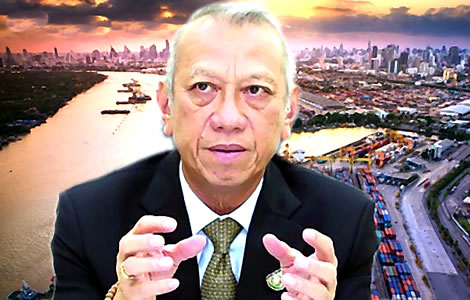
Battle for Bangkok Port opens up with plans to close the old cargo facility and focus on development
Thailand’s biggest waterfront redevelopment is on the table as ministers seek to move Bangkok Port to Laem Chabang, unlocking 2,353 rai while unions, experts and politicians warn of major economic consequences if the plan is botched
THIS NEWS ARTICLE KINDLY SPONSORED BY FALLPROTEC, A WORLD-RENOWNED NAME IN THE DESIGN AND MANUFACTURE OF PREMIUM FALL PROTECTION SYSTEMS AND HEIGHT ACCESS SOLUTIONS
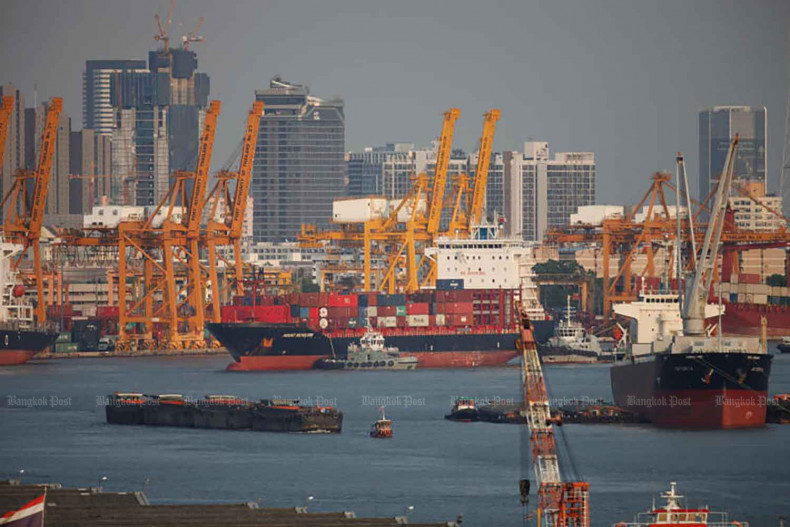
A battle for 2,353 rai of prime waterfront land in the heart of Bangkok has begun after the Bhumjaithai-led government unveiled plans to shift Bangkok Port’s cargo operations to Laem Chabang and replace one of Thailand’s oldest transport hubs with a casino-free entertainment complex, luxury housing, commercial projects and a cruise marina. The proposal would reshape the capital and redefine Thailand’s logistics network. However, it has already triggered fierce resistance from the Port Authority’s labour union, transport experts and political critics, who warn it could drive up logistics costs, threaten thousands of jobs and gamble with one of the nation’s most strategically important public assets.
The battle over the future of Bangkok Port has begun after the Bhumjaithai-led government unveiled plans to transform one of Bangkok’s largest state-owned sites. At the centre of the proposal sits 2,353 rai of Port Authority of Thailand (PAT) land at Khlong Toei.
Deputy Prime Minister and Transport Minister Phiphat Ratchakitprakarn wants cargo operations gradually shifted to Laem Chabang Port before the land is redeveloped into a vast commercial district. The proposal would reshape a strategic section of the capital. More importantly, it would redefine the future role of Bangkok Port, one of Thailand’s oldest transport hubs.
The government’s concept reaches far beyond a conventional redevelopment project. Instead, ministers envision a casino-free entertainment complex surrounded by luxury housing, shopping centres, commercial projects and waterfront attractions.
Plans also include a cruise ship terminal and a yacht marina. Private investors would be invited through long-term concession agreements. In return, the government expects substantial new revenue from one of Bangkok’s most valuable undeveloped sites.
Bhumjaithai revives Khlong Toei redevelopment with a casino-free vision after Pheu Thai’s earlier plan failed
Officials believe the project could strengthen tourism while creating a new destination for business, exhibitions, culture and leisure.
Yet the proposal represents a sharp political shift rather than an entirely new idea. Previously, the former Pheu Thai government identified Bangkok Port as a potential location for an entertainment complex that included a casino. That proposal formed part of a broader strategy to attract tourism and investment.
However, resistance quickly centred on legalised gambling rather than wider redevelopment. Consequently, the plan stalled before eventually being abandoned.
By contrast, the Bhumjaithai government has deliberately separated its proposal from the casino debate. The party opposed Pheu Thai’s entertainment complex policy while serving in opposition. Accordingly, it abandoned the previous proposal after taking office.
Instead, ministers began developing their own concept centred on entertainment, tourism and commercial investment without gambling. Earlier this year, Mr Phiphat introduced that approach for projects within the Eastern Economic Corridor. The Bangkok Port proposal now represents the most ambitious expression of that policy.
On July 20, Mr Phiphat formally outlined his vision during a policy visit to the Port Authority of Thailand. Addressing PAT executives, he proposed relocating Bangkok Port’s cargo operations to Laem Chabang before redeveloping the entire Khlong Toei site.
According to the transport minister, the 2,353-rai property should generate significantly greater economic value than it does today. He argued that redevelopment would maximise opportunities across tourism, international conferences, exhibitions, arts, culture and entertainment while unlocking the commercial potential of a rare waterfront site in central Bangkok.
Phiphat says Bangkok Port’s future depends on shifting cargo to Laem Chabang before redevelopment
However, none of those ambitions can proceed unless the government’s transport strategy changes first. Redevelopment depends upon reducing Bangkok Port’s long-established role as a cargo gateway. Consequently, Mr Phiphat’s proposal rests on two parallel policies rather than one.
The first would gradually relocate cargo operations to Laem Chabang Port. The second would redevelop the land released through that transition. Both policies must advance together if the government’s broader vision is to succeed.
According to Mr Phiphat, Bangkok Port faces operational limitations that become more significant each year. Ships entering Khlong Toei must first navigate from the Gulf of Thailand into the Chao Phraya River.
They then travel considerable distances before reaching the port itself. In addition, the river channel lacks sufficient depth for many of today’s largest cargo vessels. Those restrictions inevitably reduce efficiency compared with modern deep-water ports. As global shipping continues evolving towards larger vessels, the minister believes those disadvantages will only become more pronounced.
By comparison, Laem Chabang already operates under very different conditions. The port accommodates substantially larger ships while offering greater room for future expansion.
Moreover, its Phase 3 development is already underway to increase cargo capacity further. Mr Phiphat believes those advantages make Laem Chabang Thailand’s natural long-term cargo gateway. Rather than dividing resources between two major ports, he argues the country should concentrate operations at one modern facility capable of handling future growth.
Government says one major cargo port would cut costs, improve logistics and ease Bangkok traffic
The transport minister also believes consolidation would produce wider economic benefits. Administrative costs would decline as operations become centralised. Personnel requirements could also be streamlined over time.
Meanwhile, logistics efficiency would improve through the use of deeper-water infrastructure designed for larger vessels. Equally important, the number of heavy trucks entering Bangkok could gradually fall as cargo increasingly bypasses the capital. Instead of functioning primarily as a freight terminal, Bangkok Port would steadily assume a different economic role.
Nevertheless, the government accepts that such a transition cannot happen overnight. Cargo operations at Bangkok Port remain extensive, while existing policies must first be examined carefully.
As part of this process, the Ministry of Transport has begun reviewing earlier Cabinet resolutions together with the original objectives behind Laem Chabang Port’s construction.
Officials want to establish whether previous governments intended Laem Chabang eventually to replace Bangkok Port as Thailand’s principal cargo hub. That historical policy review will shape the government’s next steps.
Cabinet review to determine if earlier policy already supported moving Bangkok Port to Laem Chabang
If those earlier decisions already support relocation, ministers intend to follow the original direction. Otherwise, the proposal will require fresh Cabinet discussions before any formal transfer can begin. Either way, the review represents the first major administrative hurdle facing the project. Until that work concludes, Bangkok Port will continue operating as normal while officials examine the legal and policy framework surrounding any future relocation.
Meanwhile, planning for the Khlong Toei site has continued to evolve. Should cargo operations eventually move east, the government intends to redevelop the entire 2,353-rai property rather than isolated sections. The entertainment complex would become only one element within a much broader mixed-use district.
Surrounding developments would include premium residential projects, shopping centres, commercial buildings and waterfront facilities designed to generate year-round economic activity.
Ministers argue that combining several complementary developments would maximise the long-term value of one of Bangkok’s largest remaining state-owned land holdings.
Notably, the proposal also attempts to address one of the area’s most sensitive issues. Rather than displacing the Khlong Toei community, the government says redevelopment will include new housing within the project itself.
Redevelopment plan keeps Khlong Toei residents with new homes, schools, parks and hospitals
Preliminary plans allocate between 500 and 600 rai for residential development capable of accommodating more than 40,000 people across approximately 12,600 households. High-rise buildings would replace lower-density housing. In parallel, schools, childcare centres, community hospitals and public parks would also form part of the redevelopment.
The remaining land would then become available for commercial investment under long-term concession agreements. Revenue generated through those concessions would return to the Port Authority of Thailand.
Separately, ministers say part of future profits would support education, healthcare, welfare and infrastructure within surrounding communities. The government argues that this approach would allow public ownership to remain intact while attracting private capital to finance large-scale redevelopment.
Even so, the proposal has already triggered intense debate despite the absence of casinos. The argument has now shifted towards logistics, employment, urban planning and land use rather than gambling policy. Supporters believe the project could unlock the economic value of a rare central Bangkok waterfront site.
Government promises new homes, community facilities and public investment in redevelopment plan
Critics, however, question whether weakening Bangkok Port would ultimately impose greater costs elsewhere in Thailand’s economy. As a result, the battle over Khlong Toei has expanded well beyond a simple property development and into a wider debate over the country’s future transport strategy.
Opposition has emerged from several directions since the proposal became public. Significantly, the strongest resistance has come from within the Port Authority itself rather than outside political circles.
While the government argues that Bangkok Port’s long-term role should diminish, many inside the organisation fundamentally reject that conclusion. Instead, they maintain the port remains an essential national asset whose value extends well beyond the land it occupies.
The Port Authority of Thailand State Enterprise Labour Union, together with PAT employees, has formally opposed any proposal to close or relocate Bangkok Port. In response, the union submitted an open letter to the chairman and board of the Port Authority demanding immediate clarification.
The letter specifically rejected plans to relocate cargo operations to Laem Chabang in order to redevelop the Khlong Toei site into an entertainment complex, even without a casino. Union leaders argued that removing gambling from the proposal does not resolve the wider concerns surrounding the project.
Port Authority union rejects relocation and demands answers over plans to dismantle Bangkok Port operations
According to the union, Bangkok Port has served as a vital component of Thailand’s logistics system for decades. It continues generating revenue while supporting domestic and international trade.
Moreover, it remains deeply connected to shipping companies, freight operators, logistics businesses and thousands of workers whose livelihoods depend upon daily port activity. Closing or relocating the facility, the union warned, would therefore affect far more than the Port Authority itself.
The union also questioned the government’s assessment of Bangkok Port’s future role. While ministers emphasise administrative savings and redevelopment opportunities, employees argue that the port continues performing an important economic function.
They also warned that uncertainty surrounding the proposal could undermine confidence among shipping lines, investors and commercial partners. Such uncertainty, they argued, could weaken the Port Authority’s standing before any relocation decision is even reached.
Accordingly, the labour union demanded that the PAT board publicly explain the government’s intentions. Members called for detailed information covering the relocation proposal, its implementation, its economic consequences and its likely impact on stakeholders.
Labour union demands transparency and warns of stronger opposition unless government clarifies plan
They also insisted that discussions should not remain confined to government agencies. Instead, employees, businesses and affected communities should receive full disclosure before any policy advances further.
The union also imposed a clear deadline. Members said they would monitor developments over the following seven days. If no satisfactory explanation emerged, they warned they would intensify opposition to the government’s policy.
That warning represented the first organised institutional challenge to Mr Phiphat’s redevelopment strategy. It also demonstrated that resistance extends beyond party politics into the transport sector itself.
Political criticism has since broadened the debate. On another front, Pol. Col. Pongsakorn Kwanmuang, spokesman for the Democrat Party, questioned the government’s choice of location rather than the redevelopment concept alone.
He asked why ministers had selected land occupied by an established community when the Port Authority controls other unused property. In his view, alternative sites should first be considered before disrupting one of Bangkok’s oldest neighbourhoods.
Democrats question Khlong Toei site and demand stronger protection for communities, jobs and public
He also argued that redevelopment priorities require reconsideration. Rather than concentrating primarily on commercial projects, he proposed greater emphasis on affordable housing, public space and employment opportunities for local residents.
Those objectives, he said, should remain central if such a valuable public asset is to be redeveloped. Otherwise, commercial interests could dominate decisions affecting long-established communities.
Beyond housing, the Democrat spokesman highlighted another issue receiving comparatively little attention. Thousands of workers depend directly or indirectly upon Bangkok Port. Those employees extend far beyond the Port Authority workforce itself.
Cargo handlers, shipping lines, transport operators, warehouse businesses and numerous supporting industries also rely upon activity generated by the port. Consequently, relocating cargo operations would produce economic effects reaching well beyond Khlong Toei.
For that reason, Pol. Col. Pongsakorn argued that government support measures must extend beyond residential redevelopment. Workers facing disruption would require continued employment opportunities, income protection and practical skills training.
Simply providing replacement housing, he suggested, would not resolve the wider consequences of relocating one of Thailand’s busiest cargo facilities. Labour policy, therefore, should accompany transport policy from the outset.
Democrat Party says worker protections must match housing plans if Bangkok Port relocation proceeds

Separately, transportation engineering expert Dr Samart Ratchapolsit has offered one of the most detailed technical assessments of the proposal. The former Democrat deputy leader and former deputy governor of Bangkok does not reject relocation outright.
Instead, he argues that the government’s economic calculations remain incomplete. In particular, he believes ministers have concentrated too heavily on administrative savings while giving insufficient attention to logistics costs across the wider economy.
Writing on Facebook on August 3, Dr Samart urged ministers not to focus exclusively on the commercial value of 2,353 rai in central Bangkok. Instead, he argued that every decision should begin with a straightforward question.
Will Thailand ultimately gain benefits exceeding the costs created by relocating Bangkok Port? Until that calculation is completed, he suggested the government cannot confidently conclude that the proposal serves the national interest.
Dr Samart acknowledged that Bangkok Port has genuine operational limitations. The Chao Phraya River remains relatively shallow, preventing many larger vessels from entering the port. Ships must also navigate a winding river channel before reaching Khlong Toei. Those constraints have existed for decades. Nevertheless, he noted they have never prevented shipping companies from continuing to use the facility.
Dr Samart backs reform but warns ministers to calculate the full national logistics cost of moving port
The explanation, he argued, lies in the destination of the cargo rather than the size of the ships. Most goods arriving at Bangkok Port are intended for Bangkok and neighbouring provinces.
Consequently, relocating every shipment to Laem Chabang would simply move the unloading point further away from the final customer. Every container would then require additional transport back into the capital by truck or rail.
Those extra transport movements inevitably carry additional costs. Businesses would first absorb those expenses through higher logistics bills. Eventually, however, consumers would also bear part of the burden through increased prices for goods.
Accordingly, Dr Samart argued that ministers should examine the cost of the entire logistics chain rather than concentrating solely on the Port Authority’s operating budget. Otherwise, savings achieved in one area could simply reappear elsewhere in the economy.
His analysis also extended beyond freight movements. As part of his assessment, Dr Samart warned against overlooking workers whose livelihoods depend upon Bangkok Port. Public discussion has largely focused on the Khlong Toei community and its future housing.
However, thousands of people working within the port economy also face uncertainty if cargo operations eventually move elsewhere. Their interests, he argued, deserve equal consideration.
Dr Samart says labour protections and gradual shifts offer a safer path than sudden relocation
Those workers include employees directly involved in port activities together with many businesses supporting daily operations. Therefore, any relocation strategy should include comprehensive labour transition measures alongside redevelopment plans.
Employment opportunities, income security and workforce adjustment programmes all require careful preparation before major operational changes begin. Without those safeguards, the economic disruption could spread far beyond the port itself.
Even so, Dr Samart does not oppose the government’s long-term objective. He accepts that Thailand may eventually require only one major cargo port if detailed studies demonstrate clear national benefits. However, he argues that any transition should occur gradually rather than through an immediate closure. Market forces, he believes, should determine the pace of change wherever possible.
Instead of ordering Bangkok Port to cease operations, Dr Samart proposes ending investment in new equipment while allowing existing facilities to continue operating until the end of their useful lives.
Gradual shift to Laem Chabang would reduce disruption while preserving market-driven cargo decisions
Meanwhile, future investment would concentrate increasingly on Laem Chabang. As efficiency improves there, shipping companies and logistics operators would gradually migrate according to commercial considerations rather than government directives.
In his view, such an approach would minimise disruption while still allowing Bangkok Port’s role to diminish over time.
Finally, Dr Samart addressed the commercial redevelopment proposed for the Khlong Toei site. If the government proceeds with long-term concessions, he argued the process must remain transparent and genuinely competitive.
He also stressed that the land belongs to the nation rather than any individual government. Consequently, any financial returns generated through redevelopment should benefit the state and the public appropriately, not merely a limited number of private investors.
While debate has largely focused on relocating Bangkok Port, the redevelopment of Khlong Toei did not begin with the current government. In fact, the Port Authority of Thailand has been planning the future of the area for years.
Since 2019, PAT has studied a comprehensive master plan covering the entire 2,353-rai site. Consequently, the land has never lacked a long-term development strategy. The current dispute instead concerns which vision should ultimately shape one of Bangkok’s most valuable public assets.
Master plan already envisioned major Khlong Toei redevelopment without closing Bangkok Port
The original PAT master plan proposed a broad mixed-use redevelopment while preserving the port’s operational role. Rather than replacing Bangkok Port, the authority intended to modernise it alongside new commercial projects.
The blueprint divided the site into five development zones covering offices, residential districts, medical facilities and smart communities. Mixed-use commercial developments also featured prominently throughout the proposal.
In addition, the master plan incorporated hotels, duty-free shopping, exhibition centres and e-commerce offices. Warehouse facilities and truck parking areas also formed part of the design. Public amenities received significant attention as well. Plans included sports complexes together with large public parks serving both residents and visitors. Accordingly, PAT’s vision already extended well beyond traditional port operations.
Importantly, the authority never intended to abandon cargo activities at Khlong Toei. Instead, Bangkok Port would evolve into what PAT described as a smart port. Modern container terminals would continue operating alongside coastal cargo facilities.
Separately, another zone would accommodate a dedicated cruise terminal. The proposal therefore combined logistics, tourism and commercial redevelopment within a single integrated plan. Redevelopment did not depend upon closing the port.
Phiphat wants to revolutionise PAT blueprint by replacing it with an entirely new redevelopment strategy
That distinction now lies at the centre of the government’s new approach. Rather than adapting PAT’s existing blueprint, Mr Phiphat has made clear he wants something fundamentally different. He believes the original master plan should be reviewed from top to bottom. Indeed, he has said it may need to be “revolutionised” before the project can proceed. That language signals a clear break with the authority’s earlier planning.
Before any revised master plan moves forward, several groups will participate in consultations. Mr Phiphat has said discussions must involve the Permanent Secretary of the Ministry of Transport together with the PAT board.
Community representatives will also be consulted. Likewise, the Port Authority State Enterprise Labour Union will take part in the process. Those consultations will determine whether a completely new development framework replaces the existing blueprint.
The government’s proposal therefore extends well beyond building an entertainment complex. Instead, ministers are attempting to redefine how central Bangkok’s largest remaining waterfront site should function over coming decades.
Everything depends upon reducing Bangkok Port’s traditional cargo role. Without that change, the broader redevelopment vision cannot proceed. The future of the land and the future of the port have therefore become inseparable.
Khlong Toei land is central to competing visions for Bangkok Port and Thailand’s logistics future
At the same time, the proposal illustrates how dramatically attitudes towards Khlong Toei have changed. For decades, Bangkok Port existed primarily as a working cargo facility serving the capital.
Today, however, the surrounding land is increasingly viewed as one of Thailand’s most valuable development opportunities. Large tracts of publicly owned land in central Bangkok have become exceptionally scarce. Consequently, successive governments have examined ways to unlock greater economic value from the site.
The Bhumjaithai administration has now placed that objective at the centre of its transport policy. Unlike the previous Pheu Thai government, it has removed casinos from the equation. Nevertheless, the broader ambition remains substantial.
Ministers want Khlong Toei to become a new commercial, tourism and residential district while preserving public ownership of the land through long-term concessions. In their view, redevelopment offers greater long-term value than maintaining the port in its present form.
Critics, however, argue that the calculation is far more complex. The debate now reaches well beyond gambling, real estate or urban planning.
Instead, it encompasses national logistics, transport efficiency, employment, community redevelopment and the future structure of Thailand’s maritime economy. Every proposal to redevelop the land also raises questions about freight costs, supply chains, labour protections and the long-term competitiveness of Bangkok as a logistics centre.
Government to decide if Bangkok Port’s future lies in redevelopment or modernised cargo operations
Equally, the proposal has exposed competing visions for the future of Bangkok Port itself. One approach favours concentrating cargo operations at Laem Chabang while transforming Khlong Toei into a high-value commercial district.
The other supports modernising the existing port while integrating new development around it. Both approaches seek economic growth. However, they differ fundamentally on whether Bangkok Port should continue playing a significant operational role.
For now, the government’s proposal remains at an early stage. Cabinet decisions, historical policy reviews and extensive consultations must all take place before relocation can begin.
New era for Thailand’s foreign tourism industry may be dawning as Casino bill is approved by cabinet
Legal casinos and gambling in Thailand being weighed up carefully after Deputy PM’s backing
Detailed studies will also determine whether transferring cargo operations produces greater national benefits than maintaining the existing system. Until then, Bangkok Port will continue operating while officials assess one of the most significant transport policy decisions in decades.
Even so, one conclusion already appears increasingly certain. The long-term future of Khlong Toei is now under active review. Whether the final outcome follows the government’s proposal or a modified version remains uncertain.
Likewise, a future administration could revisit PAT’s existing master plan. Yet the wider direction of travel has become unmistakable. The role of Bangkok Port is being reassessed, and 2,353 rai in the heart of Bangkok has become the focus of one of Thailand’s most consequential redevelopment battles.
Source: https://www.thaiexaminer.com/thai-news-foreigners/2026/08/04/battle-for-bangkok-port-opens-up-with-plans-to-close-the-old-cargo-facility-and-focus-on-development/
Google Translation:
ศึกแย่งชิงท่าเรือกรุงเทพฯ ปะทุขึ้น พร้อมแผนการปิดท่าเรือขนส่งสินค้าเก่าและมุ่งเน้นการพัฒนาพื้นที่
โครงการพัฒนาพื้นที่ริมน้ำที่ใหญ่ที่สุดของประเทศไทยกำลังถูกหยิบยกขึ้นมาพิจารณา เมื่อรัฐมนตรีพยายามย้ายท่าเรือกรุงเทพฯ ไปยังแหลมฉบัง เพื่อเปิดพื้นที่ 2,353 ไร่ ขณะที่สหภาพแรงงาน ผู้เชี่ยวชาญ และนักการเมืองต่างเตือนถึงผลกระทบทางเศรษฐกิจครั้งใหญ่หากแผนนี้ล้มเหลว
แผนการย้ายท่าเรือกรุงเทพฯ ของนายพิพัฒน์ รัชกิจประการ รัฐมนตรีว่าการกระทรวงคมนาคม ได้จุดชนวนการต่อสู้แย่งชิงพื้นที่ริมน้ำ 2,353 ไร่ของกรุงเทพฯ พร้อมคำเตือนเกี่ยวกับงาน ค่าใช้จ่ายด้านโลจิสติกส์ และอนาคตของสินทรัพย์สำคัญของชาติ (ที่มา: เดลี่นิวส์)
บทความข่าวนี้ได้รับการสนับสนุนโดย FALLPROTEC บริษัทชั้นนำระดับโลกด้านการออกแบบและผลิตระบบป้องกันการตกจากที่สูงและโซลูชันสำหรับการทำงานบนที่สูง
การต่อสู้เพื่อที่ดินริมน้ำชั้นดีขนาด 2,353 ไร่ใจกลางกรุงเทพฯ ได้เริ่มต้นขึ้นแล้ว หลังจากรัฐบาลภายใต้การนำของนายภูมิใจไทยได้เปิดเผยแผนการย้ายการดำเนินงานขนส่งสินค้าของท่าเรือกรุงเทพฯ ไปยังแหลมฉบัง และแทนที่ศูนย์กลางการขนส่งที่เก่าแก่ที่สุดแห่งหนึ่งของประเทศไทยด้วยศูนย์รวมความบันเทิงที่ปราศจากคาสิโน ที่อยู่อาศัยหรูหรา โครงการเชิงพาณิชย์ และท่าจอดเรือสำราญ ข้อเสนอนี้จะปรับเปลี่ยนโฉมหน้าเมืองหลวงและกำหนดนิยามใหม่ของเครือข่ายโลจิสติกส์ของประเทศไทย อย่างไรก็ตาม ข้อเสนอนี้ได้ก่อให้เกิดการต่อต้านอย่างรุนแรงจากสหภาพแรงงานการท่าเรือ ผู้เชี่ยวชาญด้านการขนส่ง และนักวิจารณ์ทางการเมือง ซึ่งเตือนว่าอาจทำให้ต้นทุนด้านโลจิสติกส์สูงขึ้น คุกคามงานนับพันตำแหน่ง และเป็นการเสี่ยงกับหนึ่งในสินทรัพย์สาธารณะที่สำคัญที่สุดเชิงกลยุทธ์ของประเทศ
การต่อสู้เพื่ออนาคตของท่าเรือกรุงเทพฯ ได้เริ่มต้นขึ้นแล้ว หลังจากรัฐบาลภายใต้การนำของนายภูมิใจไทยได้เปิดเผยแผนการที่จะเปลี่ยนแปลงพื้นที่รัฐวิสาหกิจขนาดใหญ่แห่งหนึ่งของกรุงเทพฯ โดยใจกลางของแผนคือที่ดินของการท่าเรือแห่งประเทศไทย (พ.ร.บ.) ขนาด 2,353 ไร่ ที่คลองเตย
นายพิพัฒน์ รัชกิจประการ รองนายกรัฐมนตรีและรัฐมนตรีว่าการกระทรวงคมนาคม ต้องการให้ค่อยๆ ย้ายการขนส่งสินค้าไปยังท่าเรือแหลมฉบัง ก่อนที่จะพัฒนาที่ดินให้เป็นย่านธุรกิจขนาดใหญ่ ข้อเสนอนี้จะเปลี่ยนแปลงโฉมหน้าส่วนยุทธศาสตร์ของเมืองหลวง ที่สำคัญกว่านั้นคือ จะกำหนดบทบาทในอนาคตของท่าเรือกรุงเทพฯ ซึ่งเป็นหนึ่งในศูนย์กลางการขนส่งที่เก่าแก่ที่สุดของประเทศไทย
แนวคิดของรัฐบาลนั้นก้าวไกลกว่าโครงการพัฒนาแบบเดิมๆ รัฐมนตรีมองเห็นภาพคอมเพล็กซ์เพื่อความบันเทิงที่ปราศจากคาสิโน ล้อมรอบด้วยที่อยู่อาศัยหรูหรา ศูนย์การค้า โครงการเชิงพาณิชย์ และสถานที่ท่องเที่ยวริมน้ำ
แผนยังรวมถึงอาคารผู้โดยสารเรือสำราญและท่าจอดเรือยอชต์ โดยจะเชิญชวนนักลงทุนภาคเอกชนผ่านข้อตกลงสัมปทานระยะยาว ในทางกลับกัน รัฐบาลคาดหวังรายได้ใหม่จำนวนมากจากหนึ่งในพื้นที่ว่างเปล่าที่มีมูลค่าสูงที่สุดของกรุงเทพฯ
รัฐบาลภูมิใจไทยฟื้นฟูโครงการพัฒนาคลองเตยด้วยวิสัยทัศน์ที่ปราศจากคาสิโน หลังจากแผนเดิมของพรรคเพื่อไทยล้มเหลว
เจ้าหน้าที่เชื่อว่าโครงการนี้จะช่วยเสริมสร้างการท่องเที่ยวไปพร้อมๆ กับการสร้างจุดหมายปลายทางใหม่สำหรับการทำธุรกิจ นิทรรศการ วัฒนธรรม และการพักผ่อนหย่อนใจ
อย่างไรก็ตาม ข้อเสนอนี้แสดงถึงการเปลี่ยนแปลงทางการเมืองอย่างชัดเจนมากกว่าจะเป็นแนวคิดใหม่ทั้งหมด ก่อนหน้านี้ รัฐบาลเพื่อไทยชุดก่อนได้ระบุท่าเรือกรุงเทพฯ เป็นสถานที่ที่มีศักยภาพสำหรับศูนย์รวมความบันเทิงซึ่งรวมถึงคาสิโน ข้อเสนอนั้นเป็นส่วนหนึ่งของกลยุทธ์ที่กว้างขึ้นเพื่อดึงดูดการท่องเที่ยวและการลงทุน
อย่างไรก็ตาม การต่อต้านอย่างรวดเร็วเกิดขึ้นจากเรื่องการพนันที่ถูกกฎหมายมากกว่าการพัฒนาพื้นที่ในวงกว้าง ส่งผลให้แผนดังกล่าวหยุดชะงักก่อนที่จะถูกยกเลิกในที่สุด
ในทางตรงกันข้าม รัฐบาลภูมิใจไทยได้แยกข้อเสนอของตนออกจากประเด็นคาสิโนอย่างจงใจ พรรคคัดค้านนโยบายศูนย์รวมความบันเทิงของพรรคเพื่อไทยขณะที่อยู่ในฝ่ายค้าน ดังนั้นจึงยกเลิกข้อเสนอเดิมหลังจากเข้ารับตำแหน่ง
แทนที่จะเป็นเช่นนั้น รัฐมนตรีจึงเริ่มพัฒนาแนวคิดของตนเองโดยเน้นที่ความบันเทิง การท่องเที่ยว และการลงทุนเชิงพาณิชย์โดยปราศจากการพนัน เมื่อต้นปีนี้ นายพิพัฒน์ได้นำแนวทางดังกล่าวมาใช้กับโครงการต่างๆ ภายในเขตเศรษฐกิจพิเศษภาคตะวันออก ข้อเสนอโครงการท่าเรือกรุงเทพฯ ในขณะนี้ถือเป็นตัวอย่างที่ทะเยอทะยานที่สุดของนโยบายดังกล่าว
เมื่อวันที่ 20 กรกฎาคม นายพิพัฒน์ได้กล่าวถึงวิสัยทัศน์ของเขาอย่างเป็นทางการระหว่างการเยือนการท่าเรือแห่งประเทศไทย โดยกล่าวกับผู้บริหารการท่าเรือแห่งประเทศไทยว่า ควรย้ายการดำเนินงานด้านสินค้าของท่าเรือกรุงเทพฯ ไปยังแหลมฉบังก่อนที่จะพัฒนาพื้นที่คลองเตยทั้งหมด
ตามที่รัฐมนตรีว่าการกระทรวงคมนาคมกล่าว พื้นที่ 2,353 ไร่แห่งนี้ควรจะสร้างมูลค่าทางเศรษฐกิจได้มากกว่าที่เป็นอยู่ในปัจจุบันอย่างมาก เขาให้เหตุผลว่าการพัฒนาใหม่จะเพิ่มโอกาสในด้านการท่องเที่ยว การประชุมนานาชาติ นิทรรศการ ศิลปะ วัฒนธรรม และความบันเทิง ในขณะเดียวกันก็ปลดล็อกศักยภาพเชิงพาณิชย์ของพื้นที่ริมน้ำที่หายากในใจกลางกรุงเทพฯ
นายพิพัฒน์กล่าวว่าอนาคตของท่าเรือกรุงเทพฯ ขึ้นอยู่กับการย้ายสินค้าไปยังท่าเรือแหลมฉบังก่อนที่จะมีการพัฒนาพื้นที่ใหม่
อย่างไรก็ตาม ความทะเยอทะยานเหล่านั้นจะไม่สามารถเกิดขึ้นได้หากยุทธศาสตร์ด้านการขนส่งของรัฐบาลไม่เปลี่ยนแปลงเสียก่อน การพัฒนาพื้นที่ใหม่ขึ้นอยู่กับการลดบทบาทของท่าเรือกรุงเทพฯ ในฐานะประตูสู่การขนส่งสินค้าที่มีมาอย่างยาวนาน ดังนั้น ข้อเสนอของนายพิพัฒน์จึงตั้งอยู่บนนโยบายคู่ขนานสองประการมากกว่าประการเดียว
นโยบายแรกคือการค่อยๆ ย้ายการขนส่งสินค้าไปยังท่าเรือแหลมฉบัง นโยบายที่สองคือการพัฒนาพื้นที่ที่ว่างลงจากการเปลี่ยนแปลงนั้น ทั้งสองนโยบายต้องดำเนินไปพร้อมกันหากวิสัยทัศน์ที่กว้างไกลของรัฐบาลจะประสบความสำเร็จ
นายพิพัฒน์กล่าวว่า ท่าเรือกรุงเทพฯ เผชิญกับข้อจำกัดในการดำเนินงานที่เพิ่มมากขึ้นทุกปี เรือที่เข้าสู่คลองเตยต้องแล่นจากอ่าวไทยเข้าสู่แม่น้ำเจ้าพระยาเสียก่อน
จากนั้นต้องเดินทางเป็นระยะทางไกลก่อนจะถึงท่าเรือ นอกจากนี้ ร่องน้ำยังขาดความลึกเพียงพอสำหรับเรือบรรทุกสินค้าขนาดใหญ่หลายลำในปัจจุบัน ข้อจำกัดเหล่านี้ย่อมลดประสิทธิภาพเมื่อเทียบกับท่าเรือน้ำลึกที่ทันสมัย ในขณะที่การขนส่งทางทะเลทั่วโลกยังคงพัฒนาไปสู่เรือขนาดใหญ่ขึ้น รัฐมนตรีเชื่อว่าข้อเสียเหล่านี้จะยิ่งเด่นชัดขึ้น
ในทางตรงกันข้าม ท่าเรือแหลมฉบังดำเนินการภายใต้เงื่อนไขที่แตกต่างกันมาก ท่าเรือรองรับเรือขนาดใหญ่กว่ามาก ในขณะเดียวกันก็มีพื้นที่สำหรับการขยายตัวในอนาคตมากขึ้น
ยิ่งไปกว่านั้น การพัฒนาเฟส 3 กำลังดำเนินการอยู่เพื่อเพิ่มขีดความสามารถในการขนส่งสินค้าให้มากขึ้น นายพิพัฒน์เชื่อว่าข้อดีเหล่านั้นทำให้แหลมฉบังเป็นประตูขนส่งสินค้าที่สำคัญในระยะยาวของประเทศไทย แทนที่จะแบ่งทรัพยากรระหว่างท่าเรือหลักสองแห่ง เขากล่าวว่าประเทศควรจะรวมศูนย์การดำเนินงานไว้ที่ท่าเรือที่ทันสมัยแห่งเดียวซึ่งสามารถรองรับการเติบโตในอนาคตได้
รัฐบาลกล่าวว่าท่าเรือขนส่งสินค้าหลักแห่งเดียวจะช่วยลดต้นทุน ปรับปรุงโลจิสติกส์ และบรรเทาปัญหาการจราจรในกรุงเทพฯ
รัฐมนตรีว่าการกระทรวงคมนาคมยังเชื่อว่าการรวมศูนย์จะก่อให้เกิดประโยชน์ทางเศรษฐกิจในวงกว้าง ต้นทุนด้านการบริหารจะลดลงเนื่องจากการดำเนินงานถูกรวมศูนย์ ความต้องการด้านบุคลากรก็สามารถลดลงได้เมื่อเวลาผ่านไป
ในขณะเดียวกัน ประสิทธิภาพด้านโลจิสติกส์จะดีขึ้นจากการใช้โครงสร้างพื้นฐานน้ำลึกที่ออกแบบมาสำหรับเรือขนาดใหญ่ ที่สำคัญไม่แพ้กัน จำนวนรถบรรทุกหนักที่เข้าสู่กรุงเทพฯ อาจลดลงเรื่อยๆ เนื่องจากสินค้าจะเลี่ยงเมืองหลวงมากขึ้น แทนที่จะทำหน้าที่เป็นเพียงสถานีขนส่งสินค้า ท่าเรือกรุงเทพฯ จะค่อยๆ มีบทบาททางเศรษฐกิจที่แตกต่างออกไป
อย่างไรก็ตาม รัฐบาลยอมรับว่าการเปลี่ยนแปลงดังกล่าวไม่สามารถเกิดขึ้นได้ในชั่วข้ามคืน การดำเนินงานด้านสินค้าที่ท่าเรือกรุงเทพฯ ยังคงมีอยู่มากมาย ในขณะที่นโยบายที่มีอยู่จะต้องได้รับการตรวจสอบอย่างรอบคอบก่อน
ในส่วนหนึ่งของกระบวนการนี้ กระทรวงคมนาคมได้เริ่มทบทวนมติคณะรัฐมนตรีชุดก่อนๆ พร้อมกับวัตถุประสงค์ดั้งเดิมเบื้องหลังการก่อสร้างท่าเรือแหลมฉบัง
เจ้าหน้าที่ต้องการตรวจสอบว่ารัฐบาลชุดก่อนๆ มีเจตนาให้ท่าเรือแหลมฉบังเข้ามาแทนที่ท่าเรือกรุงเทพฯ ในฐานะศูนย์กลางการขนส่งสินค้าหลักของประเทศไทยหรือไม่ การทบทวนนโยบายในอดีตนี้จะกำหนดขั้นตอนต่อไปของรัฐบาล
การทบทวนคณะรัฐมนตรีเพื่อพิจารณาว่านโยบายก่อนหน้านี้สนับสนุนการย้ายท่าเรือกรุงเทพฯ ไปยังแหลมฉบังหรือไม่
หากมติก่อนหน้านี้สนับสนุนการย้ายที่ตั้ง รัฐมนตรีตั้งใจที่จะปฏิบัติตามทิศทางเดิม มิเช่นนั้น ข้อเสนอจะต้องมีการหารือในคณะรัฐมนตรีอีกครั้งก่อนที่จะเริ่มการโอนย้ายอย่างเป็นทางการ ไม่ว่าในกรณีใด การทบทวนนี้ถือเป็นอุปสรรคทางด้านการบริหารที่สำคัญด่านแรกของโครงการ จนกว่าการทบทวนจะเสร็จสิ้น ท่าเรือกรุงเทพฯ จะยังคงดำเนินการตามปกติในขณะที่เจ้าหน้าที่ตรวจสอบกรอบกฎหมายและนโยบายที่เกี่ยวข้องกับการย้ายที่ตั้งในอนาคต
ในขณะเดียวกัน การวางแผนสำหรับพื้นที่คลองเตยก็ยังคงพัฒนาต่อไป หากการขนส่งสินค้าย้ายไปทางทิศตะวันออก รัฐบาลตั้งใจที่จะพัฒนาพื้นที่ทั้งหมด 2,353 ไร่ แทนที่จะพัฒนาเพียงบางส่วน ศูนย์รวมความบันเทิงจะเป็นเพียงองค์ประกอบหนึ่งในเขตพื้นที่ใช้งานแบบผสมผสานที่กว้างขวางกว่ามาก
การพัฒนาโดยรอบจะรวมถึงโครงการที่อยู่อาศัยระดับพรีเมียม ศูนย์การค้า อาคารพาณิชย์ และสิ่งอำนวยความสะดวกริมน้ำที่ออกแบบมาเพื่อสร้างกิจกรรมทางเศรษฐกิจตลอดทั้งปี
รัฐมนตรีให้เหตุผลว่า การรวมการพัฒนาที่เสริมกันหลายๆ อย่างเข้าด้วยกัน จะช่วยเพิ่มมูลค่าในระยะยาวของที่ดินของรัฐที่เหลืออยู่ขนาดใหญ่ที่สุดแห่งหนึ่งของกรุงเทพฯ
ที่สำคัญ ข้อเสนอนี้ยังพยายามแก้ไขปัญหาที่อ่อนไหวที่สุดปัญหาหนึ่งของพื้นที่ แทนที่จะขับไล่ชุมชนคลองเตย รัฐบาลกล่าวว่าการพัฒนาใหม่จะรวมถึงที่อยู่อาศัยใหม่ภายในโครงการเองด้วย
แผนการพัฒนาใหม่จะทำให้ชาวคลองเตยมีบ้านใหม่ โรงเรียน สวนสาธารณะ และโรงพยาบาล
แผนเบื้องต้นจัดสรรพื้นที่ระหว่าง 500 ถึง 600 ไร่สำหรับการพัฒนาที่อยู่อาศัยที่สามารถรองรับประชากรได้มากกว่า 40,000 คน ในประมาณ 12,600 ครัวเรือน อาคารสูงจะเข้ามาแทนที่ที่อยู่อาศัยที่มีความหนาแน่นต่ำกว่า ในขณะเดียวกัน โรงเรียน ศูนย์ดูแลเด็ก โรงพยาบาลชุมชน และสวนสาธารณะก็จะเป็นส่วนหนึ่งของการพัฒนาพื้นที่ใหม่ด้วย
ส่วนที่ดินที่เหลือจะเปิดให้ลงทุนเชิงพาณิชย์ภายใต้ข้อตกลงสัมปทานระยะยาว รายได้ที่เกิดจากสัมปทานเหล่านั้นจะกลับคืนสู่การท่าเรือแห่งประเทศไทย
นอกจากนี้ รัฐมนตรีกล่าวว่าส่วนหนึ่งของกำไรในอนาคตจะนำไปสนับสนุนด้านการศึกษา การดูแลสุขภาพ สวัสดิการ และโครงสร้างพื้นฐานในชุมชนโดยรอบ รัฐบาลให้เหตุผลว่าแนวทางนี้จะช่วยให้การเป็นเจ้าของโดยรัฐยังคงอยู่ ในขณะเดียวกันก็ดึงดูดเงินทุนจากภาคเอกชนมาสนับสนุนการพัฒนาพื้นที่ขนาดใหญ่
ถึงกระนั้น ข้อเสนอดังกล่าวก็ได้ก่อให้เกิดการถกเถียงอย่างเข้มข้น แม้จะไม่มีคาสิโนก็ตาม การถกเถียงได้เปลี่ยนไปสู่เรื่องโลจิสติกส์ การจ้างงาน การวางผังเมือง และการใช้ที่ดิน มากกว่านโยบายการพนัน ผู้สนับสนุนเชื่อว่าโครงการนี้สามารถปลดล็อกมูลค่าทางเศรษฐกิจของพื้นที่ริมน้ำใจกลางกรุงเทพฯ ที่หายากได้
รัฐบาลสัญญาว่าจะสร้างบ้านใหม่ สิ่งอำนวยความสะดวกในชุมชน และการลงทุนจากภาครัฐในแผนการพัฒนาพื้นที่
อย่างไรก็ตาม นักวิจารณ์ตั้งคำถามว่าการทำให้ท่าเรือกรุงเทพฯ อ่อนแอลงจะส่งผลให้เกิดต้นทุนที่สูงขึ้นในส่วนอื่นๆ ของเศรษฐกิจไทยหรือไม่ ส่งผลให้การต่อสู้เรื่องคลองเตยขยายวงกว้างออกไปไกลกว่าการพัฒนาอสังหาริมทรัพย์ธรรมดา และกลายเป็นการถกเถียงในวงกว้างเกี่ยวกับยุทธศาสตร์การขนส่งในอนาคตของประเทศ
การต่อต้านเกิดขึ้นจากหลายทิศทางนับตั้งแต่ข้อเสนอดังกล่าวเป็นที่เปิดเผยต่อสาธารณะ ที่สำคัญ การต่อต้านที่รุนแรงที่สุดมาจากภายในองค์การท่าเรือเอง มากกว่าจากแวดวงการเมืองภายนอก
ขณะที่รัฐบาลอ้างว่าบทบาทระยะยาวของท่าเรือกรุงเทพฯ ควรลดลง แต่หลายคนภายในองค์กรกลับปฏิเสธข้อสรุปนั้นโดยสิ้นเชิง พวกเขายืนยันว่าท่าเรือยังคงเป็นสินทรัพย์สำคัญของชาติที่มีคุณค่ามากกว่าแค่พื้นที่ที่ท่าเรือตั้งอยู่
สหภาพแรงงานรัฐวิสาหกิจการท่าเรือแห่งประเทศไทย ร่วมกับพนักงานการท่าเรือ ได้คัดค้านอย่างเป็นทางการต่อข้อเสนอใดๆ ที่จะปิดหรือย้ายท่าเรือกรุงเทพฯ โดยสหภาพแรงงานได้ส่งจดหมายเปิดผนึกถึงประธานและคณะกรรมการการท่าเรือ เรียกร้องคำชี้แจงโดยทันที
จดหมายดังกล่าวปฏิเสธแผนการย้ายการขนส่งสินค้าไปยังแหลมฉบัง เพื่อพัฒนาพื้นที่คลองเตยให้เป็นศูนย์รวมความบันเทิง แม้ว่าจะไม่มีคาสิโนก็ตาม ผู้นำสหภาพแรงงานโต้แย้งว่า การตัดการพนันออกจากข้อเสนอไม่ได้แก้ปัญหาความกังวลในวงกว้างที่เกี่ยวข้องกับโครงการ
สหภาพแรงงานการท่าเรือปฏิเสธการย้ายและเรียกร้องคำตอบเกี่ยวกับแผนการยุบเลิกการดำเนินงานของท่าเรือกรุงเทพฯ
ตามที่สหภาพแรงงานกล่าว ท่าเรือกรุงเทพฯ เป็นส่วนประกอบสำคัญของระบบโลจิสติกส์ของประเทศไทยมานานหลายทศวรรษ และยังคงสร้างรายได้และสนับสนุนการค้าภายในประเทศและระหว่างประเทศอย่างต่อเนื่อง
นอกจากนี้ ท่าเรือยังมีความเชื่อมโยงอย่างลึกซึ้งกับบริษัทเดินเรือ ผู้ประกอบการขนส่งสินค้า ธุรกิจโลจิสติกส์ และคนงานหลายพันคนที่ต้องพึ่งพาการดำเนินงานของท่าเรือในแต่ละวัน การปิดหรือย้ายท่าเรือ สหภาพแรงงานจึงเตือนว่า จะส่งผลกระทบมากกว่าแค่การท่าเรือเอง
สหภาพแรงงานยังตั้งคำถามถึงการประเมินบทบาทในอนาคตของท่าเรือกรุงเทพฯ ของรัฐบาล ในขณะที่รัฐมนตรีเน้นย้ำถึงการประหยัดค่าใช้จ่ายด้านการบริหารและโอกาสในการพัฒนาใหม่ พนักงานโต้แย้งว่าท่าเรือยังคงทำหน้าที่สำคัญทางเศรษฐกิจ
พวกเขายังเตือนว่าความไม่แน่นอนเกี่ยวกับข้อเสนอดังกล่าวอาจบั่นทอนความเชื่อมั่นในหมู่บริษัทเดินเรือ นักลงทุน และหุ้นส่วนทางการค้า ความไม่แน่นอนดังกล่าวอาจทำให้สถานะของการท่าเรืออ่อนแอลงก่อนที่จะมีการตัดสินใจเรื่องการย้ายที่ตั้งเสียด้วยซ้ำ
ดังนั้น สหภาพแรงงานจึงเรียกร้องให้คณะกรรมการการท่าเรือชี้แจงเจตนารมณ์ของรัฐบาลต่อสาธารณะ สมาชิกเรียกร้องข้อมูลโดยละเอียดเกี่ยวกับข้อเสนอการย้ายที่ตั้ง การดำเนินการ ผลกระทบทางเศรษฐกิจ และผลกระทบที่อาจเกิดขึ้นกับผู้มีส่วนได้ส่วนเสีย
สหภาพแรงงานเรียกร้องความโปร่งใสและเตือนว่าจะต่อต้านอย่างรุนแรงมากขึ้นหากรัฐบาลไม่ชี้แจงแผนงาน
พวกเขายังยืนยันว่าการหารือไม่ควรจำกัดอยู่เฉพาะหน่วยงานของรัฐเท่านั้น แต่พนักงาน ธุรกิจ และชุมชนที่ได้รับผลกระทบควรได้รับการเปิดเผยข้อมูลอย่างครบถ้วนก่อนที่จะมีการดำเนินการใดๆ ต่อไป
สหภาพแรงงานยังกำหนดเส้นตายที่ชัดเจน สมาชิกกล่าวว่าพวกเขาจะติดตามความคืบหน้าในช่วงเจ็ดวันถัดไป หากไม่มีคำอธิบายที่น่าพอใจ พวกเขาเตือนว่าจะเพิ่มความเข้มข้นในการต่อต้านนโยบายของรัฐบาล
คำเตือนดังกล่าวถือเป็นการท้าทายเชิงสถาบันอย่างเป็นระบบครั้งแรกต่อกลยุทธ์การพัฒนาพื้นที่ของนายพิพัฒน์ และยังแสดงให้เห็นว่าการต่อต้านขยายวงกว้างออกไปนอกเหนือการเมืองพรรคการเมืองไปสู่ภาคการขนส่งเองด้วย
นับตั้งแต่นั้นมา การวิพากษ์วิจารณ์ทางการเมืองได้ขยายขอบเขตการถกเถียงออกไป ในอีกด้านหนึ่ง พล.ต.ท. พงษ์ศักดิ์กร ขวัญเมือง โฆษกพรรคประชาธิปัตย์ ตั้งคำถามเกี่ยวกับการเลือกสถานที่ของรัฐบาลมากกว่าแนวคิดการพัฒนาพื้นที่เพียงอย่างเดียว
เขาถามว่าทำไมรัฐมนตรีจึงเลือกที่ดินที่มีชุมชนอาศัยอยู่แล้ว ในเมื่อการท่าเรือควบคุมที่ดินที่ไม่ได้ใช้ประโยชน์อื่นๆ อยู่ ในมุมมองของเขา ควรพิจารณาสถานที่ทางเลือกอื่นก่อนที่จะรื้อถอนย่านที่เก่าแก่ที่สุดแห่งหนึ่งของกรุงเทพฯ
พรรคประชาธิปัตย์ตั้งคำถามเกี่ยวกับพื้นที่คลองเตยและเรียกร้องให้มีการคุ้มครองชุมชน งาน และพื้นที่สาธารณะที่เข้มแข็งยิ่งขึ้น
เขายังแย้งว่าลำดับความสำคัญของการพัฒนาพื้นที่จำเป็นต้องได้รับการพิจารณาใหม่ แทนที่จะมุ่งเน้นไปที่โครงการเชิงพาณิชย์เป็นหลัก เขาเสนอให้ให้ความสำคัญกับที่อยู่อาศัยราคาไม่แพง พื้นที่สาธารณะ และโอกาสในการจ้างงานสำหรับคนในท้องถิ่นมากขึ้น
เขากล่าวว่าเป้าหมายเหล่านั้นควรเป็นหัวใจสำคัญหากต้องการพัฒนาพื้นที่สาธารณะที่มีคุณค่าเช่นนี้ มิเช่นนั้นผลประโยชน์เชิงพาณิชย์อาจครอบงำการตัดสินใจที่ส่งผลกระทบต่อชุมชนที่ตั้งรกรากมาอย่างยาวนาน
นอกเหนือจากเรื่องที่อยู่อาศัยแล้ว โฆษกพรรคประชาธิปัตย์ยังเน้นย้ำถึงอีกประเด็นหนึ่งที่ได้รับความสนใจค่อนข้างน้อย พนักงานหลายพันคนพึ่งพาอาศัยท่าเรือกรุงเทพฯ โดยตรงหรือโดยอ้อม พนักงานเหล่านั้นไม่ได้จำกัดอยู่แค่พนักงานของการท่าเรือเท่านั้น
ผู้ประกอบการขนส่งสินค้า สายการเดินเรือ ผู้ประกอบการขนส่ง ธุรกิจคลังสินค้า และอุตสาหกรรมสนับสนุนอีกมากมายก็พึ่งพาอาศัยกิจกรรมที่เกิดขึ้นจากท่าเรือเช่นกัน ดังนั้น การย้ายการดำเนินงานด้านการขนส่งสินค้าจะส่งผลกระทบทางเศรษฐกิจไปไกลกว่าคลองเตย
ด้วยเหตุนี้ พล.ต.อ.พงษ์สากร จึงแย้งว่ามาตรการสนับสนุนของรัฐบาลต้องขยายไปไกลกว่าการพัฒนาที่อยู่อาศัย คนงานที่เผชิญกับการหยุดชะงักจะต้องได้รับการจ้างงานอย่างต่อเนื่อง การคุ้มครองรายได้ และการฝึกอบรมทักษะเชิงปฏิบัติ
เขาเสนอว่า การจัดหาที่อยู่อาศัยทดแทนเพียงอย่างเดียวจะไม่สามารถแก้ไขผลกระทบในวงกว้างของการย้ายท่าเรือขนส่งสินค้าที่พลุกพล่านที่สุดแห่งหนึ่งของประเทศไทยได้ ดังนั้น นโยบายแรงงานจึงควรควบคู่ไปกับนโยบายการขนส่งตั้งแต่เริ่มต้น
พรรคประชาธิปัตย์กล่าวว่า การคุ้มครองแรงงานต้องสอดคล้องกับแผนที่อยู่อาศัยหากการย้ายท่าเรือกรุงเทพฯ ดำเนินต่อไป
ในอีกด้านหนึ่ง ดร.สมาร์ท รัชพลสิทธิ์ ผู้เชี่ยวชาญด้านวิศวกรรมการขนส่ง ได้เสนอการประเมินทางเทคนิคที่ละเอียดที่สุดเกี่ยวกับข้อเสนอดังกล่าว อดีตรองหัวหน้าพรรคประชาธิปัตย์และอดีตรองผู้ว่าราชการกรุงเทพมหานครไม่ได้ปฏิเสธการย้ายท่าเรือโดยสิ้นเชิง
แต่เขาแย้งว่า การคำนวณทางเศรษฐกิจของรัฐบาลยังไม่สมบูรณ์ โดยเฉพาะอย่างยิ่ง เขาเชื่อว่ารัฐมนตรีมุ่งเน้นไปที่การประหยัดค่าใช้จ่ายด้านการบริหารมากเกินไป ในขณะที่ให้ความสนใจกับต้นทุนด้านโลจิสติกส์ในระบบเศรษฐกิจโดยรวมน้อยเกินไป
ดร.สมาร์ท เขียนบนเฟซบุ๊กเมื่อวันที่ 3 สิงหาคม เรียกร้องให้รัฐมนตรีอย่ามุ่งเน้นเฉพาะมูลค่าเชิงพาณิชย์ของที่ดิน 2,353 ไร่ในใจกลางกรุงเทพฯ เท่านั้น แทนที่จะเป็นเช่นนั้น เขาแย้งว่าทุกการตัดสินใจควรเริ่มต้นด้วยคำถามที่ตรงไปตรงมา
ประเทศไทยจะได้รับผลประโยชน์มากกว่าต้นทุนที่เกิดจากการย้ายท่าเรือกรุงเทพฯ หรือไม่? จนกว่าจะมีการคำนวณเสร็จสิ้น เขากล่าวว่ารัฐบาลไม่สามารถสรุปได้อย่างมั่นใจว่าข้อเสนอนี้เป็นประโยชน์ต่อผลประโยชน์ของชาติ
ดร.สมัตยอมรับว่าท่าเรือกรุงเทพฯ มีข้อจำกัดในการดำเนินงานอย่างแท้จริง แม่น้ำเจ้าพระยายังคงตื้นเขิน ทำให้เรือขนาดใหญ่หลายลำไม่สามารถเข้าเทียบท่าได้ เรือต้องแล่นผ่านร่องน้ำที่คดเคี้ยว ก่อนจะถึงคลองเตย ข้อจำกัดเหล่านี้มีมานานหลายทศวรรษแล้ว อย่างไรก็ตาม เขากล่าวว่าข้อจำกัดเหล่านี้ไม่เคยเป็นอุปสรรคต่อบริษัทขนส่งสินค้าในการใช้ท่าเรือ
ดร.สมัตสนับสนุนการปฏิรูป แต่เตือนรัฐมนตรีให้คำนวณต้นทุนด้านโลจิสติกส์ของชาติทั้งหมดของการย้ายท่าเรือ
เขากล่าวว่าคำอธิบายอยู่ที่ปลายทางของสินค้ามากกว่าขนาดของเรือ สินค้าส่วนใหญ่ที่มาถึงท่าเรือกรุงเทพฯ มีจุดหมายปลายทางที่กรุงเทพฯ และจังหวัดใกล้เคียง
ดังนั้น การย้ายสินค้าทุกเที่ยวไปยังแหลมฉบัง จะเป็นการย้ายจุดขนถ่ายสินค้าให้ไกลจากลูกค้าปลายทางมากขึ้นเท่านั้น ตู้คอนเทนเนอร์แต่ละตู้จะต้องมีการขนส่งเพิ่มเติมกลับเข้าสู่เมืองหลวงโดยรถบรรทุกหรือรถไฟ
การขนส่งที่เพิ่มขึ้นเหล่านี้ย่อมก่อให้เกิดต้นทุนที่สูงขึ้นอย่างหลีกเลี่ยงไม่ได้ ภาคธุรกิจจะต้องรับภาระค่าใช้จ่ายเหล่านั้นก่อนผ่านค่าใช้จ่ายด้านโลจิสติกส์ที่สูงขึ้น แต่ในที่สุดแล้ว ผู้บริโภคก็จะต้องแบกรับภาระส่วนหนึ่งผ่านราคาสินค้าที่สูงขึ้นด้วย
ดังนั้น ดร.สมัตถ์จึงเสนอว่า รัฐมนตรีควรตรวจสอบต้นทุนของห่วงโซ่โลจิสติกส์ทั้งหมด แทนที่จะมุ่งเน้นเฉพาะงบประมาณการดำเนินงานขององค์การบริหารท่าเรือเท่านั้น มิเช่นนั้นแล้ว การประหยัดที่เกิดขึ้นในด้านหนึ่งอาจปรากฏขึ้นอีกครั้งในส่วนอื่น ๆ ของเศรษฐกิจ
การวิเคราะห์ของเขายังขยายไปไกลกว่าการขนส่งสินค้า ในส่วนหนึ่งของการประเมินของเขา ดร.สมัตถ์เตือนไม่ให้มองข้ามคนงานที่มีชีวิตความเป็นอยู่ขึ้นอยู่กับท่าเรือกรุงเทพฯ การอภิปรายสาธารณะส่วนใหญ่มุ่งเน้นไปที่ชุมชนคลองเตยและที่อยู่อาศัยในอนาคตของพวกเขา
อย่างไรก็ตาม ผู้คนหลายพันคนที่ทำงานในระบบเศรษฐกิจของท่าเรือก็เผชิญกับความไม่แน่นอนเช่นกัน หากการขนส่งสินค้าย้ายไปที่อื่นในที่สุด เขาจึงเสนอว่าผลประโยชน์ของพวกเขาควรได้รับการพิจารณาอย่างเท่าเทียมกัน
ดร.สมาร์ทกล่าวว่า การคุ้มครองแรงงานและการเปลี่ยนแปลงทีละน้อยเป็นแนวทางที่ปลอดภัยกว่าการย้ายสถานที่อย่างกะทันหัน
คนงานเหล่านั้นรวมถึงพนักงานที่เกี่ยวข้องโดยตรงกับกิจกรรมในท่าเรือ ตลอดจนธุรกิจจำนวนมากที่สนับสนุนการดำเนินงานประจำวัน ดังนั้น กลยุทธ์การย้ายสถานที่ใดๆ ควรมีมาตรการเปลี่ยนผ่านด้านแรงงานที่ครอบคลุมควบคู่ไปกับแผนการพัฒนาใหม่
โอกาสในการจ้างงาน ความมั่นคงทางรายได้ และโครงการปรับตัวของแรงงาน ล้วนต้องมีการเตรียมการอย่างรอบคอบก่อนที่จะเริ่มการเปลี่ยนแปลงการดำเนินงานครั้งใหญ่ หากปราศจากมาตรการป้องกันเหล่านั้น ผลกระทบทางเศรษฐกิจอาจลุกลามไปไกลเกินกว่าท่าเรือเอง
ถึงกระนั้น ดร.สมัตถ์ก็ไม่ได้คัดค้านเป้าหมายระยะยาวของรัฐบาล เขาเห็นด้วยว่าในที่สุดประเทศไทยอาจต้องการเพียงท่าเรือขนส่งสินค้าหลักเพียงแห่งเดียว หากการศึกษาอย่างละเอียดแสดงให้เห็นถึงประโยชน์ระดับชาติอย่างชัดเจน อย่างไรก็ตาม เขาแย้งว่าการเปลี่ยนแปลงใดๆ ควรเกิดขึ้นอย่างค่อยเป็นค่อยไปมากกว่าการปิดท่าเรือทันที เขาเชื่อว่ากลไกตลาดควรเป็นตัวกำหนดอัตราการเปลี่ยนแปลงเท่าที่จะเป็นไปได้
แทนที่จะสั่งให้ท่าเรือกรุงเทพฯ หยุดดำเนินการ ดร.สมัตถ์เสนอให้ยุติการลงทุนในอุปกรณ์ใหม่ ในขณะที่อนุญาตให้สิ่งอำนวยความสะดวกที่มีอยู่ดำเนินการต่อไปจนกว่าจะหมดอายุการใช้งาน
การค่อยๆ ย้ายไปที่แหลมฉบังจะช่วยลดผลกระทบในขณะที่ยังคงรักษาการตัดสินใจด้านสินค้าที่ขับเคลื่อนด้วยตลาดไว้
ในขณะเดียวกัน การลงทุนในอนาคตจะมุ่งเน้นไปที่แหลมฉบังมากขึ้น เมื่อประสิทธิภาพดีขึ้นที่นั่น บริษัทขนส่งและผู้ประกอบการโลจิสติกส์จะค่อยๆ ย้ายไปตามการพิจารณาเชิงพาณิชย์มากกว่าคำสั่งของรัฐบาล
ในมุมมองของเขา แนวทางดังกล่าวจะช่วยลดผลกระทบให้น้อยที่สุด ในขณะเดียวกันก็ช่วยให้บทบาทของท่าเรือกรุงเทพฯ ลดลงไปเรื่อยๆ ตามเวลา
สุดท้าย ดร.สมาร์ทได้กล่าวถึงการพัฒนาพื้นที่เชิงพาณิชย์ที่เสนอสำหรับพื้นที่คลองเตย หากรัฐบาลดำเนินการด้วยสัมปทานระยะยาว เขาให้เหตุผลว่ากระบวนการต้องมีความโปร่งใสและแข่งขันได้อย่างแท้จริง
เขายังเน้นย้ำว่าที่ดินเป็นของชาติ ไม่ใช่ของรัฐบาลใดรัฐบาลหนึ่ง ดังนั้น ผลตอบแทนทางการเงินใดๆ ที่เกิดขึ้นจากการพัฒนาควรเป็นประโยชน์ต่อรัฐและประชาชนอย่างเหมาะสม ไม่ใช่เพียงแค่กลุ่มนักลงทุนเอกชนจำนวนจำกัด
ในขณะที่การถกเถียงส่วนใหญ่มุ่งเน้นไปที่การย้ายท่าเรือกรุงเทพฯ การพัฒนาพื้นที่คลองเตยไม่ได้เริ่มต้นในสมัยรัฐบาลปัจจุบัน อันที่จริง การท่าเรือแห่งประเทศไทยได้วางแผนอนาคตของพื้นที่นี้มาหลายปีแล้ว
ตั้งแต่ปี 2019 การท่าเรือแห่งประเทศไทยได้ศึกษาแผนแม่บทที่ครอบคลุมพื้นที่ทั้งหมด 2,353 ไร่ ดังนั้น ที่ดินแห่งนี้จึงไม่เคยขาดกลยุทธ์การพัฒนาระยะยาว ข้อพิพาทในปัจจุบันกลับเกี่ยวข้องกับวิสัยทัศน์ใดที่จะกำหนดทิศทางของหนึ่งในสินทรัพย์สาธารณะที่มีค่าที่สุดของกรุงเทพฯ ในท้ายที่สุด
แผนแม่บทเดิมได้วางวิสัยทัศน์การพัฒนาคลองเตยครั้งใหญ่โดยไม่ปิดท่าเรือกรุงเทพฯ
แผนแม่บทเดิมของ PAT เสนอการพัฒนาแบบผสมผสานอย่างกว้างขวางในขณะที่ยังคงบทบาทการดำเนินงานของท่าเรือไว้ แทนที่จะแทนที่ท่าเรือกรุงเทพฯ หน่วยงานตั้งใจที่จะปรับปรุงให้ทันสมัยควบคู่ไปกับโครงการเชิงพาณิชย์ใหม่ๆ
แบบแผนแบ่งพื้นที่ออกเป็นห้าโซนการพัฒนา ครอบคลุมสำนักงาน เขตที่อยู่อาศัย สถานพยาบาล และชุมชนอัจฉริยะ การพัฒนาเชิงพาณิชย์แบบผสมผสานก็เป็นส่วนสำคัญของข้อเสนอนี้เช่นกัน
นอกจากนี้ แผนแม่บทยังรวมถึงโรงแรม ร้านค้าปลอดภาษี ศูนย์แสดงสินค้า และสำนักงานอีคอมเมิร์ซ สิ่งอำนวยความสะดวกด้านคลังสินค้าและพื้นที่จอดรถบรรทุกก็เป็นส่วนหนึ่งของการออกแบบเช่นกัน สิ่งอำนวยความสะดวกสาธารณะได้รับความสนใจอย่างมาก แผนดังกล่าวรวมถึงสนามกีฬาพร้อมกับสวนสาธารณะขนาดใหญ่ที่ให้บริการทั้งผู้อยู่อาศัยและผู้มาเยือน ดังนั้น วิสัยทัศน์ของ PAT จึงขยายออกไปไกลกว่าการดำเนินงานท่าเรือแบบดั้งเดิม
ที่สำคัญ หน่วยงานไม่เคยตั้งใจที่จะละทิ้งกิจกรรมขนส่งสินค้าที่คลองเตย แทนที่จะเป็นเช่นนั้น ท่าเรือกรุงเทพฯ จะพัฒนาไปสู่สิ่งที่ PAT อธิบายว่าเป็นท่าเรืออัจฉริยะ ท่าเทียบเรือคอนเทนเนอร์ที่ทันสมัยจะยังคงดำเนินการควบคู่ไปกับสิ่งอำนวยความสะดวกสำหรับขนส่งสินค้าชายฝั่ง
นอกจากนี้ ยังมีอีกโซนหนึ่งที่จะรองรับท่าเทียบเรือสำราญโดยเฉพาะ ดังนั้น ข้อเสนอนี้จึงรวมโลจิสติกส์ การท่องเที่ยว และการพัฒนาเชิงพาณิชย์เข้าไว้ในแผนบูรณาการเดียว การพัฒนาใหม่ไม่ได้ขึ้นอยู่กับการปิดท่าเรือ
พิพัฒน์ต้องการปฏิวัติแผนแม่บทของ PAT โดยแทนที่ด้วยกลยุทธ์การพัฒนาใหม่ทั้งหมด
ความแตกต่างนี้อยู่ใจกลางแนวทางใหม่ของรัฐบาล แทนที่จะปรับใช้แผนแม่บทที่มีอยู่ของ PAT นายพิพัฒน์ได้ชี้แจงอย่างชัดเจนว่าเขาต้องการสิ่งที่แตกต่างไปจากเดิมโดยสิ้นเชิง เขาเชื่อว่าแผนแม่บทเดิมควรได้รับการทบทวนตั้งแต่ต้นจนจบ อันที่จริง เขาได้กล่าวว่าอาจจำเป็นต้อง “ปฏิวัติ” ก่อนที่โครงการจะดำเนินการต่อไปได้ ถ้อยคำดังกล่าวบ่งชี้ถึงการเปลี่ยนแปลงอย่างชัดเจนจากการวางแผนก่อนหน้านี้ของหน่วยงาน
ก่อนที่แผนแม่บทฉบับแก้ไขจะดำเนินการต่อไป กลุ่มต่างๆ หลายกลุ่มจะเข้าร่วมในการปรึกษาหารือ นายพิพัฒน์กล่าวว่าการหารือจะต้องมีปลัดกระทรวงคมนาคมเข้าร่วมด้วย พร้อมกับคณะกรรมการ PAT
ตัวแทนชุมชนจะได้รับการปรึกษาหารือด้วยเช่นกัน รวมถึงสหภาพแรงงานรัฐวิสาหกิจการท่าเรือที่จะเข้าร่วมกระบวนการนี้ด้วย การปรึกษาหารือเหล่านี้จะกำหนดว่ากรอบการพัฒนาใหม่ทั้งหมดจะเข้ามาแทนที่แบบแปลนเดิมหรือไม่
ดังนั้น ข้อเสนอของรัฐบาลจึงขยายขอบเขตออกไปไกลกว่าการสร้างศูนย์รวมความบันเทิง แต่รัฐมนตรีพยายามที่จะกำหนดบทบาทใหม่ให้กับพื้นที่ริมน้ำที่ใหญ่ที่สุดที่เหลืออยู่ใจกลางกรุงเทพฯ ในอีกหลายทศวรรษข้างหน้า
ทุกอย่างขึ้นอยู่กับการลดบทบาทด้านการขนส่งสินค้าแบบดั้งเดิมของท่าเรือกรุงเทพฯ หากไม่มีการเปลี่ยนแปลงนั้น วิสัยทัศน์การพัฒนาในวงกว้างก็จะไม่สามารถดำเนินการต่อไปได้ อนาคตของที่ดินและอนาคตของท่าเรือจึงแยกจากกันไม่ได้
ที่ดินคลองเตยเป็นหัวใจสำคัญของวิสัยทัศน์ที่แข่งขันกันสำหรับท่าเรือกรุงเทพฯ และอนาคตด้านโลจิสติกส์ของประเทศไทย
ในขณะเดียวกัน ข้อเสนอนี้แสดงให้เห็นว่าทัศนคติที่มีต่อคลองเตยเปลี่ยนแปลงไปอย่างมาก เป็นเวลาหลายทศวรรษที่ท่าเรือกรุงเทพฯ ทำหน้าที่เป็นเพียงสถานที่ขนส่งสินค้าเพื่อให้บริการเมืองหลวงเป็นหลัก
อย่างไรก็ตาม ในปัจจุบัน ที่ดินโดยรอบถูกมองว่าเป็นหนึ่งในโอกาสในการพัฒนาที่มีคุณค่ามากที่สุดของประเทศไทย ที่ดินสาธารณะผืนใหญ่ในใจกลางกรุงเทพฯ หายากขึ้นอย่างมาก ดังนั้น รัฐบาลหลายชุดจึงได้พิจารณาวิธีการต่างๆ เพื่อสร้างมูลค่าทางเศรษฐกิจที่มากขึ้นจากพื้นที่นี้
รัฐบาลภูมิใจไทยได้วางเป้าหมายนี้ไว้เป็นศูนย์กลางของนโยบายด้านการขนส่งแล้ว แตกต่างจากรัฐบาลเพื่อไทยชุดก่อน รัฐบาลชุดนี้ได้ตัดเรื่องคาสิโนออกไปจากแผน อย่างไรก็ตาม ความทะเยอทะยานในวงกว้างยังคงมีอยู่มาก
รัฐมนตรีต้องการให้คลองเตยกลายเป็นย่านการค้า การท่องเที่ยว และที่อยู่อาศัยแห่งใหม่ ในขณะเดียวกันก็รักษาการเป็นเจ้าของที่ดินของรัฐผ่านสัมปทานระยะยาว ในมุมมองของพวกเขา การพัฒนาใหม่ให้คุณค่าในระยะยาวมากกว่าการรักษาท่าเรือในรูปแบบปัจจุบัน
อย่างไรก็ตาม นักวิจารณ์โต้แย้งว่าการคำนวณนั้นซับซ้อนกว่ามาก การถกเถียงในขณะนี้ขยายวงกว้างออกไปไกลกว่าการพนัน อสังหาริมทรัพย์ หรือการวางผังเมือง
แต่ครอบคลุมถึงโลจิสติกส์ระดับชาติ ประสิทธิภาพการขนส่ง การจ้างงาน การพัฒนาชุมชน และโครงสร้างในอนาคตของเศรษฐกิจทางทะเลของประเทศไทย ข้อเสนอทุกข้อในการพัฒนาที่ดินยังก่อให้เกิดคำถามเกี่ยวกับต้นทุนค่าขนส่ง ห่วงโซ่อุปทาน การคุ้มครองแรงงาน และความสามารถในการแข่งขันในระยะยาวของกรุงเทพฯ ในฐานะศูนย์กลางโลจิสติกส์
รัฐบาลจะตัดสินใจว่าอนาคตของท่าเรือกรุงเทพฯ จะอยู่ที่การพัฒนาใหม่หรือการปรับปรุงการดำเนินงานขนส่งสินค้าให้ทันสมัย
ในทำนองเดียวกัน ข้อเสนอนี้ได้เผยให้เห็นวิสัยทัศน์ที่แตกต่างกันสำหรับอนาคตของท่าเรือกรุงเทพฯ เอง แนวทางหนึ่งสนับสนุนการรวมศูนย์การขนส่งสินค้าไว้ที่แหลมฉบัง ขณะเดียวกันก็เปลี่ยนคลองเตยให้เป็นย่านธุรกิจที่มีมูลค่าสูง
อีกแนวทางหนึ่งสนับสนุนการปรับปรุงท่าเรือที่มีอยู่ให้ทันสมัย พร้อมทั้งบูรณาการการพัฒนาใหม่ๆ รอบๆ ท่าเรือ ทั้งสองแนวทางต่างมุ่งหวังการเติบโตทางเศรษฐกิจ อย่างไรก็ตาม ทั้งสองแนวทางมีความแตกต่างกันอย่างพื้นฐานในประเด็นที่ว่าท่าเรือกรุงเทพฯ ควรจะยังคงมีบทบาทสำคัญด้านการดำเนินงานต่อไปหรือไม่
ในขณะนี้ ข้อเสนอของรัฐบาลยังอยู่ในช่วงเริ่มต้น ต้องมีการตัดสินใจของคณะรัฐมนตรี การทบทวนนโยบายในอดีต และการปรึกหารืออย่างกว้างขวางก่อนที่จะเริ่มการย้ายท่าเรือได้
ยุคใหม่สำหรับอุตสาหกรรมการท่องเที่ยวต่างประเทศของไทยอาจกำลังเริ่มต้นขึ้น เมื่อร่างกฎหมายคาสิโนได้รับการอนุมัติจากคณะรัฐมนตรี
คาสิโนและการพนันที่ถูกกฎหมายในประเทศไทยกำลังถูกพิจารณาอย่างรอบคอบหลังจากได้รับการสนับสนุนจากรองนายกรัฐมนตรี
การศึกษาอย่างละเอียดจะช่วยกำหนดว่าการย้ายการขนส่งสินค้าจะก่อให้เกิดประโยชน์ต่อประเทศชาติมากกว่าการรักษาระบบเดิมหรือไม่ จนกว่าจะถึงเวลานั้น ท่าเรือกรุงเทพฯ จะยังคงดำเนินการต่อไปในขณะที่เจ้าหน้าที่ประเมินการตัดสินใจด้านนโยบายการขนส่งที่สำคัญที่สุดครั้งหนึ่งในรอบหลายทศวรรษ
ถึงกระนั้น ข้อสรุปหนึ่งก็ดูเหมือนจะแน่นอนมากขึ้นเรื่อยๆ อนาคตระยะยาวของคลองเตยกำลังอยู่ระหว่างการพิจารณาอย่างจริงจัง ยังไม่แน่ชัดว่าผลลัพธ์สุดท้ายจะเป็นไปตามข้อเสนอของรัฐบาลหรือฉบับที่ปรับเปลี่ยนไป
ในทำนองเดียวกัน รัฐบาลชุดต่อไปอาจทบทวนแผนแม่บทที่มีอยู่ของ PAT อีกครั้ง แต่ทิศทางโดยรวมนั้นชัดเจนแล้ว บทบาทของท่าเรือกรุงเทพฯ กำลังได้รับการประเมินใหม่ และพื้นที่ 2,353 ไร่ใจกลางกรุงเทพฯ ได้กลายเป็นจุดสนใจของการต่อสู้เพื่อการพัฒนาพื้นที่ครั้งสำคัญที่สุดครั้งหนึ่งของประเทศไทย