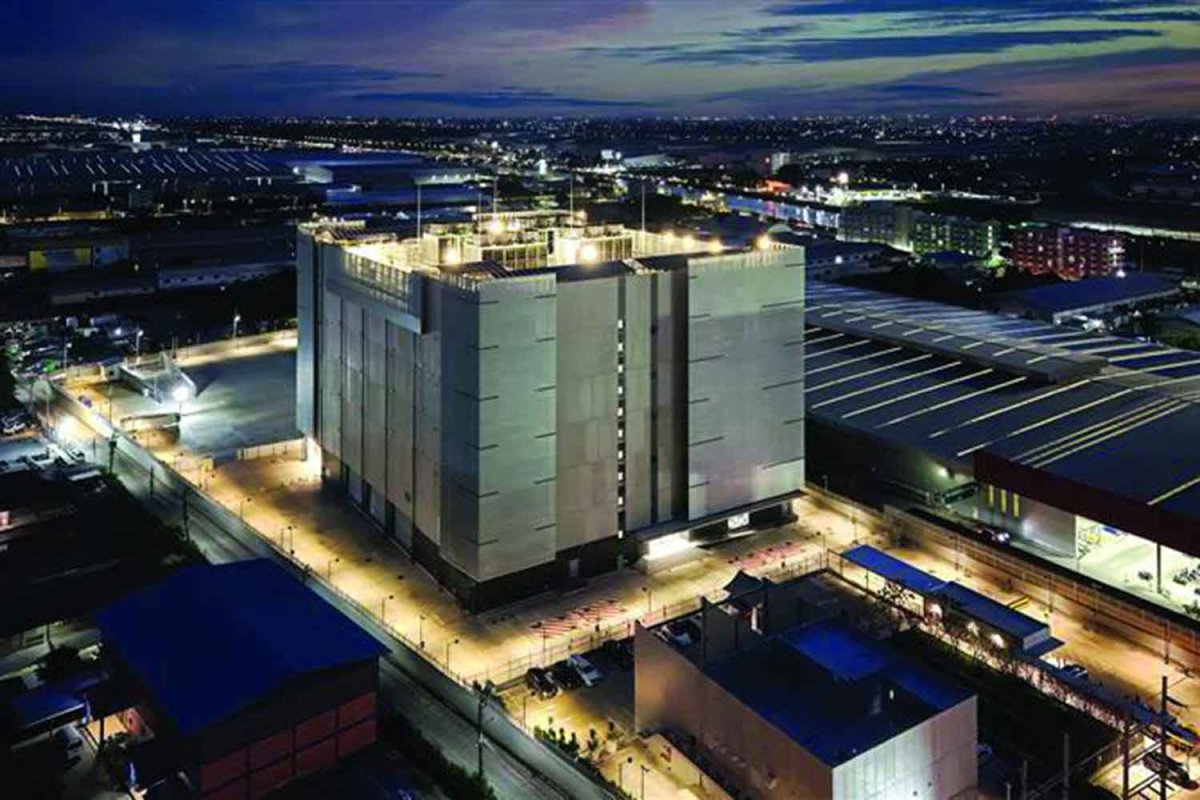
Thailand’s Data centre race faces power logjam
THIS NEWS ARTICLE KINDLY SPONSORED BY FALLPROTEC, A WORLD-RENOWNED NAME IN THE DESIGN AND MANUFACTURE OF PREMIUM FALL PROTECTION SYSTEMS AND HEIGHT ACCESS SOLUTIONS
Power, not land prices, has become the biggest hurdle for data centre investors evaluating Thailand, as growing demand is increasingly constrained by limited electricity and water infrastructure, according to property consultancy Savills Thailand.
Prapaporn Boonkajornkul, deputy managing director of the consultancy, said inquiries from overseas data centre investors remain steady, although the market is dominated by a small number of hyperscale operators requiring extensive infrastructure.
“Most inquiries originate from investors introduced by our overseas offices, including groups based in Singapore, China, Hong Kong, the US and Europe that have been evaluating Thailand against competing markets such as Indonesia,” she said.
Several Chinese investors are exploring opportunities to develop projects independently, focusing on sites in the Eastern Economic Corridor (EEC), Samut Prakan, Ayutthaya and Saraburi.
While land prices remain a consideration, investors are prioritising access to reliable electricity, water supply and telecom infrastructure over acquisition costs.
“They are not particularly sensitive to land prices,” Ms Prapaporn said.
“In some cases, if the asking price is too low, they question whether the site has hidden issues.”
Savills said most overseas investors are seeking plots of 50-100 rai with dual access roads and proximity to power, water and fibre-optic networks.
Electricity remains the biggest obstacle, with many investors requiring power capacity of up to 500 megawatts, far exceeding current availability in many locations.
Developers must often queue for electricity allocations, while approvals for projects requiring around 150MW are limited in each area due to concerns over local grid capacity.
Although data centres prefer sites close to urban communities to reduce network latency, projects located farther from residential areas often face fewer electricity constraints.
In addition, flood risk is a decisive factor during site selection, with investors conducting extensive due diligence before committing to acquisitions.
Ayutthaya, despite improved flood protection, continues to raise concerns because parts of the province are designated as flood retention areas, she noted.
Other provinces face different challenges. Chachoengsao has limitations in electricity and water availability, while parts of Chon Buri have similar utility constraints despite remaining among investors’ preferred locations.
The EEC, particularly Chon Buri and Rayong, continues to attract the strongest interest because of its established industrial infrastructure.
Savills noted industrial estates generally have an advantage as they already provide fibre-optic connectivity, a priority for hyperscale data centres.
The consultancy recorded growing interest in long-term land leases rather than purchases, although many landowners remain reluctant to lease strategically located sites.
Some projects are being considered outside traditional industrial zones. In Bangkok, data centres are increasingly being planned as high-rise facilities, while hyperscale developments are expected to remain outside the capital.
Savills has around 10 active inquiries from data centre investors, with 4-5 projects progressing beyond preliminary site surveys.
Most of these advanced discussions involve investors headquartered in Singapore with operations in China and Europe, and Savills expects some transactions to conclude in the second half of 2026.
“Site selection typically takes more than a year, as investors undertake detailed assessments covering flood exposure, soil conditions, utility capacity and transport access before making investment decisions,” said Ms Prapaporn.
Source: https://www.bangkokpost.com/business/general/3295604/data-centre-race-faces-power-logjam
Google Translation:
การแข่งขันด้านศูนย์ข้อมูลในประเทศไทยเผชิญกับปัญหาด้านพลังงาน
นักลงทุนด้านศูนย์ข้อมูลกังวลเรื่องการจัดหาพลังงานมากกว่าราคาที่ดิน
บทความข่าวนี้ได้รับการสนับสนุนโดย FALLPROTEC บริษัทชั้นนำระดับโลกด้านการออกแบบและผลิตระบบป้องกันการตกจากที่สูงและโซลูชันการเข้าถึงที่สูงระดับพรีเมียม
พลังงาน ไม่ใช่ราคาที่ดิน กลายเป็นอุปสรรคที่ใหญ่ที่สุดสำหรับนักลงทุนด้านศูนย์ข้อมูลที่กำลังประเมินประเทศไทย เนื่องจากความต้องการที่เพิ่มขึ้นถูกจำกัดด้วยโครงสร้างพื้นฐานด้านไฟฟ้าและน้ำที่จำกัด ตามรายงานของบริษัทที่ปรึกษาด้านอสังหาริมทรัพย์ Savills Thailand
ประภาพร บุญจรกุล รองกรรมการผู้จัดการของบริษัทที่ปรึกษา กล่าวว่า การสอบถามจากนักลงทุนด้านศูนย์ข้อมูลจากต่างประเทศยังคงมีอย่างต่อเนื่อง แม้ว่าตลาดจะถูกครอบงำโดยผู้ประกอบการไฮเปอร์สเกลจำนวนน้อยรายที่ต้องการโครงสร้างพื้นฐานขนาดใหญ่ก็ตาม
“คำถามส่วนใหญ่มาจากนักลงทุนที่ได้รับการแนะนำจากสำนักงานต่างประเทศของเรา รวมถึงกลุ่มที่ตั้งอยู่ในสิงคโปร์ จีน ฮ่องกง สหรัฐอเมริกา และยุโรป ซึ่งได้ประเมินประเทศไทยเทียบกับตลาดคู่แข่ง เช่น อินโดนีเซีย” เธอกล่าว
นักลงทุนชาวจีนหลายรายกำลังมองหาโอกาสในการพัฒนาโครงการด้วยตนเอง โดยเน้นที่พื้นที่ในเขตเศรษฐกิจพิเศษภาคตะวันออก (EEC) สมุทรปราการ อยุธยา และสระบุรี
แม้ว่าราคาที่ดินยังคงเป็นปัจจัยหนึ่ง แต่นักลงทุนให้ความสำคัญกับการเข้าถึงไฟฟ้า น้ำประปา และโครงสร้างพื้นฐานด้านโทรคมนาคมที่เชื่อถือได้มากกว่าต้นทุนการซื้อที่ดิน
“พวกเขาไม่ได้อ่อนไหวต่อราคาที่ดินมากนัก” นางสาวประภาพรกล่าว
“ในบางกรณี หากราคาที่ขอต่ำเกินไป พวกเขาก็จะตั้งคำถามว่าที่ดินนั้นมีปัญหาซ่อนอยู่หรือไม่”
ซาวิลส์กล่าวว่านักลงทุนต่างชาติส่วนใหญ่กำลังมองหาที่ดินขนาด 50-100 ไร่ มีถนนเข้าออกได้สองทาง และอยู่ใกล้กับไฟฟ้า น้ำประปา และเครือข่ายใยแก้วนำแสง
ไฟฟ้ายังคงเป็นอุปสรรคที่ใหญ่ที่สุด โดยนักลงทุนหลายรายต้องการกำลังการผลิตไฟฟ้าสูงถึง 500 เมกะวัตต์ ซึ่งเกินกว่ากำลังการผลิตที่มีอยู่ในปัจจุบันในหลายพื้นที่
ผู้พัฒนาโครงการมักต้องรอคิวเพื่อขอจัดสรรไฟฟ้า ขณะที่การอนุมัติโครงการที่ต้องการไฟฟ้าประมาณ 150 เมกะวัตต์นั้นมีจำกัดในแต่ละพื้นที่ เนื่องจากความกังวลเกี่ยวกับกำลังการผลิตของโครงข่ายไฟฟ้าในท้องถิ่น
แม้ว่าศูนย์ข้อมูลจะชอบสถานที่ที่อยู่ใกล้ชุมชนเมืองเพื่อลดความหน่วงของเครือข่าย แต่โครงการที่ตั้งอยู่ห่างจากพื้นที่อยู่อาศัยมักเผชิญกับข้อจำกัดด้านไฟฟ้าที่น้อยกว่า
นอกจากนี้ ความเสี่ยงจากน้ำท่วมเป็นปัจจัยสำคัญในการเลือกสถานที่ตั้ง โดยนักลงทุนจะทำการตรวจสอบอย่างละเอียดก่อนที่จะตัดสินใจเข้าซื้อกิจการ
อยุธยา แม้ว่าจะมีการป้องกันน้ำท่วมที่ดีขึ้นแล้ว แต่ก็ยังคงมีข้อกังวลอยู่ เนื่องจากบางส่วนของจังหวัดถูกกำหนดให้เป็นพื้นที่กักเก็บน้ำ
จังหวัดอื่นๆ เผชิญกับความท้าทายที่แตกต่างกัน จังหวัดฉะเชิงเทรามีข้อจำกัดด้านไฟฟ้าและน้ำ ขณะที่บางส่วนของจังหวัดชลบุรีก็มีข้อจำกัดด้านสาธารณูปโภคที่คล้ายคลึงกัน แม้ว่าจะยังคงเป็นหนึ่งในสถานที่ที่นักลงทุนนิยมลงทุนก็ตาม
เขตเศรษฐกิจพิเศษภาคตะวันออก โดยเฉพาะชลบุรีและระยอง ยังคงดึงดูดความสนใจมากที่สุดเนื่องจากมีโครงสร้างพื้นฐานทางอุตสาหกรรมที่แข็งแกร่ง
บริษัท Savills ตั้งข้อสังเกตว่าโดยทั่วไปแล้วนิคมอุตสาหกรรมมีข้อได้เปรียบ เนื่องจากมีระบบเชื่อมต่อใยแก้วนำแสงอยู่แล้ว ซึ่งเป็นสิ่งสำคัญสำหรับศูนย์ข้อมูลขนาดใหญ่
บริษัทที่ปรึกษาดังกล่าวพบว่าความสนใจในการเช่าที่ดินระยะยาวมากกว่าการซื้อนั้นเพิ่มมากขึ้น แม้ว่าเจ้าของที่ดินหลายรายยังคงลังเลที่จะให้เช่าที่ดินในทำเลที่ตั้งเชิงกลยุทธ์
บางโครงการกำลังได้รับการพิจารณาอยู่นอกเขตอุตสาหกรรมแบบดั้งเดิม ในกรุงเทพฯ ศูนย์ข้อมูลกำลังถูกวางแผนให้เป็นอาคารสูงมากขึ้น ในขณะที่การพัฒนาศูนย์ข้อมูลขนาดใหญ่คาดว่าจะยังคงอยู่นอกเมืองหลวง
Savills มีการสอบถามจากนักลงทุนศูนย์ข้อมูลประมาณ 10 ราย โดยมี 4-5 โครงการที่ดำเนินการไปไกลกว่าการสำรวจพื้นที่เบื้องต้นแล้ว
การเจรจาขั้นสูงส่วนใหญ่เกี่ยวข้องกับนักลงทุนที่มีสำนักงานใหญ่ในสิงคโปร์และมีธุรกิจในจีนและยุโรป และ Savills คาดว่าธุรกรรมบางส่วนจะเสร็จสิ้นในครึ่งหลังของปี 2026
“การเลือกพื้นที่มักใช้เวลานานกว่าหนึ่งปี เนื่องจากนักลงทุนจะทำการประเมินอย่างละเอียดครอบคลุมถึงความเสี่ยงจากน้ำท่วม สภาพดิน ความจุของสาธารณูปโภค และการเข้าถึงการขนส่ง ก่อนที่จะตัดสินใจลงทุน” นางสาวประภาพรกล่าว