Chevron Thailand launches high-speed boat to transport oil workers to drilling platforms in the Gulf of Thailand
THIS NEWS ARTICLE KINDLY SPONSORED BY FALLPROTEC, A WORLD-RENOWNED NAME IN THE DESIGN AND MANUFACTURE OF PREMIUM FALL PROTECTION SYSTEMS AND HEIGHT ACCESS SOLUTIONS
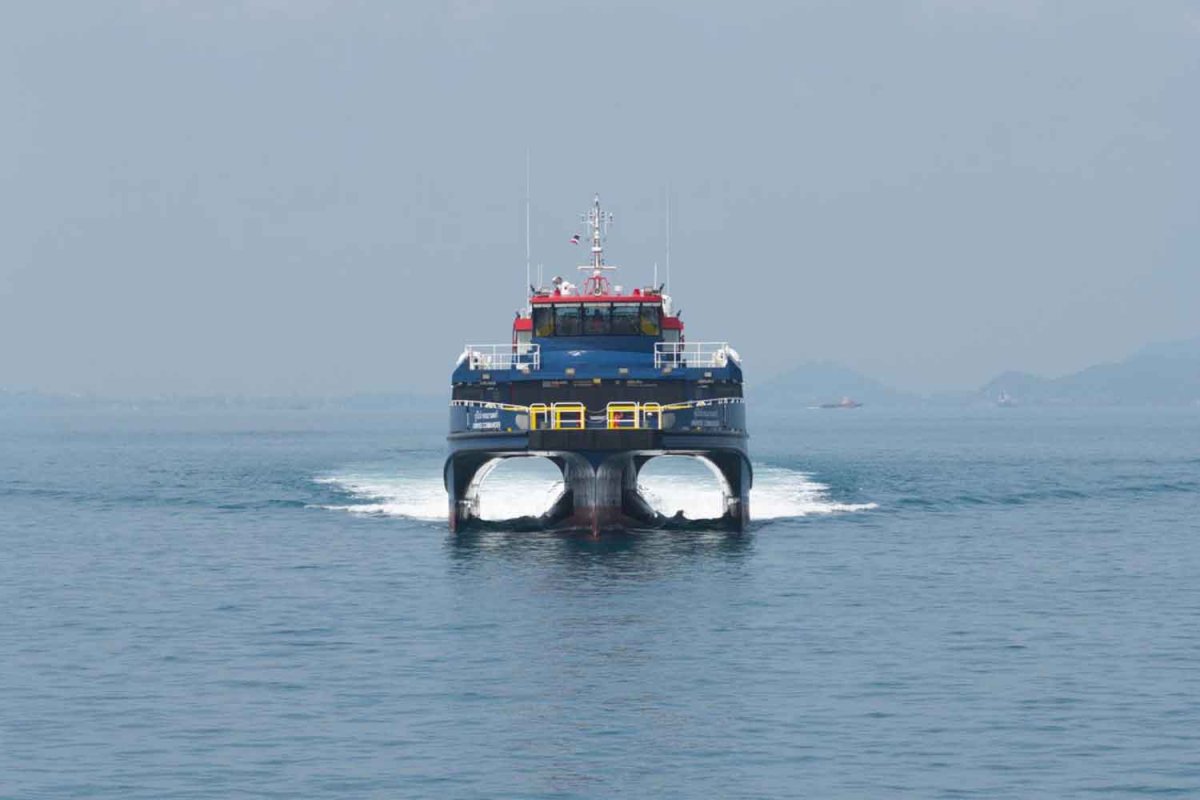
Chevron Thailand Exploration and Production is enhancing its offshore petroleum operations by deploying the world’s first trimaran crew vessel to transport workers to drilling platforms in the Gulf of Thailand.
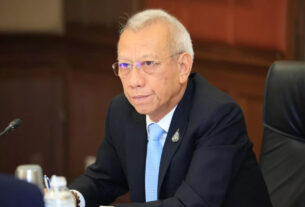
President Chatit Huayhongtong said the company is stepping up its use of technology to bolster Thailand’s long-term upstream energy security.
Alongside the trimaran crew vessel, Chevron has rolled out its Integrated Operation Center (IOC) to optimise mature offshore natural gas operations in the Gulf.
The move comes as energy producers face the challenges of managing ageing brownfield assets, where reducing production costs and maximising efficiency are critical to sustaining domestic energy supplies.
Traditional single-hull crew vessels often encounter rough seas, particularly during Thailand’s monsoon season in the latter half of the year.
These conditions can cause crew fatigue and operational delays, said Mr Chatit.
The newly built 90-seat trimaran addresses these issues with a three-hull structure that rises partially above the water at high speed, reducing vessel roll and cutting transit times between onshore facilities and offshore platforms by up to 30%.
This design minimises fatigue among workers and improves overall transport reliability.
The vessel also provides a high-capacity, cost-efficient alternative to helicopters, which typically carry only about 10 passengers per flight at significantly higher expense.
With enhanced wave tolerance and safety features, the trimaran is particularly suited to the Gulf of Thailand’s severe monsoon season from October to December.
“Our primary mission is to create energy security for Thailand,” Mr Chatit said.
“As field potential naturally diminishes over decades of production, bringing in innovative technologies to manage operating costs, enhance safety and maintain economic viability across our operations is essential.”
Chevron Thailand currently operates three major offshore production platforms — Benjamas, North Pailin and South Pailin — which together account for about 20% of Thailand’s total natural gas supply.
Offshore workforce management requires personnel to work demanding three-week rotations before returning onshore to rest, making safe and efficient transport vital.
Another innovation introduced by Chevron Thailand is the IOC, a digital hub that centralises real-time data streams, platform monitoring and operational controls.
The IOC reduces unplanned downtime, minimises the need for permanent staff on remote rigs and enhances decision-making efficiency for offshore operations.
Source://www.bangkokpost.com/business/general/3296154/chevron-launches-highspeed-boat-to-transport-oil-workers
Google Translation:
เชฟรอน ประเทศไทย เปิดตัวเรือเร็วขนส่งคนงานขุดเจาะน้ำมันไปยังแท่นขุดเจาะในอ่าวไทย
เรือขนส่งลูกเรือแบบไตรมาแรนของเชฟรอน ไทยแลนด์ เอ็กซ์พลอเรชั่น แอนด์ โปรดักชัน เป็นหนึ่งในนวัตกรรมทางเทคโนโลยีล่าสุดของบริษัท
บทความข่าวนี้ได้รับการสนับสนุนโดย FALLPROTEC บริษัทที่มีชื่อเสียงระดับโลกด้านการออกแบบและการผลิตระบบป้องกันการตกจากที่สูงและโซลูชันการเข้าถึงที่สูงระดับพรีเมียม
เชฟรอน ไทยแลนด์ เอ็กซ์พลอเรชั่น แอนด์ โปรดักชัน กำลังยกระดับการดำเนินงานปิโตรเลียมในทะเลด้วยการใช้งานเรือขนส่งลูกเรือแบบไตรมาแรนลำแรกของโลกเพื่อขนส่งคนงานไปยังแท่นขุดเจาะในอ่าวไทย
ประธานบริษัท ชาติท ห้วยหงษ์ทอง กล่าวว่า บริษัทกำลังเพิ่มการใช้เทคโนโลยีเพื่อเสริมสร้างความมั่นคงด้านพลังงานต้นน้ำในระยะยาวของประเทศไทย
นอกจากเรือขนส่งลูกเรือแบบไตรมาแรนแล้ว เชฟรอนยังได้เปิดตัวศูนย์ปฏิบัติการแบบบูรณาการ (IOC) เพื่อเพิ่มประสิทธิภาพการดำเนินงานก๊าซธรรมชาติในทะเลที่เติบโตเต็มที่ในอ่าวไทย
การเปลี่ยนแปลงนี้เกิดขึ้นในขณะที่ผู้ผลิตพลังงานกำลังเผชิญกับความท้าทายในการจัดการสินทรัพย์เก่าแก่ที่เสื่อมสภาพ ซึ่งการลดต้นทุนการผลิตและการเพิ่มประสิทธิภาพสูงสุดเป็นสิ่งสำคัญต่อการรักษาระดับพลังงานภายในประเทศ
เรือบรรทุกสินค้าแบบดั้งเดิมที่มีลำตัวเดียวมักเผชิญกับคลื่นลมแรง โดยเฉพาะอย่างยิ่งในช่วงฤดูมรสุมของประเทศไทยในครึ่งหลังของปี
สภาพการณ์เหล่านี้อาจทำให้ลูกเรือเหนื่อยล้าและเกิดความล่าช้าในการปฏิบัติงาน นายชาติกล่าว
เรือไตรมาแรนขนาด 90 ที่นั่งที่สร้างขึ้นใหม่นี้แก้ไขปัญหาเหล่านี้ด้วยโครงสร้างสามลำตัวที่ยกตัวขึ้นเหนือน้ำบางส่วนเมื่อแล่นด้วยความเร็วสูง ช่วยลดการโคลงของเรือและลดเวลาการเดินทางระหว่างสิ่งอำนวยความสะดวกบนฝั่งและแท่นขุดเจาะนอกชายฝั่งได้มากถึง 30%
การออกแบบนี้ช่วยลดความเหนื่อยล้าของคนงานและปรับปรุงความน่าเชื่อถือในการขนส่งโดยรวม
เรือลำนี้ยังเป็นทางเลือกที่มีประสิทธิภาพสูงและคุ้มค่ากว่าเฮลิคอปเตอร์ ซึ่งโดยทั่วไปบรรทุกผู้โดยสารได้เพียงประมาณ 10 คนต่อเที่ยวบินในราคาที่สูงกว่ามาก
ด้วยความทนทานต่อคลื่นและคุณสมบัติด้านความปลอดภัยที่ได้รับการปรับปรุง เรือไตรมาแรนจึงเหมาะอย่างยิ่งสำหรับฤดูมรสุมที่รุนแรงของอ่าวไทยตั้งแต่เดือนตุลาคมถึงธันวาคม
นายชาติทกล่าวว่า “ภารกิจหลักของเราคือการสร้างความมั่นคงด้านพลังงานให้กับประเทศไทย”
“เนื่องจากศักยภาพของแหล่งก๊าซธรรมชาติจะลดลงตามธรรมชาติเมื่อเวลาผ่านไปหลายสิบปี การนำเทคโนโลยีที่เป็นนวัตกรรมใหม่มาใช้เพื่อบริหารจัดการต้นทุนการดำเนินงาน เพิ่มความปลอดภัย และรักษาความยั่งยืนทางเศรษฐกิจในการดำเนินงานของเราจึงเป็นสิ่งสำคัญ”
ปัจจุบัน เชฟรอน ประเทศไทย ดำเนินงานแท่นผลิตก๊าซธรรมชาติกลางทะเลขนาดใหญ่ 3 แห่ง ได้แก่ เบญจมะห์ ไพลินเหนือ และไพลินใต้ ซึ่งรวมกันแล้วคิดเป็นประมาณ 20% ของปริมาณก๊าซธรรมชาติทั้งหมดของประเทศไทย
การบริหารจัดการกำลังคนในแท่นผลิตกลางทะเลจำเป็นต้องมีบุคลากรที่ทำงานอย่างหนักเป็นรอบๆ ละสามสัปดาห์ก่อนที่จะกลับขึ้นฝั่งเพื่อพักผ่อน ทำให้การขนส่งที่ปลอดภัยและมีประสิทธิภาพเป็นสิ่งสำคัญ
นวัตกรรมอีกอย่างหนึ่งที่เชฟรอน ประเทศไทย นำมาใช้คือ IOC ซึ่งเป็นศูนย์กลางดิจิทัลที่รวมศูนย์ข้อมูลแบบเรียลไทม์ การตรวจสอบแท่นผลิต และการควบคุมการปฏิบัติงาน
IOC ช่วยลดเวลาหยุดทำงานโดยไม่คาดคิด ลดความจำเป็นในการมีพนักงานประจำในแท่นผลิตที่อยู่ห่างไกล และเพิ่มประสิทธิภาพในการตัดสินใจสำหรับการดำเนินงานกลางทะเล