
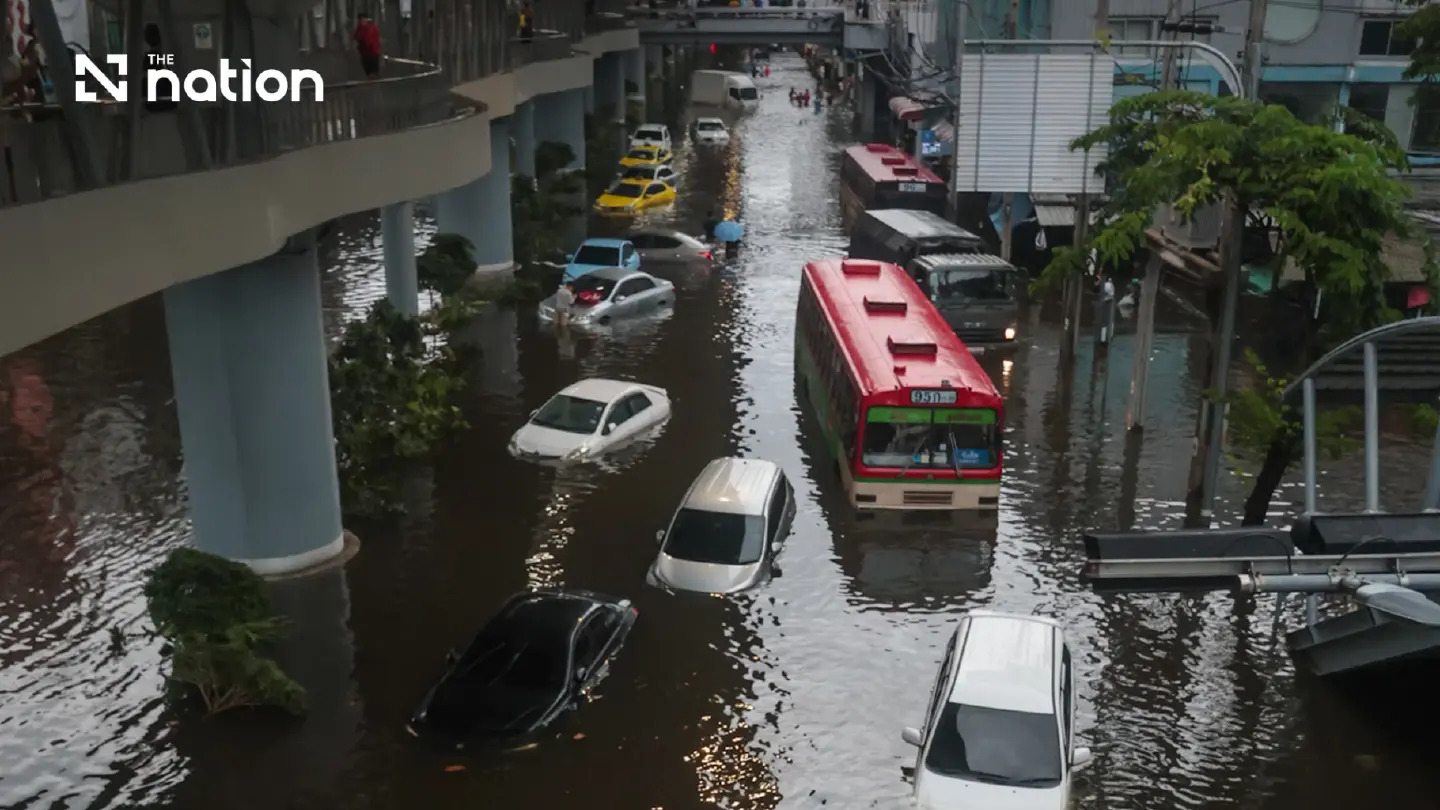
 Over 300mm of rain in 48 hours overwhelmed Bangkok’s drainage system, causing widespread flooding
Bangkok’s 48-hour deluge exposes limits of city drainage system
- Over 300mm of rain in 48 hours overwhelmed Bangkok’s drainage system, causing widespread flooding even without significant upstream water, which the system was primarily designed to handle.
- The city’s ability to drain the floodwater was further hampered by high sea levels and strong monsoon winds in the Gulf of Thailand, which restricted the outflow.
- Experts argue the event proves that the city’s heavy reliance on large drainage tunnels is an insufficient strategy for dealing with intense, localized rainfall caused by climate change.
- The failure has prompted calls for a fundamental reassessment of flood management, including designing for worst-case scenarios, improving early-warning systems, and adopting more proactive disaster policies.
More than 300 millimetres of accumulated rain over Bangkok during September 25–26, 2026 has exposed the limits of the capital’s drainage infrastructure and prompted experts to call for a fundamental reassessment of how the city prepares for extreme rainfall.
The prolonged downpour lasted for more than two days and inundated major roads even though there was no significant influx of upstream water into Bangkok.
Conditions in the inner Gulf of Thailand added to the problem, with strong monsoon winds and high sea levels making it more difficult to drain water from the capital towards the sea.
Academics and disaster specialists say the episode illustrates the need to move beyond simply responding to flooding and instead design the city around worst-case scenarios, covering drainage capacity, early warnings and long-term infrastructure investment.
They also argue that historical rainfall records should no longer be treated as fixed limits when assessing future climate risks.
Bangkok’s 48-hour deluge exposes limits of city drainage system

Experts call for worst-case warning systems
Assistant Professor Dr Thon Thamrongnawasawat, a marine and environmental specialist at Kasetsart University’s Faculty of Fisheries, described the event as prolonged or “stationary” rainfall, with rain-bearing cloud systems repeatedly passing over the same areas for more than 30 hours.
He attributed the intensity to the combined effects of what he described as Super El Niño conditions and rising global temperatures, which allow the atmosphere to hold more moisture.
Thon noted that, as a general physical principle, the atmosphere can hold around 7% more water vapour for every 1C increase in temperature, increasing the potential for heavier rainfall.
He said conditions were compounded by monsoon winds over the inner Gulf of Thailand exceeding 40 kilometres per hour, generating waves of more than one metre and contributing to elevated sea levels that restricted Bangkok’s ability to discharge floodwater.
Thon also criticised the timing of emergency warnings.
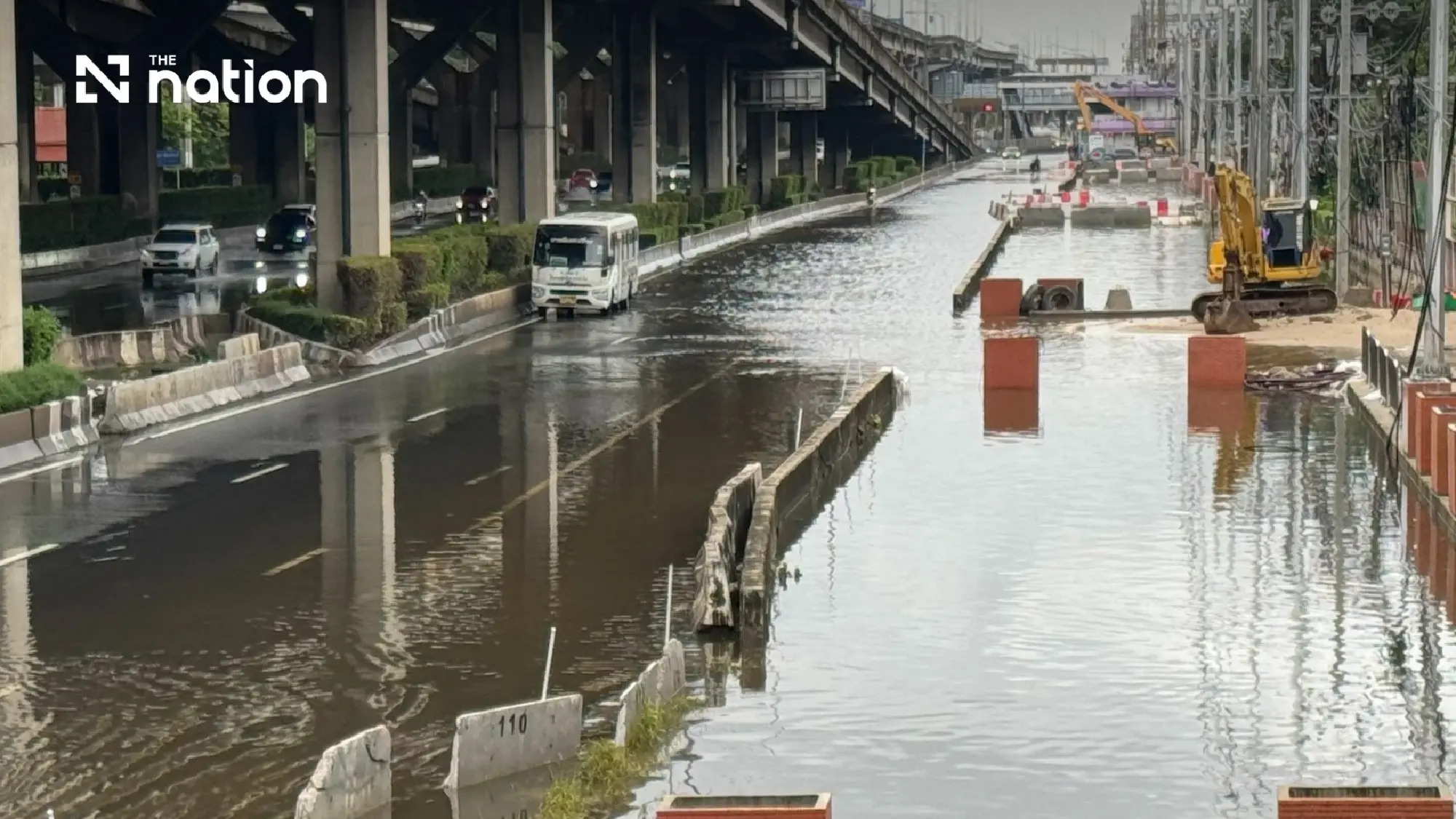
He said a Cell Broadcast message advising residents to move belongings to higher ground was issued at around 10am, even though flooding had already affected areas including Ekkamai from around 1am–2am.
Post-disaster assistance could also be delayed by legal and administrative constraints, he added.
“The phrase ‘unexpected’ can no longer be used in an era of global warming, because it means using the past to predict a future that is no longer the same,” Thon said.
He argued that authorities should prepare for the worst plausible outcome in advance, even if forecasts ultimately prove more severe than what occurs.
Thailand, he added, needed to acknowledge that its warning and emergency-response systems were still insufficient and should be strengthened nationwide, particularly ahead of future climate-related risks.
Experts question reliance on major drainage infrastructure
Associate Professor Dr Seree Supratid, director of the Climate Change and Disaster Center at Rangsit University and an expert involved with Intergovernmental Panel on Climate Change work, said the flooding also raised questions over Bangkok’s existing drainage strategy.
Following the major floods of 2011, Bangkok invested heavily in large-scale drainage infrastructure, including several major drainage tunnels, largely to cope with water flowing into the capital from upstream areas.
Seree said the latest event challenged assumptions that these investments alone would be enough.
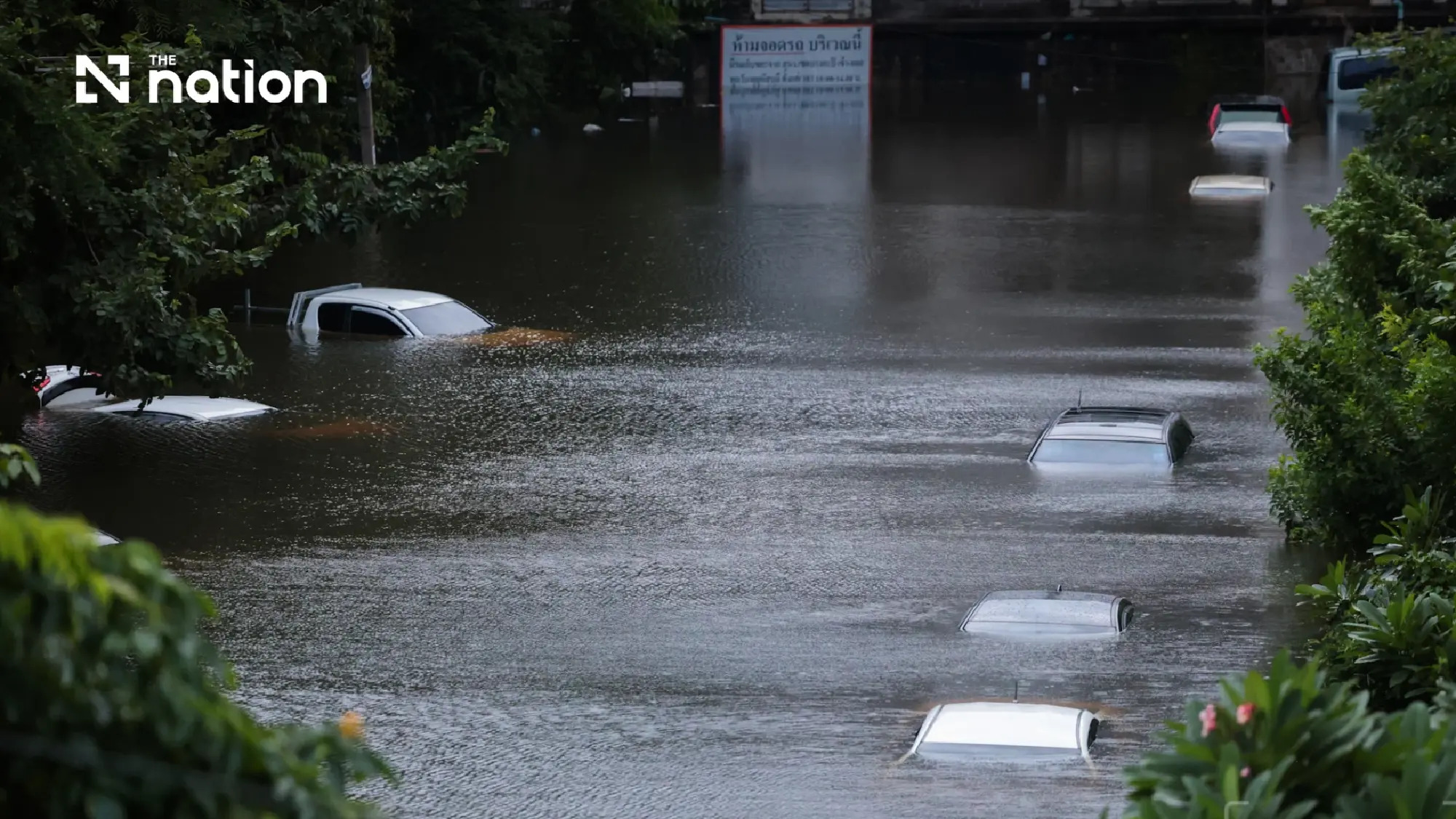
He pointed out that cumulative rainfall exceeding 300mm overwhelmed parts of Bangkok even without significant upstream run-off.
“I used to believe that the 2011 upstream flood led Bangkok to build more than four large drainage tunnels, with several more planned at enormous cost,” he said.
“That belief has been washed away by this year’s flood. Even with more than 300mm of accumulated rain falling locally, without upstream water, the system still could not cope.”
Seree also warned that heavy accumulated rainfall remained a concern in western and eastern Thailand.
He called for a wider reassessment of flood risks rather than continued reliance on conventional drainage infrastructure alone.
Three areas identified for reform
The two academics pointed towards three broad areas requiring changes if Bangkok is to cope better with future extreme rainfall.
First, early-warning systems need to be strengthened. Cell Broadcast and other emergency alerts should operate in real time and reach residents before flooding occurs rather than after roads and communities are already inundated.
Second, infrastructure planning needs a broader approach. Bangkok should not rely solely on large drainage tunnels, but should integrate urban drainage with coastal conditions, monsoon winds, sea levels and systematic water diversion.
Third, disaster policy should become more proactive, using worst-case assumptions when preparing personnel, equipment and compensation measures so that assistance can be deployed before extreme weather causes greater damage.
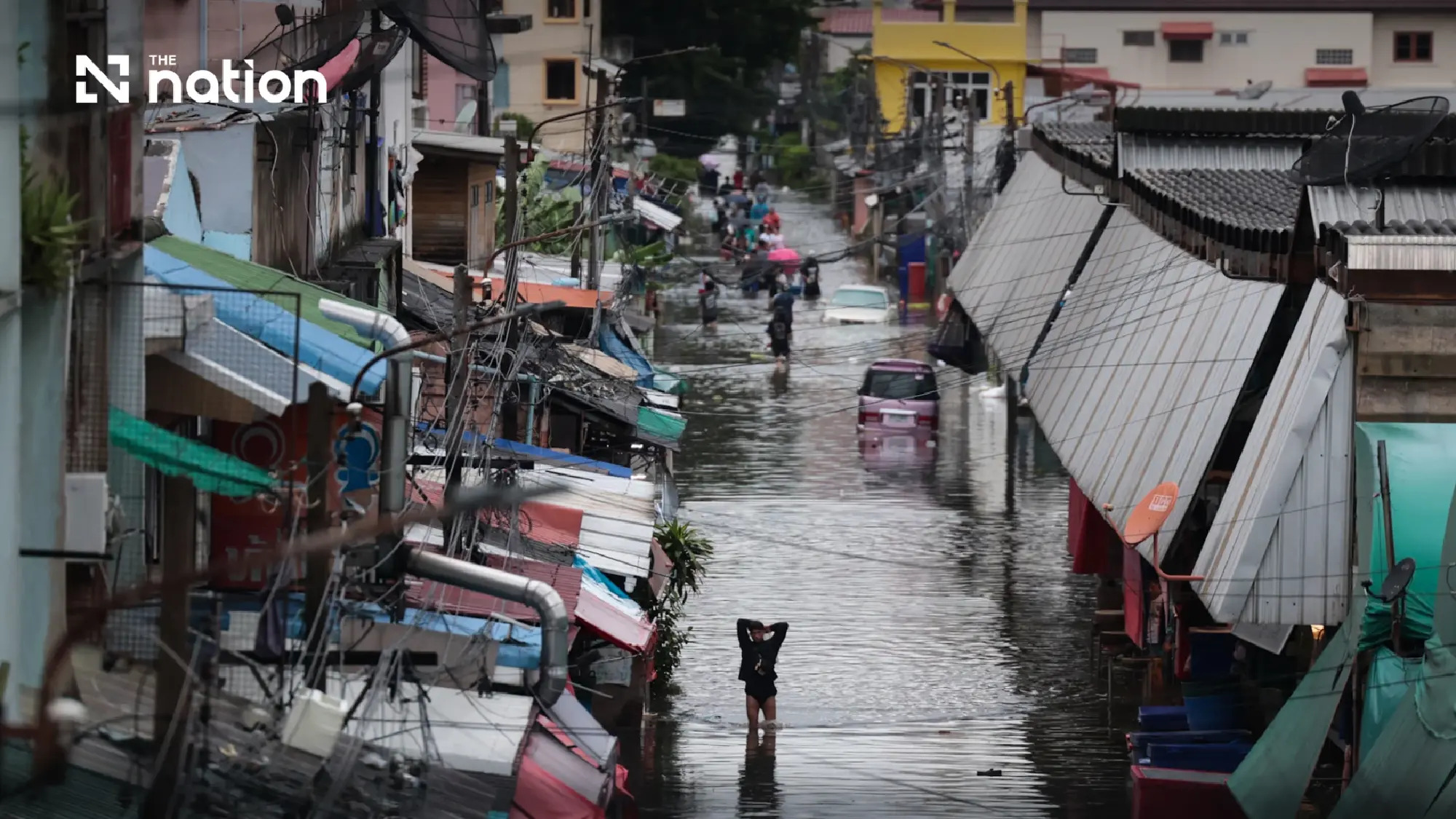
Bangkok increasingly relies on data and AI
The Bangkok Metropolitan Administration (BMA) has already been shifting towards data-driven water management, using a central command centre to collect information from closed-circuit television cameras and telemetry systems before directing teams to problem areas.
Artificial intelligence is also being used alongside C-band and X-band weather radar to analyse the formation and movement of rain clouds.
According to the supplied information, the system can forecast rainfall up to three hours ahead with an accuracy of around 80–85%, allowing officials to lower canal levels and position machinery before heavy rain arrives.
Bangkok is also focusing on what it describes as the drainage system’s “capillaries” — roadside and community drains that carry water towards the city’s larger “arteries”, including major drainage tunnels.
Measures include dredging drains according to local conditions, repairing roads and introducing new drainage channels.
These include O-Gutters, designed with long, narrow openings to reduce rubbish blockages, and larger steel-covered U-Gutters, intended to improve water flow in low-lying areas.
Bangkok’s current drainage infrastructure
The BMA has installed automated pump-control sensors at 431 pumping pits, along with backflow-prevention gates, and has added 1,107 pumps across Bangkok.
Its current drainage infrastructure includes:
- 1,980 canals, with a combined length of 2,745 kilometres
- 38 retention areas and water banks, with combined capacity of 13.71 million cubic metres
- 207 pumping stations
- 244 water-control gates
- Five major drainage tunnels
- 6,854 kilometres of drainage pipes
The city also has 12 mobile units, 46 water-propelling machines and 24 BEST rapid-response teams available around the clock.
Despite those resources, experts say the September rainfall demonstrates that Bangkok’s future flood planning will need to account for increasingly extreme combinations of rainfall, sea conditions and urban constraints rather than relying on historical assumptions alone.
Source: https://www.nationthailand.com/sustaination/40071580 (Krungthep Turakij)
For those who wish to help our fellow citizens suffering and affected by the floods, you can make a donation through the following accounts:
Nation Foundation
Bank of Ayudhya (Krungsri): Account No. 333-0-01399-6
Kasikorn Bank: Account No. 192-3-59782-0
“We will get through this crisis together.”
Google Translation:
[We apologise if any of the translation is incorrect: google Translation occasionally gets it wrong]
ปริมาณน้ำฝนกว่า 300 มม. ในช่วง 48 ชั่วโมงส่งผลให้ระบบระบายน้ำของกรุงเทพฯ รับมือไม่ไหว ก่อให้เกิดน้ำท่วมขังเป็นวงกว้าง
ฝนถล่มกรุงเทพฯ นาน 48 ชั่วโมง เผยให้เห็นขีดจำกัดของระบบระบายน้ำในเมือง
ปริมาณน้ำฝนที่สะสมกว่า 300 มิลลิเมตรในช่วงเวลา 48 ชั่วโมงได้สร้างภาระหนักเกินขีดความสามารถของระบบระบายน้ำในกรุงเทพฯ ส่งผลให้เกิดน้ำท่วมขังเป็นวงกว้าง แม้ว่าจะไม่มีปริมาณน้ำหลากจากพื้นที่ตอนบนซึ่งเป็นปัจจัยหลักที่ระบบระบายน้ำถูกออกแบบมาเพื่อรองรับก็ตาม
ศักยภาพในการระบายน้ำของเมืองยังถูกซ้ำเติมด้วยระดับน้ำทะเลที่สูงและลมมรสุมกำลังแรงในอ่าวไทย ซึ่งเป็นอุปสรรคขัดขวางการระบายน้ำออกสู่ทะเล
ผู้เชี่ยวชาญชี้ว่าเหตุการณ์นี้พิสูจน์ให้เห็นว่า การที่เมืองพึ่งพาอุโมงค์ระบายน้ำขนาดใหญ่เพียงอย่างเดียวนั้น ไม่ใช่กลยุทธ์ที่เพียงพอสำหรับการรับมือกับฝนตกหนักเฉพาะจุดอันเป็นผลมาจากการเปลี่ยนแปลงสภาพภูมิอากาศ
ความล้มเหลวในครั้งนี้ก่อให้เกิดเสียงเรียกร้องให้มีการทบทวนแนวทางการบริหารจัดการน้ำท่วมขนานใหญ่ ซึ่งรวมถึงการออกแบบระบบเพื่อรองรับสถานการณ์ที่เลวร้ายที่สุด การปรับปรุงระบบเตือนภัยล่วงหน้า และการกำหนดนโยบายรับมือภัยพิบัติเชิงรุกมากยิ่งขึ้น
ปริมาณน้ำฝนสะสมกว่า 300 มิลลิเมตรที่ตกลงมาในพื้นที่กรุงเทพฯ ระหว่างวันที่ 25–26 กันยายน 2026 ได้เผยให้เห็นถึงขีดจำกัดของโครงสร้างพื้นฐานด้านการระบายน้ำของเมืองหลวง และกระตุ้นให้ผู้เชี่ยวชาญเรียกร้องให้มีการทบทวนแนวทางการเตรียมความพร้อมรับมือกับฝนตกหนักขั้นรุนแรงเสียใหม่
ฝนที่ตกลงมาอย่างต่อเนื่องยาวนานกว่าสองวันส่งผลให้น้ำท่วมขังบนถนนสายหลัก แม้ว่าจะไม่มีปริมาณน้ำหลากจำนวนมากไหลเข้ามายังกรุงเทพฯ จากพื้นที่ตอนบนก็ตาม
สภาพการณ์ในอ่าวไทยตอนในยังเป็นปัจจัยซ้ำเติมสถานการณ์ โดยลมมรสุมกำลังแรงและระดับน้ำทะเลที่สูงขึ้นทำให้การระบายน้ำจากเมืองหลวงออกสู่ทะเลทำได้ยากลำบากยิ่งขึ้น
นักวิชาการและผู้เชี่ยวชาญด้านภัยพิบัติระบุว่า เหตุการณ์นี้แสดงให้เห็นถึงความจำเป็นในการปรับเปลี่ยนแนวคิดจากการเพียงแค่รับมือกับน้ำท่วมที่เกิดขึ้น มาเป็นการออกแบบเมืองโดยคำนึงถึงสถานการณ์ที่เลวร้ายที่สุด (worst-case scenarios) ซึ่งครอบคลุมทั้งขีดความสามารถในการระบายน้ำ ระบบเตือนภัยล่วงหน้า และการลงทุนด้านโครงสร้างพื้นฐานในระยะยาว
นอกจากนี้ พวกเขายังเห็นว่าไม่ควรยึดติดกับสถิติปริมาณน้ำฝนในอดีตว่าเป็นเกณฑ์จำกัดตายตัวอีกต่อไป เมื่อต้องประเมินความเสี่ยงด้านสภาพภูมิอากาศในอนาคต ฝนถล่มกรุงเทพฯ ต่อเนื่อง 48 ชั่วโมง เผยให้เห็นขีดจำกัดของระบบระบายน้ำในเมือง
ผู้เชี่ยวชาญเรียกร้องให้มีระบบแจ้งเตือนภัยสำหรับสถานการณ์เลวร้ายที่สุด
ผู้ช่วยศาสตราจารย์ ดร.ธรณ์ ธำรงนาวาสวัสดิ์ ผู้เชี่ยวชาญด้านทะเลและสิ่งแวดล้อมจากคณะประมง มหาวิทยาลัยเกษตรศาสตร์ อธิบายปรากฏการณ์นี้ว่าเป็นฝนที่ตกต่อเนื่องยาวนานหรือฝนที่ตกแช่ในพื้นที่เดิม (stationary rainfall) โดยกลุ่มเมฆฝนเคลื่อนผ่านพื้นที่เดิมซ้ำๆ เป็นเวลานานกว่า 30 ชั่วโมง
เขาระบุว่าความรุนแรงของฝนเกิดจากปัจจัยร่วมระหว่างสภาวะที่เขาเรียกว่า “ซูเปอร์เอลนีโญ” (Super El Niño) กับอุณหภูมิโลกที่สูงขึ้น ซึ่งส่งผลให้ชั้นบรรยากาศสามารถกักเก็บความชื้นได้มากขึ้น
ดร.ธรณ์ตั้งข้อสังเกตว่า ตามหลักการทางฟิสิกส์ทั่วไป ชั้นบรรยากาศจะสามารถกักเก็บไอน้ำได้เพิ่มขึ้นประมาณร้อยละ 7 ต่ออุณหภูมิที่สูงขึ้นทุกๆ 1 องศาเซลเซียส ซึ่งเพิ่มโอกาสที่จะเกิดฝนตกหนักยิ่งขึ้น
เขากล่าวว่าสถานการณ์ยังทวีความรุนแรงขึ้นจากลมมรสุมเหนืออ่าวไทยตอนในที่มีความเร็วเกิน 40 กิโลเมตรต่อชั่วโมง ทำให้เกิดคลื่นสูงกว่า 1 เมตร และส่งผลให้ระดับน้ำทะเลสูงขึ้น ซึ่งเป็นอุปสรรคต่อการระบายน้ำท่วมออกจากกรุงเทพฯ
นอกจากนี้ ดร.ธรณ์ยังวิพากษ์วิจารณ์เรื่องจังหวะเวลาในการแจ้งเตือนภัยฉุกเฉิน
เขาระบุว่าข้อความแจ้งเตือนผ่านระบบ Cell Broadcast ที่แนะนำให้ประชาชนขนย้ายสิ่งของขึ้นที่สูงนั้นถูกส่งออกมาในเวลาประมาณ 10.00 น. ทั้งที่น้ำท่วมได้ส่งผลกระทบต่อพื้นที่ต่างๆ รวมถึงย่านเอกมัยมาตั้งแต่ช่วงเวลาประมาณ 01.00–02.00 น. แล้ว
เขากล่าวเสริมว่า การให้ความช่วยเหลือหลังเกิดภัยพิบัติอาจล่าช้าเนื่องจากข้อจำกัดทางกฎหมายและระเบียบปฏิบัติ
“คำว่า ‘ไม่คาดคิด’ ไม่สามารถนำมาใช้ได้อีกต่อไปในยุคโลกร้อน เพราะนั่นหมายถึงการใช้ข้อมูลในอดีตมาคาดการณ์อนาคตที่เปลี่ยนแปลงไปจากเดิมแล้ว” ดร.ธรณ์กล่าว
เขาเสนอว่าหน่วยงานที่เกี่ยวข้องควรเตรียมพร้อมรับมือกับสถานการณ์ที่เลวร้ายที่สุดเท่าที่จะเป็นไปได้ไว้ล่วงหน้า แม้ว่าในท้ายที่สุดการพยากรณ์อาจรุนแรงกว่าสถานการณ์จริงที่เกิดขึ้นก็ตาม
เขากล่าวเสริมว่า ประเทศไทยจำเป็นต้องยอมรับว่าระบบการแจ้งเตือนภัยและการรับมือเหตุฉุกเฉินยังไม่มีประสิทธิภาพเพียงพอ และควรได้รับการยกระดับให้เข้มแข็งขึ้นทั่วประเทศ โดยเฉพาะอย่างยิ่งเพื่อรับมือกับความเสี่ยงที่เกี่ยวข้องกับสภาพภูมิอากาศในอนาคต
ผู้เชี่ยวชาญตั้งคำถามถึงการพึ่งพาโครงสร้างพื้นฐานหลักในการระบายน้ำ
รองศาสตราจารย์ ดร.เสรี ศุภราทิตย์ ผู้อำนวยการศูนย์การเปลี่ยนแปลงสภาพภูมิอากาศและภัยพิบัติ มหาวิทยาลัยรังสิต และผู้เชี่ยวชาญที่ร่วมงานกับคณะกรรมการระหว่างรัฐบาลว่าด้วยการเปลี่ยนแปลงสภาพภูมิอากาศ (IPCC) กล่าวว่า เหตุการณ์น้ำท่วมครั้งนี้ยังก่อให้เกิดคำถามเกี่ยวกับยุทธศาสตร์การระบายน้ำที่มีอยู่ของกรุงเทพฯ อีกด้วย หลังเหตุการณ์น้ำท่วมครั้งใหญ่ในปี 2554 กรุงเทพฯ ได้ลงทุนอย่างหนักในโครงสร้างพื้นฐานด้านการระบายน้ำขนาดใหญ่ รวมถึงอุโมงค์ระบายน้ำขนาดใหญ่หลายแห่ง ส่วนใหญ่เพื่อรับมือกับน้ำที่ไหลเข้าสู่เมืองหลวงจากพื้นที่ต้นน้ำ
เสรีกล่าวว่าเหตุการณ์ล่าสุดได้ท้าทายข้อสันนิษฐานที่ว่าการลงทุนเหล่านี้เพียงอย่างเดียวจะเพียงพอ
เขาชี้ให้เห็นว่าปริมาณน้ำฝนสะสมที่เกิน 300 มิลลิเมตรได้สร้างความเสียหายให้กับบางส่วนของกรุงเทพฯ แม้ว่าจะไม่มีน้ำไหลบ่าจากต้นน้ำอย่างมีนัยสำคัญก็ตาม
“ผมเคยเชื่อว่าน้ำท่วมต้นน้ำในปี 2554 ทำให้กรุงเทพฯ สร้างอุโมงค์ระบายน้ำขนาดใหญ่มากกว่า 4 แห่ง และมีแผนจะสร้างเพิ่มอีกหลายแห่งด้วยงบประมาณมหาศาล” เขากล่าว
“ความเชื่อนั้นถูกทำลายไปแล้วด้วยน้ำท่วมในปีนี้ แม้จะมีปริมาณน้ำฝนสะสมในพื้นที่มากกว่า 300 มิลลิเมตร แต่หากไม่มีน้ำจากต้นน้ำ ระบบก็ยังไม่สามารถรับมือได้”
เสรีเตือนด้วยว่าปริมาณน้ำฝนสะสมที่มากเกินไปอาจทำให้เกิดน้ำท่วมได้