 Happy Colour Blind Awareness Day – 6th September Every Year!
Every year on 6th September, Colour Blind Awareness Day highlights a condition that affects an estimated 300 million people worldwide. Despite being so common, colour blindness remains widely misunderstood.
When people hear the term “colour blind”, many assume that affected individuals see the world in black and white. In reality, only a very small percentage of colour-blind people cannot perceive colours at all. Most of us colour-blind people see colours, but we perceive some of them differently from people with normal colour vision.
As someone who is colour blind, I have spent a lifetime adapting to those differences. In most situations it has not been a major problem, but it has certainly led to a few amusing misunderstandings, occasional frustrations and one or two anxious moments—particularly when trying to obtain a Thai driving licence.
To mark Colour Blind Awareness Day, I thought I would explain what colour blindness is really like from a personal perspective and highlight some of the key facts that everyone should know about this often misunderstood condition.
Did You Know?
- Approximately 300 million people worldwide are colour blind.
• Around 1 in 12 men and 1 in 200 women are affected.
• Red-green colour blindness is the most common form.
• Colour blindness is usually inherited from the mother’s genes.
• Most colour-blind people do not see the world in black and white.
What Is It Like to Be Colour Blind?
The first thing to know is that only a small percentage of colour-blind people see no colours at all. Most of us see colours, just not necessarily in the same way as everyone else.
My colour blindness is Deuteranopia / Deuteranomaly, a form of red-green colour blindness and the most common type of colour blindness. In simple terms, my perception of green is weaker than normal, and certain shades of red and green can be difficult to distinguish. I also have possible Protanopia / Protanomaly, meaning difficulty with red-light sensitivity, which suggests a deficiency in my long-wavelength (red) cones.
One common misconception is that colour-blind people cannot see the colours in traffic lights. In reality, I can see all three colours and I know their position, so traffic lights have never been a problem for me.
Where I struggle is distinguishing certain colours from each other. Dark reds and dark greens can appear brown. Pinks, purples and blues can sometimes merge into shades that are difficult to identify accurately.
Playing snooker, for example, it is important that I know where the brown ball is at all times because there are occasions when I could mistake it for a red.

My biggest colour-blind faux pas occurred sometime between 1978 and 1980. I attended a Manchester City home match against Coventry City at Maine Road. On the journey home my older brother commented on how awful Coventry’s kit was. I replied, “What’s wrong with their maroon kit?”
It turned out the kit was actually chocolate brown.
To this day, I still remember the teasing I got when it became apparent that I genuinely could not see the difference.
Apart from moments like that, colour blindness has not significantly affected my life. A big challenge is often choosing clothing combinations. When, for example, selecting a shirt and tie that actually match, I need the assistance of somebody with normal colour vision.
Interestingly, I have always preferred bright colours such as blue, yellow and orange, while I have never been particularly fond of red or green—the two colours I struggle with most.
The Thai Driving Licence Challenge
For most of my life, colour blindness was little more than a minor inconvenience.
I passed driving tests in both the United Kingdom and New South Wales, Australia, without any colour-vision testing being required whatsoever.
Then I moved to Thailand.
Thailand requires colour-vision testing as part of the driving-licence process. I have taken the test twice—once for my initial two-year licence and again when obtaining my five-year licence.
Both occasions were stressful.
The test involved coloured lights appearing in my peripheral vision while I was required to identify the colours without turning my head. Unfortunately, I found out that I struggle with peripheral colour recognition.
To give myself the best chance of passing, I would flick my eyes sideways and occasionally move my head slightly to get a better look at the colour. The testing staff were not always impressed, but thankfully they gave me enough leeway for me to pass.
Some might call that cheating; I call it survival.
Had they used Ishihara plates for testing, which some ‘upcountry’ offices in Thailand reportedly use, I would almost certainly have failed.
My next 5-year renewal is due in 2027 and, although Thailand announced in 2026 that colour-vision tests were being removed from licence renewals – see ‘Thailand’s Department of Land Transport eases 2026 driving licence renewal rules, scraps colour-vision tests for driving licence renewals’ – I have read reports suggesting that some older foreign applicants over 65 years old may still be colour tested. So, the anxiety has not entirely disappeared.
Why Colour Blind Awareness Day Matters
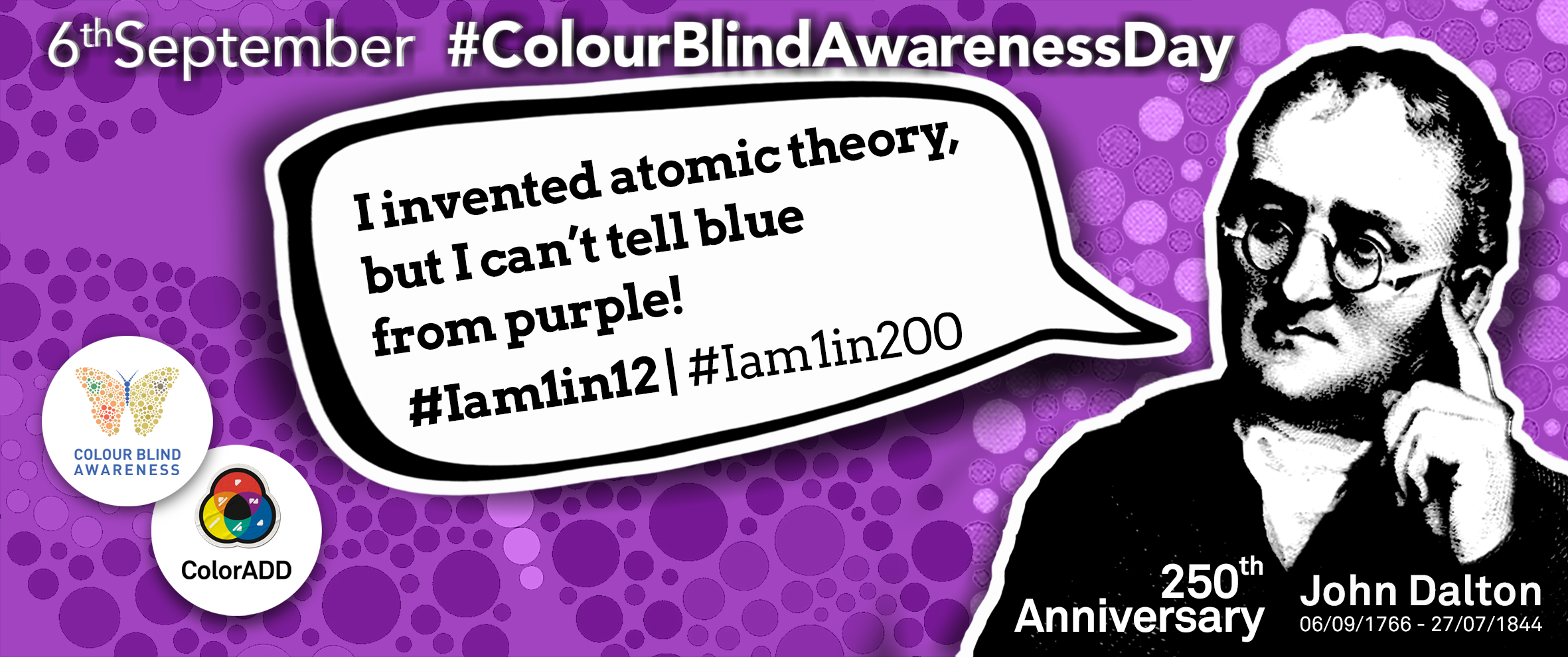
Colour Blind Awareness Day is held on 6th September to commemorate the birth of John Dalton, the English scientist who first studied and documented colour blindness.
Today the day serves an important purpose: raising awareness and understanding.
Approximately 300 million people worldwide have some form of colour vision deficiency. Around one in twelve men and one in two hundred women are affected.
The most common form is red-green colour blindness, which accounts for 80% of cases. Less common forms affect blue-yellow colour perception, while complete colour blindness – called monochromacy or achromatopsia – is extremely rare.
Because the condition is usually inherited and linked to the X chromosome, it affects men far more frequently than women.
Everyday Challenges
Most colour-blind people adapt extremely well and lead completely normal lives. However, there are a number of situations that can present challenges.
These include, for example, reading colour-coded maps, charts and diagrams, matching clothing colours, judging whether fruit is ripe, identifying coloured wires, and interpreting information that relies solely on colour.
Technology has improved considerably, but websites, apps and software that rely entirely on red and green indicators can still create difficulties.
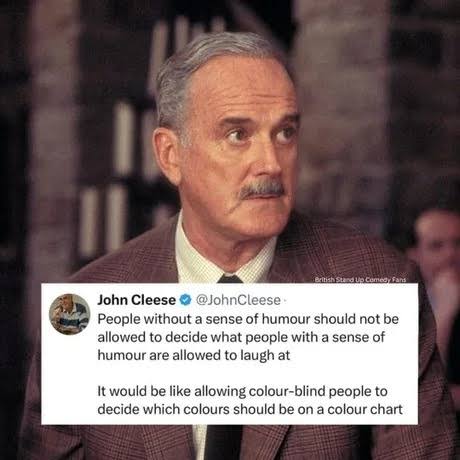
One of the most common frustrations, however, is not the colours themselves. It is people’s reactions.
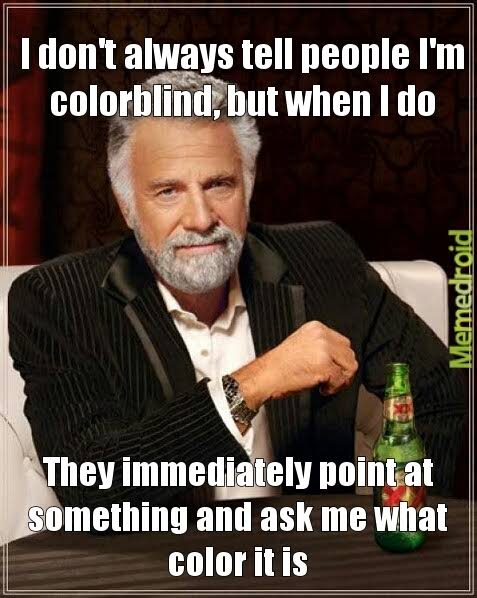
When you tell someone you are colour blind, the response is often disbelief followed by the inevitable question:
“What colour is this?”
Every colour-blind person has heard that question hundreds of times.
Further Information
Career Restrictions
For most occupations, colour blindness is not a barrier. However, certain professions have colour-vision requirements because accurate colour recognition can be important for safety. These may include aviation, railways, maritime services, some military roles, emergency services and certain technical occupations.
Colour-Blind Glasses and Contact Lenses
There is currently no cure for inherited colour blindness.
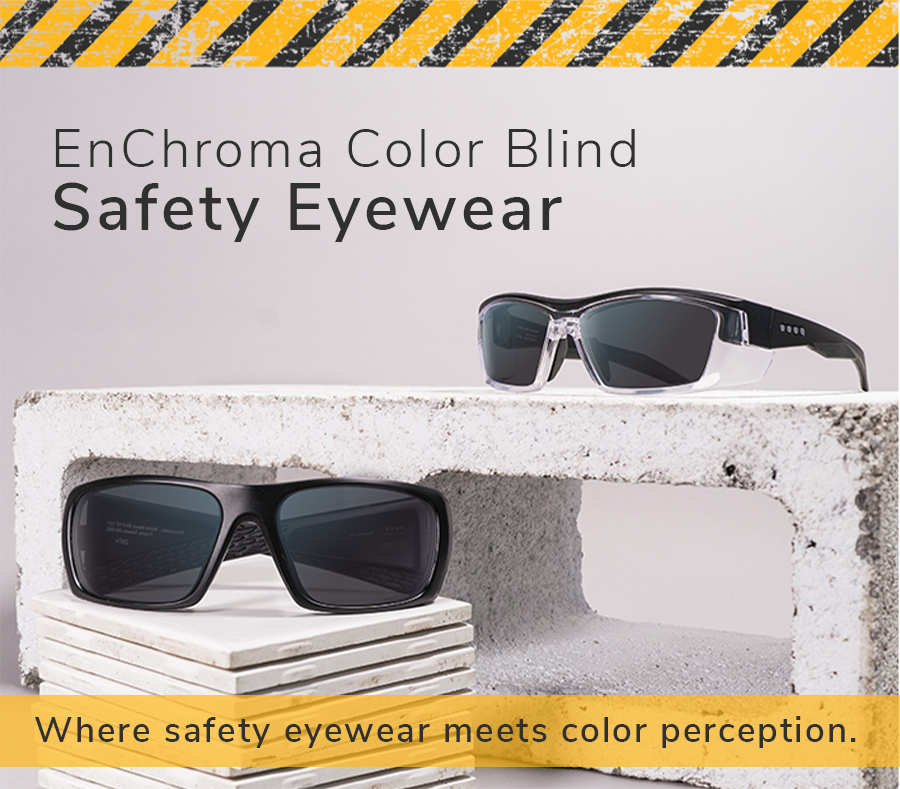
Specially designed glasses and contact lenses can help some people distinguish colours more easily and may improve colour perception in certain situations. However, they do not restore normal colour vision and results vary considerably between individuals.
EnChroma, ColorMax, Colorlite, Pilestone, Vino Optics, and EyeJust are among the firms involved in the specialty eyewear ecosystem. Enchroma produces ‘The World’s Only Colour-Blind SAFETY Glasses’.
To the best of my knowledge, none of those colour blind glasses manufacturers currently sell their glasses in Thailand. When they do, I would love to try them. I’ve seen the adverts showing colour blind people trying on the glasses for the first time and breaking down crying tears of joy, and I fancy a bit of that.
Early Detection
Colour blindness is often present from birth and can frequently be detected in childhood using colour-vision tests such as the Ishihara test.
Early identification can help parents and teachers better understand the challenges a child may face when working with colour-coded educational materials and can help prevent unnecessary frustration in the classroom.
Conclusion
Colour blindness affects millions of people around the world, yet it remains one of the least understood visual conditions.
For most of us colour blind folk, it is not a serious disability. We learn to adapt, develop coping strategies and get on with life much like everyone else. The challenges are usually manageable, even if they occasionally lead to misunderstandings, embarrassment or, in my case, nervous moments during a Thai driving-licence test.
The purpose of Colour Blind Awareness Day is not simply to highlight a medical condition. It is to promote understanding. A little awareness can make schools, workplaces, products, websites and everyday interactions more accessible for the millions of people who see colours differently.
As someone who has lived with colour blindness all my life, I have never felt disadvantaged by it. It has occasionally been inconvenient, sometimes amusing and occasionally stressful—but it is simply part of who I am and how I see the world.
And if you ever feel tempted to ask a colour-blind person, “What colour is this?”, just remember: they’ve probably been asked that question hundreds of times before, so DON’T!
Google Translation:
[We apologise if any of the translation is incorrect: google Translation occasionally gets it wrong]
สุขสันต์วันตาบอดสี – 6 กันยายนของทุกปี!
ทุกปีในวันที่ 6 กันยายน วันตาบอดสีเป็นวันสำคัญที่เน้นย้ำถึงภาวะที่ส่งผลกระทบต่อผู้คนประมาณ 300 ล้านคนทั่วโลก แม้จะเป็นภาวะที่พบได้ทั่วไป แต่คนตาบอดสีก็ยังคงเข้าใจผิดกันอยู่มาก
เมื่อคนได้ยินคำว่า “ตาบอดสี” หลายคนมักคิดว่าผู้ที่เป็นตาบอดสีมองเห็นโลกเป็นสีขาวดำ แต่ในความเป็นจริง มีเพียงคนตาบอดสีส่วนน้อยมากเท่านั้นที่ไม่สามารถรับรู้สีได้เลย คนส่วนใหญ่ที่เป็นตาบอดสีมองเห็นสีได้ แต่เรารับรู้สีบางสีแตกต่างจากคนที่มีสายตาปกติ
ในฐานะที่เป็นคนหนึ่งที่ตาบอดสี ฉันใช้เวลาทั้งชีวิตในการปรับตัวให้เข้ากับความแตกต่างเหล่านั้น ในสถานการณ์ส่วนใหญ่ มันไม่ได้เป็นปัญหาใหญ่ แต่ก็ทำให้เกิดความเข้าใจผิดที่น่าขบขัน ความหงุดหงิดเป็นครั้งคราว และช่วงเวลาที่วิตกกังวลบ้าง โดยเฉพาะอย่างยิ่งเมื่อพยายามขอใบขับขี่ของไทย
เนื่องในวันตระหนักรู้เรื่องตาบอดสี ฉันจึงอยากจะอธิบายว่าภาวะตาบอดสีนั้นเป็นอย่างไรจากมุมมองส่วนตัว และเน้นย้ำข้อเท็จจริงสำคัญบางประการที่ทุกคนควรรู้เกี่ยวกับภาวะนี้ซึ่งมักถูกเข้าใจผิด
คุณรู้หรือไม่?
ทั่วโลกมีผู้ป่วยตาบอดสีประมาณ 300 ล้านคน
• ผู้ชายประมาณ 1 ใน 12 คน และผู้หญิง 1 ใน 200 คน ได้รับผลกระทบ
• ตาบอดสีแดง-เขียวเป็นรูปแบบที่พบได้บ่อยที่สุด
• ตาบอดสีมักถ่ายทอดทางพันธุกรรมจากมารดา
• ผู้ป่วยตาบอดสีส่วนใหญ่ไม่ได้มองเห็นโลกเป็นสีขาวดำ
การเป็นตาบอดสีนั้นเป็นอย่างไร?
สิ่งแรกที่ควรรู้คือ มีเพียงคนตาบอดสีจำนวนน้อยเท่านั้นที่มองไม่เห็นสีเลย คนส่วนใหญ่มองเห็นสี เพียงแต่ไม่จำเป็นต้องมองเห็นในแบบเดียวกับคนอื่นๆ
ภาวะตาบอดสีของฉันคือ Deuteranopia / Deuteranomaly ซึ่งเป็นรูปแบบหนึ่งของตาบอดสีแดง-เขียว และเป็นประเภทที่พบได้บ่อยที่สุดของตาบอดสี พูดง่ายๆ ก็คือ การรับรู้สีเขียวของผมอ่อนกว่าปกติ และเฉดสีแดงและเขียวบางเฉดก็แยกแยะได้ยาก ผมอาจมีภาวะตาบอดสีแบบ Protanopia/Protanomaly ซึ่งหมายถึงความยากลำบากในการรับรู้แสงสีแดง ซึ่งบ่งชี้ว่าผมอาจมีความบกพร่องในเซลล์รับแสงสีแดง (cone) ที่มีความยาวคลื่นสูง
ความเข้าใจผิดอย่างหนึ่งคือ คนตาบอดสีมองไม่เห็นสีในสัญญาณไฟจราจร ในความเป็นจริง ผมมองเห็นสีทั้งสามสีและรู้ตำแหน่งของสีเหล่านั้น ดังนั้นสัญญาณไฟจราจรจึงไม่เคยเป็นปัญหาสำหรับผม
สิ่งที่ผมลำบากคือการแยกแยะสีบางสีออกจากกัน สีแดงเข้มและสีเขียวเข้มอาจดูเหมือนสีน้ำตาล สีชมพู สีม่วง และสีน้ำเงินบางครั้งอาจผสมผสานกันจนยากที่จะระบุได้อย่างแม่นยำ
เช่น ในการเล่นสนุกเกอร์ มันสำคัญมากที่ผมต้องรู้ว่าลูกสีน้ำตาลอยู่ที่ไหนตลอดเวลา เพราะบางครั้งผมอาจเข้าใจผิดว่าเป็นลูกสีแดง
ความผิดพลาดครั้งใหญ่ที่สุดของผมเกี่ยวกับภาวะตาบอดสีเกิดขึ้นในช่วงระหว่างปี 1978 ถึง 1980 ผมไปชมการแข่งขันฟุตบอลระหว่างแมนเชสเตอร์ซิตี้กับโคเวนทรีซิตี้ที่สนามเมนโร้ด ระหว่างเดินทางกลับบ้าน พี่ชายของผมวิจารณ์ว่าชุดแข่งของโคเวนทรีแย่มาก ผมเลยตอบไปว่า “ชุดสีแดงเลือดหมูของพวกเขามันไม่ดีตรงไหน?”
ปรากฏว่าชุดนั้นจริงๆ แล้วเป็นสีน้ำตาลช็อกโกแลต
จนถึงทุกวันนี้ ผมยังจำการล้อเลียนที่ผมได้รับเมื่อเห็นได้ชัดว่าผมมองไม่เห็นความแตกต่างจริงๆ ได้อยู่เลย
นอกจากเรื่องแบบนั้นแล้ว อาการตาบอดสีไม่ได้ส่งผลกระทบต่อชีวิตผมมากนัก ความท้าทายที่สำคัญอย่างหนึ่งคือการเลือกชุดให้เข้ากัน เช่น เวลาเลือกเสื้อเชิ้ตและเนคไทที่เข้ากัน ผมต้องขอความช่วยเหลือจากคนที่มีสายตาปกติ
ที่น่าสนใจคือ ผมมักชอบสีสดใสอย่างสีฟ้า สีเหลือง และสีส้ม ในขณะที่ผมไม่ค่อยชอบสีแดงหรือสีเขียว ซึ่งเป็นสองสีที่ผมมีปัญหามากที่สุด
ความท้าทายในการสอบใบขับขี่ของไทย
ตลอดชีวิตของผม อาการตาบอดสีเป็นเพียงความไม่สะดวกเล็กน้อยเท่านั้น
ผมสอบผ่านใบขับขี่ทั้งในสหราชอาณาจักรและนิวเซาท์เวลส์ ประเทศออสเตรเลีย โดยไม่ต้องมีการทดสอบการมองเห็นสีใดๆ ทั้งสิ้น
แล้วผมก็ย้ายมาอยู่ประเทศไทย
ประเทศไทยกำหนดให้มีการทดสอบการมองเห็นสีเป็นส่วนหนึ่งของกระบวนการขอใบขับขี่ ฉันเคยสอบมาแล้วสองครั้ง ครั้งแรกตอนขอใบขับขี่สองปี และอีกครั้งตอนขอใบขับขี่ห้าปี
ทั้งสองครั้งเครียดมาก
การทดสอบเกี่ยวข้องกับการให้แสงสีปรากฏขึ้นในบริเวณรอบข้างขณะที่ฉันต้องระบุสีโดยไม่หันศีรษะ โชคไม่ดีที่ฉันพบว่าตัวเองมีปัญหาเรื่องการแยกแยะสีในบริเวณรอบข้าง
เพื่อให้ตัวเองมีโอกาสสอบผ่านมากที่สุด ฉันจึงเหลือบตาไปด้านข้างและบางครั้งก็ขยับศีรษะเล็กน้อยเพื่อมองสีให้ชัดขึ้น เจ้าหน้าที่ทดสอบไม่ค่อยประทับใจเท่าไหร่ แต่โชคดีที่พวกเขายอมให้ฉันผ่านได้
บางคนอาจเรียกมันว่าการโกง แต่ฉันเรียกว่าการเอาตัวรอด
ถ้าหากพวกเขาใช้แผ่นอิชิฮาระในการทดสอบ ซึ่งมีรายงานว่าสำนักงานบางแห่งในต่างจังหวัดของประเทศไทยใช้ ฉันคงสอบไม่ผ่านอย่างแน่นอน
ใบขับขี่ของฉันจะต่ออายุครั้งต่อไปในปี 2027 ซึ่งต้องต่ออายุทุก 5 ปี และถึงแม้ว่าประเทศไทยจะประกาศในปี 2026 ว่าจะยกเลิกการทดสอบการมองเห็นสีในการต่ออายุใบขับขี่ – ดู ‘กรมการขนส่งทางบกของไทยผ่อนปรนกฎการต่ออายุใบขับขี่ปี 2026 ยกเลิกการทดสอบการมองเห็นสีสำหรับการต่ออายุใบขับขี่’ – แต่ฉันก็เคยอ่านรายงานที่ระบุว่าผู้สมัครชาวต่างชาติที่มีอายุมากกว่า 65 ปีบางรายอาจยังคงต้องได้รับการทดสอบการมองเห็นสีอยู่ ดังนั้น ความกังวลจึงยังไม่หายไปทั้งหมด
เหตุใดวันตระหนักรู้เรื่องตาบอดสีจึงมีความสำคัญ
วันตระหนักรู้เรื่องตาบอดสีตรงกับวันที่ 6 กันยายน เพื่อรำลึกถึงวันเกิดของจอห์น ดาลตัน นักวิทยาศาสตร์ชาวอังกฤษผู้ศึกษาและบันทึกเรื่องตาบอดสีเป็นคนแรก
ในปัจจุบัน วันนี้มีจุดประสงค์ที่สำคัญคือ การสร้างความตระหนักและความเข้าใจ
ทั่วโลกมีผู้คนประมาณ 300 ล้านคนที่มีความบกพร่องทางการมองเห็นสีในรูปแบบใดรูปแบบหนึ่ง ประมาณหนึ่งในสิบสองของผู้ชายและหนึ่งในสองร้อยของผู้หญิงได้รับผลกระทบ
รูปแบบที่พบมากที่สุดคือ ตาบอดสีแดง-เขียว ซึ่งคิดเป็น 80% ของกรณีทั้งหมด รูปแบบที่พบได้น้อยกว่าคือการรับรู้สีน้ำเงิน-เหลือง ในขณะที่ภาวะตาบอดสีโดยสมบูรณ์ – เรียกว่าภาวะตาบอดสีแบบโมโนโครมาซีหรืออะโครมาโทปเซีย – นั้นหายากมาก
เนื่องจากภาวะนี้มักถ่ายทอดทางพันธุกรรมและเกี่ยวข้องกับโครโมโซม X จึงส่งผลกระทบต่อผู้ชายมากกว่าผู้หญิงมาก
ความท้าทายในชีวิตประจำวัน
คนส่วนใหญ่ที่มีภาวะตาบอดสีสามารถปรับตัวได้ดีมากและใช้ชีวิตได้อย่างปกติ อย่างไรก็ตาม มีหลายสถานการณ์ที่อาจก่อให้เกิดความท้าทาย
ตัวอย่างเช่น การอ่านแผนที่ แผนภูมิ และไดอะแกรมที่ใช้รหัสสี การจับคู่สีเสื้อผ้า การตัดสินว่าผลไม้สุกหรือไม่ การระบุสายไฟสี และการตีความข้อมูลที่อาศัยสีเพียงอย่างเดียว
เทคโนโลยีพัฒนาขึ้นอย่างมาก แต่เว็บไซต์ แอป และซอฟต์แวร์ที่อาศัยตัวบ่งชี้สีแดงและสีเขียวเพียงอย่างเดียวยังคงสร้างความยากลำบากได้
อย่างไรก็ตาม หนึ่งในความหงุดหงิดที่พบบ่อยที่สุดไม่ใช่สีเอง แต่เป็นปฏิกิริยาของผู้คน
เมื่อคุณบอกใครสักคนว่าคุณตาบอดสี ปฏิกิริยาที่มักได้รับคือความไม่เชื่อ ตามมาด้วยคำถามที่หลีกเลี่ยงไม่ได้:
“นี่มันสีอะไร?”
คนตาบอดสีทุกคนเคยได้ยินคำถามนี้มาหลายร้อยครั้งแล้ว
ข้อมูลเพิ่มเติม
ข้อจำกัดด้านอาชีพ
สำหรับอาชีพส่วนใหญ่ ตาบอดสีไม่ใช่ปัญหา แต่บางอาชีพมีข้อกำหนดด้านการมองเห็นสีที่ถูกต้อง เนื่องจากความแม่นยำในการมองเห็นสีมีความสำคัญต่อความปลอดภัย อาชีพเหล่านี้อาจรวมถึงการบิน การรถไฟ บริการทางทะเล บทบาททางทหารบางอย่าง บริการฉุกเฉิน และอาชีพทางเทคนิคบางอย่าง
แว่นตาและคอนแทคเลนส์สำหรับคนตาบอดสี
ปัจจุบันยังไม่มีวิธีรักษาตาบอดสีที่ถ่ายทอดทางพันธุกรรม
แว่นตาและคอนแทคเลนส์ที่ออกแบบมาเป็นพิเศษสามารถช่วยให้บางคนแยกแยะสีได้ง่ายขึ้น และอาจช่วยปรับปรุงการรับรู้สีในบางสถานการณ์ อย่างไรก็ตาม พวกมันไม่ได้ทำให้การมองเห็นสีกลับมาเป็นปกติ และผลลัพธ์จะแตกต่างกันไปในแต่ละบุคคล
EnChroma, ColorMax, Colorlite, Pilestone, Vino Optics และ EyeJust เป็นหนึ่งในบริษัทที่เกี่ยวข้องในระบบนิเวศของแว่นตาเฉพาะทาง บริษัท Enchroma ผลิต ‘แว่นตานิรภัยสำหรับคนตาบอดสีเพียงหนึ่งเดียวในโลก’
เท่าที่ผมทราบ ปัจจุบันยังไม่มีผู้ผลิตแว่นตาสำหรับคนตาบอดสีรายใดจำหน่ายแว่นตาในประเทศไทย เมื่อใดก็ตามที่พวกเขาจำหน่าย ผมอยากลองใช้ดู ผมเคยเห็นโฆษณาที่แสดงให้เห็นคนตาบอดสีลองสวมแว่นตาเป็นครั้งแรกแล้วร้องไห้ด้วยความดีใจ และผมก็อยากเป็นแบบนั้นบ้าง
การตรวจพบตั้งแต่เนิ่นๆ
ภาวะตาบอดสีมักเกิดขึ้นตั้งแต่กำเนิดและสามารถตรวจพบได้ในวัยเด็กโดยใช้การทดสอบการมองเห็นสี เช่น การทดสอบ Ishihara
การตรวจพบตั้งแต่เนิ่นๆ สามารถช่วยให้ผู้ปกครองและครูเข้าใจถึงความท้าทายที่เด็กอาจเผชิญเมื่อทำงานกับสื่อการเรียนการสอนที่มีรหัสสีได้ดีขึ้น และสามารถช่วยป้องกันความหงุดหงิดที่ไม่จำเป็นในห้องเรียนได้
สรุป
ภาวะตาบอดสีส่งผลกระทบต่อผู้คนหลายล้านคนทั่วโลก แต่ยังคงเป็นหนึ่งในภาวะทางสายตาที่เข้าใจน้อยที่สุด
สำหรับพวกเราส่วนใหญ่ที่ตาบอดสี มันไม่ใช่ความพิการที่ร้ายแรง เราเรียนรู้ที่จะปรับตัว พัฒนาวิธีการรับมือ และดำเนินชีวิตต่อไปเหมือนคนอื่นๆ โดยทั่วไปแล้ว ความท้าทายเหล่านี้สามารถจัดการได้ แม้ว่าบางครั้งอาจนำไปสู่ความเข้าใจผิด ความอับอาย หรือในกรณีของฉัน คือช่วงเวลาที่ประหม่าระหว่างการสอบใบขับขี่ในประเทศไทย
จุดประสงค์ของวันตระหนักรู้เรื่องตาบอดสีไม่ใช่เพียงแค่การเน้นย้ำถึงภาวะทางการแพทย์เท่านั้น แต่เป็นการส่งเสริมความเข้าใจ การตระหนักรู้เพียงเล็กน้อยสามารถทำให้โรงเรียน สถานที่ทำงาน ผลิตภัณฑ์ เว็บไซต์ และการปฏิสัมพันธ์ในชีวิตประจำวันเข้าถึงได้ง่ายขึ้นสำหรับผู้คนหลายล้านคนที่มองเห็นสีแตกต่างกัน
ในฐานะคนที่ใช้ชีวิตอยู่กับภาวะตาบอดสีมาตลอดชีวิต ฉันไม่เคยรู้สึกว่าตัวเองเสียเปรียบ มันอาจไม่สะดวกบ้าง บางครั้งก็ตลก และบางครั้งก็เครียด แต่ก็เป็นเพียงส่วนหนึ่งของตัวฉันและวิธีที่ฉันมองโลก
และหากคุณเคยรู้สึกอยากถามคนตาบอดสีว่า “นี่เป็นสีอะไร?” โปรดจำไว้ว่า พวกเขาอาจเคยถูกถามคำถามนั้นมาแล้วหลายร้อยครั้ง ดังนั้นอย่าถาม!