 Bangkok Faces Severe Tremor Threat from Looming Southern Sagaing Rupture
THIS NEWS ARTICLE KINDLY SPONSORED BY FALLPROTEC, A WORLD-RENOWNED NAME IN THE DESIGN AND MANUFACTURE OF PREMIUM FALL PROTECTION SYSTEMS AND HEIGHT ACCESS SOLUTIONS
- Experts warn that the southern segment of Myanmar’s Sagaing Fault is nearing its 100-year recurrence cycle, making a significant earthquake a looming threat for Bangkok.
- A rupture on this fault would be much closer to the capital than past events, and the city’s soft basin geology would amplify ground shaking, leading to more severe tremors.
- Academics are urging for the urgent enforcement of seismic building codes and the use of technology for early warnings to address the city’s high vulnerability.
Academics urge urgent enforcement of building safety codes and tech-driven early warnings as an active fault nears its 100-year recurrence cycle.
Thai engineering and disaster experts have warned that the capital faces severe risks from a potential major rupture along the southern segment of Myanmar’s Sagaing Fault, which is fast approaching the end of its estimated 100-year recurrence cycle.
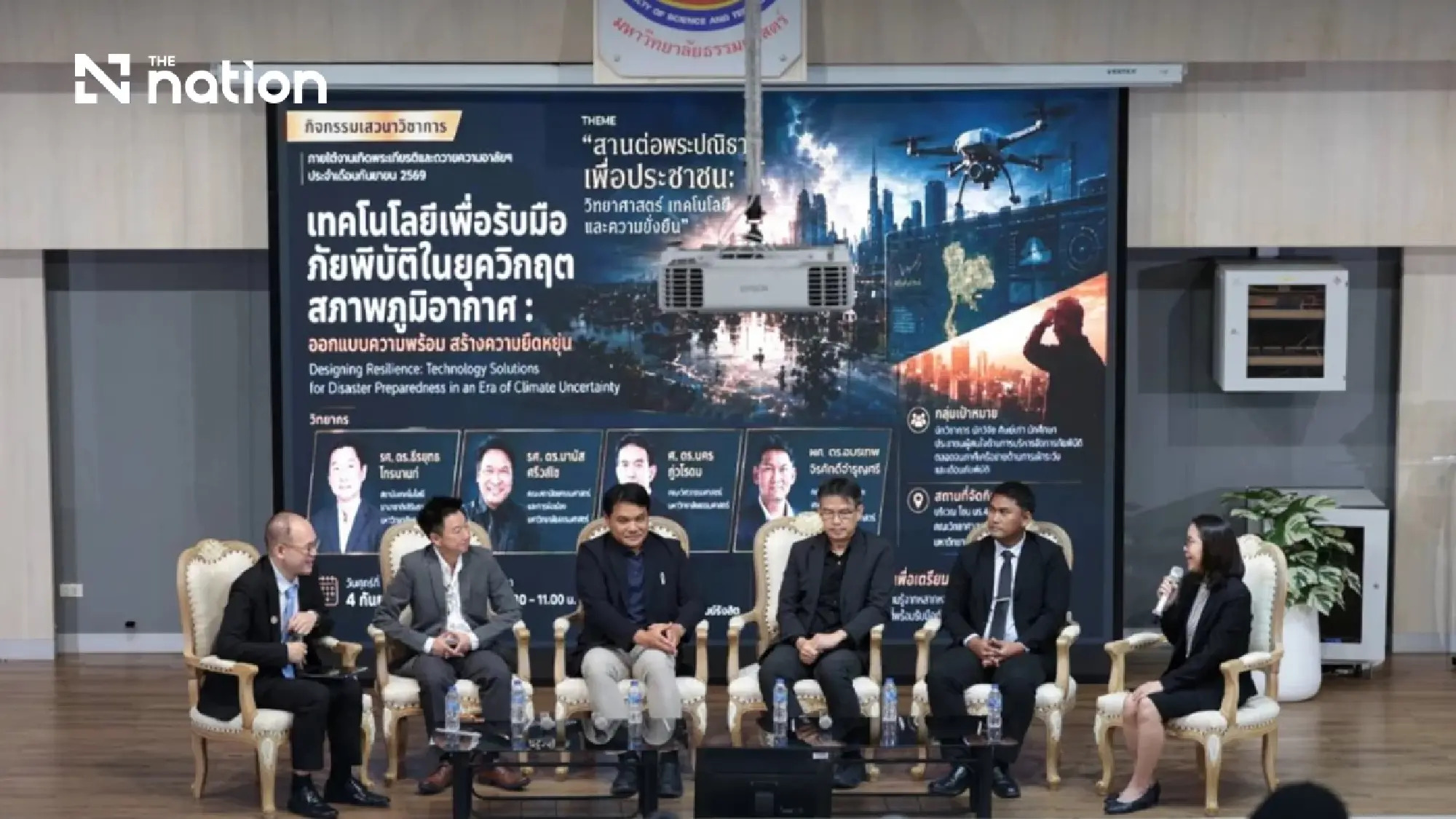
Speaking at a multidisciplinary symposium hosted by Thammasat University on Friday titled “Designing Resilience: Technology Solutions for Disaster Preparedness in an Era of Climate Uncertainty”, leading researchers cautioned the public and municipal authorities against complacency following previous tremors.
Because the last major rupture of the fault’s southern sector occurred roughly 96 years ago during the reign of King Rama VII, scientists assess that another significant seismic event could occur in the near future.
An earthquake originating along this southern corridor would place the epicentre substantially closer to Bangkok than past ruptures, transmitting far more intense ground motions into the capital’s soft, amplification-prone basin.

Disproportionate urban vulnerability
Prof. Dr Nakhorn Poovarodom of Thammasat University’s Faculty of Engineering highlighted that physical shaking intensity is only one factor determining catastrophe; urban preparedness and building structural integrity remain decisive.
Contrasting past events, Prof. Dr Nakorn noted that an earthquake in Kumamoto, Japan, in July 2026 registered an exceptionally high peak ground acceleration (PGA) of 2.4 yet caused only dozens of casualties due to robust infrastructure.
Conversely, the 28 March 2025 earthquake centred near Mandalay produced a PGA of merely 0.02 in Bangkok—more than a hundred times weaker—yet resulted in hundreds of fatalities across the metropolitan area.

“The public must not assume last year’s earthquake was a once-in-a-generation anomaly that will not return,” Prof. Dr Nakhorn said. “The Sagaing Fault is one of the world’s most active fault systems. Thailand already possesses the engineering codes and design research to withstand major tremors, but a dangerous gap remains between regulatory standards and real-world compliance.”
He called for rigorous statutory enforcement of seismic building codes and urged prospective property buyers and tenants to actively demand structural safety documentation before occupying multi-storey developments.

Data integration, heat stress, and local sensor networks
Alongside structural reforms, disaster management specialists stressed the need to integrate artificial intelligence (AI), remote sensing, and real-time public mobility data to refine early warning mechanisms.
Assoc. Prof. Dr Teerayut Horanont of the Sirindhorn International Institute of Technology (SIIT) cited global precedents, noting how modern warning infrastructure reduced cyclone fatalities in Bangladesh from roughly 500,000 in 1970 to just 26 during a comparable storm in 2020.
Combining natural environmental tracking—such as hydrological flows—with anonymised mobile device movement patterns enables emergency agencies to deploy resources with greater precision.

The symposium also addressed compounding environmental risks.
Assoc. Prof. Dr Manat Srivanit from the Faculty of Architecture and Planning warned that Bangkok’s ambient temperatures could surge by up to 5°C by 2100 under climate change scenarios, requiring specialised urban heat indices to safeguard vulnerable demographics such as outdoor workers and the elderly.

To address foundational data gaps, Asst. Prof. Dr Amornthep Jiraksasakjamroensri of the Faculty of Science and Technology stated that academic teams are actively deploying indigenous ground-vibration sensor arrays across high-risk provinces.
The initiative aims to transition academic research into actionable municipal policy, providing civil engineers and emergency planners with baseline datasets tailored specifically to Thailand’s unique geographical conditions.
Source: https://www.nationthailand.com/news/general/40070689
Google Translation:
[We apologise if any of the translation is incorrect: google Translation occasionally gets it wrong]
กรุงเทพฯ เผชิญภัยคุกคามจากแผ่นดินไหวรุนแรงจากรอยเลื่อนสะไกงตอนใต้ที่กำลังจะเกิดขึ้น
บทความข่าวนี้ได้รับการสนับสนุนโดย FALLPROTEC บริษัทชั้นนำระดับโลกด้านการออกแบบและผลิตระบบป้องกันการตกจากที่สูงและโซลูชันการเข้าถึงที่สูงระดับพรีเมียม
ผู้เชี่ยวชาญเตือนว่า รอยเลื่อนสะไกงตอนใต้ของเมียนมาร์กำลังเข้าใกล้รอบการเกิดแผ่นดินไหวซ้ำทุก 100 ปี ทำให้แผ่นดินไหวครั้งใหญ่เป็นภัยคุกคามที่กำลังจะเกิดขึ้นกับกรุงเทพฯ
การแตกของรอยเลื่อนนี้จะอยู่ใกล้กับเมืองหลวงมากกว่าเหตุการณ์ในอดีต และธรณีวิทยาของเมืองที่เป็นแอ่งอ่อนจะทำให้การสั่นสะเทือนของพื้นดินรุนแรงขึ้น นำไปสู่แผ่นดินไหวที่รุนแรงกว่าเดิม
นักวิชาการกำลังเรียกร้องให้มีการบังคับใช้รหัสอาคารต้านแผ่นดินไหวอย่างเร่งด่วนและการใช้เทคโนโลยีเพื่อการเตือนภัยล่วงหน้าเพื่อแก้ไขความเปราะบางสูงของเมือง
นักวิชาการเรียกร้องให้เร่งบังคับใช้กฎระเบียบด้านความปลอดภัยของอาคารและระบบเตือนภัยล่วงหน้าด้วยเทคโนโลยี เนื่องจากรอยเลื่อนที่ยังคงเคลื่อนไหวใกล้จะถึงรอบการเกิดซ้ำทุก 100 ปีแล้ว
ผู้เชี่ยวชาญด้านวิศวกรรมและภัยพิบัติของไทยเตือนว่า เมืองหลวงกำลังเผชิญกับความเสี่ยงร้ายแรงจากการแตกแยกครั้งใหญ่ที่อาจเกิดขึ้นตามแนวรอยเลื่อนสะไกงทางตอนใต้ของเมียนมาร์ ซึ่งกำลังใกล้จะสิ้นสุดรอบการเกิดซ้ำที่คาดการณ์ไว้ทุก 100 ปีแล้ว
ในการประชุมสัมมนาสหวิทยาการที่จัดโดยมหาวิทยาลัยธรรมศาสตร์เมื่อวันศุกร์ที่ผ่านมา ในหัวข้อ “การออกแบบความยืดหยุ่น: โซลูชันทางเทคโนโลยีเพื่อการเตรียมพร้อมรับมือภัยพิบัติในยุคแห่งความไม่แน่นอนของสภาพภูมิอากาศ” นักวิจัยชั้นนำได้เตือนประชาชนและหน่วยงานเทศบาลไม่ให้ประมาทเลินเล่อหลังจากเกิดแผ่นดินไหวครั้งก่อนๆ
เนื่องจากการแตกแยกครั้งใหญ่ครั้งสุดท้ายของรอยเลื่อนทางตอนใต้เกิดขึ้นเมื่อประมาณ 96 ปีที่แล้วในรัชสมัยของพระบาทสมเด็จพระจุลจอมเกล้าเจ้าอยู่หัว นักวิทยาศาสตร์ประเมินว่าอาจเกิดแผ่นดินไหวครั้งสำคัญอีกครั้งในอนาคตอันใกล้
หากแผ่นดินไหวเกิดขึ้นตามแนวระเบียงทางใต้ จุดศูนย์กลางแผ่นดินไหวจะอยู่ใกล้กรุงเทพฯ มากกว่าแผ่นดินไหวในอดีต ส่งผลให้แรงสั่นสะเทือนรุนแรงมากขึ้นเข้าสู่พื้นที่ราบลุ่มของกรุงเทพฯ ซึ่งมีความอ่อนนุ่มและมีแนวโน้มที่จะขยายตัวได้ง่าย
ศาสตราจารย์ ดร. นาคร ปูวาโรดม
ความเปราะบางของเมืองที่ไม่สมดุล
ศาสตราจารย์ ดร. นาคร ปูวาโรดม จากคณะวิศวกรรมศาสตร์ มหาวิทยาลัยธรรมศาสตร์ ชี้ให้เห็นว่า ความรุนแรงของการสั่นสะเทือนทางกายภาพเป็นเพียงปัจจัยหนึ่งที่กำหนดภัยพิบัติ การเตรียมพร้อมของเมืองและความแข็งแรงของโครงสร้างอาคารยังคงเป็นปัจจัยชี้ขาด
เมื่อเปรียบเทียบกับเหตุการณ์ในอดีต ศาสตราจารย์ ดร. นาคร ตั้งข้อสังเกตว่า แผ่นดินไหวในคุมาโมโตะ ประเทศญี่ปุ่น ในเดือนกรกฎาคม 2569 มีค่าความเร่งสูงสุดของพื้นดิน (PGA) สูงถึง 2.4 แต่มีผู้เสียชีวิตเพียงไม่กี่สิบคนเนื่องจากโครงสร้างพื้นฐานที่แข็งแรง
ในทางตรงกันข้าม แผ่นดินไหวเมื่อวันที่ 28 มีนาคม 2568 ซึ่งมีจุดศูนย์กลางอยู่ใกล้เมืองมัณฑะเลย์ ทำให้ค่า PGA ในกรุงเทพฯ มีค่าเพียง 0.02 ซึ่งอ่อนกว่าถึงกว่าร้อยเท่า แต่กลับส่งผลให้มีผู้เสียชีวิตหลายร้อยคนทั่วเขตเมืองหลวง
ศาสตราจารย์ ดร. นาครน กล่าวว่า “ประชาชนไม่ควรคิดว่าแผ่นดินไหวเมื่อปีที่แล้วเป็นเหตุการณ์ผิดปกติที่เกิดขึ้นเพียงครั้งเดียวในรอบหลายสิบปีและจะไม่เกิดขึ้นอีก รอยเลื่อนสะไกงเป็นหนึ่งในระบบรอยเลื่อนที่เคลื่อนไหวมากที่สุดในโลก ประเทศไทยมีมาตรฐานทางวิศวกรรมและการวิจัยด้านการออกแบบเพื่อรับมือกับแผ่นดินไหวครั้งใหญ่แล้ว แต่ยังคงมีช่องว่างที่อันตรายระหว่างมาตรฐานทางกฎหมายและการปฏิบัติตามในโลกแห่งความเป็นจริง”
เขาเรียกร้องให้มีการบังคับใช้กฎหมายเกี่ยวกับรหัสอาคารต้านแผ่นดินไหวอย่างเข้มงวด และกระตุ้นให้ผู้ซื้อและผู้เช่าอสังหาริมทรัพย์ในอนาคตเรียกร้องเอกสารด้านความปลอดภัยของโครงสร้างอย่างจริงจังก่อนที่จะเข้าอยู่อาศัยในอาคารหลายชั้น
(รองศาสตราจารย์) ศาสตราจารย์ ดร. ธีรยุทธ โหรณนท์
การบูรณาการข้อมูล ความเครียดจากความร้อน และเครือข่ายเซ็นเซอร์ในพื้นที่
ควบคู่ไปกับการปฏิรูปโครงสร้าง ผู้เชี่ยวชาญด้านการจัดการภัยพิบัติเน้นย้ำถึงความจำเป็นในการบูรณาการปัญญาประดิษฐ์ (AI) การสำรวจระยะไกล และข้อมูลการเคลื่อนที่ของประชาชนแบบเรียลไทม์ เพื่อปรับปรุงกลไกการเตือนภัยล่วงหน้า
รองศาสตราจารย์ ดร. ธีรยุทธ โหรณนท์ จากสถาบันเทคโนโลยีสิรินธรนานาชาติ (SIIT) อ้างถึงตัวอย่างจากทั่วโลก โดยชี้ให้เห็นว่าโครงสร้างพื้นฐานการเตือนภัยที่ทันสมัยช่วยลดจำนวนผู้เสียชีวิตจากพายุไซโคลนในบังกลาเทศจากประมาณ 500,000 คนในปี 1970 เหลือเพียง 26 คนในช่วงพายุที่เทียบเคียงได้ในปี 2020
การผสมผสานการติดตามสภาพแวดล้อมทางธรรมชาติ เช่น การไหลของน้ำ กับรูปแบบการเคลื่อนไหวของอุปกรณ์เคลื่อนที่แบบไม่ระบุตัวตน ช่วยให้หน่วยงานฉุกเฉินสามารถจัดสรรทรัพยากรได้อย่างแม่นยำยิ่งขึ้น
รองศาสตราจารย์ ดร. มานัต ศรีวนิช
การประชุมสัมมนาครั้งนี้ยังกล่าวถึงความเสี่ยงด้านสิ่งแวดล้อมที่ทวีความรุนแรงขึ้นด้วย
รองศาสตราจารย์ ศาสตราจารย์ ดร. มนาถ ศรีวนิช จากคณะสถาปัตยกรรมและการวางผังเมือง เตือนว่า อุณหภูมิแวดล้อมของกรุงเทพฯ อาจเพิ่มสูงขึ้นถึง 5 องศาเซลเซียส ภายในปี 2100 ภายใต้สถานการณ์การเปลี่ยนแปลงสภาพภูมิอากาศ ซึ่งจำเป็นต้องมีดัชนีความร้อนในเมืองเฉพาะทางเพื่อปกป้องกลุ่มประชากรที่เปราะบาง เช่น คนงานกลางแจ้งและผู้สูงอายุ
ผู้ช่วยศาสตราจารย์ ดร. อมรเทพ จิรักษ์ศักดิ์จำโร้นศรี
เพื่อแก้ไขปัญหาช่องว่างข้อมูลพื้นฐาน ผู้ช่วยศาสตราจารย์ ดร. อมรเทพ จิรักษ์ศักดิ์จำโร้นศรี จากคณะวิทยาศาสตร์และเทคโนโลยี กล่าวว่า ทีมวิจัยกำลังดำเนินการติดตั้งชุดเซ็นเซอร์วัดการสั่นสะเทือนของพื้นดินที่ผลิตในประเทศในจังหวัดที่มีความเสี่ยงสูง
โครงการนี้มีเป้าหมายเพื่อเปลี่ยนงานวิจัยทางวิชาการให้เป็นนโยบายเทศบาลที่นำไปปฏิบัติได้จริง โดยจัดหาชุดข้อมูลพื้นฐานที่ปรับให้เหมาะสมกับสภาพทางภูมิศาสตร์ที่เป็นเอกลักษณ์ของประเทศไทยให้กับวิศวกรโยธาและนักวางแผนฉุกเฉิน