Vietnam’s largest island of Phu Quoc light rail speeds up, eyes June 2027 trial ahead of APEC summit
THIS NEWS ARTICLE KINDLY SPONSORED BY FALLPROTEC, A WORLD-RENOWNED NAME IN THE DESIGN AND MANUFACTURE OF PREMIUM FALL PROTECTION SYSTEMS AND HEIGHT ACCESS SOLUTIONS
The light rail transit project on Vietnam’s largest island of Phu Quoc is rapidly constructed amid challenging geology and weather conditions.
The 17.5-km Light Rail Transit (LRT) project, connecting Phu Quoc International Airport with the APEC International Conference and Exhibition Center in the island’s south, is expected to begin trial operations in June 2027.
The first phase of the project in An Giang Province is being developed under a build-operate-transfer (BOT) model, with total investment of nearly VND9 trillion (US$342 million). Construction began in late 2025.
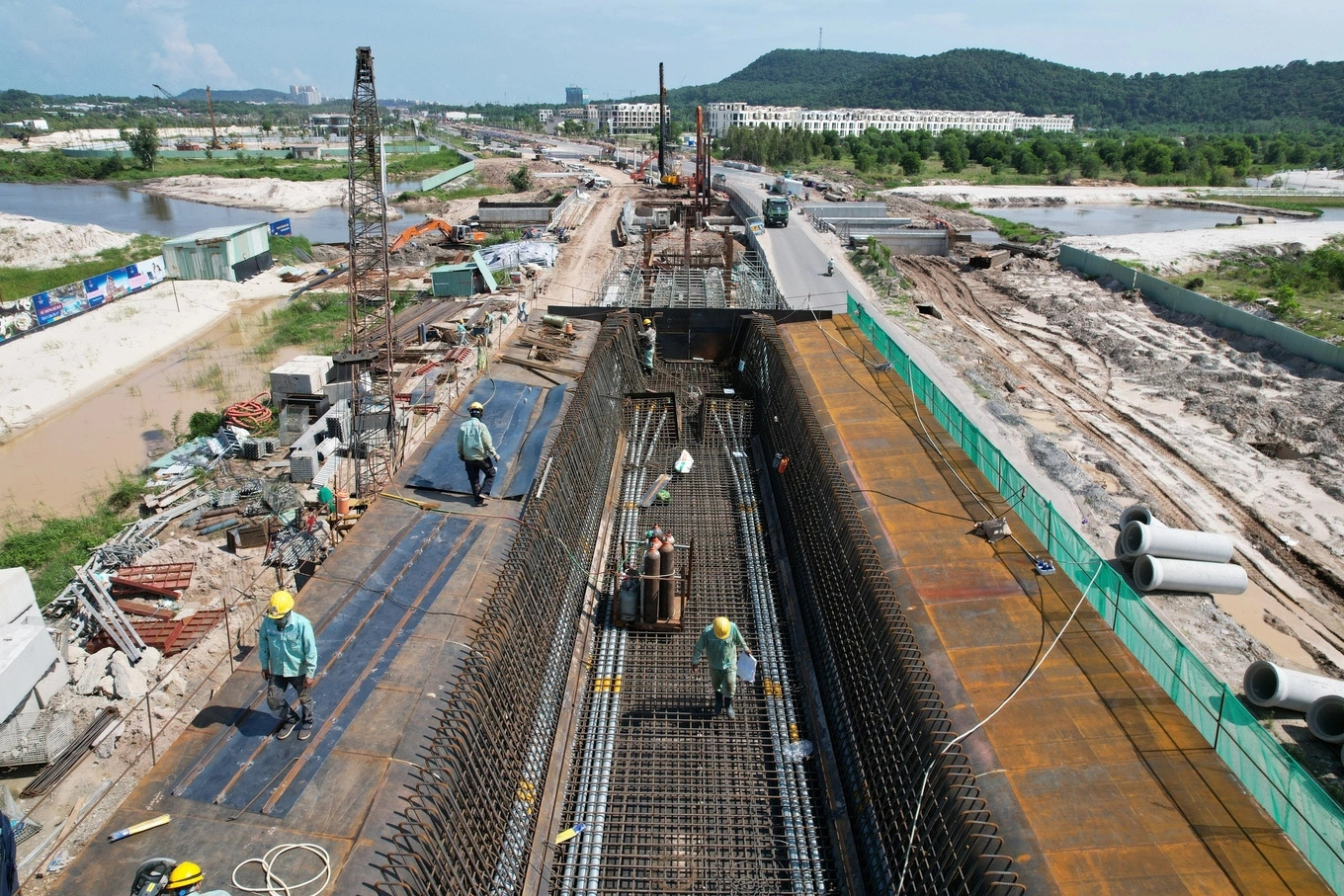
According to the project’s investor Sun Group, contractors are currently working on three major components: bridges, tunnels and the roadbed.
Disbursement has reached about VND1.8 trillion, equivalent to 28.7% of the total investment.
For the bridge component, all bored piles for the foundations have been completed. Construction of bridge pier foundations has reached about 63%, while pier construction stands at 56%.
Once the substructures and piers are completed, contractors will move on to the bridge superstructure, followed by installation of rails, power supply, signaling and operational equipment.
Progress on the roadbed has also been significant. Excavation of the roadbed and formation has reached about 97%, while sand filling is also at 97%. Earth filling has reached approximately 79%.
Once the roadbed is considerably completed, contractors will proceed with pavement structures and technical infrastructure, subject to a stable supply of construction materials.
The project is currently operating three shifts a day, with nearly 600 engineers, supervisors and workers deployed at the construction site to maintain the schedule.
Under the current plan, installation of ground-level rail sections will begin in late August. Rail installation on elevated sections and inside tunnels is scheduled to start in October.
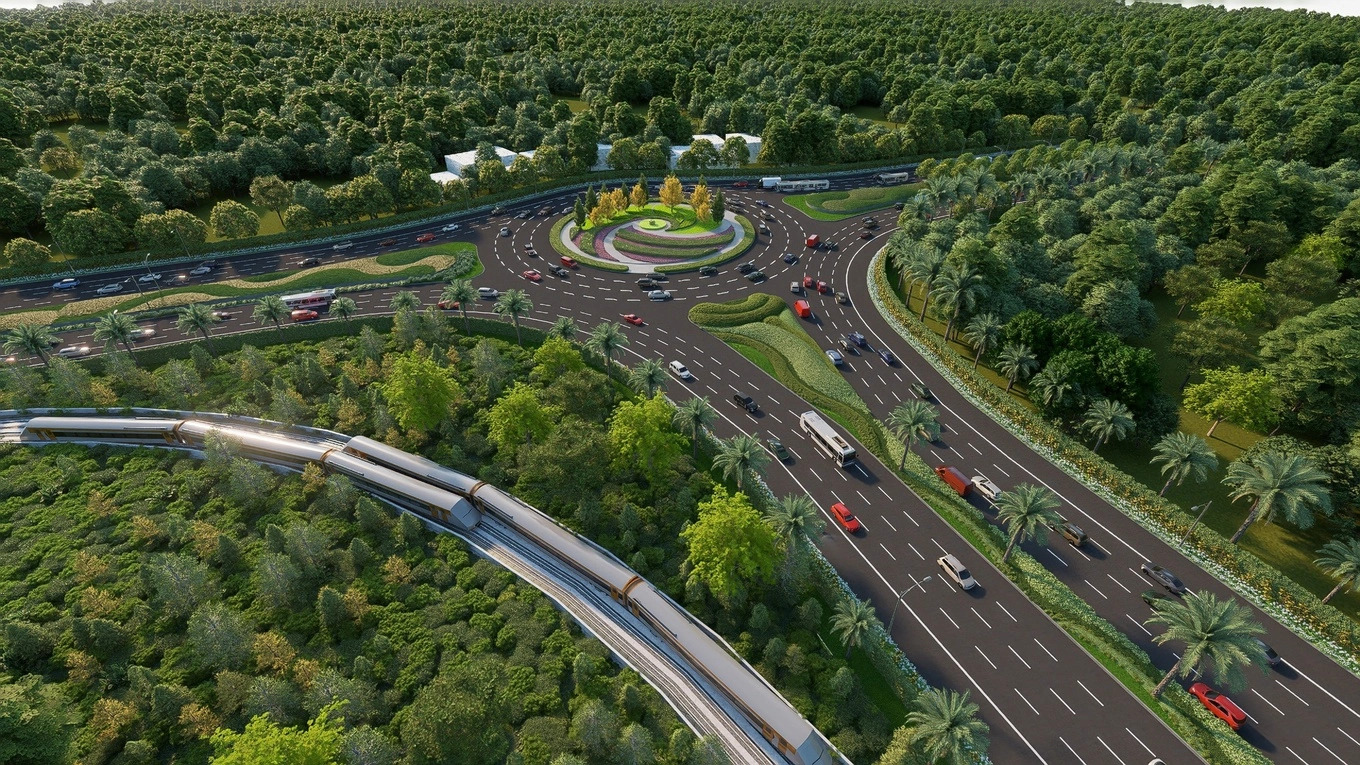
The first trains are expected to arrive in Phu Quoc in January and February 2027 for equipment installation and preparations for testing.
If the current construction schedule is maintained, the entire system is expected to be considerably completed and enter trial operation in June 2027, with commercial operation scheduled for August.
Challenges on site
Construction has faced difficulties caused by the island’s geological conditions and heavy seasonal rainfall.
During the rainy season, several sections of the roadbed, particularly those located along road medians, are frequently affected by flooding. This has complicated drainage and construction arrangements.
At Tunnel 1 and Tunnel 2, hard soil and rock layers have prevented from using the Larsen steel sheet piling method included in the original design.
Contractors have therefore switched to an open excavation method. However, the approach has increased the risk of slope instability on both sides of the tunnels, while rainwater frequently accumulates in the excavated areas.
Construction teams have had to maintain continuous pumping and deal with soil erosion to ensure safety and prevent disruptions to the schedule.
The project also involves numerous crossings with existing technical infrastructure, including power lines and the city’s main water supply pipeline, requiring additional coordination during construction.
Key APEC infrastructure
The LRT is among the key transport projects being developed to serve the APEC Economic Leaders’ Week 2027, which Phu Quoc is scheduled to host.
Other major projects, including provincial road DT.975 and APEC Boulevard, are also being accelerated, with completion targeted before April 30, 2027.
Once operational, the LRT is expected to cut travel time between Phu Quoc International Airport and the southern part of the island to about 20 minutes.
The project will also provide an additional public transport option for residents and visitors, while supporting transport demand during international events on the island.
Source: https://e.vnexpress.net/news/news/traffic/phu-quoc-light-rail-speeds-up-eyes-june-2027-trial-ahead-of-apec-summit-5107226.html
Google Translation:
โครงการรถไฟฟ้ารางเบาบนเกาะฟู้โกว๊ก เกาะที่ใหญ่ที่สุดของเวียดนาม เร่งดำเนินการก่อสร้าง เตรียมทดสอบใช้งานในเดือนมิถุนายน 2027 ก่อนการประชุมสุดยอดเอเปค
ภาพ: การก่อสร้างรถไฟฟ้ารางเบาบนเกาะฟู้โกว๊ก โดย Phuong Linh
บทความข่าวนี้ได้รับการสนับสนุนโดย FALLPROTEC บริษัทชั้นนำระดับโลกด้านการออกแบบและผลิตระบบป้องกันการตกจากที่สูงและโซลูชันสำหรับการทำงานบนที่สูง
โครงการรถไฟฟ้ารางเบาบนเกาะฟู้โกว๊ก เกาะที่ใหญ่ที่สุดของเวียดนาม กำลังถูกก่อสร้างอย่างรวดเร็วท่ามกลางสภาพทางธรณีวิทยาและสภาพอากาศที่ท้าทาย
โครงการรถไฟฟ้ารางเบา (LRT) ระยะทาง 17.5 กิโลเมตร เชื่อมต่อสนามบินนานาชาติฟู้โกว๊กกับศูนย์การประชุมและนิทรรศการนานาชาติเอเปคทางตอนใต้ของเกาะ คาดว่าจะเริ่มทดลองให้บริการในเดือนมิถุนายน 2560
เฟสแรกของโครงการในจังหวัดอานเจียงกำลังพัฒนาภายใต้รูปแบบการสร้าง-ดำเนินการ-โอน (BOT) ด้วยเงินลงทุนรวมเกือบ 9 ล้านล้านด่อง (342 ล้านดอลลาร์สหรัฐ) การก่อสร้างเริ่มขึ้นในปลายปี 2568
ตามข้อมูลจากกลุ่มซันกรุ๊ป ซึ่งเป็นผู้ลงทุนในโครงการ ปัจจุบันผู้รับเหมากำลังดำเนินการในสามส่วนหลัก ได้แก่ สะพาน อุโมงค์ และทางวิ่ง
การเบิกจ่ายเงินไปแล้วประมาณ 1.8 ล้านล้านด่อง คิดเป็น 28.7% ของเงินลงทุนทั้งหมด
สำหรับส่วนของสะพาน เสาเข็มเจาะฐานรากทั้งหมดเสร็จสมบูรณ์แล้ว การก่อสร้างฐานรากเสาตอมสะพานเสร็จไปแล้วประมาณ 63% ในขณะที่การก่อสร้างเสาตอมสะพานอยู่ที่ 56%
เมื่อโครงสร้างพื้นฐานและเสาตอม่อเสร็จสมบูรณ์แล้ว ผู้รับเหมาจะเริ่มดำเนินการก่อสร้างโครงสร้างส่วนบนของสะพาน ตามด้วยการติดตั้งรางรถไฟ ระบบจ่ายไฟ ระบบสัญญาณ และอุปกรณ์ปฏิบัติการ
ความคืบหน้าในการก่อสร้างพื้นถนนก็มีความสำคัญเช่นกัน การขุดและปรับพื้นถนนเสร็จไปแล้วประมาณ 97% ขณะที่การถมทรายก็อยู่ที่ 97% เช่นกัน และการถมดินเสร็จไปแล้วประมาณ 79%
เมื่อพื้นถนนเสร็จสมบูรณ์ไปมากแล้ว ผู้รับเหมาจะดำเนินการก่อสร้างโครงสร้างพื้นผิวถนนและโครงสร้างพื้นฐานทางเทคนิคต่อไป โดยขึ้นอยู่กับการจัดหาวัสดุก่อสร้างอย่างต่อเนื่อง
ปัจจุบันโครงการนี้ดำเนินการทำงานสามกะต่อวัน โดยมีวิศวกร หัวหน้างาน และคนงานเกือบ 600 คนประจำอยู่ที่ไซต์ก่อสร้างเพื่อรักษากำหนดการ
ตามแผนปัจจุบัน การติดตั้งรางรถไฟระดับพื้นดินจะเริ่มในปลายเดือนสิงหาคม การติดตั้งรางรถไฟในส่วนยกระดับและภายในอุโมงค์มีกำหนดจะเริ่มในเดือนตุลาคม
คาดว่ารถไฟขบวนแรกจะมาถึงเกาะฟู้โกว๊กในเดือนมกราคมและกุมภาพันธ์ 2560 เพื่อติดตั้งอุปกรณ์และเตรียมการทดสอบ
หากยังคงรักษากำหนดการก่อสร้างปัจจุบันไว้ คาดว่าระบบทั้งหมดจะแล้วเสร็จและเริ่มทดลองใช้งานในเดือนมิถุนายน 2027 โดยมีกำหนดการเปิดดำเนินการเชิงพาณิชย์ในเดือนสิงหาคม
ความท้าทายในพื้นที่ก่อสร้าง
การก่อสร้างประสบปัญหาเนื่องจากสภาพทางธรณีวิทยาของเกาะและปริมาณน้ำฝนตามฤดูกาลที่มาก
ในช่วงฤดูฝน หลายส่วนของพื้นถนน โดยเฉพาะอย่างยิ่งส่วนที่อยู่ตามเกาะกลางถนน มักได้รับผลกระทบจากน้ำท่วม ซึ่งทำให้การระบายน้ำและการจัดการก่อสร้างมีความซับซ้อนมากขึ้น
ที่อุโมงค์ 1 และอุโมงค์ 2 ชั้นดินแข็งและหินได้ขัดขวางการใช้วิธีการตอกเสาเข็มเหล็กแผ่นลาร์เซนที่รวมอยู่ในแบบดั้งเดิม
ดังนั้นผู้รับเหมาจึงเปลี่ยนมาใช้วิธีการขุดแบบเปิด อย่างไรก็ตาม วิธีการนี้เพิ่มความเสี่ยงต่อความไม่เสถียรของลาดชันทั้งสองด้านของอุโมงค์ ในขณะที่น้ำฝนมักสะสมในพื้นที่ขุด
ทีมงานก่อสร้างต้องทำการสูบน้ำอย่างต่อเนื่องและจัดการกับการกัดเซาะของดินเพื่อให้มั่นใจในความปลอดภัยและป้องกันการหยุดชะงักของกำหนดการ
โครงการนี้ยังเกี่ยวข้องกับการตัดผ่านโครงสร้างพื้นฐานทางเทคนิคที่มีอยู่มากมาย รวมถึงสายไฟฟ้าและท่อส่งน้ำประปาหลักของเมือง ซึ่งต้องมีการประสานงานเพิ่มเติมในระหว่างการก่อสร้าง
โครงสร้างพื้นฐานสำคัญของ APEC
รถไฟฟ้า LRT เป็นหนึ่งในโครงการขนส่งที่สำคัญที่กำลังพัฒนาเพื่อรองรับสัปดาห์ผู้นำเศรษฐกิจ APEC ปี 2027 ซึ่งเกาะฟู้โกว๊กมีกำหนดจะเป็นเจ้าภาพ
โครงการสำคัญอื่นๆ รวมถึงถนนจังหวัด DT.975 และถนน APEC Boulevard ก็กำลังเร่งดำเนินการเช่นกัน โดยตั้งเป้าหมายว่าจะแล้วเสร็จก่อนวันที่ 30 เมษายน 2560
เมื่อเปิดให้บริการแล้ว คาดว่ารถไฟฟ้า LRT จะช่วยลดเวลาการเดินทางระหว่างสนามบินนานาชาติฟู้โกว๊กและทางตอนใต้ของเกาะเหลือประมาณ 20 นาที
โครงการนี้ยังจะมอบทางเลือกการขนส่งสาธารณะเพิ่มเติมสำหรับผู้อยู่อาศัยและนักท่องเที่ยว ในขณะเดียวกันก็สนับสนุนความต้องการด้านการขนส่งในช่วงที่มีกิจกรรมระดับนานาชาติบนเกาะ