Vietnam’s first intercity bullet train will run on same technology as Japan’s Shinkansen; trains will be built by Siemens Mobility
THIS NEWS ARTICLE KINDLY SPONSORED BY FALLPROTEC , A WORLD-RENOWNED NAME IN THE DESIGN AND MANUFACTURE OF PREMIUM FALL PROTECTION SYSTEMS AND HEIGHT ACCESS SOLUTIONS
The high-speed trains coming to Vietnam’s first intercity bullet train line, now under construction between Hanoi and Ha Long Bay, will use the same distributed-power engineering architecture pioneered by Japan’s Shinkansen in 1964.
The trains themselves will be built by Germany’s Siemens Mobility, supplier of high-speed rail to more than a dozen countries and territories on three continents.
The trains, Siemens Mobility’s latest-generation Velaro Novo, will be supplied to Vietnamese conglomerate Vingroup’s railway subsidiary VinSpeed under a framework agreement signed in December 2025.
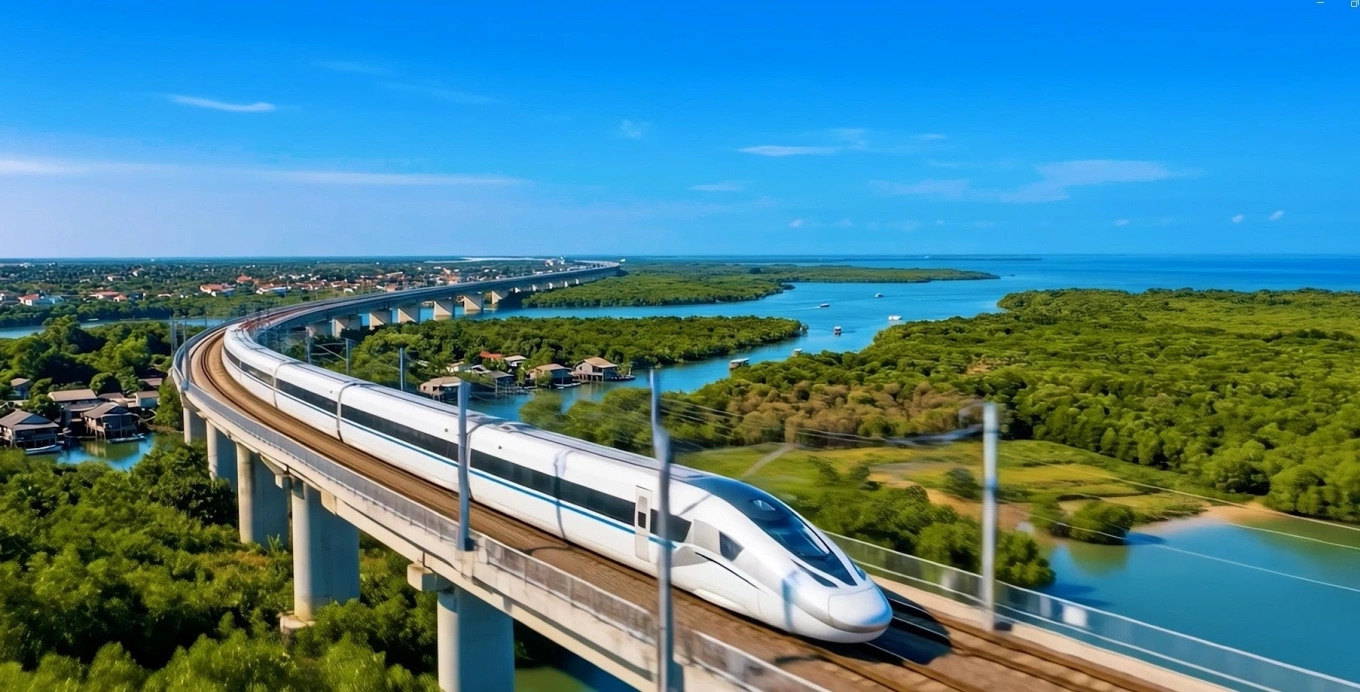
VinSpeed broke ground on the 120 km Hanoi-Quang Ninh line on April 12. The US$5.58 billion project is targeted for completion in 2028, cutting travel time between Hanoi and Ha Long Bay from 2-2.5 hours to less than half an hour.
Two engineering approaches dominate high-speed rail worldwide. The older concentrated-power design, used by France’s TGV, South Korea’s KTX and the original German ICE, places traction equipment in power cars at each end of the train, essentially a modern take on the locomotive-and-carriages arrangement.
The newer distributed-power design, pioneered by Japan’s Shinkansen when it launched in 1964, spreads motors and electrical equipment across multiple cars throughout the train. Nearly every car is a powered car.
The engineering tradeoffs are significant. Distributed-power trains are lighter because they don’t carry the weight of dedicated locomotives. They accelerate faster because more axles are driving the train forward. They handle gradients better, which matters for Vietnam’s terrain: the Hanoi-Quang Ninh corridor runs from the flat Red River Delta through hilly country toward the limestone karsts around Ha Long Bay. They can also fit through narrower tunnel profiles, reducing civil engineering costs. And because the powered axles are spread out, each one transfers less force to the track, reducing wear.
The downside is complexity. Distributing traction motors across the train means more components to maintain, more electrical systems to coordinate, and tighter engineering tolerances across the whole trainset. For decades, this was the reason most European and American high-speed rail programs stuck with concentrated power: it was simpler and cheaper to build.
Over the past 15 years, the industry has shifted decisively toward the Japanese approach. Siemens developed its Velaro family on distributed-power principles, and the platform has now produced more than 500 trainsets for 10 countries and territories including Spain, China, Russia, Turkey, Germany, the UK, Belgium and Egypt.

China’s CRH family, much of which is built under license from Siemens and Kawasaki, is also distributed-power.
Italy’s AGV, the successor to the TGV, abandoned the concentrated-power design that made its predecessor famous. Even Germany’s newest ICE 3 generations use distributed power, making the old concentrated-power ICE a legacy design in its home country.
The Velaro Novo, the specific variant headed to Vietnam, is Siemens Mobility’s latest iteration of the platform. It is designed for a top speed of 350 kph and uses a wider carbody with an optimized empty-tube interior layout that Siemens says delivers at least 10% more passenger capacity than previous generations. Energy consumption is about 30% lower than earlier Velaro models, a gain Siemens attributes to aerodynamic refinements, lighter materials and more efficient traction systems.
The same train will also enter service in the US in 2028 on Brightline West, the private high-speed line being built between Las Vegas and Southern California. Siemens is producing a US variant called the American Pioneer 220 for that project.
Vietnam and the US will effectively receive the same generation of train at roughly the same time, one of the first times a major Siemens high-speed platform has launched in Asia and North America in parallel.
Signalling on the Vietnamese line will use ETCS Level 2, the European standard, combined with automatic train operation (ATO). The combination allows closer train spacing, tighter energy management and higher service frequency than older signaling systems.
Siemens Mobility’s global CEO Michael Peter, speaking at the groundbreaking ceremony, said the Velaro fleet worldwide now runs a combined one million km per day, three times the distance to the moon, with what he described as an unbeaten safety record.
Beyond the trains and signalling, Siemens Mobility is supplying the Hanoi-Quang Ninh project as a turnkey package that also covers telecommunications and electrification systems. The company has committed to exploring joint maintenance arrangements and technology transfer to VinSpeed, with the stated aim of maximum localization as Vietnam builds out its broader high-speed rail ambitions.
A second VinSpeed-Siemens project, the 54 km Ben Thanh-Can Gio metro line in Ho Chi Minh City, broke ground in December 2025 and is also targeting a 2028 finish.
Source: https://e.vnexpress.net/news/news/traffic/vietnam-s-first-intercity-bullet-train-will-run-on-same-technology-as-japan-s-shinkansen-5062366.html
Google Translation:
รถไฟความเร็วสูงระหว่างเมืองสายแรกของเวียดนามจะใช้เทคโนโลยีเดียวกับรถไฟชินคันเซ็นของญี่ปุ่น
บทความข่าวนี้ได้รับการสนับสนุนโดย FALLPROTEC บริษัทที่มีชื่อเสียงระดับโลกด้านการออกแบบและการผลิตระบบป้องกันการตกจากที่สูงและโซลูชันการเข้าถึงที่สูงระดับพรีเมียม
รถไฟความเร็วสูงที่จะมาให้บริการในเส้นทางรถไฟความเร็วสูงระหว่างเมืองสายแรกของเวียดนาม ซึ่งกำลังอยู่ระหว่างการก่อสร้างระหว่างฮานอยและอ่าวฮาลอง จะใช้สถาปัตยกรรมทางวิศวกรรมแบบกระจายพลังงานแบบเดียวกับที่รถไฟชินคันเซ็นของญี่ปุ่นริเริ่มไว้ในปี 1964
ตัวรถไฟเองจะถูกสร้างโดย Siemens Mobility ของเยอรมนี ผู้จัดหาอุปกรณ์รถไฟความเร็วสูงให้กับกว่าสิบประเทศและดินแดนในสามทวีป
รถไฟความเร็วสูงรุ่นล่าสุด Velaro Novo จาก Siemens Mobility จะถูกส่งมอบให้กับ VinSpeed บริษัทลูกด้านรถไฟของ Vingroup กลุ่มบริษัทขนาดใหญ่ของเวียดนาม ภายใต้ข้อตกลงกรอบความร่วมมือที่ลงนามในเดือนธันวาคม 2025
VinSpeed เริ่มก่อสร้างเส้นทางรถไฟความเร็วสูงฮานอย-กวางนิง ระยะทาง 120 กิโลเมตร เมื่อวันที่ 12 เมษายน โครงการมูลค่า 5.58 พันล้านดอลลาร์สหรัฐฯ นี้ตั้งเป้าว่าจะแล้วเสร็จในปี 2028 ซึ่งจะช่วยลดเวลาการเดินทางระหว่างฮานอยและอ่าวฮาลองจาก 2-2.5 ชั่วโมง เหลือไม่ถึงครึ่งชั่วโมง
ภาพจำลองรถไฟความเร็วสูงที่จะวิ่งระหว่างฮานอยและจังหวัดกวางนิง ภาพถ่ายโดย VinSpeed
วิธีการทางวิศวกรรมสองแบบที่ใช้กันอย่างแพร่หลายในระบบรถไฟความเร็วสูงทั่วโลก คือ การออกแบบแบบรวมศูนย์กำลัง (concentrated-power design) ซึ่งใช้โดย TGV ของฝรั่งเศส KTX ของเกาหลีใต้ และ ICE รุ่นแรกๆ ของเยอรมนี โดยจะติดตั้งอุปกรณ์ขับเคลื่อนไว้ในตู้จ่ายไฟที่ปลายแต่ละด้านของขบวนรถไฟ ซึ่งโดยพื้นฐานแล้วเป็นการนำรูปแบบหัวรถจักรและตู้โดยสารมาปรับใช้ในรูปแบบที่ทันสมัย
การออกแบบระบบขับเคลื่อนแบบกระจายกำลังแบบใหม่ ซึ่งริเริ่มโดยรถไฟชินคันเซ็นของญี่ปุ่นเมื่อเปิดตัวในปี 1964 นั้น กระจายมอเตอร์และอุปกรณ์ไฟฟ้าไปทั่วทั้งขบวนรถเกือบทุกคัน ทำให้รถไฟเกือบทุกคันมีมอเตอร์ขับเคลื่อน
ข้อดีข้อเสียทางวิศวกรรมนั้นสำคัญมาก รถไฟแบบกระจายกำลังมีน้ำหนักเบากว่าเพราะไม่ต้องแบกน้ำหนักของหัวรถจักรโดยเฉพาะ เร่งความเร็วได้เร็วกว่าเพราะมีเพลาหลายตัวที่ขับเคลื่อนรถไฟไปข้างหน้า รับมือกับทางลาดชันได้ดีกว่า ซึ่งสำคัญสำหรับภูมิประเทศของเวียดนาม: เส้นทางฮานอย-กวางนิงวิ่งจากที่ราบลุ่มแม่น้ำแดงผ่านพื้นที่เนินเขาไปยังภูเขาหินปูนรอบอ่าวฮาลอง นอกจากนี้ยังสามารถผ่านอุโมงค์ที่มีขนาดแคบกว่าได้ ช่วยลดต้นทุนด้านวิศวกรรมโยธา และเนื่องจากเพลาขับเคลื่อนกระจายออกไป แต่ละเพลาจึงส่งแรงไปยังรางน้อยลง ลดการสึกหรอ
ข้อเสียคือความซับซ้อน การกระจายมอเตอร์ขับเคลื่อนไปทั่วทั้งขบวนรถหมายถึงส่วนประกอบที่ต้องบำรุงรักษามากขึ้น ระบบไฟฟ้าที่ต้องประสานงานมากขึ้น และความคลาดเคลื่อนทางวิศวกรรมที่เข้มงวดมากขึ้นตลอดทั้งขบวนรถ เป็นเวลาหลายทศวรรษแล้วที่โครงการรถไฟความเร็วสูงส่วนใหญ่ในยุโรปและอเมริกาเลือกใช้ระบบขับเคลื่อนแบบรวมศูนย์ เพราะมันง่ายกว่าและถูกกว่าในการสร้าง
ในช่วง 15 ปีที่ผ่านมา อุตสาหกรรมได้เปลี่ยนไปใช้แนวทางของญี่ปุ่นอย่างเด็ดขาด ซีเมนส์ได้พัฒนารถไฟตระกูล Velaro โดยใช้หลักการกระจายพลังงาน และปัจจุบันแพลตฟอร์มนี้ได้ผลิตรถไฟมากกว่า 500 ขบวนสำหรับ 10 ประเทศและดินแดน รวมถึงสเปน จีน รัสเซีย ตุรกี เยอรมนี สหราชอาณาจักร เบลเยียม และอียิปต์
ภาพรถไฟความเร็วสูง Siemens Velaro บนเส้นทางมาดริด-บาร์เซโลนาในสเปน ภาพจาก Siemens
รถไฟตระกูล CRH ของจีน ซึ่งส่วนใหญ่ผลิตภายใต้ลิขสิทธิ์จาก Siemens และ Kawasaki ก็ใช้ระบบกระจายพลังงานเช่นกัน
AGV ของอิตาลี ซึ่งเป็นรุ่นต่อจาก TGV ได้ละทิ้งการออกแบบแบบรวมศูนย์พลังงานที่ทำให้รุ่นก่อนหน้าโด่งดัง แม้แต่รถไฟ ICE 3 รุ่นใหม่ล่าสุดของเยอรมนีก็ใช้ระบบกระจายพลังงาน ทำให้ ICE รุ่นเก่าที่ใช้ระบบรวมศูนย์พลังงานกลายเป็นแบบแผนการออกแบบที่ล้าสมัยในประเทศบ้านเกิด
รถไฟ Velaro Novo รุ่นเฉพาะที่จะส่งไปยังเวียดนาม เป็นรุ่นล่าสุดของแพลตฟอร์มจาก Siemens Mobility ออกแบบมาให้มีความเร็วสูงสุด 350 กิโลเมตรต่อชั่วโมง ใช้ตัวถังที่กว้างขึ้น พร้อมการจัดวางภายในแบบท่อว่างที่ได้รับการปรับปรุง ซึ่ง Siemens กล่าวว่าสามารถเพิ่มความจุผู้โดยสารได้อย่างน้อย 10% เมื่อเทียบกับรุ่นก่อนหน้า การใช้พลังงานลดลงประมาณ 30% เมื่อเทียบกับรุ่น Velaro ก่อนหน้า ซึ่ง Siemens ระบุว่าเป็นผลมาจากการปรับปรุงด้านอากาศพลศาสตร์ วัสดุที่เบาลง และระบบขับเคลื่อนที่มีประสิทธิภาพมากขึ้น
รถไฟรุ่นเดียวกันนี้จะเริ่มให้บริการในสหรัฐอเมริกาในปี 2028 บนเส้นทาง Brightline West ซึ่งเป็นเส้นทางรถไฟความเร็วสูงส่วนตัวที่กำลังก่อสร้างระหว่างลาสเวกัสและแคลิฟอร์เนียตอนใต้ Siemens กำลังผลิตรุ่นสำหรับสหรัฐอเมริกาชื่อ American Pioneer 220 สำหรับโครงการนั้น
เวียดนามและสหรัฐอเมริกาจะได้รับรถไฟรุ่นเดียวกันในเวลาใกล้เคียงกัน ซึ่งเป็นหนึ่งในครั้งแรกๆ ที่แพลตฟอร์มรถไฟความเร็วสูงหลักของ Siemens เปิดตัวในเอเชียและอเมริกาเหนือพร้อมกัน
ระบบสัญญาณบนเส้นทางรถไฟเวียดนามจะใช้ ETCS ระดับ 2 ซึ่งเป็นมาตรฐานยุโรป ร่วมกับระบบควบคุมการเดินรถอัตโนมัติ (ATO) การผสมผสานนี้ช่วยให้สามารถเว้นระยะห่างระหว่างขบวนรถไฟได้แคบลง บริหารจัดการพลังงานได้อย่างมีประสิทธิภาพมากขึ้น และมีความถี่ในการให้บริการสูงกว่าระบบสัญญาณแบบเดิม
ไมเคิล ปีเตอร์ ซีอีโอระดับโลกของ Siemens Mobility กล่าวในพิธีวางศิลาฤกษ์ว่า ปัจจุบันรถไฟ Velaro ทั่วโลกวิ่งรวมกันได้ถึงหนึ่งล้านกิโลเมตรต่อวัน ซึ่งเป็นระยะทางมากกว่าดวงจันทร์ถึงสามเท่า โดยมีสถิติความปลอดภัยที่ไม่มีใครเทียบได้
In addition to the trains and signaling systems, Siemens Mobility is supplying the Hanoi-Quang Ninh project as a turnkey package, covering telecommunications and electrical systems as well. The company has pledged to explore joint maintenance agreements and technology transfer with VinSpeed, with the clear goal of utilizing as many domestically produced components and technologies as possible, as Vietnam expands its high-speed rail network.
VinSpeed-Siemens’ second project is the Ben Thanh-Cangio metro line, a 54-kilometer stretch in Ho Chi Minh City. Construction is scheduled to begin in December 2025 and is also targeted for completion in 2028.