Transport Ministry speeds up first phase of the Thai-Chinese high-speed rail project
Bangkok-Korat line 55% complete with 2030 opening targeted, bidding for Phase 2 to start in December
THIS NEWS ARTICLE KINDLY SPONSORED BY FALLPROTEC, A WORLD-RENOWNED NAME IN THE DESIGN AND MANUFACTURE OF PREMIUM FALL PROTECTION SYSTEMS AND HEIGHT ACCESS SOLUTIONS
The Ministry of Transport is accelerating construction of the first phase of the Thai-Chinese high-speed rail project while preparing to launch bidding for the second phase, which will extend the line to Nong Khai and strengthen onnectivity with Laos and China to support regional trade, investment and economic growth.
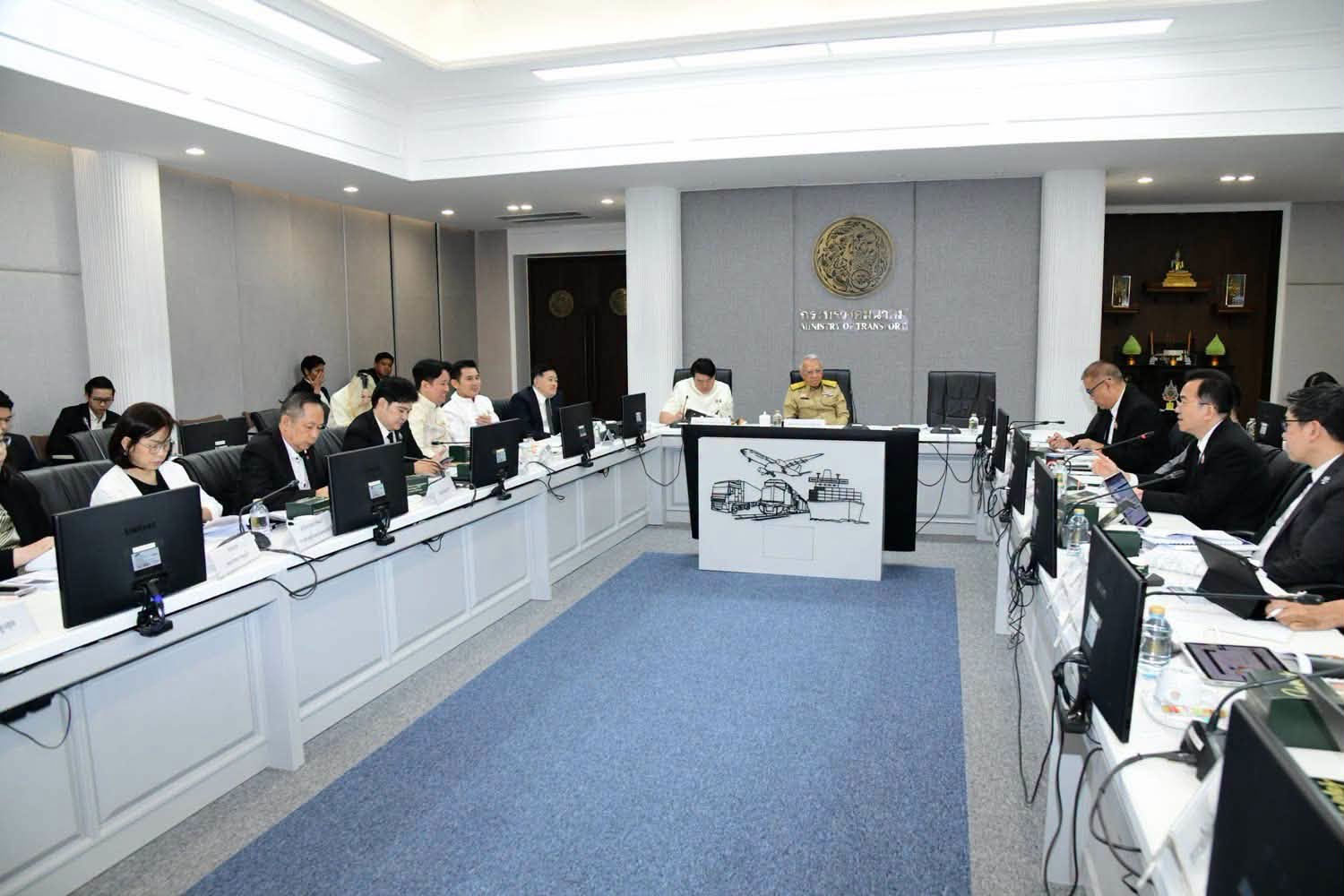
Transport Minister Phiphat Ratchakitprakarn on Thursday chaired the first meeting of the executive committee for the Thailand-China Railway Cooperation Project at the ministry.
Participants reviewed progress on Phase 1 of the Bangkok-Nong Khai rail project and preparations for Phase 2.
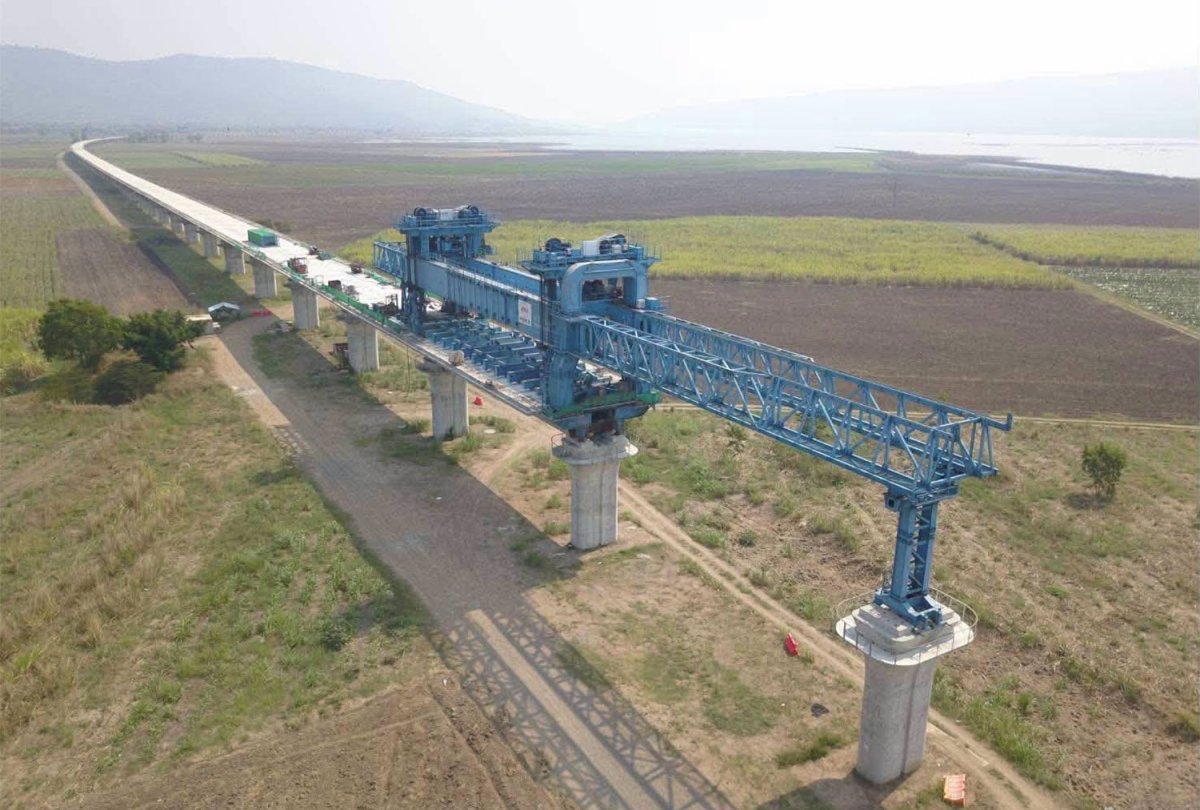
Construction of the first phase (Bangkok-Nakhon Ratchasima) is now 55% complete, according to the latest update from the ministry, which aims to open the 250-kilometre section in 2030.
However, authorities have privately acknowledged that a 2030 timeline would be “tight”, given that construction was originally expected to be 80% completed by now. A report released earlier this year by Euro Group Consulting details the factors behind the delay.
Discussions on Thursday also focused on integrating Thailand’s rail network with those of Laos and China to create a seamless regional transport corridor supporting future travel, trade, investment and tourism.
A ministry official said the meeting focused on monitoring progress and resolving obstacles affecting the flagship infrastructure project between the Thai and Chinese governments.
The railway will link Bangkok with the Northeast of Thailand and Nong Khai province, a strategic border trade hub connecting Thailand with Laos.
Once completed, the line is expected to significantly improve travel between Bangkok and major cities in the Northeast by reducing travel times and easing transport constraints.
It is also expected to facilitate the movement of people and goods, decentralise investment from the capital, stimulate urban development around stations, and create new opportunities for businesses, tourism and the service sector along the route.
Phase 1 has a budget of 179 billion baht, divided among 14 civil engineering contracts. Construction has been completed on two contracts, work is under way on 10 others, and procurement is continuing for the remaining two.
Projects nearing completion include the Muak Lek and Lam Takhong tunnels under Contract 3-2 and the Lam Takhong-Sikhiu and Kut Chik-Khok Kruat sections under Contract 3-4.
Authorities are expediting procedures to sign contracts and begin construction on Contract 4-1, covering the Bang Sue-Don Mueang section in Bangkok, and Contract 4-5 (Ban Pho-Phra Kaeo).
The committee on Thursday also reviewed preparations for Phase 2, which will extend the railway from Nakhon Ratchasima to Nong Khai. The 357km section will include five stations and has an estimated investment value of 341 billion baht.
The ministry is currently preparing terms of reference and reference prices for construction and supervision contracts while land expropriation is also under way.
It plans to invite bids for eight civil engineering contracts by December this year, with construction scheduled to begin in 2027 and finish in 2031.
Mr Phiphat, who also serves as deputy prime minister, said Thursday’s meeting marked an important milestone in advancing the flagship infrastructure project of the Thai and Chinese governments.
“In the long term, the project’s objective extends beyond providing faster transport,” he said. “It aims to spread economic opportunities across all regions while developing a safe, accessible and modern public transport system that will serve as a key engine of Thailand’s sustainable economic growth.”
Source: https://www.bangkokpost.com/thailand/general/3294007/transport-ministry-speeds-up-highspeed-rail-work
Google Translation:
กระทรวงคมนาคมเร่งดำเนินการโครงการรถไฟความเร็วสูงไทย-จีน ระยะที่ 1
เส้นทางกรุงเทพฯ-โคราช เสร็จไปแล้ว 55% ตั้งเป้าเปิดให้บริการปี 2030 และจะเริ่มประมูลระยะที่ 2 ในเดือนธันวาคม
ส่วนหนึ่งของทางยกระดับสำหรับโครงการรถไฟความเร็วสูงไทย-จีน ระยะที่ 1 ในจังหวัดนครราชสีมา การก่อสร้างส่วนระยะทาง 250 กิโลเมตรนี้เสร็จสมบูรณ์ไปแล้ว 55% ตามข้อมูลจากกระทรวงคมนาคม (ภาพ: เฟซบุ๊กสโมสรฟุตบอลศิริพงษ์ อังกะสกุลเกียรติ)
ข่าวนี้ได้รับการสนับสนุนโดย FALLPROTEC บริษัทชั้นนำระดับโลกด้านการออกแบบและผลิตระบบป้องกันการตกจากที่สูงและโซลูชันการเข้าถึงที่สูงระดับพรีเมียม
กระทรวงคมนาคมกำลังเร่งดำเนินการก่อสร้างโครงการรถไฟความเร็วสูงไทย-จีน ระยะที่ 1 ขณะเตรียมเปิดประมูลระยะที่ 2 ซึ่งจะขยายเส้นทางไปยังหนองคาย และเสริมสร้างความเชื่อมโยงกับลาวและจีน เพื่อสนับสนุนการค้า การลงทุน และการเติบโตทางเศรษฐกิจในภูมิภาค
เมื่อวันพฤหัสบดีที่ผ่านมา นายพิพัฒน์ รัชกิจประการ รัฐมนตรีว่าการกระทรวงคมนาคม เป็นประธานการประชุมคณะกรรมการบริหารโครงการความร่วมมือทางรถไฟไทย-จีน ครั้งแรก ณ กระทรวง
ผู้เข้าร่วมประชุมได้ทบทวนความคืบหน้าของโครงการรถไฟฟ้าสายกรุงเทพฯ-หนองคาย ระยะที่ 1 และการเตรียมการสำหรับระยะที่ 2
ตามรายงานล่าสุดจากกระทรวง การก่อสร้างระยะที่ 1 (กรุงเทพฯ-นครราชสีมา) เสร็จสมบูรณ์แล้ว 55% โดยมีเป้าหมายที่จะเปิดให้บริการในส่วนระยะทาง 250 กิโลเมตรในปี 2573
อย่างไรก็ตาม เจ้าหน้าที่ได้ยอมรับเป็นการส่วนตัวว่ากรอบเวลาปี 2573 นั้น “ค่อนข้างกระชั้นชิด” เนื่องจากเดิมทีคาดว่าการก่อสร้างจะเสร็จสมบูรณ์ 80% ในขณะนี้ รายงานที่เผยแพร่เมื่อต้นปีนี้โดย Euro Group Consulting ได้ให้รายละเอียดเกี่ยวกับปัจจัยที่อยู่เบื้องหลังความล่าช้า
การหารือในวันพฤหัสบดียังมุ่งเน้นไปที่การบูรณาการเครือข่ายรถไฟของไทยกับของลาวและจีน เพื่อสร้างระเบียงการขนส่งระดับภูมิภาคที่ราบรื่นซึ่งสนับสนุนการเดินทาง การค้า การลงทุน และการท่องเที่ยวในอนาคต
เจ้าหน้าที่กระทรวงกล่าวว่าการประชุมมุ่งเน้นไปที่การติดตามความคืบหน้าและแก้ไขอุปสรรคที่ส่งผลกระทบต่อโครงการโครงสร้างพื้นฐานที่สำคัญระหว่างรัฐบาลไทยและจีน
ทางรถไฟสายนี้จะเชื่อมกรุงเทพฯ กับภาคตะวันออกเฉียงเหนือของประเทศไทยและจังหวัดหนองคาย ซึ่งเป็นศูนย์กลางการค้าชายแดนเชิงยุทธศาสตร์ที่เชื่อมไทยกับลาว
เมื่อสร้างเสร็จแล้ว คาดว่าจะช่วยปรับปรุงการเดินทางระหว่างกรุงเทพฯ และเมืองสำคัญต่างๆ ในภาคตะวันออกเฉียงเหนือได้อย่างมาก โดยลดเวลาการเดินทางและบรรเทาปัญหาความแออัดของการขนส่ง
นอกจากนี้ยังคาดว่าจะช่วยอำนวยความสะดวกในการเคลื่อนย้ายผู้คนและสินค้า กระจายการลงทุนจากเมืองหลวง กระตุ้นการพัฒนาเมืองรอบสถานี และสร้างโอกาสใหม่ๆ สำหรับธุรกิจ การท่องเที่ยว และภาคบริการตามเส้นทาง
รัฐมนตรีว่าการกระทรวงคมนาคม พิพัฒน์ รัชกิจประการ (ขวา) เป็นประธานการประชุมครั้งแรกของคณะกรรมการบริหารโครงการความร่วมมือทางรถไฟไทย-จีน ณ กระทรวงในวันพฤหัสบดี ผู้เข้าร่วมประชุมเพิ่มเติม ได้แก่ รัฐมนตรีช่วยว่าการกระทรวงคมนาคม ศิริพงษ์ อังคสกุลเกียรติ (ซ้าย) และตัวแทนจากหน่วยงานที่เกี่ยวข้อง (ภาพ: เฟซบุ๊กสโมสรศิริพงษ์ อังคสกุลเกียรติ)
เฟส 1 มีงบประมาณ 179 พันล้านบาท แบ่งเป็น 14 สัญญาจ้างด้านวิศวกรรมโยธา งานก่อสร้างเสร็จสมบูรณ์แล้วใน 2 โครงการ กำลังดำเนินการก่อสร้างในอีก 10 โครงการ และกำลังดำเนินการจัดซื้อจัดจ้างสำหรับอีก 2 โครงการที่เหลือ
โครงการที่ใกล้แล้วเสร็จ ได้แก่ อุโมงค์มวกเหล็กและลำตะคอง ภายใต้สัญญา 3-2 และส่วนลำตะคอง-สิขิ้ว และกุฏจิก-โขกครวด ภายใต้สัญญา 3-4
ทางการกำลังเร่งดำเนินการเพื่อลงนามในสัญญาและเริ่มงานก่อสร้างในสัญญา 4-1 ซึ่งครอบคลุมส่วนบางซื่อ-ดอนเมืองในกรุงเทพฯ และสัญญา 4-5 (บ้านโพธิ์-พระแก้ว)
ในวันพฤหัสบดี คณะกรรมการยังได้ทบทวนการเตรียมการสำหรับระยะที่ 2 ซึ่งจะขยายทางรถไฟจากนครราชสีมาไปยังหนองคาย ส่วนนี้มีความยาว 357 กิโลเมตร ประกอบด้วย 5 สถานี และมีมูลค่าการลงทุนประมาณ 341 พันล้านบาท
กระทรวงกำลังเตรียมข้อกำหนดและราคาอ้างอิงสำหรับสัญญาการก่อสร้างและการกำกับดูแล ขณะเดียวกันก็กำลังดำเนินการเวนคืนที่ดินอยู่
โครงการนี้มีแผนจะเปิดประมูลสัญญาด้านวิศวกรรมโยธา 8 โครงการภายในเดือนธันวาคมปีนี้ โดยมีกำหนดเริ่มก่อสร้างในปี 2560 และแล้วเสร็จในปี 2564
นายพิพัฒน์ ซึ่งดำรงตำแหน่งรองนายกรัฐมนตรีด้วย กล่าวว่า การประชุมในวันพฤหัสบดีถือเป็นก้าวสำคัญในการผลักดันโครงการโครงสร้างพื้นฐานสำคัญของรัฐบาลไทยและจีน
“ในระยะยาว เป้าหมายของโครงการนี้ขยายไปไกลกว่าการให้บริการขนส่งที่รวดเร็วขึ้น” เขากล่าว “โครงการนี้มุ่งเน้นการกระจายโอกาสทางเศรษฐกิจไปทั่วทุกภูมิภาค พร้อมทั้งพัฒนาระบบขนส่งสาธารณะที่ปลอดภัย เข้าถึงได้ และทันสมัย ซึ่งจะเป็นกลไกสำคัญในการขับเคลื่อนการเติบโตทางเศรษฐกิจอย่างยั่งยืนของประเทศไทย”