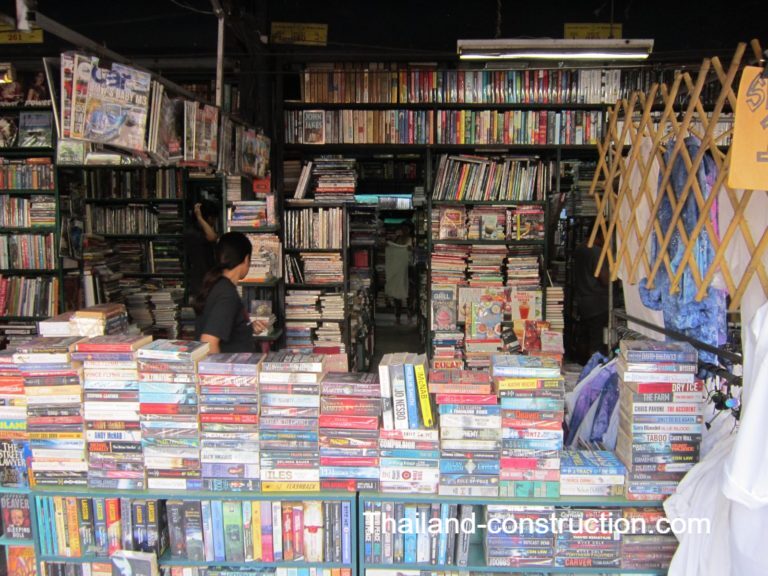
The sad state of English-language books for sale in Bangkok
Have you been to a Bangkok bookstore recently to buy an English-language book? If you haven’t then let me tell you that unless you want a children’s book, you are going to be severely disappointed.
The other day I was in Mega Bangna, killing time waiting for the wife, so as you do I popped in to the Asia Books store. It was not that many years ago when a visit to an Asia Books store would invariably result in me heading home with the proud purchase of a book or two, but now the section of books for adults is (a) only as wide as my arm span and (b) as tall as me, and has next to nothing of interest. Where’s the big section they used to have on novels, on Thai culture, history, and language, etc? Yep, almost nothing. As the selection of children’s books looks decent, should we to deduce from that that while children continue to read English-language books in this age of mobile phones glued to faces, adults do not, meaning that it’s not worth a book store bothering to stock adult English-language books? Recent visits to Asia Books stores in Central Bangna and Paradise Park were the same.
I don’t venture in to the Big Mango often, but I have been to the very large and decently stocked Kinokuniya in CentralWorld (and branches in other shopping malls). There’s Asia Books, there’s Dasa Book Café selling 2nd-hand books (opposite Sukhumvit soi 41 ), and there may even be one or two other decent book shops around Bangkok, but it’s nothing like ‘back in the day’, is it.
Bangkok bookstores ‘back in the day’
 ‘Back in the day’, which loosely translates as sometime in the past that can’t easily be defined, but in my case it’s sometime between the end of the 1980s and a few years ago, there were plenty of decent bookstores around Bangkok selling English-language books, magazines and imported newspapers.
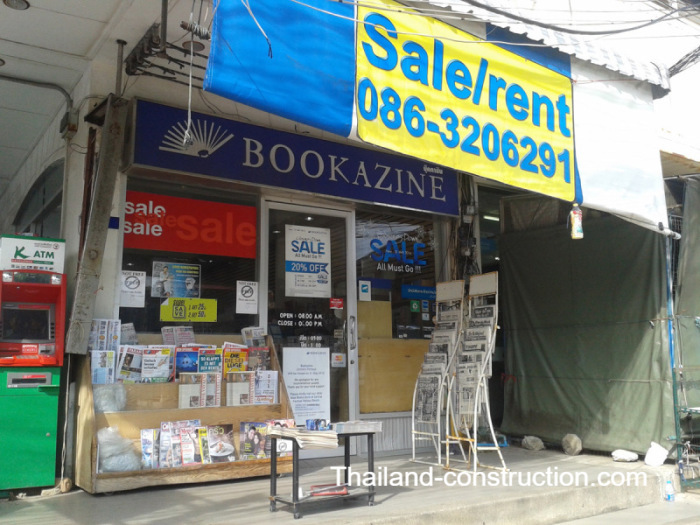
Bookazine stores and Asia Books stores seemed to be everywhere and had plenty to offer. Living on Sathorn Road in the early 1990s, I used to visit the Bookazine in Patpong Road – during the day time, of course – but almost every one of those two company’s stores were well stocked for passing farlangs.
According to the know-all ‘internet’:
- Bookazine opened in Thailand in September 1969.
- Asia Books is the largest English language bookseller in Thailand. It also sells books and magazines in Thai. It opened in September 1969. The chain has 70 shops throughout Thailand under the Asia Books or Bookazine brand. It also distributes English books and magazines to over 300 outlets.
- Bookazine’s branches now seem to have disappeared. Personally, I haven’t seen a Bookazine branch in recent times – do they still exist anywhere around Thailand?
- Bookazine and Asia Books merged in 2007 when Asia Books was acquired by Actis Capital and Thailand Equity Fund, which then merged with Distri-Thai, the largest distributor of foreign language magazines in Thailand. This merger created the largest foreign-language book and magazine business in Thailand, with a significant presence in the English language retail market.
 A favourite bookstore I used to love to visit was the massive DK (Duang Kamol) Book store located on B1 basement floor of Seacon Square. While it was mainly Thai-language books, there were plenty of English-language books in this huge store. I believe it closed in the early 2000s; however, I noted that in a Srinakarin soi 40 directly opposite Seacon there is ‘Book Warehouse & Cafe @ Srinakarin 40’, “with three floors selling both new and used books (but there are a lot more used ones) and a cafe in front where you can sit and eat/snack/drink” according a Google Maps review.
Back in the 1990s, pre-internet days, when we relied on books, magazines and newspapers to inform and entertain us, a typical weekend outing from my Sathorn Road apartment might be to cross Bangkok to Sukhumvit Soi 22 to watch a movie at Washington Square cinema, then pop across Sukhumvit road to Sukhumvit 33/1, where there were two gems:
- a Villa Market (was it their 2nd store to open in Thailand?), which back then was the only supermarket that sold ‘farlang goods’ (for example, gravy, Colman’s mustard, lemons for your G&T, etc.), and,
- across from Villa Market’s side entrance and in the soi there was an open-fronted shop which had one of the best selection of foreign newspapers in Bangkok, where I would treat myself to the most recent UK Sunday newspaper (as the Sunday paper was the thickest paper of the week), read every damn page of it, before passing it on to a mate who would read every page of it and pass it on to someone else, in the same way that anyone arriving by plane from the UK would take all of the free UK newspapers off the plane to give to mates in Thailand.
 Once in a while I would trek over to Khao Sarn Road – it was not the polished place of today but the haunt of backpackers / world travellers staying in cheap guesthouses while they transited Bangkok – to see what I could buy in the many 2nd-hand bookstores. You could always tell what books the young UK backpackers had been studying in the previous year’s A-Level English Literature class by the abundance of those books for sale.
Is the reading of books dying out?
Prior to the introduction of mobile phones in the late 1990s / 2000s people read books. People read books on their commute to work by bus and train, in coffee shops, while killing time.
People went to libraries. I am of the age when pre-teen years I used to go to the library every week to read books on whatever subject caught my eye. I would spend all Saturday afternoon there and go home with an armful of books. I remember once taking a book home on how to build a canoe, in the expectation my dad would help me build one; it was read but no canoe built.
Apparently, libraries are still visited but not to the extent of yore.
Researchers from Portland State University found that “not everyone who visits a library is a reader. Nearly one-quarter of people who visited a library during the 12-month window don’t consider themselves readers and, more broadly, 43% of Gen Z and millennials don’t identify as readers. Still, nearly 54% of those non-readers were going to libraries. These findings suggest a broader role that libraries continue to play in communities, offering a gathering place not only for book lovers, but also for those with other interests… Many members of Gen Z and millennials, who are now between the ages of 28 and 43, still like to read, and when it comes to their reading format, they prefer print over e-books and audiobooks, the study found. And when they do choose print books, 59% of Gen Z and millennials would opt for a graphic/manga version of a story as opposed to a book without images”. Is the future a world of Picture books for adults? Let’s hope not!
 According to Books.org “we hear claims that books are dying out. These beliefs stem from the rise of digital media. Yet, reports have shown an increase in book sales and independent bookstores over the past decade…Books are not dying; they’re changing. Traditional books still hold a high value and e-books provide new ways to read. E-books have grown big, but physical books aren’t getting replaced. Both offer unique experiences and can exist together. Technology is reshaping publishing”.
What am I doing to find books to read?
As it’s no longer easy to pop in to any Bangkok bookstore to purchase English-language books, I thought the solution might have to be making trips to the 2nd-hand bookshops like Dasa or in Khao San road or Chatuchak market, but then I found a readymade solution at home.
I have several bookcases full of books. For the most part I do not recall which books I have read and haven’t read over the almost four decades I purchased them here. So, the simple solution is to work my way through all of my books, reading them one by one. After reading I put a little round orange sticker at the top of the spine meaning ‘keep’ while two stickers mean ‘not good, get rid’ (probably requires a future visit to donate them at a charity shop).
I’m also looking at the free online libraries, and already have ‘Wolf Hall’ ready to read on my mobile phone, but I’m not sure if I’m going to like that format but I’ll trial it – and no I don’t fancy getting a Kindle-type e-reader.
Perhaps the decline of English-language bookstores in Bangkok is simply another sign of how the world has changed. Where once expatriates and travellers eagerly searched out bookshops for novels, newspapers and magazines from home, today most information, entertainment and news arrives instantly on a mobile phone screen. Yet for many of us, browsing the shelves of a good bookstore remains one of life’s simple pleasures—an experience that no algorithm can quite replicate. While a handful of excellent bookstores still survive, the days when English-language books could be found in abundance across Bangkok’s shopping centres appear to be fading into memory. Whether books are truly in decline or merely adapting to a digital age remains to be seen, but for those of us who still enjoy the feel, smell and serendipity of a printed book, the hunt for the next good read continues. If nothing else, perhaps now is the perfect time to revisit the unread volumes already gathering dust on our own bookshelves.
Where do you purchase English-language books to read in Bangkok and Thailand? Any memories to share of book-buying ‘back in the day’? Let us know your thoughts in the comments.
Google Translation:
สภาพที่น่าเศร้าของหนังสือภาษาอังกฤษที่วางขายในกรุงเทพฯ
คุณเคยไปร้านหนังสือในกรุงเทพฯ เพื่อซื้อหนังสือภาษาอังกฤษบ้างไหม? ถ้ายังไม่เคยไป ผมขอบอกเลยว่า ถ้าคุณไม่ได้ต้องการหนังสือสำหรับเด็ก คุณจะต้องผิดหวังอย่างมาก
เมื่อวันก่อน ผมไปที่เมกะบางนาเพื่อฆ่าเวลาขณะรอภรรยา เลยแวะเข้าไปในร้านเอเชียบุ๊คส์ เมื่อไม่กี่ปีที่ผ่านมา การไปร้านเอเชียบุ๊คส์มักจะทำให้ผมกลับบ้านพร้อมหนังสือสักเล่มสองเล่มอย่างภาคภูมิใจ แต่ตอนนี้ส่วนหนังสือสำหรับผู้ใหญ่ (ก) แคบแค่ช่วงแขนผม และ (ข) สูงเท่าตัวผม และแทบไม่มีอะไรน่าสนใจเลย ส่วนหนังสือที่เคยมีมากมาย ทั้งนิยาย วัฒนธรรมไทย ประวัติศาสตร์ และภาษาไทย ฯลฯ หายไปไหนหมดแล้ว? ใช่แล้ว แทบไม่มีเลย ในเมื่อหนังสือเด็กที่วางขายดูดีทีเดียว เราควรจะสรุปจากตรงนั้นได้ไหมว่า ในยุคที่เด็กๆ ยังคงอ่านหนังสือภาษาอังกฤษอยู่ แต่ผู้ใหญ่กลับไม่ค่อยอ่านหนังสือภาษาอังกฤษสำหรับผู้ใหญ่แล้ว นั่นหมายความว่าร้านหนังสือไม่จำเป็นต้องเสียเวลาสต็อกหนังสือภาษาอังกฤษสำหรับผู้ใหญ่ใช่หรือไม่? จากการไปร้าน Asia Books ที่เซ็นทรัลบางนาและพาราไดซ์พาร์คเมื่อเร็วๆ นี้ ก็เป็นเช่นเดียวกัน
ผมไม่ค่อยได้ไปห้างบิ๊กแมงโก้บ่อยนัก แต่ผมเคยไปร้านคิโนคุนิยะที่เซ็นทรัลเวิลด์ (และสาขาในห้างอื่นๆ) ซึ่งมีหนังสือให้เลือกเยอะและค่อนข้างครบครัน มีร้าน Asia Books มีร้าน Dasa Book Café ที่ขายหนังสือมือสอง (ตรงข้ามซอยสุขุมวิท 41) และอาจจะมีร้านหนังสือดีๆ อีกหนึ่งหรือสองร้านในกรุงเทพฯ แต่ก็ไม่เหมือนสมัยก่อนแล้วใช่ไหมครับ
ร้านหนังสือในกรุงเทพฯ ‘สมัยก่อน’
‘สมัยก่อน’ ซึ่งแปลอย่างคร่าวๆ ได้ว่าคือช่วงเวลาในอดีตที่ไม่สามารถระบุได้อย่างชัดเจน แต่ในกรณีของผมคือช่วงระหว่างปลายทศวรรษ 1980 ถึงไม่กี่ปีที่ผ่านมา มีร้านหนังสือดีๆ มากมายในกรุงเทพฯ ที่ขายหนังสือภาษาอังกฤษ นิตยสาร และหนังสือพิมพ์นำเข้า
ร้าน Bookazine และ Asia Books ดูเหมือนจะมีอยู่ทุกหนทุกแห่งและมีสินค้าให้เลือกมากมาย ในช่วงต้นทศวรรษ 1990 ตอนที่ผมอาศัยอยู่บนถนนสาทร ผมเคยไปร้าน Bookazine ที่ถนนพัฒน์พงษ์ – ในเวลากลางวันแน่นอน – แต่เกือบทุกสาขาของทั้งสองบริษัทนี้มีสินค้าครบครันสำหรับชาวต่างชาติที่ผ่านไปมา
ตามข้อมูลจาก ‘อินเทอร์เน็ต’ ที่รู้ทุกอย่าง:
Bookazine เปิดสาขาในประเทศไทยในเดือนกันยายน พ.ศ. 2512
Asia Books เป็นร้านขายหนังสือภาษาอังกฤษที่ใหญ่ที่สุดในประเทศไทย นอกจากนี้ยังขายหนังสือและนิตยสารภาษาไทยด้วย ร้านหนังสือแห่งนี้เปิดทำการในเดือนกันยายน ปี 1969 ปัจจุบันมีสาขาทั่วประเทศไทยกว่า 70 สาขา ภายใต้แบรนด์ Asia Books หรือ Bookazine และยังจัดจำหน่ายหนังสือและนิตยสารภาษาอังกฤษให้กับร้านค้าอีกกว่า 300 แห่ง
ปัจจุบันดูเหมือนว่าสาขาของ Bookazine จะหายไปหมดแล้ว ส่วนตัวผมเองไม่เห็นสาขาของ Bookazine ในช่วงหลังๆ นี้เลย ยังคงมีสาขาอยู่ที่ไหนบ้างในประเทศไทยหรือเปล่าครับ?
Bookazine และ Asia Books ควบรวมกิจการกันในปี 2007 เมื่อ Asia Books ถูกซื้อกิจการโดย Actis Capital และ Thailand Equity Fund ซึ่งต่อมาได้ควบรวมกิจการกับ Distri-Thai ผู้จัดจำหน่ายนิตยสารภาษาต่างประเทศรายใหญ่ที่สุดในประเทศไทย การควบรวมกิจการครั้งนี้ทำให้เกิดธุรกิจหนังสือและนิตยสารภาษาต่างประเทศที่ใหญ่ที่สุดในประเทศไทย โดยมีบทบาทสำคัญในตลาดค้าปลีกภาษาอังกฤษ
ร้านหนังสือที่ผมเคยชอบไปเยี่ยมชมมากคือร้านหนังสือ DK (Duang Kamol) ขนาดใหญ่ที่ตั้งอยู่บนชั้นใต้ดิน B1 ของ Seacon Square แม้ว่าส่วนใหญ่จะเป็นหนังสือภาษาไทย แต่ก็มีหนังสือภาษาอังกฤษมากมายในร้านขนาดใหญ่แห่งนี้ ผมเชื่อว่าร้านปิดตัวลงในช่วงต้นปี 2000 ครับ อย่างไรก็ตาม ผมสังเกตเห็นว่าในซอยศรีนครินทร์ 40 ตรงข้ามซีคอน มีร้านหนังสือชื่อ ‘Book Warehouse & Cafe @ Srinakarin 40’ ซึ่ง “มีทั้งหมดสามชั้น จำหน่ายทั้งหนังสือใหม่และหนังสือมือสอง (แต่มีหนังสือมือสองมากกว่า) และมีคาเฟ่อยู่ด้านหน้าให้คุณนั่งทานอาหาร/ของว่าง/เครื่องดื่มได้” ตามรีวิวใน Google Maps
ย้อนกลับไปในยุค 1990 ก่อนยุคอินเทอร์เน็ต เมื่อเราพึ่งพาหนังสือ นิตยสาร และหนังสือพิมพ์เพื่อให้ข้อมูลและความบันเทิง การออกไปเที่ยวในวันหยุดสุดสัปดาห์จากอพาร์ตเมนต์ของผมบนถนนสาทร อาจเป็นการข้ามกรุงเทพฯ ไปยังซอยสุขุมวิท 22 เพื่อไปดูหนังที่โรงภาพยนตร์วอชิงตันสแควร์ จากนั้นก็ข้ามถนนสุขุมวิทไปยังซอยสุขุมวิท 33/1 ซึ่งมีสองร้านเด็ดอยู่:
วิลล่ามาร์เก็ต (น่าจะเป็นสาขาที่สองที่เปิดในประเทศไทย?) ซึ่งในตอนนั้นเป็นซูเปอร์มาร์เก็ตแห่งเดียวที่ขายสินค้าต่างประเทศ (เช่น น้ำเกรวี่ มัสตาร์ดโคลแมน มะนาวสำหรับจินโทนิค ฯลฯ) และ
ตรงข้ามทางเข้าด้านข้างของวิลล่ามาร์เก็ตและในซอยนั้น มีร้านค้าแบบเปิดโล่งที่มีหนังสือพิมพ์ต่างประเทศให้เลือกมากมายที่สุดแห่งหนึ่งในกรุงเทพฯ ซึ่งผมมักจะซื้อหนังสือพิมพ์วันอาทิตย์ของอังกฤษฉบับล่าสุด (เพราะหนังสือพิมพ์วันอาทิตย์หนาที่สุดในสัปดาห์) อ่านทุกหน้าอย่างละเอียด ก่อนจะส่งต่อให้เพื่อนที่ก็จะอ่านทุกหน้าแล้วส่งต่อให้คนอื่นต่อ ในแบบเดียวกับที่คนทั่วไปทำกัน เมื่อเดินทางมาถึงโดยเครื่องบินจากสหราชอาณาจักร ผมมักจะหยิบหนังสือพิมพ์ฟรีของอังกฤษทั้งหมดลงจากเครื่องเพื่อแจกให้เพื่อนๆ ในประเทศไทย
นานๆ ครั้งฉันจะเดินไปถนนเขาสาร – ตอนนั้นมันยังไม่สวยงามเหมือนทุกวันนี้ แต่เป็นแหล่งรวมของแบ็กแพ็กเกอร์/นักเดินทางรอบโลกที่พักในเกสต์เฮาส์ราคาประหยัดระหว่างเดินทางผ่านกรุงเทพฯ – เพื่อดูว่าฉันจะซื้ออะไรได้บ้างในร้านหนังสือมือสองมากมาย คุณสามารถบอกได้เสมอว่าแบ็กแพ็กเกอร์ชาวอังกฤษรุ่นเยาว์เหล่านั้นเรียนหนังสืออะไรในวิชาวรรณคดีอังกฤษระดับ A-Level ปีที่แล้ว จากจำนวนหนังสือเหล่านั้นที่วางขายอยู่มากมาย
การอ่านหนังสือกำลังจะหายไปหรือเปล่า?
ก่อนการเข้ามาของโทรศัพท์มือถือในช่วงปลายทศวรรษ 1990/2000 ผู้คนอ่านหนังสือ ผู้คนอ่านหนังสือระหว่างเดินทางไปทำงานด้วยรถประจำทางและรถไฟ ในร้านกาแฟ ในขณะที่ฆ่าเวลา
ผู้คนไปห้องสมุด ฉันอยู่ในวัยที่ก่อนวัยรุ่น ฉันเคยไปห้องสมุดทุกสัปดาห์เพื่ออ่านหนังสือในหัวข้อใดก็ตามที่ฉันสนใจ ฉันจะใช้เวลาช่วงบ่ายวันเสาร์อยู่ที่นั่นและกลับบ้านพร้อมหนังสือเต็มแขน ฉันจำได้ว่าครั้งหนึ่งฉันเคยเอาหนังสือเกี่ยวกับการสร้างเรือแคนูไปที่บ้าน โดยหวังว่าพ่อของฉันจะช่วยฉันสร้างเรือแคนูสักลำ; มีการอ่านหนังสือเล่มนั้น แต่ไม่มีการสร้างเรือแคนู
เห็นได้ชัดว่าห้องสมุดยังคงมีผู้มาใช้บริการอยู่ แต่ไม่มากเท่าในอดีต
นักวิจัยจากมหาวิทยาลัยพอร์ตแลนด์สเตทพบว่า “ไม่ใช่ทุกคนที่ไปห้องสมุดจะเป็นคนรักการอ่าน เกือบหนึ่งในสี่ของคนที่ไปห้องสมุดในช่วง 12 เดือนที่ผ่านมาไม่คิดว่าตัวเองเป็นคนรักการอ่าน และโดยรวมแล้ว 43% ของคนรุ่น Gen Z และมิลเลนเนียลไม่ระบุว่าตัวเองเป็นคนรักการอ่าน อย่างไรก็ตาม เกือบ 54% ของคนที่ไม่ใช่คนรักการอ่านเหล่านั้นก็ไปห้องสมุด ผลการวิจัยนี้ชี้ให้เห็นถึงบทบาทที่กว้างขึ้นของห้องสมุดในชุมชน โดยเป็นสถานที่พบปะสังสรรค์ไม่เพียงแต่สำหรับคนรักหนังสือเท่านั้น แต่ยังรวมถึงผู้ที่มีความสนใจอื่นๆ ด้วย… สมาชิกจำนวนมากของคนรุ่น Gen Z และมิลเลนเนียล ซึ่งปัจจุบันมีอายุระหว่าง 28 ถึง 43 ปี ยังคงชอบอ่านหนังสือ และเมื่อพูดถึงรูปแบบการอ่าน พวกเขาชอบหนังสือแบบพิมพ์มากกว่าอีบุ๊กและหนังสือเสียง จากการศึกษาพบว่า และเมื่อพวกเขาเลือกหนังสือแบบพิมพ์ 59% ของคนรุ่น Gen Z และมิลเลนเนียลจะเลือกหนังสือที่มีภาพประกอบ/มังงะมากกว่าหนังสือที่ไม่มีภาพ” อนาคตจะเป็นโลกของหนังสือภาพสำหรับผู้ใหญ่หรือไม่? หวังว่าคงไม่ใช่!
จากข้อมูลของ Books.org “เราได้ยินคำกล่าวอ้างว่าหนังสือกำลังจะตาย ความเชื่อเหล่านี้เกิดจากการเติบโตของสื่อดิจิทัล อย่างไรก็ตาม รายงานต่างๆ แสดงให้เห็นว่ายอดขายหนังสือและร้านหนังสืออิสระเพิ่มขึ้นในช่วงทศวรรษที่ผ่านมา…หนังสือไม่ได้กำลังจะตาย แต่กำลังเปลี่ยนแปลง หนังสือแบบดั้งเดิมยังคงมีคุณค่าสูง และอีบุ๊กมอบวิธีการอ่านแบบใหม่ อีบุ๊กเติบโตขึ้นอย่างมาก แต่หนังสือแบบรูปเล่มไม่ได้ถูกแทนที่ ทั้งสองอย่างมอบประสบการณ์ที่ไม่เหมือนใครและสามารถอยู่ร่วมกันได้ เทคโนโลยีได้เปลี่ยนแปลงวงการสิ่งพิมพ์”
ฉันทำอย่างไรถึงจะหาหนังสือมาอ่านได้?
เนื่องจากตอนนี้การเดินเข้าไปในร้านหนังสือในกรุงเทพฯ เพื่อซื้อหนังสือภาษาอังกฤษไม่ใช่เรื่องง่ายอีกต่อไป ฉันจึงคิดว่าวิธีแก้ปัญหาอาจต้องเป็นการเดินทางไปร้านหนังสือมือสอง เช่น ร้านดาสา หรือในถนนข้าวสาร หรือตลาดจตุจักร แต่แล้วฉันก็พบวิธีแก้ปัญหาที่พร้อมใช้งานอยู่ที่บ้าน
ฉันมีชั้นวางหนังสือหลายชั้นที่เต็มไปด้วยหนังสือ ส่วนใหญ่แล้วฉันจำไม่ได้ด้วยซ้ำว่าฉันอ่านหนังสือเล่มไหนไปแล้วบ้าง และยังไม่ได้อ่านเล่มไหน ตลอดเกือบสี่ทศวรรษที่ฉันซื้อหนังสือเหล่านั้นมาที่นี่ ดังนั้น วิธีแก้ปัญหาที่ง่ายที่สุดคือ การอ่านหนังสือทั้งหมดที่มีอยู่ทีละเล่ม หลังจากอ่านจบ ผมจะแปะสติกเกอร์สีส้มกลมๆ เล็กๆ ไว้ที่ด้านบนของสันหนังสือ หมายถึง ‘เก็บไว้’ และถ้าแปะสองอัน หมายถึง ‘ไม่ดีแล้ว ทิ้งไป’ (อาจต้องนำไปบริจาคที่ร้านขายของมือสองในครั้งต่อไป)
ผมกำลังมองหาห้องสมุดออนไลน์ฟรีอยู่ และมีหนังสือ ‘Wolf Hall’ พร้อมที่จะอ่านบนโทรศัพท์มือถือแล้ว แต่ผมไม่แน่ใจว่าจะชอบรูปแบบนั้นหรือไม่ แต่ผมจะลองดู – และผมไม่คิดจะซื้อเครื่องอ่านอีบุ๊กแบบ Kindle หรอก
บางทีการลดลงของร้านหนังสือภาษาอังกฤษในกรุงเทพฯ อาจเป็นเพียงสัญญาณอีกอย่างหนึ่งของการเปลี่ยนแปลงของโลก จากเดิมที่ชาวต่างชาติและนักเดินทางต่างกระตือรือร้นที่จะตามหาร้านหนังสือเพื่อซื้อนวนิยาย หนังสือพิมพ์ และนิตยสารจากบ้านเกิด ปัจจุบัน ข้อมูล ความบันเทิง และข่าวสารส่วนใหญ่มาถึงหน้าจอโทรศัพท์มือถือได้ทันที แต่สำหรับหลายๆ คน การเดินดูหนังสือบนชั้นวางในร้านหนังสือดีๆ ยังคงเป็นหนึ่งในความสุขง่ายๆ ของชีวิต – ประสบการณ์ที่ไม่มีอัลกอริทึมใดสามารถเลียนแบบได้ แม้ว่าจะมีร้านหนังสือดีๆ เหลืออยู่บ้าง แต่ดูเหมือนว่ายุคที่หนังสือภาษาอังกฤษมีวางขายมากมายตามห้างสรรพสินค้าในกรุงเทพฯ กำลังเลือนหายไป ไม่ว่าหนังสือจะกำลังเสื่อมถอยลงจริงหรือเพียงแค่ปรับตัวให้เข้ากับยุคดิจิทัลก็ยังคงต้องรอดูกันต่อไป แต่สำหรับพวกเราที่ยังคงชื่นชอบสัมผัส กลิ่น และความบังเอิญของการได้อ่านหนังสือที่พิมพ์ออกมา การตามหาหนังสือดีๆ เล่มต่อไปก็ยังคงดำเนินต่อไป อย่างน้อยที่สุด ตอนนี้อาจเป็นเวลาที่เหมาะสมที่สุดที่จะกลับมาอ่านหนังสือที่เก็บไว้จนฝุ่นเกาะอยู่บนชั้นหนังสือของเราเองอีกครั้ง
คุณซื้อหนังสือภาษาอังกฤษอ่านจากที่ไหนในกรุงเทพฯ และประเทศไทยบ้าง? มีเรื่องราวหรือความทรงจำเกี่ยวกับการซื้อหนังสือในสมัยก่อนมาแบ่งปันบ้างไหม? มาบอกเล่าความคิดของคุณในช่องแสดงความคิดเห็นกันได้เลย