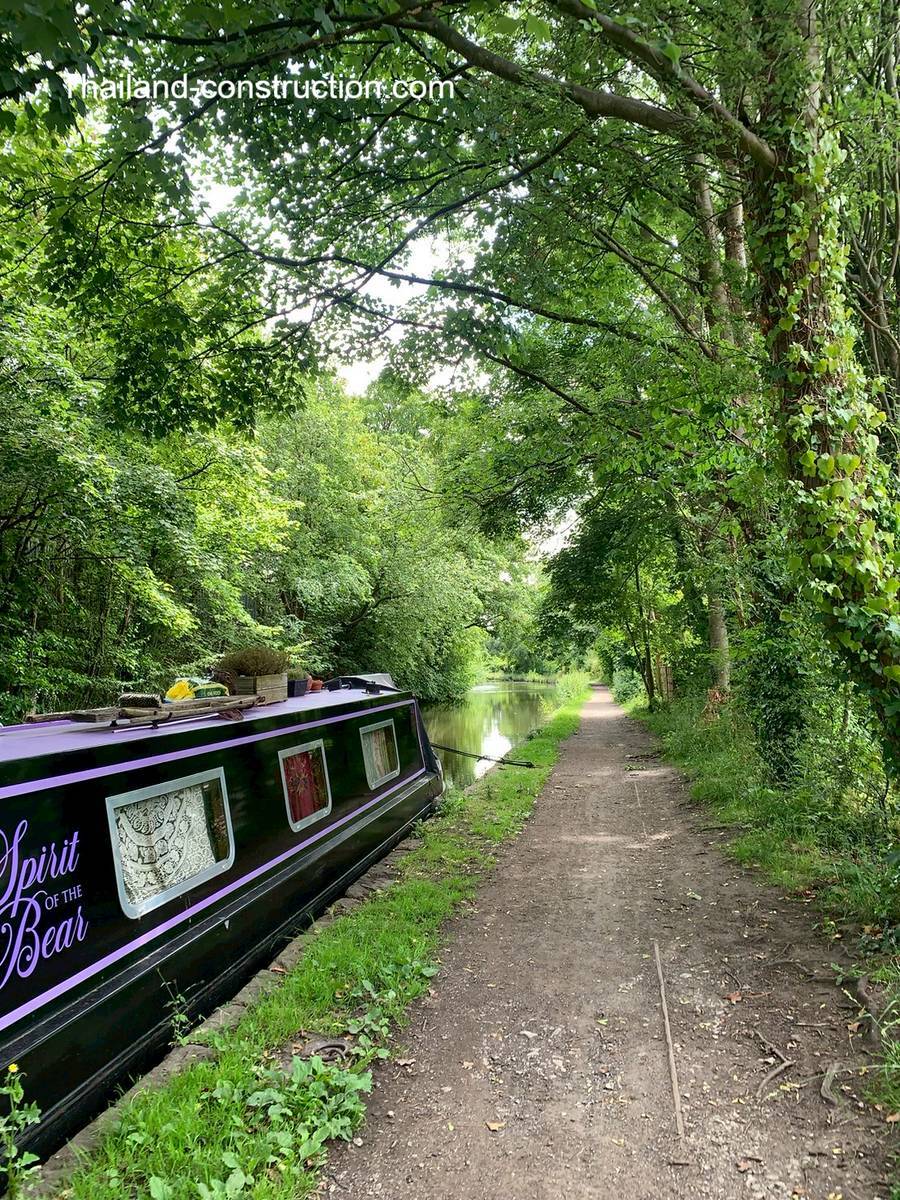
A Comparison of Some Aspects of Thai Life Compared to UK Life on a Recent Trip to Manchester (Part 1)
NOTE: Part 1 offers a few comparisons between aspects UK and Thai life, while Part 2 only looks at a point of interest on the trip, local historical bridges.
Introduction
The wife and I recently spent almost a fortnight visiting family back in Manchester. It was our first visit since the summer of 2023 and, in truth, a necessary one. Both of my parents are now in their 90s and not in the best of health, so it was very much a case of visiting them while we still can. Most expats living thousands of miles away from family will eventually face the same reality.
The trip prompted comparisons between life in England—specifically “up north”—and life in Thailand. Here are a few observations from that visit.
Flights – Bloody Awful for Any Six-Footer in Economy Class!
We had originally planned to visit earlier in the year as one of my parents had been taken into hospital. Unfortunately, Trump’s private war with Iran disrupted air travel, flights were suspended for a period, and when they resumed the fares were extortionate. We eventually waited until after the latest ‘Trump/Iran on-off’ ceasefire was reached and then we decided to fly to Manchester and back during the last fortnight of June 2026.
Getting from Bangkok to Manchester is never straightforward because there are no direct flights. The choices are either a change in the Middle East, usually involving one flight of around six hours and another of seven hours, or a change somewhere in Europe, which generally means enduring a 12–13-hour flight before a short hop to Manchester.
After days of searching for cheap flights, across multiple websites and date combinations, it became obvious that most European airlines were ‘having a laugh’ with their ridiculously high prices. The only relatively sensible options were Qatar Airways and Etihad Airways, and we eventually chose Etihad.
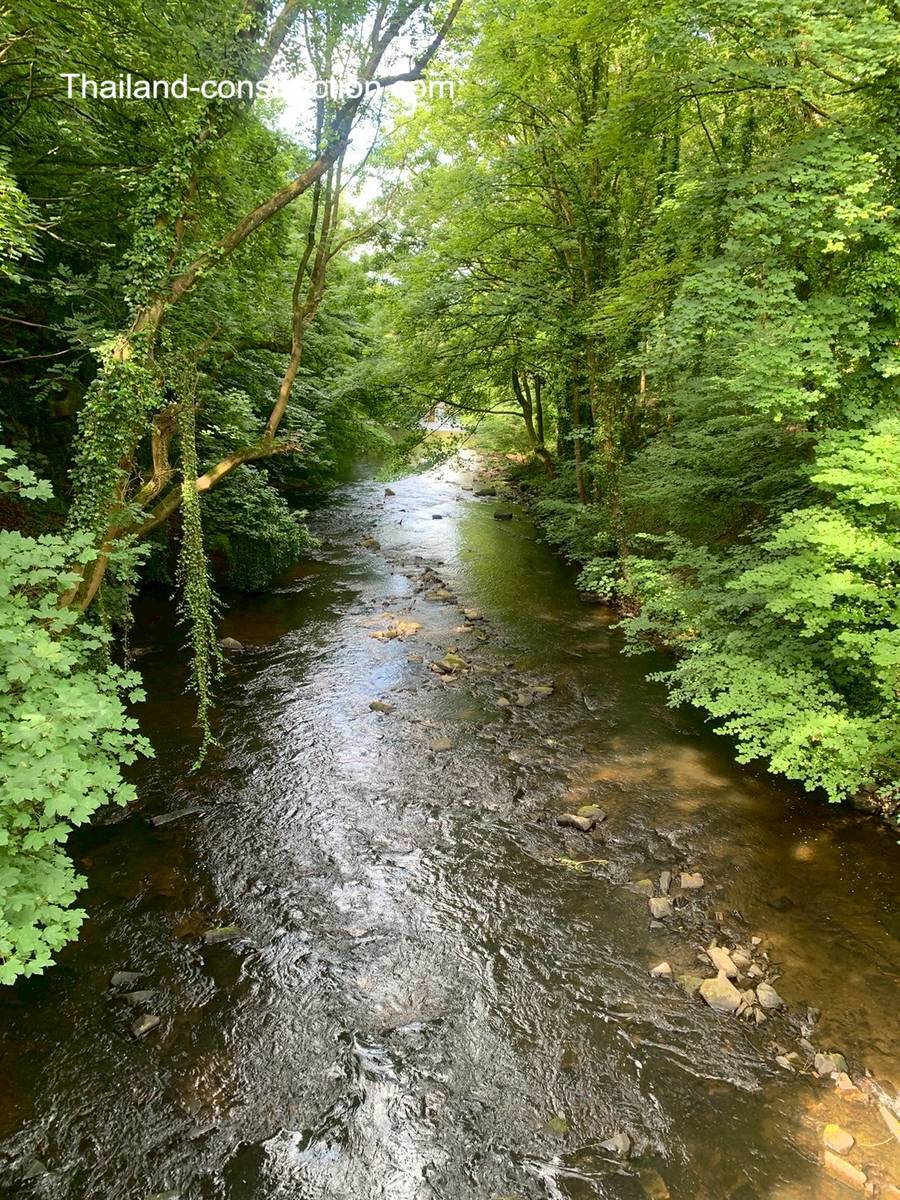
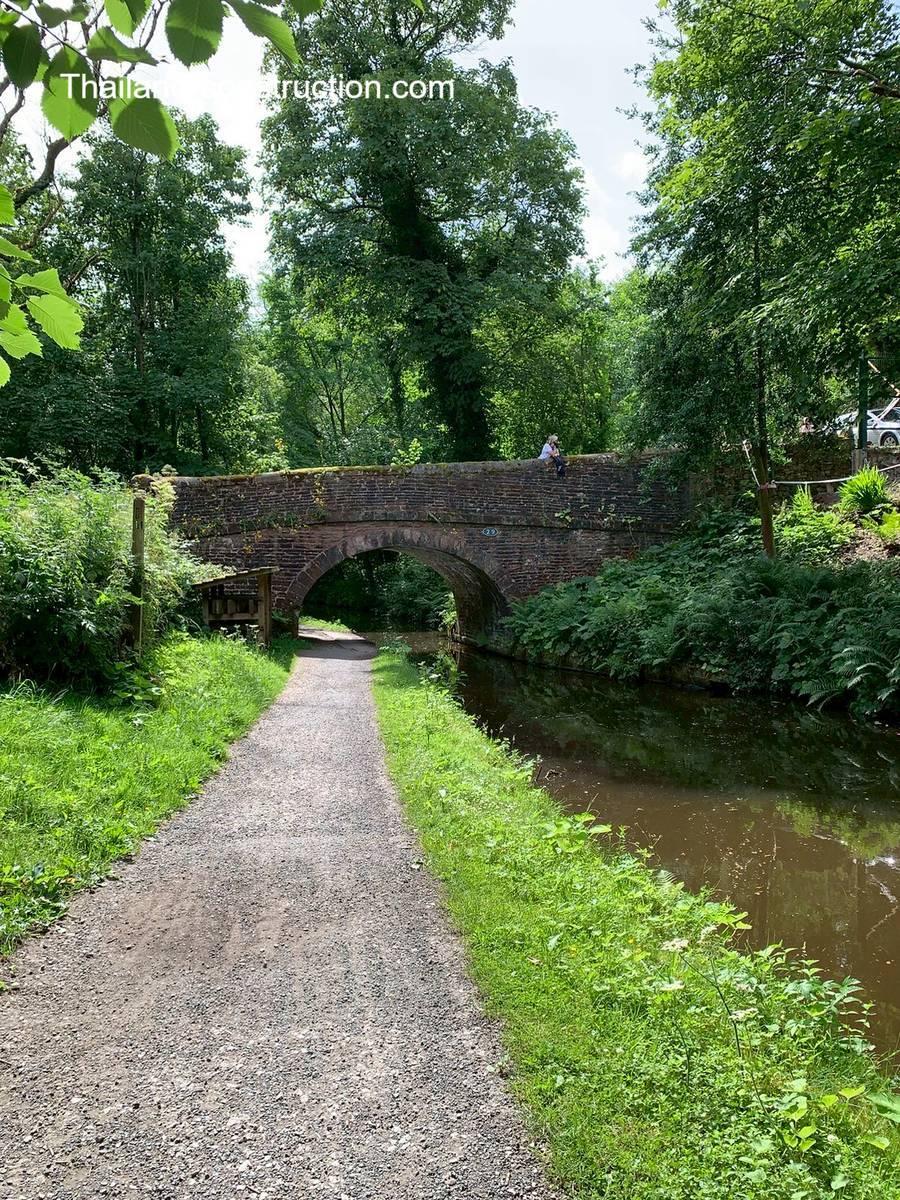 To be fair, everything about the Etihad experience—from booking to completing the flights was perfectly satisfactory. What remains unsatisfactory though is economy-class seating.
For the price we pay and the time and distances we travel, the amount of personal space allocated to passengers is simply inadequate. Legroom is minimal, armrests are uncomfortable, and reclining seats often end up inches from your nose. Most of us are familiar with these “cattle class” conditions, but it is remarkable how readily the travelling public accepts them.
Perhaps one day somebody will organise a worldwide campaign demanding a few extra inches of legroom, though I suspect it won’t happen during my lifetime.
Weather – The Hottest June in UK History
Packing for Manchester is always an exercise in preparing for every possible weather condition. Snow in June is unlikely, although it did happen in 1975 and again in 1986. More realistically, you need clothing suitable for rain, wind, sunshine, cool temperatures and heat.
The weeks before our arrival had been cool and rainy, so we packed for those conditions, so naturally Britain decided to produce a heatwave during our stay. On 25 June 2026 the UK recorded its hottest June day on record, reaching 36.7°C in Somerset in the south-west of England.
For several days the heat was intense, and it highlighted one major difference between Britain and Thailand: air-conditioning, and the fact very few people even own one fan to help cope with the few hot days of the year. In Thailand, many households have air-conditioning and virtually everyone owns at least one fan. In Britain, many people seem content to suffer through summer rather than spending money on a fan. The reverse is true in Thailand, where air-conditioning and fans are common but heating in houses is almost unheard of (does any one’s home have heating?).
The only air-conditioned places we encountered during our visit were shopping centres such as Manchester’s Arndale Centre and, surprisingly, in only one of the four pubs we visited. Ricky Hatton‘s local pub, The Cheshire Cheese, had its air-conditioning set to a delightful 22°C.
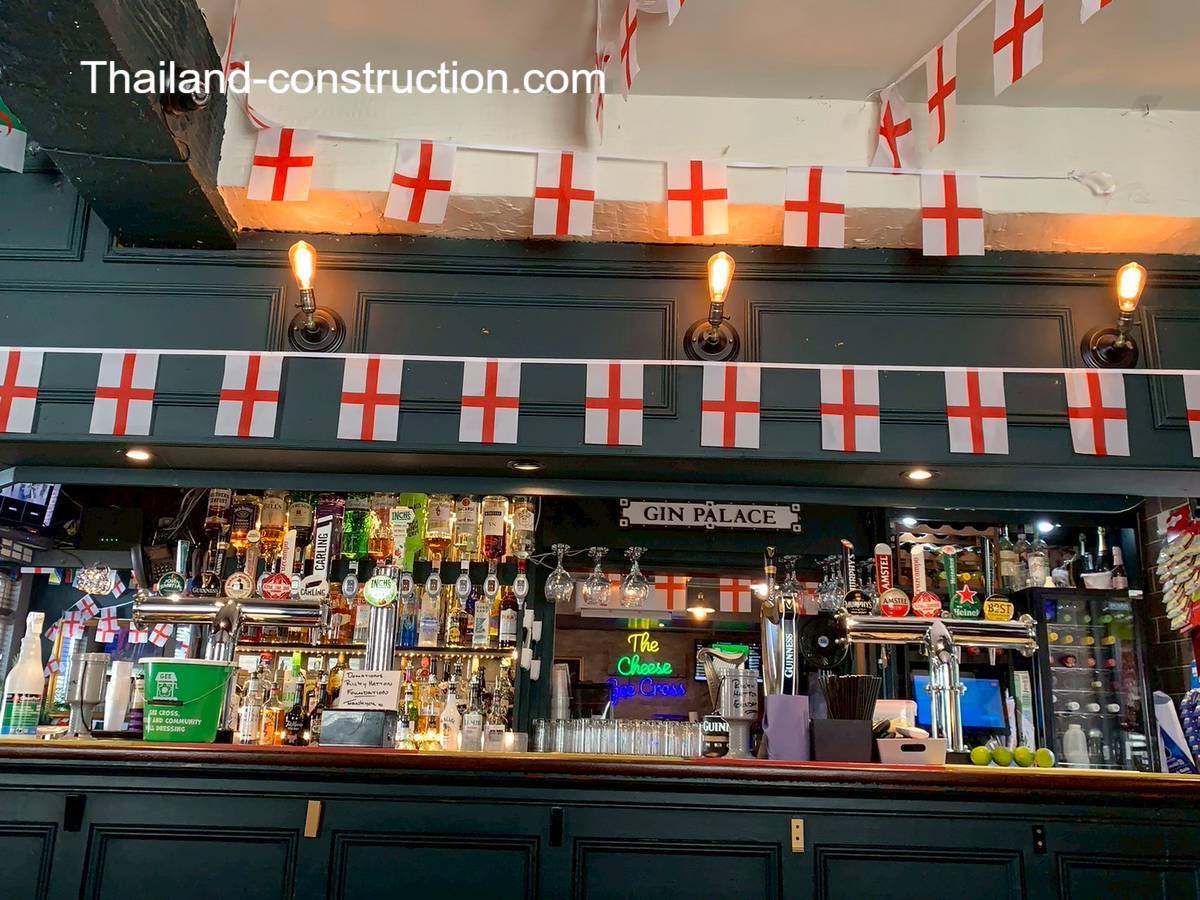
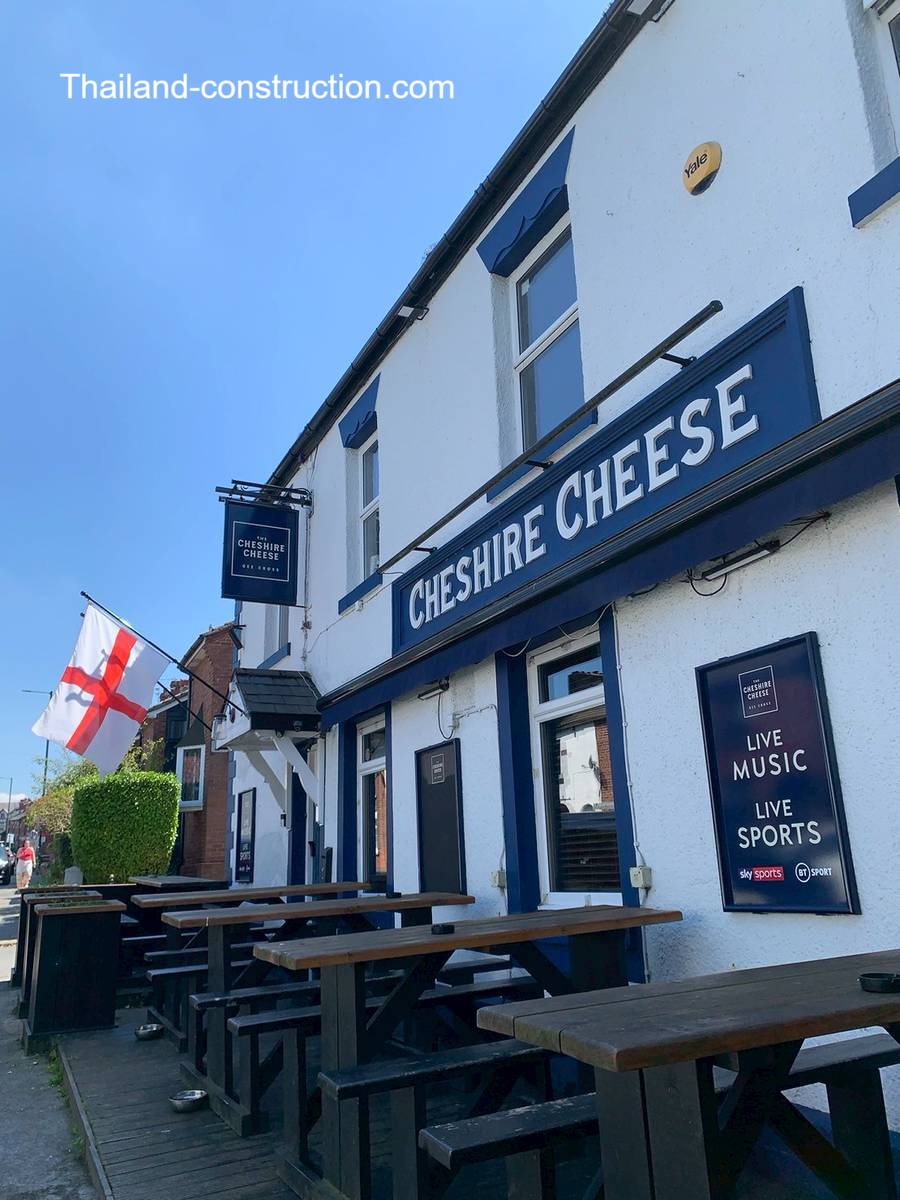
One evening we went to a local pub to watch England play in the World Cup. After twenty minutes we were ‘melting’ and had to leave.
Pubs, Beer, Wine and Cider
Despite continuing pub closures, visiting British pubs remains one of life’s great pleasures.
According to industry figures, England and Wales lost roughly one pub per day during 2025, with more than 16,000 pubs disappearing since 2000. Even so, Britain still possesses one of the world’s great pub cultures.
When I started frequenting pubs as a sixth-former in the late 1970s, they were largely drinking establishments filled with cigarette smoke. As a non-smoker, I hated leaving a pub smelling like an ashtray.
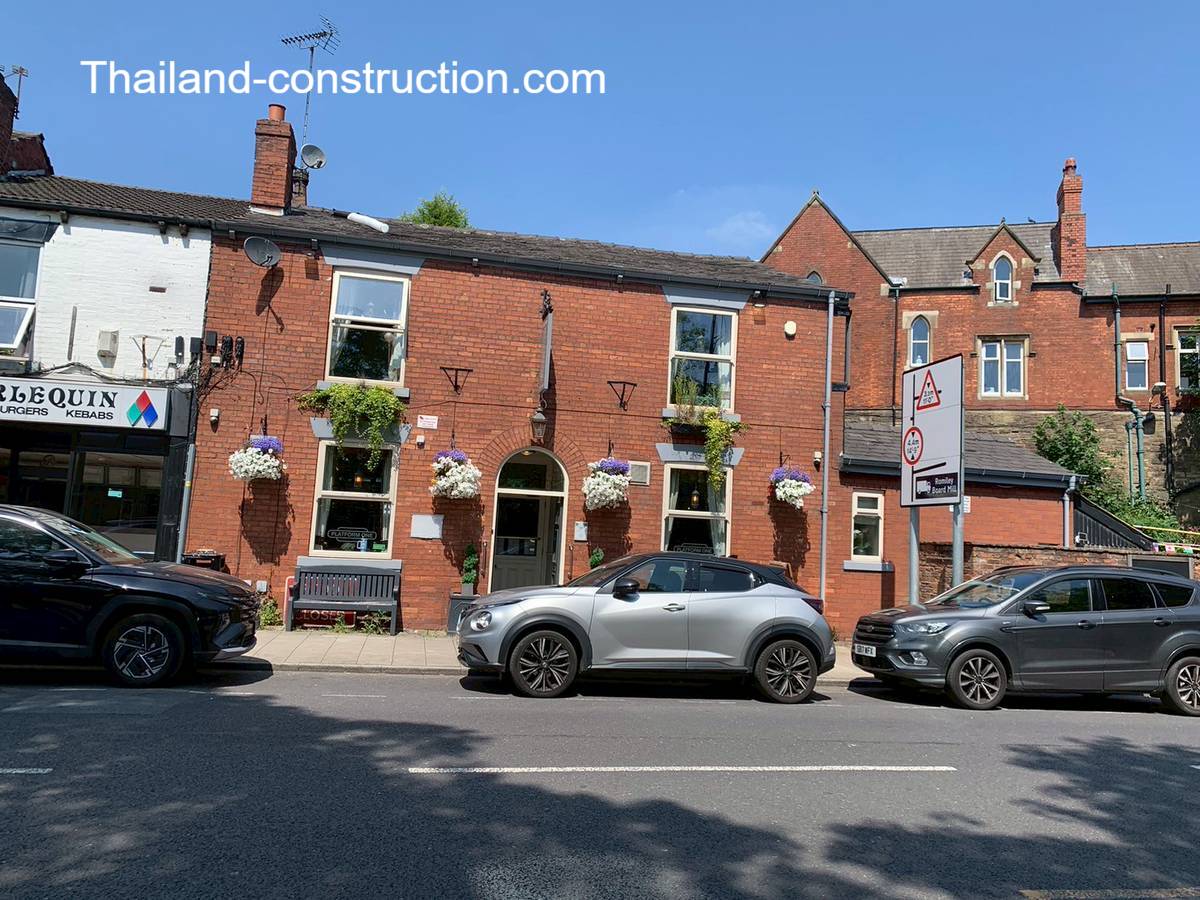
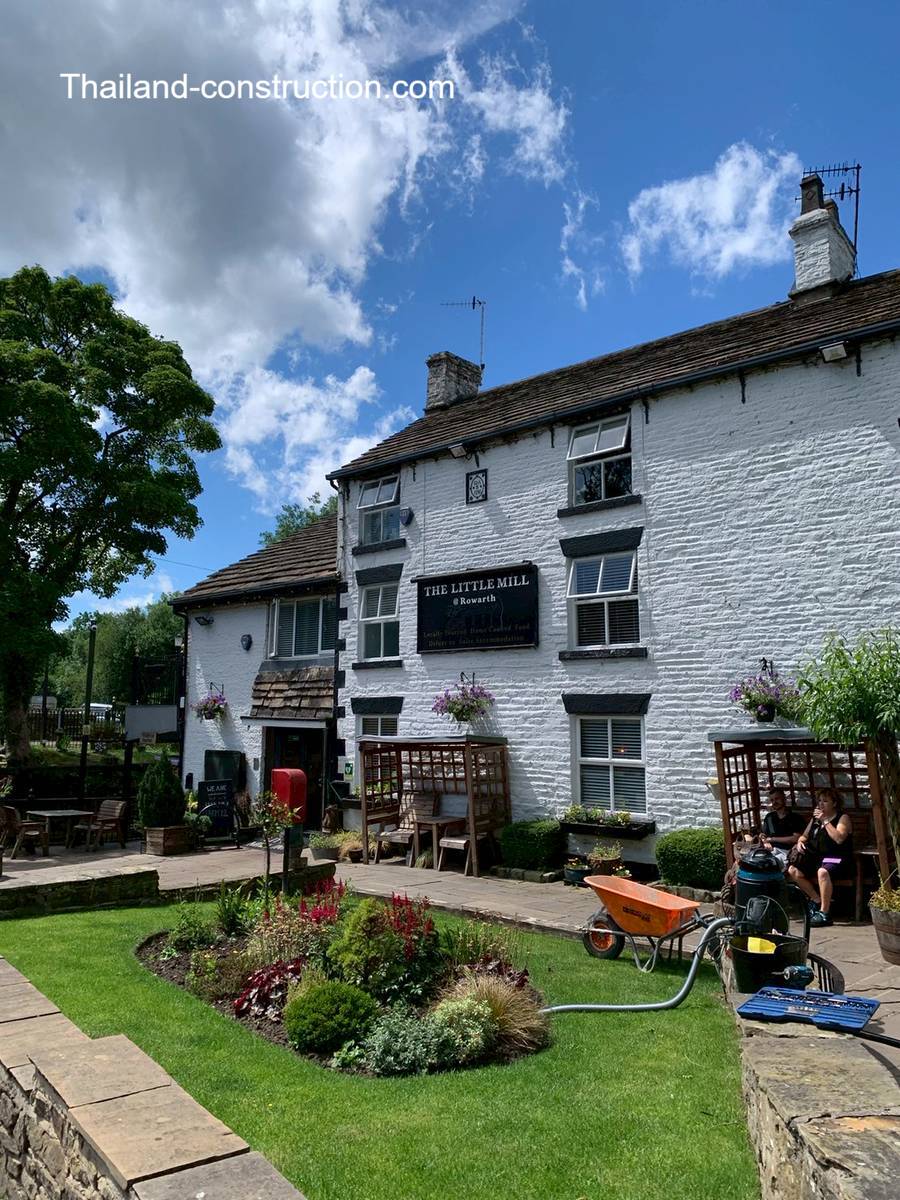
Today’s pubs are vastly improved. They are cleaner, more welcoming and cater for everyone—drinkers, couples and families alike. The smoking ban introduced in 2007, the widespread availability of food, and longer opening hours have transformed the experience.
Because the wife spent most evenings cooking for my parents, our pub visits were limited. Nevertheless, the four country pubs we visited were all wonderful examples of traditional English pubs, each between 200 and 300 years old. One even claimed that 18th century highwayman Dick Turpin “is reputed to have held up a coach nearby on the lane”.
By British standards, however, those four pubs are comparatively young.
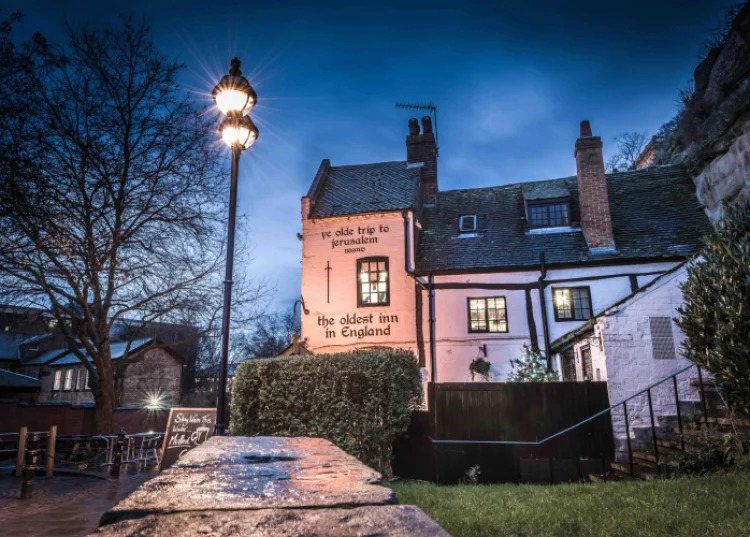
As a student in Nottingham, I often visited ‘Ye Olde Trip to Jerusalem’ pub, which claims origins dating back to 1189. Built into the sandstone beneath Nottingham Castle, it supposedly served as a gathering place for King Richard the Lionheart’s men before departing for the Crusades. Local legend also links it to Robin Hood. During summer evenings I would sit there enjoying a pint while occasionally picking bits of sandstone out of my beer as flakes fell from the cave walls.
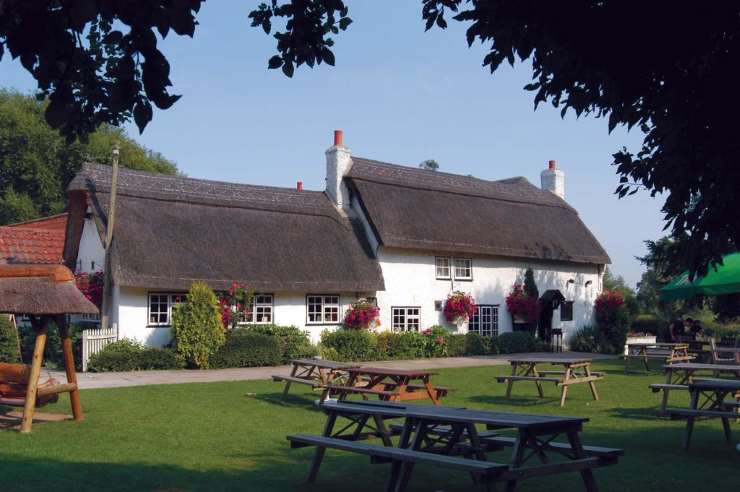
Elsewhere, the ‘Old Ferry Boat Inn’ in Cambridgeshire claims to have been serving alcohol since 560 AD and appears in the Domesday Book. Britain is full of pubs with histories stretching back centuries.
One of the biggest changes since I left Britain in the late 1980s is the sheer variety of beer now available.
Back then, most pubs were generally limited to a bitter beer, a mild beer and a lager beer or two, and each pub was tied to a brewery, so in my area it was generally a choice between Robinsons beer or Boddingtons beer. Nowadays however, when you go in the pub there are multiple beers. Today, every pub seems to have a forest of pumps dispensing beers with strange and wonderful names from breweries scattered across the country. Ordering a pint has become something of ‘a lucky dip’ of beers.
Beer prices, however, have changed even more dramatically.
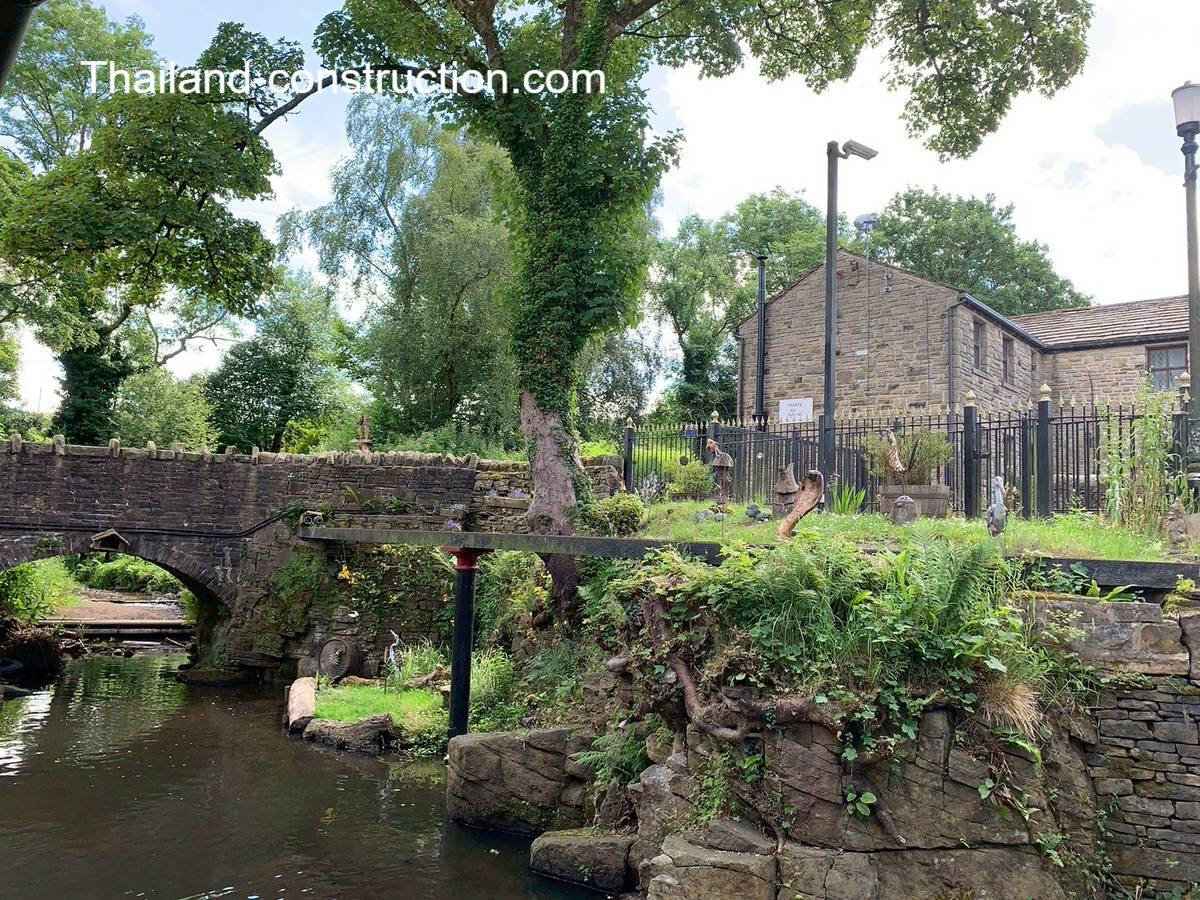 During my student days on a quantity surveying course at Trent Polytechnic at the end of the 1970s, I shared a house with three mates from school, which was next to a fish-and-chip shop and diagonally opposite ‘The Major Oak’ pub in Arnold, a typical estate pub. At exactly 9.50pm almost every weeknight, the four of us would go across to the pub for a few pints before last orders at 10.50pm. I remember the round consisting of three pints of bitter and one pint of mild costing 98 pence.
Forty-five years later, the average cost of a pint in the UK now, is a whopping £5.50. The average cost of a pint in London reportedly nowadays is £6.75, and the average cost of a pint in major cities around the world is £2.85 [how to find the ‘Price of a pint in capital cities around the world’].
Wine prices were an even bigger shock.
We were regularly buying decent Australian, New Zealand and Chilean Chardonnay or Sauvignon Blanc wines from supermarkets for around £8 a bottle. On my birthday I ordered two large glasses of wine in a local pub and nearly choked when presented with a bill for £17.50—about 770 baht.
Needless to say, I quickly concluded that wine belongs in supermarkets, not pubs.
Cider has also undergone a revolution. Beyond the traditional apple and pear ciders we were brought up on in England, there are now countless flavoured options. I tried a mixed-berry cider which was absolutely delicious, although dangerously drinkable. It tasted more like fruit cordial than alcohol and could probably catch out the unwary very quickly.
Toilets – Cold Seats, No Bum Guns, and a Nation Still Smearing Toilet Paper: the UK is still in the Victorian age
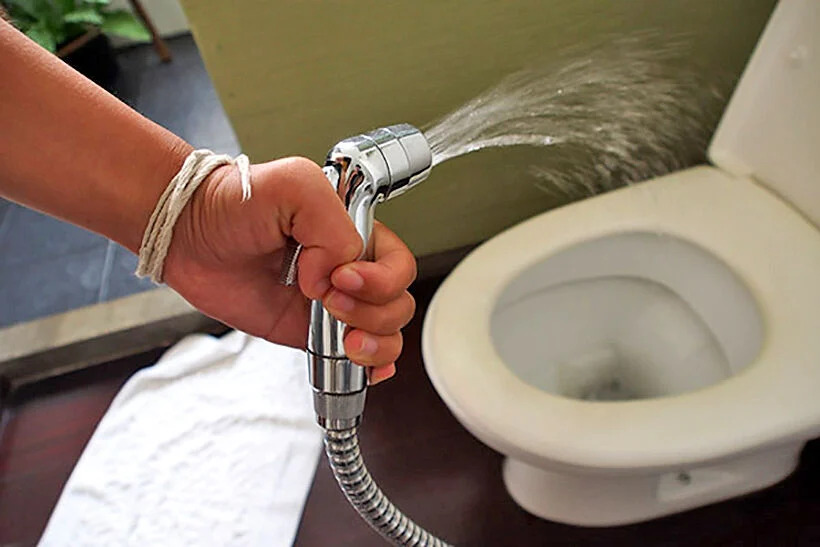
My biggest gripe whenever I return to Britain is the toilet situation.
The cold toilet seats are unpleasant enough for much of the year, but what really baffles me is the fact Britain still for the most part has not introduced the ‘bum gun’ and its continued reliance on toilet paper. After living in Thailand for decades, the idea of cleaning oneself with paper alone feels remarkably old-fashioned and unhygienic!
According to one UK company trying to popularise handheld bidet sprays AKA bum guns, around 70–75% of the world’s population uses water rather than paper as its primary post-toilet cleaning method. Japan, South Korea and Taiwan have near-universal adoption of bidets, while handheld sprays are standard throughout much of the Middle East, South Asia and Southeast Asia. Even several European countries have embraced water-based cleaning for centuries. Britain and North America are actually the outliers.
One of my favourite family stories illustrates the point perfectly.
More than a decade ago, I took my wife and sons to Britain, for my sons’ first visit. My youngest son was about seven years old and had spent his entire life in Thailand. One evening we were in a pub celebrating my parents’ wedding anniversary. Later in that night I took my son to the toilet to do his ‘business’. I waited outside his toilet cubicle.
After a few minutes the door opened slightly and a worried face appeared.
“Dad, there’s no toilet spray. What do I do?”
The poor lad genuinely had no idea how toilet paper worked having always used a bum gun.
After some hurried improvisation involving dampened sheets of toilet paper passed through the partly opened cubicle door, the crisis was eventually resolved. The puzzled looks I received from men entering and leaving the toilets only added to the entertainment.
Toilet paper itself has a surprisingly long history. Commercial toilet paper first appeared in America in 1857, while Britain’s famous Andrex brand dates back to the 1940s.

 Those of a certain age will also remember the notorious IZAL medicated toilet tissue. One side was rough, the other shiny and non-absorbent, making it equally ineffective whichever way you used it. During the Second World War, some sheets even carried cartoons of Adolf Hitler. Mercifully, the brand finally disappeared in 2010.
My grandparents were even more old-fashioned. Their preferred toilet paper was the previous week’s News of the World newspaper (did you know that “By 1950, the News of the World had become the biggest-selling newspaper in the world with a weekly sale of 8,441,000 and individual editions sold over 9 million copies”?), cut into squares and hung on a piece of string. Given the choice between old newspaper and IZAL, it was difficult to know which was worse.
The great toilet paper panic of the COVID era also demonstrated how dependent Britain remains on paper. Supermarket shelves were stripped bare as people stockpiled rolls as though civilisation itself depended upon them.
Personally, I think Britain should finally join the twenty-first century and embrace the delights of the bum gun.
Many Britons probably imagine Thai toilets are still primitive squat holes in the ground and that British bathrooms are vastly superior. If only they knew.
The Joys of a Walk – Especially One That Ends in a Pub
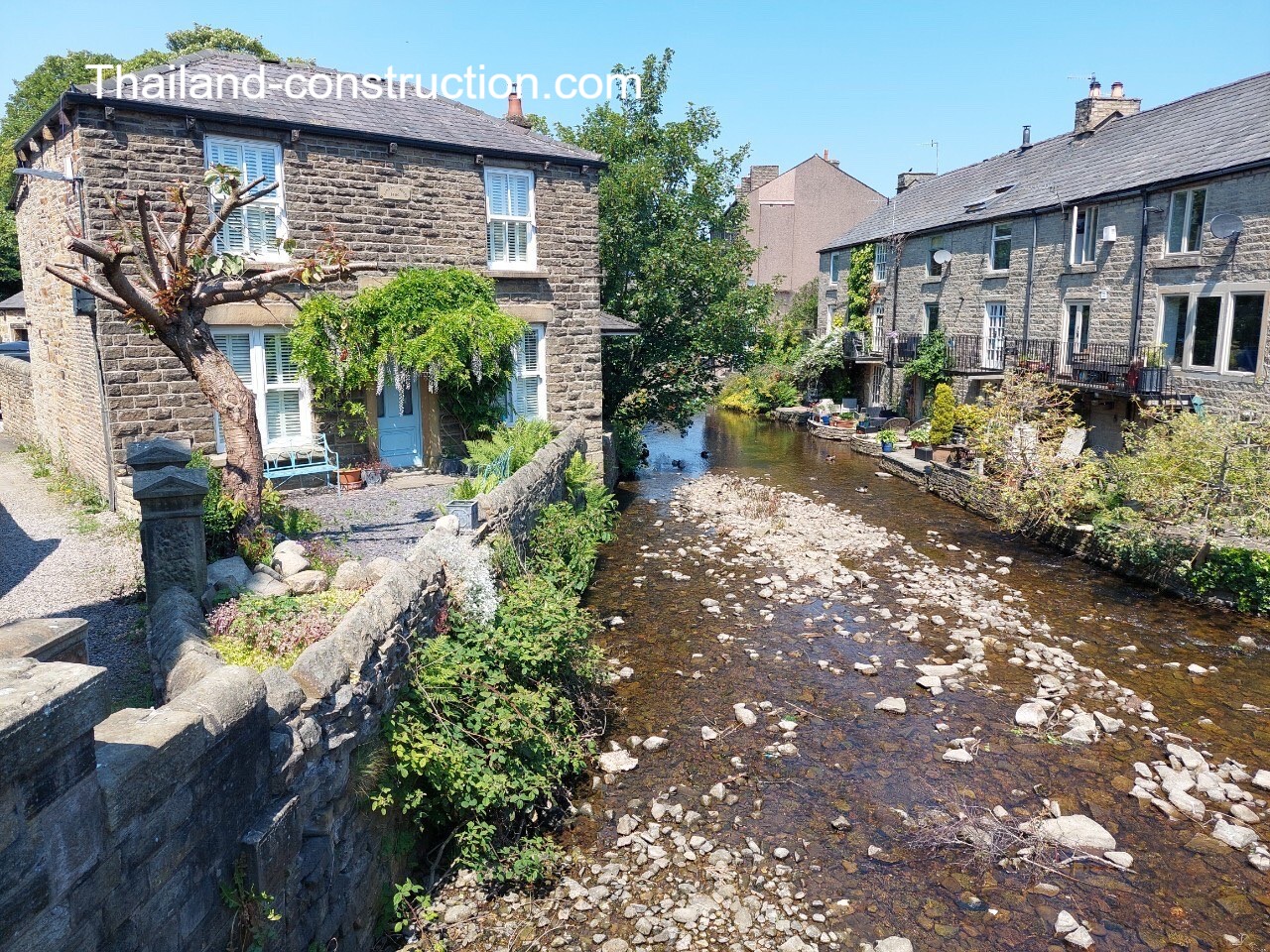
Apart from family, the things I have missed most during years as an expat in Thailand are going to the football, going to the pub, going for long walks in the English countryside, and especially going for long walks in the English countryside that end up in a pub. If I’m honest I do not miss much else.
Britain is blessed with an extraordinary network of public footpaths, bridleways, canal towpaths and countryside trails. Many of these routes are centuries old and provide walkers with access to landscapes that would otherwise be inaccessible.
One of my favourite areas lies about ten miles from my home village, in the Peak District around Hayfield, a place I’ve taken my family to stay when we’ve been visiting home from Thailand. The area is famous for the 1932 Kinder Scout Mass Trespass, a protest against wealthy landowners who denied public access to large areas of open countryside.
The protest led to public outrage when several participants were imprisoned and is now regarded as one of the most successful acts of civil disobedience in British history. It helped pave the way for National Parks legislation, long-distance footpaths such as the Pennine Way and, eventually, the Countryside and Rights of Way Act of 2000.
Every walker in Britain owes those brave protesters a debt of gratitude for fighting to give us all access to the countryside. Ewan MacColl commemorated those events in his 1932 well-known folk song “The Manchester Rambler” (he’s the father of Kirsty MacColl, who famously recorded several pop hits in the 1980s and 1990s, including “There’s a Guy Works Down the Chip Shop Swears He’s Elvis”, cover versions of Billy Bragg’s “A New England” and the Kinks’ “Days”, and sang on the “Fairytale of New York” by the Pogues which has become a famous Christmas song).
A commemorative plaque now marks the start of the trespass at Bowden Bridge quarry near Hayfield, which remains a popular destination for ramblers.
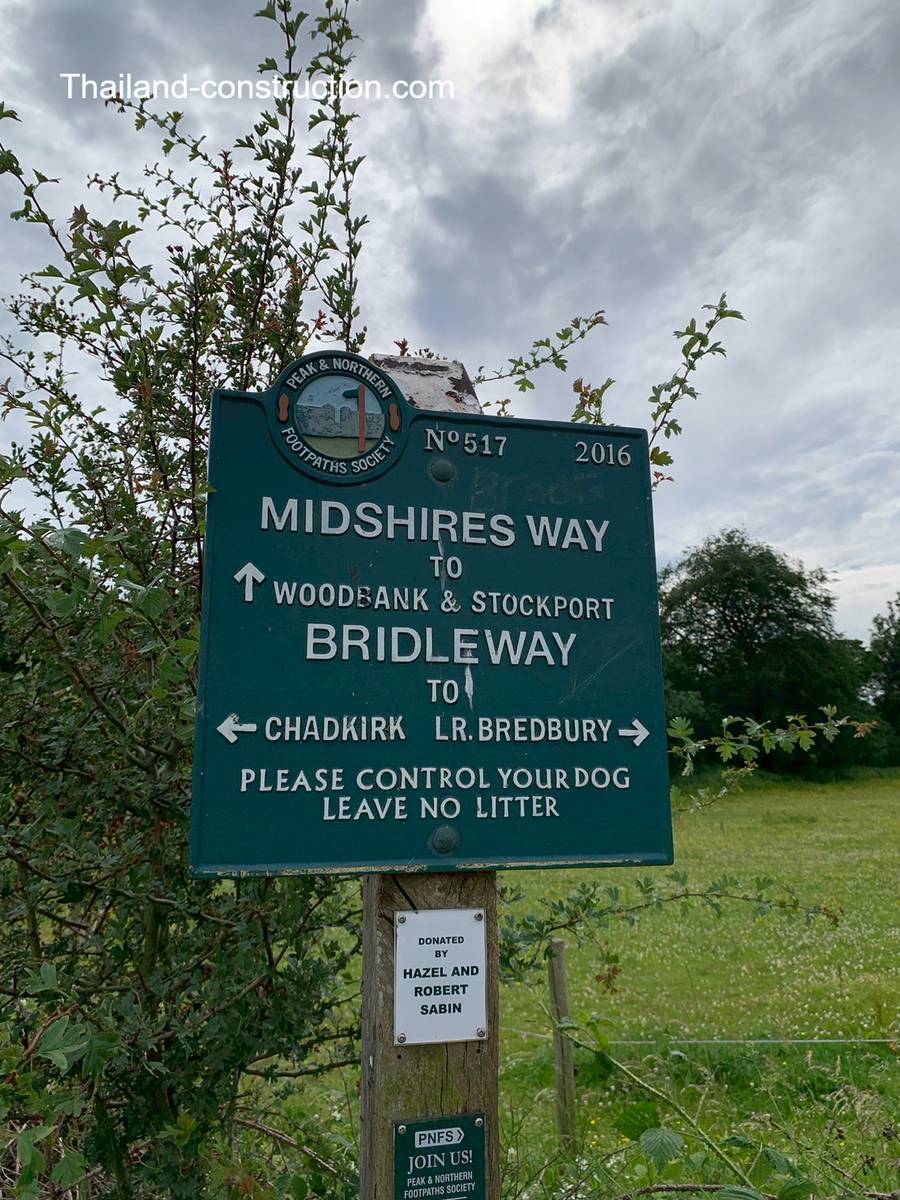
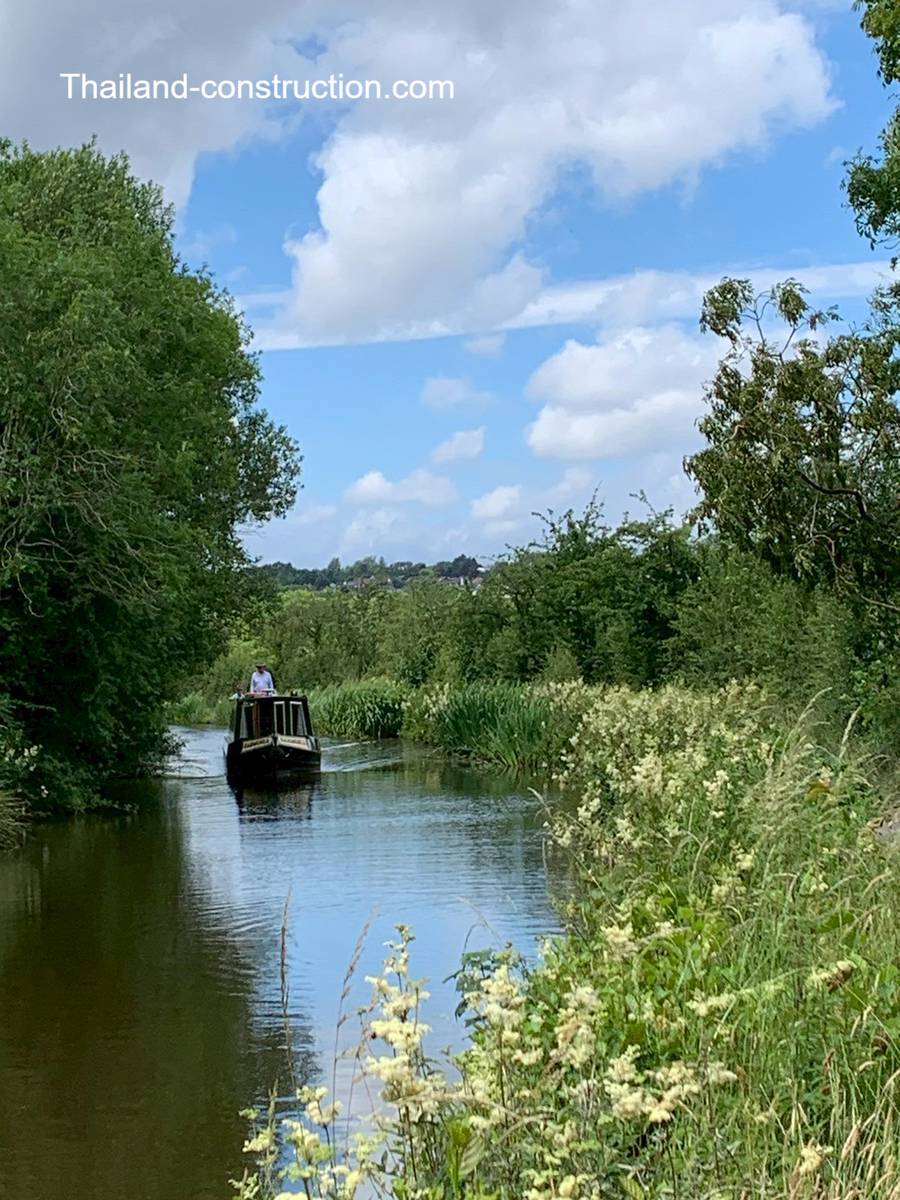
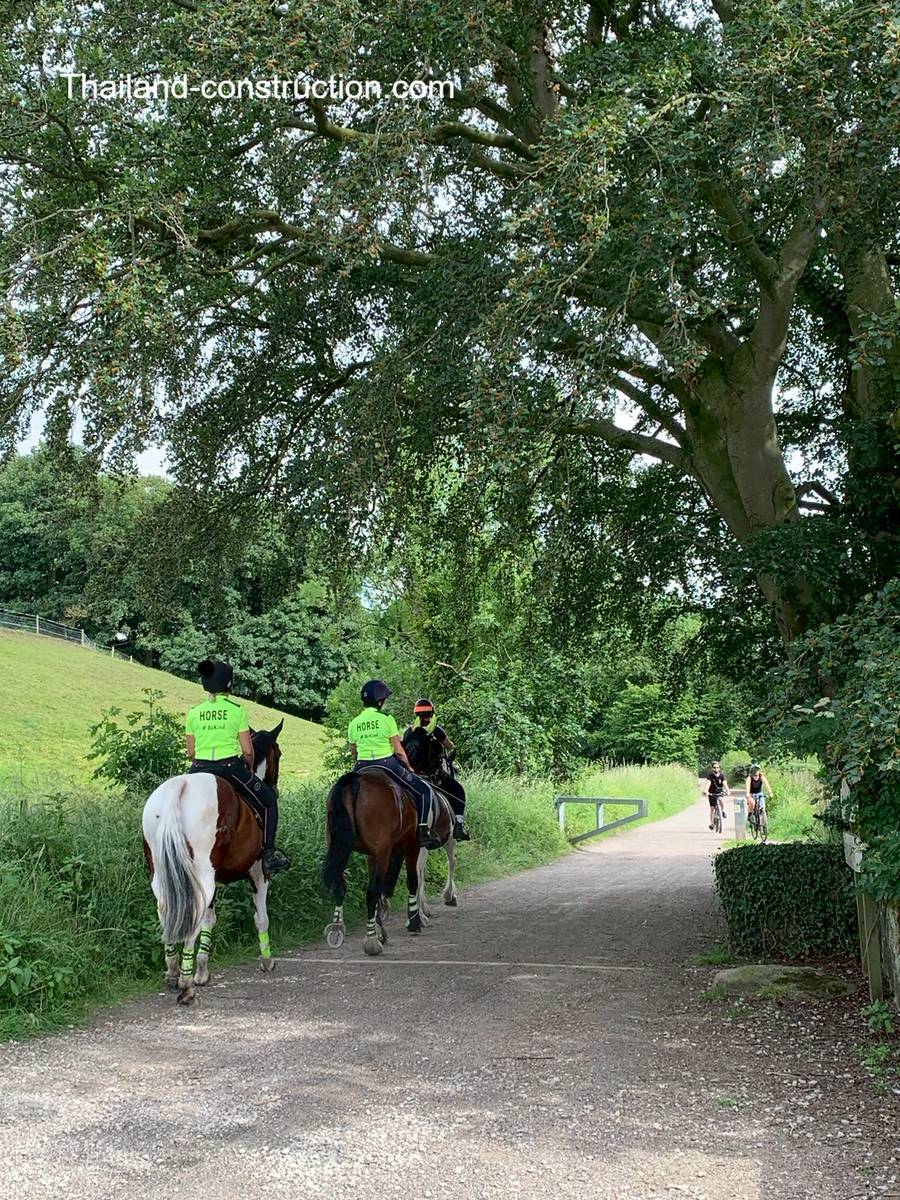
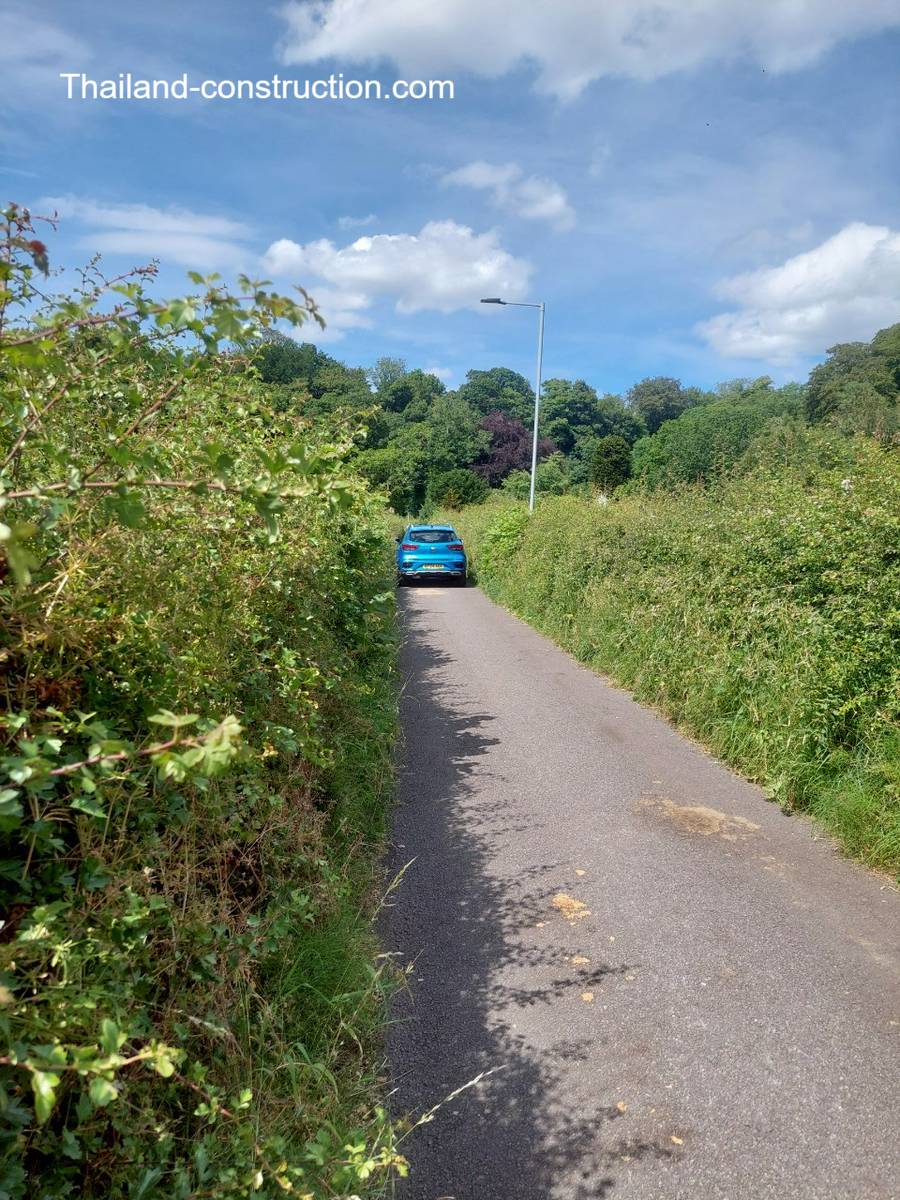
I have always considered myself fortunate to come from an area where the Cheshire Plain meets the Peak District. With rivers, canals, woodland and rolling hills on the doorstep, there is no shortage of walking routes—or country pubs in which to recover afterwards.
Thailand, by comparison, offers relatively few opportunities for casual countryside walking directly from one’s front door.
When my sons were young, most family outings revolved around Bangkok shopping centres because they provided entertainment and, more importantly, air-conditioning. Walking any significant distance with children in Thailand’s climate can quickly become an exhausting experience.
Nowadays, my wife and I spend our leisure time visiting temples, cafés, restaurants and historical sites, particularly Khmer ruins when travelling upcountry. Thailand certainly has attractions, but extensive public footpath networks are not among them.
For walking, Britain wins comfortably—at least during the relatively brief periods when the weather is not raining, sleeting, snowing or turning footpaths into mud baths.
 Household Rubbish and Recycling
Having lived abroad for so long, I have no idea exactly when Britain became obsessed with recycling, but every visit home involves receiving detailed instructions on which items belong in which coloured bin, what happens if you get it wrong, and precisely when the bins must be put out for collection. The seriousness and dedication with which people discuss rubbish disposal can be quite amusing.
That said, I am completely supportive of the system and slightly embarrassed that Thailand has nothing comparable.
In my local area in Manchester there is a four-bin system:
- Black bin for general waste.
- Blue bin for paper, cardboard and cartons.
- Brown bin for glass, plastics, tins and cans.
- Green bin for food and garden waste.
Residents are expected to have bins out by 7.00 a.m. with lids properly closed, and extra waste generally won’t be collected.
 The system is impressively organised, although I still find it slightly odd that glass, plastic and metal are all collected together. Surely there is room for a fifth bin?
The collection vehicles themselves are highly efficient. A mechanical arm lifts two bins simultaneously, empties them into the truck and returns them neatly to the pavement.
I was genuinely impressed.
The contrast with our area of Thailand is striking.
Here there is little formal waste separation. The rubbish collectors arrive a couple of times a week in an open-backed truck. Before the bags are loaded, they are opened and searched for recyclable materials with resale value. Cardboard, bottles and scrap materials are particularly prized.
It is hot, difficult, dirty and often unpleasant work, and I have enormous respect for the people who do it. We always make a point of showing our appreciation to the collection crew at Christmas.
Thailand’s informal recycling sector extends beyond municipal rubbish collection through the army of ‘saleng’ who travel neighbourhoods collecting recyclable materials. They recover bottles, cans, paper, cardboard, metal and plastic, selling them on through a chain of dealers and recycling centres.
The work is important but often poorly paid.

 In many ways the saleng remind me of the rag-and-bone men of my childhood.
Back in the 1960s, our local rag-and-bone man visited every week with his horse and cart. Hearing his cry of “rag-and-bone, any old iron” was one of the highlights of my week. My mother would hand me unwanted household items to donate, I would sprint down the street to catch him, and in return he would give me a balloon. As a child, that felt like winning the lottery.
By the 1980s, most rag-and-bone men had disappeared from England, although rising scrap-metal prices have encouraged a partial comeback. Today they generally drive vans rather than horse-drawn carts and announce their arrival through loudspeakers.
While visiting Manchester, I heard one such vehicle racing through my brother’s street broadcasting requests for scrap metal. It moved so quickly that nobody could possibly have had time to bring anything outside.
Modern Britain unquestionably has the more sophisticated recycling infrastructure. Yet Thailand deserves credit for maintaining an informal recycling sector that recovers huge quantities of material that might otherwise end up in landfill.
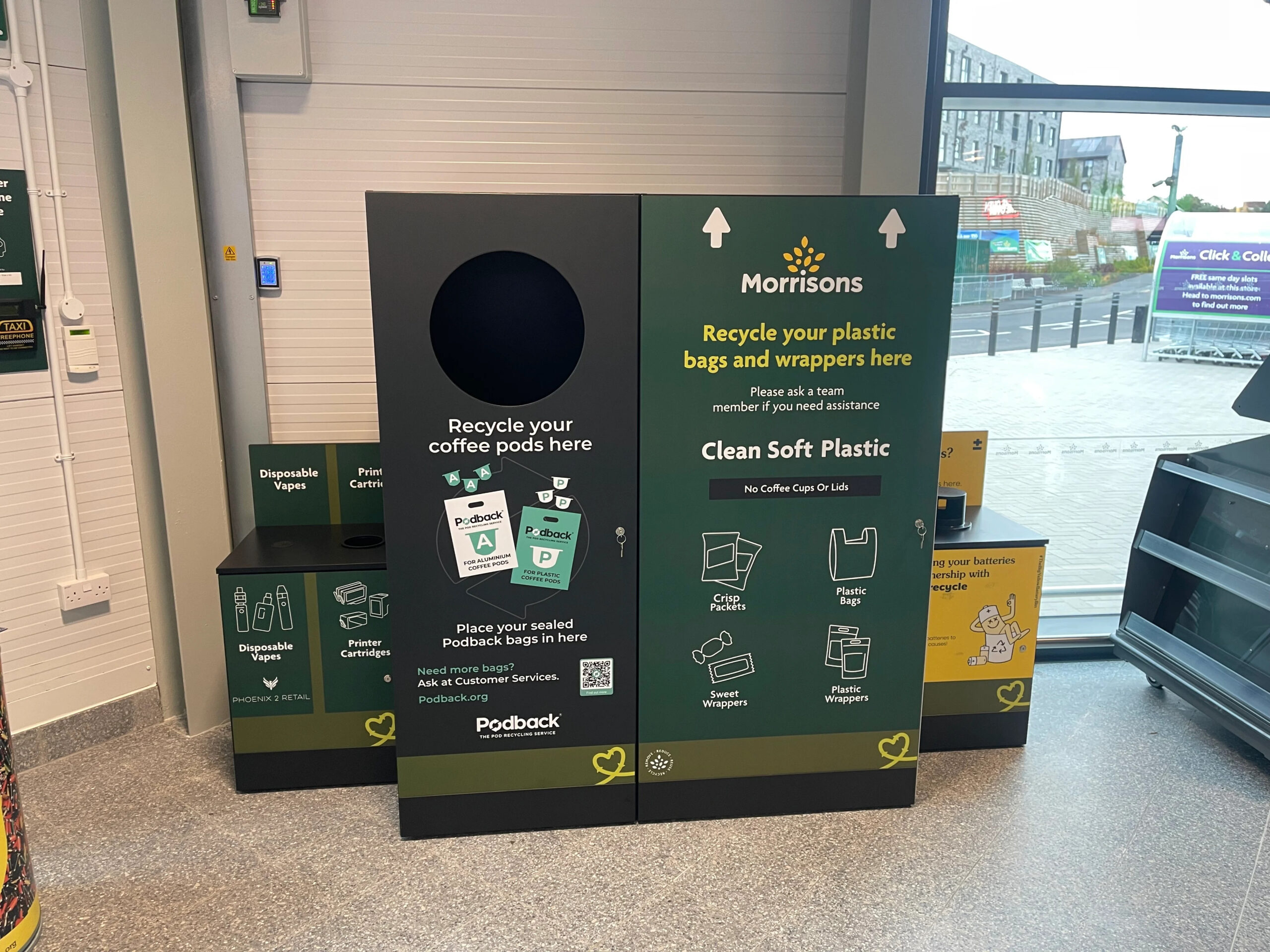
I was also impressed by how far British supermarkets have embraced recycling. Morrisons now accepts items ranging from batteries and printer cartridges to coffee pods, soft plastics and electrical goods. The coffee pod recycling scheme particularly caught my attention, converting used coffee grounds into renewable energy and agricultural soil improvers.
By comparison, recycling opportunities in the Thai supermarkets I visit are either limited or so poorly advertised that I have never noticed them.
Over the years, we have reported the following recycling initiatives in Thailand; we wonder how many have been successful?
Samut Prakarn’s Wat Chak Daeng Recycles Plastic Bottles Into Monk Robes
How a monk and a Hippo joined forces to tackle Bangkok’s plastic pollution
Thailand will be free from three types of plastic by end of this year
Thai firm plans to recycle, cut use of plastic bags
Thailand has made progress over the years, but there is still considerable room for improvement. Recycling needs to become easier, more visible and more widely encouraged.
Final Thoughts
Every trip home reminds me that both countries do some things exceptionally well and some things less well.
Britain wins hands down when it comes to public footpaths, countryside walks, traditional pubs and organised recycling. Thailand wins on air-conditioning, practical toilet technology and generally making hot weather far more bearable.
After decades in Thailand, I still enjoy returning to Britain and rediscovering the things I miss. Equally, after a couple of weeks in Britain, I am usually reminded why I chose to build my life in Thailand.
Perhaps that is one of the unexpected benefits of being an expat. You get to appreciate the strengths of two countries rather than taking either of them for granted.
Go to Part 2
Google Translation:
การเปรียบเทียบแง่มุมบางประการของชีวิตในประเทศไทยกับชีวิตในสหราชอาณาจักร จากการเดินทางไปแมนเชสเตอร์เมื่อเร็วๆ นี้ (ตอนที่ 1)
หมายเหตุ: ตอนที่ 1 นำเสนอการเปรียบเทียบบางแง่มุมของชีวิตในสหราชอาณาจักรและประเทศไทย ในขณะที่ตอนที่ 2 จะกล่าวถึงเฉพาะจุดที่น่าสนใจในการเดินทาง นั่นคือ สะพานประวัติศาสตร์ในท้องถิ่น
บทนำ
ผมและภรรยาเพิ่งใช้เวลาเกือบสองสัปดาห์ไปเยี่ยมครอบครัวที่แมนเชสเตอร์ เป็นการเยี่ยมครั้งแรกของเรานับตั้งแต่ฤดูร้อนปี 2023 และจริงๆ แล้วเป็นการเยี่ยมที่จำเป็น พ่อแม่ของผมทั้งสองคนอายุ 90 กว่าปีแล้วและสุขภาพไม่ค่อยดีนัก ดังนั้นการไปเยี่ยมท่านในขณะที่เรายังทำได้จึงเป็นสิ่งจำเป็น ชาวต่างชาติส่วนใหญ่ที่อาศัยอยู่ห่างจากครอบครัวหลายพันไมล์จะต้องเผชิญกับความเป็นจริงเดียวกันนี้ในที่สุด
การเดินทางครั้งนี้ทำให้เกิดการเปรียบเทียบระหว่างชีวิตในอังกฤษ โดยเฉพาะ “ทางเหนือ” กับชีวิตในประเทศไทย นี่คือข้อสังเกตบางประการจากการเยี่ยมเยียนครั้งนั้น
เที่ยวบิน – แย่มากสำหรับคนสูง 6 ฟุตในชั้นประหยัด!
เดิมทีเราวางแผนจะไปเยี่ยมเร็วกว่านี้ในปีนี้ เนื่องจากพ่อหรือแม่คนหนึ่งของผมต้องเข้าโรงพยาบาล โชคร้ายที่สงครามส่วนตัวของทรัมป์กับอิหร่านทำให้การเดินทางทางอากาศหยุดชะงัก เที่ยวบินถูกระงับไปช่วงหนึ่ง และเมื่อกลับมาให้บริการอีกครั้ง ค่าโดยสารก็แพงมาก ในที่สุดเราก็รอจนกระทั่งมีการบรรลุข้อตกลงหยุดยิงระหว่างทรัมป์กับอิหร่านครั้งล่าสุด แล้วจึงตัดสินใจบินไปแมนเชสเตอร์และกลับในช่วงสองสัปดาห์สุดท้ายของเดือนมิถุนายน ปี 2026
การเดินทางจากกรุงเทพฯ ไปแมนเชสเตอร์นั้นไม่ง่ายเลย เพราะไม่มีเที่ยวบินตรง ทางเลือกคือการต่อเครื่องในตะวันออกกลาง ซึ่งโดยปกติแล้วจะต้องต่อเครื่องประมาณ 6 ชั่วโมง และอีก 7 ชั่วโมง หรือต่อเครื่องที่ไหนสักแห่งในยุโรป ซึ่งโดยทั่วไปแล้วหมายถึงการต้องทนกับการบิน 12-13 ชั่วโมงก่อนที่จะต่อเครื่องไปยังแมนเชสเตอร์
หลังจากค้นหาเที่ยวบินราคาถูกหลายวัน ผ่านเว็บไซต์ต่างๆ และการเลือกวันเดินทางที่หลากหลาย ก็เห็นได้ชัดว่าสายการบินส่วนใหญ่ในยุโรปกำลัง “ล้อเล่น” กับราคาที่สูงเกินจริง ตัวเลือกที่สมเหตุสมผลที่สุดมีเพียง Qatar Airways และ Etihad Airways และในที่สุดเราก็เลือก Etihad
ต้องยอมรับว่าทุกอย่างเกี่ยวกับประสบการณ์กับ Etihad ตั้งแต่การจองจนถึงการเดินทางเสร็จสิ้นนั้นน่าพอใจอย่างยิ่ง สิ่งที่ไม่น่าพอใจก็คือที่นั่งชั้นประหยัด
อย่างไรก็ตาม เมื่อเทียบกับราคาที่เราจ่าย เวลา และระยะทางที่เราเดินทาง พื้นที่ส่วนตัวที่จัดสรรให้กับผู้โดยสารนั้นไม่เพียงพออย่างยิ่ง พื้นที่วางขาเหลือน้อย ที่วางแขนไม่สบาย และที่นั่งปรับเอนมักจะอยู่ห่างจากจมูกของคุณเพียงไม่กี่นิ้ว พวกเราส่วนใหญ่คุ้นเคยกับสภาพ “ชั้นประหยัด” เหล่านี้ แต่เป็นเรื่องน่าประหลาดใจที่ผู้โดยสารยอมรับมันได้ง่ายเพียงใด
บางทีสักวันหนึ่งจะมีคนจัดแคมเปญระดับโลกเพื่อเรียกร้องพื้นที่วางขาเพิ่มอีกสักสองสามนิ้ว แต่ฉันคิดว่ามันคงไม่เกิดขึ้นในชั่วชีวิตของฉัน
สภาพอากาศ – เดือนมิถุนายนที่ร้อนที่สุดในประวัติศาสตร์สหราชอาณาจักร
การจัดกระเป๋าไปแมนเชสเตอร์นั้นเป็นการเตรียมพร้อมสำหรับสภาพอากาศทุกรูปแบบเสมอ หิมะในเดือนมิถุนายนนั้นไม่น่าจะเกิดขึ้น แม้ว่าจะเคยเกิดขึ้นในปี 1975 และ 1986 ก็ตาม ในความเป็นจริงแล้ว คุณต้องมีเสื้อผ้าที่เหมาะสมสำหรับฝน ลม แสงแดด อุณหภูมิเย็น และความร้อน
หลายสัปดาห์ก่อนที่เราจะมาถึงนั้นอากาศเย็นและมีฝนตก ดังนั้นเราจึงจัดกระเป๋าสำหรับสภาพอากาศเหล่านั้น ดังนั้นจึงเป็นเรื่องธรรมดาที่สหราชอาณาจักรจะสร้างคลื่นความร้อนขึ้นมาในช่วงที่เราเข้าพัก เมื่อวันที่ 25 มิถุนายน 2026 สหราชอาณาจักรบันทึกสถิติวันที่ร้อนที่สุดในเดือนมิถุนายน โดยมีอุณหภูมิสูงถึง 36.7 องศาเซลเซียสในซัมเมอร์เซ็ต ทางตะวันตกเฉียงใต้ของอังกฤษ
อากาศร้อนจัดเป็นเวลาหลายวัน และเน้นให้เห็นถึงความแตกต่างที่สำคัญอย่างหนึ่งระหว่างอังกฤษและไทย นั่นคือ เครื่องปรับอากาศ และความจริงที่ว่ามีคนจำนวนน้อยมากที่มีพัดลมอย่างน้อยหนึ่งตัวเพื่อช่วยรับมือกับวันที่ร้อนอบอ้าวไม่กี่วันของปี ในประเทศไทย หลายครัวเรือนมีเครื่องปรับอากาศ และแทบทุกคนมีพัดลมอย่างน้อยหนึ่งตัว ในอังกฤษ หลายคนดูเหมือนจะพอใจที่จะทนกับความร้อนในฤดูร้อนมากกว่าที่จะเสียเงินซื้อพัดลม ในทางกลับกัน ในประเทศไทย เครื่องปรับอากาศและพัดลมเป็นเรื่องปกติ แต่เครื่องทำความร้อนในบ้านแทบไม่มีใครรู้จัก (บ้านใครมีเครื่องทำความร้อนบ้างไหม?)
สถานที่ที่มีเครื่องปรับอากาศเพียงแห่งเดียวที่เราพบระหว่างการเยี่ยมชมของเราคือศูนย์การค้า เช่น ศูนย์การค้าอาร์นเดลในแมนเชสเตอร์ และที่น่าประหลาดใจคือ มีเพียงผับเดียวจากสี่แห่งที่เราไปเยี่ยมชม ผับท้องถิ่นของริกกี้ แฮตตัน ชื่อ เดอะ เชสเชอร์ ชีส มีเครื่องปรับอากาศตั้งไว้ที่ 22 องศาเซลเซียส ซึ่งเป็นอุณหภูมิที่น่ารื่นรมย์
https://en.wikipedia.org/wiki/Ricky_Hatton
https://maps.app.goo.gl/MnTLh5pxEKpSafW2A
เย็นวันหนึ่งเราไปผับท้องถิ่นเพื่อดูทีมชาติอังกฤษเล่นฟุตบอลโลก หลังจากผ่านไปยี่สิบนาที เราก็เริ่ม “ร้อน” และต้องออกไป
ผับ เบียร์ ไวน์ และไซเดอร์
ถึงแม้จะมีผับปิดตัวลงอย่างต่อเนื่อง แต่การไปเที่ยวผับในอังกฤษยังคงเป็นหนึ่งในความสุขที่ยิ่งใหญ่ของชีวิต
จากข้อมูลของอุตสาหกรรม อังกฤษและเวลส์สูญเสียผับไปประมาณวันละหนึ่งแห่งในช่วงปี 2025 โดยมีผับหายไปมากกว่า 16,000 แห่งตั้งแต่ปี 2000 ถึงกระนั้น สหราชอาณาจักรก็ยังคงมีวัฒนธรรมผับที่ยิ่งใหญ่ที่สุดแห่งหนึ่งของโลก
เมื่อผมเริ่มไปเที่ยวผับบ่อยๆ ในช่วงมัธยมปลายในปลายทศวรรษ 1970 ผับส่วนใหญ่เป็นสถานที่ดื่มกินที่เต็มไปด้วยควันบุหรี่ ในฐานะคนไม่สูบบุหรี่ ผมเกลียดการออกจากผับโดยมีกลิ่นเหมือนที่เขี่ยบุหรี่
ผับในปัจจุบันพัฒนาขึ้นอย่างมาก สะอาดขึ้น เป็นมิตรมากขึ้น และรองรับทุกคน ไม่ว่าจะเป็นนักดื่ม คู่รัก และครอบครัว การห้ามสูบบุหรี่ที่เริ่มใช้ในปี 2550 การมีอาหารให้บริการอย่างแพร่หลาย และเวลาเปิดทำการที่ยาวนานขึ้น ได้เปลี่ยนประสบการณ์การใช้บริการผับไปอย่างสิ้นเชิง
เนื่องจากภรรยาใช้เวลาส่วนใหญ่ในตอนเย็นทำอาหารให้พ่อแม่ การไปผับของเราจึงมีจำกัด อย่างไรก็ตาม ผับในชนบททั้งสี่แห่งที่เราไปเยี่ยมชมล้วนเป็นตัวอย่างที่ยอดเยี่ยมของผับอังกฤษแบบดั้งเดิม แต่ละแห่งมีอายุระหว่าง 200 ถึง 300 ปี ผับแห่งหนึ่งถึงกับอ้างว่าโจรปล้นทางหลวงในศตวรรษที่ 18 อย่างดิ๊ก เทอร์ปิน “มีชื่อเสียงว่าเคยปล้นรถม้าในละแวกนั้น”
อย่างไรก็ตาม เมื่อเทียบกับมาตรฐานของอังกฤษแล้ว ผับทั้งสี่แห่งนั้นถือว่าค่อนข้างใหม่
ตอนที่ผมเป็นนักศึกษาในนอตติงแฮม ผมมักไปที่ผับ ‘Ye Olde Trip to Jerusalem’ ซึ่งอ้างว่ามีต้นกำเนิดย้อนกลับไปถึงปี 1189 สร้างขึ้นในหินทรายใต้ปราสาทนอตติงแฮม ว่ากันว่าเคยเป็นสถานที่รวมตัวของคนของกษัตริย์ริชาร์ดใจสิงห์ก่อนออกเดินทางไปทำสงครามครูเสด ตำนานท้องถิ่นยังเชื่อมโยงผับแห่งนี้กับโรบินฮู้ดอีกด้วย ในช่วงเย็นของฤดูร้อน ผมจะนั่งอยู่ที่นั่นดื่มเบียร์สักแก้วพลางหยิบเศษหินทรายออกจากเบียร์เป็นครั้งคราวขณะที่เศษหินร่วงลงมาจากผนังถ้ำ
ในอีกมุมหนึ่ง ‘Old Ferry Boat Inn’ ในเคมบริดจ์เชียร์ อ้างว่าได้ให้บริการเครื่องดื่มแอลกอฮอล์มาตั้งแต่ปี 560 และปรากฏอยู่ใน Domesday Book สหราชอาณาจักรเต็มไปด้วยผับที่มีประวัติศาสตร์ยาวนานหลายศตวรรษ
หนึ่งในความเปลี่ยนแปลงที่ยิ่งใหญ่ที่สุดนับตั้งแต่ผมออกจากสหราชอาณาจักรในช่วงปลายทศวรรษ 1980 คือความหลากหลายของเบียร์ที่มีให้เลือกในปัจจุบัน
ในสมัยนั้น ผับส่วนใหญ่จะมีเบียร์ให้เลือกเพียงสามชนิด คือ เบียร์ขม เบียร์อ่อน และเบียร์ลาเกอร์ และแต่ละผับก็ผูกพันกับโรงเบียร์ ดังนั้นในพื้นที่ของผมจึงมักมีให้เลือกแค่เบียร์ Robinsons [https://www.robinsonsbrewery.com/ ] หรือเบียร์ Boddingtons [https://en.wikipedia.org/wiki/Boddingtons_Brewery] แต่ในปัจจุบัน เมื่อคุณเข้าไปในผับ คุณจะพบเบียร์หลากหลายชนิด ทุกวันนี้ ผับทุกแห่งดูเหมือนจะมีหัวจ่ายเบียร์มากมายที่มีชื่อแปลก ๆ และน่าสนใจจากโรงเบียร์ที่กระจายอยู่ทั่วประเทศ การสั่งเบียร์หนึ่งไพนต์กลายเป็นเหมือนการเสี่ยงโชคไปแล้ว
อย่างไรก็ตาม ราคาเบียร์เปลี่ยนแปลงไปอย่างมากยิ่งกว่านั้น
ในช่วงที่ผมเรียนหลักสูตรสำรวจปริมาณงานก่อสร้างที่วิทยาลัยเทคนิคเทรนต์ในปลายทศวรรษ 1970 ผมอาศัยอยู่ในบ้านร่วมกับเพื่อนร่วมโรงเรียนอีกสามคน ซึ่งอยู่ติดกับร้านขายปลาและมันฝรั่งทอด และอยู่ตรงข้ามกับผับ ‘The Major Oak’ ในอาร์โนลด์ ซึ่งเป็นผับประจำหมู่บ้านทั่วไป เกือบทุกคืนวันธรรมดา เวลา 21.50 น. ตรง พวกเราสี่คนจะไปที่ผับเพื่อดื่มเบียร์สองสามไพนต์ก่อนเวลาสั่งเครื่องดื่มรอบสุดท้าย 22.50 น. ผมจำได้ว่าเบียร์หนึ่งไพนต์ประกอบด้วยเบียร์ขมสามไพนต์และเบียร์อ่อนหนึ่งไพนต์ ราคา 98 เพนนี
สี่สิบห้าปีต่อมา ราคาเฉลี่ยของเบียร์หนึ่งไพนต์ในสหราชอาณาจักรตอนนี้สูงถึง 5.50 ปอนด์ รายงานระบุว่า ปัจจุบันราคาเบียร์หนึ่งไพนต์โดยเฉลี่ยในลอนดอนอยู่ที่ 6.75 ปอนด์ และราคาเฉลี่ยในเมืองใหญ่ทั่วโลกอยู่ที่ 2.85 ปอนด์ [วิธีการค้นหา ‘ราคาเบียร์หนึ่งไพนต์ในเมืองหลวงทั่วโลก’ ให้ใช้: https://www.finder.com/uk/banking/international-pint-price-map]
ราคาไวน์นั้นน่าตกใจยิ่งกว่า
เราเคยซื้อไวน์ชาร์ดอนเนย์หรือโซวิญง บลองก์คุณภาพดีจากออสเตรเลีย นิวซีแลนด์ และชิลีจากซูเปอร์มาร์เก็ตในราคาประมาณ 8 ปอนด์ต่อขวดเป็นประจำ ในวันเกิดของฉัน ฉันสั่งไวน์สองแก้วใหญ่ในผับท้องถิ่น และแทบสำลักเมื่อได้รับบิลราคา 17.50 ปอนด์—ประมาณ 770 บาท
ไม่ต้องพูดก็รู้ว่า ฉันสรุปได้อย่างรวดเร็วว่าไวน์ควรอยู่ในซูเปอร์มาร์เก็ต ไม่ใช่ผับ
ไซเดอร์ก็มีการเปลี่ยนแปลงครั้งใหญ่เช่นกัน นอกเหนือจากไซเดอร์แอปเปิลและลูกแพร์แบบดั้งเดิมที่เราคุ้นเคยในอังกฤษแล้ว ตอนนี้มีตัวเลือกหลากหลายรสชาติมากมายนับไม่ถ้วน ฉันลองดื่มไซเดอร์ผลไม้รวม ซึ่งอร่อยมาก แต่ก็ดื่มง่ายจนน่าอันตราย รสชาติเหมือนน้ำเชื่อมผลไม้มากกว่าแอลกอฮอล์ และอาจทำให้คนที่ไม่ระวังเมาได้ง่ายๆ
การเปรียบเทียบชีวิตในประเทศไทยกับชีวิตในสหราชอาณาจักร จากการเดินทางไปแมนเชสเตอร์เมื่อเร็วๆ นี้ (ตอนที่ 2)
ห้องน้ำ – ที่นั่งเย็น ไม่มีปืนฉีดชำระ และประเทศที่ยังคงใช้กระดาษชำระแบบเดิม: สหราชอาณาจักรยังคงอยู่ในยุควิกตอเรีย
สิ่งที่ฉันไม่พอใจที่สุดทุกครั้งที่กลับไปอังกฤษคือเรื่องห้องน้ำ
ที่นั่งชักโครกเย็นๆ นั้นไม่น่าพึงพอใจมากพอแล้วตลอดทั้งปี แต่สิ่งที่ทำให้ฉันงงจริงๆ คือความจริงที่ว่าอังกฤษส่วนใหญ่ยังไม่ได้นำปืนฉีดชำระมาใช้ และยังคงพึ่งพากระดาษชำระอยู่ หลังจากอาศัยอยู่ในประเทศไทยมาหลายสิบปี ความคิดที่จะทำความสะอาดตัวเองด้วยกระดาษเพียงอย่างเดียวนั้นรู้สึกว่าล้าสมัยและไม่ถูกสุขอนามัยอย่างน่าประหลาดใจ!
จากข้อมูลของบริษัทแห่งหนึ่งในสหราชอาณาจักรที่พยายามทำให้เครื่องฉีดชำระแบบพกพา หรือที่รู้จักกันในชื่อ “ปืนฉีดชำระก้น” เป็นที่นิยม พบว่าประมาณ 70-75% ของประชากรโลกใช้น้ำแทนกระดาษชำระเป็นวิธีหลักในการทำความสะอาดหลังเข้าห้องน้ำ ประเทศญี่ปุ่น เกาหลีใต้ และไต้หวันมีการใช้บิเดต์กันอย่างแพร่หลาย ในขณะที่เครื่องฉีดชำระแบบพกพาเป็นมาตรฐานในหลายประเทศในตะวันออกกลาง เอเชียใต้ และเอเชียตะวันออกเฉียงใต้ แม้แต่หลายประเทศในยุโรปก็ใช้การทำความสะอาดด้วยน้ำมานานหลายศตวรรษแล้ว สหราชอาณาจักรและอเมริกาเหนือเป็นประเทศที่แตกต่างออกไป
เรื่องราวในครอบครัวที่ฉันชื่นชอบเรื่องหนึ่งแสดงให้เห็นถึงประเด็นนี้ได้อย่างสมบูรณ์แบบ
เมื่อกว่าสิบปีที่แล้ว ผมพาภรรยาและลูกชายไปเที่ยวอังกฤษ ซึ่งเป็นการมาเที่ยวครั้งแรกของลูกชาย ลูกชายคนเล็กของผมอายุประมาณเจ็ดขวบ และใช้ชีวิตอยู่ที่ประเทศไทยมาตลอด คืนหนึ่งเราไปฉลองครบรอบแต่งงานของพ่อแม่ที่ผับแห่งหนึ่ง ต่อมาในคืนนั้น ผมพาลูกชายไปเข้าห้องน้ำเพื่อทำธุระส่วนตัว ผมรออยู่หน้าห้องน้ำ
หลังจากนั้นไม่กี่นาที ประตูห้องน้ำก็เปิดออกเล็กน้อย และใบหน้าที่แสดงความกังวลก็ปรากฏขึ้น
“พ่อครับ ไม่มีสเปรย์ดับกลิ่นห้องน้ำ ผมต้องทำยังไงครับ?”
เด็กน้อยผู้น่าสงสารไม่รู้จริงๆ ว่ากระดาษชำระใช้ยังไง เพราะเขาใช้แต่แบบฉีดน้ำมาตลอด
หลังจากที่ผมรีบแก้ปัญหาเฉพาะหน้าโดยใช้กระดาษชำระชุบน้ำหมาดๆ สอดเข้าไปในประตูห้องน้ำที่เปิดอยู่เล็กน้อย ปัญหาก็คลี่คลายลงในที่สุด สีหน้าสับสนของบรรดาผู้ชายที่เข้าและออกจากห้องน้ำยิ่งเพิ่มความสนุกสนานให้กับเหตุการณ์นี้
กระดาษชำระเองก็มีประวัติความเป็นมาที่ยาวนานอย่างน่าประหลาดใจ กระดาษชำระเชิงพาณิชย์ปรากฏขึ้นครั้งแรกในอเมริกาในปี 1857 ในขณะที่แบรนด์ Andrex ที่มีชื่อเสียงของอังกฤษนั้นมีมาตั้งแต่ทศวรรษ 1940
คนที่มีอายุหน่อยคงจำกระดาษชำระ IZAL ที่ขึ้นชื่อเรื่องสรรพคุณยาได้ ด้านหนึ่งหยาบ อีกด้านมันเงาและไม่ซึมซับ ทำให้ไม่ได้ผลไม่ว่าจะใช้ด้านไหนก็ตาม ในช่วงสงครามโลกครั้งที่สอง บางแผ่นยังมีภาพการ์ตูนของอดอล์ฟ ฮิตเลอร์ด้วย โชคดีที่แบรนด์นี้หายไปจากตลาดในปี 2010
ปู่ย่าตายายของฉันหัวโบราณกว่านั้นอีก พวกท่านชอบใช้กระดาษชำระจากหนังสือพิมพ์ News of the World ของสัปดาห์ก่อน (คุณรู้ไหมว่า “ในปี 1950 หนังสือพิมพ์ News of the World กลายเป็นหนังสือพิมพ์ที่ขายดีที่สุดในโลก ด้วยยอดขายรายสัปดาห์ 8,441,000 ฉบับ และฉบับพิเศษขายได้มากกว่า 9 ล้านฉบับ”) ตัดเป็นสี่เหลี่ยมแล้วแขวนไว้บนเชือก ถ้าให้เลือกระหว่างหนังสือพิมพ์เก่ากับ IZAL ก็ยากที่จะรู้ว่าอันไหนแย่กว่ากัน
วิกฤตกระดาษชำระครั้งใหญ่ในยุคโควิดยังแสดงให้เห็นว่าอังกฤษยังคงพึ่งพากระดาษอยู่มากเพียงใด ชั้นวางสินค้าในซูเปอร์มาร์เก็ตว่างเปล่าเพราะผู้คนกักตุนม้วนกระดาษราวกับว่าอารยธรรมทั้งมวลขึ้นอยู่กับมัน ส่วนตัวแล้ว ฉันคิดว่าสหราชอาณาจักรควรเข้าร่วมศตวรรษที่ 21 และยอมรับความสะดวกสบายของการใช้ปืนฉีดชำระเสียที
ชาวอังกฤษหลายคนอาจจินตนาการว่าห้องน้ำไทยยังคงเป็นเพียงหลุมนั่งยองๆ บนพื้นดิน และห้องน้ำของอังกฤษนั้นเหนือกว่ามาก ถ้าพวกเขารู้ความจริงก็คงดี
ความสุขของการเดิน – โดยเฉพาะอย่างยิ่งการเดินที่จบลงที่ผับ
นอกจากครอบครัวแล้ว สิ่งที่ฉันคิดถึงมากที่สุดในช่วงหลายปีที่อาศัยอยู่ในประเทศไทยคือ การไปดูฟุตบอล การไปผับ การเดินเล่นในชนบทของอังกฤษ และโดยเฉพาะอย่างยิ่งการเดินเล่นในชนบทของอังกฤษที่จบลงที่ผับ ถ้าพูดตามตรง ฉันไม่ได้คิดถึงอะไรมากไปกว่านี้แล้ว
สหราชอาณาจักรโชคดีที่มีเครือข่ายทางเดินเท้าสาธารณะ ทางม้า ทางเดินริมคลอง และเส้นทางในชนบทที่ยอดเยี่ยม เส้นทางเหล่านี้หลายเส้นทางมีอายุหลายศตวรรษและช่วยให้นักเดินสามารถเข้าถึงภูมิทัศน์ที่หากไม่มีเส้นทางเหล่านี้ก็จะไม่สามารถเข้าถึงได้
หนึ่งในพื้นที่โปรดของฉันอยู่ห่างจากหมู่บ้านบ้านเกิดของฉันประมาณสิบไมล์ ในเขต Peak District บริเวณรอบๆ Hayfield ซึ่งเป็นสถานที่ที่ฉันพาครอบครัวไปพักเมื่อเรากลับมาเยี่ยมบ้านจากประเทศไทย [https://maps.app.goo.gl/RBhbkhKMRyaeQrEa7] พื้นที่นี้มีชื่อเสียงจากเหตุการณ์การบุกรุกที่ดินครั้งใหญ่ของกลุ่มลูกเสือ Kinder Scout ในปี 1932 ซึ่งเป็นการประท้วงต่อต้านเจ้าของที่ดินร่ำรวยที่ปฏิเสธการเข้าถึงพื้นที่ชนบทโล่งกว้างขนาดใหญ่ของประชาชน
https://en.wikipedia.org/wiki/Mass_trespass_of_Kinder_Scout
การประท้วงดังกล่าวทำให้เกิดความไม่พอใจในหมู่ประชาชนเมื่อผู้เข้าร่วมหลายคนถูกจำคุก และปัจจุบันถือเป็นหนึ่งในการกระทำที่ไม่เชื่อฟังต่อกฎหมายที่ประสบความสำเร็จมากที่สุดในประวัติศาสตร์อังกฤษ มันช่วยปูทางไปสู่กฎหมายอุทยานแห่งชาติ เส้นทางเดินเท้าทางไกล เช่น เส้นทางเพนไนน์เวย์ และในที่สุดก็คือพระราชบัญญัติชนบทและสิทธิในการใช้เส้นทางปี 2000
นักเดินป่าทุกคนในสหราชอาณาจักรเป็นหนี้บุญคุณผู้ประท้วงที่กล้าหาญเหล่านั้นที่ต่อสู้เพื่อให้เราทุกคนสามารถเข้าถึงชนบทได้ อีแวน แมคคอลล์ ได้รำลึกถึงเหตุการณ์เหล่านั้นในเพลงพื้นบ้านที่มีชื่อเสียงของเขาในปี 1932 ชื่อ “The Manchester Rambler” (เขาเป็นพ่อของเคิร์สตี้ แมคคอลล์ ซึ่งมีชื่อเสียงจากการบันทึกเพลงป๊อปฮิตหลายเพลงในช่วงทศวรรษ 1980 และ 1990 รวมถึง “There’s a Guy Works Down the Chip Shop Swears He’s Elvis”, เวอร์ชันคัฟเวอร์ของ “A New England” ของบิลลี่ แบร็ก และ “Days” ของเดอะคินส์ และร้องในเพลง “Fairytale of New York” ของเดอะโพกส์ ซึ่งกลายเป็นเพลงคริสต์มาสที่มีชื่อเสียง)
ปัจจุบันมีป้ายอนุสรณ์ตั้งอยู่ ณ จุดเริ่มต้นของการบุกรุกพื้นที่เหมืองหินโบว์เดนบริดจ์ ใกล้กับเฮย์ฟิลด์ ซึ่งยังคงเป็นจุดหมายปลายทางยอดนิยมสำหรับนักเดินป่า
ผมถือว่าตัวเองโชคดีเสมอที่เกิดมาในพื้นที่ที่ที่ราบเชสเชอร์บรรจบกับเขตพีคดิสทริกต์ ด้วยแม่น้ำ คลอง ป่าไม้ และเนินเขาที่อยู่ใกล้แค่เอื้อม จึงมีเส้นทางเดินป่ามากมาย หรือแม้กระทั่งผับในชนบทให้พักผ่อนหลังจากนั้น
เมื่อเปรียบเทียบกันแล้ว ประเทศไทยมีโอกาสน้อยมากสำหรับการเดินเล่นในชนบทแบบสบายๆ จากหน้าบ้านโดยตรง
เมื่อลูกชายของผมยังเล็ก การออกไปเที่ยวกับครอบครัวส่วนใหญ่มักวนเวียนอยู่รอบๆ ห้างสรรพสินค้าในกรุงเทพฯ เพราะที่นั่นมีทั้งความบันเทิง และที่สำคัญกว่านั้นคือมีเครื่องปรับอากาศ การเดินระยะทางไกลๆ กับเด็กๆ ในสภาพอากาศของประเทศไทยนั้นอาจทำให้เหนื่อยล้าได้อย่างรวดเร็ว
ทุกวันนี้ ผมและภรรยาใช้เวลาว่างไปเที่ยวชมวัด ร้านกาแฟ ร้านอาหาร และสถานที่ทางประวัติศาสตร์ โดยเฉพาะอย่างยิ่งซากปรักหักพังของเขมรเมื่อเดินทางไปต่างจังหวัด ประเทศไทยมีสถานที่ท่องเที่ยวมากมาย แต่เครือข่ายทางเดินเท้าสาธารณะที่กว้างขวางนั้นไม่ใช่หนึ่งในนั้น
สำหรับการเดินแล้ว สหราชอาณาจักรชนะขาดลอย อย่างน้อยก็ในช่วงเวลาสั้นๆ ที่อากาศไม่ฝนตก หิมะตก หรือทำให้ทางเดินเท้ากลายเป็นโคลน
ขยะในครัวเรือนและการรีไซเคิล
เนื่องจากอาศัยอยู่ต่างประเทศมานาน ผมจึงไม่รู้แน่ชัดว่าสหราชอาณาจักรเริ่มหมกมุ่นกับการรีไซเคิลตั้งแต่เมื่อไหร่ แต่ทุกครั้งที่กลับบ้าน ผมจะได้รับคำแนะนำอย่างละเอียดเกี่ยวกับสิ่งของที่ควรใส่ในถังขยะสีใด จะเกิดอะไรขึ้นหากใส่ผิด และต้องนำถังขยะออกมาเมื่อใด การที่ผู้คนพูดคุยเรื่องการกำจัดขยะอย่างจริงจังและทุ่มเทนั้นค่อนข้างน่าขบขัน
ถึงกระนั้น ฉันก็สนับสนุนระบบนี้อย่างเต็มที่ และรู้สึกอายเล็กน้อยที่ประเทศไทยไม่มีระบบที่เทียบเคียงได้
ในพื้นที่ที่ฉันอาศัยอยู่ในเมืองแมนเชสเตอร์ มีระบบถังขยะสี่ประเภท:
• ถังสีดำสำหรับขยะทั่วไป
• ถังสีฟ้าสำหรับกระดาษ กระดาษแข็ง และกล่องกระดาษ
• ถังสีน้ำตาลสำหรับแก้ว พลาสติก กระป๋อง และภาชนะโลหะ
• ถังสีเขียวสำหรับเศษอาหารและเศษสวน
ผู้อยู่อาศัยจะต้องนำถังขยะออกมาวางไว้ตั้งแต่เวลา 7.00 น. โดยปิดฝาให้สนิท และโดยทั่วไปแล้วจะไม่มีการเก็บขยะเพิ่มเติม
ระบบนี้จัดระเบียบได้อย่างน่าประทับใจ แม้ว่าฉันจะยังรู้สึกแปลกใจเล็กน้อยที่แก้ว พลาสติก และโลหะถูกเก็บรวมกัน น่าจะมีที่ว่างสำหรับถังขยะประเภทที่ห้าไม่ใช่หรือ?
รถเก็บขยะมีประสิทธิภาพสูง แขนกลยกถังขยะสองถังพร้อมกัน เทลงในรถบรรทุก และวางกลับลงบนทางเท้าอย่างเรียบร้อย
ฉันประทับใจจริงๆ
ความแตกต่างกับพื้นที่ของเราในประเทศไทยนั้นชัดเจนมาก
ที่นี่มีการแยกขยะอย่างเป็นทางการน้อยมาก คนเก็บขยะจะมาเก็บขยะสัปดาห์ละสองสามครั้งด้วยรถบรรทุกเปิดท้าย ก่อนที่จะบรรจุถุงขยะ พวกเขาจะเปิดถุงและค้นหาวัสดุรีไซเคิลที่มีมูลค่าในการขายต่อ กระดาษแข็ง ขวด และเศษวัสดุต่างๆ เป็นสิ่งที่ได้รับความนิยมเป็นพิเศษ
เป็นงานที่ร้อน ลำบาก สกปรก และมักไม่น่าพึงพอใจ และผมเคารพผู้คนที่ทำงานนี้อย่างมาก เรามักจะแสดงความขอบคุณต่อทีมเก็บขยะในวันคริสต์มาสเสมอ
ภาคการรีไซเคิลนอกระบบของประเทศไทยขยายออกไปนอกเหนือจากการเก็บขยะของเทศบาล ผ่านกลุ่มคนเก็บขยะจำนวนมากที่เดินทางไปตามละแวกบ้านเพื่อเก็บวัสดุรีไซเคิล พวกเขาเก็บขวด กระป๋อง กระดาษ กระดาษแข็ง โลหะ และพลาสติก แล้วขายต่อผ่านเครือข่ายตัวแทนจำหน่ายและศูนย์รีไซเคิล
งานนี้มีความสำคัญ แต่ค่าตอบแทนมักต่ำ
ในหลายๆ ด้าน คนเก็บขยะทำให้ผมนึกถึงคนเก็บของเก่าในวัยเด็กของผม
ย้อนกลับไปในทศวรรษ 1960 คนเก็บของเก่าในท้องถิ่นของเราจะมาทุกสัปดาห์พร้อมกับรถม้าของเขา การได้ยินเสียงตะโกนของเขาว่า “เศษเหล็กเก่าๆ เหล็กอะไรก็ได้” เป็นหนึ่งในไฮไลท์ของสัปดาห์ของฉัน แม่ของฉันจะส่งของใช้ในบ้านที่ไม่ต้องการแล้วมาให้ฉันบริจาค ฉันจะวิ่งไปตามถนนเพื่อตามเขาไป และเขาจะให้ลูกโป่งฉันเป็นการตอบแทน ในวัยเด็กนั้น มันรู้สึกเหมือนถูกลอตเตอรี่
ในช่วงทศวรรษ 1980 คนเก็บของเก่าส่วนใหญ่หายไปจากอังกฤษ แม้ว่าราคาเศษโลหะที่สูงขึ้นจะกระตุ้นให้พวกเขากลับมาบ้าง ปัจจุบันพวกเขามักจะขับรถตู้มากกว่ารถม้า และประกาศการมาถึงของพวกเขาผ่านลำโพง
ขณะที่ไปเยี่ยมแมนเชสเตอร์ ฉันได้ยินรถคันหนึ่งวิ่งผ่านถนนบ้านพี่ชายของฉันอย่างรวดเร็ว พร้อมกับประกาศขอรับเศษโลหะ มันเคลื่อนที่เร็วมากจนไม่มีใครมีเวลาเอาอะไรออกมาข้างนอกได้
ไม่ต้องสงสัยเลยว่าสหราชอาณาจักรสมัยใหม่มีโครงสร้างพื้นฐานด้านการรีไซเคิลที่ทันสมัยกว่า แต่ประเทศไทยก็สมควรได้รับเครดิตสำหรับการรักษาส่วนการรีไซเคิลแบบไม่เป็นทางการที่สามารถกู้คืนวัสดุจำนวนมหาศาลที่อาจลงเอยด้วยการฝังกลบได้
ฉันยังประทับใจกับความแพร่หลายของซูเปอร์มาร์เก็ตในอังกฤษที่ให้ความสำคัญกับการรีไซเคิลเป็นอย่างมาก ปัจจุบัน Morrisons รับรีไซเคิลสินค้าหลากหลายประเภท ตั้งแต่แบตเตอรี่และตลับหมึกพิมพ์ ไปจนถึงแคปซูลกาแฟ พลาสติกอ่อน และเครื่องใช้ไฟฟ้า โครงการรีไซเคิลแคปซูลกาแฟดึงดูดความสนใจของฉันเป็นพิเศษ เพราะสามารถเปลี่ยนกากกาแฟที่ใช้แล้วให้เป็นพลังงานหมุนเวียนและปุ๋ยปรับปรุงดินทางการเกษตรได้
เมื่อเปรียบเทียบกันแล้ว โอกาสในการรีไซเคิลในซูเปอร์มาร์เก็ตของไทยที่ฉันไปนั้นมีจำกัด หรือมีการโฆษณาที่ไม่ดีจนฉันไม่เคยสังเกตเห็นเลย
ตลอดหลายปีที่ผ่านมา เราได้รายงานเกี่ยวกับโครงการรีไซเคิลต่างๆ ในประเทศไทย เราสงสัยว่ามีกี่โครงการที่ประสบความสำเร็จ?
วัดจักรแดง จังหวัดสมุทรปราการ นำขวดพลาสติกมาแปรรูปเป็นจีวร
Samut Prakarn’s Wat Chak Daeng Recycles Plastic Bottles Into Monk Robes
พระภิกษุและฮิปโปผนึกกำลังแก้ปัญหามลพิษพลาสติกในกรุงเทพฯ
How a monk and a Hippo joined forces to tackle Bangkok’s plastic pollution
ประเทศไทยจะปลอดพลาสติก 3 ชนิดภายในสิ้นปีนี้
Thailand will be free from three types of plastic by end of this year
บริษัทไทยวางแผนรีไซเคิลและลดการใช้ถุงพลาสติก
ประเทศไทยมีความก้าวหน้ามาหลายปีแล้ว แต่ก็ยังมีช่องว่างให้พัฒนาอีกมาก การปรับปรุง การรีไซเคิลจำเป็นต้องง่ายขึ้น มองเห็นได้ชัดเจนขึ้น และได้รับการส่งเสริมอย่างกว้างขวางมากขึ้น
ข้อคิดสุดท้าย
ทุกครั้งที่เดินทางกลับบ้าน ทำให้ฉันนึกได้ว่าทั้งสองประเทศทำบางสิ่งได้ดีเยี่ยม และบางสิ่งก็ทำได้ไม่ดีเท่าที่ควร
อังกฤษชนะขาดลอยในเรื่องทางเท้าสาธารณะ เส้นทางเดินชมชนบท ผับแบบดั้งเดิม และระบบรีไซเคิลที่เป็นระเบียบ ส่วนไทยชนะในเรื่องเครื่องปรับอากาศ เทคโนโลยีห้องน้ำที่ใช้งานได้จริง และโดยทั่วไปแล้วทำให้สภาพอากาศร้อนทนได้ง่ายขึ้นมาก
หลังจากใช้ชีวิตอยู่ในประเทศไทยมาหลายสิบปี ฉันก็ยังคงสนุกกับการกลับไปอังกฤษและค้นพบสิ่งต่างๆ ที่ฉันคิดถึง ในทำนองเดียวกัน หลังจากใช้เวลาสองสามสัปดาห์ในอังกฤษ ฉันมักจะนึกได้ว่าทำไมฉันถึงเลือกสร้างชีวิตในประเทศไทย
บางทีนี่อาจเป็นหนึ่งในผลประโยชน์ที่คาดไม่ถึงของการเป็นชาวต่างชาติ คุณจะได้ชื่นชมจุดแข็งของทั้งสองประเทศ แทนที่จะมองข้ามประเทศใดประเทศหนึ่งไป