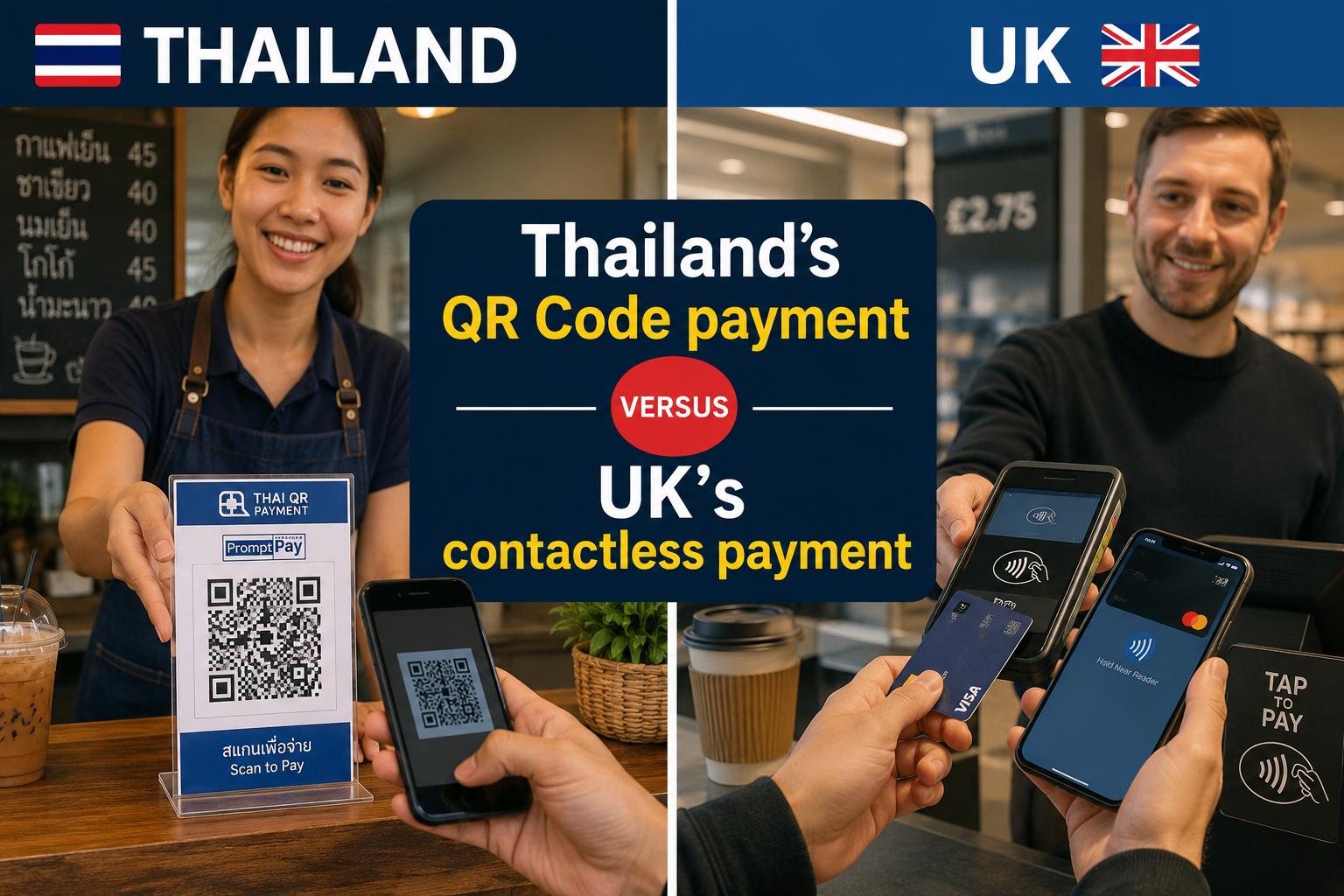
Thailand’s QR Code Payments vs the UK’s Contactless Payments: Which Is Better?
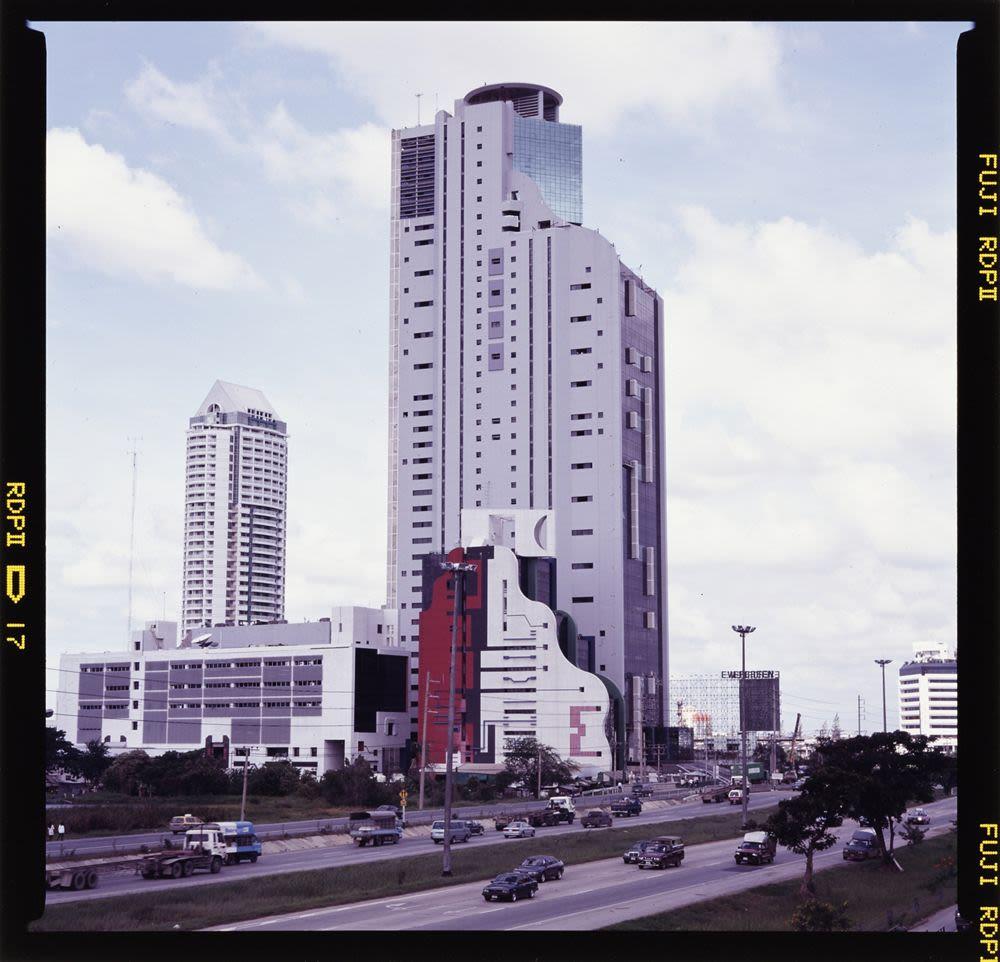
My wife and I visited the market at Interlink Tower this morning, better known to many Bangkok residents as the former Nation Tower. Normally, I stay in the car while she nips in to buy whatever she needs as parking at the building can be notoriously difficult.
This morning, however, fortune smiled upon us. We found a parking space immediately, so I decided to accompany her and take a look around, see why she always wants to visit this market.
The market was exactly what you would expect from a typical market, used by Thai office-workers. It opens early to catch commuters looking for breakfast on their way to work, remains busy through lunchtime, and by early afternoon the stalls are packing up and heading home.
What caught my attention was not what was being sold, but how my wife was paying for things.
Thailand’s QR Code Payment Culture
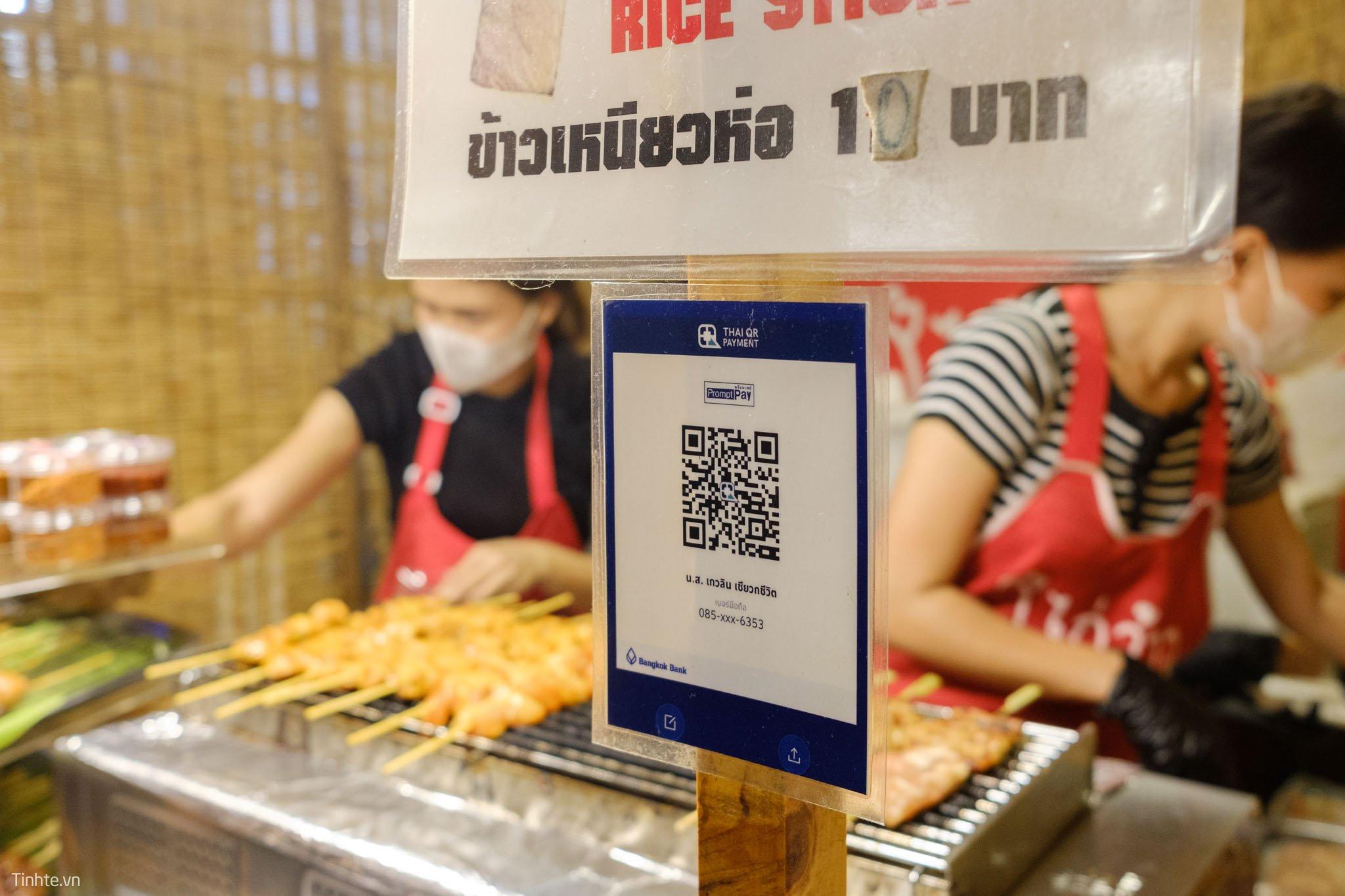
Every purchase my wife made was paid for using a QR code.
Forty baht? QR code.
Eighty-five baht? QR code.
One hundred and eighty baht? QR code.
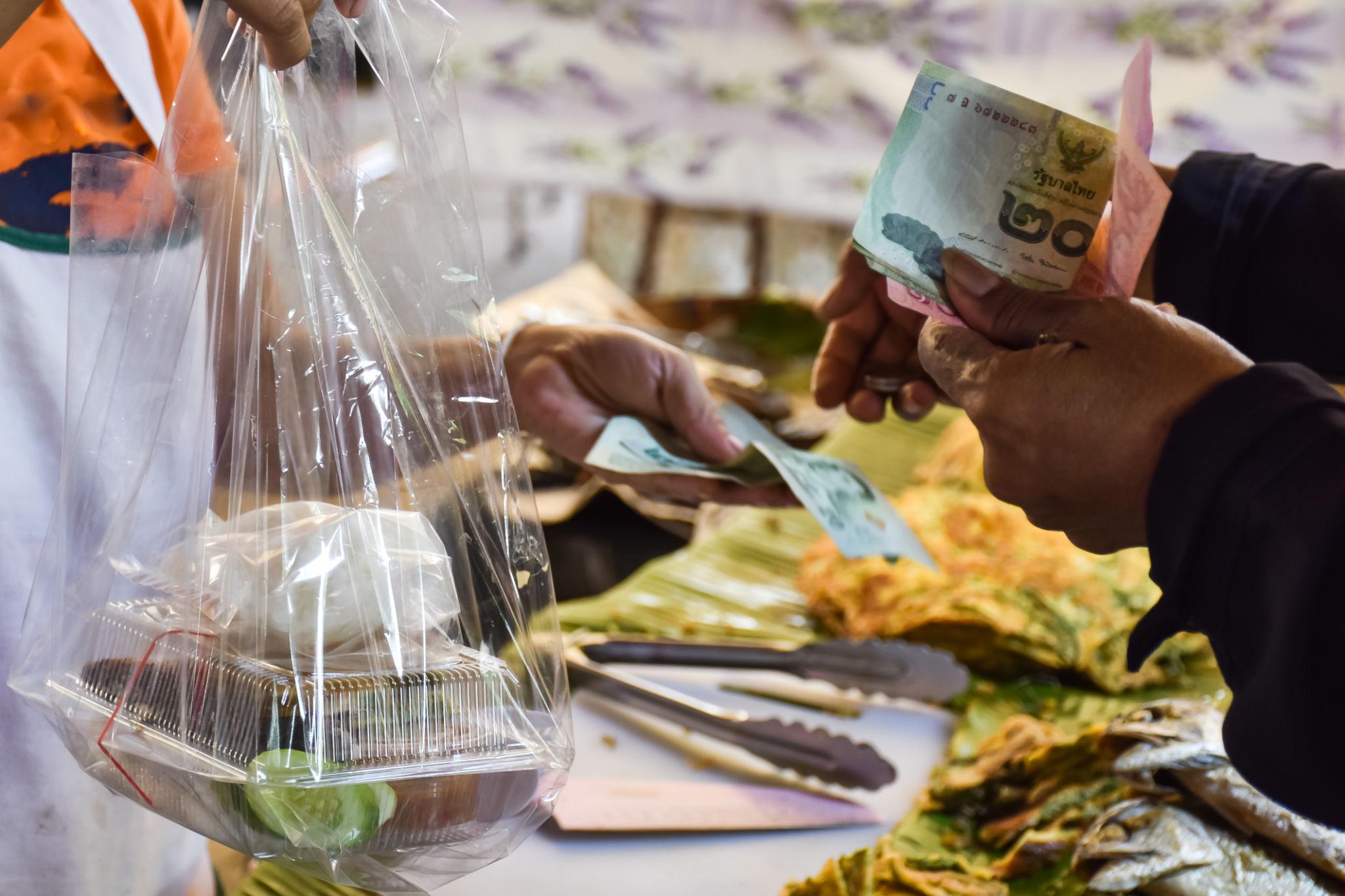
The process was remarkably simple. The vendor displayed a QR code showing the amount due. My wife’s banking app scanned the code, she checked the amount, pressed confirm, and the transaction was complete.
No cash changed hands. No coins rattled in pockets. No cards were produced.
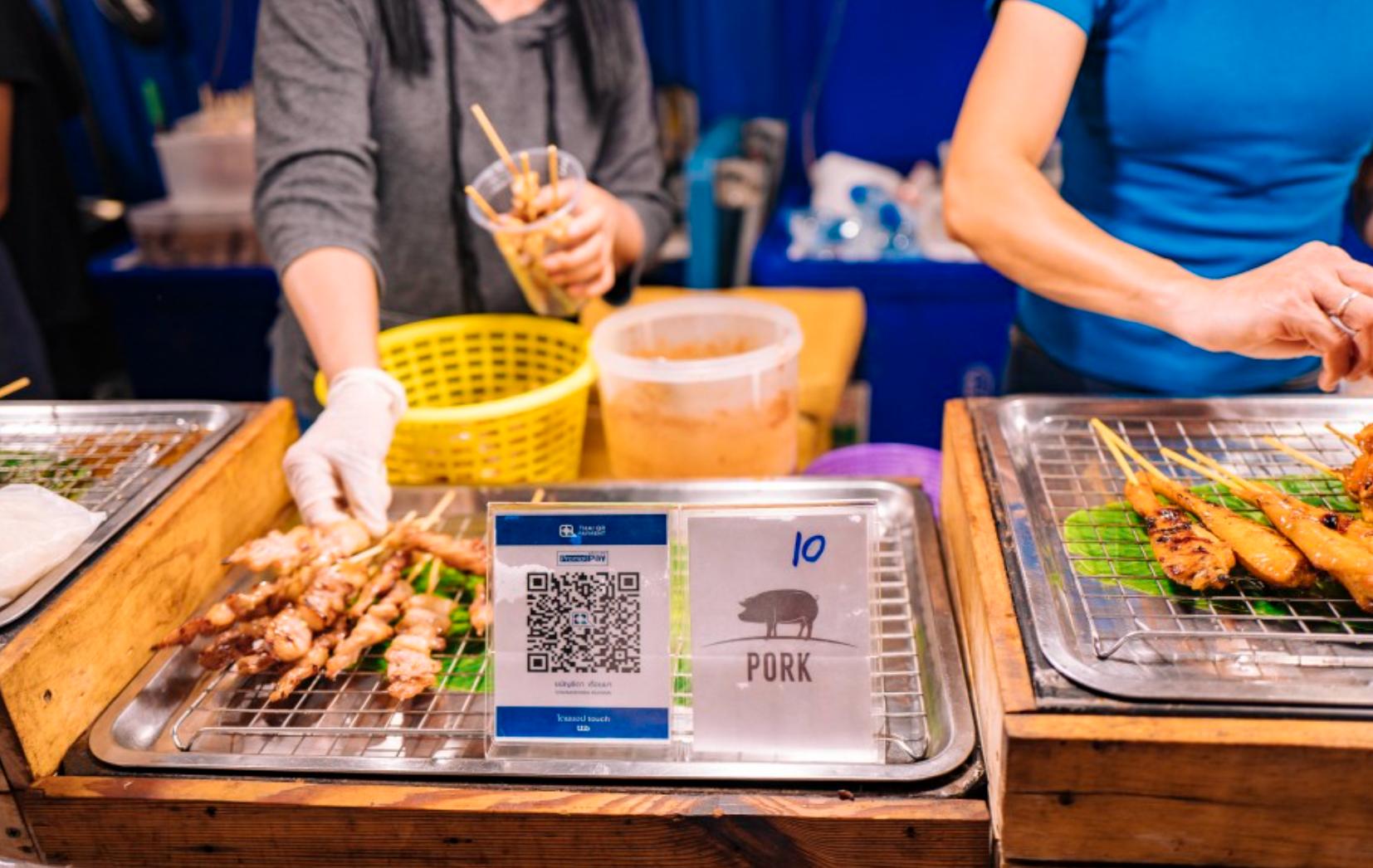
As I stood watching, it occurred to me just how deeply embedded QR code payments have become in Thailand since they were first introduced in 2017. Whether it is a shop in an upmarket shopping mall, a market stall, a roadside coffee vendor or a street-food cart, QR codes are now everywhere.
The UK’s Contactless Revolution
My first real encounter with contactless payments came three years ago when I took my family back to Manchester to visit relatives.
On that visit, we used cash for virtually everything.
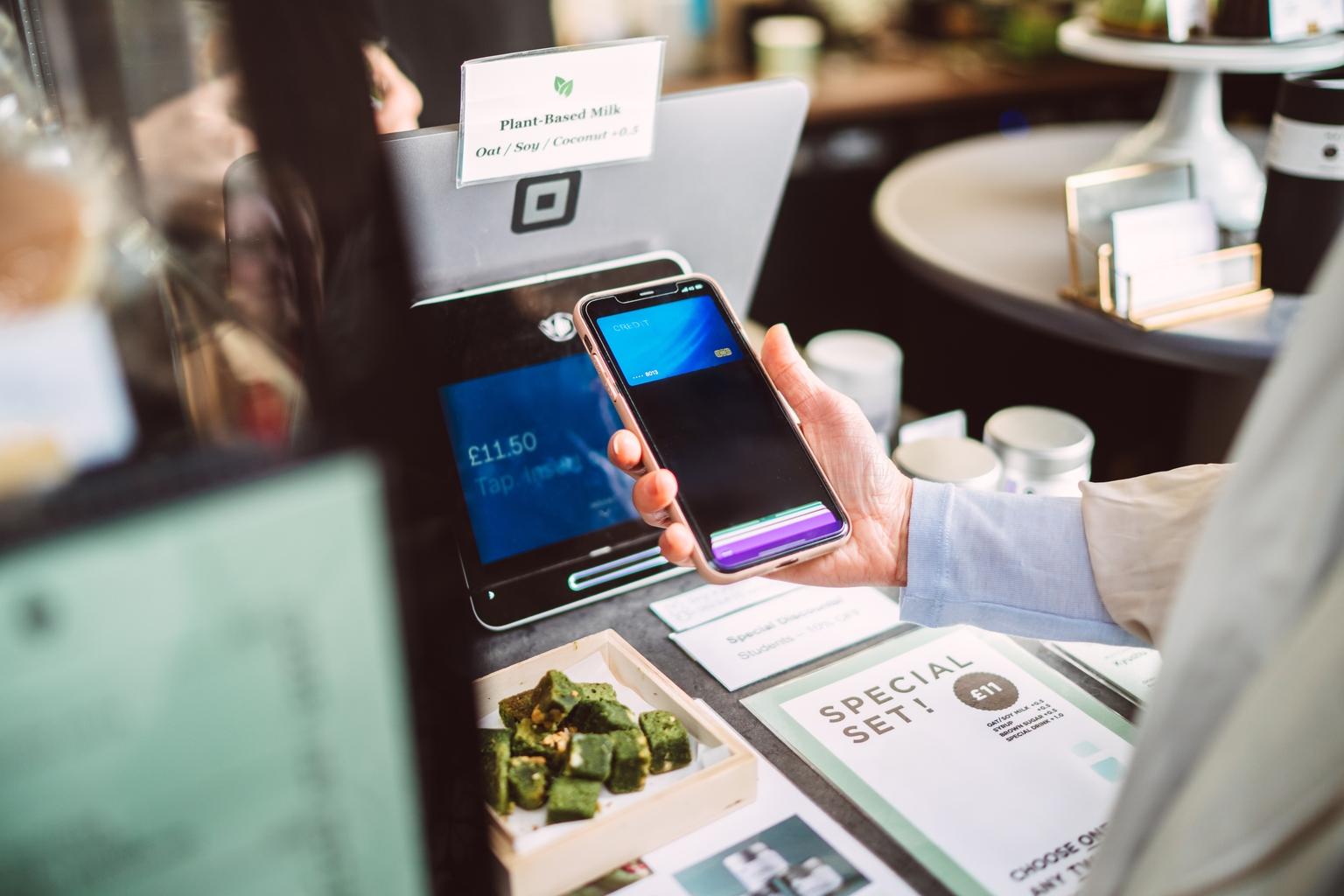
I distinctly remember however, standing in a Costa Coffee shop when a young man beside me paid for just a coffee simply by tapping his mobile phone against the card terminal.
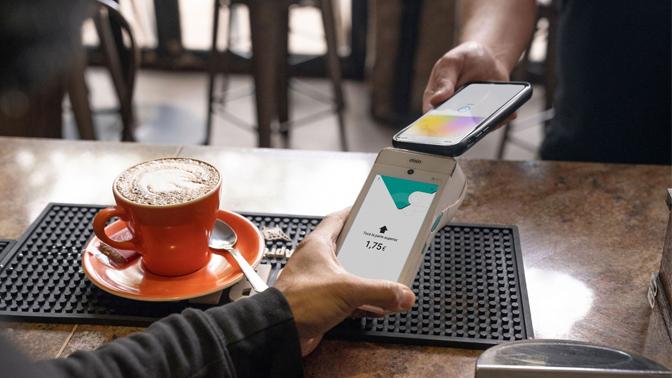
My immediate reaction was less than complimentary.
“What a lazy bugger,” I thought. “Why can’t he just get his cash out?”. Little did I know.
Fast forward to this summer. Before travelling to Manchester again, my brother warned me using cash had become something of a rarity. Most people, he explained, now paid for almost everything using either a contactless bank card or their mobile phone. And he advised that I should be prepared to follow suit.
Taking his advice, my wife and I arrived prepared.
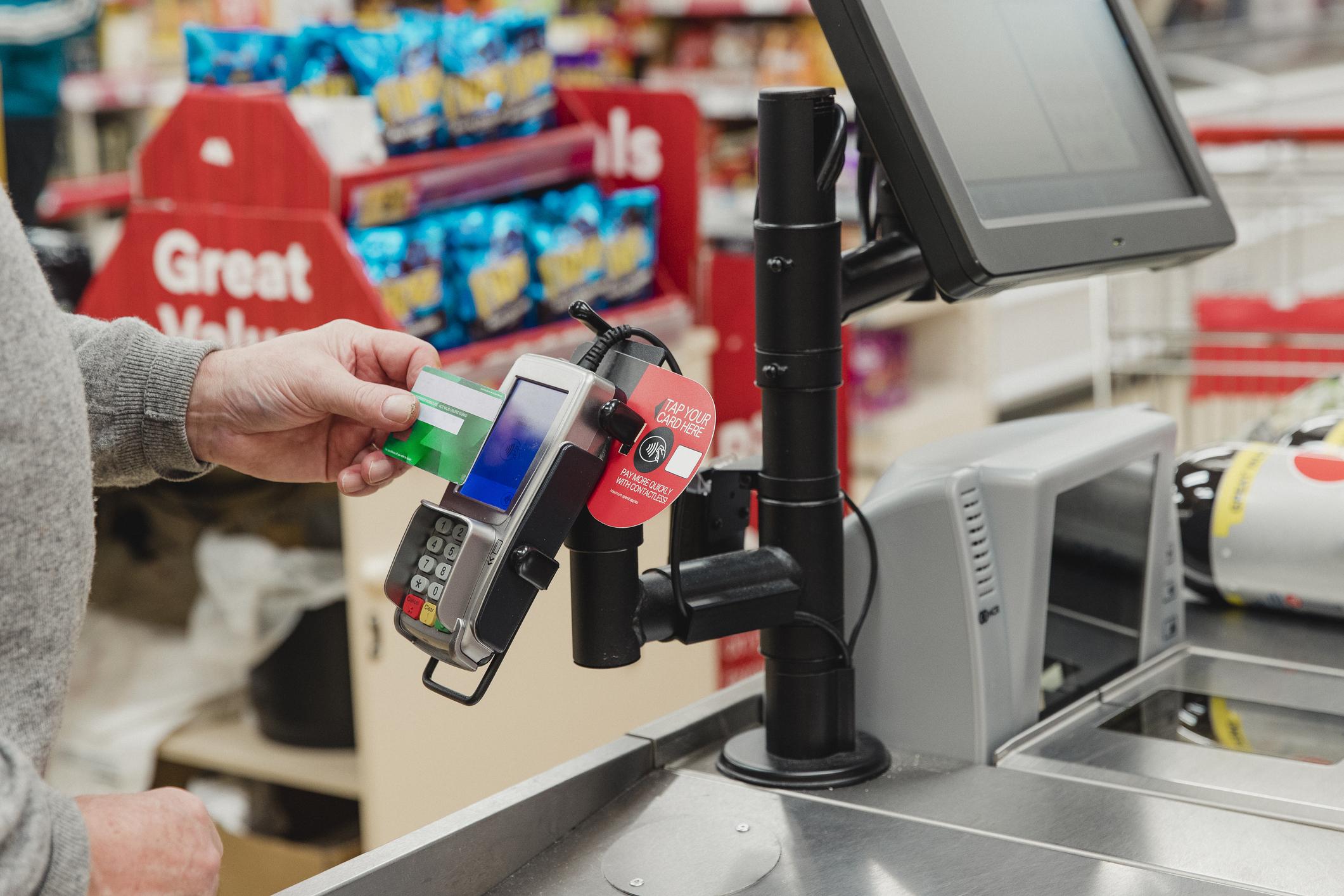
For the next two weeks we tapped our credit card for virtually every purchase. Whether buying groceries, paying for meals, purchasing train tickets or grabbing a coffee, the process was exactly the same.
The cashier entered the amount.
The terminal displayed the total.
We tapped the card.
Transaction complete.
I have to admit, it was incredibly quick and convenient.
In fact, it was almost too convenient. Spending money felt effortless, which occasionally left me wondering whether I was paying enough attention to what I was actually spending. My advice remains simple: always ask for a receipt and check that the amount charged matches what you expected to pay.
So, which Is better?
Cash!
Call me old-fashioned if you like, but I still prefer having cash in my pocket. I don’t think I could go out with no cash and just my credit card or phone banking app; I know I would panic.
I like being able to see exactly how much money I have available. I like handing over notes and receiving change. More importantly, I dislike the feeling that society is slowly being pushed towards a future where cash becomes an afterthought.
What concerns me most is the impact on older generations.
Many people over seventy either do not own smartphones or are uncomfortable using banking applications. While younger generations embrace digital payments without a second thought, many elderly people still rely on cash for their day-to-day lives.
The banking industry may see digital payments as progress, but not everyone is travelling at the same speed.
Why Cash Still Matters
While I am perfectly happy to use cashless payment methods, I believe they should complement cash rather than replace it entirely.
One reason for this is that technology occasionally fails.
China provides an interesting example.
China has become one of the world’s most cashless societies, with mobile payments dominating everyday life through platforms such as Alipay and WeChat Pay. While there has never been a single nationwide incident that completely prevented people across the country from making purchases, there have been several significant payment-system outages.
In June 2023, WeChat Pay suffered a major outage affecting users in various parts of China. People reported being unable to make payments, transfer money or complete transactions. Because many citizens carry little or no cash, the disruption caused immediate inconvenience in shops, restaurants and transport services until the system was restored several hours later.
The incident highlighted a broader concern.
As China became increasingly dependent on digital payments, the authorities recognised the potential risks. In 2024, the government took steps to ensure that cash remained available and accepted, partly to assist elderly citizens, tourists and anyone affected by technical failures.
Another reminder came during the global Microsoft/CrowdStrike outage in July 2024. Electronic payment systems in numerous countries experienced disruption, reinforcing concerns that a completely cashless society can become vulnerable when technology fails.
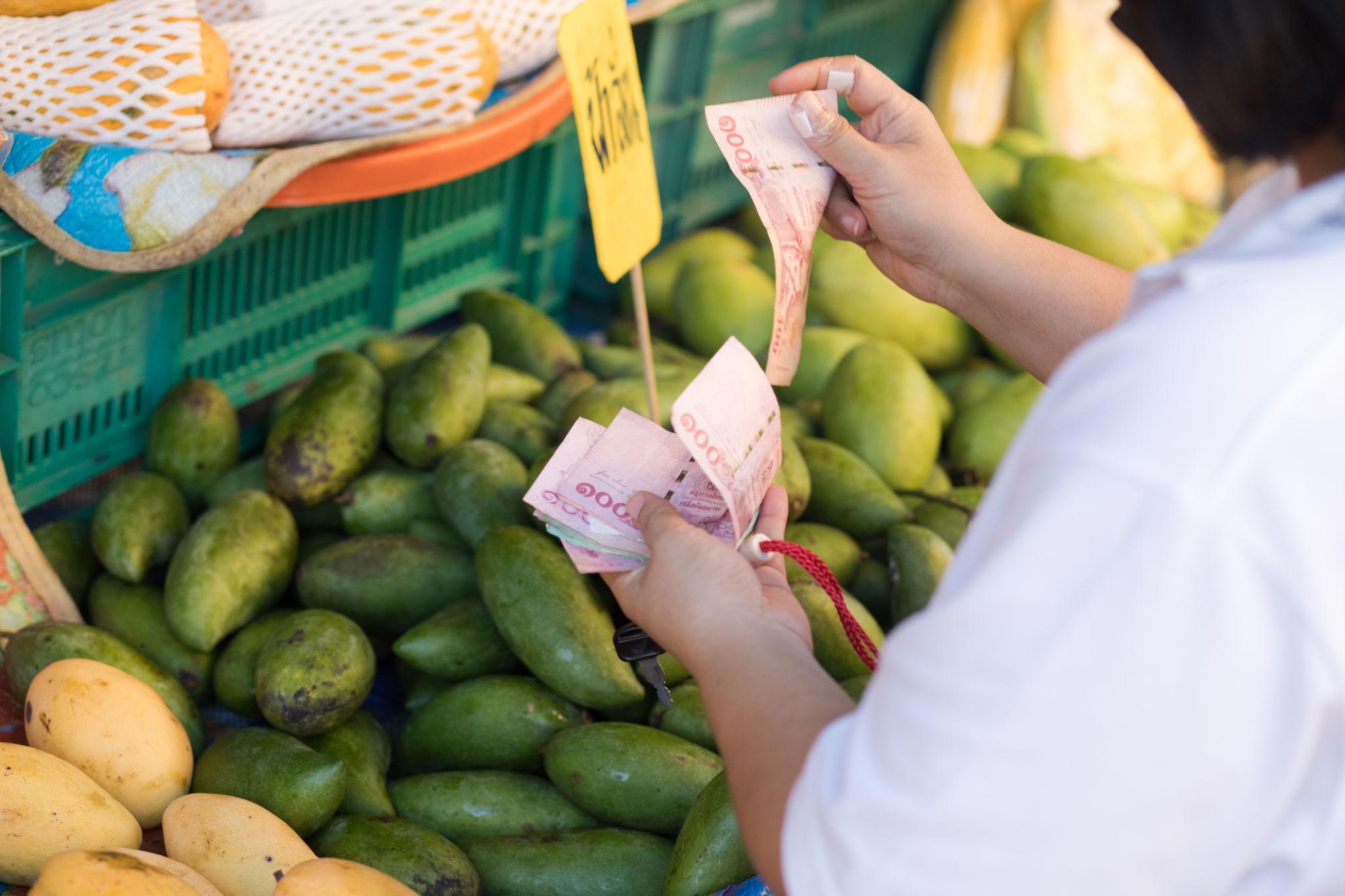
Why Thailand Chose QR Codes
The interesting question is why Thailand embraced QR code payments while the UK largely adopted contactless card payments.
The answer is that both countries solved the same problem in different ways.
Thailand built its digital payment system around direct bank-to-bank transfers rather than traditional card networks.
A major factor was the introduction of PromptPay in 2016 as part of Thailand’s National e-Payment programme. PromptPay allows money to move instantly between bank accounts using mobile numbers, national identification numbers and QR codes.
For merchants, the system is extremely inexpensive.
This is particularly important in a country with millions of market traders, small shops and independent businesses. A vendor does not need a card terminal, a rental agreement or expensive equipment. A printed QR code is often sufficient.
Thailand also historically had lower levels of credit-card ownership than the UK, making QR-based payments a logical and affordable solution.
Why the UK Chose Contactless
The UK’s path was very different.
Long before smartphones appeared, British retailers had already invested heavily in card-payment infrastructure. Almost every shop had card terminals and accepted Visa and Mastercard payments.
When contactless technology arrived, businesses simply upgraded equipment they already owned.
Consumers were equally well positioned. Most adults already carried debit cards or credit cards, making contactless payments a natural progression rather than a revolution.
The process is also exceptionally fast.
Tap your card.
Tap your phone.
Payment complete.
No need to unlock an app, scan a code or confirm the transaction.
For a nation accustomed to card payments, contactless technology was the obvious next step.
The Future: QR Codes and Contactless Together
Interestingly, the two systems are beginning to converge.
In Thailand, contactless card payments are becoming increasingly common, partly driven by international tourism and visitor expectations.
Meanwhile, in the UK, QR codes are appearing more frequently for parking, events and certain retail applications. Banks are also exploring account-to-account payment systems that reduce reliance on traditional card networks.
The future may therefore not be a choice between QR codes and contactless payments.
Instead, it may be a combination of both.
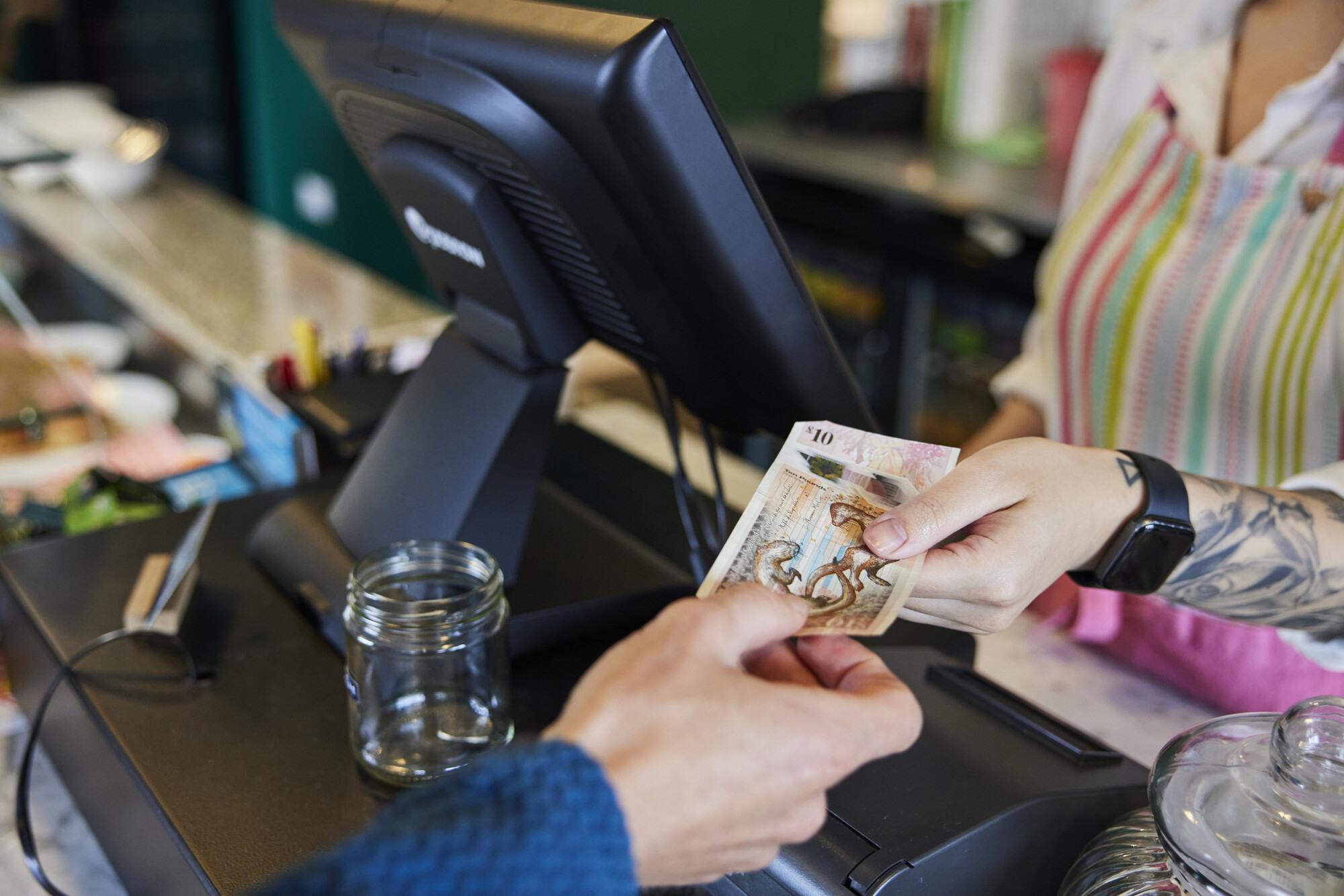
Final Thoughts
So which system wins?
If I were choosing purely on convenience and speed, I would probably give the edge to the UK’s contactless payment system. A simple tap of a card is hard to beat.
My wife disagrees. She prefers Thailand’s QR code system because she feels more in control of the payment process. She can see exactly where the money is going and confirm the amount before authorising the transfer.
As for me, I can see the advantages of both systems. Thailand’s approach is perfectly suited to small merchants and market traders, while the UK’s contactless system excels in speed and simplicity. Both have transformed the way people pay for everyday purchases and both have been hugely successful.
Yet despite all the advances in digital payments, I still believe there is a place for cash. Recent payment-system failures around the world have shown that technology is not infallible. Whether it is a few banknotes tucked away in a wallet or simply an alternative means of payment, having a backup plan is never a bad idea.
Cash may no longer be king, but it still deserves a seat at the top table.
Google Translation:
การชำระเงินด้วยคิวอาร์โค้ดของไทย เทียบกับการชำระเงินแบบไร้สัมผัสของสหราชอาณาจักร: อันไหนดีกว่ากัน?
เช้านี้ผมกับภรรยาไปตลาดที่ตึกอินเตอร์ลิงก์ หรือที่ชาวกรุงเทพฯ หลายคนรู้จักกันในชื่อเดิมว่าตึกเนชั่นทาวเวอร์ ปกติแล้วผมจะนั่งอยู่ในรถ ส่วนภรรยาจะเข้าไปซื้อของ เพราะที่จอดรถที่ตึกนี้หายากมาก
แต่เช้านี้โชคดี เราหาที่จอดรถได้ทันที ผมเลยตัดสินใจไปกับเธอและเดินดูรอบๆ ว่าทำไมเธอถึงชอบมาตลาดนี้เสมอ
ตลาดก็เป็นอย่างที่คุณคาดหวังจากตลาดทั่วไป ที่พนักงานออฟฟิศไทยนิยมมาซื้อของ เปิดแต่เช้าเพื่อดึงดูดคนทำงานที่มองหาอาหารเช้าระหว่างทางไปทำงาน คึกคักตลอดช่วงเที่ยง และช่วงบ่ายแก่ๆ แผงลอยก็เริ่มเก็บของและกลับบ้าน
ตึกอินเตอร์ลิงก์ หรือเดิมคือตึกเนชั่นทาวเวอร์
สิ่งที่ดึงดูดความสนใจผมไม่ใช่ของที่ขาย แต่เป็นวิธีที่ภรรยาผมจ่ายเงินต่างหาก
วัฒนธรรมการชำระเงินด้วยคิวอาร์โค้ดของประเทศไทย
ทุกครั้งที่ภรรยาผมซื้อของ เธอใช้คิวอาร์โค้ดจ่ายทุกครั้ง
สี่สิบบาท? คิวอาร์โค้ด
แปดสิบห้าบาท? คิวอาร์โค้ด
หนึ่งร้อยแปดสิบบาท? คิวอาร์โค้ด
ขั้นตอนง่ายมาก ผู้ขายแสดงคิวอาร์โค้ดบอกจำนวนเงินที่ต้องชำระ แอปธนาคารของภรรยาผมสแกนโค้ด เธอตรวจสอบจำนวนเงิน กดยืนยัน และการทำธุรกรรมก็เสร็จสมบูรณ์
ไม่มีการใช้เงินสด ไม่มีการหยอดเหรียญ ไม่มีการหยิบการ์ดออกมา
ขณะที่ผมยืนดู ผมก็ตระหนักว่าการชำระเงินด้วยคิวอาร์โค้ดได้ฝังรากลึกในประเทศไทยมากแค่ไหนนับตั้งแต่เปิดตัวครั้งแรกในปี 2017 ไม่ว่าจะเป็นร้านค้าในห้างสรรพสินค้าหรู แผงขายของในตลาด ร้านกาแฟริมทาง หรือรถเข็นขายอาหาร คิวอาร์โค้ดก็อยู่ทุกหนทุกแห่งแล้ว
การปฏิวัติการชำระเงินแบบไร้สัมผัสในสหราชอาณาจักร
ประสบการณ์จริงครั้งแรกของผมกับการชำระเงินแบบไร้สัมผัสเกิดขึ้นเมื่อสามปีก่อน เมื่อผมพาครอบครัวกลับไปเยี่ยมญาติที่แมนเชสเตอร์
ในการเดินทางครั้งนั้น เราใช้เงินสดแทบทุกอย่าง
แต่ฉันจำได้ชัดเจนว่า ขณะที่ยืนอยู่ในร้านกาแฟคอสตา แห่งหนึ่ง ชายหนุ่มที่นั่งข้างๆ ฉันจ่ายค่ากาแฟเพียงแค่แก้วเดียว โดยใช้โทรศัพท์มือถือแตะกับเครื่องรับบัตร
ปฏิกิริยาแรกของฉันไม่ค่อยดีนัก
“ไอ้คนขี้เกียจ” ฉันคิด “ทำไมไม่เอาเงินสดออกมาใช้ล่ะ” ฉันไม่รู้เลยว่า…
ข้ามมาถึงช่วงฤดูร้อนปีนี้ ก่อนที่จะเดินทางไปแมนเชสเตอร์อีกครั้ง พี่ชายของฉันเตือนฉันว่า การใช้เงินสดกลายเป็นเรื่องหายากไปแล้ว เขาอธิบายว่า ตอนนี้คนส่วนใหญ่จ่ายเงินเกือบทุกอย่างโดยใช้บัตรธนาคารแบบไร้สัมผัสหรือโทรศัพท์มือถือ และเขาแนะนำให้ฉันเตรียมตัวทำตามด้วย
ฉันและภรรยาจึงเตรียมตัวให้พร้อม
ตลอดสองสัปดาห์ถัดมา เราใช้บัตรเครดิตแตะจ่ายแทบทุกอย่าง ไม่ว่าจะเป็นการซื้อของชำ จ่ายค่าอาหาร ซื้อตั๋วรถไฟ หรือซื้อกาแฟ ขั้นตอนก็เหมือนกันหมด
พนักงานเก็บเงินป้อนจำนวนเงิน
เครื่องรับบัตรแสดงยอดรวม
เราแตะบัตร
ทำรายการเสร็จสมบูรณ์
ต้องยอมรับว่ามันรวดเร็วและสะดวกสบายอย่างเหลือเชื่อ
ที่จริงแล้ว มันสะดวกสบายเกินไปเสียด้วยซ้ำ การใช้จ่ายเงินรู้สึกง่ายดายจนบางครั้งทำให้ฉันสงสัยว่าฉันใส่ใจกับสิ่งที่ฉันใช้จ่ายไปมากพอหรือเปล่า คำแนะนำของฉันยังคงเหมือนเดิม: ขอใบเสร็จรับเงินเสมอและตรวจสอบให้แน่ใจว่าจำนวนเงินที่เรียกเก็บตรงกับจำนวนเงินที่คุณคาดว่าจะจ่าย
แล้วอะไรดีกว่ากัน?
เงินสด!
จะว่าฉันหัวโบราณก็ได้ แต่ฉันยังคงชอบมีเงินสดอยู่ในกระเป๋า ฉันคิดว่าฉันคงออกไปข้างนอกไม่ได้ถ้าไม่มีเงินสด มีแค่บัตรเครดิตหรือแอปธนาคารในโทรศัพท์ ฉันรู้ว่าฉันคงตกใจ
ฉันชอบที่สามารถเห็นจำนวนเงินที่ฉันมีได้อย่างชัดเจน ฉันชอบการจ่ายเงินและรับเงินทอน ที่สำคัญกว่านั้น ฉันไม่ชอบความรู้สึกที่ว่าสังคมกำลังถูกผลักดันไปสู่ยุคที่เงินสดกลายเป็นสิ่งที่ไม่สำคัญอีกต่อไป
สิ่งที่ฉันกังวลมากที่สุดคือผลกระทบต่อคนรุ่นเก่า
หลายคนที่มีอายุมากกว่าเจ็ดสิบปีไม่มีสมาร์ทโฟนหรือไม่สะดวกที่จะใช้แอปพลิเคชันธนาคาร ในขณะที่คนรุ่นใหม่ยอมรับการชำระเงินดิจิทัลโดยไม่ลังเล แต่ผู้สูงอายุจำนวนมากยังคงพึ่งพาเงินสดในการใช้ชีวิตประจำวัน
อุตสาหกรรมการธนาคารอาจมองว่าการชำระเงินดิจิทัลเป็นความก้าวหน้า แต่ไม่ใช่ทุกคนที่จะก้าวไปในความเร็วเดียวกัน
ทำไมเงินสดจึงยังมีความสำคัญ
แม้ว่าฉันจะยินดีอย่างยิ่งที่จะใช้วิธีการชำระเงินแบบไร้เงินสด แต่ฉันเชื่อว่าควรใช้เป็นส่วนเสริมของเงินสดมากกว่าที่จะแทนที่เงินสดทั้งหมด
เหตุผลหนึ่งก็คือ เทคโนโลยีอาจล้มเหลวได้ในบางครั้ง
ประเทศจีนเป็นตัวอย่างที่น่าสนใจ
จีนกลายเป็นหนึ่งในสังคมไร้เงินสดมากที่สุดในโลก โดยการชำระเงินผ่านมือถือมีบทบาทสำคัญในชีวิตประจำวันผ่านแพลตฟอร์มต่างๆ เช่น Alipay และ WeChat Pay แม้ว่าจะไม่เคยมีเหตุการณ์ใดในระดับประเทศที่ทำให้ผู้คนทั่วประเทศไม่สามารถซื้อสินค้าได้โดยสิ้นเชิง แต่ก็เคยมีระบบการชำระเงินล่มหลายครั้ง
ในเดือนมิถุนายน 2023 WeChat Pay ประสบปัญหาขัดข้องครั้งใหญ่ ส่งผลกระทบต่อผู้ใช้ในหลายพื้นที่ของประเทศจีน ผู้คนรายงานว่าไม่สามารถชำระเงิน โอนเงิน หรือทำธุรกรรมใดๆ ได้ เนื่องจากประชาชนจำนวนมากพกเงินสดน้อยหรือไม่พกเลย การหยุดชะงักนี้จึงสร้างความไม่สะดวกในทันทีในร้านค้า ร้านอาหาร และบริการขนส่ง จนกระทั่งระบบกลับมาใช้งานได้ในอีกหลายชั่วโมงต่อมา
เหตุการณ์นี้เน้นย้ำถึงข้อกังวลที่กว้างขึ้น
เนื่องจากจีนพึ่งพาการชำระเงินดิจิทัลมากขึ้นเรื่อยๆ ทางการจึงตระหนักถึงความเสี่ยงที่อาจเกิดขึ้น ในปี 2024 รัฐบาลได้ดำเนินการเพื่อให้แน่ใจว่าเงินสดยังคงมีให้ใช้และได้รับการยอมรับ ส่วนหนึ่งเพื่อช่วยเหลือผู้สูงอายุ นักท่องเที่ยว และทุกคนที่ได้รับผลกระทบจากความล้มเหลวทางเทคนิค
อีกหนึ่งเครื่องเตือนใจเกิดขึ้นระหว่างการหยุดชะงักของ Microsoft/CrowdStrike ทั่วโลกในเดือนกรกฎาคม 2024 ระบบการชำระเงินอิเล็กทรอนิกส์ในหลายประเทศประสบปัญหาขัดข้อง ตอกย้ำความกังวลว่าสังคมไร้เงินสดอย่างสมบูรณ์อาจเปราะบางได้เมื่อเทคโนโลยีล้มเหลว
ทำไมประเทศไทยจึงเลือกใช้ QR Code
คำถามที่น่าสนใจคือ ทำไมประเทศไทยจึงเลือกใช้การชำระเงินด้วย QR Code ในขณะที่สหราชอาณาจักรส่วนใหญ่ใช้การชำระเงินด้วยบัตรแบบไร้สัมผัส
คำตอบคือ ทั้งสองประเทศแก้ปัญหาเดียวกันด้วยวิธีที่แตกต่างกัน
ประเทศไทยสร้างระบบการชำระเงินดิจิทัลโดยเน้นการโอนเงินระหว่างธนาคารโดยตรง แทนที่จะใช้เครือข่ายบัตรแบบดั้งเดิม
ปัจจัยสำคัญประการหนึ่งคือการเปิดตัว PromptPay ในปี 2559 ซึ่งเป็นส่วนหนึ่งของโครงการชำระเงินอิเล็กทรอนิกส์แห่งชาติของประเทศไทย PromptPay ช่วยให้สามารถโอนเงินระหว่างบัญชีธนาคารได้ทันทีโดยใช้หมายเลขโทรศัพท์มือถือ หมายเลขประจำตัวประชาชน และรหัส QR
สำหรับผู้ค้า ระบบนี้มีต้นทุนต่ำมาก
สิ่งนี้มีความสำคัญอย่างยิ่งในประเทศที่มีผู้ค้าในตลาด ร้านค้าขนาดเล็ก และธุรกิจอิสระหลายล้านราย ผู้ขายไม่จำเป็นต้องมีเครื่องรับบัตร สัญญาเช่า หรืออุปกรณ์ราคาแพง รหัส QR ที่พิมพ์ออกมาก็มักจะเพียงพอแล้ว
นอกจากนี้ ประเทศไทยยังมีอัตราการถือครองบัตรเครดิตต่ำกว่าสหราชอาณาจักรมาโดยตลอด ทำให้การชำระเงินด้วยรหัส QR เป็นทางออกที่สมเหตุสมผลและราคาไม่แพง
เหตุใดสหราชอาณาจักรจึงเลือกใช้ระบบไร้สัมผัส
เส้นทางของสหราชอาณาจักรแตกต่างออกไปมาก
ก่อนที่สมาร์ทโฟนจะปรากฏตัว ผู้ค้าปลีกชาวอังกฤษได้ลงทุนอย่างมากในโครงสร้างพื้นฐานการชำระเงินด้วยบัตรแล้ว เกือบทุกร้านค้ามีเครื่องรับบัตรและรับชำระเงินด้วย Visa และ Mastercard
เมื่อเทคโนโลยีไร้สัมผัสมาถึง ธุรกิจต่างๆ ก็เพียงแค่อัปเกรดอุปกรณ์ที่พวกเขามีอยู่แล้ว
ผู้บริโภคก็อยู่ในตำแหน่งที่ดีเช่นกัน ผู้ใหญ่ส่วนใหญ่มีบัตรเดบิตหรือบัตรเครดิตอยู่แล้ว การชำระเงินแบบไร้สัมผัสจึงเป็นขั้นตอนที่เป็นธรรมชาติมากกว่าการปฏิวัติ
กระบวนการนี้ยังรวดเร็วเป็นพิเศษ
แตะบัตรของคุณ
แตะโทรศัพท์ของคุณ
ชำระเงินเสร็จสมบูรณ์
ไม่จำเป็นต้องปลดล็อกแอป สแกนรหัส หรือยืนยันธุรกรรม
สำหรับประเทศที่คุ้นเคยกับการชำระเงินด้วยบัตร เทคโนโลยีไร้สัมผัสจึงเป็นขั้นตอนต่อไปที่ชัดเจน
อนาคต: รหัส QR และการชำระเงินแบบไร้สัมผัสร่วมกัน
ที่น่าสนใจคือ ระบบทั้งสองเริ่มมาบรรจบกัน
ในประเทศไทย การชำระเงินด้วยบัตรแบบไร้สัมผัสกำลังเป็นที่นิยมมากขึ้น ส่วนหนึ่งเป็นผลมาจากการท่องเที่ยวระหว่างประเทศและความคาดหวังของผู้มาเยือน
ขณะเดียวกัน ในสหราชอาณาจักร รหัส QR กำลังปรากฏให้เห็นบ่อยขึ้นสำหรับการจอดรถ งานอีเวนต์ และแอปพลิเคชันค้าปลีกบางประเภท ธนาคารต่างๆ กำลังสำรวจระบบการชำระเงินระหว่างบัญชีที่ลดการพึ่งพาเครือข่ายบัตรแบบดั้งเดิม
ดังนั้น อนาคตอาจไม่ใช่การเลือกระหว่างรหัส QR และการชำระเงินแบบไร้สัมผัส
แต่จะเป็นการผสมผสานของทั้งสองอย่าง
ข้อคิดสุดท้าย
แล้วระบบไหนจะชนะ?
หากผมต้องเลือกโดยพิจารณาจากความสะดวกและความเร็วเพียงอย่างเดียว ผมคงเลือกการชำระเงินแบบไร้สัมผัสของสหราชอาณาจักร การแตะบัตรเพียงครั้งเดียวนั้นยากที่จะหาอะไรมาเทียบได้
ภรรยาของผมไม่เห็นด้วย เธอชอบระบบคิวอาร์โค้ดของไทยมากกว่า เพราะเธอรู้สึกว่าควบคุมกระบวนการชำระเงินได้มากกว่า เธอสามารถเห็นได้อย่างชัดเจนว่าเงินไปอยู่ที่ไหน และยืนยันจำนวนเงินก่อนที่จะอนุมัติการโอน
ส่วนตัวผม ผมมองเห็นข้อดีของทั้งสองระบบ ระบบของไทยเหมาะอย่างยิ่งสำหรับพ่อค้าแม่ค้าขนาดเล็กและผู้ค้าในตลาด ในขณะที่ระบบไร้สัมผัสของสหราชอาณาจักรนั้นโดดเด่นในเรื่องความเร็วและความเรียบง่าย ทั้งสองระบบได้เปลี่ยนแปลงวิธีการชำระเงินของผู้คนในชีวิตประจำวัน และทั้งสองระบบก็ประสบความสำเร็จอย่างมาก
อย่างไรก็ตาม แม้จะมีความก้าวหน้ามากมายในการชำระเงินดิจิทัล ผมก็ยังเชื่อว่าเงินสดก็ยังมีบทบาทอยู่ การล้มเหลวของระบบการชำระเงินทั่วโลกเมื่อเร็วๆ นี้ แสดงให้เห็นว่าเทคโนโลยีไม่ได้สมบูรณ์แบบ ไม่ว่าจะเป็นธนบัตรไม่กี่ใบที่เก็บไว้ในกระเป๋าเงิน หรือเพียงแค่เป็นวิธีการชำระเงินทางเลือก การมีแผนสำรองไว้ก็ไม่ใช่เรื่องเสียหาย
เงินอาจไม่ใช่ราชาอีกต่อไปแล้ว แต่ก็ยังคงสมควรได้รับที่นั่งสำคัญในระดับแนวหน้า