
 Thailand’s House sales to fall as war hits demand
THIS NEWS ARTICLE KINDLY SPONSORED BY FALLPROTEC, A WORLD-RENOWNED NAME IN THE DESIGN AND MANUFACTURE OF PREMIUM FALL PROTECTION SYSTEMS AND HEIGHT ACCESS SOLUTIONS
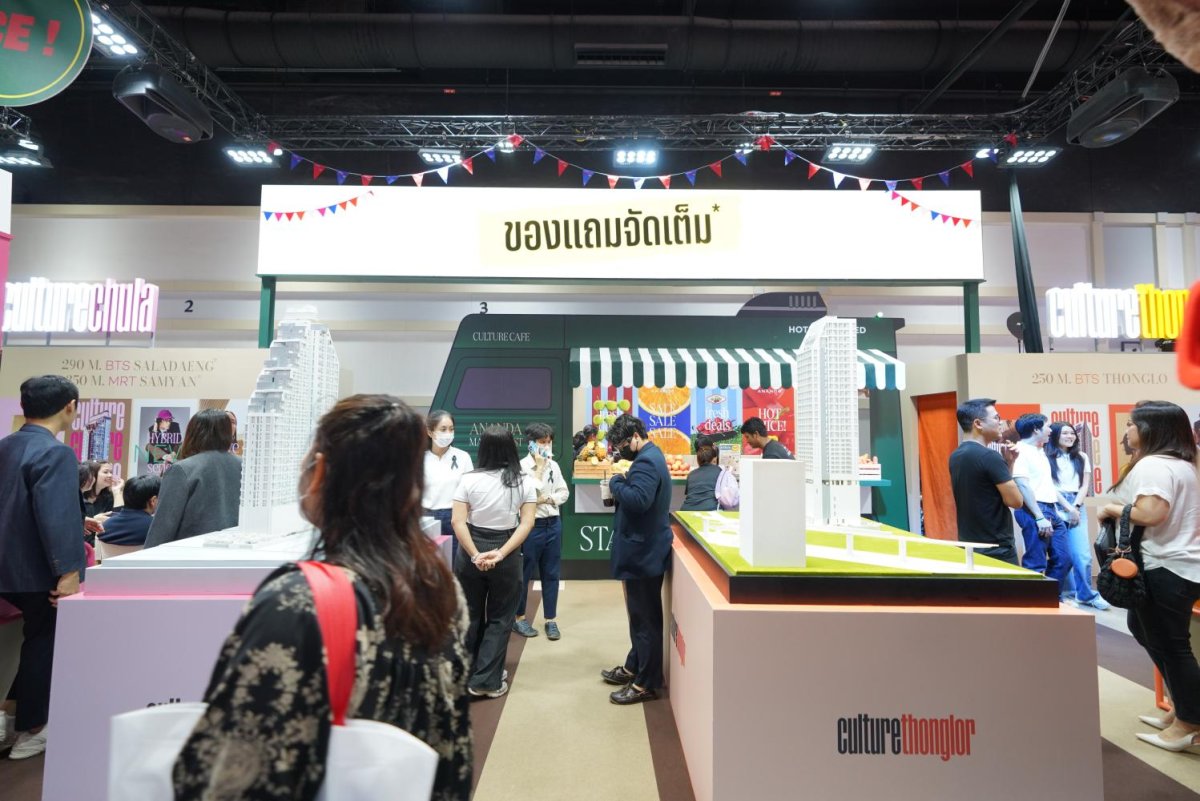
Developers have rolled out significant promotions to encourage home purchases amid sluggish demand.
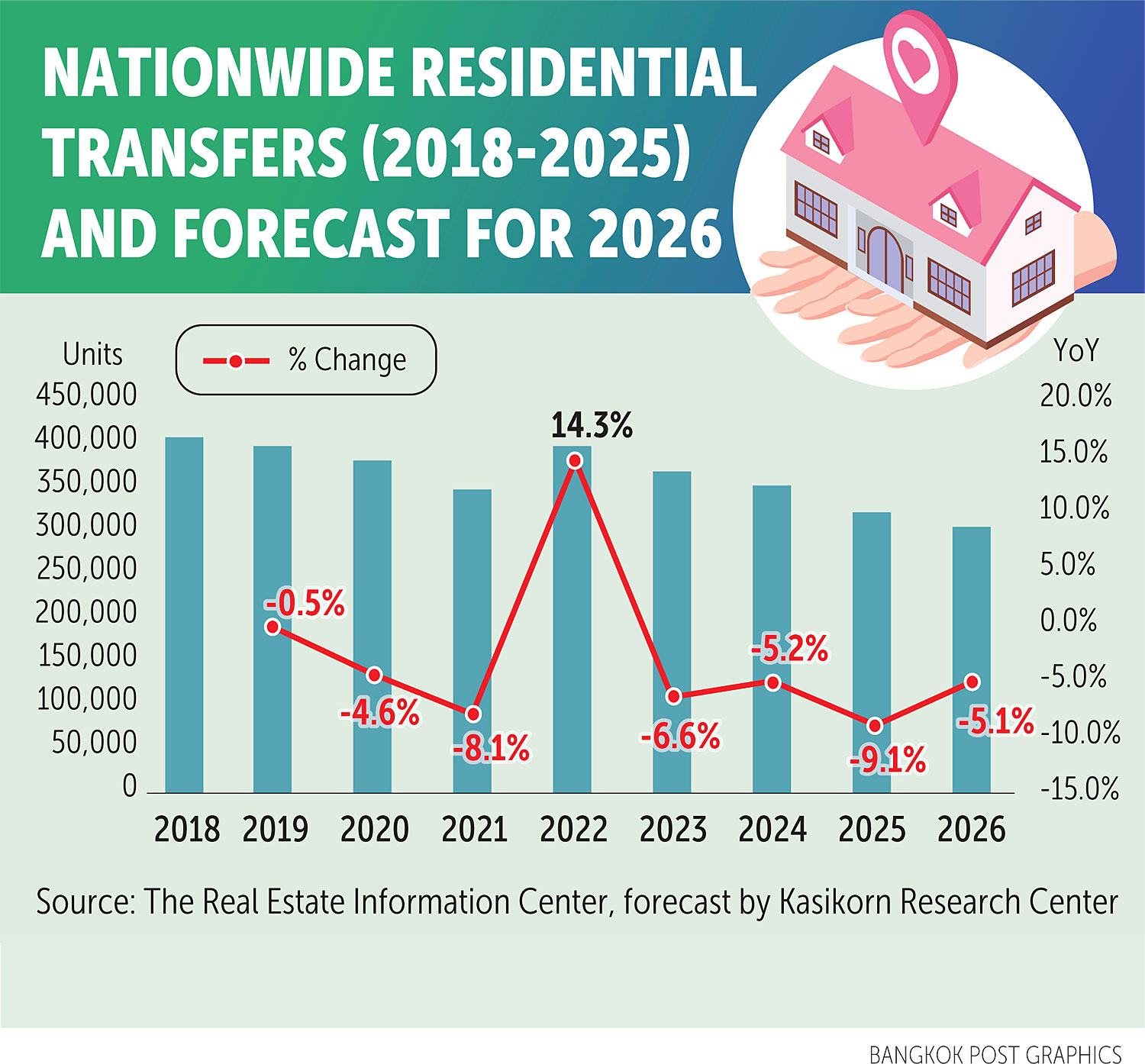
The residential market is expected to contract for a fourth consecutive year in 2026, with nationwide transfers projected to fall by 5.1% year-on-year to around 300,000 units, the lowest level in years, reflecting fragile buying activity, according to Kasikorn Research Center.
The latest projection reflects a more cautious outlook, factoring in the impact of tensions in the Middle East, even though the market had already been expected to contract prior to the escalation.
Although the decline in 2026 is less severe than in the previous year, consecutive drops in housing transfers underscore the market’s prolonged weakness.
The downturn is expected to persist amid heightened uncertainty driven by both domestic and global economic factors, with limited purchasing power remaining a key constraint.
 Risks, particularly the conflict involving the US, Israel and Iran, are also weighing on sentiment.
CALL TO EXTEND MEASURES
Key supporting factors for the residential market in 2026 include reduced transfer and mortgage fees for homes priced below 7 million baht, as well as relaxed loan-to-value (LTV) limits for first and second homes, which are set to expire on June 30, 2026.
“We hope the new government will extend these measures,” said Prateep Tangmatitham, president of SET-listed developer Supalai.
“The market showed signs of an upswing in the first two months, but began to stumble in March following the outbreak of war,” he said.
Kasikorn Research Center forecasts that foreign condo demand will continue to grow, with transfers expected to reach 15,200 units in 2026, up 1.8% year-on-year.
However, this marks a slowdown from 2.2% growth in 2025 and accounts for only 5% of total residential transfers nationwide.
Developers are also continuing promotional campaigns to stimulate sales, providing some support to the market.
DEBT SITUATION STILL A DRAG
Despite these supporting factors, downside risks continue to outweigh the positives. Limited purchasing power remains a major constraint, driven by high living costs and elevated household debt.
Data from the National Statistical Office showed that in the first half of 2025, household debt stood at five times the average monthly income of 28,151 baht.
Thailand’s economic growth is also expected to slow, with additional risks from the war in the Middle East.
Given the high unit prices, long mortgage tenures and limited liquidity of residential assets, many consumers are likely to delay purchases or shift towards renting instead of ownership.
Even before the escalation in the Gulf, demand indicators remained weak. In January 2026, the take-up rate for new residential launches in Greater Bangkok averaged only 15%.
A high level of unsold inventory is expected to continue exerting downward pressure on transaction prices.
HIGH INVENTORY TAKES A TOLL
Of the projected 300,000 transfers, around 194,000 units, or 64.6%, are expected to be second-hand homes.
Transfers of new residential units nationwide are forecast at 106,000 units, down 5.8% from the previous year, largely due to competition from the resale market and weak demand for new launches.
In 2025, new home sales in Greater Bangkok tallied only 52,000 units, the lowest level in years.
Residential prices in 2026 are expected to edge down slightly, with the average transfer value projected to decline by 0.6% year-on-year to 2.72 million baht per unit, as buyers seek more affordable options.
The price adjustment also reflects intense competition among developers to clear a large inventory exceeding 600,000 units, including both new and resale properties, giving buyers greater bargaining power.
Most developers are expected to focus on clearing existing inventory to improve liquidity, while continuing to launch new projects cautiously.
The market will remain exposed to significant risks, particularly from the war, which could further dampen domestic purchasing power and foreign demand, while also pushing up construction costs in line with energy prices.
As a result, investment in new projects in 2026 is likely to remain subdued, close to last year’s level, with developers diversifying across segments based on existing inventory and carefully timing new launches to match demand.
Source: https://www.bangkokpost.com/property/3237755/house-sales-to-fall-as-war-hits-demand
Google Translation:
ยอดขายบ้านในประเทศไทยคาดว่าจะลดลงเนื่องจากสงครามส่งผลกระทบต่อความต้องการ
บทความข่าวนี้ได้รับการสนับสนุนโดย FALLPROTEC บริษัทชั้นนำระดับโลกด้านการออกแบบและผลิตระบบป้องกันการตกจากที่สูงและโซลูชันการเข้าถึงที่สูงระดับพรีเมียม
ยอดขายบ้านในประเทศไทยคาดว่าจะลดลงเนื่องจากสงครามส่งผลกระทบต่อความต้องการ
ผู้พัฒนาอสังหาริมทรัพย์ได้ออกโปรโมชั่นมากมายเพื่อกระตุ้นการซื้อบ้านท่ามกลางความต้องการที่ซบเซา
ศูนย์วิจัยกสิกรไทยคาดการณ์ว่า ตลาดที่อยู่อาศัยจะหดตัวเป็นปีที่สี่ติดต่อกันในปี 2026 โดยคาดว่าการโอนกรรมสิทธิ์ทั่วประเทศจะลดลง 5.1% เมื่อเทียบกับปีที่แล้ว เหลือประมาณ 300,000 ยูนิต ซึ่งเป็นระดับต่ำสุดในรอบหลายปี สะท้อนให้เห็นถึงกิจกรรมการซื้อขายที่เปราะบาง
การคาดการณ์ล่าสุดสะท้อนให้เห็นถึงมุมมองที่ระมัดระวังมากขึ้น โดยคำนึงถึงผลกระทบจากความตึงเครียดในตะวันออกกลาง แม้ว่าตลาดจะคาดว่าจะหดตัวอยู่แล้วก่อนที่สถานการณ์จะทวีความรุนแรงขึ้นก็ตาม
ยอดขายบ้านคาดว่าจะลดลงเนื่องจากสงครามส่งผลกระทบต่อความต้องการ
แม้ว่าการลดลงในปี 2026 จะไม่รุนแรงเท่าปีที่ผ่านมา แต่การลดลงอย่างต่อเนื่องของการโอนกรรมสิทธิ์ที่อยู่อาศัยเน้นย้ำถึงความอ่อนแอที่ยืดเยื้อของตลาด
คาดว่าภาวะเศรษฐกิจตกต่ำจะยังคงดำเนินต่อไปท่ามกลางความไม่แน่นอนที่เพิ่มขึ้นจากปัจจัยทางเศรษฐกิจทั้งในประเทศและต่างประเทศ โดยกำลังซื้อที่จำกัดยังคงเป็นข้อจำกัดที่สำคัญ
ความเสี่ยง โดยเฉพาะอย่างยิ่งความขัดแย้งที่เกี่ยวข้องกับสหรัฐฯ อิสราเอล และอิหร่าน ก็ส่งผลกระทบต่อความเชื่อมั่นเช่นกัน
เรียกร้องให้ขยายมาตรการ
ปัจจัยสนับสนุนที่สำคัญสำหรับตลาดที่อยู่อาศัยในปี 2026 ได้แก่ การลดค่าธรรมเนียมการโอนและการจำนองสำหรับบ้านที่มีราคาต่ำกว่า 7 ล้านบาท รวมถึงการผ่อนปรนข้อจำกัดอัตราส่วนเงินกู้ต่อมูลค่า (LTV) สำหรับบ้านหลังแรกและหลังที่สอง ซึ่งจะหมดอายุในวันที่ 30 มิถุนายน 2026
“เราหวังว่ารัฐบาลใหม่จะขยายมาตรการเหล่านี้” นายประทีป ตังมาทิธรรม ประธานบริษัท สุภาลัย ผู้พัฒนาอสังหาริมทรัพย์จดทะเบียนในตลาดหลักทรัพย์แห่งประเทศไทย กล่าว
“ตลาดแสดงสัญญาณการฟื้นตัวในช่วงสองเดือนแรก แต่เริ่มชะงักงันในเดือนมีนาคมหลังจากการปะทุของสงคราม” เขากล่าว
ศูนย์วิจัยกสิกรไทยคาดการณ์ว่าความต้องการคอนโดจากชาวต่างชาติจะยังคงเติบโต โดยคาดว่าจะมีการโอนกรรมสิทธิ์ถึง 15,200 ยูนิตในปี 2026 เพิ่มขึ้น 1.8% เมื่อเทียบกับปีก่อน
อย่างไรก็ตาม ตัวเลขนี้ชะลอตัวลงจากอัตราการเติบโต 2.2% ในปี 2025 และคิดเป็นเพียง 5% ของการโอนกรรมสิทธิ์ที่อยู่อาศัยทั้งหมดทั่วประเทศ
ผู้พัฒนาอสังหาริมทรัพย์ยังคงดำเนินแคมเปญส่งเสริมการขายเพื่อกระตุ้นยอดขาย ซึ่งเป็นการสนับสนุนตลาดในระดับหนึ่ง
สถานการณ์หนี้สินยังคงเป็นอุปสรรค
แม้จะมีปัจจัยสนับสนุนเหล่านี้ แต่ความเสี่ยงด้านลบยังคงมีมากกว่าปัจจัยบวก กำลังซื้อที่จำกัดยังคงเป็นข้อจำกัดที่สำคัญ ซึ่งเกิดจากค่าครองชีพสูงและหนี้สินครัวเรือนที่สูง
ข้อมูลจากสำนักงานสถิติแห่งชาติแสดงให้เห็นว่าในช่วงครึ่งแรกของปี 2025 หนี้สินครัวเรือนอยู่ที่ห้าเท่าของรายได้เฉลี่ยต่อเดือนที่ 28,151 บาท
การเติบโตทางเศรษฐกิจของประเทศไทยคาดว่าจะชะลอตัวลงเช่นกัน โดยมีความเสี่ยงเพิ่มเติมจากสงครามในตะวันออกกลาง
เนื่องจากราคาต่อหน่วยสูง ระยะเวลาผ่อนชำระสินเชื่อบ้านยาวนาน และสภาพคล่องของสินทรัพย์ที่อยู่อาศัยมีจำกัด ผู้บริโภคจำนวนมากจึงมีแนวโน้มที่จะชะลอการซื้อหรือหันไปเช่าแทนการซื้อ
แม้กระทั่งก่อนที่สถานการณ์ในอ่าวเปอร์เซียจะทวีความรุนแรงขึ้น ตัวชี้วัดความต้องการก็ยังคงอ่อนแอ ในเดือนมกราคม 2569 อัตราการขายโครงการที่อยู่อาศัยใหม่ในเขตกรุงเทพมหานครและปริมณฑลเฉลี่ยอยู่ที่เพียง 15% เท่านั้น
คาดว่าสินค้าคงคลังที่ขายไม่ออกในระดับสูงจะยังคงส่งผลให้ราคาซื้อขายลดลงต่อไป
สินค้าคงคลังสูงส่งผลกระทบ
จากจำนวนการโอนกรรมสิทธิ์ที่คาดการณ์ไว้ 300,000 ยูนิต ประมาณ 194,000 ยูนิต หรือ 64.6% คาดว่าจะเป็นบ้านมือสอง
คาดการณ์ว่า การโอนกรรมสิทธิ์ที่อยู่อาศัยใหม่ทั่วประเทศจะอยู่ที่ 106,000 ยูนิต ลดลง 5.8% จากปีที่แล้ว สาเหตุหลักมาจากการแข่งขันจากตลาดมือสองและความต้องการโครงการใหม่ที่อ่อนแอ
ในปี 2025 ยอดขายบ้านใหม่ในกรุงเทพมหานครและปริมณฑลอยู่ที่ 52,000 ยูนิต ต่ำที่สุดในรอบหลายปี
คาดว่าราคาที่อยู่อาศัยในปี 2026 จะลดลงเล็กน้อย โดยมูลค่าการโอนเฉลี่ยคาดว่าจะลดลง 0.6% เมื่อเทียบกับปีที่แล้ว เหลือ 2.72 ล้านบาทต่อยูนิต เนื่องจากผู้ซื้อมองหาตัวเลือกที่ราคาไม่แพงกว่า
การปรับราคาดังกล่าวสะท้อนให้เห็นถึงการแข่งขันที่รุนแรงระหว่างผู้พัฒนาอสังหาริมทรัพย์เพื่อระบายสินค้าคงคลังจำนวนมากที่เกิน 600,000 ยูนิต ทั้งบ้านใหม่และบ้านมือสอง ทำให้ผู้ซื้อมีอำนาจต่อรองมากขึ้น
คาดว่าผู้พัฒนาส่วนใหญ่จะมุ่งเน้นไปที่การระบายสินค้าคงคลังที่มีอยู่เพื่อเพิ่มสภาพคล่อง ในขณะที่ยังคงเปิดตัวโครงการใหม่อย่างระมัดระวัง
ตลาดจะยังคงเผชิญกับความเสี่ยงอย่างมาก โดยเฉพาะอย่างยิ่งจากสงคราม ซึ่งอาจลดกำลังซื้อภายในประเทศและความต้องการจากต่างประเทศลงไปอีก ขณะเดียวกันก็อาจผลักดันต้นทุนการก่อสร้างให้สูงขึ้นตามราคาน้ำมัน
ด้วยเหตุนี้ การลงทุนในโครงการใหม่ในปี 2026 จึงมีแนวโน้มที่จะยังคงอยู่ในระดับต่ำ ใกล้เคียงกับระดับของปีที่แล้ว โดยผู้พัฒนาโครงการจะกระจายการลงทุนไปยังกลุ่มต่างๆ ตามสินค้าคงคลังที่มีอยู่ และวางแผนการเปิดตัวโครงการใหม่ให้สอดคล้องกับความต้องการอย่างรอบคอบ
