 Thailand: Double-tracking programme supports railway market opening
THIS NEWS ARTICLE KINDLY SPONSORED BY FALLPROTEC, A WORLD-RENOWNED NAME IN THE DESIGN AND MANUFACTURE OF PREMIUM FALL PROTECTION SYSTEMS AND HEIGHT ACCESS SOLUTIONS
A long-running programme to double-track much of Thailand’s legacy metre-gauge network is making progress, with particular emphasis being placed on connectivity with neighbouring Laos. But perhaps more significant is that the enhancements will underpin a higher performing railway ahead of market liberalisation from 2028. Benjámin Zelki reports from Bangkok.
Double-tracking of the 144 km long metre-gauge line that links the key hubs of Nakhon Ratchasima and Kaeng Khoi in the centre of the country reached 95% completion in May. Works are expected to conclude next year, at which point the last section of single-track main line in the centre of the country will have been eliminated.
The work is the latest milestone in SRT’s ambitious but long-running programme to double-track its key cross-country corridors. This is augmenting the Bangkok – Nong Khai – Lao border high speed rail link, which is being built to 1 435 mm gauge rather than the 1 000 mm gauge used on most of the State Railway of Thailand network, with the exception of some corridors in Bangkok such as the Suvarnabhumi airport rail link. The first 250·8 km of new line between Bangkok and Nakhon Ratchasima section is now under construction.
While some piecemeal double-tracking had been undertaken by previous governments, a long-term programme was put in place in early 2018 when seven packages were approved totalling 993 km, worth approximately US$4bn.
This initial tranche of projects has now seen several sections of the network doubled, including some significant realignments to create a higher-capacity axis.
The corridor that links Chachoengsao and Laem Chabang, which lie east and southeast of Bangkok, and runs northwest to Phaknampho, is one example. Other routes where work has been finished include Nakhon Ratchasima to Khon Kaen in the northeast of the country, and the connection between Nakhon Pathom and Kaeng Khoi.
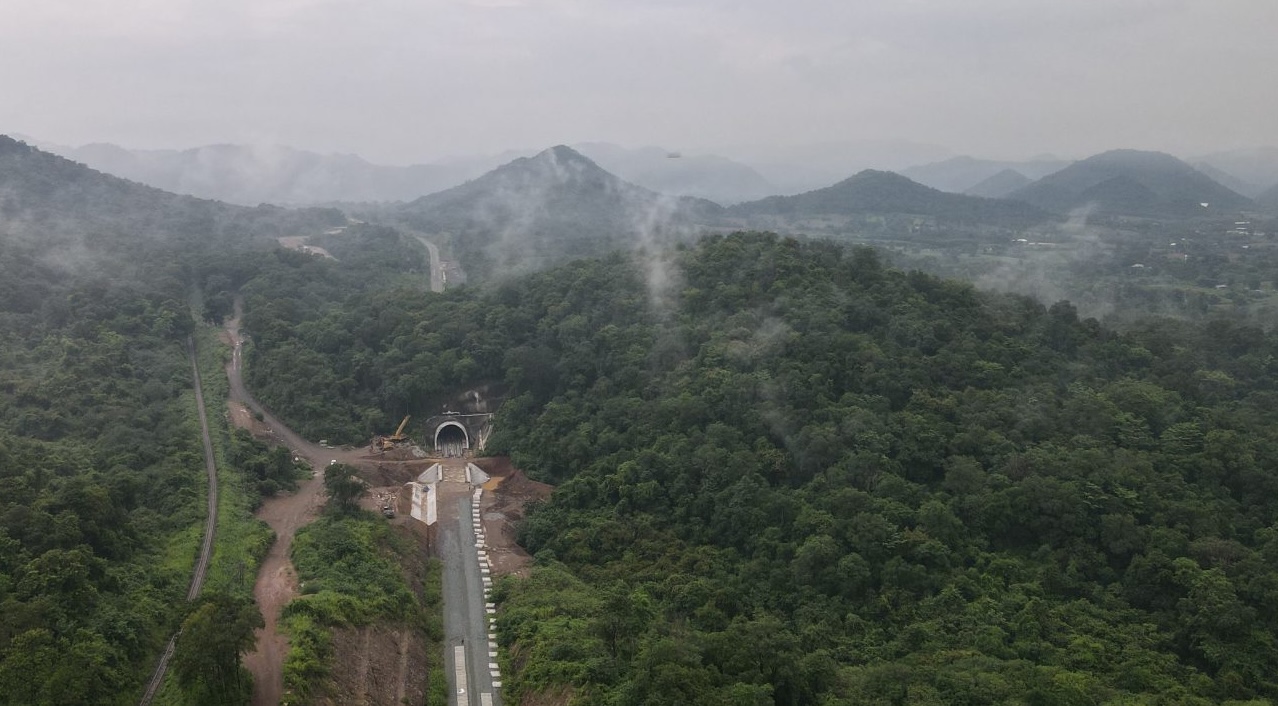
Rebuilding of the Nakhon Ratchasima – Kaeng Khoi route started back in 2018, but progress here has been especially challenging. Construction has been hampered by the mountainous terrain between Saraburi and Nakhon Ratchasima, requiring excavation of three new tunnels totalling 8 km, as well as several bridges and viaducts, and extensive earthworks.
Laos links make progress
Besides completing the central links, State Railway of Thailand is working to deliver three double-track corridors to the border with Laos, in addition to the proposed high speed line. Of these, two would be greenfield alignments, while one involves duplicating the existing railway.
The government approved the construction of the two new links totalling 678 route-km in early 2019. The first project to see work start is a 355 km line from Ban Phai on the existing network to Nakhon Phanom on the country’s eastern border. SRT reported in June that the project was approximately one-third complete, and the railway board approved a delivery deadline of November 2029 to reflect delays in land acquisition. The total project cost is estimated at 66·8bn baht.
The 177 km Ban Phai – Nong Phok section is being delivered by the AS-Ch Thavee & Associates joint venture, comprising A S Associate Engineering (1964), Ch Thavee Construction, the TBTC Joint Venture, Sermsanguan Construction and KS Joint Venture. Contractor for the remaining 175 km section from Nong Phok to Nakhon Phanom Friendship Bridge is the Unique Joint Venture comprising Unique Engineering & Construction, PCET, Thai Picon and Industry & Wacharakajorn.
Northern border link
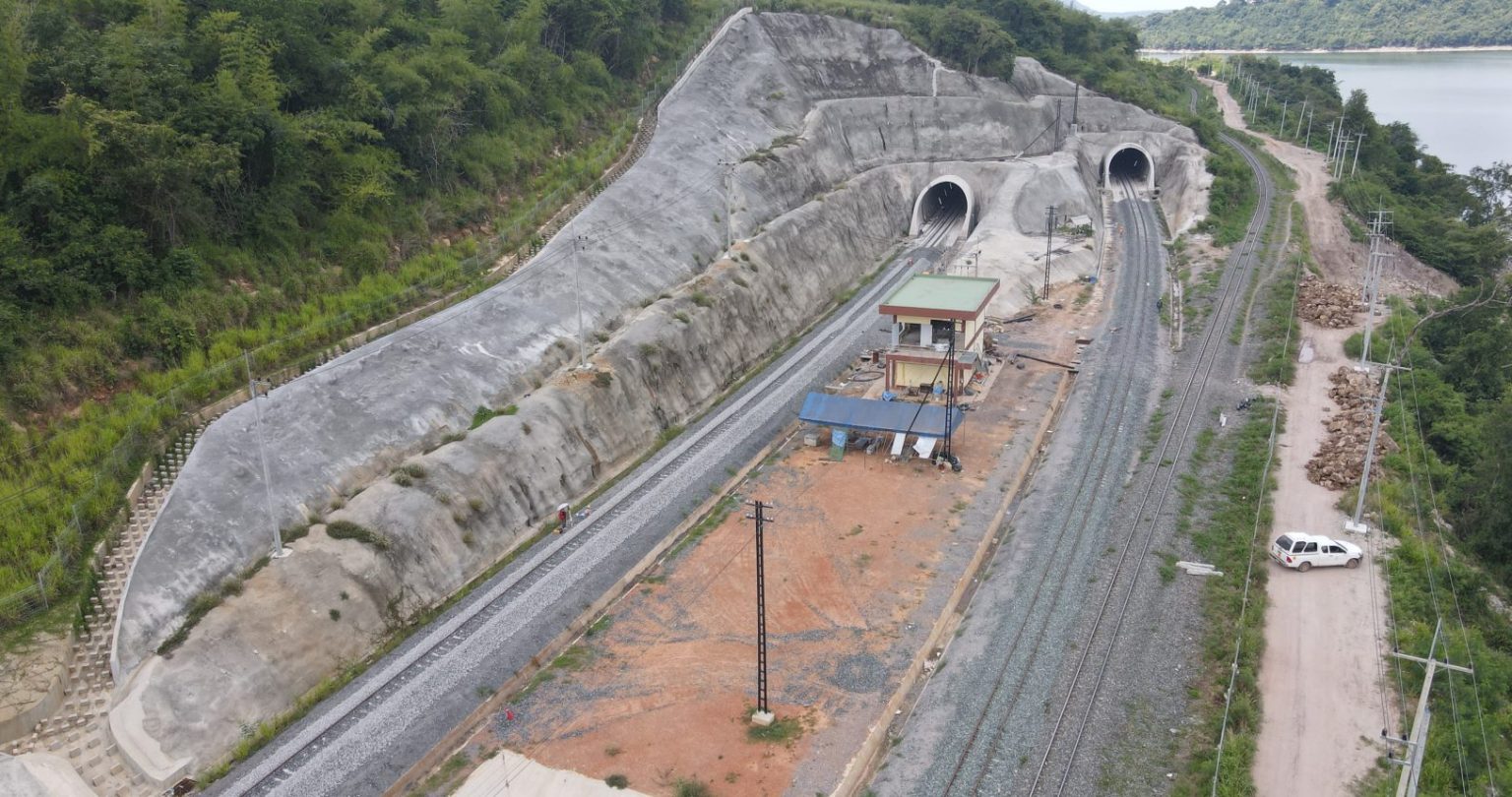
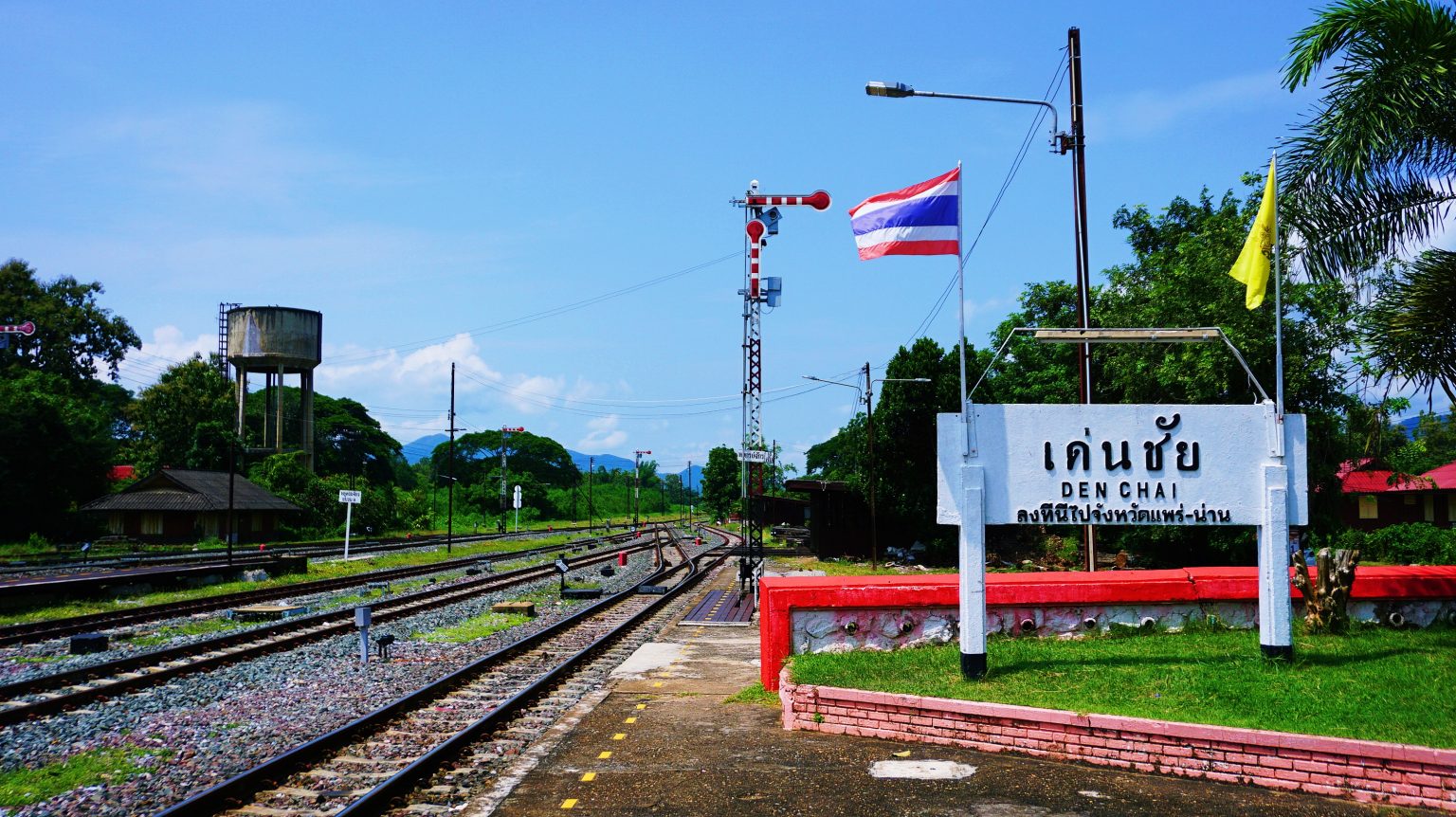
The second new line could ultimately provide a connection into Laos from the northernmost tip of Thailand. This 323·1 km route leaves the existing network at Den Chai and runs north to Chiang Rai and Chiang Khong on the border. Civil works were reported to have reached 57% completion in May 2026, and works are expected to conclude in 2028.
This route includes several long tunnel sections in mountainous areas, constructed as twin single-track bores. The longest is the Ngao tunnel system, which consists of two parallel bores of approximately 6·2 km. The line will have 26 stations, four freight terminals and one container terminal and transhipment zone at Chiang Khong. The total project cost is estimated at 85·3bn baht.
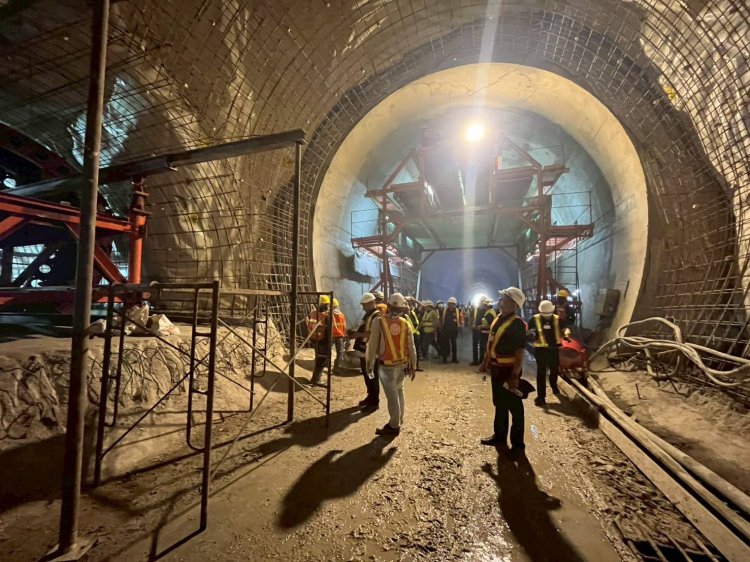
Procurement of the civil works is split into three packages: the 104 km Den Chai – Ngao section is being built by the ITD-NWR joint venture of Italian-Thai Development and Nawarat Patanakarn, while the remainder of the route is being delivered by the same contractors under two separate work packages. The CKST-DC2 joint venture is managing the 132 km between Ngao and Chiang Rai, while the final 87 km to Chiang Khong is in the hands of CKST-DC 3. CKST-DC is made up of Ch Karnchang, Sino-Thai Engineering & Construction and Chiang Mai Construction.
Complex signalling picture
As well as the civil works needed to support what at some locations amounts to major realignment of the railway, the double-tracking programme also requires significant investment in signalling. This has been lent greater weight by the government and SRT seeking to ensure the main line network has modern ATP equipment installed as widely as possible.
Procurement of several signalling schemes is now either in progress or already complete. South Korea’s LS Electric is supplying computer-based interlocking systems for the 355 km Ban Phai – Nakhon Phanom line under a 32·7bn won signalling package awarded in 2024. It was also awarded a similar package for the 104 km Den Chai – Ngao section under a November 2022 contract worth a further 19·6bn won.
In November 2024, Hitachi Rail was awarded a framework covering the supply of ETCS Level 1 trackside equipment for the Den Chai – Ngao and Nong Waeng Rai – Nong Phok sections of the Ban Phai – Nakhon Phanom line. For the rest of the route to the border, Siemens Mobility is supplying the signalling under a December 2024 contract.
The company is delivering equipment, including centralised traffic control and ATP, complying with ETCS Level 1 standards. This includes the supplier’s Trackguard Westrace MKII interlocking, Controlguide Rail9000 CTC/LCP system, point machines, DC track circuits, and Clearguard ACM250 axle counters, with further components sourced locally. Most of the engineering work is being undertaken in Thailand, with support from Siemens Mobility’s sites in Spain, Australia and Germany.
The package for the 132 km Ngao – Chiang Rai section is valued at 26·9bn baht, while the 87 km Chiang Rai – Chiang Khong package costs 19·4bn baht.
System integration between the LS Electric and Siemens Mobility technologies was demonstrated on the SRT stand at the Asia Pacific Rail 2026 trade fair in Bangkok on May 6-7.
On to Vientiane
The third link to Laos focuses on doubling the existing north-south main line that runs for 167 km from Khon Kaen to Nong Khai on the border, 23 km south of Vientiane.
SRT signed a 28bn baht contract in December 2024 with the joint venture of Ch Thavee and AS Construction for civil works on the Khon Kaen – Udon Thani section. The Udon Thani – Nong Khai section is being delivered in smaller lots by several domestic civil engineering firms.
Under a November 2024 subcontract, Progress Rail is providing signalling and telecommunications systems for the whole route. The project includes the supply of computer-based interlocking, traffic management system and the installation of ETCS Level 1.
However, connectivity between Laos and Thailand remains a fraught topic. Currently, Thailand’s only rail access to Laos is the single metre-gauge track laid in the roadway of the 3·8 km Friendship Bridge across the Mekong River. A second bridge across the Mekong able to accommodate a standard gauge railway is planned, but the construction of this structure remains several years in the future.
Limited operation in the south
Meanwhile, SRT is making progress on providing a fully double-track alignment on the southern corridor linking the capital with Chumphon.
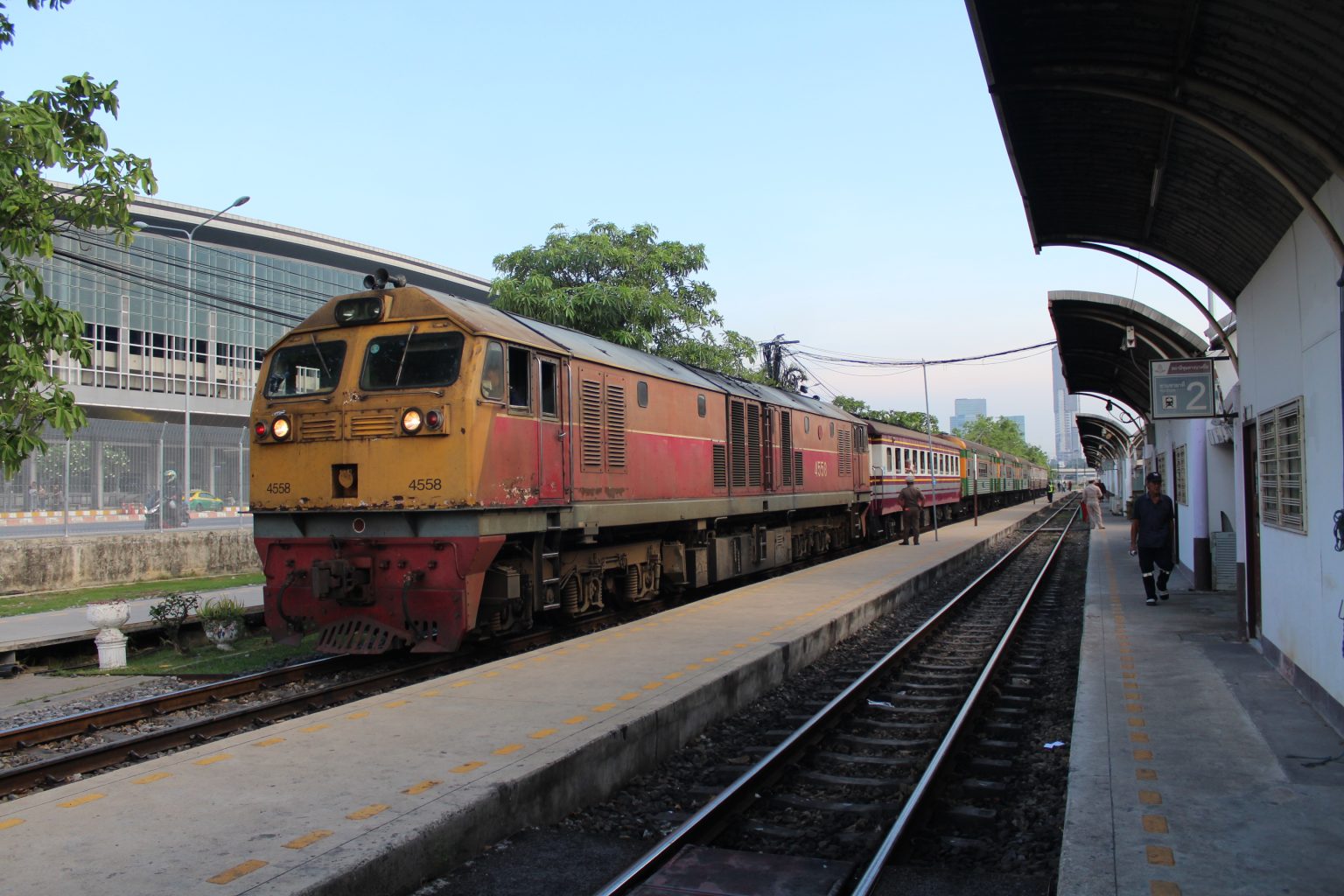
Doubling of the 421 km Nakhon Pathom – Chumphon line has been completed and SRT started operation on the second track in August 2024. The CS DCC Consortium, comprising Siemens Mobility, CRRC Dalian and China Railway Signal & Communication Corp was tasked with delivering the railway systems, although the signalling and telecommunications systems are not yet fully commissioned.
As a result, the line is operated under a transitional arrangement, SRT representatives explained to Railway Gazette International at Asia Pacific Rail. This provisional operation allows a limited throughput while the new control equipment is being commissioned progressively; bespoke train movement authorities are being issued on sections where the signalling is not yet fully cut over.
Next phases planned
Looking forward, further phases of the double-tracking programme remain on the national railway’s agenda. SRT has confirmed its plan to double a further 946 km of route, covering:
• Chumphon southwards to Surat Thani (168 km);
• Jira Junction (east of Nakhon Ratchasima) to Ubon Ratchathani (189 km);
• Phaknampho north to Den Chai (308 km);
• Den Chai – Chiang Mai (281 km).
SRT says completion of these later phases is expected after 2030.
Market opening ahead
Over the course of its life, the rationale for the investment in a double-track network has evolved beyond the immediate aim of enhancing operational capacity and resilience.
Now the programme is seen as integral to facilitating growth in rail traffic across the country, which the government hopes will be achieved by a set of reforms aimed at opening up the national rail network to competition.
A legislative package known as the Rail Transport Act BE 2568 came into force on March 27, paving the way for new entrants to start operations by 2028.
The provisions of the act will see SRT remain as the infrastructure owner, and it will retain rights to continue its existing passenger and freight services. However, it will be expected to make train paths available to private operators who can bid to operate new services. A Network Statement was published on June 26, providing information to aspiring new entrants about the state of the network and the future access conditions.
A track access charging structure has been announced, with tariffs set at an initial 44 baht per vehicle-km for regular passenger services, rising to 77 baht for tourist trains. Freight trains are to be charged 0·2065 baht per tonne-km.
To further accelerate the growth agenda, the government plans to invest more in rolling stock and the Thai supply chain. The national Rail Technology Research & Development Agency has already set out its plans to develop a domestic diesel-electric multiple-unit in partnership with the Department of Rail Transport and SRT.
Meanwhile, a prototype domestically developed luxury passenger coach has been presented in Bangkok.
Source: https://www.railwaygazette.com/thailand/2026/08/15/thailand-double-tracking-programme-supports-market-opening/
Google Translation:
ประเทศไทย: โครงการสร้างรางคู่สนับสนุนการเปิดตลาดรถไฟ
บทความข่าวนี้ได้รับการสนับสนุนโดย FALLPROTEC บริษัทชั้นนำระดับโลกด้านการออกแบบและผลิตระบบป้องกันการตกจากที่สูงและโซลูชันการเข้าถึงที่สูงระดับพรีเมียม
โครงการระยะยาวในการสร้างรางคู่ให้กับเครือข่ายรถไฟรางแคบของประเทศไทยกำลังคืบหน้า โดยเน้นเป็นพิเศษที่การเชื่อมต่อกับประเทศเพื่อนบ้านอย่างลาว แต่สิ่งที่สำคัญกว่านั้นคือ การปรับปรุงเหล่านี้จะช่วยยกระดับประสิทธิภาพของระบบรถไฟก่อนการเปิดเสรีตลาดตั้งแต่ปี 2028 เป็นต้นไป เบนจามิน เซลกี รายงานจากกรุงเทพฯ
การสร้างรางคู่บนเส้นทางรถไฟรางแคบยาว 144 กิโลเมตร ที่เชื่อมต่อศูนย์กลางสำคัญอย่างนครราชสีมาและแก่งคอยในภาคกลางของประเทศ เสร็จสมบูรณ์ไปแล้ว 95% ในเดือนพฤษภาคม คาดว่างานก่อสร้างจะแล้วเสร็จในปีหน้า ซึ่งในเวลานั้นส่วนสุดท้ายของทางรถไฟรางเดี่ยวสายหลักในภาคกลางของประเทศจะถูกกำจัดออกไป
งานนี้เป็นก้าวสำคัญล่าสุดในโครงการระยะยาวแต่ทะเยอทะยานของการรถไฟแห่งประเทศไทย (รฟ.ท.) ในการขยายทางรถไฟเป็นรางคู่ในเส้นทางหลักข้ามประเทศ ซึ่งเป็นการเสริมความแข็งแกร่งให้กับเส้นทางรถไฟความเร็วสูงกรุงเทพฯ-หนองคาย-ชายแดนลาว ที่กำลังก่อสร้างด้วยรางขนาด 1,435 มม. แทนที่จะเป็นรางขนาด 1,000 มม. ที่ใช้ในเครือข่ายการรถไฟแห่งประเทศไทยส่วนใหญ่ ยกเว้นบางเส้นทางในกรุงเทพฯ เช่น เส้นทางรถไฟเชื่อมสนามบินสุวรรณภูมิ ขณะนี้กำลังก่อสร้างทางรถไฟสายใหม่ช่วงแรก 250.8 กิโลเมตร ระหว่างกรุงเทพฯ และนครราชสีมา
แม้ว่ารัฐบาลชุดก่อนๆ จะเคยดำเนินการขยายทางรถไฟเป็นรางคู่แบบแยกส่วนมาบ้างแล้ว แต่โครงการระยะยาวได้ถูกกำหนดขึ้นเมื่อต้นปี 2018 โดยอนุมัติโครงการ 7 แพ็กเกจ รวมระยะทาง 993 กิโลเมตร มูลค่าประมาณ 4 พันล้านดอลลาร์สหรัฐ
โครงการชุดแรกนี้ได้ดำเนินการขยายเส้นทางรถไฟหลายส่วนให้เป็นรางคู่แล้ว รวมถึงการปรับแนวเส้นทางครั้งสำคัญเพื่อสร้างเส้นทางที่มีความจุสูงขึ้น
ตัวอย่างเช่น เส้นทางที่เชื่อมระหว่างฉะเชิงเทราและแหลมฉบัง ซึ่งอยู่ทางทิศตะวันออกและตะวันออกเฉียงใต้ของกรุงเทพฯ และวิ่งไปทางทิศตะวันตกเฉียงเหนือสู่ผักน้ำโพ เส้นทางอื่นๆ ที่ดำเนินการแล้วเสร็จ ได้แก่ เส้นทางจากนครราชสีมาไปยังขอนแก่นทางตะวันออกเฉียงเหนือของประเทศ และเส้นทางเชื่อมระหว่างนครปฐมและแก่งคอย
การขยายเส้นทางรถไฟรางแคบระยะทาง 144 กิโลเมตร ที่เชื่อมศูนย์กลางสำคัญอย่างนครราชสีมาและแก่งคอยในภาคกลางของประเทศ ให้เป็นรางคู่แล้วเสร็จ 95% ในเดือนพฤษภาคม
การปรับปรุงเส้นทางนครราชสีมา-แก่งคอย เริ่มต้นขึ้นในปี 2561 แต่ความคืบหน้าเป็นไปอย่างยากลำบากเป็นพิเศษ การก่อสร้างถูกขัดขวางโดยภูมิประเทศที่เป็นภูเขาระหว่างสระบุรีและนครราชสีมา ทำให้ต้องขุดอุโมงค์ใหม่ 3 แห่ง รวมระยะทาง 8 กิโลเมตร รวมถึงสะพานและทางยกระดับหลายแห่ง และงานถมดินขนาดใหญ่
ความคืบหน้าของการเชื่อมต่อกับลาว
นอกจากการสร้างเส้นทางเชื่อมต่อส่วนกลางแล้ว การรถไฟแห่งประเทศไทยกำลังดำเนินการสร้างทางรถไฟรางคู่ 3 เส้นทางไปยังชายแดนลาว นอกเหนือจากเส้นทางรถไฟความเร็วสูงที่เสนอไว้ โดย 2 เส้นทางจะเป็นเส้นทางใหม่ทั้งหมด และอีก 1 เส้นทางเป็นการสร้างทางรถไฟคู่ขนานกับเส้นทางเดิม
รัฐบาลอนุมัติการก่อสร้างเส้นทางเชื่อมต่อใหม่ 2 เส้นทาง รวมระยะทาง 678 กิโลเมตร ในต้นปี 2562 โครงการแรกที่เริ่มดำเนินการคือเส้นทาง 355 กิโลเมตร จากบ้านไผ่ บนเครือข่ายที่มีอยู่ไปยังนครพนม ชายแดนด้านตะวันออกของประเทศ การรถไฟแห่งประเทศไทยรายงานในเดือนมิถุนายนว่าโครงการเสร็จสมบูรณ์ประมาณหนึ่งในสาม และคณะกรรมการการรถไฟอนุมัติกำหนดส่งมอบในเดือนพฤศจิกายน 2562 เพื่อสะท้อนถึงความล่าช้าในการจัดซื้อที่ดิน ต้นทุนโครงการทั้งหมดประมาณการไว้ที่ 66.8 พันล้านบาท
ส่วนของเส้นทางรถไฟสายบ้านไผ่ – หนองโพก ระยะทาง 177 กิโลเมตร ดำเนินการโดยบริษัทร่วมทุน AS-Ch Thavee & Associates ซึ่งประกอบด้วย A S Associate Engineering (1964), Ch Thavee Construction, บริษัทร่วมทุน TBTC, Sermsanguan Construction และบริษัทร่วมทุน KS ส่วนผู้รับเหมาสำหรับเส้นทางที่เหลืออีก 175 กิโลเมตร จากหนองโพกถึงสะพานมิตรภาพนครพนม คือ บริษัทร่วมทุน Unique ซึ่งประกอบด้วย Unique Engineering & Construction, PCET, Thai Picon and Industry และ Wacharakajorn
เส้นทางเชื่อมต่อชายแดนทางเหนือ
เส้นทางใหม่สายที่สองนี้อาจเชื่อมต่อกับประเทศลาวจากปลายสุดทางเหนือของประเทศไทยได้ เส้นทางนี้มีความยาว 323.1 กิโลเมตร แยกออกจากเครือข่ายเดิมที่หลักชัย และวิ่งไปทางเหนือสู่เชียงรายและเชียงของที่ชายแดน มีรายงานว่างานก่อสร้างแล้วเสร็จ 57% ในเดือนพฤษภาคม 2569 และคาดว่าจะแล้วเสร็จในปี 2561
เส้นทางนี้มีอุโมงค์ยาวหลายแห่งในพื้นที่ภูเขา ซึ่งสร้างเป็นอุโมงค์เดี่ยวคู่ อุโมงค์ที่ยาวที่สุดคืออุโมงค์งาโอ ซึ่งประกอบด้วยอุโมงค์คู่ขนานสองแห่งยาวประมาณ 6.2 กิโลเมตร เส้นทางนี้จะมีสถานี 26 แห่ง สถานีขนส่งสินค้า 4 แห่ง และสถานีขนส่งตู้คอนเทนเนอร์และจุดขนถ่ายสินค้าอีก 1 แห่งที่เชียงของ ต้นทุนโครงการทั้งหมดคาดการณ์ไว้ที่ 85.3 พันล้านบาท
อุโมงค์งาว ซึ่งประกอบด้วยอุโมงค์คู่ขนานสองอุโมงค์ มีความยาว 6.2 กิโลเมตร จะเป็นอุโมงค์ที่ยาวที่สุดในเส้นทางหลักชัย – เชียงของ
การจัดซื้อจัดจ้างงานก่อสร้างแบ่งออกเป็นสามส่วน: เส้นทางหลักชัย – งาว ระยะทาง 104 กิโลเมตร ดำเนินการโดยบริษัทร่วมทุน ITD-NWR ซึ่งประกอบด้วยบริษัทพัฒนาร่วมทุนระหว่างอิตาลี-ไทย และนวรัตน์ ปาทานาการน์ ในขณะที่ส่วนที่เหลือของเส้นทางดำเนินการโดยผู้รับเหมาเดียวกันภายใต้สองส่วนงานแยกกัน บริษัทร่วมทุน CKST-DC2 บริหารจัดการเส้นทาง 132 กิโลเมตรระหว่างงาวและเชียงราย ในขณะที่เส้นทางสุดท้าย 87 กิโลเมตรไปยังเชียงของอยู่ในความรับผิดชอบของ CKST-DC 3 ซึ่งประกอบด้วย ช. การ์นชาง, บริษัทวิศวกรรมและก่อสร้างจีน-ไทย และบริษัทก่อสร้างเชียงใหม่
ภาพรวมระบบสัญญาณที่ซับซ้อน
นอกเหนือจากงานก่อสร้างที่จำเป็นเพื่อรองรับสิ่งที่ในบางจุดเทียบเท่ากับการปรับแนวเส้นทางรถไฟครั้งใหญ่แล้ว โครงการรางคู่ยังต้องการการลงทุนอย่างมากในระบบสัญญาณด้วย รัฐบาลและการรถไฟแห่งประเทศไทย (ร.ฟ.ท.) ได้ให้ความสำคัญกับเรื่องนี้มากขึ้น โดยมุ่งมั่นที่จะติดตั้งอุปกรณ์ ATP ที่ทันสมัยในเครือข่ายสายหลักให้ครอบคลุมมากที่สุดเท่าที่จะเป็นไปได้
ขณะนี้การจัดซื้อระบบสัญญาณหลายโครงการกำลังดำเนินการอยู่หรือเสร็จสมบูรณ์แล้ว บริษัท LS Electric ของเกาหลีใต้เป็นผู้จัดหาระบบควบคุมการเดินรถด้วยคอมพิวเตอร์สำหรับสายบ้านไผ่ – นครพนม ระยะทาง 355 กิโลเมตร ภายใต้สัญญามูลค่า 32.7 พันล้านวอนที่ได้รับอนุมัติในปี 2567 นอกจากนี้ยังได้รับสัญญาในลักษณะเดียวกันสำหรับสายเด็นชัย – งาโอ ระยะทาง 104 กิโลเมตร ภายใต้สัญญาเดือนพฤศจิกายน 2565 มูลค่าอีก 19.6 พันล้านวอน
ภาพสถานีเด็นชัย: อำนาจ พุทธธรรมรอง / Shutterstock
ในเดือนพฤศจิกายน 2567 บริษัท Hitachi Rail ได้รับสัญญาครอบคลุมการจัดหาอุปกรณ์ข้างราง ETCS ระดับ 1 สำหรับสายเด็นชัย – งาโอ และหนองแวงไร่ – หนองโพก ของสายบ้านไผ่ – นครพนม สำหรับเส้นทางที่เหลือไปยังชายแดน บริษัท Siemens Mobility จะเป็นผู้จัดหาอุปกรณ์ระบบสัญญาณภายใต้สัญญาสิ้นสุดเดือนธันวาคม 2567
บริษัทจะส่งมอบอุปกรณ์ต่างๆ รวมถึงระบบควบคุมการจราจรแบบรวมศูนย์และระบบ ATP ที่เป็นไปตามมาตรฐาน ETCS ระดับ 1 ซึ่งรวมถึงระบบล็อกราง Trackguard Westrace MKII, ระบบควบคุมการจราจรแบบ CTC/LCP Controlguide Rail9000, เครื่องสับราง, วงจรไฟฟ้ากระแสตรง และเครื่องนับเพลา Clearguard ACM250 โดยมีส่วนประกอบอื่นๆ ที่จัดหาจากในประเทศ งานด้านวิศวกรรมส่วนใหญ่ดำเนินการในประเทศไทย โดยได้รับการสนับสนุนจากศูนย์ปฏิบัติการของ Siemens Mobility ในสเปน ออสเตรเลีย และเยอรมนี
สัญญาสำหรับช่วงเส้นทางงาโอ – เชียงราย ระยะทาง 132 กิโลเมตร มีมูลค่า 26.9 พันล้านบาท ในขณะที่สัญญาสำหรับช่วงเส้นทางเชียงราย – เชียงของ ระยะทาง 87 กิโลเมตร มีมูลค่า 19.4 พันล้านบาท
การบูรณาการระบบระหว่างเทคโนโลยี LS Electric และ Siemens Mobility ได้รับการสาธิตบนบูธของการรถไฟแห่งประเทศไทย (SRT) ในงานแสดงสินค้า Asia Pacific Rail 2026 ที่กรุงเทพฯ ระหว่างวันที่ 6-7 พฤษภาคม
ต่อไปยังเวียงจันทน์
เส้นทางที่สามไปยังลาวเน้นการขยายเส้นทางหลักสายเหนือ-ใต้ที่มีอยู่เดิม ซึ่งมีความยาว 167 กิโลเมตร จากขอนแก่นไปยังหนองคายที่ชายแดน ห่างจากเวียงจันทน์ไปทางใต้ 23 กิโลเมตร
การรถไฟแห่งประเทศไทย (SRT) ได้ลงนามในสัญญา มูลค่า 28 พันล้านบาท ในเดือนธันวาคม 2024 กับบริษัทร่วมทุนระหว่าง ช. ทวี และ เอเอส คอนสตรัคชั่น สำหรับงานโยธาในส่วนของขอนแก่น – อุดรธานี ส่วนของอุดรธานี – หนองคาย จะดำเนินการเป็นส่วนย่อยๆ โดยบริษัทวิศวกรรมโยธาในประเทศหลายแห่ง
ภายใต้สัญญารับเหมาช่วงในเดือนพฤศจิกายน 2024 บริษัท Progress Rail จะจัดหาระบบสัญญาณและระบบโทรคมนาคมสำหรับเส้นทางทั้งหมด โครงการนี้รวมถึงการจัดหาระบบควบคุมการเดินรถด้วยคอมพิวเตอร์ ระบบจัดการจราจร และการติดตั้ง ETCS ระดับ 1
อย่างไรก็ตาม การเชื่อมต่อระหว่างลาวและไทยยังคงเป็นหัวข้อที่ละเอียดอ่อน ปัจจุบัน การเชื่อมต่อทางรถไฟระหว่างประเทศไทยกับลาวมีเพียงรางเดี่ยวขนาด 1 เมตร ที่วางอยู่บนถนนของสะพานมิตรภาพข้ามแม่น้ำโขง ระยะทาง 3.8 กิโลเมตร มีการวางแผนสร้างสะพานข้ามแม่น้ำโขงแห่งที่สองที่สามารถรองรับทางรถไฟขนาดมาตรฐานได้ แต่การก่อสร้างโครงสร้างนี้ยังคงต้องใช้เวลาอีกหลายปี
การให้บริการในภาคใต้ยังจำกัด
ขณะเดียวกัน การรถไฟแห่งประเทศไทย (รฟ.ท.) กำลังเร่งดำเนินการสร้างทางรถไฟสองรางเต็มรูปแบบในเส้นทางภาคใต้ที่เชื่อมกรุงเทพฯ กับชุมพร
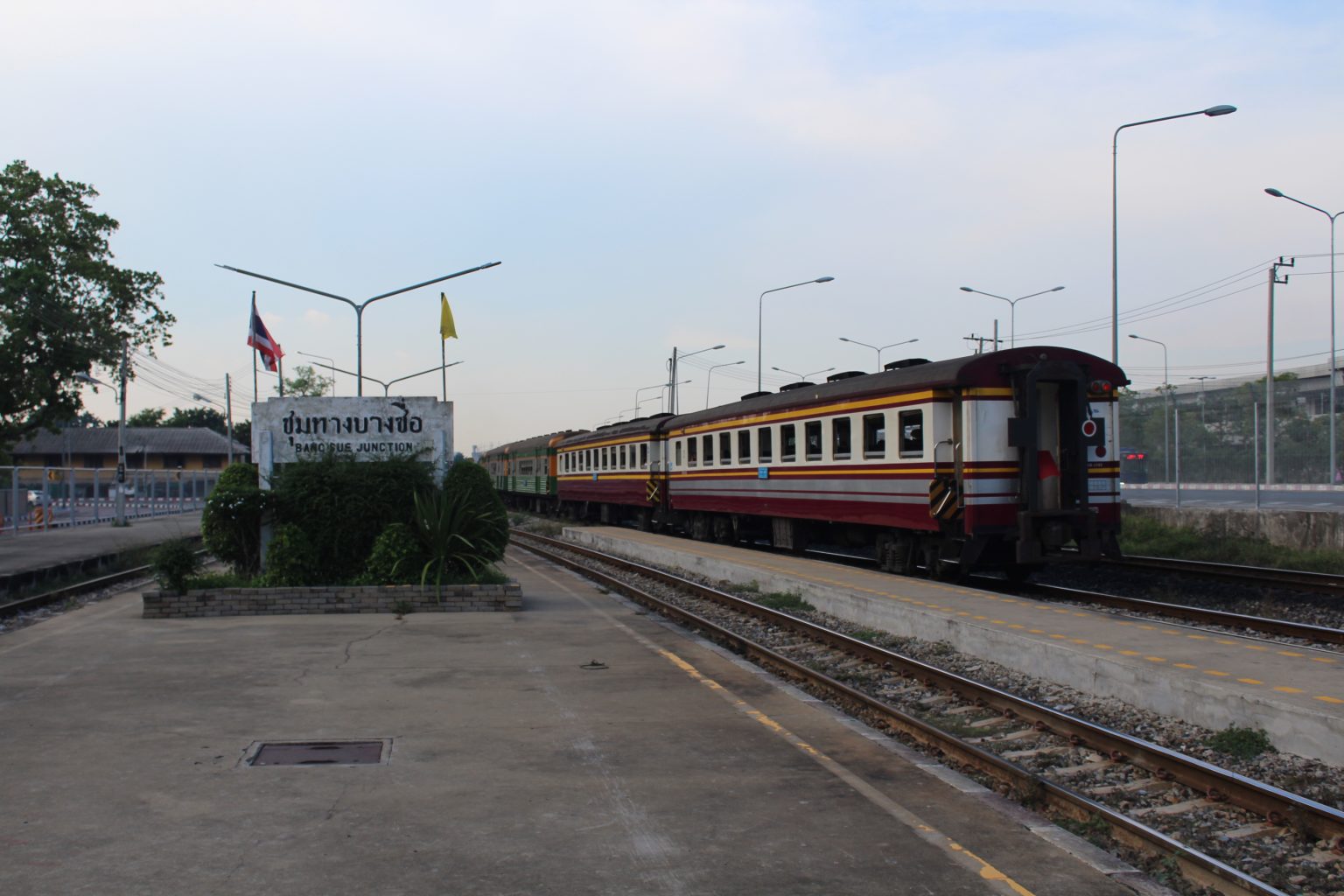
ภาพรถไฟที่สถานีบางซื่อ กรุงเทพฯ
การขยายทางรถไฟสายนครปฐม – ชุมพร ระยะทาง 421 กิโลเมตร เสร็จสมบูรณ์แล้ว และการรถไฟแห่งประเทศไทย (รฟ.ท.) เริ่มให้บริการบนรางที่สองในเดือนสิงหาคม 2567 กลุ่มบริษัท CS DCC Consortium ซึ่งประกอบด้วย Siemens Mobility, CRRC Dalian และ China Railway Signal & Communication Corp ได้รับมอบหมายให้ส่งมอบระบบทางรถไฟ แม้ว่าระบบสัญญาณและระบบโทรคมนาคมยังไม่ได้ใช้งานอย่างเต็มรูปแบบ
ด้วยเหตุนี้ การเดินรถบนเส้นทางดังกล่าวจึงดำเนินการภายใต้ข้อตกลงชั่วคราว ตัวแทนการรถไฟแห่งประเทศไทย (รฟ.ท.) อธิบายให้ Railway Gazette International ที่งาน Asia Pacific Rail ฟัง การดำเนินการชั่วคราวนี้อนุญาตให้มีปริมาณการขนส่งที่จำกัดในขณะที่อุปกรณ์ควบคุมใหม่กำลังได้รับการติดตั้งใช้งานอย่างค่อยเป็นค่อยไป โดยมีการออกใบอนุญาตการเดินรถเฉพาะในส่วนที่ระบบสัญญาณยังไม่ได้รับการเปลี่ยนผ่านอย่างสมบูรณ์
แผนงานระยะต่อไป
ในอนาคต โครงการสร้างรางคู่ยังคงอยู่ในวาระการประชุมของการรถไฟแห่งชาติ การรถไฟแห่งประเทศไทยได้ยืนยันแผนการสร้างรางคู่เพิ่มอีก 946 กิโลเมตร ครอบคลุมเส้นทางดังต่อไปนี้:
• ชุมพรลงใต้ไปสุราษฎร์ธานี (168 กม.);
• จิระจังก์ชัน (ตะวันออกของนครราชสีมา) ไปอุบลราชธานี (189 กม.);
• ภัคน้ำโพขึ้นเหนือไปเด่นชัย (308 กม.);
• เด่นชัย – เชียงใหม่ (281 กม.)
การรถไฟแห่งประเทศไทยระบุว่าคาดว่าจะแล้วเสร็จในระยะหลังนี้หลังปี 2030
การเปิดตลาดในอนาคต
ตลอดระยะเวลาที่ผ่านมา เหตุผลในการลงทุนในเครือข่ายรางคู่ได้พัฒนาไปไกลกว่าเป้าหมายในทันทีของการเพิ่มขีดความสามารถในการดำเนินงานและความยืดหยุ่น
ปัจจุบัน โครงการนี้ถูกมองว่าเป็นส่วนสำคัญในการส่งเสริมการเติบโตของการขนส่งทางรถไฟทั่วประเทศ ซึ่งรัฐบาลหวังว่าจะบรรลุผลได้ด้วยชุดการปฏิรูปที่มุ่งเป้าไปที่การเปิดเครือข่ายรถไฟแห่งชาติสู่การแข่งขัน
ตลาดขนส่งสินค้าและผู้โดยสารภายในประเทศจะเปิดให้มีการแข่งขัน โดยคาดว่าผู้ประกอบการรายใหม่จะเริ่มดำเนินการได้ภายในปี 2028
กฎหมายว่าด้วยการขนส่งทางราง พ.ศ. 2568 มีผลบังคับใช้เมื่อวันที่ 27 มีนาคม ซึ่งเป็นการเปิดทางให้ผู้ประกอบการรายใหม่เริ่มดำเนินการได้ภายในปี 2028
บทบัญญัติของกฎหมายฉบับนี้กำหนดให้การรถไฟแห่งประเทศไทย (ส.ท.) ยังคงเป็นเจ้าของโครงสร้างพื้นฐาน และจะยังคงมีสิทธิ์ในการให้บริการผู้โดยสารและขนส่งสินค้าที่มีอยู่ต่อไป อย่างไรก็ตาม คาดว่าจะเปิดเส้นทางรถไฟให้แก่ผู้ประกอบการเอกชนที่สามารถยื่นประมูลเพื่อดำเนินการให้บริการใหม่ได้ มีการเผยแพร่แถลงการณ์เครือข่ายเมื่อวันที่ 26 มิถุนายน ซึ่งให้ข้อมูลแก่ผู้ประกอบการรายใหม่ที่สนใจเกี่ยวกับสถานะของเครือข่ายและเงื่อนไขการเข้าถึงในอนาคต
มีการประกาศโครงสร้างค่าธรรมเนียมการใช้ราง โดยกำหนดอัตราเริ่มต้นที่ 44 บาทต่อกิโลเมตรสำหรับบริการผู้โดยสารทั่วไป และเพิ่มขึ้นเป็น 77 บาทสำหรับรถไฟท่องเที่ยว ส่วนรถไฟขนส่งสินค้าจะคิดค่าบริการ 0.2065 บาทต่อกิโลเมตร (ตัน)
เพื่อเร่งการเติบโตทางเศรษฐกิจให้เร็วขึ้น รัฐบาลวางแผนที่จะลงทุนเพิ่มเติมในด้านรถไฟและห่วงโซ่อุปทานของไทย สำนักงานวิจัยและพัฒนาเทคโนโลยีการรถไฟแห่งชาติได้วางแผนที่จะพัฒนารถไฟดีเซลไฟฟ้าแบบหลายตู้โดยสารภายในประเทศ โดยร่วมมือกับกรมการขนส่งทางรางและการรถไฟแห่งประเทศไทย
ขณะเดียวกัน ต้นแบบรถโดยสารหรูที่พัฒนาขึ้นภายในประเทศได้ถูกนำเสนอในกรุงเทพฯ แล้ว