 Thai Energy Ministry plans fivefold rise in household solar quota
THIS NEWS ARTICLE KINDLY SPONSORED BY FALLPROTEC, A WORLD-RENOWNED NAME IN THE DESIGN AND MANUFACTURE OF PREMIUM FALL PROTECTION SYSTEMS AND HEIGHT ACCESS SOLUTIONS
- The Energy Ministry plans to lift household rooftop solar purchases from 100MW to 500MW, speed up approvals and extend buyback contracts.
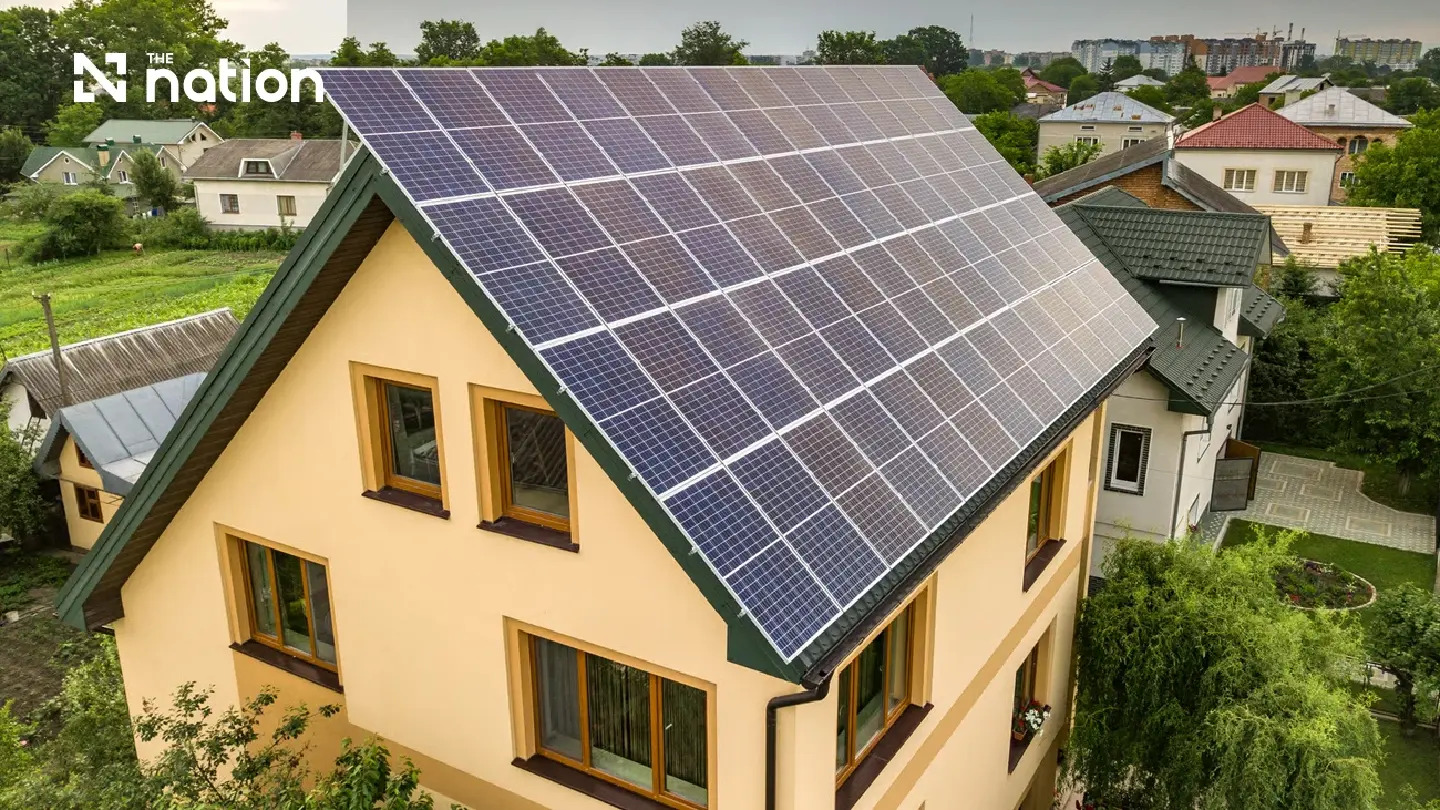
- Thailand’s Energy Ministry plans to increase the quota for electricity purchased from household rooftop solar systems fivefold, from 100 megawatts to 500MW, as part of efforts to encourage more people to generate and sell clean power.
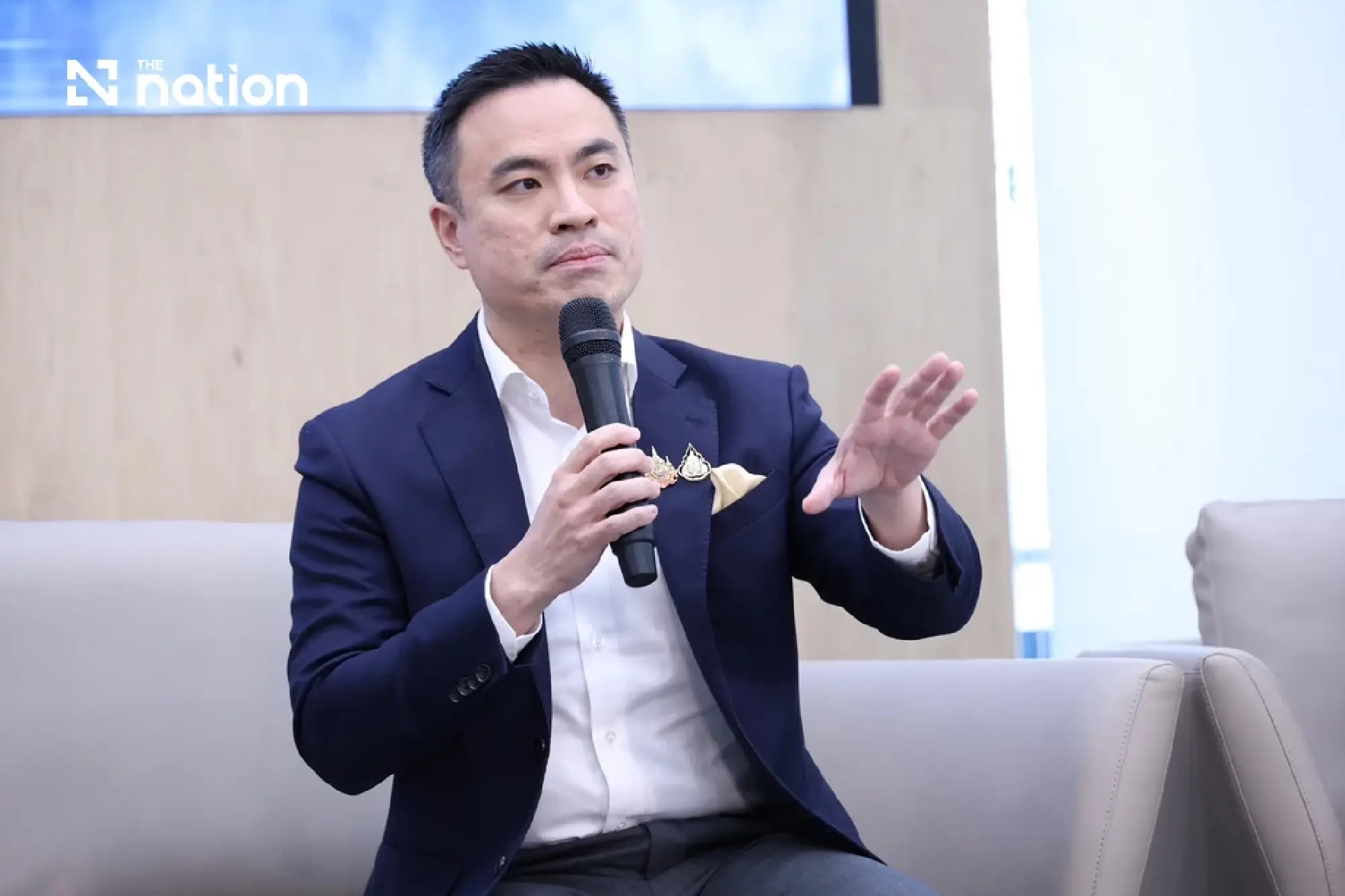
Energy Minister Akanat Promphan said the government aimed to transform households from ordinary consumers into electricity producers and consumers, commonly known as “prosumers”.
Speaking at the “New Horizon Chapter 2: Smart Grid” forum organised by Krungthep Turakij, Akanat said the government would revise the way clean-energy quotas were allocated.
Rather than reserving most capacity for large private-sector projects, the ministry plans to distribute part of the quota among households, allowing each home to install up to five kilowatts of solar capacity for its own use and to sell surplus electricity to the grid.
One-stop service to shorten approval process
The government also plans to simplify application procedures, which previously could take more than a year, by introducing a one-stop service available online and through branches of the electricity distribution authorities.
Under the proposed time limits, applications for rooftop solar systems intended solely for household consumption, without selling power to the grid, would have to be approved within seven days.
Households seeking to sell surplus electricity would have the entire application process completed within 30 days.
Buyback contracts set to be extended
The ministry also plans to extend household solar power purchase agreements beyond their current 10-year term to make investment more attractive and commercially viable.
Akanat compared the current household contracts with those offered to solar farms, which can run for 25 years.
Revenue from electricity sales would be credited through household electricity bills.
Based on a purchase rate of 2.20 baht per kilowatt-hour, the ministry estimates that a five-kilowatt rooftop system could generate average income of about 1,400 to 1,500 baht a month.
The system could allow households to recoup installation costs within seven years, after which the rooftop panels could continue generating income while reducing living expenses, Akanat said.
Source: https://www.nationthailand.com/sustaination/40070423
Google Translation:
[We apologise if any of the translation is incorrect: google Translation occasionally gets it wrong]
กระทรวงพลังงานไทยวางแผนเพิ่มโควตาการผลิตไฟฟ้าจากพลังงานแสงอาทิตย์ในครัวเรือนเป็นห้าเท่า
บทความข่าวนี้ได้รับการสนับสนุนโดย FALLPROTEC บริษัทชั้นนำระดับโลกด้านการออกแบบและผลิตระบบป้องกันการตกจากที่สูงและโซลูชันการเข้าถึงที่สูงระดับพรีเมียม
กระทรวงพลังงานวางแผนที่จะเพิ่มโควตาการซื้อไฟฟ้าจากระบบพลังงานแสงอาทิตย์บนหลังคาบ้านจาก 100 เมกะวัตต์เป็น 500 เมกะวัตต์ เร่งกระบวนการอนุมัติ และขยายสัญญารับซื้อคืน
กระทรวงพลังงานของไทยวางแผนที่จะเพิ่มโควตาการซื้อไฟฟ้าจากระบบพลังงานแสงอาทิตย์บนหลังคาบ้านเป็นห้าเท่า จาก 100 เมกะวัตต์เป็น 500 เมกะวัตต์ ซึ่งเป็นส่วนหนึ่งของความพยายามในการส่งเสริมให้ประชาชนผลิตและจำหน่ายพลังงานสะอาดมากขึ้น
นายอากานัต พรหมพันธุ์ รัฐมนตรีว่าการกระทรวงพลังงานกล่าวว่า รัฐบาลตั้งเป้าที่จะเปลี่ยนครัวเรือนจากผู้บริโภคทั่วไปให้เป็นผู้ผลิตและผู้บริโภคไฟฟ้า หรือที่รู้จักกันทั่วไปว่า “โปรซูเมอร์”
นายอากานาถ กล่าวในการประชุม “New Horizon Chapter 2: Smart Grid” ซึ่งจัดโดยกรุงเทพมหานครว่า รัฐบาลจะปรับปรุงวิธีการจัดสรรโควตาพลังงานสะอาด
แทนที่จะสงวนกำลังการผลิตส่วนใหญ่ไว้สำหรับโครงการขนาดใหญ่ของภาคเอกชน กระทรวงฯ วางแผนที่จะกระจายโควตาบางส่วนให้กับครัวเรือน โดยอนุญาตให้แต่ละครัวเรือนติดตั้งแผงโซลาร์เซลล์ได้สูงสุด 5 กิโลวัตต์ สำหรับใช้เองและขายไฟฟ้าส่วนเกินให้กับโครงข่าย
บริการแบบครบวงจรเพื่อลดขั้นตอนการอนุมัติ
รัฐบาลยังวางแผนที่จะลดขั้นตอนการยื่นขออนุญาต ซึ่งก่อนหน้านี้อาจใช้เวลานานกว่าหนึ่งปี โดยการนำเสนอระบบบริการแบบครบวงจรทางออนไลน์และผ่านสาขาของการไฟฟ้า
ภายใต้กรอบเวลาที่เสนอ การยื่นขออนุญาตติดตั้งระบบโซลาร์เซลล์บนหลังคาบ้านเพื่อใช้เองในครัวเรือนโดยไม่ขายไฟฟ้าส่วนเกิน จะต้องได้รับการอนุมัติภายใน 7 วัน
ส่วนครัวเรือนที่ต้องการขายไฟฟ้าส่วนเกิน จะต้องดำเนินการยื่นขออนุญาตให้เสร็จสิ้นภายใน 30 วัน
กระทรวงฯ เตรียมขยายสัญญาซื้อคืนพลังงานแสงอาทิตย์
กระทรวงฯ ยังวางแผนที่จะขยายสัญญาซื้อขายพลังงานแสงอาทิตย์สำหรับครัวเรือนออกไปเกินกว่าระยะเวลาปัจจุบัน 10 ปี เพื่อให้การลงทุนน่าสนใจและคุ้มค่าในเชิงพาณิชย์มากขึ้น
อากานัตเปรียบเทียบสัญญาซื้อขายพลังงานแสงอาทิตย์สำหรับครัวเรือนในปัจจุบันกับสัญญาที่เสนอให้กับฟาร์มพลังงานแสงอาทิตย์ ซึ่งมีระยะเวลาถึง 25 ปี
รายได้จากการขายไฟฟ้าจะถูกหักผ่านบิลค่าไฟฟ้าของครัวเรือน
จากอัตราการซื้อคืนที่ 2.20 บาทต่อกิโลวัตต์ชั่วโมง กระทรวงฯ คาดการณ์ว่าระบบพลังงานแสงอาทิตย์บนหลังคาขนาด 5 กิโลวัตต์ สามารถสร้างรายได้เฉลี่ยประมาณ 1,400 ถึง 1,500 บาทต่อเดือน
อากานัตกล่าวว่า ระบบนี้จะช่วยให้ครัวเรือนสามารถคืนทุนค่าติดตั้งได้ภายใน 7 ปี หลังจากนั้นแผงโซลาร์เซลล์บนหลังคาจะสามารถสร้างรายได้ต่อไปได้ในขณะที่ลดค่าใช้จ่ายในการดำรงชีวิต