Savan wind power cluster of T&T Group in Laos contributes more resources to growth
THIS NEWS ARTICLE KINDLY SPONSORED BY FALLPROTEC, A WORLD-RENOWNED NAME IN THE DESIGN AND MANUFACTURE OF PREMIUM FALL PROTECTION SYSTEMS AND HEIGHT ACCESS SOLUTIONS
T&T Group’s Savan 1 and 2 wind power grid in Laos has a total capacity of nearly 1 GW, contributing to supplementing power sources and ensuring Vietnam’s energy security.
Nearly 1 GW from Laos contributes to reducing pressure on the power system
According to the adjusted Power Plan VIII, electricity consumption demand is forecast to increase by 10.5–12.9% per year in the period 2026–2030. The actual operation in 2026 also shows increasing pressure when the maximum capacity of the national power system reached about 58,500 MW during the hot spell at the end of June.
Power Plan VIII adjusts the forecast to 2030, commercial electricity reaches about 500.4–557.8 billion kWh, while the maximum capacity of the system is 89,655–99,934 MW. This expected demand scale shows that the requirement for the electricity industry is not only to meet immediate loads, but also to proactively develop power sources and grids to keep up with increasingly high production, business, and consumption needs.
In that context, electricity imports from Laos have become an important supplementary source. The adjusted Power Plan VIII sets a target of importing about 9,360–12,100 MW by 2030, and at the same time advocates maximizing the possibility of electricity imports from Laos.
This prospect is further strengthened within the framework of the official visit to Laos by Vietnamese Prime Minister Le Minh Hung in early October 2026. With the witness of the Prime Ministers of the two countries, 17 investment certificates and cooperation agreements of businesses were awarded. Among them, the Savan 2 wind power project of T&T Group is one of the largest cooperations with a capacity of 495 MW, total investment capital of about 768 million USD and is expected to be commercially operated at the latest by the end of 2028.
In particular, according to the intergovernmental cooperation agreement in 2026 between Vietnam and Laos, Savan 2 is in the group of energy projects that are facilitated to deploy construction and commercial operation in accordance with the laws of each country.
Previously, from the end of 2025, T&T Group put into operation the Savan 1 phase 1 wind power project in Savannakhet province of Laos with a capacity of 300 MW, each year supplying about 0.9 billion kWh of electricity to Vietnam. Phase 2 of Savan 1 with a capacity of 195 MW will also be started construction at the end of this year. Thus, after Savan 2 is completed by the end of 2028, both T&T Group’s wind power projects in Laos will supply nearly 1 GW of electricity to Vietnam, accounting for about 12.4% of the electricity import capacity target from Laos to Vietnam.
From cross-border power sources to growth momentum
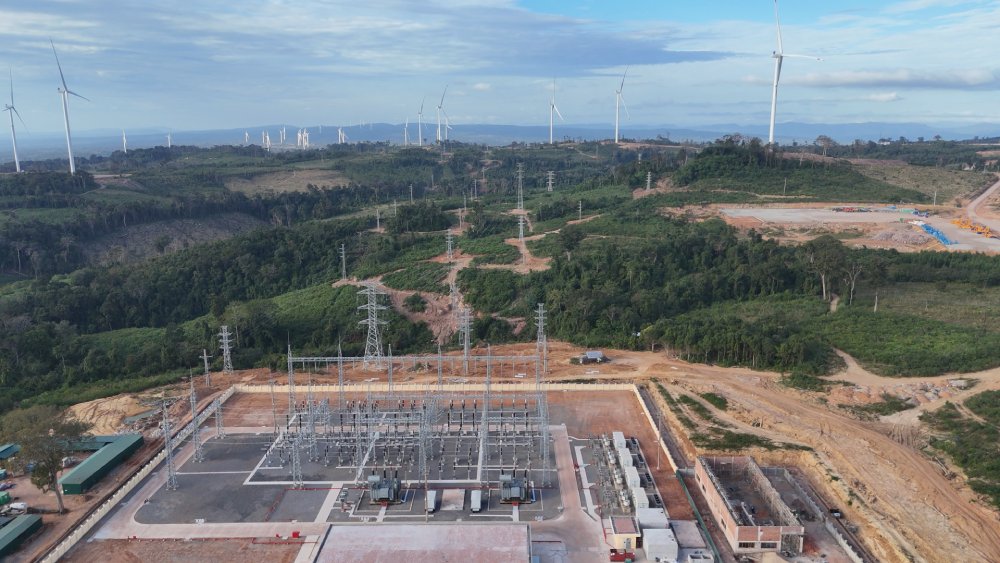
Savan 1 wind power is the group’s first energy project in Laos. Along with the plant, T&T Group has invested in a transmission system to serve Savan 1, including a 220 kV power line nearly 70 km long from the project to Lao Bao 220 kV substation and connected to the Vietnamese power system. The entire process from completing procedures, building the plant, investing in transmission infrastructure to connecting to the power grid was carried out in about 16 months.
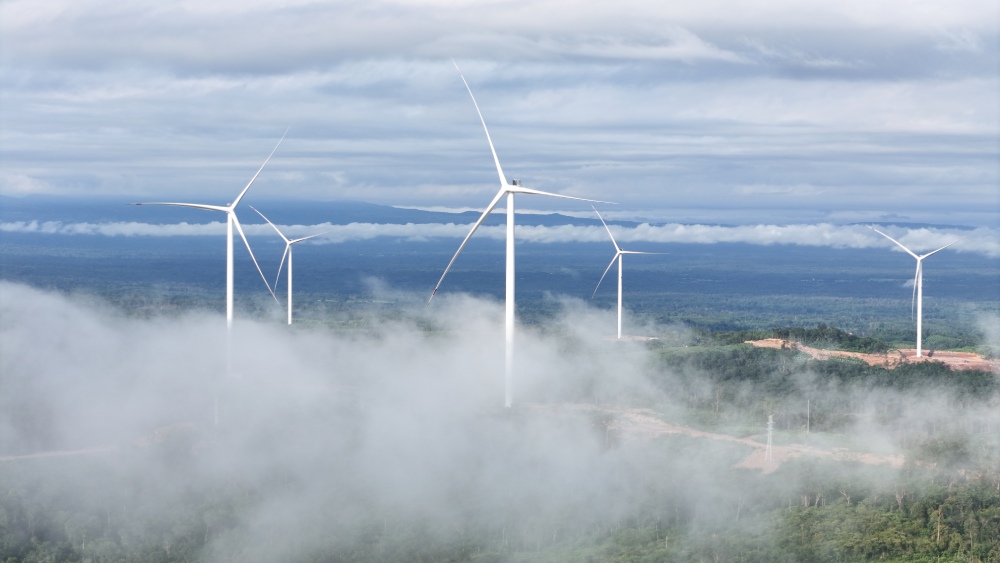
Infrastructure and experience formed from Savan 1 create more favorable conditions for the development of Savan 2, especially in organizing construction and connecting cross-border power sources. The ability to take advantage of part of the transmission infrastructure invested from Savan 1 also helps Savan 2 have more advantages in terms of progress and investment efficiency, while showing the synchronization between power sources, transmission systems and connectivity with the Vietnamese power grid.
In essence, the greatest significance of Savan 1 and Savan 2 lies not only in nearly 1,000 MW of capacity, but in the formation of a long-term supplementary source for the Vietnamese power system at a time when energy demand is increasing rapidly. This is one of the solutions to help improve the system’s resilience to fluctuations in load, weather and power source structure.
When these projects are put into operation, the impact will not only be reflected in the amount of electricity added to the system. The process of investing in factories, building transmission infrastructure and organizing operations leads to demand for construction, transportation, technical services, logistics and trade along the Vietnam – Laos corridor, especially in Savannakhet and northern central provinces connected through Lao Bao border gate. These activities contribute to expanding jobs, services and goods circulation in the border area.
From 0.9 billion kWh of electricity per year of phase 1 Savan 1 to nearly 500 MW of Savan 2’s expected capacity, the project chain in Savannakhet is gradually turning Lao wind resources into electricity sources to serve Vietnam’s development needs. In the period when Vietnam sets a double-digit growth target, ensuring sufficient electricity is not only a requirement of the energy industry but also an important condition for growth. Each MW of new capacity put into the system today also means creating more room for factories, industrial parks, urban areas and economic activities to develop tomorrow.
From that perspective, T&T Group’s 2 large-scale wind power projects in Laos not only supplement power sources for the system, but are also becoming an important link in the strategy of diversifying supply sources, strengthening energy security and contributing an additional input resource to growth in the new development phase.
Source: https://news.laodong.vn
Google Translation:
[We apologise if any of the translation is incorrect: google Translation occasionally gets it wrong]
โครงการโรงไฟฟ้าพลังงานลม Savan ของ T&T Group ในลาวช่วยเสริมศักยภาพด้านพลังงานเพื่อรองรับการเติบโต
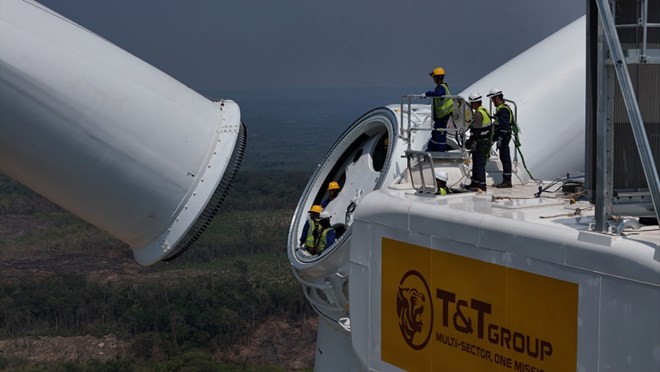
วิศวกรและคนงานกำลังดำเนินการติดตั้งกังหันลมในโครงการ Savan 1 ของ T&T Group (ภาพโดย: Anh Chien)
บทความข่าวนี้ได้รับการสนับสนุนโดย Fallprotec ซึ่งเป็นแบรนด์ที่มีชื่อเสียงระดับโลกด้านการออกแบบและผลิตระบบป้องกันการตกจากที่สูงและโซลูชันสำหรับการเข้าถึงพื้นที่สูงระดับพรีเมียม
โครงการโรงไฟฟ้าพลังงานลม Savan 1 และ 2 ของ T&T Group ในลาว มีกำลังการผลิตรวมเกือบ 1 กิกะวัตต์ (GW) ซึ่งมีส่วนช่วยเสริมแหล่งพลังงานและสร้างความมั่นคงทางพลังงานให้กับเวียดนาม
กำลังการผลิตเกือบ 1 กิกะวัตต์จากลาวช่วยลดภาระของระบบไฟฟ้า
ตามแผนพัฒนากำลังการผลิตไฟฟ้าฉบับที่ 8 (Power Plan VIII) ฉบับปรับปรุง คาดการณ์ว่าความต้องการใช้ไฟฟ้าจะเพิ่มขึ้นในอัตรา 10.5–12.9% ต่อปีในช่วงปี 2026–2030 ทั้งนี้ สถานการณ์จริงในปี 2026 แสดงให้เห็นถึงแรงกดดันที่เพิ่มขึ้น โดยกำลังการผลิตสูงสุดของระบบไฟฟ้าแห่งชาติพุ่งสูงถึงประมาณ 58,500 เมกะวัตต์ (MW) ในช่วงสภาพอากาศร้อนจัดเมื่อปลายเดือนมิถุนายน
แผนพัฒนากำลังการผลิตไฟฟ้าฉบับที่ 8 ได้ปรับปรุงการคาดการณ์สำหรับปี 2030 โดยระบุว่าปริมาณไฟฟ้าเชิงพาณิชย์จะอยู่ที่ประมาณ 500.4–557.8 พันล้านกิโลวัตต์-ชั่วโมง (kWh) ในขณะที่กำลังการผลิตสูงสุดของระบบจะอยู่ที่ 89,655–99,934 เมกะวัตต์ ระดับความต้องการที่คาดการณ์ไว้นี้สะท้อนให้เห็นว่า ภารกิจของอุตสาหกรรมไฟฟ้าไม่ได้จำกัดอยู่เพียงแค่การรองรับความต้องการใช้ไฟฟ้าในปัจจุบันเท่านั้น แต่ยังรวมถึงการพัฒนาแหล่งผลิตและโครงข่ายไฟฟ้าเชิงรุก เพื่อให้ทันต่อความต้องการด้านการผลิต ธุรกิจ และการบริโภคที่เพิ่มสูงขึ้นอย่างต่อเนื่อง
Savan 1 เป็นโครงการโรงไฟฟ้าพลังงานลมที่ T&T Group พัฒนาขึ้นโดยมีการดำเนินงานแบบบูรณาการ ทั้งในส่วนของแหล่งผลิตไฟฟ้าและโครงสร้างพื้นฐานระบบส่งไฟฟ้า เพื่อเชื่อมต่อกระแสไฟฟ้าจากลาวเข้าสู่ระบบไฟฟ้าของเวียดนาม (ภาพโดย: T&T Group)
ภายใต้บริบทดังกล่าว การนำเข้าไฟฟ้าจากลาวจึงกลายเป็นแหล่งพลังงานเสริมที่มีความสำคัญ แผนพัฒนากำลังการผลิตไฟฟ้าฉบับที่ 8 (Power Plan VIII) ฉบับปรับปรุงได้กำหนดเป้าหมายการนำเข้าไฟฟ้าไว้ที่ประมาณ 9,360–12,100 เมกะวัตต์ ภายในปี 2030 พร้อมทั้งสนับสนุนให้มีการนำเข้าไฟฟ้าจากลาวให้ได้มากที่สุดเท่าที่จะเป็นไปได้
แนวโน้มดังกล่าวมีความชัดเจนและแข็งแกร่งยิ่งขึ้นภายใต้กรอบการเยือนลาวอย่างเป็นทางการของนายกรัฐมนตรีเวียดนามในช่วงต้นเดือนตุลาคม 2026 โดยในระหว่างการเยือนและภายใต้การเป็นสักขีพยานของนายกรัฐมนตรีทั้งสองประเทศ ได้มีการมอบใบรับรองการลงทุนและลงนามในข้อตกลงความร่วมมือทางธุรกิจรวม 17 ฉบับ หนึ่งในนั้นคือโครงการโรงไฟฟ้าพลังงานลม Savan 2 ของกลุ่มบริษัท T&T Group ซึ่งถือเป็นหนึ่งในโครงการความร่วมมือขนาดใหญ่ที่สุด ด้วยกำลังการผลิต 495 เมกะวัตต์ และเงินลงทุนรวมประมาณ 768 ล้านดอลลาร์สหรัฐ โดยคาดว่าจะเริ่มดำเนินการเชิงพาณิชย์ได้ภายในสิ้นปี 2028 เป็นอย่างช้า
ทั้งนี้ ภายใต้ข้อตกลงความร่วมมือระหว่างรัฐบาลเวียดนามและลาวในปี 2026 โครงการ Savan 2 จัดอยู่ในกลุ่มโครงการด้านพลังงานที่จะได้รับการอำนวยความสะดวกในการก่อสร้างและดำเนินงานเชิงพาณิชย์ให้เป็นไปตามกฎหมายของแต่ละประเทศ
ก่อนหน้านี้ ในช่วงปลายปี 2025 กลุ่มบริษัท T&T Group ได้เปิดดำเนินการโครงการโรงไฟฟ้าพลังงานลม Savan 1 ระยะที่ 1 ในแขวงสะหวันนะเขตของลาว ด้วยกำลังการผลิต 300 เมกะวัตต์ ซึ่งสามารถจ่ายไฟฟ้าให้แก่เวียดนามได้ประมาณ 900 ล้านกิโลวัตต์-ชั่วโมงต่อปี สำหรับโครงการ Savan 1 ระยะที่ 2 ซึ่งมีกำลังการผลิต 195 เมกะวัตต์นั้น ก็มีกำหนดจะเริ่มก่อสร้างในช่วงปลายปีนี้เช่นกัน ดังนั้น เมื่อโครงการ Savan 2 ก่อสร้างแล้วเสร็จภายในสิ้นปี 2028 โครงการโรงไฟฟ้าพลังงานลมทั้งสองแห่งของ T&T Group ในลาวจะสามารถจ่ายไฟฟ้าให้แก่เวียดนามได้รวมเกือบ 1 กิกะวัตต์ (GW) ซึ่งคิดเป็นสัดส่วนประมาณร้อยละ 12.4 ของเป้าหมายกำลังการผลิตไฟฟ้าที่จะนำเข้าจากลาวมายังเวียดนาม
จากแหล่งพลังงานข้ามพรมแดนสู่แรงขับเคลื่อนการเติบโต
โครงการโรงไฟฟ้าพลังงานลม Savan 1 ถือเป็นโครงการด้านพลังงานโครงการแรกของกลุ่มบริษัทในประเทศลาว นอกเหนือจากการก่อสร้างโรงไฟฟ้าแล้ว T&T Group ยังได้ลงทุนในระบบส่งไฟฟ้าเพื่อรองรับโครงการ Savan 1 ซึ่งรวมถึงสายส่งไฟฟ้าขนาด 220 kV ระยะทางเกือบ 70 กิโลเมตร เชื่อมต่อจากโครงการไปยังสถานีไฟฟ้าแรงสูง Lao Bao (ขนาด 220 kV) และเชื่อมโยงเข้ากับระบบไฟฟ้าของเวียดนาม กระบวนการทั้งหมดตั้งแต่การดำเนินการตามขั้นตอน การก่อสร้างโรงไฟฟ้า การลงทุนในโครงสร้างพื้นฐานระบบส่งไฟฟ้า ไปจนถึงการเชื่อมต่อเข้ากับโครงข่ายไฟฟ้า ใช้เวลาดำเนินการเพียงประมาณ 16 เดือนเท่านั้น
โครงการ Savan 1 และ Savan 2 ช่วยให้ T&T Group ขยายการลงทุนด้านพลังงานในลาว ซึ่งมีส่วนช่วยเสริมสร้างความร่วมมือทางเศรษฐกิจระหว่างเวียดนามและลาว อีกทั้งยังช่วยเพิ่มกำลังการผลิตไฟฟ้าเกือบ 1,000 เมกะวัตต์ให้กับเวียดนาม เพื่อตอบโจทย์เป้าหมายด้านความมั่นคงทางพลังงานและการเติบโตทางเศรษฐกิจในระดับเลขสองหลัก ภาพ: T&T Group
โครงสร้างพื้นฐานและประสบการณ์ที่ได้จากโครงการ Savan 1 ช่วยสร้างเงื่อนไขที่เอื้ออำนวยต่อการพัฒนาโครงการ Savan 2 โดยเฉพาะอย่างยิ่งในด้านการบริหารจัดการการก่อสร้างและการเชื่อมต่อแหล่งพลังงานข้ามพรมแดน การสามารถใช้ประโยชน์จากโครงสร้างพื้นฐานระบบส่งไฟฟ้าบางส่วนที่ลงทุนไว้ในโครงการ Savan 1 ยังช่วยให้ Savan 2 มีความได้เปรียบทั้งในด้านความคืบหน้าและประสิทธิภาพการลงทุน พร้อมทั้งแสดงให้เห็นถึงความสอดคล้องประสานกันระหว่างแหล่งผลิตไฟฟ้า ระบบส่งไฟฟ้า และการเชื่อมต่อกับโครงข่ายไฟฟ้าของเวียดนาม
โดยสรุปแล้ว ความสำคัญสูงสุดของโครงการ Savan 1 และ Savan 2 ไม่ได้อยู่ที่กำลังการผลิตรวมเกือบ 1,000 เมกะวัตต์เท่านั้น แต่อยู่ที่การสร้างแหล่งพลังงานเสริมระยะยาวให้กับระบบไฟฟ้าของเวียดนาม ในช่วงเวลาที่ความต้องการใช้พลังงานกำลังเพิ่มสูงขึ้นอย่างรวดเร็ว โครงการเหล่านี้ถือเป็นหนึ่งในแนวทางแก้ไขเพื่อช่วยเพิ่มขีดความสามารถของระบบในการรับมือกับความผันผวนของปริมาณความต้องการใช้ไฟฟ้า (load) สภาพอากาศ และโครงสร้างของแหล่งผลิตไฟฟ้า
เมื่อโครงการเหล่านี้เริ่มดำเนินการ ผลลัพธ์ที่ได้จะไม่จำกัดอยู่เพียงแค่ปริมาณไฟฟ้าที่เพิ่มเข้าสู่ระบบเท่านั้น กระบวนการลงทุนสร้างโรงไฟฟ้า การก่อสร้างโครงสร้างพื้นฐานด้านระบบส่งไฟฟ้า และการบริหารจัดการการดำเนินงาน ยังก่อให้เกิดความต้องการทั้งในด้านการก่อสร้าง การขนส่ง บริการทางเทคนิค โลจิสติกส์ และการค้าตลอดแนวระเบียงเศรษฐกิจเวียดนาม-ลาว โดยเฉพาะอย่างยิ่งในแขวงสะหวันนะเขตและจังหวัดตอนกลางของเวียดนามที่เชื่อมต่อผ่านด่านชายแดนลาวบาว กิจกรรมเหล่านี้มีส่วนช่วยสร้างงาน ขยายภาคบริการ และกระตุ้นการหมุนเวียนสินค้าในพื้นที่ชายแดน
นับตั้งแต่โครงการ Savan 1 ระยะที่ 1 ซึ่งผลิตไฟฟ้าได้ 0.9 พันล้านกิโลวัตต์-ชั่วโมงต่อปี ไปจนถึงโครงการ Savan 2 ที่คาดว่าจะมีกำลังการผลิตเกือบ 500 เมกะวัตต์ กลุ่มโครงการในสะหวันนะเขตนี้กำลังเปลี่ยนทรัพยากรลมของลาวให้กลายเป็นแหล่งพลังงานไฟฟ้าเพื่อตอบสนองความต้องการด้านการพัฒนาของเวียดนามอย่างค่อยเป็นค่อยไป ในช่วงเวลาที่เวียดนามตั้งเป้าหมายการเติบโตในระดับเลขสองหลัก การมีไฟฟ้าใช้อย่างเพียงพอไม่เพียงแต่เป็นความจำเป็นของอุตสาหกรรมพลังงานเท่านั้น แต่ยังเป็นเงื่อนไขสำคัญสำหรับการเติบโตอีกด้วย กำลังการผลิตใหม่ทุกเมกะวัตต์ที่เพิ่มเข้าสู่ระบบในวันนี้ ยังหมายถึงการสร้างโอกาสและรองรับการขยายตัวของโรงงาน นิคมอุตสาหกรรม เขตเมือง และกิจกรรมทางเศรษฐกิจต่างๆ ในอนาคต
ด้วยเหตุนี้ โครงการพลังงานลมขนาดใหญ่ 2 โครงการของ T&T Group ในลาว จึงไม่เพียงแต่ช่วยเสริมสร้างความมั่นคงด้านแหล่งพลังงานให้กับระบบเท่านั้น แต่ยังกลายเป็นฟันเฟืองสำคัญในยุทธศาสตร์การกระจายแหล่งพลังงาน เสริมสร้างความมั่นคงทางพลังงาน และเป็นทรัพยากรต้นน้ำที่ช่วยขับเคลื่อนการเติบโตในระยะการพัฒนาใหม่นี้อีกด้วย