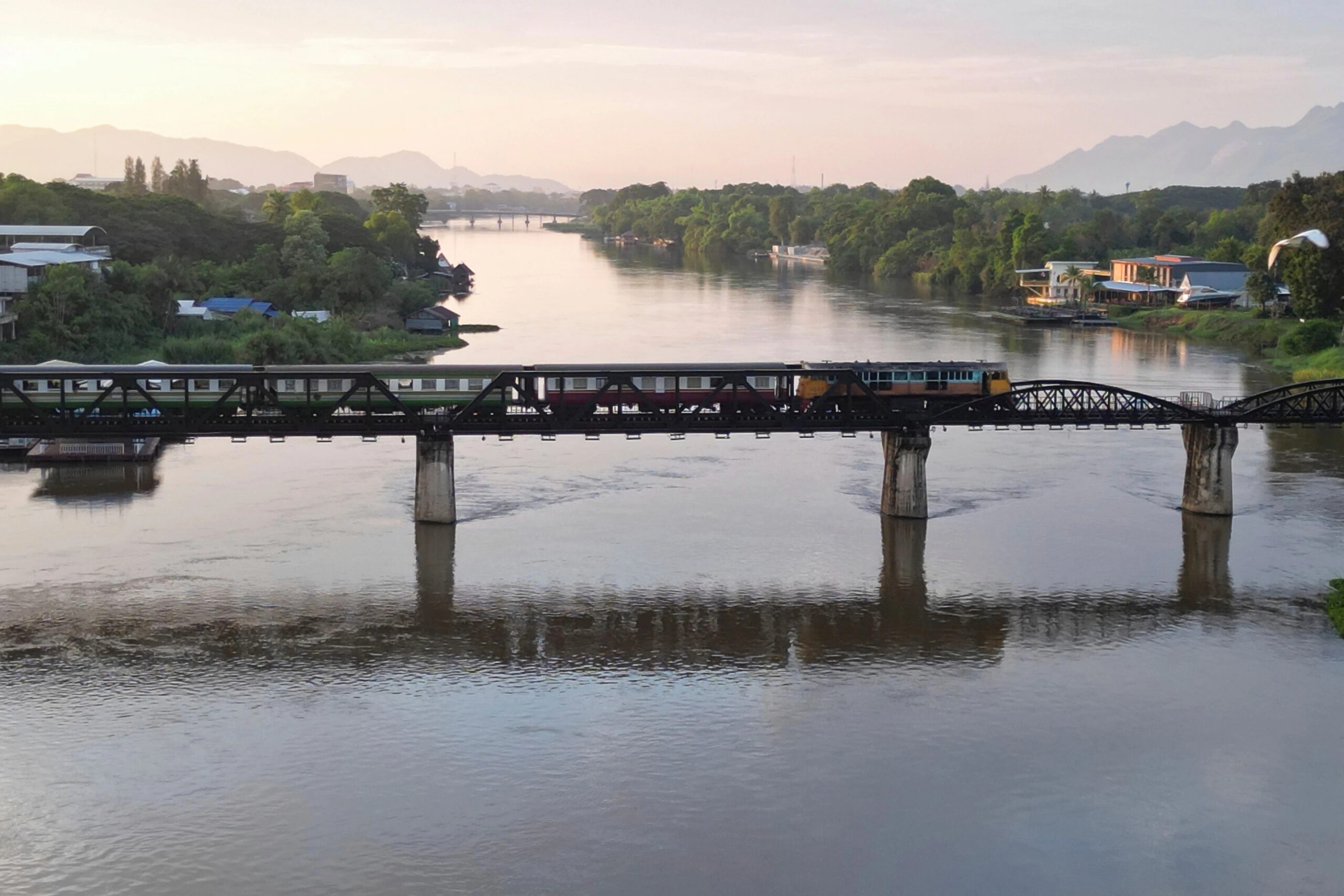
Remnants of Nithe train station on infamous WWII ‘Death Railway’ resurfaces from Thailand’s Vajiralongkorn reservoir in Kanchanaburi province
16 June 2026
NOTE: If you have an interest in the ‘Death Railway’ in Kanchanaburi province, check out the series of excellent videos at Explore TBR: https://www.youtube.com/@exploretbr
The video regarding Nithe station is this one: Nikke : Exploring the Thailand – Burma Railway
A depot on World War II’s infamous “Death Railway” has resurfaced from beneath a reservoir where the site has remained underwater for decades, prompting researchers to race to western Thailand to survey the remnants of Nithe Station.
Thousands of Allied prisoners of war and Asian laborers toiled and died building the railway, a supply route through mainland Southeast Asia for the occupying Japanese forces.
The Electricity Generating Authority of Thailand recently drained the reservoir at Vajiralongkorn Dam for maintenance, revealing the station. Historians are seizing the uncommon opportunity to further study the site in Kanchanaburi province for artifacts and to verify details.
But time is limited, as the completion of the dam’s maintenance in August and Southeast Asia’s rainy season may begin refilling the reservoir.
Nithe was a major station along the 415-kilometer (257-mile) railway that connected Thailand, known at the time as Siam, with Myanmar, known then as Burma.
The railway was built by about 60,000 Allied POWs mainly from Australia, the United Kingdom, the United States and Indonesia, known then as the Dutch East Indies, as well as hundreds of thousands of Asian laborers, whom the Japanese called römusha.
More than 12,500 of the POWs and 75,000 laborers died during construction, which inspired the widely used nickname “The Death Railway.”
The railway was featured in the classic 1957 film “The Bridge on the River Kwai” and the 2013 movie “The Railway Man.” It also was the focus of the award-winning novel “The Narrow Road to the Deep North,” which became a 2025 miniseries starring Australian actor Jacob Elordi.
Resurfaced station presents unique chance
Independent Australian researcher Martyn Fryer flew from Perth to see the site. His grandfather died as a POW working on the railway after his 1942 capture in Singapore.
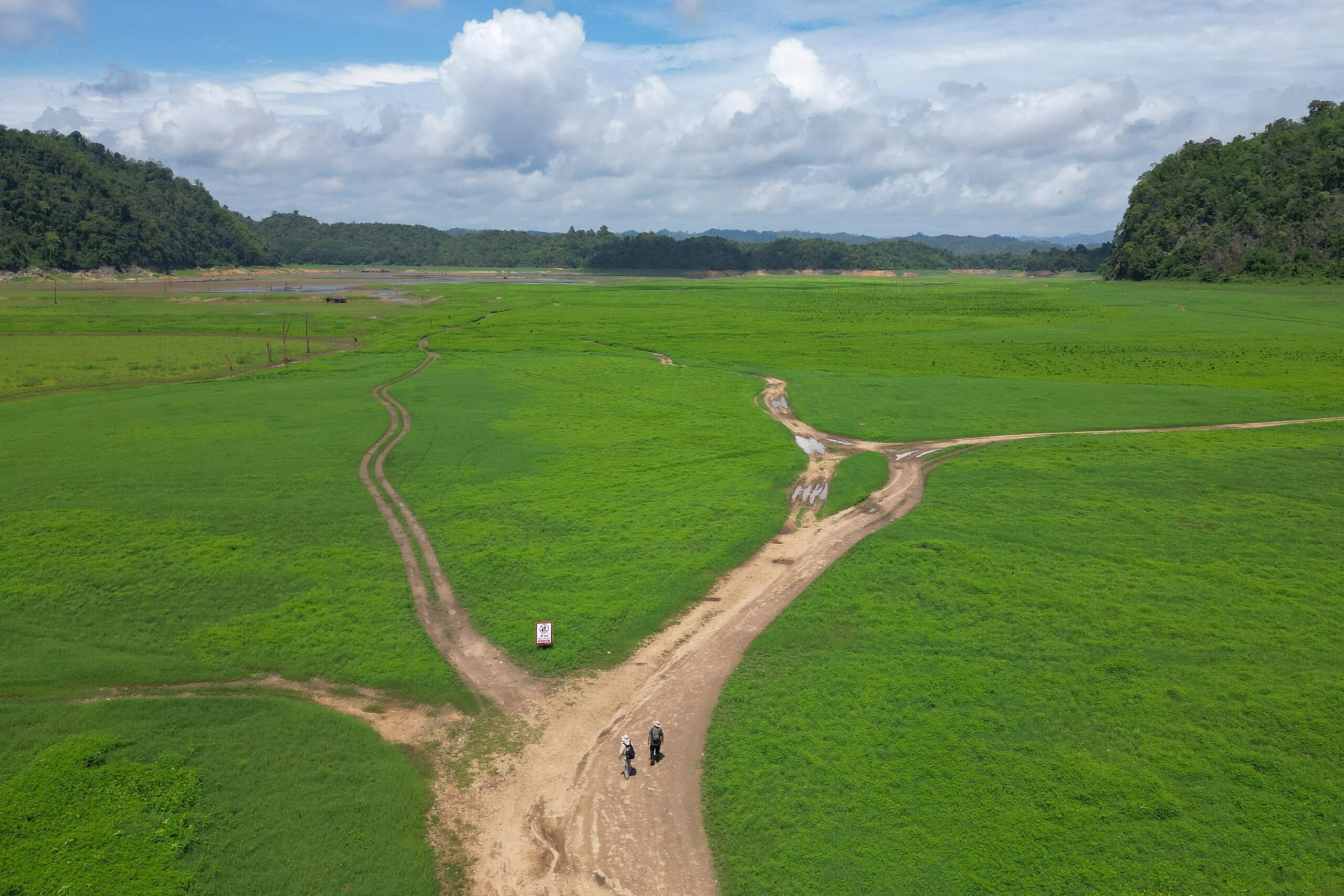
He stomped through muddy bogs in sweltering 38 Celsius (100 Fahrenheit) heat to “understand what those lads went through and to appreciate the country and the terrain that they endured.”
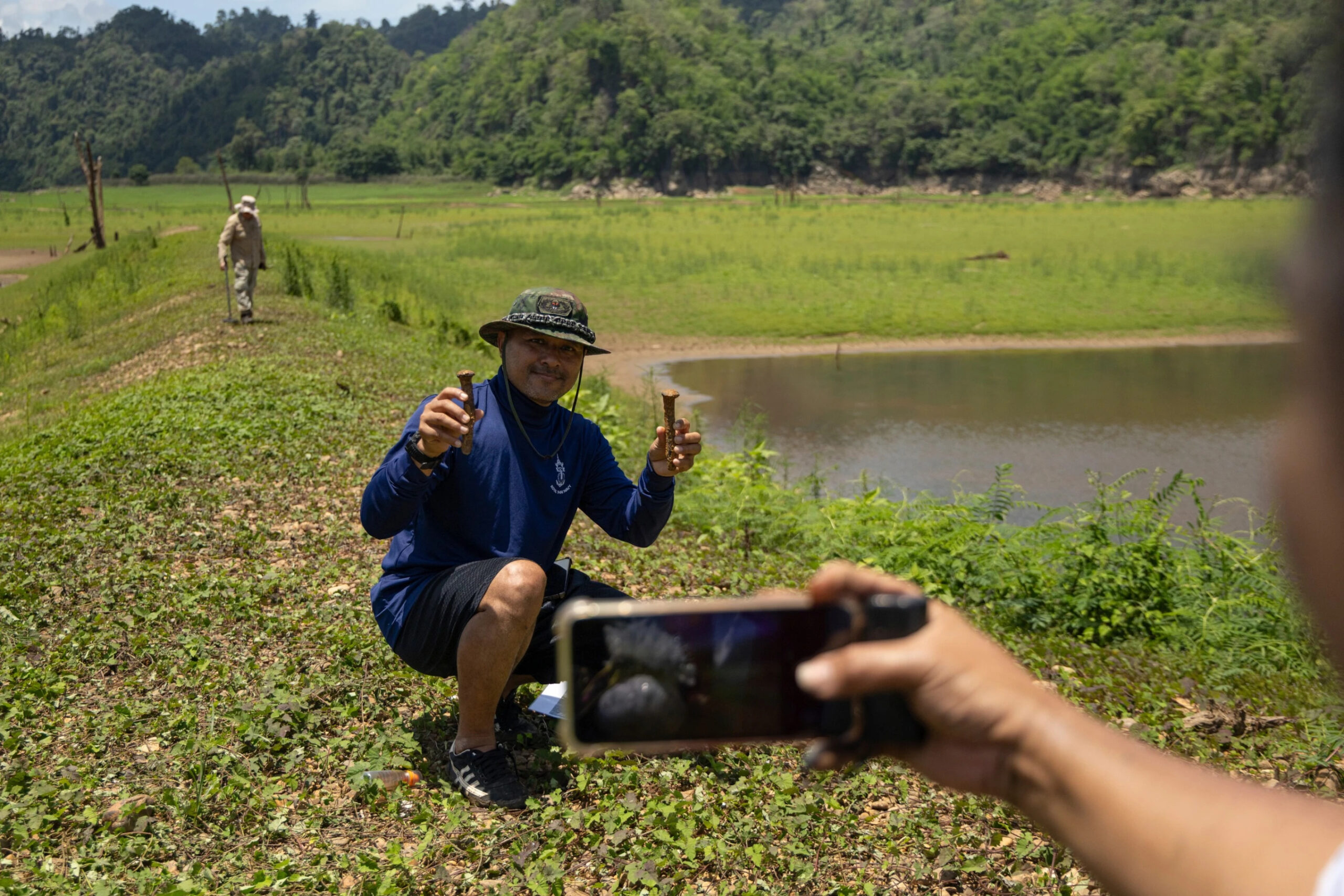
Fryer, who wrote a book about his grandfather’s regiment, titled “From the Woodlands to the Jungle,” scanned historic railway embankments with a metal detector. He found iron dog spikes, bridge staples and other war artifacts.
“I’ve been to Nithe Station three times in the past, but the water level has always been too high to actually really appreciate the fantastic offerings that it has with the remaining infrastructure and the layout of the railway itself,” Fryer said.
To locate POW camps in the area, Fryer compared wartime aerial photographs of Nithe from the National Archives in London with hand-charted maps brought by Andrew Snow, a researcher with the Thailand–Burma Railway Centre.
Like Fryer’s grandfather, Snow’s father was captured in Singapore and forced to work on the railway.
Southeast Asia’s dry season often exposes bits of the station. But the water levels hit a new low this year and drained so quickly that vegetation has not yet regrown, making Nithe easier to study, Snow explained.
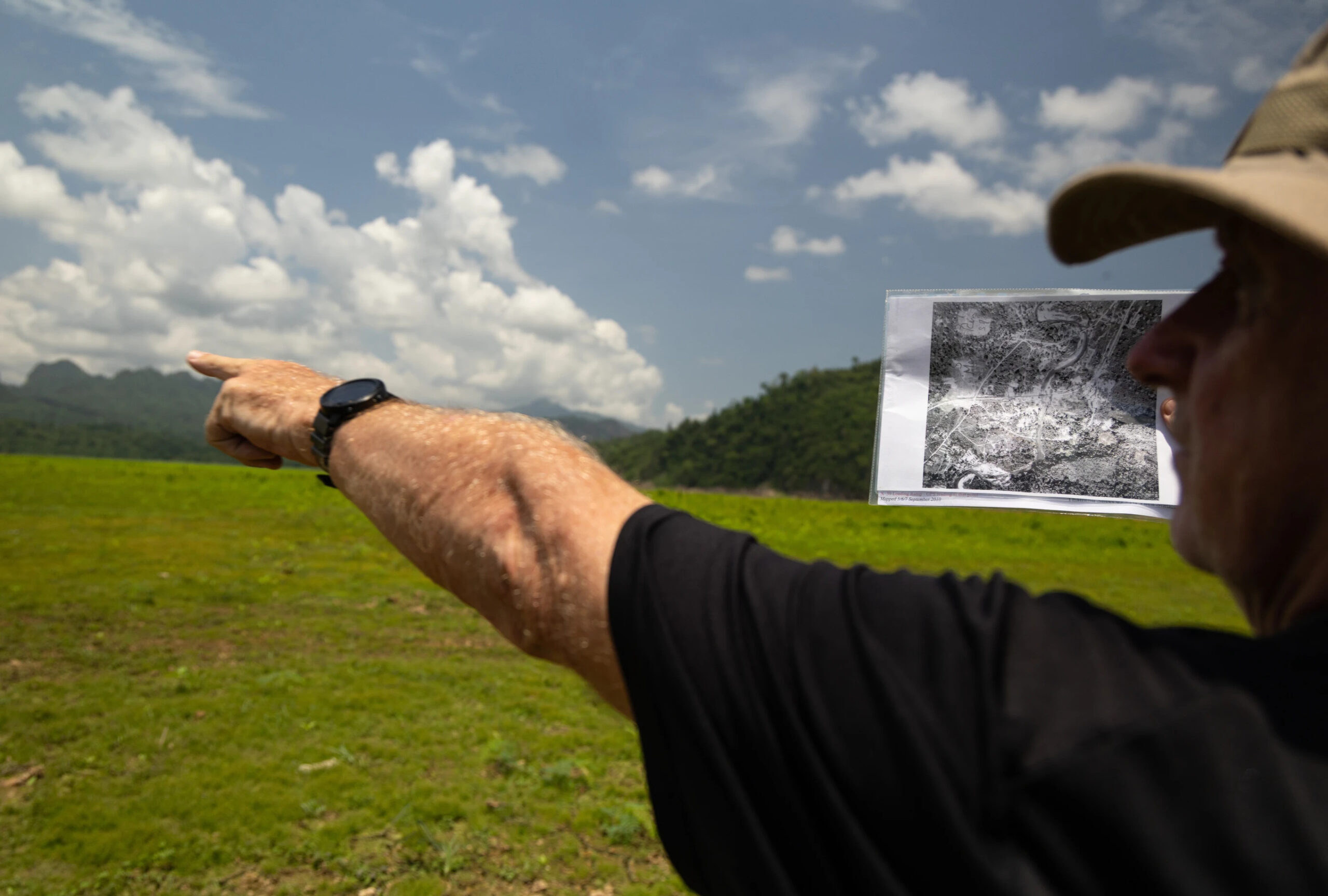
“It is a good opportunity for us to do some surveying,” he said. “When you’re dealing with relatives of people that worked on the railway, it’s always nice to be able to show them the areas that maybe their relative worked on.”
Hundreds of Thai visitors have traveled to the area to see the “rare incident,” said Kitti Laokham, a 47-year-old local resident whose posts of Nithe have racked up 32 million views on social media.
Channarong Noimala saw the videos online and motorbiked 350 kilometers (217 miles) northwest from Bangkok to see the exposed station.
“At least for those who died here, no matter whether they are laborers or prisoners of war, we can remember them,” Noimala said.
War history preservation continues
About 100 kilometers (60 miles) of winding mountain roads southwest of Nithe is Hellfire Pass, a brutal section of mountain where hundreds of POWs died.
The Hellfire Pass Interpretive Centre, funded by the Australian government, received a record-breaking 169,000 visitors last year, which also marked the 80th anniversary of the end of World War II.
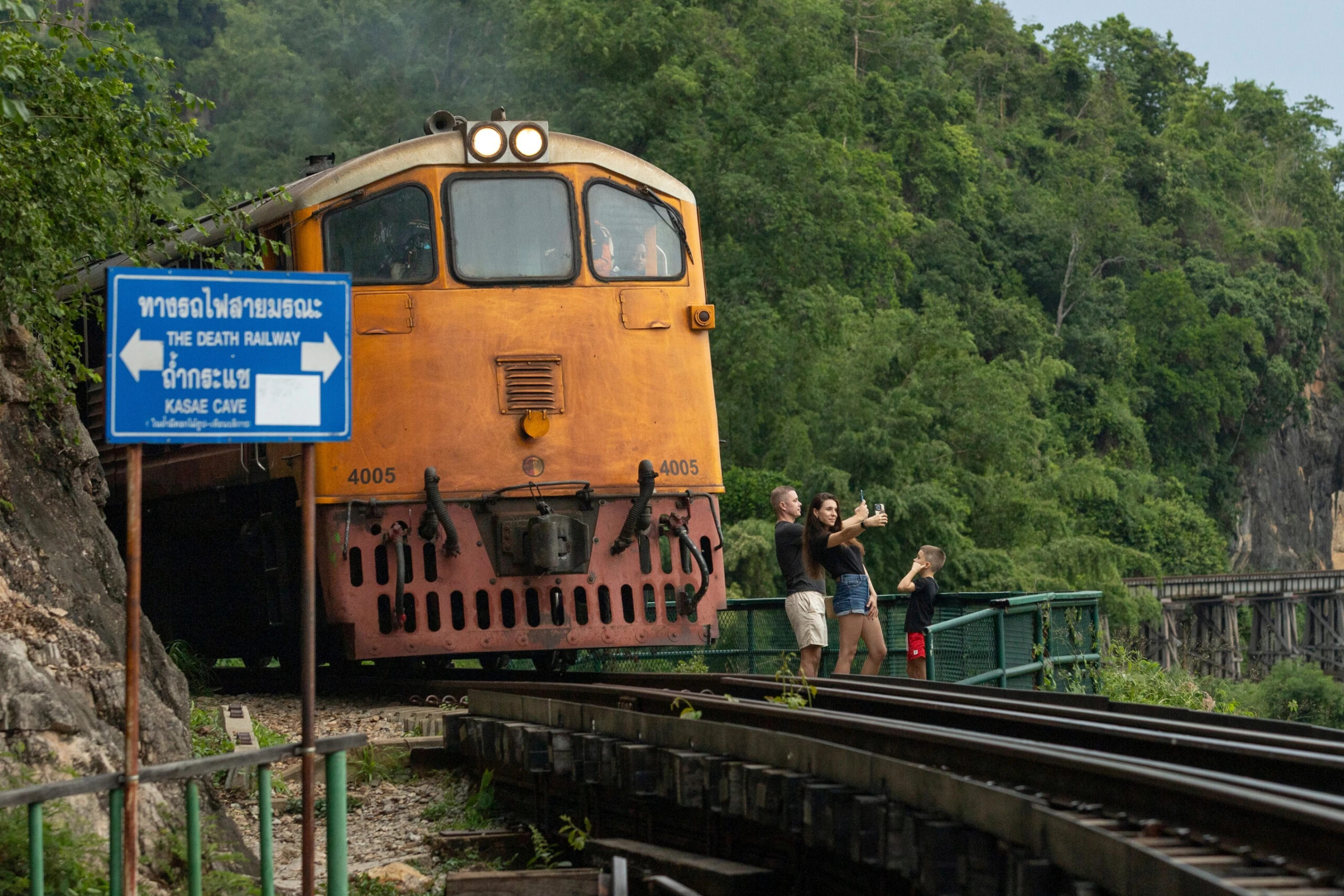
“As time passes, places like Hellfire Pass become even more important,” said Mick Clarke, an Australian Army veteran who manages the center. “They keep personal stories alive and help future generations understand the cost of war.”
Around 22,000 Australians became POWs during the war and about 13,000 worked on the railway, with 2,800 dying during construction, according to Australia’s Department of Veterans’ Affairs.
“For many Australians, Hellfire Pass is deeply personal,” Clarke said. “It connects families and the nation to a difficult but important chapter of wartime history.”
Associated Press writer Ladawan Sondak contributed to this report.
Source: https://apnews.com/article/thailand-world-war-ii-river-kwai-death-railway-699d0fcbd49590c82a73f85cd976bf98
Google Translation:
ซากสถานีรถไฟนิเธะ บนทางรถไฟสายมรณะอันเลื่องชื่อในสงครามโลกครั้งที่ 2 โผล่ขึ้นมาจากอ่างเก็บน้ำวชิราลงกรณ์ จังหวัดกาญจนบุรี ประเทศไทย
16 มิถุนายน 2569
อ่านเพิ่มเติม: สถานีรถไฟจมน้ำสมัยสงครามโลกครั้งที่ 2 ในสังขละบุรี จังหวัดกาญจนบุรี ประเทศไทย โผล่ขึ้นมาอีกครั้งหลังจากจมอยู่ใต้น้ำ 42 ปี
หมายเหตุ: หากคุณสนใจ “ทางรถไฟสายมรณะ” ในจังหวัดกาญจนบุรี โปรดดูวิดีโอชุดที่ยอดเยี่ยมได้ที่ Explore TBR: https://www.youtube.com/@exploretbr
วิดีโอเกี่ยวกับสถานีนิเธะคือวิดีโอนี้: Nikke : Exploring the Thailand – Burma Railway
สถานีรถไฟบน “ทางรถไฟสายมรณะ” อันเลื่องชื่อในสงครามโลกครั้งที่ 2 ได้โผล่ขึ้นมาจากใต้อ่างเก็บน้ำซึ่งจมอยู่ใต้น้ำมานานหลายทศวรรษ ทำให้ทีมนักวิจัยเร่งเดินทางไปยังภาคตะวันตกของประเทศไทยเพื่อสำรวจซากสถานีนิเธะ
เชลยศึกฝ่ายสัมพันธมิตรและแรงงานชาวเอเชียหลายพันคนทำงานหนักและเสียชีวิตในการสร้างทางรถไฟ ซึ่งเป็นเส้นทางลำเลียงเสบียงผ่านแผ่นดินใหญ่เอเชียตะวันออกเฉียงใต้สำหรับกองกำลังญี่ปุ่นที่เข้ายึดครอง
เมื่อเร็ว ๆ นี้ การไฟฟ้าฝ่ายผลิตแห่งประเทศไทยได้ระบายน้ำออกจากอ่างเก็บน้ำเขื่อนวชิราลงกรณ์เพื่อการบำรุงรักษา ทำให้พบสถานีรถไฟแห่งนี้ นักประวัติศาสตร์กำลังใช้โอกาสอันไม่ธรรมดานี้ในการศึกษาพื้นที่ในจังหวัดกาญจนบุรีเพิ่มเติมเพื่อค้นหาโบราณวัตถุและตรวจสอบรายละเอียด
แต่เวลามีจำกัด เนื่องจากเมื่อการบำรุงรักษาเขื่อนเสร็จสิ้นในเดือนสิงหาคมและฤดูฝนของเอเชียตะวันออกเฉียงใต้ น้ำในอ่างเก็บน้ำอาจเริ่มกลับมาเต็มอีกครั้ง
นิทเทเป็นสถานีสำคัญแห่งหนึ่งตามทางรถไฟยาว 415 กิโลเมตร (257 ไมล์) ที่เชื่อมประเทศไทย ซึ่งในขณะนั้นรู้จักกันในชื่อสยาม กับเมียนมาร์ ซึ่งในขณะนั้นรู้จักกันในชื่อพม่า
ทางรถไฟสายนี้สร้างขึ้นโดยเชลยศึกฝ่ายสัมพันธมิตรประมาณ 60,000 คน ส่วนใหญ่มาจากออสเตรเลีย สหราชอาณาจักร สหรัฐอเมริกา และอินโดนีเซีย (ซึ่งในขณะนั้นรู้จักกันในชื่อดัตช์อีสต์อินเดีย) รวมถึงแรงงานชาวเอเชียอีกหลายแสนคน ซึ่งชาวญี่ปุ่นเรียกว่า โรมูชา
เชลยศึกกว่า 12,500 คน และแรงงาน 75,000 คน เสียชีวิตระหว่างการก่อสร้าง ซึ่งเป็นที่มาของชื่อเล่นที่ใช้กันอย่างแพร่หลายว่า “ทางรถไฟสายมรณะ”
ทางรถไฟสายนี้ปรากฏในภาพยนตร์คลาสสิกปี 1957 เรื่อง “สะพานข้ามแม่น้ำแคว” และภาพยนตร์ปี 2013 เรื่อง “คนรถไฟ” นอกจากนี้ยังเป็นจุดสนใจของนวนิยายที่ได้รับรางวัลเรื่อง “ถนนแคบสู่แดนเหนือ” ซึ่งถูกนำมาสร้างเป็นมินิซีรีส์ในปี 2025 นำแสดงโดยนักแสดงชาวออสเตรเลีย เจคอบ เอลอร์ดี
สถานีที่ได้รับการปรับปรุงใหม่นี้มอบโอกาสพิเศษ
นักวิจัยอิสระชาวออสเตรเลีย มาร์ติน ฟรายเออร์ บินจากเพิร์ธเพื่อมาดูสถานที่แห่งนี้ ปู่ของเขาเสียชีวิตในฐานะเชลยศึกขณะทำงานบนทางรถไฟหลังจากถูกจับในสิงคโปร์ในปี 1942
เขาลุยไปในบึงโคลนท่ามกลางความร้อนระอุ 38 องศาเซลเซียส (100 องศาฟาเรนไฮต์) เพื่อ “ทำความเข้าใจสิ่งที่เหล่าทหารเหล่านั้นต้องเผชิญ และเพื่อชื่นชมประเทศและภูมิประเทศที่พวกเขาต้องทนทุกข์ทรมาน”
ฟรายเออร์ ผู้เขียนหนังสือเกี่ยวกับกองทหารของปู่ของเขา ชื่อ “จากป่าไม้สู่ป่าดงดิบ” ได้ใช้เครื่องตรวจจับโลหะสำรวจคันดินทางรถไฟเก่าแก่ เขาพบตะปูเหล็ก หมุดยึดสะพาน และสิ่งประดิษฐ์จากสงครามอื่นๆ
“ผมเคยไปสถานีนิธมาแล้วสามครั้ง แต่ระดับน้ำสูงเกินไปจนไม่สามารถชื่นชมโครงสร้างพื้นฐานที่เหลืออยู่และผังทางรถไฟได้อย่างแท้จริง” ฟรายเออร์กล่าว
เพื่อระบุตำแหน่งค่ายเชลยศึกในพื้นที่ ฟรายเออร์ได้เปรียบเทียบภาพถ่ายทางอากาศของนิธในช่วงสงครามจากหอจดหมายเหตุแห่งชาติในลอนดอน กับแผนที่ที่แอนดรูว์ สโนว์ นักวิจัยจากศูนย์ทางรถไฟไทย-พม่า นำมาด้วย
เช่นเดียวกับปู่ของฟรายเออร์ พ่อของสโนว์ก็ถูกจับตัวในสิงคโปร์และถูกบังคับให้ทำงานในทางรถไฟ
ฤดูแล้งของเอเชียตะวันออกเฉียงใต้มักจะเผยให้เห็นบางส่วนของสถานีรถไฟ แต่ระดับน้ำลดลงต่ำสุดเป็นประวัติการณ์ในปีนี้และระบายออกไปอย่างรวดเร็วจนพืชพรรณยังไม่เจริญเติบโต ทำให้การศึกษาสถานีรถไฟนิเธะง่ายขึ้น สโนว์อธิบาย
“นี่เป็นโอกาสที่ดีสำหรับเราในการสำรวจ” เขากล่าว “เมื่อคุณติดต่อกับญาติของคนที่เคยทำงานในทางรถไฟ มันเป็นเรื่องดีเสมอที่จะได้แสดงให้พวกเขาเห็นพื้นที่ที่ญาติของพวกเขาอาจเคยทำงาน”
นักท่องเที่ยวชาวไทยหลายร้อยคนเดินทางมายังพื้นที่นี้เพื่อชม “เหตุการณ์ที่หาได้ยาก” กิตติ ลาโอคำ ชาวบ้านวัย 47 ปี กล่าว ซึ่งโพสต์ของเธอเกี่ยวกับสถานีรถไฟนิเธะได้รับยอดวิวถึง 32 ล้านครั้งบนโซเชียลมีเดีย
ชันนรงค์ นอยมาลา เห็นวิดีโอออนไลน์และขี่มอเตอร์ไซค์เป็นระยะทาง 350 กิโลเมตร (217 ไมล์) ไปทางตะวันตกเฉียงเหนือจากกรุงเทพฯ เพื่อมาดูสถานีรถไฟที่โผล่พ้นน้ำ
“อย่างน้อยสำหรับผู้ที่เสียชีวิตที่นี่ ไม่ว่าพวกเขาจะเป็นคนงานหรือเชลยศึก เราก็สามารถจดจำพวกเขาได้” โนอิมาลา กล่าว
การอนุรักษ์ประวัติศาสตร์สงครามยังคงดำเนินต่อไป
ถนนบนภูเขาที่คดเคี้ยวไปทางตะวันตกเฉียงใต้ของนิทธ์ยาวประมาณ 100 กิโลเมตร (60 ไมล์) คือช่องเขาเฮลไฟร์พาส ซึ่งเป็นส่วนหนึ่งของภูเขาที่โหดร้ายซึ่งมีเชลยศึกหลายร้อยคนเสียชีวิต
ศูนย์ตีความช่องเขาเฮลไฟร์พาส ซึ่งได้รับทุนสนับสนุนจากรัฐบาลออสเตรเลีย ได้รับผู้เข้าชมมากเป็นประวัติการณ์ถึง 169,000 คนเมื่อปีที่แล้ว ซึ่งเป็นปีครบรอบ 80 ปีของการสิ้นสุดสงครามโลกครั้งที่สองด้วย
“เมื่อเวลาผ่านไป สถานที่อย่างช่องเขาเฮลไฟร์พาสก็ยิ่งมีความสำคัญมากขึ้น” มิก คลาร์ก อดีตทหารบกออสเตรเลียผู้จัดการศูนย์กล่าว “พวกเขารักษาเรื่องราวส่วนบุคคลให้คงอยู่และช่วยให้คนรุ่นหลังเข้าใจถึงความสูญเสียจากสงคราม”
จากข้อมูลของกระทรวงกิจการทหารผ่านศึกของออสเตรเลีย ชาวออสเตรเลียประมาณ 22,000 คนตกเป็นเชลยศึกในช่วงสงคราม และประมาณ 13,000 คนทำงานในทางรถไฟ โดยมี 2,800 คนเสียชีวิตระหว่างการก่อสร้าง
“สำหรับชาวออสเตรเลียหลายคน เฮลไฟร์พาสมีความสำคัญส่วนตัวอย่างยิ่ง” คลาร์กกล่าว “มันเชื่อมโยงครอบครัวและประเทศชาติเข้ากับบทบาทที่ยากลำบากแต่สำคัญในประวัติศาสตร์ช่วงสงคราม”
ลาดาวัน ซอนดัก ผู้สื่อข่าวของสำนักข่าวเอพี ร่วมเขียนรายงานนี้