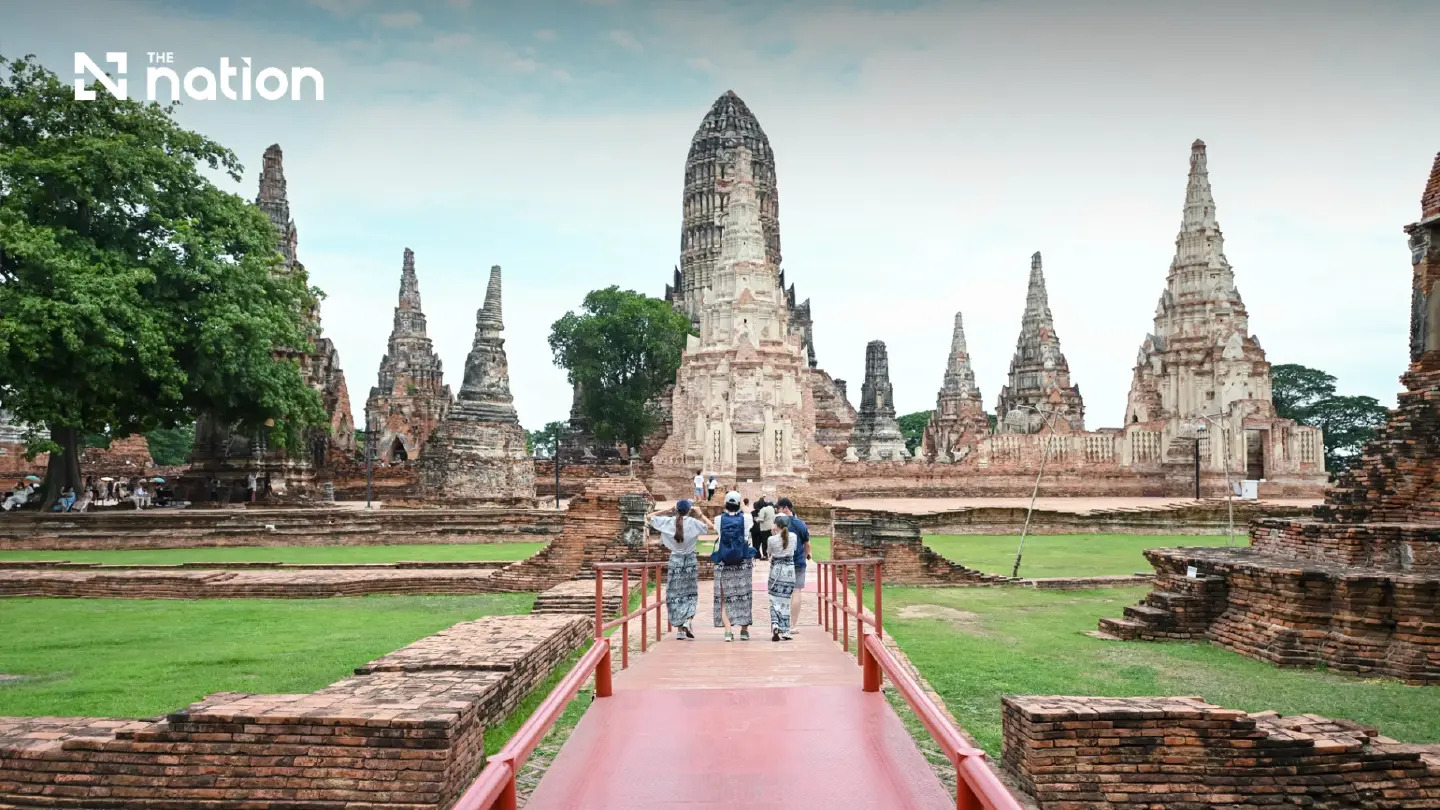
 Ayutthaya’s Wat Chaiwatthanaram: The Temple That Rose Again
- Wat Chaiwatthanaram was severely damaged by major flooding in 2011, which submerged the historic site and threatened its structural integrity.
- A 12-year, $1.8-million restoration project, a joint effort between the U.S. government, Thailand’s Fine Arts Department, and the World Monuments Fund, was undertaken to repair the flood damage.
- The project not only restored the temple’s structures but also established it as a model for conservation-led tourism, integrating preservation with public engagement.
- As a result of its successful restoration, the temple is now viewed as a “temple reborn” and has gained international acclaim, including being named one of National Geographic’s top travel destinations for 2025.
A field visit to Wat Chaiwatthanaram traces the 12-year, $1.8-million restoration that turned flood damage into a model for conservation-led tourism.
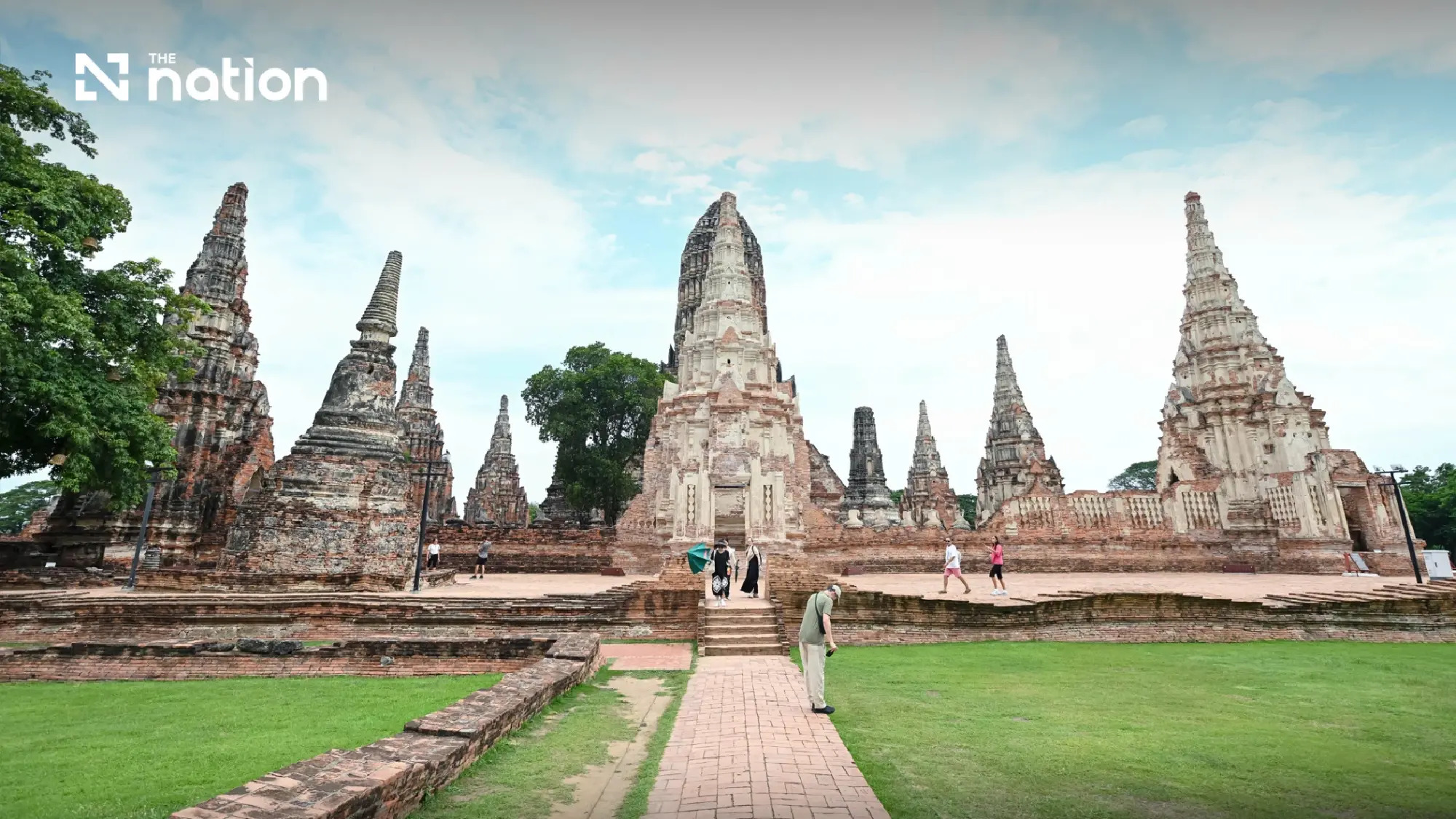
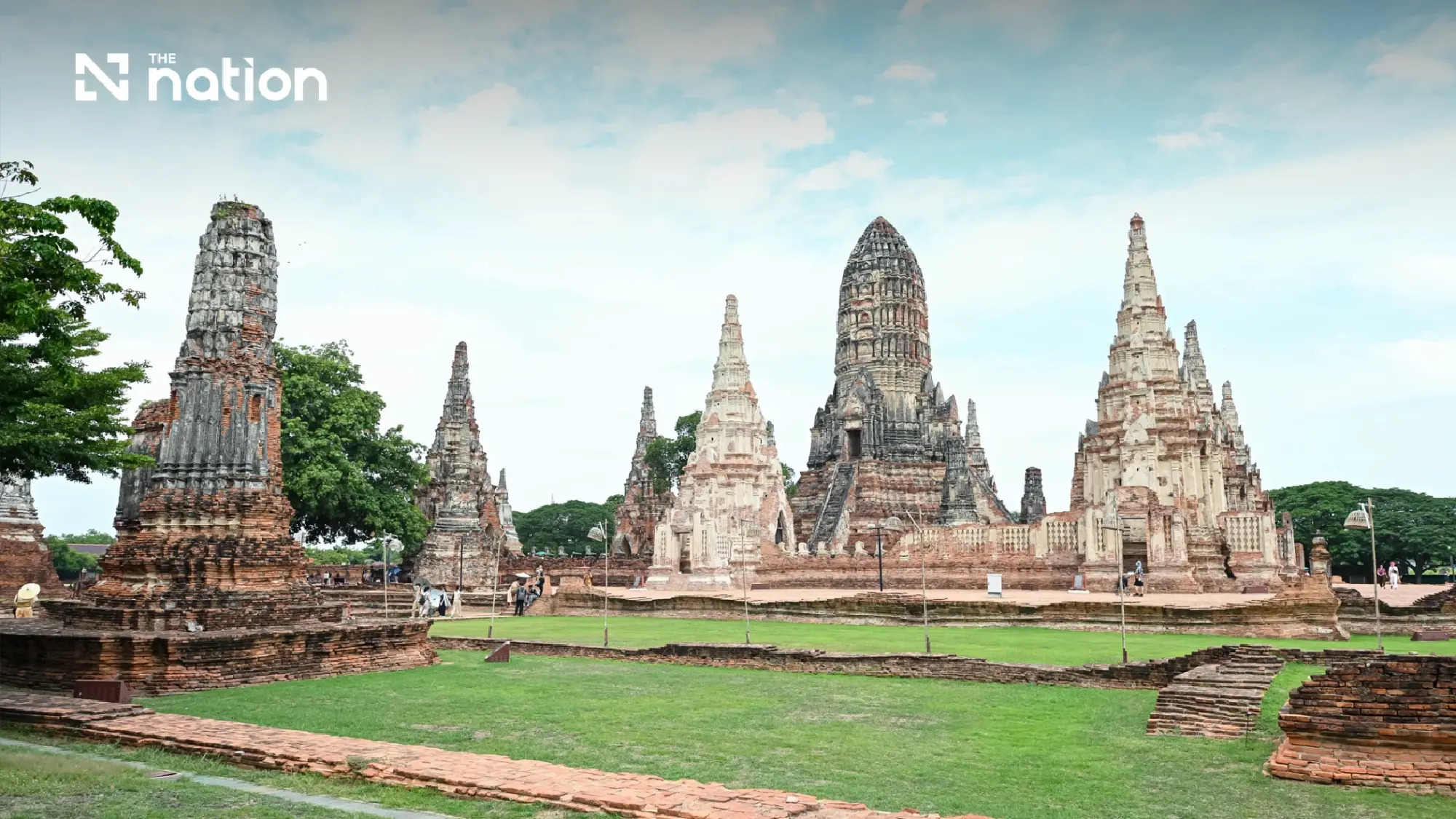 On the west bank of the Chao Phraya River, where the light turns the brick towers to gold each evening, Wat Chaiwatthanaram no longer looks like a monument merely surviving history. It looks restored — deliberately, patiently, and with a purpose that extends well beyond its own walls.
That was the impression left after a recent field visit with the Public Relations Department, where an expert from the Fine Arts Department walked visitors through the temple’s 400-year story: from its construction under King Prasat Thong to its near-collapse in 2011 to its recognition today as one of Thailand’s clearest examples of what conservation can do for a place – and for the people who visit it.
A temple built on grief and grandeur
Wat Chaiwatthanaram was raised roughly 400 years ago on land that once belonged to King Prasat Thong’s mother, built to house the ashes of his parents.
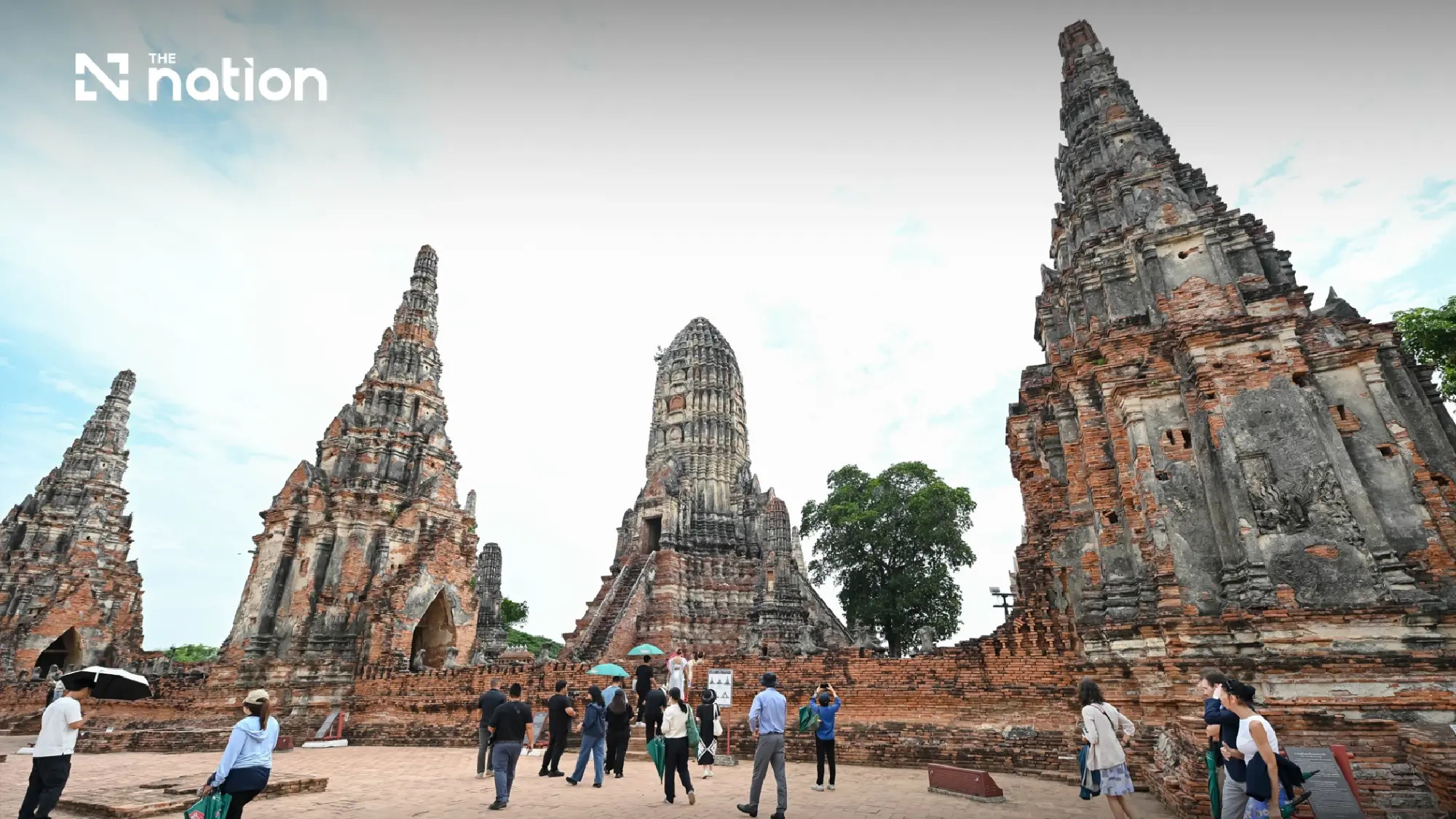 Its architecture, the Fine Arts Department guide explained on the visit, is a deliberate replica of Buddhist and Hindu cosmology – the central prang representing Mount Meru, ringed by smaller towers standing in for the moon, the sun, and the surrounding continents.
The ancient Khmer-influenced design, echoing Angkor Wat, was as political as it was spiritual: a declaration of royal legitimacy modelled on the grandeur of an older empire.
For a century, the temple served as a royal ceremonial site. Then, in 1767, the Burmese army razed Ayutthaya, ending 417 years of the city’s history as Siam’s capital.
The blackened brick still visible on parts of the structure is a direct legacy of those fires — left deliberately unrestored, the guide noted, because the scorch marks are themselves historical evidence, not damage to be erased.
The flood that forced a reckoning
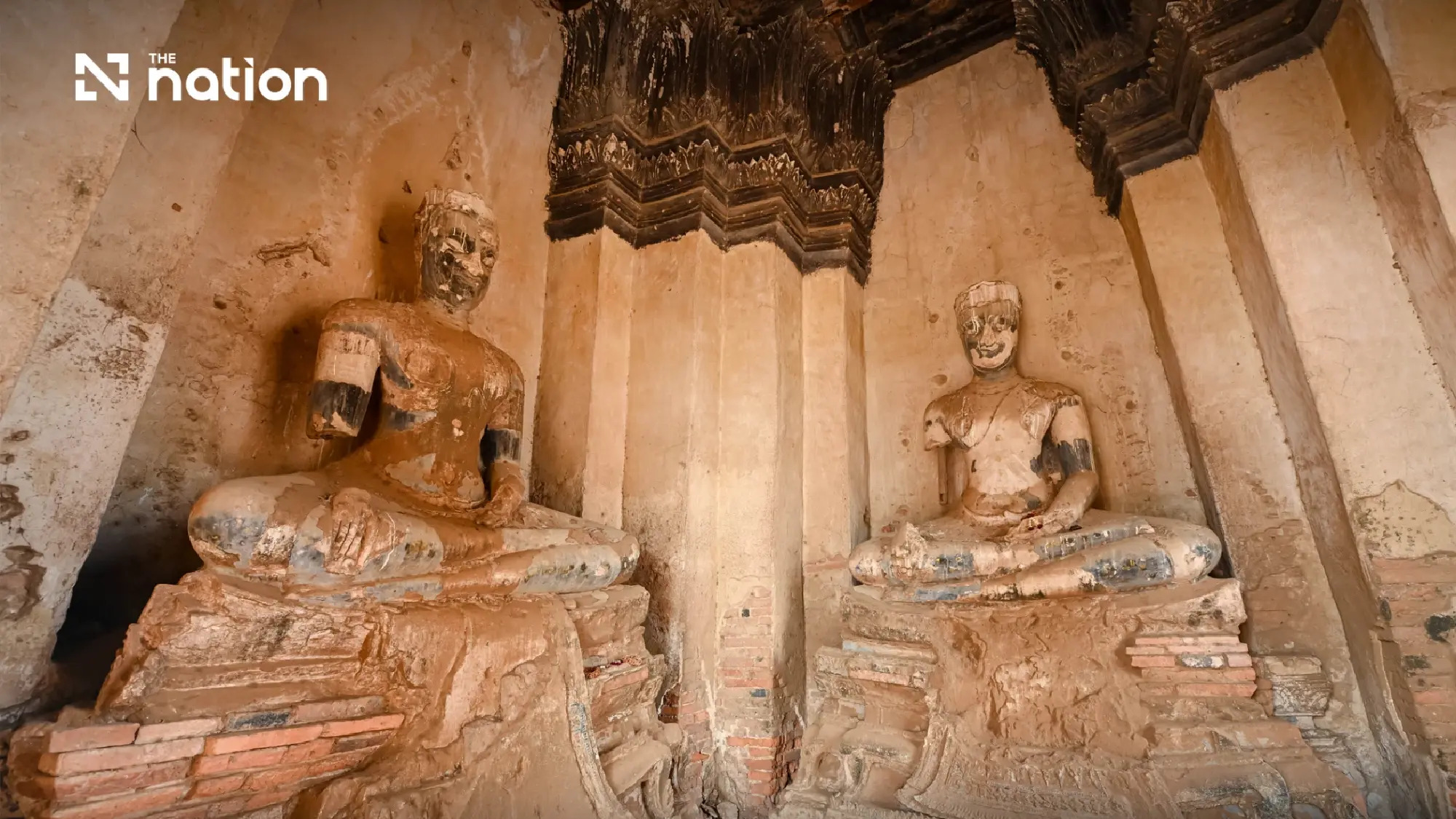 The temple’s more recent crisis came not from war but from water. Severe flooding in 2011 submerged Wat Chaiwatthanaram under roughly two metres of water, undermining brickwork, stucco, woodwork and centuries-old murals.
Of the temple’s original collection of Buddha images — some 300 in the surrounding corridor, several depicted uniquely as an emperor wearing a “cloud crown” — many had already lost their heads over the centuries, cut off for sale abroad or lost to natural decay. The 2011 floods threatened to accelerate that erosion further.
The response became one of the largest cultural heritage partnerships the United States has funded anywhere in the world. Beginning in 2012, the U.S. Ambassadors Fund for Cultural Preservation, Thailand’s Fine Arts Department and the World Monuments Fund launched a joint restoration project, ultimately running for twelve years and receiving a total of $1.8 million in American government funding across five phases.
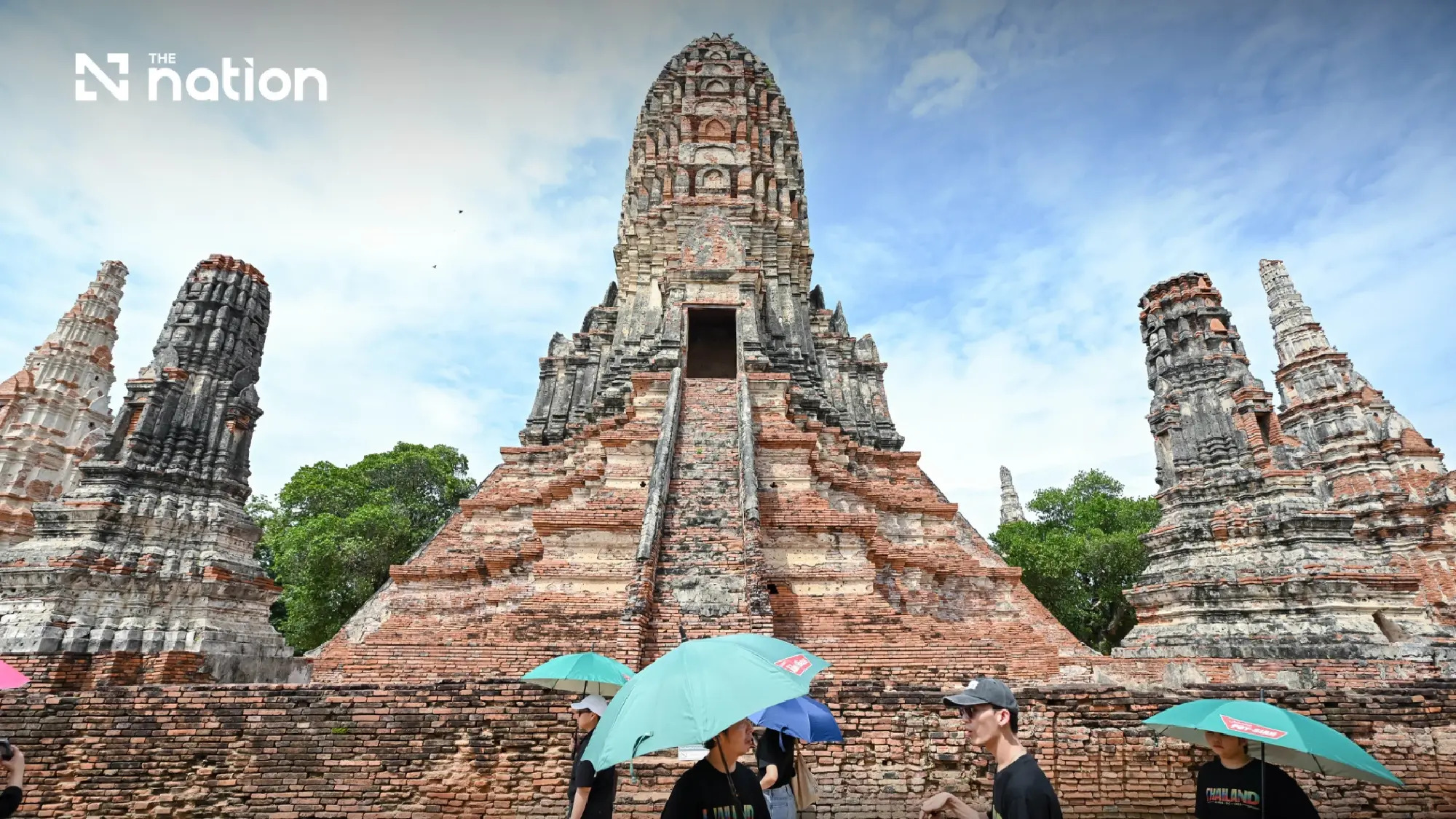 The work went well beyond patching cracks. Engineers designed and installed new drainage and flood-control systems, restored four Meru pavilions and their connecting cloisters, repaired mural paintings and Buddha statues, and used laser scanning and digital mapping to document the site with a precision that will guide future conservation work for decades.
The project closed formally on 15 November 2024, in a ceremony held — fittingly — on Loy Krathong Day, Thailand’s festival of light and water.
Conservation as a tourism strategy
What distinguishes the Wat Chaiwatthanaram project from a straightforward repair job is its second objective: using the restoration itself to strengthen tourism and community engagement, rather than treating them as separate concerns.
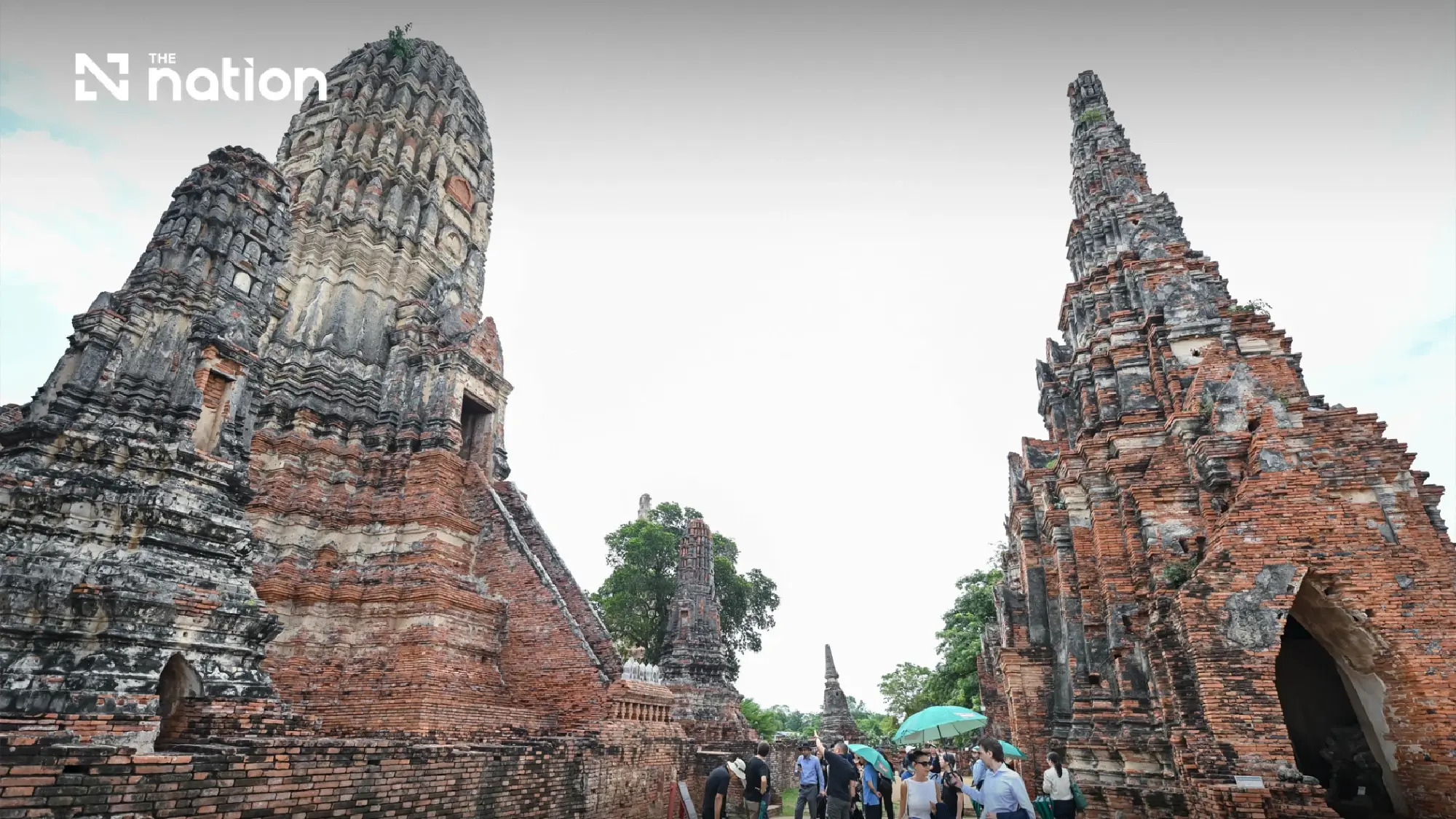 The World Monuments Fund has said the partnership helped position the Fine Arts Department for long-term stewardship of the site and created a template for how other Thai heritage sites might be preserved.
Alongside the physical works, the U.S. Embassy in Bangkok organised public education events for Thai students and produced short documentaries chronicling the restoration for wider audiences.
The results are already visible in how the temple is perceived internationally. Wat Chaiwatthanaram was named among National Geographic’s 25 Best Places to Visit in 2025, described in the list as a “temple reborn” – language that reflects not just aesthetic restoration but a broader recovery of the site’s identity as a living cultural landmark rather than a static ruin.
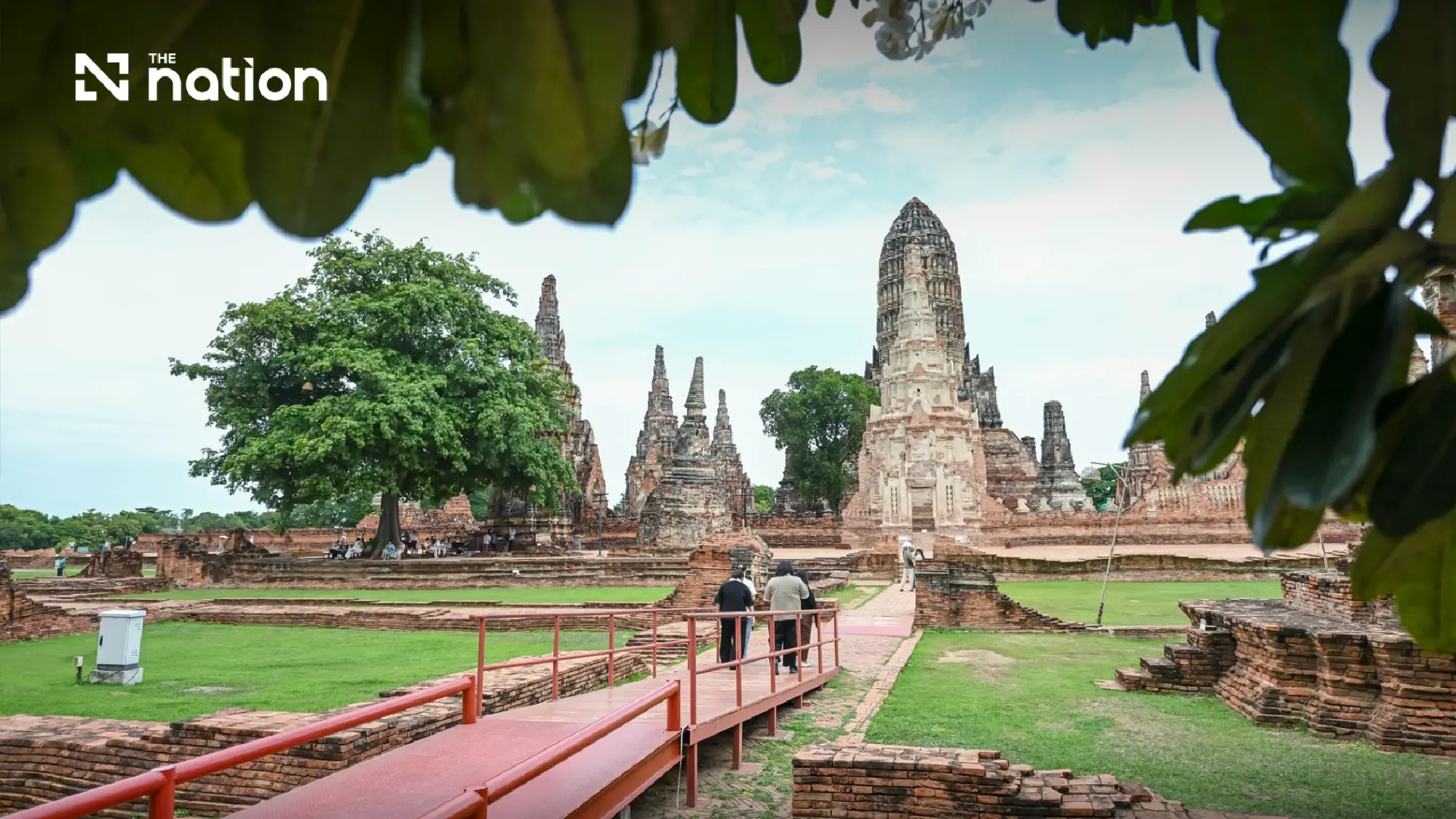 Today, the temple draws tourists steadily by day and, increasingly, at dusk, when its illuminated prangs form one of the most photographed silhouettes in Ayutthaya.
Visitors are asked not to climb the smaller, unfinished towers — a deliberate choice by the Fine Arts Department to protect fragile brick rather than complete structures that were, by design, never finished.
Around 40 per cent of the temple’s original valuable artefacts survive today; much of the recovered gold and statuary now sits in the nearby Chao Sam Phraya National Museum, forming a companion exhibition to the ruins themselves.
A living case study
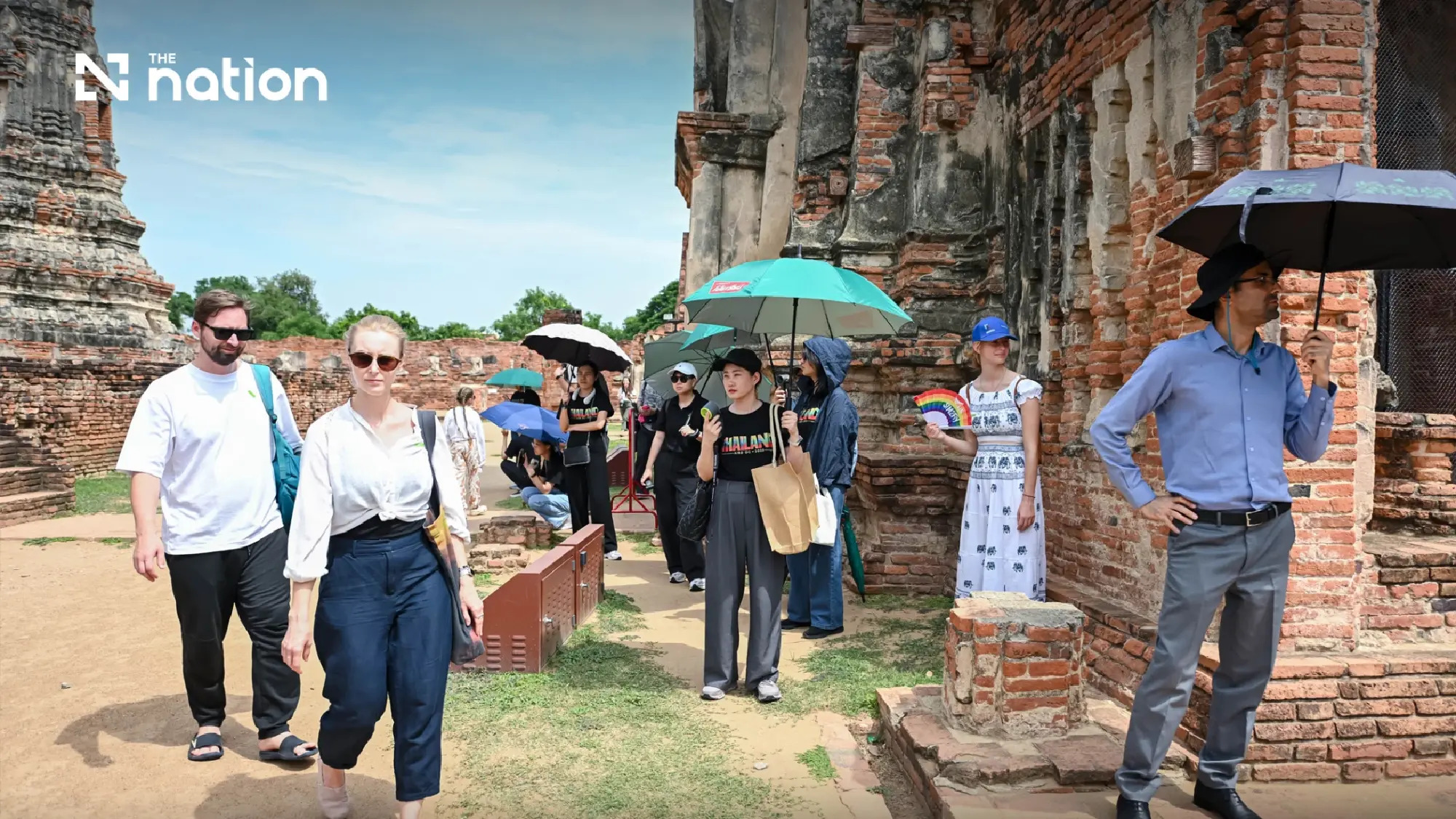 For Ayutthaya, a UNESCO World Heritage Site since 1991 and once one of the wealthiest trading capitals in Asia, Wat Chaiwatthanaram now functions as something more than a single restored building.
It stands as evidence that conservation and tourism need not compete — that careful, long-term investment in a fragile heritage site can, if managed well, deepen public interest rather than merely accommodate it.
As Fine Arts Department staff continue monitoring the temple’s flood defences and structural stability, the site has become something of a proving ground for how Thailand might approach heritage preservation elsewhere: not by freezing history in place, but by giving it the infrastructure to keep telling its story.
 Practical information
Location: West bank of the Chao Phraya River, Ayutthaya Historical Park, Phra Nakhon Si Ayutthaya Province.
Opening hours: Daily, 08:00–18:30.
Admission: 50 baht (also included in the 220-baht historical park combination pass).
Best time to visit: Late afternoon, when the setting sun turns the prangs gold — sunrise occurs behind the temple, making dusk the more photogenic option.
Source: https://www.nationthailand.com/life/travel/40068533
Google Translation:
วัดไชยวัฒนาราม อยุธยา: วัดที่ฟื้นคืนชีพอีกครั้ง
วัดไชยวัฒนารามได้รับความเสียหายอย่างหนักจากน้ำท่วมครั้งใหญ่ในปี 2554 ซึ่งทำให้สถานที่สำคัญทางประวัติศาสตร์แห่งนี้จมอยู่ใต้น้ำและคุกคามความมั่นคงของโครงสร้าง
โครงการบูรณะครั้งใหญ่ใช้เวลา 12 ปี มูลค่า 1.8 ล้านดอลลาร์สหรัฐ เป็นความร่วมมือระหว่างรัฐบาลสหรัฐอเมริกา กรมศิลปากรของไทย และกองทุนอนุรักษ์โบราณสถานโลก เพื่อซ่อมแซมความเสียหายจากน้ำท่วม
โครงการนี้ไม่เพียงแต่บูรณะโครงสร้างของวัดเท่านั้น แต่ยังทำให้วัดแห่งนี้เป็นต้นแบบของการท่องเที่ยวเชิงอนุรักษ์ โดยบูรณาการการอนุรักษ์เข้ากับการมีส่วนร่วมของประชาชน
ด้วยความสำเร็จในการบูรณะ วัดแห่งนี้จึงได้รับการยกย่องว่าเป็น “วัดที่เกิดใหม่” และได้รับการยอมรับในระดับนานาชาติ รวมถึงได้รับการจัดอันดับให้เป็นหนึ่งในจุดหมายปลายทางการท่องเที่ยวชั้นนำประจำปี 2025 ของ National Geographic
การลงพื้นที่เยี่ยมชมวัดไชยวัฒนาราม จะพาคุณไปติดตามการบูรณะครั้งใหญ่ตลอด 12 ปี มูลค่า 1.8 ล้านดอลลาร์สหรัฐ ที่เปลี่ยนความเสียหายจากน้ำท่วมให้กลายเป็นต้นแบบของการท่องเที่ยวเชิงอนุรักษ์
บนฝั่งตะวันตกของแม่น้ำเจ้าพระยา ที่ซึ่งแสงอาทิตย์ยามเย็นสาดส่องให้หอคอยอิฐเป็นสีทองอร่าม วัดไชยวัฒนารามไม่ได้ดูเหมือนอนุสรณ์สถานทางประวัติศาสตร์ที่ยืนหยัดอยู่เพียงอย่างเดียวอีกต่อไปแล้ว แต่ดูเหมือนได้รับการบูรณะอย่างตั้งใจ อดทน และมีจุดประสงค์ที่กว้างไกลเกินกว่าตัววัดเอง
นั่นคือความประทับใจที่ได้รับหลังจากการลงพื้นที่เมื่อเร็วๆ นี้ร่วมกับฝ่ายประชาสัมพันธ์ โดยผู้เชี่ยวชาญจากกรมศิลปากรได้พาผู้เยี่ยมชมชมเรื่องราว 400 ปีของวัด ตั้งแต่การก่อสร้างในสมัยพระเจ้าปราสาททอง ไปจนถึงเหตุการณ์เกือบพังทลายในปี 2554 และการได้รับการยอมรับในปัจจุบันว่าเป็นหนึ่งในตัวอย่างที่ชัดเจนที่สุดของการอนุรักษ์ที่มีต่อสถานที่และผู้คนที่มาเยือน
วัดที่สร้างขึ้นบนความโศกเศร้าและความยิ่งใหญ่
วัดไชยวัฒนารามถูกสร้างขึ้นเมื่อประมาณ 400 ปีที่แล้วบนที่ดินที่ครั้งหนึ่งเคยเป็นของพระมารดาของพระเจ้าปราสาททอง สร้างขึ้นเพื่อบรรจุอัฐิของพระบิดาและพระมารดา
ไกด์จากกรมศิลปากรได้อธิบายระหว่างการเยี่ยมชมว่า สถาปัตยกรรมของวัดแห่งนี้เป็นการจำลองจักรวาลวิทยาของพุทธศาสนาและฮินดูอย่างจงใจ โดยปรางค์กลางเป็นตัวแทนของภูเขาเมรู ล้อมรอบด้วยหอคอยขนาดเล็กที่แทนดวงจันทร์ ดวงอาทิตย์ และทวีปโดยรอบ
การออกแบบที่ได้รับอิทธิพลจากเขมรโบราณ ซึ่งคล้ายคลึงกับนครวัดนั้น มีความหมายทั้งทางการเมืองและทางจิตวิญญาณ เป็นการประกาศความชอบธรรมของราชวงศ์โดยจำลองมาจากความยิ่งใหญ่ของอาณาจักรโบราณ
เป็นเวลากว่าศตวรรษที่วัดแห่งนี้ทำหน้าที่เป็นสถานที่ประกอบพิธีกรรมของราชวงศ์ จากนั้นในปี 1767 กองทัพพม่าได้ทำลายอยุธยา ทำให้ประวัติศาสตร์ 417 ปีของเมืองนี้ในฐานะเมืองหลวงของสยามสิ้นสุดลง
อิฐที่ไหม้เกรียมซึ่งยังคงมองเห็นได้ในบางส่วนของโครงสร้างเป็นมรดกโดยตรงจากไฟไหม้เหล่านั้น ซึ่งไกด์กล่าวว่าจงใจปล่อยไว้โดยไม่บูรณะ เพราะร่องรอยไหม้เกรียมเหล่านั้นเป็นหลักฐานทางประวัติศาสตร์ ไม่ใช่ความเสียหายที่จะต้องลบออก
อุทกภัยที่นำมาซึ่งการชำระบัญชี
วิกฤตการณ์ครั้งล่าสุดของวัดไม่ได้มาจากสงคราม แต่มาจากน้ำ อุทกภัยครั้งใหญ่ในปี 2554 ทำให้วัดไชยวัฒนารามจมอยู่ใต้น้ำประมาณสองเมตร ทำลายโครงสร้างอิฐ ปูนปั้น งานไม้ และภาพเขียนฝาผนังอายุหลายศตวรรษ
จากพระพุทธรูปดั้งเดิมของวัดประมาณ 300 องค์ในระเบียงโดยรอบ ซึ่งหลายองค์มีลักษณะพิเศษคือเป็นจักรพรรดิสวม “มงกุฎเมฆ” หลายองค์ได้สูญเสียเศียรไปแล้วในช่วงหลายศตวรรษที่ผ่านมา ถูกตัดไปขายต่างประเทศหรือผุพังไปตามธรรมชาติ อุทกภัยในปี 2554 คุกคามที่จะเร่งการกัดเซาะนั้นให้เร็วขึ้นไปอีก
การตอบสนองกลายเป็นหนึ่งในความร่วมมือด้านมรดกทางวัฒนธรรมที่ใหญ่ที่สุดที่สหรัฐอเมริกาเคยให้ทุนสนับสนุนในโลก เริ่มต้นในปี 2555 กองทุนเอกอัครราชทูตสหรัฐฯ เพื่อการอนุรักษ์วัฒนธรรม กรมศิลปากรของไทย และกองทุนอนุรักษ์โบราณสถานโลก ได้ร่วมกันเปิดตัวโครงการบูรณะ ซึ่งดำเนินไปเป็นเวลาสิบสองปีและได้รับเงินทุนจากรัฐบาลอเมริกันรวม 1.8 ล้านดอลลาร์สหรัฐ ในห้าขั้นตอน
งานบูรณะไม่ได้จำกัดอยู่แค่การซ่อมแซมรอยแตกเท่านั้น วิศวกรได้ออกแบบและติดตั้งระบบระบายน้ำและระบบควบคุมน้ำท่วมใหม่ บูรณะศาลาเมรุทั้งสี่หลังและระเบียงทางเดินที่เชื่อมต่อกัน ซ่อมแซมภาพเขียนฝาผนังและพระพุทธรูป และใช้การสแกนด้วยเลเซอร์และการทำแผนที่ดิจิทัลเพื่อบันทึกรายละเอียดของสถานที่อย่างแม่นยำ ซึ่งจะใช้เป็นแนวทางในการอนุรักษ์ในอนาคตไปอีกหลายทศวรรษ
โครงการปิดอย่างเป็นทางการเมื่อวันที่ 15 พฤศจิกายน 2024 ในพิธีที่จัดขึ้นในวันลอยกระทง ซึ่งเป็นเทศกาลแห่งแสงและน้ำของประเทศไทย
การอนุรักษ์ในฐานะกลยุทธ์ด้านการท่องเที่ยว
สิ่งที่ทำให้โครงการวัดไชยวัฒนารามแตกต่างจากงานซ่อมแซมทั่วไปคือวัตถุประสงค์ข้อที่สอง: การใช้การบูรณะเพื่อเสริมสร้างการท่องเที่ยวและการมีส่วนร่วมของชุมชน แทนที่จะมองว่าเป็นเรื่องแยกจากกัน
กองทุนอนุรักษ์โบราณสถานโลกกล่าวว่าความร่วมมือนี้ช่วยวางตำแหน่งกรมศิลปากรให้สามารถดูแลรักษาสถานที่แห่งนี้ในระยะยาว และสร้างต้นแบบสำหรับการอนุรักษ์มรดกทางวัฒนธรรมของไทยแห่งอื่นๆ
นอกเหนือจากงานบูรณะทางกายภาพแล้ว สถานทูตสหรัฐอเมริกาประจำกรุงเทพฯ ยังได้จัดกิจกรรมให้ความรู้แก่ประชาชนสำหรับนักเรียนไทย และผลิตสารคดีสั้นเกี่ยวกับประวัติการบูรณะเพื่อเผยแพร่สู่ผู้ชมในวงกว้าง
ผลลัพธ์ที่ได้นั้นปรากฏให้เห็นแล้วในภาพลักษณ์ของวัดในระดับนานาชาติ วัดไชยวัฒนารามได้รับการจัดอันดับให้เป็นหนึ่งใน 25 สถานที่ท่องเที่ยวที่ดีที่สุดประจำปี 2025 โดยนิตยสารเนชั่นแนลจีโอแกรฟิก โดยได้รับการบรรยายไว้ในรายชื่อว่าเป็น “วัดที่เกิดใหม่” ซึ่งเป็นคำที่สะท้อนให้เห็นถึงการบูรณะไม่เพียงแค่ด้านสุนทรียภาพเท่านั้น แต่ยังรวมถึงการฟื้นฟูเอกลักษณ์ของสถานที่แห่งนี้ในฐานะแลนด์มาร์คทางวัฒนธรรมที่มีชีวิตชีวา แทนที่จะเป็นเพียงซากปรักหักพังที่หยุดนิ่ง
ปัจจุบัน วัดแห่งนี้ดึงดูดนักท่องเที่ยวอย่างต่อเนื่องทั้งในเวลากลางวันและมากขึ้นเรื่อยๆ ในช่วงพลบค่ำ เมื่อปรางค์ที่ส่องสว่างของวัดกลายเป็นภาพเงาที่ถูกถ่ายภาพมากที่สุดแห่งหนึ่งในอยุธยา
นักท่องเที่ยวได้รับคำขอไม่ให้ปีนขึ้นไปบนหอคอยขนาดเล็กที่สร้างไม่เสร็จ ซึ่งเป็นการตัดสินใจโดยเจตนาของกรมศิลปากรเพื่อปกป้องอิฐที่เปราะบาง แทนที่จะเป็นโครงสร้างที่สร้างเสร็จสมบูรณ์ซึ่งตั้งใจไม่ให้สร้างเสร็จ
ประมาณ 40 เปอร์เซ็นต์ของโบราณวัตถุล้ำค่าดั้งเดิมของวัดยังคงหลงเหลืออยู่จนถึงปัจจุบัน ทองคำและรูปปั้นที่กู้คืนมาได้ส่วนใหญ่จัดแสดงอยู่ในพิพิธภัณฑ์สถานแห่งชาติเจ้าสามพระยาที่อยู่ใกล้เคียง โดยจัดแสดงควบคู่ไปกับซากปรักหักพังของวัด
กรณีศึกษาที่มีชีวิตชีวา
สำหรับอยุธยา ซึ่งได้รับการขึ้นทะเบียนเป็นมรดกโลกโดยยูเนสโกตั้งแต่ปี 1991 และครั้งหนึ่งเคยเป็นหนึ่งในเมืองหลวงการค้าที่ร่ำรวยที่สุดในเอเชีย วัดไชยวัฒนารามในปัจจุบันทำหน้าที่มากกว่าแค่เพียงอาคารที่ได้รับการบูรณะ
มันเป็นหลักฐานที่แสดงให้เห็นว่าการอนุรักษ์และการท่องเที่ยวไม่จำเป็นต้องแข่งขันกัน — การลงทุนอย่างรอบคอบและระยะยาวในแหล่งมรดกที่เปราะบาง หากมีการจัดการที่ดี จะช่วยเพิ่มความสนใจของสาธารณชนได้มากกว่าแค่การรองรับ
ในขณะที่เจ้าหน้าที่กรมศิลปากรยังคงติดตามตรวจสอบระบบป้องกันน้ำท่วมและความมั่นคงของโครงสร้างวัดอย่างต่อเนื่อง สถานที่แห่งนี้ได้กลายเป็นเหมือนสนามทดสอบว่าประเทศไทยอาจใช้แนวทางใดในการอนุรักษ์มรดกในที่อื่นๆ: ไม่ใช่การหยุดประวัติศาสตร์ไว้กับที่ แต่เป็นการสร้างโครงสร้างพื้นฐานเพื่อให้ประวัติศาสตร์ยังคงบอกเล่าเรื่องราวต่อไป
ข้อมูลที่เป็นประโยชน์
ที่ตั้ง: ฝั่งตะวันตกของแม่น้ำเจ้าพระยา อุทยานประวัติศาสตร์อยุธยา จังหวัดพระนครศรีอยุธยา
เวลาเปิดทำการ: ทุกวัน 08:00–18:30 น.
ค่าเข้าชม: 50 บาท (รวมอยู่ในบัตรเข้าชมอุทยานประวัติศาสตร์แบบรวม 220 บาท)
ช่วงเวลาที่เหมาะสมที่สุดในการเยี่ยมชม: ช่วงบ่ายแก่ๆ เมื่อแสงอาทิตย์ยามเย็นสาดส่องให้ปรางค์เป็นสีทองอร่าม — พระอาทิตย์ขึ้นด้านหลังวัด ทำให้ช่วงพลบค่ำเป็นช่วงเวลาที่สวยงามกว่าสำหรับการถ่ายภาพ