Academics support the development of “missing links” in Thailand’s transport network
Why missing links are the smarter choice, Pundits favour practical upgrades
THIS NEWS ARTICLE KINDLY SPONSORED BY FALLPROTEC, A WORLD-RENOWNED NAME IN THE DESIGN AND MANUFACTURE OF PREMIUM FALL PROTECTION SYSTEMS AND HEIGHT ACCESS SOLUTIONS
Academics support the development of “missing links” in the country’s transport network, as these projects can deliver quick results and clearly address economic needs.
Sumet Ongkittikul, vice-president for internal systems and research director for transport and logistics policy at Thailand Development Research Institute, said the proposed Land Bridge project faces several constraints, particularly uncertainty over whether international shipping lines would actually use the route.
Mr Sumet said transport infrastructure is only one factor in attracting investment. A well-defined investment strategy for southern Thailand, including the development of industries suited to each area, is far more important in drawing investment capital, he noted.
In particular, developing missing links in transport infrastructure, such as transport networks or port facilities, must begin with a clear plan for how areas inland behind the ports will be developed. For example, Ranong Port still faces numerous limitations that need to be addressed, he noted.
“A transport project alone cannot attract investment,” Mr Sumet said.
A missing link project that should be pursued is the completion of the high-speed railway connecting China, Laos and Thailand through Nong Khai, with an extension southward to Ranong Port, he said. Only the Bangkok-Nakhon Ratchasima section is under construction, while the remainder of the route has yet to commence.
Another route that could strengthen the transport network, enabling trains travelling to the South to run faster and help reduce traffic congestion in Bangkok, is a railway line from the North to Ban Phachi in Ayutthaya province, said Mr Sumet. Instead of heading directly into Bangkok, the route would bypass the capital by passing through Suphan Buri and continuing to Nakhon Pathom before heading down to the South.
Thailand already has a double-track railway extending to Hua Hin, which makes travel more convenient, and a relatively short extension could reach Ranong, he noted.
Even if the government approves the Land Bridge project today, no one could say when it would be completed. The Bangkok-Nakhon Ratchasima high-speed railway has been under development for more than a decade and remains unfinished, while the proposed high-speed rail link connecting three airports has still not begun construction despite the contract being signed roughly five years ago, said Mr Sumet.
Given this scenario, he questioned whether a massive Land Bridge project could realistically be completed within 10 years.
Investing in missing link infrastructure would require less time and strengthen the transport network much more quickly, Mr Sumet noted.
REGIONAL COMPETITION
Aat Pisanwanich, an independent international trade analyst, said investment in the Land Bridge project would not be worthwhile. Thailand would face direct competition from a similar land bridge-style development project in Malaysia, which is expected to be completed next year, with China investing in the development of Kelantan Port.
Malaysia has developed what it describes as a central port with a higher handling capacity than Laem Chabang Port, he noted. It is capable of handling up to 1.5 million containers per year, compared with around 1 million at Laem Chabang.
International shipping routes currently focus primarily on Singapore and Malaysia, while both countries have plans to further develop ports along the Strait of Malacca.
“If the current government wishes to stimulate economic growth through mega-projects, it should prioritise completing projects that have already been planned but remain unfinished. These include upgrading the Eastern Economic Corridor and advancing regional economic corridor developments across the country,” Mr Aat said.
He also urged the government to complete the Thailand-China high-speed railway. Although construction has so far progressed only from Bangkok to Nakhon Ratchasima, once the line is connected to China’s high-speed rail network at Nong Khai, it would create a freight corridor linking Kunming to Singapore. Thai exporters would benefit significantly, while the route could also serve as a transport corridor connecting to India and Europe.
Chinese investors have already studied opportunities to invest in warehouses and cold-storage facilities to support future trade along the route, Mr Aat noted. Thailand could benefit from such investment, provided the government establishes conditions that maximise national benefits, such as requiring the use of locally sourced materials.
NATIONAL LOGISTICS
According to government spokeswoman Rachada Dhnadirek, the Chumphon–Ranong Port railway, one of the country’s key missing links, would significantly enhance Thailand’s logistics capabilities and support the country’s ambition to become a regional logistics hub in Southeast Asia.
The project is expected to stimulate economic growth nationwide, particularly in southern Thailand, while complementing broader regional development in line with Thailand’s National Economic and Social Development Plan, she noted.
“The government plans to complete missing transport links through integrated investment in railways, roads and ports, making maximum use of existing infrastructure. This includes upgrading Ranong Port, dredging navigation channels, developing the port’s hinterland, improving road connections, and constructing the Chumphon–Ranong Port railway to connect the proposed Ranong Gateway with Thailand’s main railway network, including routes linking Thailand, Laos and China, as well as Malaysia and Singapore,” Ms Rachada pointed out.
Following the upgrades, she said Ranong Port would provide two major benefits. First, it would open Thailand’s Andaman coast as a gateway for trade with Bimstec member states, namely Bangladesh, India, Myanmar and Sri Lanka, while also improving connectivity with the Middle East, Africa and Europe. This would significantly facilitate exports, particularly from Southern Thailand.
Second, once the transport network is fully connected, logistics costs and transport times would be reduced, exporters would gain an additional route via the Andaman coast, and Thailand’s logistics competitiveness would be strengthened, reinforcing its role as a regional transport hub.
She said the Chumphon-Ranong railway has already completed its feasibility study and detailed design. The remaining step is the preparation of the Environmental Impact Assessment before submission to the Cabinet. If approved, construction is expected to take about three years, demonstrating that the project is already well advanced and can proceed without restarting the planning process.
Beyond logistics infrastructure, the government is also continuing broader development initiatives in southern Thailand, including tourism, agricultural processing, natural resource management, border economic development and stronger economic integration with neighbouring regions, in line with the Southern Regional Development Framework prepared by the NESDC.
Prime Minister Anutin Charnvirakul recently announced that the government would replace the Land Bridge proposal with a narrower Missing Link transport strategy after a formal review found low financial viability, increased budget risks and environmental concerns.
Mr Anutin said the revised approach would allow infrastructure development to proceed more quickly by upgrading ports on both the Gulf of Thailand and the Andaman Sea while improving transport links between them.
The Land Bridge proposal could be revived in the future if circumstances changed and geopolitical conditions became more favourable, Mr Anutin noted.
Source: https://www.bangkokpost.com/business/general/3297407/why-missing-links-are-the-smarter-choice
Google Translation:
นักวิชาการสนับสนุนการพัฒนา “ส่วนที่ขาดหายไป” ในเครือข่ายคมนาคมของประเทศไทย
เหตุใดการพัฒนาส่วนที่ขาดหายไปจึงเป็นทางเลือกที่ชาญฉลาดกว่า ผู้เชี่ยวชาญสนับสนุนการปรับปรุงที่ใช้งานได้จริง
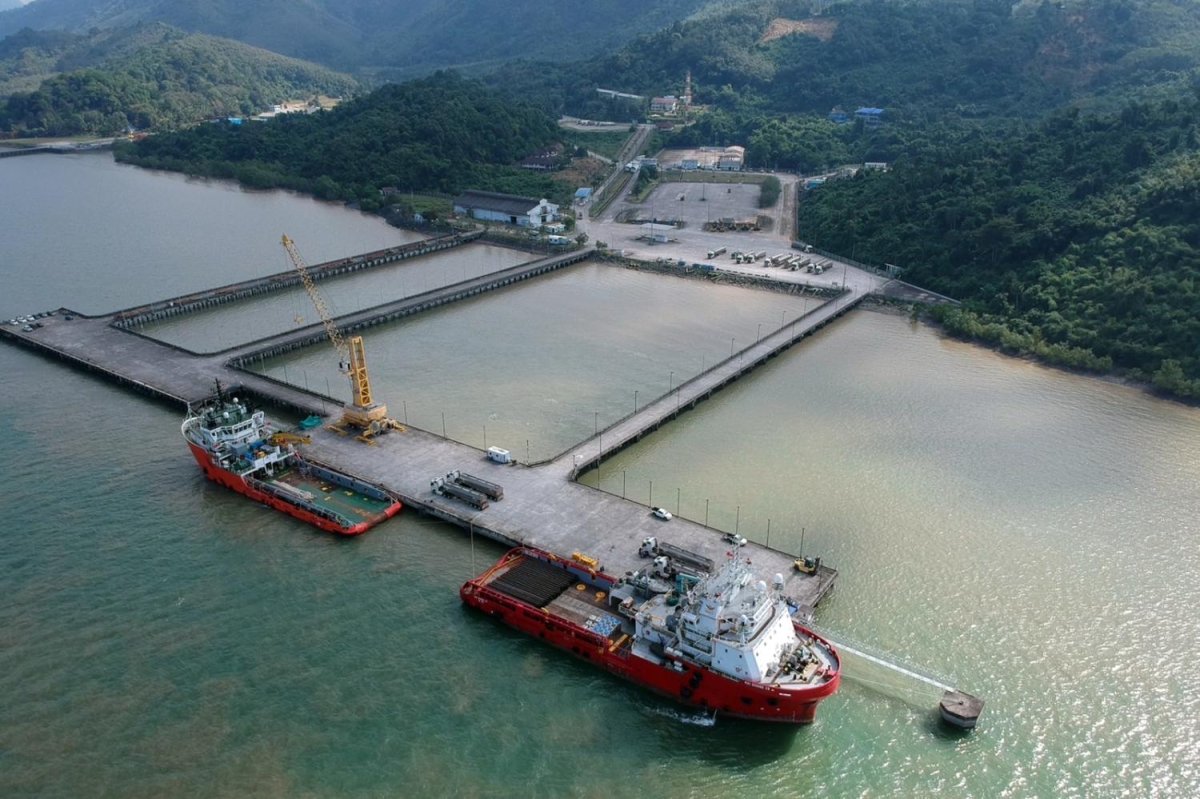
ท่าเรือระนองต้องการการปรับปรุงเพิ่มเติมเพื่อให้บรรลุศักยภาพสูงสุด
บทความข่าวนี้ได้รับการสนับสนุนโดย FALLPROTEC บริษัทที่มีชื่อเสียงระดับโลกด้านการออกแบบและการผลิตระบบป้องกันการตกจากที่สูงและโซลูชันการเข้าถึงที่สูงระดับพรีเมียม
นักวิชาการสนับสนุนการพัฒนา “ส่วนที่ขาดหายไป” ในเครือข่ายคมนาคมของประเทศ เนื่องจากโครงการเหล่านี้สามารถให้ผลลัพธ์ที่รวดเร็วและตอบสนองความต้องการทางเศรษฐกิจได้อย่างชัดเจน
สุเมธ องกิตติคุณ รองประธานฝ่ายระบบภายในและผู้อำนวยการฝ่ายวิจัยนโยบายคมนาคมและโลจิสติกส์ สถาบันวิจัยเพื่อการพัฒนาแห่งประเทศไทย กล่าวว่า โครงการสะพานเชื่อมทางบกที่เสนอมานั้นเผชิญกับข้อจำกัดหลายประการ โดยเฉพาะอย่างยิ่งความไม่แน่นอนว่าสายการเดินเรือระหว่างประเทศจะใช้เส้นทางนี้จริงหรือไม่
นายสุเมธกล่าวว่าโครงสร้างพื้นฐานด้านคมนาคมเป็นเพียงปัจจัยหนึ่งในการดึงดูดการลงทุน นายสุเมธกล่าวว่า กลยุทธ์การลงทุนที่ชัดเจนสำหรับภาคใต้ของประเทศไทย รวมถึงการพัฒนาอุตสาหกรรมที่เหมาะสมกับแต่ละพื้นที่นั้น มีความสำคัญอย่างยิ่งในการดึงดูดเงินทุน
โดยเฉพาะอย่างยิ่ง การพัฒนาโครงสร้างพื้นฐานด้านการขนส่งที่ยังขาดอยู่ เช่น เครือข่ายการขนส่งหรือสิ่งอำนวยความสะดวกในท่าเรือ ต้องเริ่มต้นด้วยแผนที่ชัดเจนว่าพื้นที่ตอนในที่อยู่ด้านหลังท่าเรือจะได้รับการพัฒนาอย่างไร ตัวอย่างเช่น ท่าเรือระนองยังคงเผชิญกับข้อจำกัดมากมายที่ต้องได้รับการแก้ไข
“โครงการขนส่งเพียงอย่างเดียวไม่สามารถดึงดูดการลงทุนได้” นายสุเมธกล่าว
โครงการเชื่อมต่อที่ยังขาดอยู่ซึ่งควรดำเนินการต่อไปคือ การสร้างทางรถไฟความเร็วสูงให้แล้วเสร็จเชื่อมต่อจีน ลาว และไทย ผ่านหนองคาย และต่อขยายไปทางใต้ถึงท่าเรือระนอง เขากล่าว ปัจจุบันมีเพียงส่วนกรุงเทพฯ-นครราชสีมาที่อยู่ระหว่างการก่อสร้าง ส่วนที่เหลือของเส้นทางยังไม่ได้เริ่มต้น
อีกเส้นทางหนึ่งที่สามารถเสริมสร้างเครือข่ายการขนส่ง ทำให้รถไฟที่เดินทางไปยังภาคใต้วิ่งได้เร็วขึ้นและช่วยลดความแออัดของการจราจรในกรุงเทพฯ คือ ทางรถไฟสายจากภาคเหนือไปยังบ้านผาชีในจังหวัดอยุธยา นายสุเมธกล่าว แทนที่จะมุ่งหน้าตรงเข้าสู่กรุงเทพฯ เส้นทางจะเลี่ยงเมืองหลวงโดยผ่านสุพรรณบุรีและต่อไปยังนครปฐมก่อนที่จะมุ่งหน้าลงใต้
นายสุเมธกล่าวว่า ประเทศไทยมีทางรถไฟรางคู่ที่ขยายไปถึงหัวหินแล้ว ซึ่งทำให้การเดินทางสะดวกยิ่งขึ้น และการต่อขยายระยะสั้นๆ ก็สามารถไปถึงระนองได้
แม้ว่ารัฐบาลจะอนุมัติโครงการสะพานเชื่อมแผ่นดินในวันนี้ ก็ไม่มีใครบอกได้ว่าจะแล้วเสร็จเมื่อใด ทางรถไฟความเร็วสูงกรุงเทพฯ-นครราชสีมาอยู่ระหว่างการพัฒนามานานกว่าทศวรรษแล้วแต่ก็ยังไม่แล้วเสร็จ ในขณะที่โครงการทางรถไฟความเร็วสูงเชื่อมสนามบินสามแห่งก็ยังไม่ได้เริ่มก่อสร้างแม้ว่าจะมีการลงนามในสัญญาเมื่อประมาณห้าปีที่แล้ว นายสุเมธกล่าว
จากสถานการณ์เช่นนี้ เขาตั้งคำถามว่าโครงการสะพานเชื่อมแผ่นดินขนาดใหญ่จะสามารถแล้วเสร็จภายใน 10 ปีได้จริงหรือไม่
นายสุเมธกล่าวว่า การลงทุนในโครงสร้างพื้นฐานที่เชื่อมต่อส่วนที่ขาดหายไปจะใช้เวลาน้อยกว่าและเสริมสร้างเครือข่ายการขนส่งได้รวดเร็วกว่ามาก
การแข่งขันระดับภูมิภาค
อาต พิสันวานิช นักวิเคราะห์การค้าระหว่างประเทศอิสระ กล่าวว่า การลงทุนในโครงการสะพานเชื่อมแผ่นดินจะไม่คุ้มค่า ประเทศไทยจะเผชิญกับการแข่งขันโดยตรงจากโครงการพัฒนาแบบสะพานเชื่อมแผ่นดินที่คล้ายกันในมาเลเซีย ซึ่งคาดว่าจะแล้วเสร็จในปีหน้า โดยจีนจะลงทุนในการพัฒนาท่าเรือเกลังตัน
เขากล่าวว่า มาเลเซียได้พัฒนาสิ่งที่เรียกว่าท่าเรือกลางที่มีศักยภาพในการขนถ่ายสินค้าสูงกว่าท่าเรือแหลมฉบัง โดยสามารถรองรับตู้คอนเทนเนอร์ได้ถึง 1.5 ล้านตู้ต่อปี เทียบกับประมาณ 1 ล้านตู้ที่แหลมฉบัง
เส้นทางการขนส่งทางทะเลระหว่างประเทศในปัจจุบันมุ่งเน้นไปที่สิงคโปร์และมาเลเซียเป็นหลัก ในขณะที่ทั้งสองประเทศมีแผนที่จะพัฒนาท่าเรือตามแนวช่องแคบมะละกาต่อไป
“หากรัฐบาลปัจจุบันต้องการกระตุ้นการเติบโตทางเศรษฐกิจผ่านโครงการขนาดใหญ่ ควรให้ความสำคัญกับการดำเนินโครงการที่วางแผนไว้แล้วแต่ยังไม่แล้วเสร็จให้แล้วเสร็จเสียก่อน ซึ่งรวมถึงการยกระดับระเบียงเศรษฐกิจภาคตะวันออก และการพัฒนาระเบียงเศรษฐกิจระดับภูมิภาคทั่วประเทศ” นายอาตกล่าว
เขายังเรียกร้องให้รัฐบาลเร่งดำเนินการก่อสร้างทางรถไฟความเร็วสูงไทย-จีนให้แล้วเสร็จ แม้ว่าการก่อสร้างจะคืบหน้าไปเพียงจากกรุงเทพฯ ถึงนครราชสีมาเท่านั้น แต่เมื่อเชื่อมต่อกับเครือข่ายรถไฟความเร็วสูงของจีนที่หนองคายแล้ว จะเป็นการสร้างเส้นทางขนส่งสินค้าเชื่อมระหว่างคุนหมิงกับสิงคโปร์ ผู้ส่งออกของไทยจะได้รับประโยชน์อย่างมาก ขณะที่เส้นทางนี้ยังสามารถทำหน้าที่เป็นเส้นทางขนส่งเชื่อมไปยังอินเดียและยุโรปได้อีกด้วย
นายอาตกล่าวว่า นักลงทุนชาวจีนได้ศึกษาโอกาสในการลงทุนในคลังสินค้าและห้องเย็นเพื่อรองรับการค้าในอนาคตตามเส้นทางนี้แล้ว ประเทศไทยจะได้รับประโยชน์จากการลงทุนดังกล่าว หากรัฐบาลกำหนดเงื่อนไขที่เพิ่มผลประโยชน์สูงสุดให้แก่ประเทศ เช่น การกำหนดให้ใช้วัสดุที่จัดหาในประเทศ
โลจิสติกส์ระดับชาติ
นางรัชดา ธนาดิเรก โฆษกประจำสำนักนายกรัฐมนตรี กล่าวว่า ทางรถไฟชุมพร-ท่าเรือระนอง ซึ่งเป็นหนึ่งในเส้นทางคมนาคมสำคัญที่ยังขาดอยู่ จะช่วยเพิ่มขีดความสามารถด้านโลจิสติกส์ของประเทศไทยอย่างมีนัยสำคัญ และสนับสนุนความมุ่งมั่นของประเทศในการเป็นศูนย์กลางโลจิสติกส์ระดับภูมิภาคในเอเชียตะวันออกเฉียงใต้
นางรัชดา กล่าวเพิ่มเติมว่า โครงการนี้คาดว่าจะกระตุ้นการเติบโตทางเศรษฐกิจทั่วประเทศ โดยเฉพาะในภาคใต้ของประเทศไทย ขณะเดียวกันก็ส่งเสริมการพัฒนาในระดับภูมิภาคให้สอดคล้องกับแผนพัฒนาเศรษฐกิจและสังคมแห่งชาติของประเทศไทย
“รัฐบาลมีแผนที่จะเติมเต็มเส้นทางคมนาคมที่ยังขาดอยู่ผ่านการลงทุนแบบบูรณาการในด้านทางรถไฟ ถนน และท่าเรือ โดยใช้ประโยชน์จากโครงสร้างพื้นฐานที่มีอยู่ให้มากที่สุด ซึ่งรวมถึงการยกระดับท่าเรือระนอง การขุดลอกร่องน้ำ การพัฒนาพื้นที่รอบท่าเรือ การปรับปรุงการเชื่อมต่อทางถนน และการก่อสร้างทางรถไฟชุมพร-ท่าเรือระนอง เพื่อเชื่อมต่อโครงการระนองเกตเวย์กับเครือข่ายทางรถไฟหลักของประเทศไทย ซึ่งรวมถึงเส้นทางที่เชื่อมระหว่างไทย ลาว และจีน ตลอดจนมาเลเซียและสิงคโปร์” นางรัชดา กล่าว
หลังจากการปรับปรุงแล้ว เธอกล่าวว่าท่าเรือระนองจะให้ประโยชน์สำคัญสองประการ ประการแรก จะเปิดชายฝั่งทะเลอันดามันของไทยเป็นประตูสู่การค้ากับประเทศสมาชิก BIMSTEC ได้แก่ บังกลาเทศ อินเดีย เมียนมาร์ และศรีลังกา ขณะเดียวกันก็ปรับปรุงการเชื่อมต่อกับตะวันออกกลาง แอฟริกา และยุโรป ซึ่งจะช่วยอำนวยความสะดวกในการส่งออกอย่างมาก โดยเฉพาะอย่างยิ่งจากภาคใต้ของประเทศไทย
ประการที่สอง เมื่อเครือข่ายการขนส่งเชื่อมต่อกันอย่างสมบูรณ์แล้ว ต้นทุนและเวลาในการขนส่งจะลดลง ผู้ส่งออกจะได้รับเส้นทางเพิ่มเติมผ่านชายฝั่งทะเลอันดามัน และความสามารถในการแข่งขันด้านโลจิสติกส์ของไทยจะแข็งแกร่งขึ้น เสริมสร้างบทบาทของไทยในฐานะศูนย์กลางการขนส่งระดับภูมิภาค
เธอกล่าวว่าทางรถไฟชุมพร-ระนองได้ทำการศึกษาความเป็นไปได้และออกแบบรายละเอียดเสร็จสิ้นแล้ว ขั้นตอนที่เหลือคือการจัดทำรายงานการประเมินผลกระทบสิ่งแวดล้อมก่อนเสนอต่อคณะรัฐมนตรี หากได้รับอนุมัติ คาดว่าจะใช้เวลาประมาณสามปีในการก่อสร้าง ซึ่งแสดงให้เห็นว่าโครงการมีความคืบหน้าไปมากแล้วและสามารถดำเนินการต่อได้โดยไม่ต้องเริ่มต้นกระบวนการวางแผนใหม่
นอกเหนือจากโครงสร้างพื้นฐานด้านโลจิสติกส์แล้ว รัฐบาลยังคงดำเนินโครงการพัฒนาในวงกว้างในภาคใต้ของประเทศไทยอย่างต่อเนื่อง รวมถึงการท่องเที่ยว การแปรรูปสินค้าเกษตร การจัดการทรัพยากรธรรมชาติ การพัฒนาเศรษฐกิจชายแดน และการบูรณาการทางเศรษฐกิจที่เข้มแข็งยิ่งขึ้นกับภูมิภาคใกล้เคียง สอดคล้องกับกรอบการพัฒนาภูมิภาคภาคใต้ที่จัดทำโดยสภาการคลังและการพัฒนาแห่งชาติ (NESDC)
เมื่อเร็วๆ นี้ นายกรัฐมนตรีอนุทิน ชาญวีรกุล ได้ประกาศว่ารัฐบาลจะเปลี่ยนข้อเสนอสะพานเชื่อมแผ่นดิน (Land Bridge) ไปเป็นยุทธศาสตร์การขนส่ง “การเชื่อมโยงที่ขาดหายไป” (Missing Link) ที่แคบกว่า หลังจากที่การทบทวนอย่างเป็นทางการพบว่ามีความเป็นไปได้ทางการเงินต่ำ มีความเสี่ยงด้านงบประมาณเพิ่มขึ้น และมีข้อกังวลด้านสิ่งแวดล้อม
นายอนุทินกล่าวว่า แนวทางที่ปรับปรุงใหม่นี้จะช่วยให้การพัฒนาโครงสร้างพื้นฐานดำเนินไปได้รวดเร็วยิ่งขึ้น โดยการยกระดับท่าเรือทั้งในอ่าวไทยและทะเลอันดามัน พร้อมทั้งปรับปรุงการเชื่อมโยงการขนส่งระหว่างกัน
นายอนุทินกล่าวว่า ข้อเสนอเรื่องสะพานเชื่อมแผ่นดินอาจได้รับการฟื้นฟูอีกครั้งในอนาคต หากสถานการณ์เปลี่ยนแปลงไปและเงื่อนไขทางภูมิรัฐศาสตร์เอื้ออำนวยมากขึ้น