A new lease on life for Baan Phra Phithak; a historic teak house in Bangkok’s old town is serving as a blueprint for community-driven revitalisation
THIS NEWS ARTICLE KINDLY SPONSORED BY FALLPROTEC, A WORLD-RENOWNED NAME IN THE DESIGN AND MANUFACTURE OF PREMIUM FALL PROTECTION SYSTEMS AND HEIGHT ACCESS SOLUTIONS
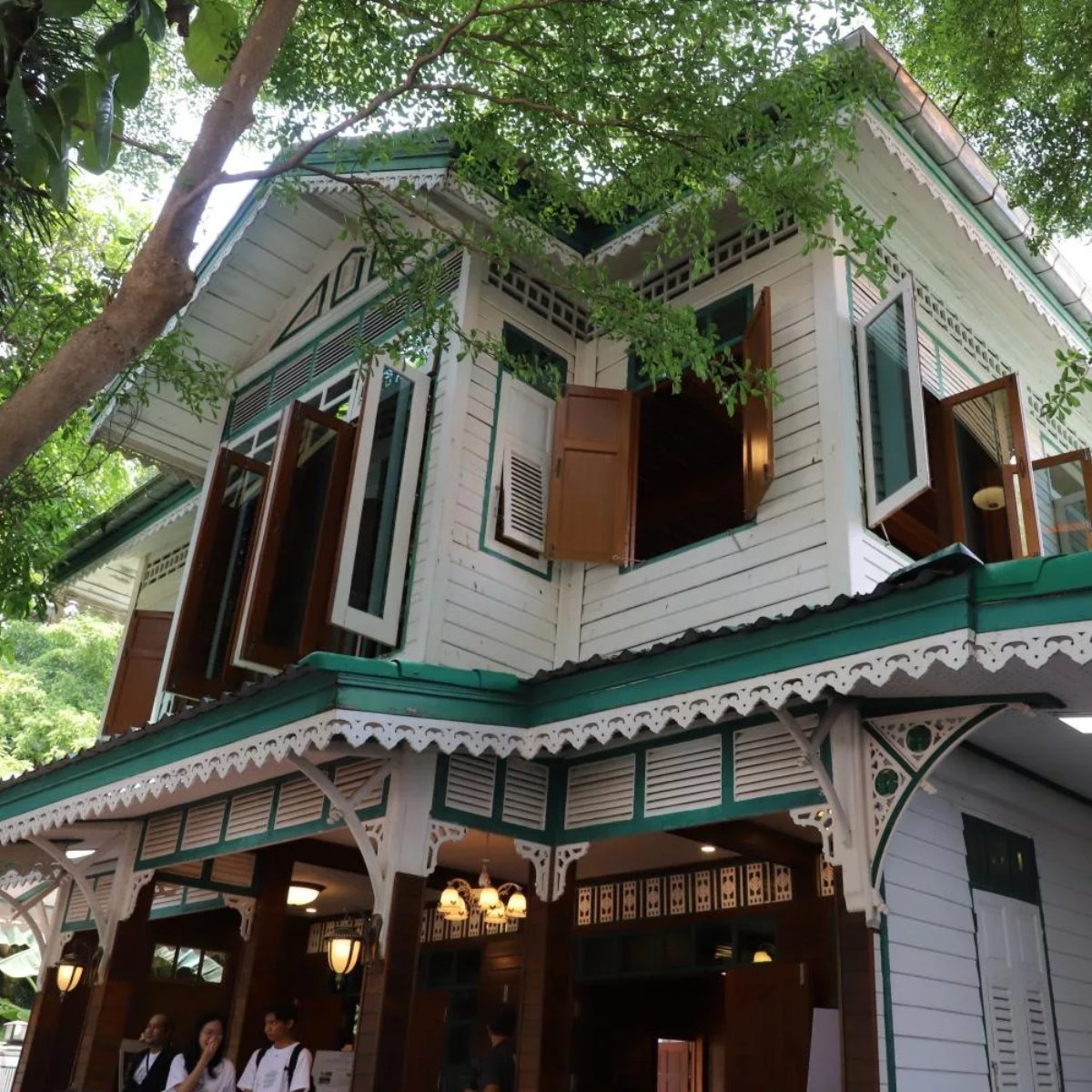
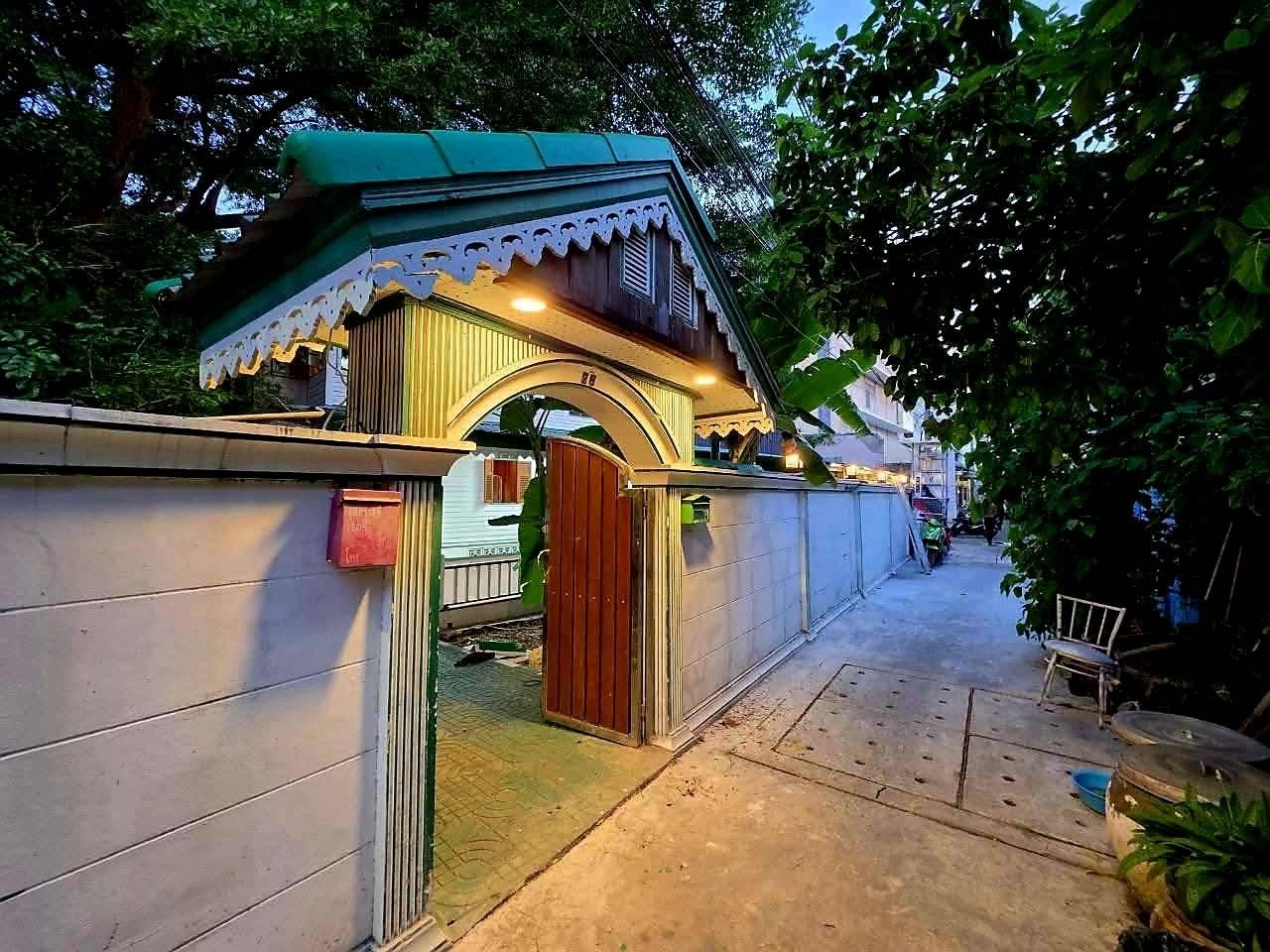
Located in Trok Tuek Din on Dinso Road, near the Giant Swing and Wat Suthat Thepwararam, Baan Phra Phithak Yutthaphan, better known as Baan Phra Phithak, is a teak wood house built some 88 years ago. When Baan Phra Phithak became a non-performing asset under the management of Bangkok Commercial Asset Management (BAM), its executives recognised the value of the house and the surrounding property.
In order to restore and transform the historical area of Trok Tuek Din into a creative district and improve the quality of life for the community, BAM signed a Memorandum of Understanding with Arsom Silp Institute of the Arts to restore the area surrounding Baan Phra Phithak. If the project is successful, it will be a prototype for future asset developments.
Rak Vorrakitpokatorn, CEO of BAM, revealed that when he visited Baan Phra Phithak, which is a 540m² Western-influenced Thai house, his intuition told him not to sell the house.
“The potential selling price of this house is probably not more than 30 million baht, which won’t make or break BAM. It would be better to implement the house as part of a environmental, social and governance or corporate social responsibility project, which is a coordination of three parties: BAM as the property owner, Arsom Silp Institute of the Arts as the expert in property restoration, and the local community,” explained Rak.
Rak said the development plan for Baan Phra Phithak comprises three main components. The first zone is the house or Baan Phra Phithak. The second zone is an unfinished building next to the house which BAM will complete and transform into a boutique hotel with approximately 10-15 rooms. The hotel will include a Thai cooking school. The third zone is a community park, so that people in the community have space for rest, relaxation and outdoor activities.
“The hotel might potentially have a Thai cooking and dessert school because tourists who stay may be interested in learning about Thai culture. I also believe that people in the community have a lot of knowledge of Thai cooking, but they may not know how to generate income from it. Besides teaching tourists, they could share their knowledge with people in the community as well,” said Rak.
“The idea of developing a public park was inspired by my student years in Scotland. The communities over there often shared a central courtyard, with beautiful wooden benches that everyone could use. I would like to see something like that in Thailand.”
The building, which is expected to be a boutique hotel, is only 70% complete. Theeraphon Niyom, co-founder of the Arsom Silp Institute of the Arts and National Artist of Thailand for Visual Art and Applied Art (Architecture), explained that the renovated building must create harmony between old town style and modern vibes.
“This area is in an old town. The 88-year-old house is located in a large open space in the community, so we need to incorporate the surrounding ambience into our design criteria. The design must blend the old and the new together. The new design also needs to appeal to the taste of the younger generation,” said Theeraphon.
This asset development project is structured as a community enterprise. Rak explained that BAM may provide a 30-to-50-year long-term instalment scheme to the community for Baan Phra Phithak.
“Suppose the community pays BAM 1 million baht per year, we would return it through CSR funding, so that the community can move forward. We hope this project will be an inspiration for starting businesses, creating jobs and opportunities for the community. People in the community will work as cooks, receptionists, waiters, cleaning staff, gardeners, park maintenance staff and security guards,” said Rak.
“We have similar assets to Baan Phra Phithak in Phrae, Chiang Mai and Trang. If this project is successful and the community can become self-sustaining, we will apply the same strategies to assets in other provinces.”
Sanisa Chayachang, secretary to the community chairperson at Trok Silp and Trok Tuek Din, stated that there are approximately 50 households in Trok Silp and another 50 households in Trok Tuek Din.
Sanisa was delighted to meet young people in the project who visited the community to collect data for creating the community map. She hopes that the project will help people in the community gain more income. Since there are many elderly people in the community, it would be nice if the new business hired them.
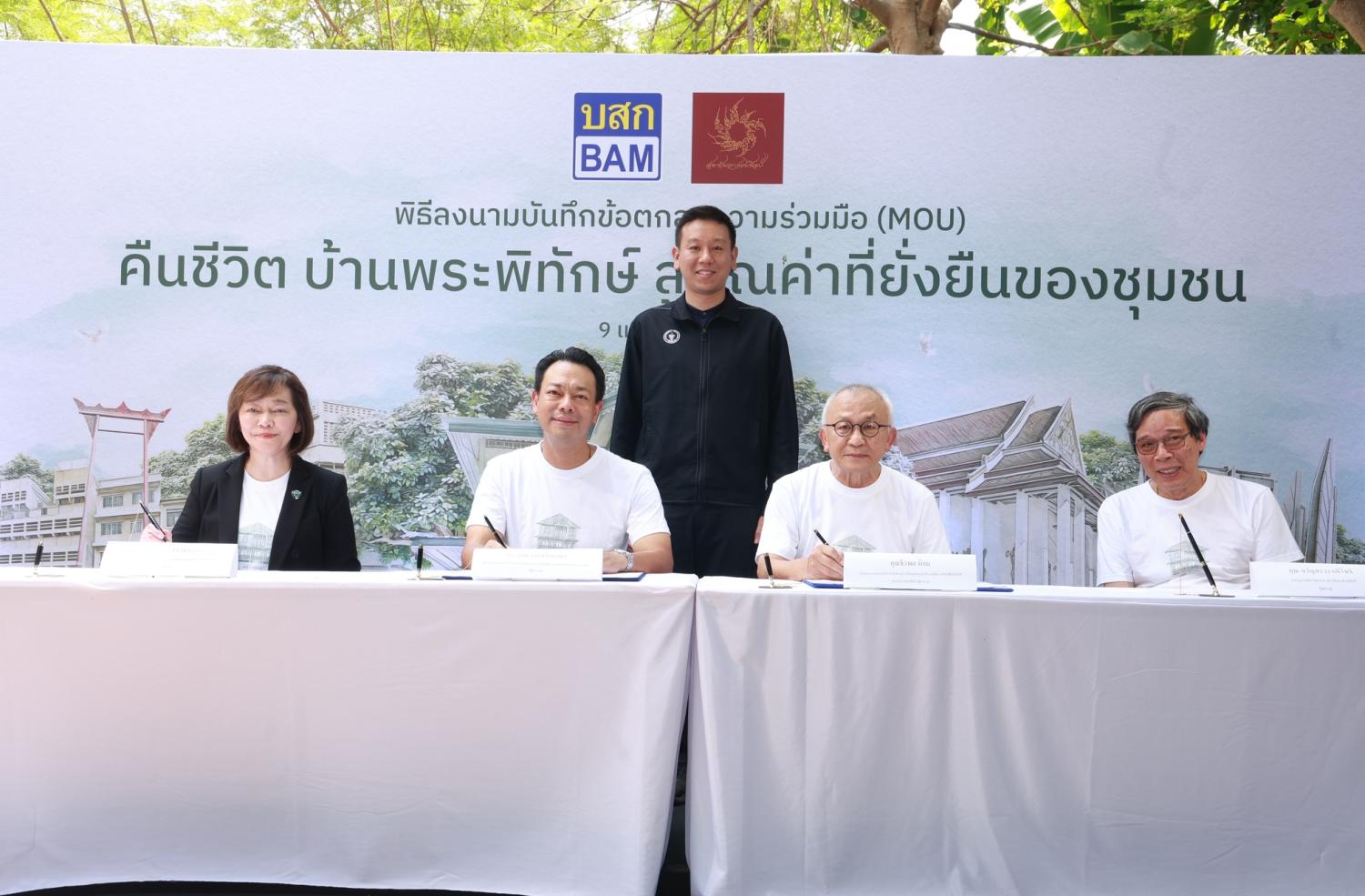
Prior to this project, Arsom Silp Institute of the Arts achieved success in creating many self-sustaining community enterprises, such as Talat Noi in Bangkok, Baanluangrajamaitri Historic House and Punyashthiti House in Chanthaburi.
Theeraphon explained that their work is called “Participatory Architecture For Change” which means they need to implement a participatory process which leads to change.
“At Arsom Silp Institute of the Arts, we believe that development should come from the cooperation of everyone equally and creatively. It is a development that involves everyone and leaves no one behind. We are not experts and we do not dictate what people must do. Instead, we come to learn from them and ask what they want. We evaluate the factors which contribute to this change,” explained Theeraphon.
Baanluangrajamaitri Historic House is the first successful social enterprise in Chanthaburi. It is on Sukhaphiban Road in the Chanthaboon Riverside Community, which was previously a declining area. Arsom Silp Institute of the Arts teamed up with people in the community to bring this 150-year-old house back to life.
Arsom Silp Institute of the Arts renovated the Baanluangrajamaitri Historic House and rented it for 1 baht per month for 30 years. The Arsom Silp raised money for the renovation costs by offering 500 shares to the community. Thus, local people co-invested in the project and turned the house into a hotel. The Arsom Silp also provided hotel management knowledge to the local people. Currently, the Baanluangrajamaitri Historic House is run by Chanthaboon Rak Dee Company and has been in business for 12 years.
Not everyone achieves the same level of success as the Chanthaboon Riverside Community due to conflict between different groups.
“Success depends on the community itself. The communities that achieve success have strong teamwork and excellent collaboration. Their leaders have terrific communication skills or are experienced business people. Also, the community has a deep-rooted love for their hometown,” concluded Theeraphon.
Source: https://www.bangkokpost.com/life/social-and-lifestyle/3260468/a-new-lease-on-life
Google Translation:
บ้านพระพิธักได้รับชีวิตใหม่ บ้านไม้สักเก่าแก่ในเมืองเก่าของกรุงเทพฯ กำลังเป็นต้นแบบของการฟื้นฟูโดยชุมชน
บ้านพระพิธักยุทธพันธุ์ (ภาพ: อภิชาติ จินากุล)
ข่าวนี้ได้รับการสนับสนุนโดย FALLPROTEC บริษัทชั้นนำระดับโลกด้านการออกแบบและผลิตระบบป้องกันการตกจากที่สูงและโซลูชั่นการเข้าถึงที่สูง
บ้านพระพิธักยุทธพันธุ์ หรือที่รู้จักกันดีในชื่อ บ้านพระพิธัก ตั้งอยู่ในซอยตรอกเทิน บนถนนดินโส ใกล้กับชิงช้ายักษ์และวัดสุทัศน์เทพวรราม เป็นบ้านไม้สักที่สร้างขึ้นเมื่อประมาณ 88 ปีที่แล้ว เมื่อบ้านพระพิธักกลายเป็นสินทรัพย์ที่ไม่ก่อให้เกิดรายได้ภายใต้การบริหารจัดการของบริษัท บางกอกคอมเมอร์เชียลแอสเซทแมเนจเมนท์ (BAM) ผู้บริหารจึงตระหนักถึงคุณค่าของบ้านและที่ดินโดยรอบ
เพื่อฟื้นฟูและเปลี่ยนแปลงพื้นที่ประวัติศาสตร์ตรอกตุ้ยดินให้เป็นย่านสร้างสรรค์และยกระดับคุณภาพชีวิตของชุมชน BAM จึงได้ลงนามในบันบันทึกความเข้าใจกับสถาบันศิลปะอรสมศิลป์เพื่อฟื้นฟูพื้นที่โดยรอบบ้านพระพิฆเนศ หากโครงการนี้ประสบความสำเร็จ จะเป็นต้นแบบสำหรับการพัฒนาสินทรัพย์ในอนาคต
คุณรักษ์ วรกิจโภคธร ซีอีโอของ BAM เปิดเผยว่า เมื่อเขาไปเยี่ยมชมบ้านพระพิฆเนศ ซึ่งเป็นบ้านสไตล์ไทยที่ได้รับอิทธิพลจากตะวันตกขนาด 540 ตารางเมตร สัญชาตญาณของเขาบอกว่าไม่ควรขายบ้านหลังนี้
“ราคาขายที่คาดการณ์ไว้ของบ้านหลังนี้อาจไม่เกิน 30 ล้านบาท ซึ่งจะไม่ทำให้ BAM ล้มละลายหรือประสบความสำเร็จ จะเป็นการดีกว่าที่จะดำเนินการฟื้นฟูบ้านหลังนี้ในฐานะส่วนหนึ่งของโครงการด้านสิ่งแวดล้อม สังคม และธรรมาภิบาล หรือความรับผิดชอบต่อสังคมขององค์กร ซึ่งเป็นการประสานงานของสามฝ่าย ได้แก่ BAM ในฐานะเจ้าของทรัพย์สิน สถาบันศิลปะอรสมศิลป์ในฐานะผู้เชี่ยวชาญด้านการฟื้นฟูอสังหาริมทรัพย์ และชุมชนท้องถิ่น” คุณรักษ์อธิบาย
นายรักกล่าวว่า แผนพัฒนาบ้านพระพิฆเนศประกอบด้วยองค์ประกอบหลัก 3 ส่วน ส่วนแรกคือตัวบ้านหรือบ้านพระพิฆเนศ ส่วนที่สองคืออาคารที่ยังสร้างไม่เสร็จซึ่งอยู่ติดกับบ้าน โดย BAM จะดำเนินการก่อสร้างให้แล้วเสร็จและเปลี่ยนเป็นโรงแรมบูติกขนาดประมาณ 10-15 ห้อง โรงแรมจะมีโรงเรียนสอนทำอาหารไทยด้วย ส่วนที่สามคือสวนสาธารณะชุมชน เพื่อให้คนในชุมชนมีพื้นที่สำหรับพักผ่อน ผ่อนคลาย และทำกิจกรรมกลางแจ้ง
“โรงแรมอาจจะมีโรงเรียนสอนทำอาหารไทยและขนมหวาน เพราะนักท่องเที่ยวที่มาพักอาจสนใจเรียนรู้เกี่ยวกับวัฒนธรรมไทย ผมเชื่อว่าคนในชุมชนมีความรู้เรื่องการทำอาหารไทยมากมาย แต่พวกเขาอาจไม่รู้วิธีสร้างรายได้จากมัน นอกจากการสอนนักท่องเที่ยวแล้ว พวกเขายังสามารถแบ่งปันความรู้ให้กับคนในชุมชนได้ด้วย” นายรักกล่าว
บ้านพระพิฆเนศยุทธพันธุ์ ภาพถ่ายโดยได้รับความอนุเคราะห์จาก Bangkok Commercial Asset Management (BAM)
บ้านพระพิฆเนศยุทธพันธุ์ (ภาพถ่ายได้รับความอนุเคราะห์จาก Bangkok Commercial Asset Management)
“แนวคิดในการพัฒนาสวนสาธารณะได้รับแรงบันดาลใจจากช่วงเวลาที่ผมเป็นนักศึกษาในสกอตแลนด์ ชุมชนที่นั่นมักจะมีลานกลางบ้านที่มีม้านั่งไม้สวยงามให้ทุกคนได้ใช้ร่วมกัน ผมอยากเห็นอะไรแบบนั้นในประเทศไทย”
อาคารซึ่งคาดว่าจะเป็นโรงแรมบูติกนั้นสร้างเสร็จเพียง 70% เท่านั้น คุณธีรพล นิยม ผู้ร่วมก่อตั้งสถาบันศิลปะอาสมศิลป์ และศิลปินแห่งชาติสาขาทัศนศิลป์และศิลปะประยุกต์ (สถาปัตยกรรม) อธิบายว่าอาคารที่ได้รับการปรับปรุงใหม่ต้องสร้างความกลมกลืนระหว่างสไตล์เมืองเก่าและความทันสมัย
“บริเวณนี้เป็นเมืองเก่า บ้านอายุ 88 ปีตั้งอยู่ในพื้นที่โล่งกว้างของชุมชน ดังนั้นเราจึงต้องนำบรรยากาศโดยรอบมาผสมผสานในเกณฑ์การออกแบบของเรา การออกแบบต้องผสมผสานสิ่งเก่าและสิ่งใหม่เข้าด้วยกัน การออกแบบใหม่ยังต้องดึงดูดรสนิยมของคนรุ่นใหม่ด้วย” คุณธีรพลกล่าว
โครงการพัฒนาสินทรัพย์นี้มีโครงสร้างเป็นวิสาหกิจชุมชน นายรักอธิบายว่า BAM อาจจัดทำโครงการผ่อนชำระระยะยาว 30-50 ปี ให้แก่ชุมชนสำหรับบ้านพระพิฆเนศ
“สมมติว่าชุมชนจ่ายให้ BAM ปีละ 1 ล้านบาท เราจะคืนเงินส่วนนี้ผ่านกองทุน CSR เพื่อให้ชุมชนสามารถพัฒนาต่อไปได้ เราหวังว่าโครงการนี้จะเป็นแรงบันดาลใจให้ชุมชนเริ่มต้นธุรกิจ สร้างงานและโอกาสให้กับชุมชน ผู้คนในชุมชนจะทำงานเป็นพ่อครัว พนักงานต้อนรับ พนักงานเสิร์ฟ พนักงานทำความสะอาด คนสวน พนักงานดูแลสวน และเจ้าหน้าที่รักษาความปลอดภัย” นายรักกล่าว
“เรามีทรัพย์สินที่คล้ายกับบ้านพระพิฆเนศในจังหวัดแพร่ เชียงใหม่ และตรัง หากโครงการนี้ประสบความสำเร็จและชุมชนสามารถพึ่งพาตนเองได้ เราจะนำกลยุทธ์เดียวกันนี้ไปใช้กับทรัพย์สินในจังหวัดอื่นๆ”
นางสาวสนิษฐ์ ชัยชัง เลขานุการประธานชุมชนที่ตรอกศิลป์และตรอกตุ้ยดิน กล่าวว่ามีประมาณ 50 ครัวเรือนในตรอกศิลป์ และอีก 50 ครัวเรือนในตรอกตุ้ยดิน
สนิสาดีใจที่ได้พบกับเยาวชนในโครงการที่มาเยี่ยมชุมชนเพื่อเก็บข้อมูลสำหรับการสร้างแผนที่ชุมชน เธอหวังว่าโครงการนี้จะช่วยให้คนในชุมชนมีรายได้มากขึ้น เนื่องจากมีผู้สูงอายุจำนวนมากในชุมชน การที่ธุรกิจใหม่จ้างพวกเขาทำงานก็จะเป็นเรื่องดี
ก่อนหน้านี้ สถาบันศิลปะอาสมศิลป์ประสบความสำเร็จในการสร้างวิสาหกิจชุมชนที่ยั่งยืนหลายแห่ง เช่น ตลาดน้อยในกรุงเทพฯ บ้านหลวงรัชไมตรี และบ้านปุณยสถิติในจังหวัดจันทบุรี
(ภาพด้านล่าง: รักวรกิจโภคธร (คนที่สองจากซ้าย) จาก BAM, ธีรพล นิยม (คนที่สองจากขวา) และขวัญสุรภติ (ขวา) จากสถาบันศิลปะอาสมศิลป์)
รักวรกิจโภคธร (คนที่สองจากซ้าย) จาก BAM, ธีรพล นิยม (คนที่สองจากขวา) และขวัญสุรภติ (ขวา) จากสถาบันศิลปะอาสมศิลป์
ธีรพลอธิบายว่างานของพวกเขาเรียกว่า “สถาปัตยกรรมแบบมีส่วนร่วมเพื่อการเปลี่ยนแปลง” ซึ่งหมายความว่าพวกเขาจำเป็นต้องดำเนินกระบวนการแบบมีส่วนร่วมซึ่งนำไปสู่การเปลี่ยนแปลง
“ที่สถาบันศิลปะอาสมศิลป์ เราเชื่อว่าการพัฒนาควรมาจากการร่วมมือของทุกคนอย่างเท่าเทียมและสร้างสรรค์ เป็นการพัฒนาที่เกี่ยวข้องกับทุกคนและไม่ทิ้งใครไว้ข้างหลัง เราไม่ใช่ผู้เชี่ยวชาญและเราไม่ได้กำหนดว่าคนอื่นต้องทำอะไร แต่เรามาเรียนรู้จากพวกเขาและถามว่าพวกเขาต้องการอะไร เราประเมินปัจจัยที่เอื้อต่อการเปลี่ยนแปลงนี้” ธีรพลอธิบาย
บ้านหลวงราชไมตรีเป็นกิจการเพื่อสังคมที่ประสบความสำเร็จแห่งแรกในจังหวัดจันทบุรี ตั้งอยู่บนถนนสุขพิภาณในชุมชนริมแม่น้ำจันทบูร ซึ่งก่อนหน้านี้เป็นพื้นที่เสื่อมโทรม สถาบันศิลปะอาสมศิลป์ได้ร่วมมือกับคนในชุมชนเพื่อฟื้นฟูบ้านอายุ 150 ปีหลังนี้
สถาบันศิลปะอาสมศิลป์ได้ปรับปรุงบ้านหลวงราชไมตรีและให้เช่าในราคา 1 บาทต่อเดือนเป็นเวลา 30 ปี องค์กร Arsom Silp ระดมทุนเพื่อเป็นค่าใช้จ่ายในการปรับปรุงบ้านโดยการเสนอขายหุ้น 500 หุ้นให้กับชุมชน ทำให้ชาวบ้านร่วมลงทุนในโครงการนี้และเปลี่ยนบ้านหลังเก่าให้เป็นโรงแรม Arsom Silp ยังได้ให้ความรู้ด้านการบริหารจัดการโรงแรมแก่ชาวบ้านด้วย ปัจจุบัน บ้านหลวงราชมิตรโบราณบริหารงานโดยบริษัท ชันถบูร รักดี และดำเนินกิจการมาแล้ว 12 ปี
ไม่ใช่ทุกคนที่จะประสบความสำเร็จในระดับเดียวกับชุมชนริมแม่น้ำชันถบูร เนื่องจากความขัดแย้งระหว่างกลุ่มต่างๆ
“ความสำเร็จขึ้นอยู่กับชุมชนเอง ชุมชนที่ประสบความสำเร็จนั้นมีทีมเวิร์คที่แข็งแกร่งและการร่วมมือที่ดีเยี่ยม ผู้นำมีทักษะการสื่อสารที่ยอดเยี่ยมหรือเป็นนักธุรกิจที่มีประสบการณ์ นอกจากนี้ ชุมชนยังมีความรักบ้านเกิดอย่างลึกซึ้ง” ธีรพลกล่าวสรุป