
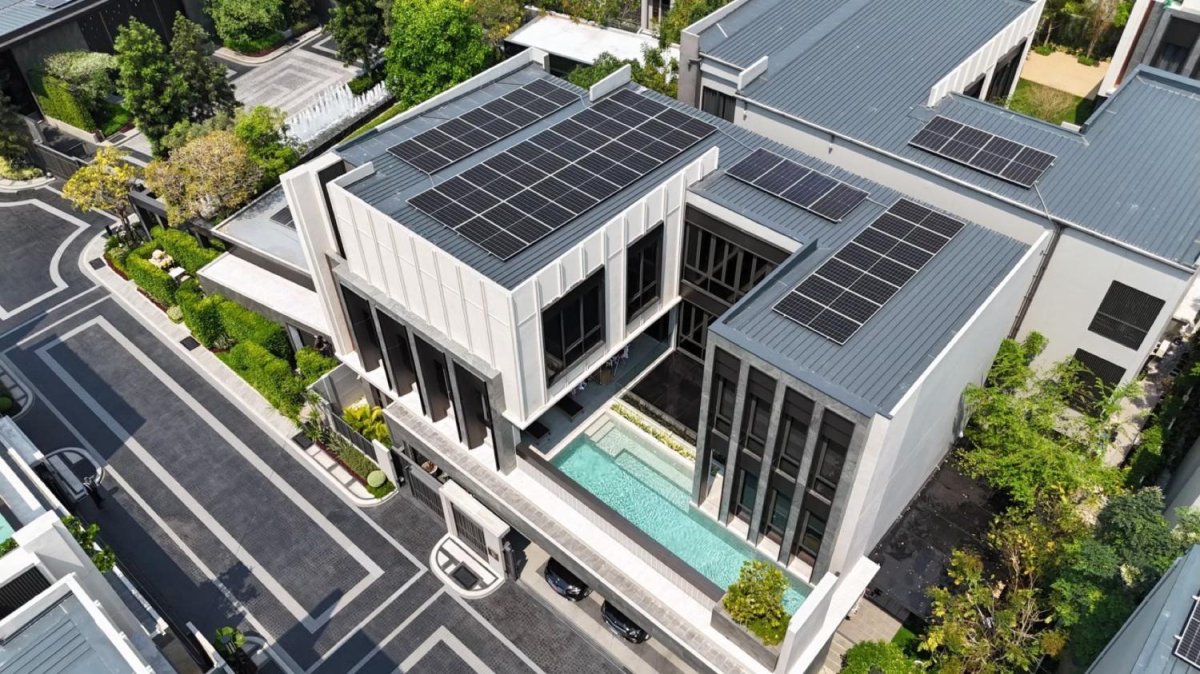
Official: Solar power can lead energy transition in Thailand
THIS NEWS ARTICLE KINDLY SPONSORED BY FALLPROTEC, A WORLD-RENOWNED NAME IN THE DESIGN AND MANUFACTURE OF PREMIUM FALL PROTECTION SYSTEMS AND HEIGHT ACCESS SOLUTIONS
Thailand’s clean energy development was discussed at a recent state-private sector meeting, and can be successfully implemented if the nation focuses on solar power, according to an energy official who requested anonymity.
He said Thailand’s solar sector offers opportunities across all scales, from micro-installations producing just a few kilowatts to gigawatt-scale projects.
This flexibility allows investments ranging from small households and micro-businesses with limited capital to billion-baht ventures by large corporations.
A study by the Department of Alternative Energy Development and Efficiency estimates Thailand has the technical potential to generate nearly 1,000GW of solar power nationwide.
The declining cost of battery energy storage systems (BESS) enables this transition, said the official.
Traditional solar systems face limitations, producing electricity only during daylight and under clear skies, with a capacity factor of around 10%. Also known as a plant factor, a capacity factor measures how much electricity a power plant actually generates compared with its maximum output if running at full capacity all the time.
BESS technology addresses this challenge by storing excess energy and releasing it when sunlight is unavailable, reducing intermittency and stabilising supply.
Other renewable sources such as wind, hydropower, biogas, biomass and waste-to-energy remain constrained by seasonality and resource availability, limiting their contribution to just a few gigawatts.
Solar power combined with BESS is expected to reshape the industry, aligning with the government’s draft 2026 power development plan, which calls for renewable energy to eventually account for more than half of total generation capacity, the official said.
To encourage adoption, the government rolled out two major initiatives.
The rooftop solar buyback scheme allows households to sell electricity generated from on-grid solar panels back to the grid at 2.20 baht per unit.
A tax incentive enables households installing rooftop solar systems between March 3, 2026 and Dec 31, 2027 to deduct up to 200,000 baht from personal income tax.
The scheme covers installations up to 10KW, aiming to make self-generation more accessible to the public.
Source: https://www.bangkokpost.com/business/general/3260428/official-solar-power-can-lead-energy-transition
Google Translation:
เจ้าหน้าที่ระดับสูง: พลังงานแสงอาทิตย์สามารถนำไปสู่การเปลี่ยนแปลงด้านพลังงานในประเทศไทย
พลังงานแสงอาทิตย์บนดาดฟ้าถูกเสนอให้เป็นหลักสำคัญของความพยายามของรัฐบาลในการส่งเสริมพลังงานสะอาด
บทความข่าวนี้ได้รับการสนับสนุนโดย FALLPROTEC บริษัทที่มีชื่อเสียงระดับโลกด้านการออกแบบและการผลิตระบบป้องกันการตกจากที่สูงและโซลูชันการเข้าถึงที่สูงระดับพรีเมียม
การพัฒนาพลังงานสะอาดของประเทศไทยได้รับการหารือในการประชุมภาครัฐและเอกชนเมื่อเร็วๆ นี้ และสามารถดำเนินการได้อย่างประสบความสำเร็จหากประเทศมุ่งเน้นไปที่พลังงานแสงอาทิตย์ ตามที่เจ้าหน้าที่ด้านพลังงานรายหนึ่งซึ่งขอไม่เปิดเผยชื่อกล่าว
เขากล่าวว่าภาคพลังงานแสงอาทิตย์ของประเทศไทยมีโอกาสในทุกระดับ ตั้งแต่การติดตั้งขนาดเล็กที่ผลิตเพียงไม่กี่กิโลวัตต์ไปจนถึงโครงการขนาดกิกะวัตต์
ความยืดหยุ่นนี้ช่วยให้การลงทุนมีตั้งแต่ครัวเรือนขนาดเล็กและธุรกิจขนาดเล็กที่มีเงินทุนจำกัดไปจนถึงโครงการขนาดใหญ่ระดับพันล้านบาทโดยบริษัทขนาดใหญ่
จากการศึกษาของกรมพัฒนาพลังงานทางเลือกและประสิทธิภาพพลังงาน พบว่าประเทศไทยมีศักยภาพทางเทคนิคในการผลิตพลังงานแสงอาทิตย์ได้เกือบ 1,000 กิกะวัตต์ทั่วประเทศ
เจ้าหน้าที่กล่าวว่า ต้นทุนของระบบกักเก็บพลังงานแบตเตอรี่ (BESS) ที่ลดลงช่วยให้การเปลี่ยนผ่านนี้เป็นไปได้
ระบบพลังงานแสงอาทิตย์แบบดั้งเดิมมีข้อจำกัด คือ ผลิตไฟฟ้าได้เฉพาะในเวลากลางวันและท้องฟ้าแจ่มใสเท่านั้น โดยมีปัจจัยกำลังการผลิตอยู่ที่ประมาณ 10% ปัจจัยกำลังการผลิต หรือที่เรียกว่าปัจจัยโรงไฟฟ้า คือ การวัดปริมาณไฟฟ้าที่โรงไฟฟ้าผลิตได้จริงเมื่อเทียบกับผลผลิตสูงสุดหากทำงานเต็มกำลังการผลิตตลอดเวลา
เทคโนโลยี BESS แก้ปัญหาดังกล่าวโดยการกักเก็บพลังงานส่วนเกินและปล่อยออกมาเมื่อไม่มีแสงแดด ช่วยลดความไม่สม่ำเสมอและทำให้การจ่ายไฟมีเสถียรภาพ
แหล่งพลังงานหมุนเวียนอื่นๆ เช่น พลังงานลม พลังงานน้ำ ก๊าซชีวภาพ ชีวมวล และพลังงานจากของเสีย ยังคงมีข้อจำกัดด้านฤดูกาลและความพร้อมของทรัพยากร ทำให้มีส่วนร่วมในการผลิตไฟฟ้าเพียงไม่กี่กิกะวัตต์เท่านั้น
เจ้าหน้าที่กล่าวว่า พลังงานแสงอาทิตย์ที่ผสานกับระบบกักเก็บพลังงานแบตเตอรี่ (BESS) คาดว่าจะพลิกโฉมอุตสาหกรรม สอดคล้องกับร่างแผนพัฒนาพลังงานปี 2026 ของรัฐบาล ซึ่งเรียกร้องให้พลังงานหมุนเวียนมีสัดส่วนมากกว่าครึ่งหนึ่งของกำลังการผลิตไฟฟ้าทั้งหมดในอนาคต
เพื่อส่งเสริมการใช้งาน รัฐบาลได้ริเริ่มโครงการสำคัญสองโครงการ
โครงการรับซื้อคืนแผงโซลาร์เซลล์บนหลังคา อนุญาตให้ครัวเรือนขายไฟฟ้าที่ผลิตจากแผงโซลาร์เซลล์ที่เชื่อมต่อกับโครงข่ายไฟฟ้ากลับคืนสู่โครงข่ายในราคา 2.20 บาทต่อหน่วย
นอกจากนี้ ยังมีมาตรการลดหย่อนภาษีสำหรับครัวเรือนที่ติดตั้งระบบโซลาร์เซลล์บนหลังคา ระหว่างวันที่ 3 มีนาคม 2569 ถึง 31 ธันวาคม 2560 โดยสามารถหักลดหย่อนภาษีเงินได้บุคคลธรรมดาได้สูงสุด 200,000 บาท
โครงการนี้ครอบคลุมการติดตั้งไม่เกิน 10 กิโลวัตต์ โดยมีเป้าหมายเพื่อให้ประชาชนสามารถเข้าถึงการผลิตไฟฟ้าใช้เองได้ง่ายขึ้น

