 Thailand’s Cabinet backs data centre board to protect water and power supplies
THIS NEWS ARTICLE KINDLY SPONSORED BY FALLPROTEC, A WORLD-RENOWNED NAME IN THE DESIGN AND MANUFACTURE OF PREMIUM FALL PROTECTION SYSTEMS AND HEIGHT ACCESS SOLUTIONS
- Thailand’s Cabinet has approved a new national policy committee to oversee the data centre industry.
- The committee’s primary goal is to create safeguards for the country’s electricity and water supplies due to the industry’s high consumption.
- In addition to power and water, the board will also focus on protecting national data security and the environment.
- The committee will be led by a deputy prime minister and the ministers of Digital Economy, Interior, and Energy, and will set standards for all data centre investments.
Thailand’s Cabinet has approved a draft Prime Minister’s Office regulation establishing a national policy committee to oversee the data centre industry, with safeguards covering electricity, water, the environment and national data security.
The decision, reached at the Cabinet meeting on Wednesday (August 5), is intended to support Thailand’s transition towards a high-technology digital economy while ensuring that the industry’s substantial consumption of electricity and water does not disrupt people’s lives.
It also calls for mechanisms to protect data regarded as vital to national security.
 Government Spokesperson Rachada Dhnadirek explained that although the government sought to promote data centre investment as a driver of economic growth, it was deeply concerned that, without clear policies and effective oversight mechanisms, the industry’s expansion could cause more harm than good, particularly by placing additional burdens on the public in the future.
Three ministries to lead data centre oversight
A deputy prime minister designated by the prime minister will chair the Data Centre Business Policy Committee.
The ministers of Digital Economy and Society, Interior and Energy will serve as vice-chairs, while the prime minister may appoint up to three additional expert members.
The committee will develop policies, standards and operating frameworks for government agencies to follow when approving projects, issuing licences or granting other authorisations to data centre operators.
It will also study, analyse and continually assess the effects of data centre operations before submitting its findings and recommendations to the Cabinet.
Five safeguards for people and the environment
The oversight framework will focus on five key areas to protect the interests of the country and its people:
- Energy security: Promote the use of clean energy while ensuring that data centre demand does not drive up electricity prices and place an additional burden on the public.
- Resource allocation: Regulate the use of water and land to ensure fair and efficient allocation without depriving other sectors of the resources they require.
- Urban planning and safety: Oversee the selection and positioning of data centre sites and require stringent fire-prevention measures.
- Data security: Protect the country’s data sovereignty and prevent data breaches or leaks.
- Remedial mechanisms: Require operators to take responsibility and provide appropriate remedies if their activities affect the environment or surrounding communities.
 “This policy will ensure that entry into the industry is not open to just anyone. Every investment must comply with the committee’s standards and undergo rigorous scrutiny and assessment to ensure that data centre investment delivers genuine benefits to the country,” Rachada stressed.
Data centre boom brings environmental pressures
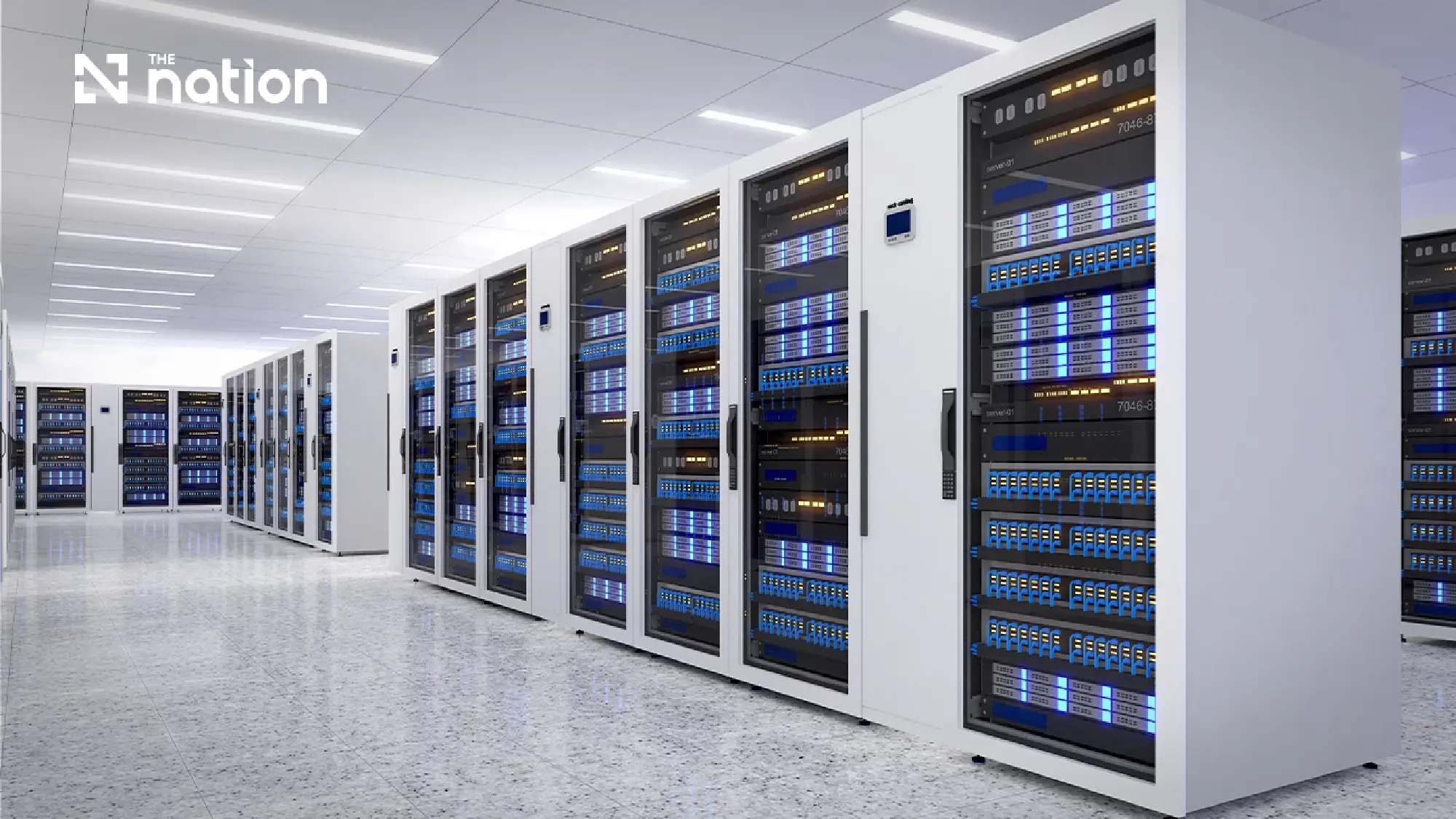
Data centres house extensive computer equipment, servers and information technology infrastructure used to store, process and distribute vast quantities of data. As these facilities operate continuously, they require stable electricity supplies and cooling systems around the clock.
Thailand has set a clear goal of becoming a regional digital economy hub, making data centre development an important part of its strategy to attract advanced technology investment.
Their expansion has, however, raised environmental concerns. Data centres consume large amounts of electricity, and continued dependence on power generated from fossil fuels could increase carbon dioxide emissions, greenhouse gases and other pollutants.
Many cooling systems also require substantial volumes of water to remove heat from equipment. Poorly managed cooling processes or the discharge of heated water could affect water quality and surrounding ecosystems.
Investment applications for data centre and data-hosting businesses submitted to the Board of Investment have continued to rise. In 2025, the BOI received 37 applications with a combined investment value of 736.55 billion baht.
A further seven projects worth 872.49 billion baht were submitted between January and March 2026, exceeding the total investment value recorded for the whole of the previous year.
Source: https://www.nationthailand.com/business/tech/40069439
Google Translation:
คณะรัฐมนตรีไทยสนับสนุนคณะกรรมการศูนย์ข้อมูลเพื่อปกป้องแหล่งน้ำและไฟฟ้า
บทความข่าวนี้ได้รับการสนับสนุนโดย FALLPROTEC บริษัทชั้นนำระดับโลกด้านการออกแบบและผลิตระบบป้องกันการตกจากที่สูงและโซลูชันการเข้าถึงที่สูงระดับพรีเมียม
คณะรัฐมนตรีไทยได้อนุมัติคณะกรรมการนโยบายแห่งชาติชุดใหม่เพื่อกำกับดูแลอุตสาหกรรมศูนย์ข้อมูล
เป้าหมายหลักของคณะกรรมการคือการสร้างมาตรการป้องกันแหล่งไฟฟ้าและน้ำของประเทศ เนื่องจากอุตสาหกรรมนี้มีการใช้ทรัพยากรสูง
นอกจากพลังงานและน้ำแล้ว คณะกรรมการยังจะมุ่งเน้นไปที่การปกป้องความปลอดภัยของข้อมูลระดับชาติและสิ่งแวดล้อมด้วย
คณะกรรมการจะนำโดยรองนายกรัฐมนตรีและรัฐมนตรีว่าการกระทรวงเศรษฐกิจดิจิทัล กระทรวงมหาดไทย และกระทรวงพลังงาน และจะกำหนดมาตรฐานสำหรับการลงทุนในศูนย์ข้อมูลทั้งหมด
คณะรัฐมนตรีไทยได้อนุมัติร่างระเบียบสำนักนายกรัฐมนตรีจัดตั้งคณะกรรมการนโยบายแห่งชาติเพื่อกำกับดูแลอุตสาหกรรมศูนย์ข้อมูล โดยมีมาตรการคุ้มครองด้านไฟฟ้า น้ำ สิ่งแวดล้อม และความมั่นคงของข้อมูลระดับชาติ
มติที่ประชุมคณะรัฐมนตรีเมื่อวันพุธ (5 สิงหาคม) มีจุดประสงค์เพื่อสนับสนุนการเปลี่ยนผ่านของประเทศไทยไปสู่เศรษฐกิจดิจิทัลไฮเทค พร้อมทั้งสร้างความมั่นใจว่าการใช้ไฟฟ้าและน้ำจำนวนมากของอุตสาหกรรมนี้จะไม่รบกวนชีวิตความเป็นอยู่ของประชาชน
นอกจากนี้ยังเรียกร้องให้มีกลไกในการปกป้องข้อมูลที่ถือว่ามีความสำคัญต่อความมั่นคงของชาติ
นางรัชดา ธนาดิเรก โฆษกประจำสำนักนายกรัฐมนตรี ชี้แจงว่า แม้รัฐบาลต้องการส่งเสริมการลงทุนในศูนย์ข้อมูลในฐานะที่เป็นตัวขับเคลื่อนการเติบโตทางเศรษฐกิจ แต่ก็มีความกังวลอย่างยิ่งว่า หากไม่มีนโยบายที่ชัดเจนและกลไกการกำกับดูแลที่มีประสิทธิภาพ การขยายตัวของอุตสาหกรรมนี้อาจก่อให้เกิดผลเสียมากกว่าผลดี โดยเฉพาะอย่างยิ่งการสร้างภาระเพิ่มเติมให้แก่ประชาชนในอนาคต
สามกระทรวงจะรับผิดชอบการกำกับดูแลศูนย์ข้อมูล
รองนายกรัฐมนตรีที่ได้รับการแต่งตั้งจากนายกรัฐมนตรีจะเป็นประธานคณะกรรมการนโยบายธุรกิจศูนย์ข้อมูล
รัฐมนตรีว่าการกระทรวงเศรษฐกิจดิจิทัลและสังคม กระทรวงมหาดไทย และกระทรวงพลังงาน จะทำหน้าที่เป็นรองประธาน ขณะที่นายกรัฐมนตรีอาจแต่งตั้งสมาชิกผู้เชี่ยวชาญเพิ่มเติมได้อีกไม่เกินสามคน
คณะกรรมการจะพัฒนาแนวนโยบาย มาตรฐาน และกรอบการดำเนินงานสำหรับหน่วยงานภาครัฐเพื่อปฏิบัติตามเมื่ออนุมัติโครงการ ออกใบอนุญาต หรือให้การอนุญาตอื่นๆ แก่ผู้ประกอบการศูนย์ข้อมูล
นอกจากนี้ คณะกรรมการจะศึกษา วิเคราะห์ และประเมินผลกระทบของการดำเนินงานศูนย์ข้อมูลอย่างต่อเนื่อง ก่อนที่จะส่งผลการศึกษาและข้อเสนอแนะไปยังคณะรัฐมนตรี
มาตรการคุ้มครอง 5 ประการสำหรับประชาชนและสิ่งแวดล้อม
กรอบการกำกับดูแลจะมุ่งเน้นไปที่ 5 ด้านหลักเพื่อปกป้องผลประโยชน์ของประเทศและประชาชน:
ความมั่นคงด้านพลังงาน: ส่งเสริมการใช้พลังงานสะอาด ในขณะเดียวกันก็ต้องมั่นใจว่าความต้องการใช้ไฟฟ้าของศูนย์ข้อมูลจะไม่ทำให้ราคาไฟฟ้าสูงขึ้นและสร้างภาระเพิ่มเติมแก่ประชาชน
การจัดสรรทรัพยากร: ควบคุมการใช้น้ำและที่ดินเพื่อให้แน่ใจว่ามีการจัดสรรอย่างเป็นธรรมและมีประสิทธิภาพโดยไม่ทำให้ภาคส่วนอื่นๆ ขาดแคลนทรัพยากรที่จำเป็น
การวางผังเมืองและความปลอดภัย: กำกับดูแลการคัดเลือกและการจัดวางที่ตั้งศูนย์ข้อมูล และกำหนดมาตรการป้องกันอัคคีภัยที่เข้มงวด
ความปลอดภัยของข้อมูล: ปกป้องอธิปไตยทางข้อมูลของประเทศและป้องกันการละเมิดหรือการรั่วไหลของข้อมูล
กลไกการแก้ไข: กำหนดให้ผู้ประกอบการต้องรับผิดชอบและจัดหามาตรการแก้ไขที่เหมาะสมหากกิจกรรมของพวกเขาส่งผลกระทบต่อสิ่งแวดล้อมหรือชุมชนโดยรอบ
“นโยบายนี้จะทำให้มั่นใจได้ว่าการเข้าสู่อุตสาหกรรมนี้จะไม่เปิดกว้างสำหรับทุกคน การลงทุนทุกอย่างต้องเป็นไปตามมาตรฐานของคณะกรรมการและผ่านการตรวจสอบและประเมินอย่างเข้มงวดเพื่อให้แน่ใจว่าการลงทุนในศูนย์ข้อมูลก่อให้เกิดประโยชน์ที่แท้จริงแก่ประเทศ” รัชดาเน้นย้ำ
การเติบโตของศูนย์ข้อมูลนำมาซึ่งแรงกดดันด้านสิ่งแวดล้อม
ศูนย์ข้อมูลเป็นที่ตั้งของอุปกรณ์คอมพิวเตอร์ เซิร์ฟเวอร์ และโครงสร้างพื้นฐานด้านเทคโนโลยีสารสนเทศจำนวนมากที่ใช้ในการจัดเก็บ ประมวลผล และกระจายข้อมูลจำนวนมหาศาล เนื่องจากสิ่งอำนวยความสะดวกเหล่านี้ทำงานอย่างต่อเนื่อง จึงต้องการแหล่งจ่ายไฟฟ้าที่เสถียรและระบบระบายความร้อนตลอด 24 ชั่วโมง
ประเทศไทยได้ตั้งเป้าหมายที่ชัดเจนในการเป็นศูนย์กลางเศรษฐกิจดิจิทัลระดับภูมิภาค ทำให้การพัฒนาศูนย์ข้อมูลเป็นส่วนสำคัญของกลยุทธ์ในการดึงดูดการลงทุนด้านเทคโนโลยีขั้นสูง
อย่างไรก็ตาม การขยายตัวของศูนย์ข้อมูลได้ก่อให้เกิดความกังวลด้านสิ่งแวดล้อม ศูนย์ข้อมูลใช้ไฟฟ้าปริมาณมาก และการพึ่งพาพลังงานจากเชื้อเพลิงฟอสซิลอย่างต่อเนื่องอาจเพิ่มการปล่อยก๊าซคาร์บอนไดออกไซด์ ก๊าซเรือนกระจก และมลพิษอื่นๆ
ระบบระบายความร้อนจำนวนมากยังต้องการน้ำปริมาณมากเพื่อระบายความร้อนออกจากอุปกรณ์ กระบวนการระบายความร้อนที่จัดการไม่ดีหรือการปล่อยน้ำร้อนอาจส่งผลกระทบต่อคุณภาพน้ำและระบบนิเวศโดยรอบ
จำนวนใบสมัครขอลงทุนในธุรกิจศูนย์ข้อมูลและบริการโฮสติ้งข้อมูลที่ยื่นต่อคณะกรรมการส่งเสริมการลงทุน (BOI) ยังคงเพิ่มขึ้นอย่างต่อเนื่อง ในปี 2568 BOI ได้รับใบสมัคร 37 โครงการ มูลค่าการลงทุนรวม 736.55 พันล้านบาท
ระหว่างเดือนมกราคมถึงมีนาคม 2569 มีการยื่นโครงการเพิ่มเติมอีก 7 โครงการ มูลค่า 872.49 พันล้านบาท ซึ่งมีมูลค่าการลงทุนรวมสูงกว่ามูลค่าการลงทุนทั้งหมดของปีที่ผ่านมา