
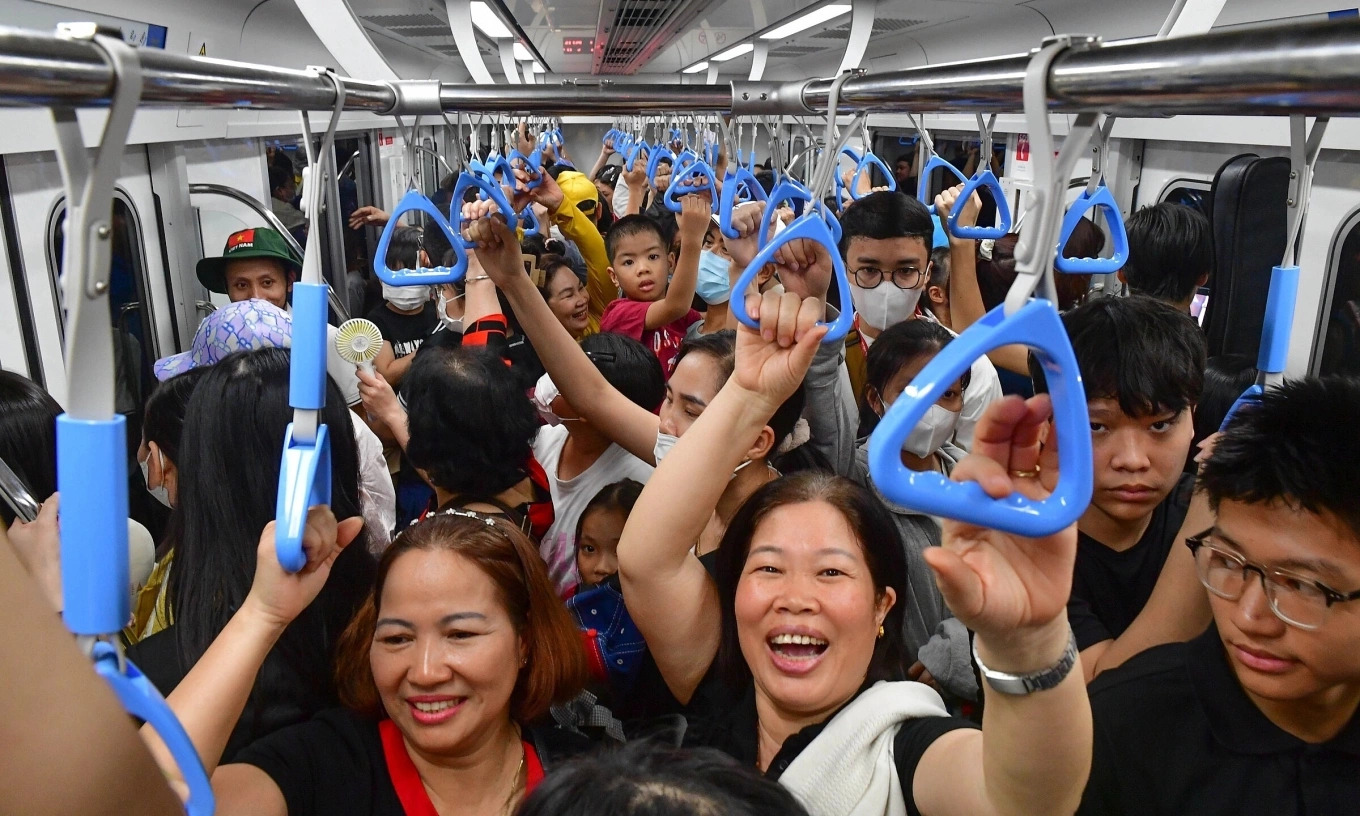
Ho Chi Minh City needs to complete around 180 km of new metro line within five years
HCMC expanding its operating network roughly tenfold, after Politburo sets target of 200 km of urban rail running by 2030
THIS NEWS ARTICLE KINDLY SPONSORED BY FALLPROTEC, A WORLD-RENOWNED NAME IN THE DESIGN AND MANUFACTURE OF PREMIUM FALL PROTECTION SYSTEMS AND HEIGHT ACCESS SOLUTIONS
Ho Chi Minh City will need to complete around 180 km of new metro line within five years, expanding its operating network roughly tenfold, after the Politburo set a target of 200 km of urban rail running by 2030.
The directive comes from Resolution 09, which orders the city to make infrastructure its breakthrough priority and to finish a fully connected urban rail network by 2045.
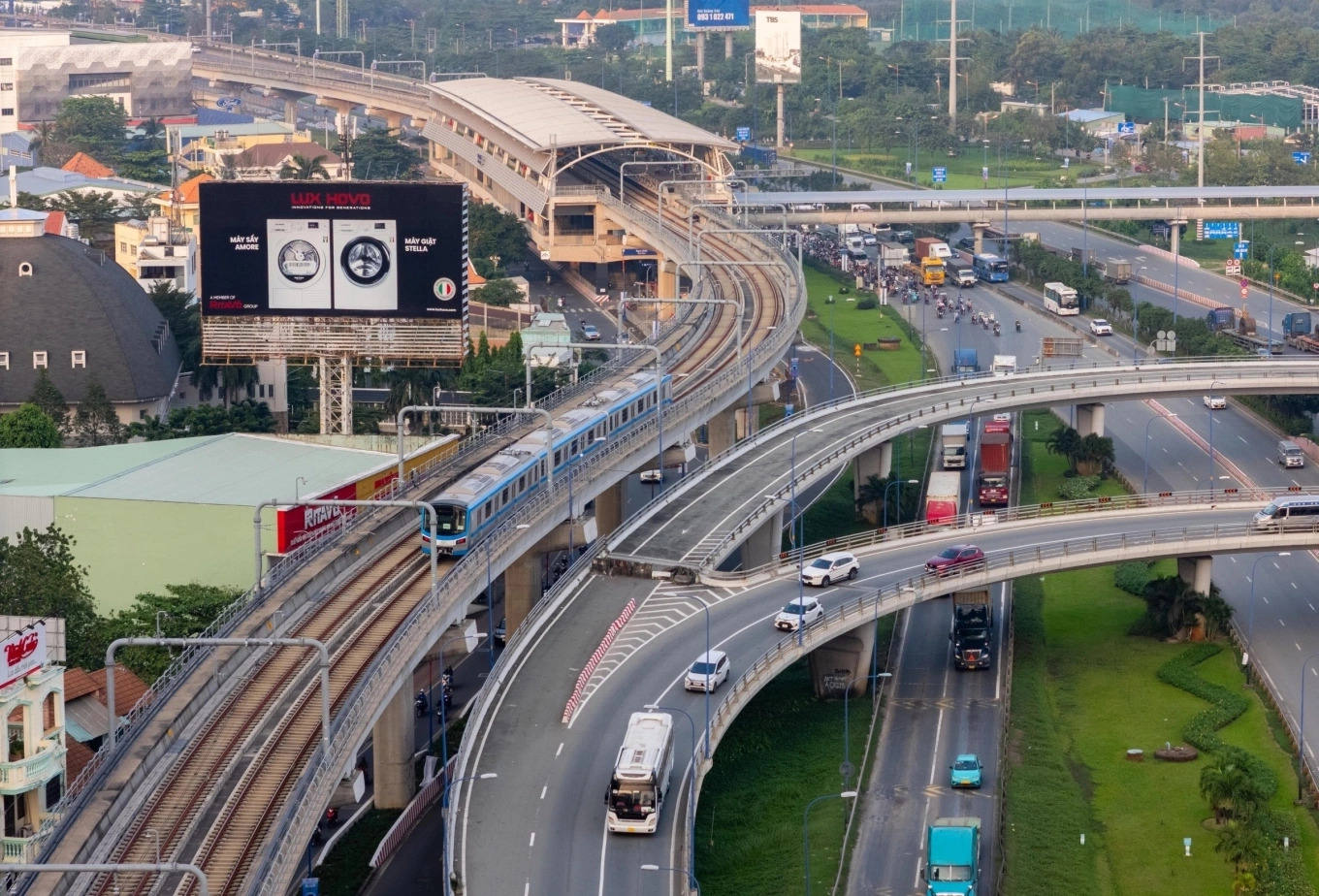
The city now runs a single line, the 20-km Ben Thanh-Suoi Tien, which opened in late 2024.
Several of the lines meant to close that gap to 200 km are already under construction. They include the second line’s Ben Thanh-Tham Luong section, at more than 11 km, and its Ben Thanh-Thu Thiem section, a 6 km fully underground stretch that will tunnel beneath the Saigon River.
The largest is the 54 km Ben Thanh-Can Gio line, which broke ground in December 2025 and is being built and financed by VinSpeed, a unit of the conglomerate Vingroup. Designed for speeds up to 350 kph, it will connect the city center to the coastal Can Gio, site of a major Vingroup resort project, and is targeted for service in 2028.
An airport line is next in the queue. The nearly 48 km Thu Thiem-Long Thanh rail link is being pushed to break ground before July 2, the 50th anniversary of Saigon being renamed Ho Chi Minh City, and is designed to carry passengers from the center to the new Long Thanh International Airport, Vietnam’s flagship aviation project now nearing the opening of its first phase.
The city plans to start three more lines this year, including two connecting to the former Binh Duong Province which was merged into HCMC last year, and one connecting to Tan Son Nhat airport.
The city’s construction department has put the cost of its priority lines, due before 2030, at roughly $17 billion, and is courting private investors to help fund them after Vingroup’s Can Gio deal showed domestic capital was willing to move fast.
The push is the centerpiece of a plan to cut chronic congestion and air pollution. Officials want the metro to handle 20-30% of all trips by 2030, rising to 35-50% by 2035 and 50-60% by 2045.
Beyond rail, the resolution directs Ho Chi Minh City to upgrade its transport and logistics backbone, tighten links between its seaports, airports, industrial parks and planned free trade zones, and build large-scale flood defenses against the tidal surges that regularly inundate low-lying districts.
Source: https://e.vnexpress.net/news/news/traffic/ho-chi-minh-city-ordered-to-expand-its-metro-tenfold-by-2030-5079293.html
Google Translation:
นครโฮจิมินห์จำเป็นต้องสร้างรถไฟฟ้าใต้ดินสายใหม่ให้แล้วเสร็จประมาณ 180 กิโลเมตรภายในห้าปี
นครโฮจิมินห์กำลังขยายเครือข่ายการเดินรถเพิ่มขึ้นประมาณสิบเท่า หลังจากที่คณะกรรมการกรมการเมืองตั้งเป้าหมายไว้ที่ 200 กิโลเมตรภายในปี 2030
บทความข่าวนี้ได้รับการสนับสนุนโดย FALLPROTEC บริษัทที่มีชื่อเสียงระดับโลกด้านการออกแบบและการผลิตระบบป้องกันการตกจากที่สูงและโซลูชันการเข้าถึงที่สูงระดับพรีเมียม
นครโฮจิมินห์จำเป็นต้องสร้างรถไฟฟ้าใต้ดินสายใหม่ให้แล้วเสร็จประมาณ 180 กิโลเมตรภายในห้าปี ซึ่งเป็นการขยายเครือข่ายการเดินรถเพิ่มขึ้นประมาณสิบเท่า หลังจากที่คณะกรรมการกรมการเมืองตั้งเป้าหมายไว้ที่ 200 กิโลเมตรภายในปี 2030
คำสั่งนี้มาจากมติที่ 09 ซึ่งสั่งให้เมืองให้ความสำคัญกับการพัฒนาโครงสร้างพื้นฐานเป็นลำดับแรก และสร้างเครือข่ายรถไฟฟ้าในเมืองที่เชื่อมต่อกันอย่างสมบูรณ์ให้แล้วเสร็จภายในปี 2030 ปี 2045
ปัจจุบันเมืองนี้มีรถไฟฟ้าเพียงสายเดียว คือสายเบ็นถั่น-ซุยเตียน ระยะทาง 20 กิโลเมตร ซึ่งเปิดให้บริการเมื่อปลายปี 2024
หลายสายที่วางแผนจะเชื่อมต่อให้ครบ 200 กิโลเมตรนั้น กำลังอยู่ระหว่างการก่อสร้างแล้ว ซึ่งรวมถึงสายที่สอง ช่วงเบ็นถั่น-ถัมลวง ระยะทางกว่า 11 กิโลเมตร และช่วงเบ็นถั่น-ทูเทียม ระยะทาง 6 กิโลเมตร ซึ่งเป็นทางใต้ดินทั้งหมดที่จะลอดใต้แม่น้ำไซง่อน
สายที่ใหญ่ที่สุดคือสายเบ็นถั่น-กันจิโอ ระยะทาง 54 กิโลเมตร ซึ่งเริ่มก่อสร้างในเดือนธันวาคม 2025 และกำลังดำเนินการก่อสร้างและได้รับเงินทุนจาก VinSpeed ซึ่งเป็นหน่วยงานหนึ่งของกลุ่มบริษัท Vingroup สายนี้ออกแบบมาเพื่อความเร็วสูงสุด 350 กิโลเมตรต่อชั่วโมง จะเชื่อมต่อใจกลางเมืองกับเมืองชายฝั่งกันจิโอ ซึ่งเป็นที่ตั้งของโครงการรีสอร์ทขนาดใหญ่ของ Vingroup และคาดว่าจะเปิดให้บริการในปี 2028
สายรถไฟฟ้าไปสนามบินจะเป็นสายต่อไปในแผนการก่อสร้าง โครงการรถไฟสายทูเทียม-ลองแทง ระยะทางเกือบ 48 กิโลเมตร กำลังเร่งดำเนินการก่อสร้างให้แล้วเสร็จก่อนวันที่ 2 กรกฎาคม ซึ่งเป็นวันครบรอบ 50 ปีของการเปลี่ยนชื่อเมืองไซง่อนเป็นโฮจิมินห์ซิตี้ โดยมีจุดประสงค์เพื่อขนส่งผู้โดยสารจากใจกลางเมืองไปยังสนามบินนานาชาติลองแทงแห่งใหม่ ซึ่งเป็นโครงการด้านการบินที่สำคัญของเวียดนามและกำลังจะเปิดให้บริการในเฟสแรก
ทางเมืองวางแผนที่จะเปิดเส้นทางรถไฟอีก 3 สายในปีนี้ รวมถึง 2 สายที่เชื่อมต่อกับจังหวัดบิ่ญเดืองเดิม ซึ่งถูกผนวกเข้ากับโฮจิมินห์ซิตี้เมื่อปีที่แล้ว และอีก 1 สายที่เชื่อมต่อกับสนามบินตันเซินญัต
ภาพรถไฟฟ้าใต้ดินสาย 1 เส้นทางเบ็นถั่น-สุ่ยเตียน วิ่งไปตามถนนฮานอย หรือถนนโว่เหงียนเจียป ในโฮจิมินห์ซิตี้ (ภาพโดย VnExpress/Quynh Tran)
กรมก่อสร้างของเมืองประเมินค่าใช้จ่ายของโครงการสำคัญๆ ที่จะแล้วเสร็จก่อนปี 2030 ไว้ที่ประมาณ 17 พันล้านดอลลาร์สหรัฐ และกำลังดึงดูดนักลงทุนภาคเอกชนให้มาช่วยระดมทุน หลังจากที่ Vingroup เข้าซื้อกิจการ Can Gio แสดงให้เห็นว่าเงินทุนภายในประเทศพร้อมที่จะเคลื่อนไหวอย่างรวดเร็ว
การผลักดันนี้เป็นหัวใจสำคัญของแผนการลดปัญหาการจราจรติดขัดเรื้อรังและมลพิษทางอากาศ เจ้าหน้าที่ต้องการให้รถไฟฟ้าใต้ดินรองรับการเดินทาง 20-30% ของการเดินทางทั้งหมดภายในปี 2030 เพิ่มขึ้นเป็น 35-50% ภายในปี 2035 และ 50-60% ภายในปี 2045
นอกเหนือจากระบบรางแล้ว มติยังสั่งการให้นครโฮจิมินห์ยกระดับโครงสร้างพื้นฐานด้านการขนส่งและโลจิสติกส์ กระชับการเชื่อมโยงระหว่างท่าเรือ สนามบิน นิคมอุตสาหกรรม และเขตการค้าเสรีที่วางแผนไว้ และสร้างระบบป้องกันน้ำท่วมขนาดใหญ่เพื่อรับมือกับคลื่นน้ำขึ้นน้ำลงที่มักท่วมพื้นที่ต่ำเป็นประจำ
