Vietnam’s $67BN Gamble on High-Speed Rail
THIS NEWS ARTICLE KINDLY SPONSORED BY FALLPROTEC, A WORLD-RENOWNED NAME IN THE DESIGN AND MANUFACTURE OF PREMIUM FALL PROTECTION SYSTEMS AND HEIGHT ACCESS SOLUTIONS
WATCH THE VIDEO: Video narrated and hosted by Fred Mills. This video contains paid promotion for Rayon Design.
Vietnam is spending 17 percent of its entire GDP on one enormous megaproject. It’s quite frankly hard to imagine any other country in the world doing that. But Vietnam is in a pretty good place right now. It’s one of the fastest growing economies in Asia, and you can see it. They’re in the midst of a building spree. New airports, new mega-airports, new stadiums, new roads. And the World Bank forecasts this growth to just keep… well, growing.
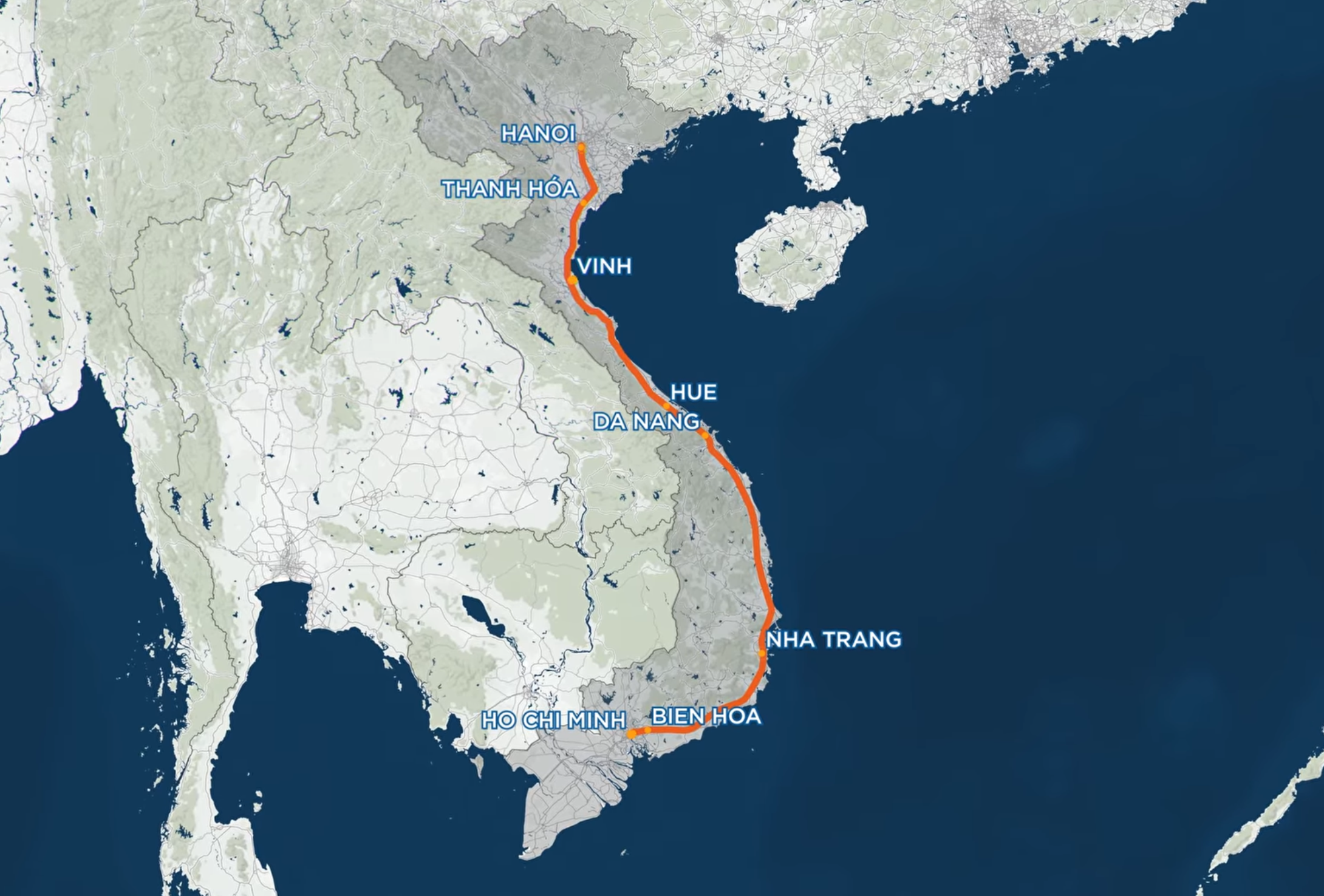
But it hasn’t always been like this, and this remarkable reinvention could be more fragile than anyone would like to lead on. Enter: the $67BN North-South Railway. A gigantic high-speed line that will run up the entire spine of the country, all the way from Hanoi to Ho Chi Minh City. It could quite literally be the megaproject that will make… or break Vietnam.
It’s big
HS2, the UK’s troubled High-Speed Rail project, is one of the most expensive rail projects in the world. By some estimates the cost of constructing it amounts to roughly 2.5 to 3 percent of the UK’s entire annual GDP. While China’s Three Gorges Dam, a megaproject so enormous it actually slowed the rotation of the Earth, cost approximately less than half a percentage of their GDP. To look closer to home, Indonesia spent roughly 0.55% of its GDP on a high speed rail line from Jakarta to Bandung. We’re telling you this to really put into perspective how enormous 17% is for Vietnam. It is the most expensive infrastructure project in the country’s history. Period.
“The critical question isn’t even whether they can afford it. It’s whether they can’t afford not to,” explains Dr Scott McDonald, Lecturer, Logistics and Supply Chain Management at RMIT University. We talked to Dr Scott McDonald, a lecturer at RMIT Vietnam based in Ho Chi Minh City. He explained to us that Vietnam is at a crucial tipping point.
“It’s constraining the economic growth in the country by not having a good rail system in place.”
So the solution: to build an entirely new 1,541 kilometre long rail line.
But these are just numbers on a screen. In order for you to get a sense of this project, you have to reminagine how you see Vietnam. Thanks to the Mercator projection most people have a pretty incorrect idea of the true size of Vietnam. If we placed the country over the US it would reach from New York to Miami. Over the UK it would reach from Scotland to Spain. This country is long. And building a rail up and down it is an enormous task. Just ask the French. They spent about 50 years building roughly 2,600 kilometers of rail throughout Vietnam.
“Originally built during the French occupation back in the 1800s, late 1800s. And they’ve continued the same system since then,” Dr Scott McDonald told us. “They’ve upgraded from steam engines to diesel engines, but the same one meter gage track has been used since then.
“Most countries using their rail system as kind of the backbone for transportation, in this country, it’s maybe 6% of freight actually moves via the rail because it’s so slow. It takes 30 plus, sometimes 35 hours just to get from Ho Chi Minh City up to Hanoi.
“The rail system is pretty much used for tourists.”
This rail is part of the bottleneck that’s choking the country. In many places it’s just a single line. And that line is old and in constant need of repairs and maintenance. Thanks to Vietnam’s geography it’s also often extremely difficult to get that maintenance there in time.
A game-changer
This new project would add 1,541 kilometres of high-speed track, from Hanoi in the north all the way to Ho Chi Minh City in the south. Each of these cities, along with Da Nang, are crucial epicenters for the country. 10M of Vietnam’s 100M people live in Ho Chi Minh. It’s the country’s largest city and its economic powerhouse. It’s also set to grow… by a lot, with estimates adding another 4M people in the next few years. Hanoi comes in at a close second with more than 8M people. Right now a rail journey between those two cities would take at least thirty hours. This new high-speed line would cut that down to just six.
Apart from improving transport between these two hubs, a high-speed line would also connect rural communities. Suddenly trade, ideas, and people could all be shared on a massive scale. It’s hard to overstate how great of a ripple effect this would have on the economy and the people.
To understand just how transformative high speed rail can be, we have to look to where it came from. You probably know it by a different name. Shinkansen, or in English: the bullet train.
How the bullet train changed Japan
Japan’s high-speed rail story began in the early 1960s, at a moment when the country was rebuilding itself from the destruction of World War II. With its economy growing at unprecedented speed and its cities straining under the pressure of overcrowded rail lines, Japan made a radical decision: instead of upgrading existing tracks, it would build an entirely new railway, designed from the ground up for speed.
The result was the Shinkansen. Opened in 1964, just in time for the Tokyo Olympics. It was the world’s first true high-speed rail line connecting Tokyo and Osaka and cutting journey times almost in half. But, at the time, it was an enormous financial risk. Costs ballooned, the project faced political opposition, and critics questioned whether passengers would even come.
They were wrong. The Shinkansen proved not just to be fast, but reliable, safe and completely transformative. It reshaped Japan’s cities, opened up rural areas, and set the template for every high-speed rail network that followed. So what made this radical new line so fast?
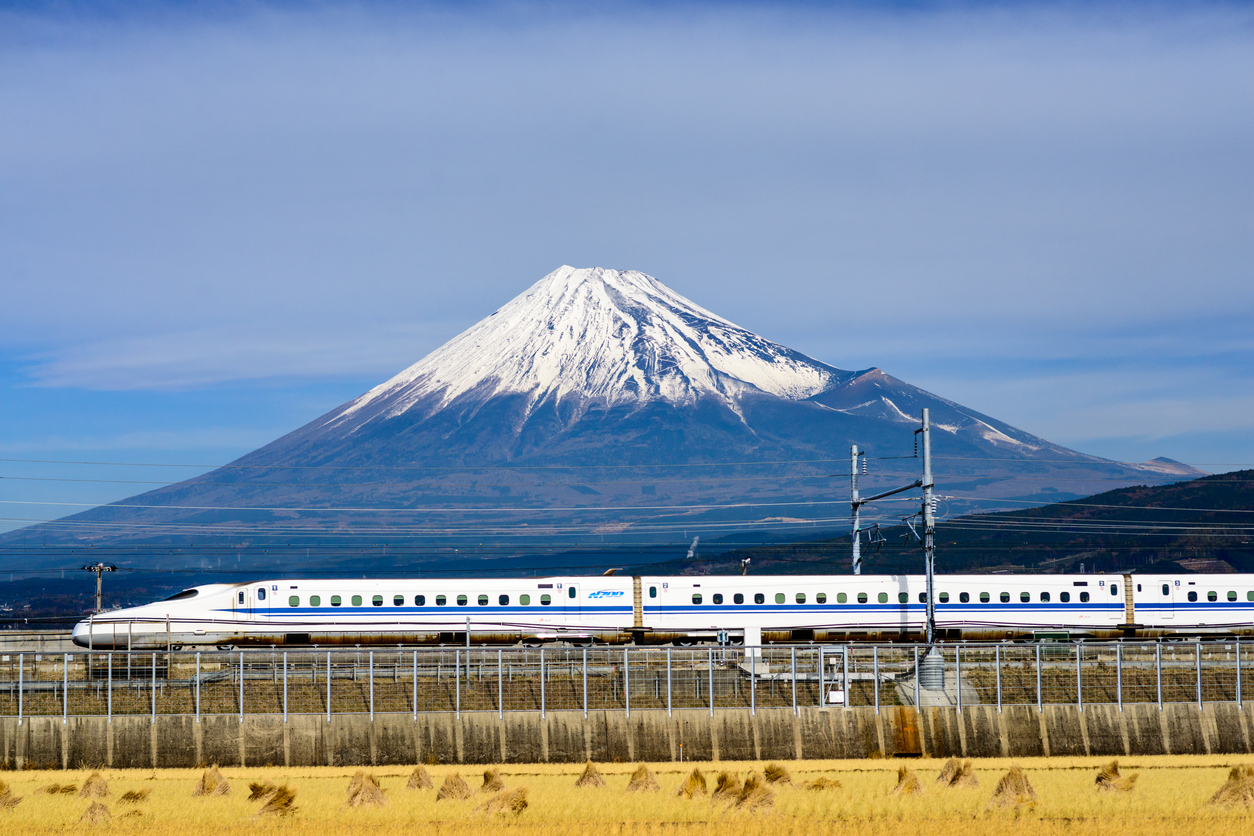
Well, first off, by building an entirely new line they separated freight from passenger trains, which had previously shared the same track and congested the route. On top of that, this new route was designed to be as straight as possible, allowing the trains to go fast. Really, really fast. At the time it was about 200 kilometres an hour.
The new line used a wider gauge: 4 feet 8 inches instead of the 3 feet 6 inches of traditional rail. This improved stability at higher speeds, reduced sway and allowed for more powerful train designs. Over time, these designs steadily become more aerodynamic, with smooth car bodies and rounded noses. The aim was to reduce overall air resistance. And they’ve only got better at this over time.
The original line reportedly covered its construction cost within 7 years because of the incredible demand for tickets. In 1964, 23M passengers used the bullet train annually. Today that number is more than 400M. It helped spur Japan’s postwar “economic miracle” boosting the country to become, at its height, the second largest economy in the world.
Regions connected to the Shinkansen lines experienced a 20 percent increase in productivity. While the now interconnected Tokyo-Osaka “mega-region” has become the one of the largest economic corridors in the world, accounting for 40 percent of Japan’s GDP.
Enter: China
Now, China took this concept and did what China does best. Scaled it… massively. In less than a decade they built a high-speed rail network larger than any other country in the entire world. More than two-thirds of the world’s high-speed rail now lies in China. This has drastically shortened travel times, improved passenger safety, reduced carbon emissions, and facilitated labour mobility.
Those from provincial or less developed areas now have access to the country’s booming metropolises. Studies also found that tourism increased 20 percent in provinces connected by HSR, and generated 25 percent more revenue as a direct result. In 2024, China’s national railway handled a record 4BN passenger trips, with daily traffic reaching a high of nearly 21M.
That’s the equivalent of moving one third of the United Kingdom every. single. day.
The rail has effectively acted as a foundation, connecting the country on a truly unprecedented scale and facilitating enormous economic growth as a direct result. You can see why Vietnam would want to invest in this kind of infrastructure.
The problem with Vietnam
But building high-speed rail isn’t as simple as building ordinary rail. In order for it to be as effective as possible the line has to be as straight as possible. This is basic physics. At low speeds, tight curves are fine. At high speeds, the same curve becomes dangerous or wildly uncomfortable. The faster you go, the more force you feel at every turn.
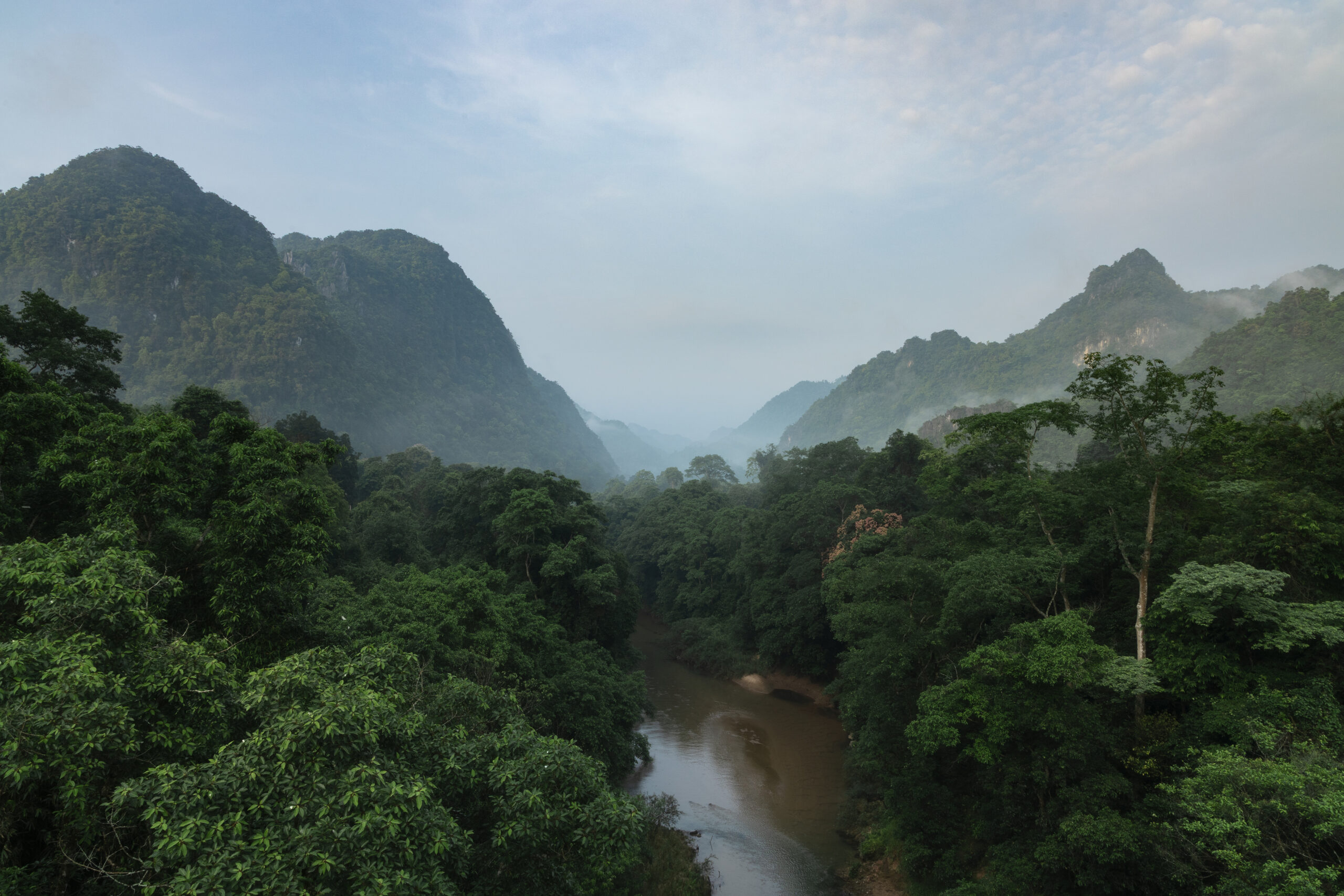
So, immediately we have a problem. Once we leave the urban areas of Ho Chi Minh City and Hanoi and approach central Vietnam things get tricky, to say the least. The Annamite Mountains run close to the coast and essentially block the path of any future track. Vietnam would have to bore through it. And that won’t be easy. The range is a fractured landscape of limestone mountains and unstable karst geology where tunnelling carries a constant risk of collapse.
“Vietnam only has roughly about 20% flat land. The rest is all, you know mountains and valleys and rivers. It’s over 2,000 rivers between here and Hanoi that have to be crossed,” said Dr Scott McDonald.
Further south, the line must cross the Mekong Delta, a vast floodplain of soft, waterlogged soils that behave less like solid ground and more like slurry. Extensive ground treatment and continual maintenance would be required to keep any high-speed track stable. 10% of the route will be tunneled, but 60% of it will have to be built on viaducts and bridges. This is far more than is typically seen on a standard route and is part of what will make this project so incredibly expensive.
“Also with flood risks, you know, Vietnam is very prone, especially lately, with climate change and whatnot to typhoons and landslides and heavy rains and everything else,” said Dr Scott McDonald. “And they tend to take out bridges and things like this. So again, that the viaduct is one way to kind of raise above that flood risk as well as preserving agricultural land.
“Now electrification is definitely another challenge because the current system is all run by diesel locomotives. And so there’s no electrification anywhere along the route. So that’s going to have to also be built from the ground up, which again is more costs involved in that too.”
Step 1. Get the land
And before all of this there is one very crucial thing Vietnam needs first. Land. This will be the largest land clearance exercise in the country’s history. And it will have to be done through some of Vietnam’s most densely populated urban areas, many of which are characterised by informal developments.
This has already raised concerns. While the Vietnamese government holds sweeping powers to acquire land for major infrastructure projects, compensation is frequently set below market value, making displacement a politically sensitive issue. Unlike most countries, all land in Vietnam is formally owned by the state, with individuals and businesses granted Land Use Rights rather than freehold ownership. In theory, this simplifies large-scale acquisition and removes many of the legal obstacles that can stall rail projects elsewhere.
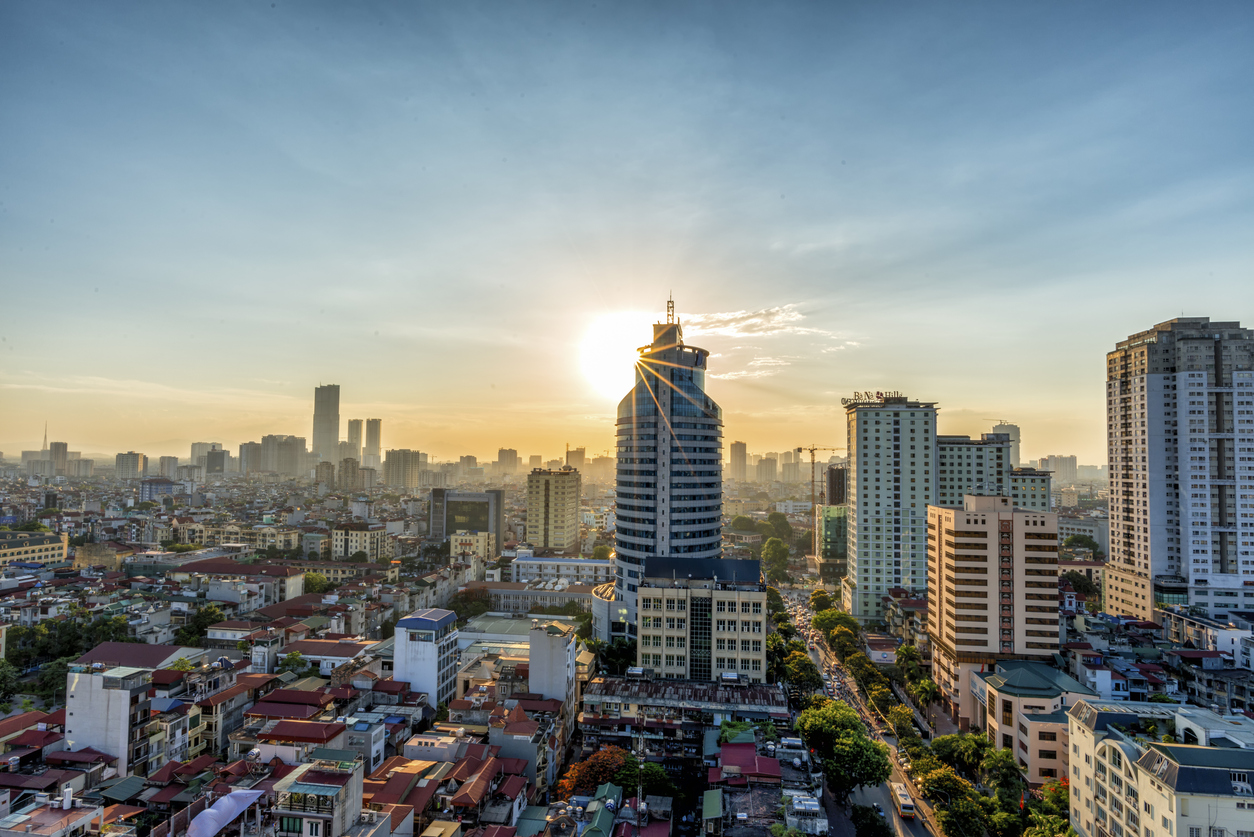
The line will connect Vietnam’s massive cities to rural areas.
“I’ve never had much experience in a country like this where it has the one party system and I, in my mind, I always thought that, hey, the one party is the law, right? They do whatever they want to do. But that’s not quite the case. They still have to compensate.”
In practice, it shifts the challenge from the courts to the state. It will demand unprecedented levels of coordination to relocate communities and keep the project moving. But those using the land have every right to sue the government, if they wish. This will be far from an easy process.
Step 2. Get the people
There’s another key factor in this: Vietnam has never done anything like this before. So, naturally, they will have to import a lot of talent to get any of this built. The country has limited experience even with modern electrified double-track rail, and has struggled with just metro projects. In fact, these metro projects have acted as a sort of testing ground for high-speed rail.
“But the other skill gap area is operational. Train drivers, maintenance technicians, safety inspectors,” said Dr Scott McDonald. “This requires, you know, a culture of precision and safety that has to be developed from scratch.
“The Ministry of Transport even warned that without early workforce development plans, it’s, you know, Vietnam can have no choice, but to depend on foreign experts.”
Constructing the line will, either way, require some kind of foreign investment.
“The key question really isn’t which countries trains Vietnam is going to buy, but which partner is best going to facilitate that genuine technology transfer. Vietnam doesn’t want to just purchase trains, it wants to eventually manufacture and maintain them domestically.”
The risks surrounding this entire project are, quite frankly, enormous.
Spending this much on one infrastructure project could crowd out spending in other areas, such as healthcare, education, and improving regional rail that’s already there. It’s also unclear as to whether people will actually use this. Vietnam has frequent cheap domestic flights. The flight corridor between Hanoi and Ho Chi Minh city is one of the busiest in the world.
“11 million people travel annually. Now, if the high speed rail can capture even 50% of that market,” said Dr Scott McDonald. “The government has already you know stated that they’re going to cap the fares at 75 percent of airline tickets.”
This project has been debated for 15 years already. But… right now could be the perfect time to pull it off.
“The economic impact is going to extend well beyond just transportation. Again, using China as an example, their HSR shaped real estate markets, labor mobility, business location decisions, all within a two- to three-year period. So Vietnam needs to prepare for similar transformative effects.
“High speed rail is is potentially game-changing.”
Vietnam is on a roll, they have a good hand and they’re playing it well. But with a gamble as big as this, they really need it to pay off.
Source: https://www.theb1m.com/video/vietnams-67bn-gamble-on-high-speed-rail
Google Translation:
เวียดนามทุ่มเงิน 67 พันล้านดอลลาร์สหรัฐฯ กับโครงการรถไฟความเร็วสูง
บทความข่าวนี้ได้รับการสนับสนุนโดย FALLPROTEC บริษัทชั้นนำระดับโลกด้านการออกแบบและผลิตระบบป้องกันการตกจากที่สูงและโซลูชันการเข้าถึงที่สูง
เส้นทางรถไฟความเร็วสูงที่วางแผนไว้
รับชมวิดีโอ: วิดีโอบรรยายและดำเนินรายการโดย Fred Mills วิดีโอนี้มีการโปรโมตแบบเสียค่าใช้จ่ายสำหรับ Rayon Design
เวียดนามกำลังใช้เงิน 17 เปอร์เซ็นต์ของ GDP ทั้งหมดไปกับโครงการขนาดใหญ่โครงการเดียว พูดตามตรงแล้ว ยากที่จะจินตนาการว่าประเทศอื่นใดในโลกจะทำเช่นนั้นได้ แต่เวียดนามอยู่ในสถานการณ์ที่ดีมากในขณะนี้ เป็นหนึ่งในประเทศที่มีเศรษฐกิจเติบโตเร็วที่สุดในเอเชีย และคุณสามารถเห็นได้ พวกเขากำลังอยู่ในช่วงการก่อสร้างครั้งใหญ่ สนามบินใหม่ สนามบินขนาดใหญ่แห่งใหม่ สนามกีฬาใหม่ ถนนใหม่ และธนาคารโลกคาดการณ์ว่าการเติบโตนี้จะยังคง…เติบโตต่อไป
แต่ก่อนหน้านี้ไม่ได้เป็นเช่นนี้เสมอไป และการเปลี่ยนแปลงครั้งใหญ่ครั้งนี้อาจเปราะบางกว่าที่ใครๆ อยากให้เป็น ขอแนะนำโครงการรถไฟสายเหนือ-ใต้ มูลค่า 67 พันล้านดอลลาร์ เส้นทางรถไฟความเร็วสูงขนาดมหึมาที่จะวิ่งเลียบแกนกลางของประเทศ จากฮานอยไปจนถึงโฮจิมินห์ซิตี้ มันอาจเป็นโครงการขนาดใหญ่ที่จะชี้ชะตาของเวียดนามได้เลยทีเดียว
มันใหญ่มาก
HS2 โครงการรถไฟความเร็วสูงที่มีปัญหาของสหราชอาณาจักร เป็นหนึ่งในโครงการรถไฟที่แพงที่สุดในโลก บางประมาณการระบุว่าค่าใช้จ่ายในการก่อสร้างคิดเป็นประมาณ 2.5 ถึง 3 เปอร์เซ็นต์ของ GDP ประจำปีทั้งหมดของสหราชอาณาจักร ในขณะที่เขื่อนสามหุบเขาของจีน โครงการขนาดใหญ่ที่ทำให้การหมุนของโลกช้าลง มีค่าใช้จ่ายน้อยกว่าครึ่งเปอร์เซ็นต์ของ GDP หากมองในมุมมองที่ใกล้ตัวมากขึ้น อินโดนีเซียใช้เงินประมาณ 0.55% ของ GDP ในการสร้างเส้นทางรถไฟความเร็วสูงจากจาการ์ตาไปยังบันดุง เราบอกคุณเช่นนี้เพื่อให้คุณเห็นภาพว่า 17% นั้นใหญ่หลวงเพียงใดสำหรับเวียดนาม นี่คือโครงการโครงสร้างพื้นฐานที่แพงที่สุดในประวัติศาสตร์ของประเทศ จบ!
“คำถามสำคัญไม่ใช่ว่าพวกเขาสามารถจ่ายได้หรือไม่ แต่เป็นว่าพวกเขาจะพลาดโอกาสนี้ไปไม่ได้ต่างหาก” ดร. สก็อตต์ แมคโดนัลด์ อาจารย์ด้านโลจิสติกส์และการจัดการห่วงโซ่อุปทาน มหาวิทยาลัย RMIT อธิบาย เราได้พูดคุยกับดร. สก็อตต์ แมคโดนัลด์ อาจารย์ประจำ RMIT เวียดนาม ซึ่งประจำอยู่ที่นครโฮจิมินห์ เขาอธิบายให้เราฟังว่าเวียดนามกำลังอยู่ในจุดเปลี่ยนที่สำคัญ
“การไม่มีระบบรถไฟที่ดีนั้นกำลังจำกัดการเติบโตทางเศรษฐกิจของประเทศ”
ดังนั้นทางออกคือ การสร้างเส้นทางรถไฟใหม่ทั้งหมดความยาว 1,541 กิโลเมตร
แต่ตัวเลขเหล่านี้เป็นเพียงตัวเลขบนหน้าจอเท่านั้น เพื่อให้คุณเข้าใจถึงโครงการนี้ คุณต้องนึกภาพเวียดนามในมุมมองใหม่ ขอบคุณแผนที่แบบเมอร์เคเตอร์ที่ทำให้คนส่วนใหญ่มีความคิดที่ไม่ถูกต้องเกี่ยวกับขนาดที่แท้จริงของเวียดนาม หากเราวางประเทศนี้ทับสหรัฐอเมริกา มันจะยาวจากนิวยอร์กถึงไมอามี หากวางทับสหราชอาณาจักร มันจะยาวจากสกอตแลนด์ถึงสเปน ประเทศนี้ยาวมาก และการสร้างทางรถไฟตลอดสายนั้นเป็นงานที่ใหญ่หลวงมาก ลองถามชาวฝรั่งเศสดูสิ พวกเขาใช้เวลาประมาณ 50 ปีในการสร้างทางรถไฟยาวประมาณ 2,600 กิโลเมตรทั่วเวียดนาม
“เดิมทีสร้างขึ้นในช่วงที่ฝรั่งเศสยึดครองในปลายศตวรรษที่ 19 และพวกเขาก็ยังคงใช้ระบบเดิมมาจนถึงปัจจุบัน” ดร. สก็อตต์ แมคโดนัลด์ บอกกับเรา “พวกเขาได้อัพเกรดจากเครื่องยนต์ไอน้ำเป็นเครื่องยนต์ดีเซล แต่รางขนาด 1 เมตรก็ยังคงใช้มาจนถึงปัจจุบัน”
“ประเทศส่วนใหญ่ใช้ระบบทางรถไฟเป็นเหมือนกระดูกสันหลังของการขนส่ง แต่ในประเทศนี้ มีเพียงประมาณ 6% ของสินค้าที่ขนส่งทางรถไฟเท่านั้น เพราะมันช้ามาก ใช้เวลา 30 ชั่วโมงขึ้นไป บางครั้งถึง 35 ชั่วโมงกว่าจะเดินทางจากโฮจิมินห์ซิตี้ไปยังฮานอยได้”
“ระบบทางรถไฟส่วนใหญ่ใช้สำหรับนักท่องเที่ยว”
ทางรถไฟนี้เป็นส่วนหนึ่งของคอขวดที่กำลังบีบคั้นประเทศ ในหลายๆ ที่มีเพียงรางเดียว และรางนั้นก็เก่าและต้องการการซ่อมแซมและบำรุงรักษาอย่างต่อเนื่อง ด้วยสภาพภูมิประเทศของเวียดนาม ทำให้การบำรุงรักษาในพื้นที่นั้นทำได้ยากมาก
โครงการพลิกโฉมวงการ
โครงการใหม่นี้จะเพิ่มเส้นทางรถไฟความเร็วสูงอีก 1,541 กิโลเมตร จากฮานอยทางเหนือ ไปจนถึงโฮจิมินห์ซิตี้ทางใต้ เมืองเหล่านี้ รวมถึงดานัง เป็นศูนย์กลางที่สำคัญของประเทศ ประชากร 10 ล้านคนจากทั้งหมด 100 ล้านคนของเวียดนามอาศัยอยู่ในโฮจิมินห์ซิตี้ ซึ่งเป็นเมืองที่ใหญ่ที่สุดและเป็นศูนย์กลางทางเศรษฐกิจของประเทศ และคาดว่าจะเติบโตขึ้นอย่างมาก โดยคาดการณ์ว่าจะมีประชากรเพิ่มขึ้นอีก 4 ล้านคนในอีกไม่กี่ปีข้างหน้า ฮานอยตามมาเป็นอันดับสองด้วยประชากรมากกว่า 8 ล้านคน ปัจจุบันการเดินทางด้วยรถไฟระหว่างสองเมืองนี้ใช้เวลาอย่างน้อยสามสิบชั่วโมง แต่เส้นทางรถไฟความเร็วสูงใหม่นี้จะลดเวลาลงเหลือเพียงหกชั่วโมง
นอกจากการปรับปรุงการขนส่งระหว่างสองศูนย์กลางนี้แล้ว เส้นทางรถไฟความเร็วสูงยังจะเชื่อมต่อชุมชนในชนบทอีกด้วย การค้า ความคิด และผู้คนจะสามารถแบ่งปันกันได้ในวงกว้าง เป็นการยากที่จะกล่าวเกินจริงถึงผลกระทบมหาศาลที่จะเกิดขึ้นต่อเศรษฐกิจและประชาชน
เพื่อทำความเข้าใจว่ารถไฟความเร็วสูงสามารถเปลี่ยนแปลงโลกได้มากเพียงใด เราต้องย้อนกลับไปดูจุดเริ่มต้นของมัน คุณอาจรู้จักมันในชื่ออื่น นั่นคือ ชินคันเซ็น หรือในภาษาอังกฤษว่า รถไฟหัวกระสุน
รถไฟความเร็วสูงเปลี่ยนโฉมญี่ปุ่นไปตลอดกาล
อันดับแรกเลย การสร้างเส้นทางใหม่ทั้งหมดทำให้รถไฟขนส่งสินค้าและรถไฟโดยสารแยกออกจากกัน ซึ่งก่อนหน้านี้ใช้รางเดียวกันและทำให้เส้นทางแออัด นอกจากนี้ เส้นทางใหม่นี้ยังถูกออกแบบให้ตรงที่สุดเท่าที่จะเป็นไปได้ ทำให้รถไฟวิ่งได้เร็วมาก เร็วมากจริงๆ ในเวลานั้นความเร็วอยู่ที่ประมาณ 200 กิโลเมตรต่อชั่วโมง
เส้นทางใหม่นี้ใช้รางที่กว้างกว่าเดิม คือ 4 ฟุต 8 นิ้ว แทนที่จะเป็น 3 ฟุต 6 นิ้วของรางแบบดั้งเดิม ซึ่งช่วยเพิ่มเสถียรภาพที่ความเร็วสูง ลดการแกว่ง และทำให้สามารถออกแบบรถไฟที่มีกำลังมากขึ้นได้ เมื่อเวลาผ่านไป การออกแบบเหล่านี้ก็ค่อยๆ พัฒนาให้มีหลักอากาศพลศาสตร์มากขึ้น ด้วยตัวรถที่เรียบลื่นและส่วนหน้าโค้งมน เป้าหมายคือการลดแรงต้านอากาศโดยรวม และพวกเขาก็ทำได้ดียิ่งขึ้นเรื่อยๆ
มีรายงานว่าเส้นทางเดิมสามารถคืนทุนค่าก่อสร้างได้ภายใน 7 ปี เนื่องจากความต้องการตั๋วที่สูงมาก ในปี 1964 มีผู้โดยสารใช้บริการรถไฟความเร็วสูงถึง 23 ล้านคนต่อปี ปัจจุบันจำนวนนั้นมากกว่า 400 ล้านคนแล้ว มันช่วยกระตุ้น “ปาฏิหาริย์ทางเศรษฐกิจ” ของญี่ปุ่นหลังสงคราม ทำให้ประเทศญี่ปุ่นกลายเป็นประเทศที่มีขนาดเศรษฐกิจใหญ่เป็นอันดับสองของโลกในช่วงรุ่งเรืองที่สุด
ภูมิภาคที่เชื่อมต่อกับเส้นทางรถไฟชินคันเซ็นมีผลผลิตเพิ่มขึ้น 20 เปอร์เซ็นต์ ขณะที่ “เขตเศรษฐกิจขนาดใหญ่” โตเกียว-โอซาก้า ที่เชื่อมต่อกันในปัจจุบัน กลายเป็นหนึ่งในระเบียงเศรษฐกิจที่ใหญ่ที่สุดในโลก คิดเป็น 40 เปอร์เซ็นต์ของ GDP ของญี่ปุ่น
และนี่คือบทบาทของจีน
จีนนำแนวคิดนี้ไปใช้และทำในสิ่งที่จีนทำได้ดีที่สุด นั่นคือการขยายขนาด…อย่างมหาศาล ในเวลาไม่ถึงสิบปี พวกเขาสร้างเครือข่ายรถไฟความเร็วสูงที่ใหญ่กว่าประเทศใดๆ ในโลก ปัจจุบันกว่าสองในสามของรถไฟความเร็วสูงทั่วโลกอยู่ในประเทศจีน สิ่งนี้ช่วยลดเวลาการเดินทาง ปรับปรุงความปลอดภัยของผู้โดยสาร ลดการปล่อยก๊าซคาร์บอน และอำนวยความสะดวกในการเคลื่อนย้ายแรงงาน
ผู้คนจากต่างจังหวัดหรือพื้นที่ด้อยพัฒนาสามารถเข้าถึงเมืองใหญ่ที่กำลังเติบโตอย่างรวดเร็วของประเทศได้แล้ว จากการศึกษาพบว่า การท่องเที่ยวเพิ่มขึ้น 20 เปอร์เซ็นต์ในจังหวัดที่เชื่อมต่อด้วยรถไฟความเร็วสูง และสร้างรายได้เพิ่มขึ้น 25 เปอร์เซ็นต์โดยตรง ในปี 2024 รถไฟแห่งชาติของจีนรองรับผู้โดยสารมากถึง 4 พันล้านเที่ยว ซึ่งเป็นสถิติสูงสุด โดยมีผู้โดยสารต่อวันสูงถึงเกือบ 21 ล้านคน
นั่นเทียบเท่ากับการขนส่งประชากรหนึ่งในสามของสหราชอาณาจักรทุกวัน
ระบบรถไฟได้ทำหน้าที่เป็นรากฐานสำคัญในการเชื่อมต่อประเทศในระดับที่ไม่เคยมีมาก่อน และอำนวยความสะดวกในการเติบโตทางเศรษฐกิจอย่างมหาศาลโดยตรง คุณจึงเข้าใจได้ว่าทำไมเวียดนามจึงต้องการลงทุนในโครงสร้างพื้นฐานประเภทนี้
ปัญหาของเวียดนาม
แต่การสร้างรถไฟความเร็วสูงนั้นไม่ง่ายเหมือนการสร้างรถไฟธรรมดา เพื่อให้มีประสิทธิภาพมากที่สุด เส้นทางต้องตรงที่สุดเท่าที่จะเป็นไปได้ นี่คือหลักฟิสิกส์พื้นฐาน ที่ความเร็วต่ำ ทางโค้งแคบๆ นั้นไม่เป็นไร แต่ที่ความเร็วสูง ทางโค้งเดียวกันนั้นจะกลายเป็นอันตรายหรือทำให้รู้สึกไม่สบายอย่างมาก ยิ่งคุณไปเร็วเท่าไหร่ คุณก็จะยิ่งรู้สึกถึงแรงมากขึ้นในทุกๆ ทางโค้ง
ดังนั้น เราจึงมีปัญหาขึ้นมาทันที เมื่อเราออกจากเขตเมืองโฮจิมินห์และฮานอย และเข้าสู่ภาคกลางของเวียดนาม สถานการณ์ก็จะยุ่งยากขึ้นอย่างมาก เทือกเขาอันนามตั้งอยู่ใกล้ชายฝั่งและขวางกั้นเส้นทางรถไฟในอนาคต เวียดนามจะต้องเจาะอุโมงค์ผ่านเทือกเขานี้ ซึ่งไม่ใช่เรื่องง่าย เทือกเขานี้เป็นภูมิประเทศที่แตกหักของภูเขาหินปูนและธรณีวิทยาแบบคาร์สต์ที่ไม่มั่นคง การขุดอุโมงค์จึงมีความเสี่ยงที่จะพังทลายอยู่ตลอดเวลา
“เวียดนามมีพื้นที่ราบเพียงประมาณ 20% เท่านั้น ที่เหลือเป็นภูเขา หุบเขา และแม่น้ำทั้งหมด มีแม่น้ำมากกว่า 2,000 สายระหว่างที่นี่กับฮานอยที่ต้องข้าม” ดร. สก็อตต์ แมคโดนัลด์ กล่าว
เวียดนามส่วนใหญ่เป็นภูเขาและเต็มไปด้วยป่าทึบ
ทางใต้ลงไปอีก เส้นทางรถไฟต้องข้ามสามเหลี่ยมปากแม่น้ำโขง ซึ่งเป็นที่ราบน้ำท่วมถึงขนาดใหญ่ที่มีดินอ่อนนุ่มและชุ่มน้ำ ซึ่งมีลักษณะคล้ายโคลนมากกว่าพื้นดินแข็ง การปรับปรุงพื้นดินอย่างกว้างขวางและการบำรุงรักษาอย่างต่อเนื่องจึงจำเป็นเพื่อให้เส้นทางรถไฟความเร็วสูงมีความมั่นคง 10% ของเส้นทางจะเป็นอุโมงค์ แต่ 60% ที่เหลือจะต้องสร้างบนสะพานและทางยกระดับ ซึ่งมากกว่าเส้นทางมาตรฐานทั่วไปมาก และเป็นส่วนหนึ่งที่ทำให้โครงการนี้มีราคาแพงอย่างเหลือเชื่อ
“นอกจากนี้ ด้วยความเสี่ยงจากน้ำท่วม คุณก็รู้ว่าเวียดนามมีความเสี่ยงสูง โดยเฉพาะอย่างยิ่งในช่วงหลังๆ นี้ ด้วยการเปลี่ยนแปลงสภาพภูมิอากาศและปัจจัยอื่นๆ ที่ทำให้เกิดพายุไต้ฝุ่น ดินถล่ม ฝนตกหนัก และอื่นๆ” ดร. สก็อตต์ แมคโดนัลด์ กล่าว “และภัยพิบัติเหล่านี้มักจะทำลายสะพานและสิ่งต่างๆ ดังนั้น การสร้างทางยกระดับจึงเป็นวิธีหนึ่งที่จะช่วยลดความเสี่ยงจากน้ำท่วม รวมถึงการอนุรักษ์พื้นที่เกษตรกรรมด้วย”
“ส่วนเรื่องการติดตั้งระบบไฟฟ้าก็เป็นความท้าทายอีกอย่างหนึ่ง เพราะระบบปัจจุบันใช้หัวรถจักรดีเซลทั้งหมด ดังนั้นจึงไม่มีระบบไฟฟ้าใดๆ ตลอดเส้นทาง ดังนั้นจึงจะต้องสร้างระบบไฟฟ้าขึ้นใหม่ทั้งหมด ซึ่งจะทำให้มีค่าใช้จ่ายเพิ่มขึ้นอีกด้วย”
ขั้นตอนที่ 1. จัดหาที่ดิน
และก่อนที่จะดำเนินการทั้งหมดนี้ เวียดนามต้องการสิ่งสำคัญอย่างยิ่งอย่างหนึ่งก่อน นั่นคือ ที่ดิน นี่จะเป็นการเวนคืนที่ดินครั้งใหญ่ที่สุดในประวัติศาสตร์ของประเทศ และจะต้องดำเนินการผ่านพื้นที่เมืองที่มีประชากรหนาแน่นที่สุดของเวียดนาม ซึ่งหลายแห่งมีลักษณะเป็นการพัฒนาแบบไม่เป็นทางการ
สิ่งนี้ได้ก่อให้เกิดความกังวลแล้ว ในขณะที่รัฐบาลเวียดนามมีอำนาจกว้างขวางในการเวนคืนที่ดินสำหรับโครงการโครงสร้างพื้นฐานขนาดใหญ่ แต่ค่าชดเชยมักจะถูกกำหนดต่ำกว่าราคาตลาด ทำให้การย้ายถิ่นฐานเป็นประเด็นที่อ่อนไหวทางการเมือง แตกต่างจากประเทศส่วนใหญ่ ที่ดินทั้งหมดในเวียดนามเป็นของรัฐอย่างเป็นทางการ โดยบุคคลและธุรกิจได้รับสิทธิในการใช้ที่ดินแทนที่จะเป็นกรรมสิทธิ์โดยสมบูรณ์ ในทางทฤษฎีแล้ว สิ่งนี้จะทำให้การเวนคืนที่ดินขนาดใหญ่ทำได้ง่ายขึ้นและขจัดอุปสรรคทางกฎหมายหลายอย่างที่อาจทำให้โครงการรถไฟในที่อื่นๆ หยุดชะงัก
เส้นทางรถไฟนี้จะเชื่อมต่อเมืองขนาดใหญ่ของเวียดนามกับพื้นที่ชนบท
“ผมไม่เคยมีประสบการณ์มากนักในประเทศที่มีระบบการปกครองแบบพรรคเดียวแบบนี้ และในใจผมก็คิดเสมอว่า พรรคเดียวก็คือกฎหมายนี่นา พวกเขาทำอะไรก็ได้ตามใจชอบ แต่ความจริงแล้วมันไม่ใช่แบบนั้น พวกเขายังต้องชดเชยอยู่ดี”
ในทางปฏิบัติแล้ว มันจะเปลี่ยนภาระจากศาลไปสู่รัฐบาล มันจะต้องการการประสานงานในระดับที่ไม่เคยมีมาก่อนเพื่อย้ายชุมชนและทำให้โครงการดำเนินต่อไปได้ แต่ผู้ที่ใช้ที่ดินมีสิทธิ์ทุกประการที่จะฟ้องร้องรัฐบาลหากต้องการ กระบวนการนี้จะไม่ใช่เรื่องง่ายเลย
ขั้นตอนที่ 2. หาคน
มีปัจจัยสำคัญอีกอย่างหนึ่งคือ เวียดนามไม่เคยทำอะไรแบบนี้มาก่อน ดังนั้นโดยธรรมชาติแล้ว พวกเขาจะต้องนำเข้าบุคลากรที่มีความสามารถจำนวนมากเพื่อสร้างสิ่งนี้ขึ้นมา ประเทศนี้มีประสบการณ์จำกัดแม้กระทั่งกับรถไฟรางคู่ไฟฟ้าสมัยใหม่ และประสบปัญหาเฉพาะกับโครงการรถไฟฟ้าใต้ดินเท่านั้น อันที่จริง โครงการรถไฟฟ้าใต้ดินเหล่านี้ทำหน้าที่เป็นเหมือนสนามทดสอบสำหรับรถไฟความเร็วสูง
“แต่ช่องว่างด้านทักษะอีกด้านหนึ่งคือด้านการปฏิบัติงาน พนักงานขับรถไฟ ช่างซ่อมบำรุง ผู้ตรวจสอบความปลอดภัย” ดร. สก็อตต์ แมคโดนัลด์ กล่าว “นี่ต้องอาศัยวัฒนธรรมแห่งความแม่นยำและความปลอดภัยที่ต้องพัฒนาขึ้นมาใหม่ทั้งหมด”
“กระทรวงคมนาคมยังเตือนด้วยว่า หากไม่มีแผนพัฒนาบุคลากรตั้งแต่เนิ่นๆ เวียดนามก็ไม่มีทางเลือกอื่นนอกจากต้องพึ่งพาผู้เชี่ยวชาญจากต่างประเทศ”
ไม่ว่าอย่างไรก็ตาม การสร้างเส้นทางรถไฟสายนี้จะต้องอาศัยการลงทุนจากต่างประเทศ
“คำถามสำคัญจริงๆ ไม่ใช่ว่าเวียดนามจะซื้อรถไฟจากประเทศใด แต่เป็นว่าพันธมิตรรายใดที่จะช่วยอำนวยความสะดวกในการถ่ายทอดเทคโนโลยีอย่างแท้จริง เวียดนามไม่ต้องการเพียงแค่ซื้อรถไฟ แต่ต้องการผลิตและบำรุงรักษาเองภายในประเทศในที่สุด”
พูดตามตรง ความเสี่ยงที่เกี่ยวข้องกับโครงการนี้ทั้งหมดนั้นมหาศาล
การใช้เงินจำนวนมากขนาดนี้กับโครงการโครงสร้างพื้นฐานเพียงโครงการเดียว อาจทำให้งบประมาณในด้านอื่นๆ เช่น การดูแลสุขภาพ การศึกษา และการปรับปรุงระบบรถไฟระดับภูมิภาคที่มีอยู่แล้วลดลง นอกจากนี้ยังไม่แน่ชัดว่าจะมีคนใช้บริการนี้จริงหรือไม่ เวียดนามมีเที่ยวบินภายในประเทศราคาประหยัดมากมาย เส้นทางบินระหว่างฮานอยและโฮจิมินห์ซิตี้เป็นหนึ่งในเส้นทางบินที่พลุกพล่านที่สุดในโลก
“มีคนเดินทาง 11 ล้านคนต่อปี หากรถไฟความเร็วสูงสามารถดึงดูดตลาดได้แม้เพียง 50%” ดร. สก็อตต์ แมคโดนัลด์ กล่าว “รัฐบาลได้ประกาศแล้วว่าจะจำกัดค่าโดยสารไว้ที่ 75 เปอร์เซ็นต์ของตั๋วเครื่องบิน”
โครงการนี้มีการถกเถียงกันมาแล้ว 15 ปี แต่… ตอนนี้อาจเป็นเวลาที่เหมาะสมที่สุดที่จะทำให้สำเร็จ
“ผลกระทบทางเศรษฐกิจจะขยายไปไกลกว่าแค่การขนส่ง ยกตัวอย่างเช่น จีน รถไฟความเร็วสูงของพวกเขาได้เปลี่ยนแปลงตลาดอสังหาริมทรัพย์ การเคลื่อนย้ายแรงงาน การตัดสินใจเลือกสถานที่ตั้งธุรกิจ ภายในระยะเวลาสองถึงสามปี ดังนั้นเวียดนามจึงต้องเตรียมพร้อมสำหรับผลกระทบที่เปลี่ยนแปลงไปในลักษณะเดียวกัน”
“รถไฟความเร็วสูงอาจเป็นตัวเปลี่ยนเกมได้”
เวียดนามกำลังไปได้สวย พวกเขามีโอกาสที่ดีและกำลังใช้มันอย่างชาญฉลาด แต่ด้วยการเดิมพันครั้งใหญ่เช่นนี้ พวกเขาจำเป็นต้องให้มันได้ผลตอบแทนที่คุ้มค่าจริงๆ