
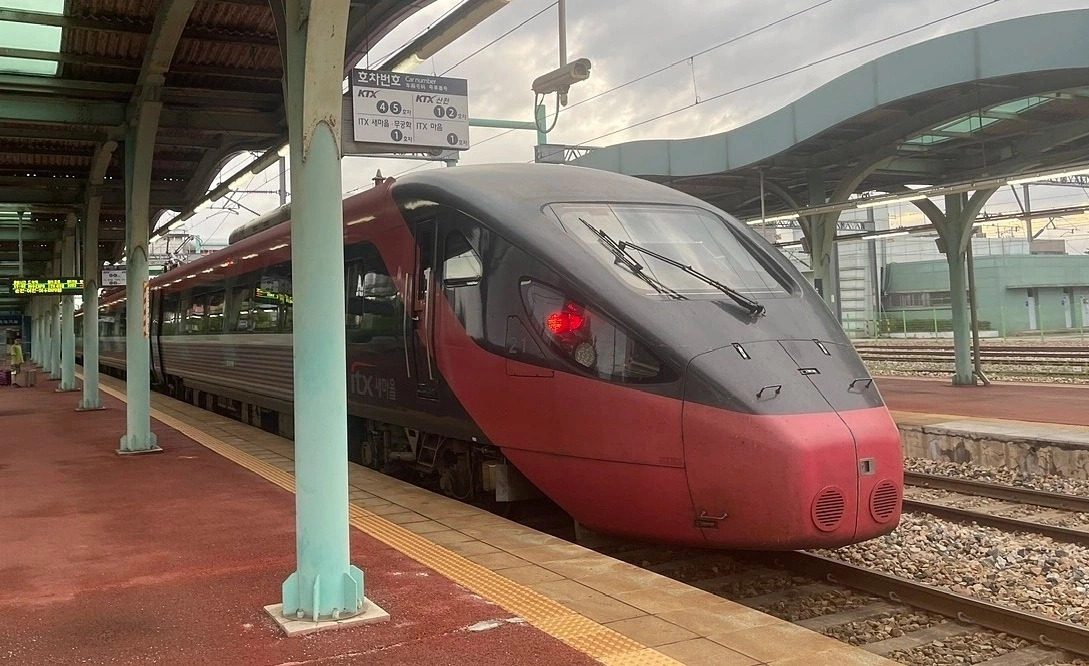
Vietnam plans $6.5B 175-kilometer rail link from Ho Chi Minh City to Can Tho in Mekong Delta
THIS NEWS ARTICLE KINDLY SPONSORED BY FALLPROTEC, A WORLD-RENOWNED NAME IN THE DESIGN AND MANUFACTURE OF PREMIUM FALL PROTECTION SYSTEMS AND HEIGHT ACCESS SOLUTIONS
A 175-kilometer railway worth more than VND171 trillion (US$6.5 billion) has been proposed between Ho Chi Minh City and Can Tho, giving Vietnam’s Mekong Delta its first rail link in nearly seven decades.
The My Thuan Project Management Board, which drew up the pre-feasibility study submitted to the Ministry of Construction, has proposed building the line entirely with public funds. It would begin at An Binh Station in HCMC’s Di An Ward and end at Can Tho Station in Can Tho’s Hung Phu Ward, running 175.2 km through HCMC, Tay Ninh, Dong Thap, Vinh Long and Can Tho.
Passenger trains would run at a design speed of 160 kph and freight at 120 kph, with 12 stations and three depots along the way. The first phase would be a single track at the 1,435-mm standard gauge, later upgraded to double track.
Can Tho is widely considered the capital of Vietnam’s Mekong Delta, the country’s rice bowl and the source of most of its seafood and fruit exports.
The delta has had no railway since the French colonial-era Saigon-My Tho line closed around 1958. Goods and people now move almost entirely over chronically congested roads and waterways to reach Ho Chi Minh City and its ports.
The board’s study forecasts that the HCMC-Can Tho corridor will need to handle about 1.46 billion tons of freight and more than 326 million passenger trips a year by 2050, of which rail could carry roughly 23 million tons and 16 million trips annually.
The line is one piece of a rail push Vietnam is pursuing at unusual speed. The centerpiece is the roughly $67 billion North-South high-speed railway, a 1,541-km, 350-kph line between Hanoi and Ho Chi Minh City due to break ground by the end of 2026, while the national network plan envisions 25 lines totaling about 6,354 km.
The HCMC-Can Tho line is a conventional mixed-traffic railway rather than a true high-speed one, but it shares the flagship’s deadline: both are meant to be substantially finished by 2035.
About 56% of the route would sit on bridges or viaducts, mainly through urban areas, dense neighborhoods, river crossings and points where it meets existing infrastructure, with the remaining 44% on embankments where the ground is stable and flooding less of a risk. First-phase bridges would be about 6.5 m wide, with spans of 24 m to 450 m. At the Hau River crossing, the railway would share the planned Can Tho 2 Bridge. The line would be electrified at 25 kV alternating current, with passenger services on distributed-power electric multiple units, freight on locomotive-hauled trains, and fiber-optic communications and digital signaling throughout.
The consultant set out two cost options. Sharing a road bridge for about 4.7 km at the Hau River crossing would put total preliminary investment at about VND171.3 trillion ($6.51 billion); a separate, dedicated rail bridge would raise it to about VND175.11 trillion ($6.65 billion). Citing the size of Vietnam’s economy and its financing capacity, the consultant recommended funding the line from the state budget.
On the drawing board for more than a decade, the project is now reaching its most concrete stage. It is due to go to the National Assembly for investment-policy approval in August 2026, with front-end engineering design finished in the first quarter of 2028, site clearance starting the same quarter, and a contractor selected to break ground in the third quarter.
Vietnam Railways would operate the line once it opens.
Source: https://e.vnexpress.net/news/news/traffic/vietnam-plans-6-5b-rail-link-from-ho-chi-minh-city-to-mekong-delta-first-in-70-years-5084192.html
Google Translation:
เวียดนามวางแผนสร้างทางรถไฟเชื่อมต่อระยะทาง 175 กิโลเมตร มูลค่า 6.5 พันล้านดอลลาร์สหรัฐ จากนครโฮจิมินห์ไปยังเมืองเกิ่นโถในเขตสามเหลี่ยมปากแม่น้ำโขง
ภาพรถไฟ ITX ในเกาหลีใต้ วิ่งด้วยความเร็วประมาณ 150-180 กิโลเมตรต่อชั่วโมง ภาพโดย VnExpress/Anh Duy
บทความข่าวนี้ได้รับการสนับสนุนโดย FALLPROTEC บริษัทที่มีชื่อเสียงระดับโลกด้านการออกแบบและผลิตระบบป้องกันการตกจากที่สูงและโซลูชันการเข้าถึงที่สูงระดับพรีเมียม
มีการเสนอโครงการทางรถไฟระยะทาง 175 กิโลเมตร มูลค่ากว่า 171 ล้านล้านดอง (6.5 พันล้านดอลลาร์สหรัฐ) ระหว่างนครโฮจิมินห์และเมืองเกิ่นโถ ซึ่งจะทำให้เขตสามเหลี่ยมปากแม่น้ำโขงของเวียดนามมีเส้นทางรถไฟเชื่อมต่อเป็นครั้งแรกในรอบเกือบเจ็ดทศวรรษ
คณะกรรมการบริหารโครงการหมี่ถวน ซึ่งจัดทำรายงานการศึกษาความเป็นไปได้เบื้องต้นที่ส่งให้กระทรวงการก่อสร้าง ได้เสนอให้สร้างทางรถไฟสายนี้ด้วยเงินทุนสาธารณะทั้งหมด เส้นทางรถไฟสายนี้จะเริ่มต้นที่สถานีอันบินห์ ในเขตเดียนอัน นครโฮจิมินห์ และสิ้นสุดที่สถานีเกิ่นโถ ในเขตฮุงฟู นครเกิ่นโถ โดยวิ่งเป็นระยะทาง 175.2 กิโลเมตร ผ่านนครโฮจิมินห์ จังหวัดเตย์นิญ จังหวัดดงทับ จังหวัดวิญลอง และจังหวัดเกิ่นโถ
รถไฟโดยสารจะวิ่งด้วยความเร็ว 160 กิโลเมตรต่อชั่วโมง และรถไฟขนส่งสินค้า 120 กิโลเมตรต่อชั่วโมง โดยมีสถานี 12 แห่ง และศูนย์ซ่อมบำรุง 3 แห่งตลอดเส้นทาง ระยะแรกจะเป็นรางเดี่ยวขนาดมาตรฐาน 1,435 มิลลิเมตร และจะพัฒนาเป็นรางคู่ในภายหลัง
เกิ่นโถได้รับการยกย่องอย่างกว้างขวางว่าเป็นเมืองหลวงของสามเหลี่ยมปากแม่น้ำโขงของเวียดนาม ซึ่งเป็นแหล่งผลิตข้าวที่สำคัญของประเทศ และเป็นแหล่งส่งออกอาหารทะเลและผลไม้ส่วนใหญ่
สามเหลี่ยมปากแม่น้ำโขงไม่มีทางรถไฟมาตั้งแต่เส้นทางไซง่อน-มายโถในยุคอาณานิคมฝรั่งเศสปิดตัวลงราวปี 1958 ปัจจุบันสินค้าและผู้คนจึงเคลื่อนย้ายเกือบทั้งหมดผ่านทางถนนและทางน้ำที่แออัดเรื้อรังเพื่อไปยังนครโฮจิมินห์และท่าเรือต่างๆ
จากการศึกษาของคณะกรรมการคาดการณ์ว่า เส้นทางโฮจิมินห์-เกิ่นโถ จะต้องรองรับปริมาณสินค้าประมาณ 1.46 พันล้านตัน และผู้โดยสารมากกว่า 326 ล้านคนต่อปี ภายในปี 2050 โดยทางรถไฟสามารถรองรับได้ประมาณ 23 ล้านตัน และ 16 ล้านเที่ยวต่อปี
เส้นทางนี้เป็นเพียงส่วนหนึ่งของการผลักดันด้านรถไฟที่เวียดนามกำลังดำเนินการอย่างรวดเร็วเป็นพิเศษ หัวใจสำคัญคือโครงการรถไฟความเร็วสูงเหนือ-ใต้ มูลค่าประมาณ 67 พันล้านดอลลาร์สหรัฐฯ ซึ่งเป็นเส้นทางยาว 1,541 กิโลเมตร ความเร็ว 350 กิโลเมตรต่อชั่วโมง ระหว่างฮานอยและโฮจิมินห์ซิตี้ มีกำหนดเริ่มก่อสร้างภายในสิ้นปี 2026 ขณะที่แผนเครือข่ายรถไฟแห่งชาติคาดการณ์ไว้ 25 เส้นทาง รวมระยะทางประมาณ 6,354 กิโลเมตร
เส้นทางโฮจิมินห์-เกิ่นโถ เป็นเส้นทางรถไฟทั่วไปสำหรับขนส่งสินค้าและผู้โดยสาร ไม่ใช่รถไฟความเร็วสูงอย่างแท้จริง แต่มีกำหนดแล้วเสร็จพร้อมกับโครงการหลัก คือทั้งสองโครงการมีเป้าหมายที่จะแล้วเสร็จส่วนใหญ่ภายในปี 2035
ประมาณ 56% ของเส้นทางจะอยู่บนสะพานหรือทางยกระดับ ส่วนใหญ่ผ่านเขตเมือง ย่านที่อยู่อาศัยหนาแน่น จุดข้ามแม่น้ำ และจุดที่เชื่อมต่อกับโครงสร้างพื้นฐานที่มีอยู่แล้ว ส่วนอีก 44% ที่เหลือจะอยู่บนคันดินซึ่งพื้นดินมีความมั่นคงและมีความเสี่ยงต่อการเกิดน้ำท่วมน้อยกว่า สะพานในระยะแรกจะมีขนาดกว้างประมาณ 6.5 เมตร มีช่วงความยาว 24 เมตร ถึง 450 เมตร ที่จุดข้ามแม่น้ำเฮา เส้นทางรถไฟจะใช้ร่วมกับสะพานเกิ่นโถ 2 ที่วางแผนไว้ เส้นทางจะใช้ไฟฟ้ากระแสสลับ 25 กิโลโวลต์ โดยบริการผู้โดยสารจะใช้รถไฟฟ้าแบบกระจายกำลัง (electric multiple units) บริการขนส่งสินค้าจะใช้รถไฟที่ลากด้วยหัวรถจักร และใช้ระบบสื่อสารใยแก้วนำแสงและสัญญาณดิจิทัลตลอดเส้นทาง
ที่ปรึกษาได้เสนอทางเลือกด้านต้นทุนสองทางเลือก การสร้างสะพานถนนร่วมกันเป็นระยะทางประมาณ 4.7 กิโลเมตร บริเวณข้ามแม่น้ำเฮา จะทำให้การลงทุนเบื้องต้นรวมอยู่ที่ประมาณ 171.3 ล้านล้านด่อง (6.51 พันล้านดอลลาร์สหรัฐ) ส่วนการสร้างสะพานรถไฟแยกต่างหาก จะทำให้การลงทุนเพิ่มขึ้นเป็นประมาณ 175.11 ล้านล้านด่อง (6.65 พันล้านดอลลาร์สหรัฐ) โดยอ้างถึงขนาดเศรษฐกิจและความสามารถในการจัดหาเงินทุนของเวียดนาม ที่ปรึกษาจึงแนะนำให้ใช้เงินจากงบประมาณของรัฐในการก่อสร้าง
โครงการนี้อยู่ในขั้นตอนการวางแผนมานานกว่าทศวรรษ และขณะนี้กำลังเข้าสู่ขั้นตอนที่เป็นรูปธรรมที่สุด มีกำหนดจะเสนอต่อรัฐสภาเพื่อขออนุมัตินโยบายการลงทุนในเดือนสิงหาคม 2569 โดยการออกแบบทางวิศวกรรมขั้นต้นจะแล้วเสร็จในไตรมาสแรกของปี 2561 การเคลียร์พื้นที่จะเริ่มในไตรมาสเดียวกัน และจะมีการคัดเลือกผู้รับเหมาเพื่อเริ่มงานก่อสร้างในไตรมาสที่สาม
การรถไฟเวียดนามจะเป็นผู้ดำเนินการเดินรถเมื่อเปิดให้บริการ

