The Rise and Fall of Thailand’s Visa Runs
How 45 years of immigration policy led to the end of Thailand’s classic visa-run era
READ ALSO:
Thailand’s new visa rules start today: Full guide for tourists and expats
Thailand’s new visa regime hits Western visitors and expats in Thailand hard with shorter stays and long haul trips
For decades, “doing a visa run” was almost a rite of passage for foreigners living in Thailand. Whether it meant a quick border crossing into Malaysia, Laos or Cambodia, or a short trip to Singapore or Hong Kong to obtain a new visa, visa runs became part of expatriate life.
Having lived and worked in Thailand since 1991, I witnessed the rise, peak and gradual decline of the visa-run era first-hand.
Thailand’s latest immigration changes, which took effect on 15 September 2026, provide a timely opportunity to look back at how visa runs evolved from a routine necessity into an increasingly restricted practice.
Another changing of Thailand’s visa regulations in 2026
Starting 15 September 2026, Thailand reduced its standard visa-free stay for eligible tourists from 60 days to 30 days per entry and tightened restrictions on visa-exempt land-border entries. These latest measures represent another chapter in Thailand’s long-running effort to balance tourism promotion with immigration control.
Key Changes
- Visa-free stay: 60 days → 30 days for citizens of 60 countries
- Most visa-exempt travellers: maximum two land-border entries per calendar year
- Malaysia, Brunei, Indonesia and Singapore are exempt from the land-entry cap
- Air arrivals are not subject to the two-entry land cap, although repeated entries may still attract immigration scrutiny
- Existing permissions to stay remain valid until their expiry date
- TDAC remains mandatory for every entry, including land-border arrivals
The new rules apply according to the date of entry, not when flights or accommodation were booked.
Got me thinking about the heyday of Thailand’s visa runs.
Thailand’s latest visa-rule changes, and particularly the tightening of land-border entries, got me thinking about the heyday of Thailand’s visa runs.
For decades, the phrase “visa run” was almost synonymous with long-term foreign life in Thailand. Foreigners who wished to remain beyond their permitted stay would leave Thailand, travel to a neighbouring country and then return with a new visa or fresh permission to stay.
For some, this was simply a practical consequence of Thailand’s immigration rules. For others, it became a way of living in Thailand for months or even years without obtaining a conventional long-term immigration status.
The Human Side of Visa Runs
Beyond the immigration formalities, visa runs often had a social dimension. Many expatriates became very familiar with the visa-run circuit, and the travelling on trains, buses, ferries to embassies or consulates in neighbouring countries.
For some people, visa runs were little more than an inconvenience. For others, they provided an excuse for a short adventure, a change of scenery and occasionally a memorable story to tell.
The history of visa runs is therefore also the history of Thailand trying to balance two competing objectives: encouraging tourism while preventing tourist status from becoming a substitute for residence or employment status.
- The beginning of the modern system: 1979
Thailand’s modern immigration framework dates from the Immigration Act B.E. 2522 (1979), enacted on 30 May 1979.
The Act established the legal framework under which Thailand continues to control the entry and stay of foreigners. It did not create tourist visas, which already existed in various forms, but it provided the foundation of Thailand’s modern immigration system.
At the same time, Thailand’s tourism industry was expanding rapidly. By the late 1970s Thailand was developing both a modern tourism industry and a modern immigration framework.
- Why did visa runs develop?
The basic reason was simple.
It could be that a foreigner’s permission to stay in Thailand was expiring but they wished to remain longer. Alternatively, a foreigner might need to obtain a new visa, for example when changing employers and requiring a new Non-Immigrant “B” Visa in order to obtain a Work Permit with their new employer.
A visa and permission to stay are not exactly the same thing. A visa generally allows a foreigner to travel to Thailand and request entry for a particular purpose, while Immigration determines the period of stay granted on arrival.
When that permission approached its end, the foreigner had three options:
- leave Thailand;
- obtain an extension where available; or
- obtain another immigration status.
Visa runs emerged as one way of dealing with this situation.
- The classic border-run era
During the 1990s and early 2000s, border runs became an established part of life for some foreigners.
Typical routes included:
Thailand → Malaysia → Thailand
Thailand → Cambodia → Thailand
Thailand → Laos → Thailand
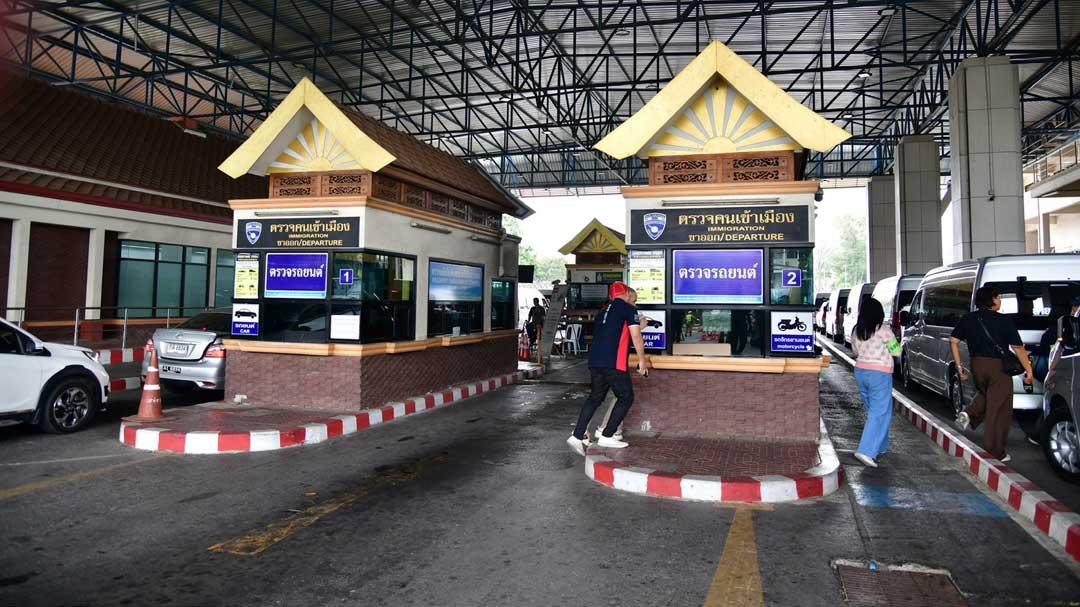
The neighbouring country was often simply a means of satisfying the requirement to leave Thailand. The real objective was obtaining a fresh period of lawful stay.
This became particularly common among foreigners who were effectively living in Thailand but did not hold retirement, marriage, employment, business or education visas.
The arrangement created an obvious tension. Thailand wanted to encourage tourism, but the visa-exemption system was intended for temporary visitors rather than long-term residents.
- The 2006 turning point
The first major modern restriction arrived on 1 October 2006.
Thailand introduced a rule limiting visa-exempt visitors to 90 days within a six-month period. The measure was designed to prevent foreigners from effectively living in Thailand through repeated visa-exempt entries.
The traditional cycle of leaving every 30 days and immediately returning became much more difficult.
Visa runs did not disappear, however. Instead, many foreigners adapted by combining tourist visas, extensions and border crossings.
- The Visa-Run Industry
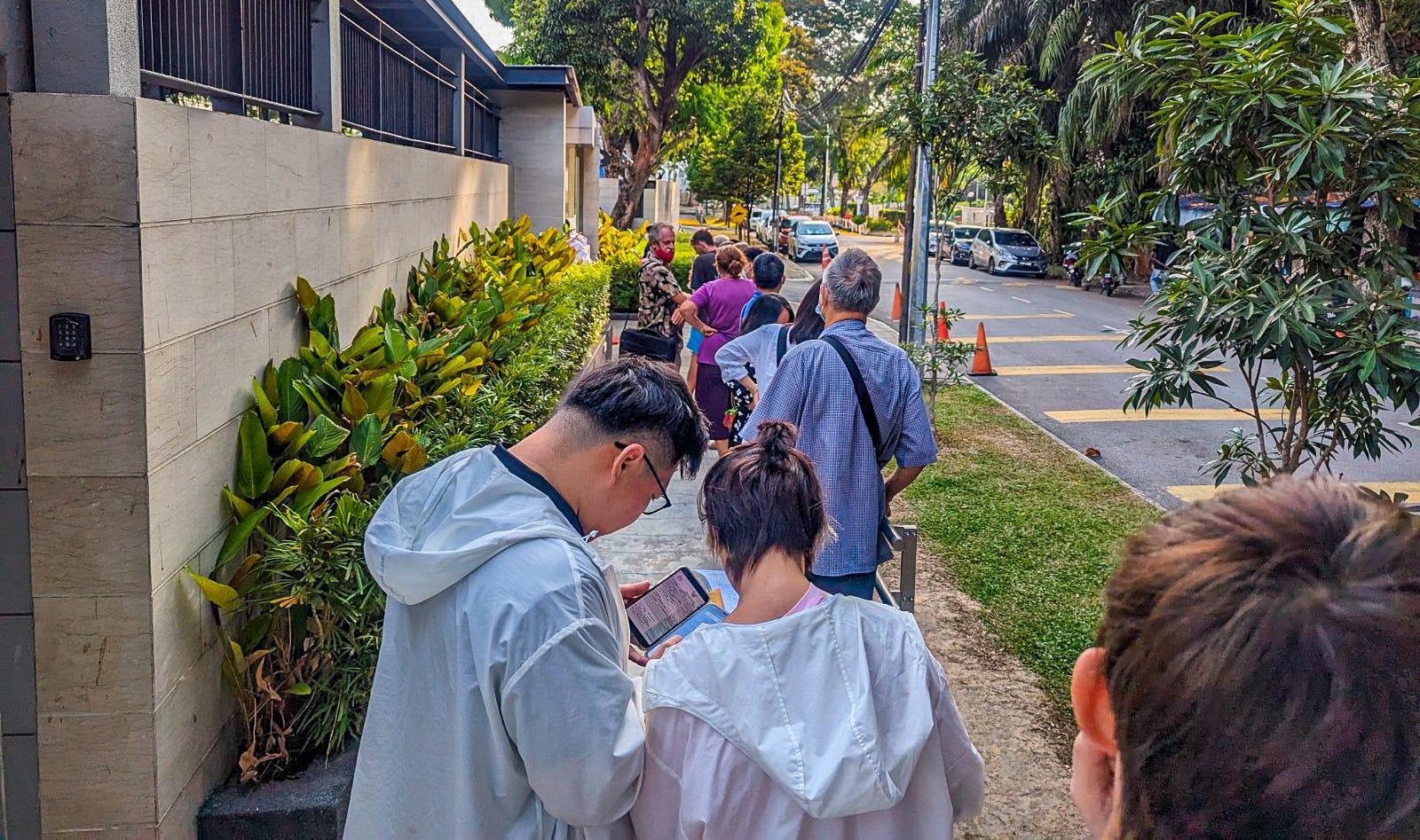
Following the 2006 changes, an entire industry developed around helping foreigners maintain their immigration status.
Visa-run companies organised trips to destinations such as Vientiane, Penang, Kuala Lumpur, Phnom Penh and various Thai border crossings. Some foreigners travelled independently by flight, bus, train or boat.
For many expatriates, visa runs became a routine part of life. A common pattern was:
Tourist visa → extension → visa run → new tourist visa → extension → repeat.
In some cases, this allowed foreigners to remain in Thailand for extended periods while technically entering under short-term tourism arrangements.
A Personal Recollection
I arrived in Thailand to work in 1991, when visa runs were a routine part of expatriate life.
Although I was always employed legally with the appropriate Non-Immigrant “B” Visas and Work Permits, there were numerous occasions when I needed to travel abroad to obtain a new visa, particularly when changing employers.
Unlike many people, I actually enjoyed these trips. My employers provided all the necessary documentation and covered the costs, turning what could have been an administrative chore into a short overseas ‘holiday’ break.
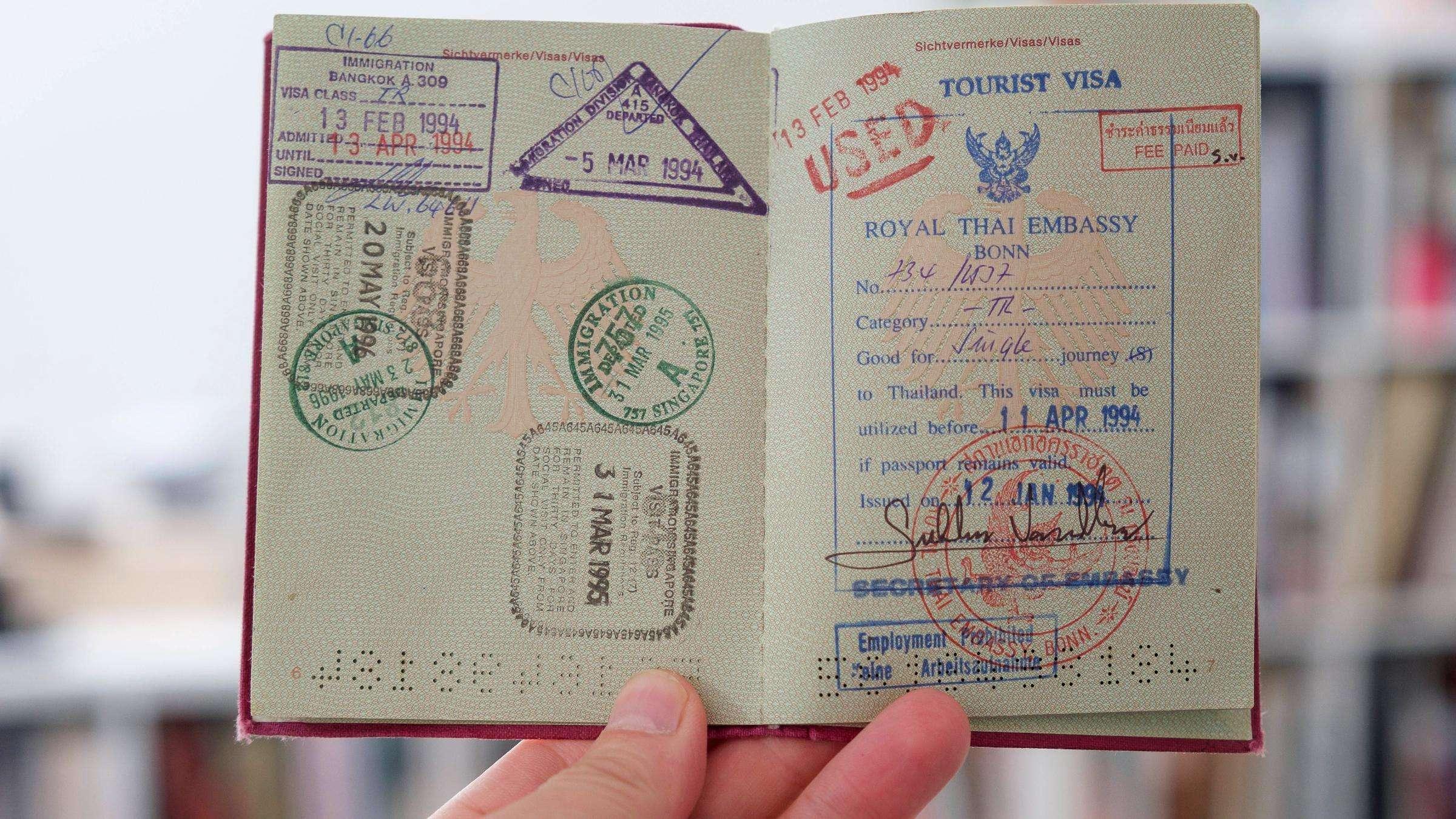
Over the years I obtained Thai visas from Royal Thai Embassies and Consulates in Penang, Singapore, Manila and Hong Kong, among other locations.
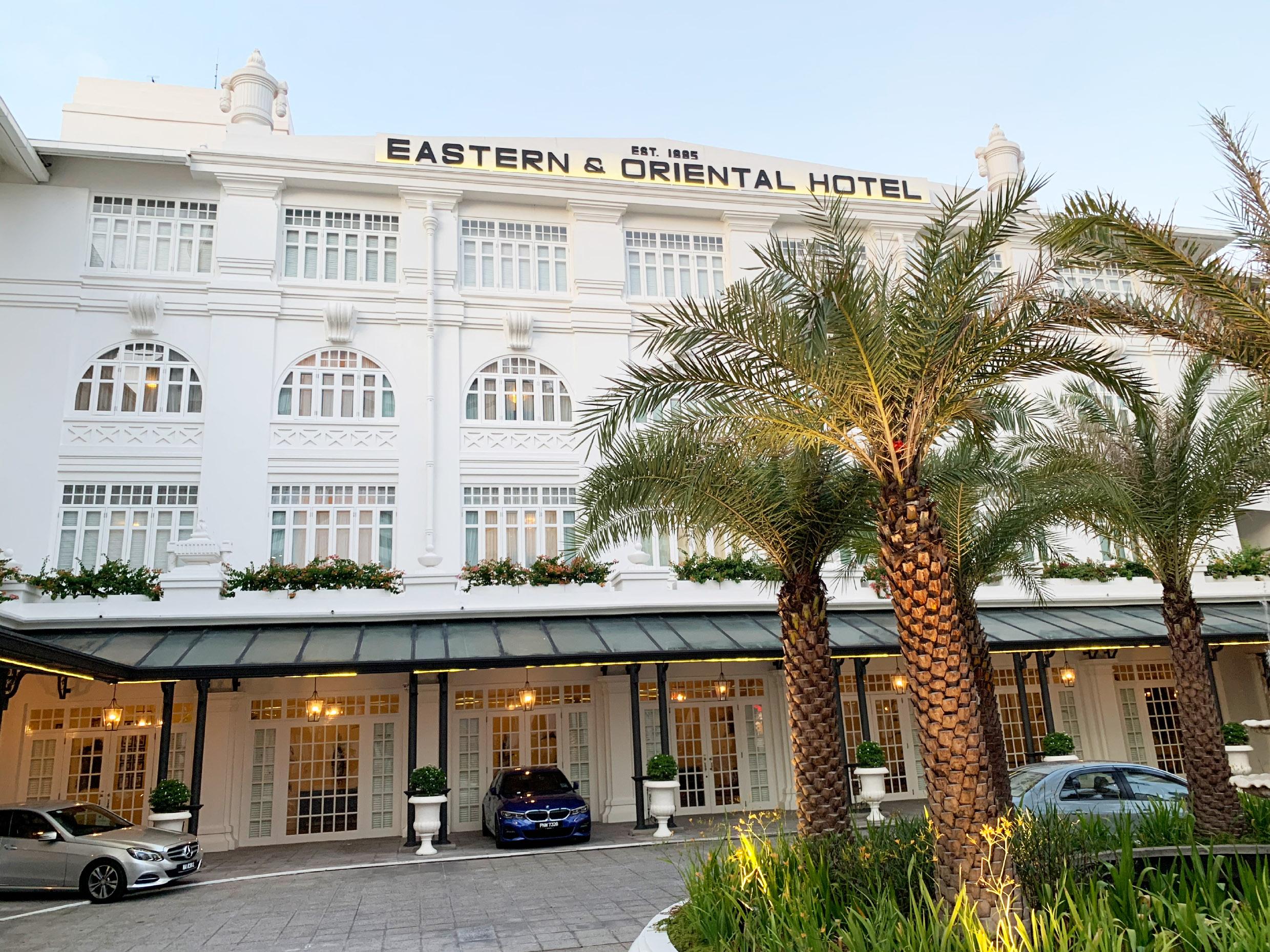
Penang was always my favourite destination. I usually stayed at the historic Eastern & Oriental Hotel, and sometimes used a local agent recommended by friends. He would collect my passport and application documents one day and return the following day with a new visa. Looking back, handing over my passport to someone I barely knew seems remarkably trusting, but that was simply how things worked at the time.
One of my earliest visa-run memories dates from 1989, before I started working in Thailand. Travelling from the Thai border to Penang in a shared taxi to obtain a new Thai visa, I was accompanied by two Myanmar sailors who were also applying for visas. One sailor accidentally completed his application using the American month-day-year date format rather than the expected day-month-year format. His application was rejected and he was instructed to travel to Kuala Lumpur and apply again there. While the rest of us returned to Thailand the following day, he faced an unexpected additional journey because of a simple date-format mistake.
Not every visa application was successful. My only unsuccessful application occurred at the Royal Thai Embassy in Manila, where officials required considerably more supporting company documentation than I had been asked to provide elsewhere. The result was an unexpected return to Bangkok and, shortly afterwards, another visa trip to a different Thai mission. Two free holiday breaks instead of one.
One fascinating aspect of the era was the practice known as a “border bounce” — stepping out of the country and immediately returning in order to obtain a visa. However, it was generally not possible to leave Thailand, apply for and receive a new visa, and re-enter Thailand all in the same day.
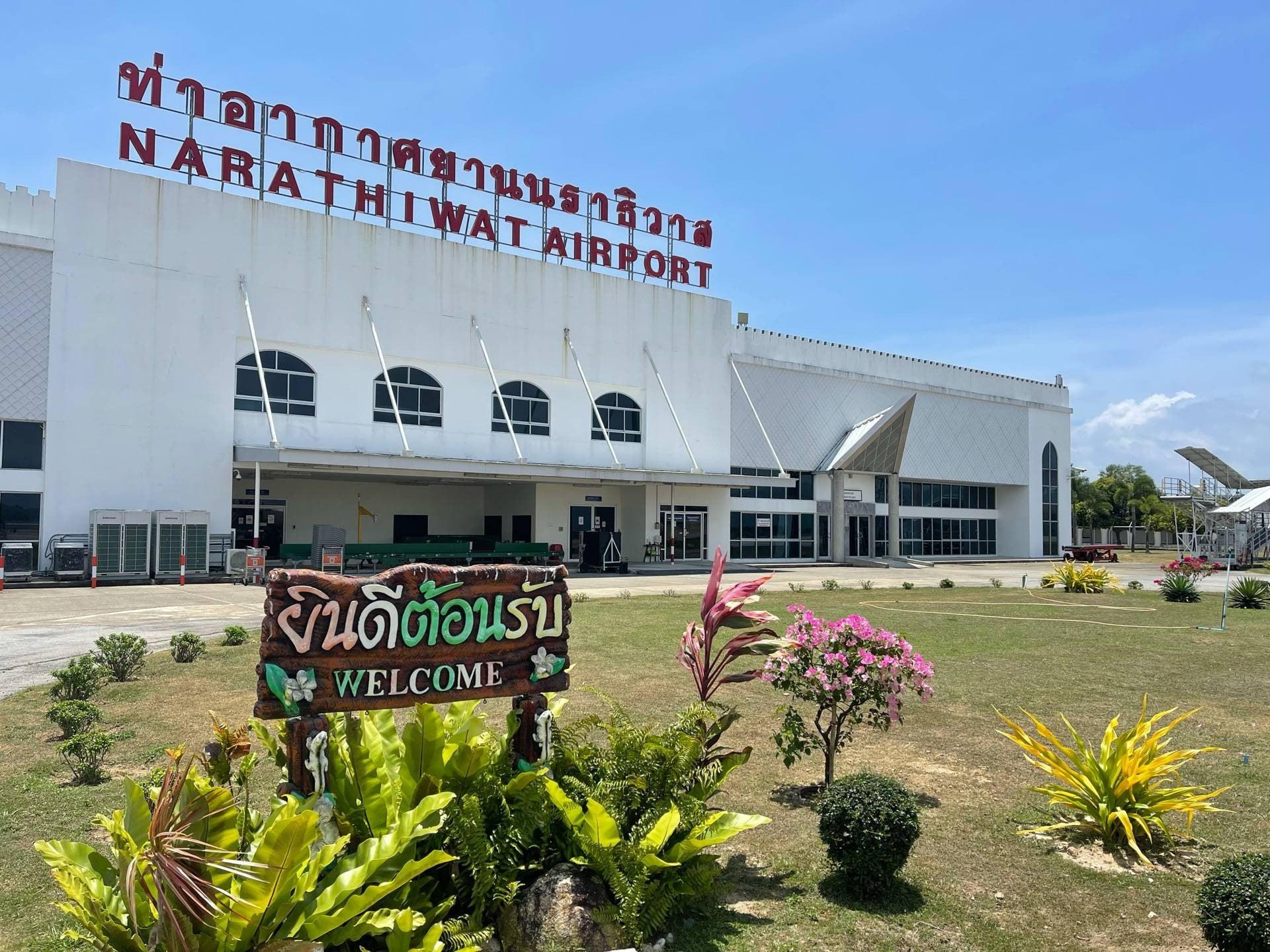
One Songkran holiday, around 2010, my wife and I were thinking where could we fly to within Thailand that we’d never visited before. The choices we came up with were Ranong, bordering Myanmar, or Narathiwat in Thailand’s deep south near the Malaysian border. We chose Narathiwat, which seemed the more adventurous destination.
While there, we joined an organised local tour. The lady leading the tour revealed that she also operated a visa-run business. Her customers would fly Thai Airways from Bangkok to Narathiwat early in the morning, be collected by minibus and taken to the Malaysian border. From there they would proceed to the Royal Thai Consulate in Kota Bharu, where the agent handled their passport and visa applications. Once completed, they were driven to Hat Yai Airport and flew back to Bangkok — with all of this being within the same day!
My wife subsequently became the Bangkok sub-agent for this little enterprise, helping coordinate the arrangements. She had quite a few customers, including businessmen and teachers. The operation continued successfully until Thai authorities eventually stopped visas being issued in this manner.
- Tourism Versus Residence
By the early 2010s, Thai authorities increasingly viewed repeated visa runs as evidence that some foreigners were effectively residing in Thailand while remaining officially classified as tourists. In many cases, that was precisely what was happening.
The concern was not the individual trip but the pattern. Immigration authorities increasingly distinguished between genuine tourists and people spending most of the year in Thailand while repeatedly resetting their stay through border crossings.
The issue also became linked to concerns regarding illegal employment, overstaying and misuse of tourist status.
- 2014: the end of the classic visa run
The most important development in the history of Thailand’s visa-run system occurred in 2014.
Immigration authorities announced that people repeatedly making “out-in” border runs could no longer rely on automatic re-entry. The traditional formula of:
Leave Thailand → immediately return → receive another period of stay
was no longer regarded as an acceptable substitute for obtaining the appropriate immigration status.
For many foreigners, August 2014 marked the beginning of the end of the classic visa-run era.
- A more selective system
Following the 2014 crackdown, Thailand increasingly encouraged foreigners who intended to live in the country to obtain an immigration status appropriate to their circumstances.
Retirement visas, marriage visas, employment-related visas, education visas and other long-term categories became increasingly important.
Visa runs did not disappear completely. Foreigners could still leave Thailand and return, and many continued to obtain visas from Thai embassies and consulates abroad.
The crucial difference was that repeated tourist entries could no longer be relied upon as a long-term strategy for living in Thailand.
- COVID-19 changes everything
The COVID-19 pandemic temporarily disrupted the entire system.
With international travel severely restricted, traditional border runs became largely impossible. Thailand introduced temporary immigration measures and extensions to deal with foreigners who could not easily leave the country.
When international travel resumed, the underlying principle remained unchanged: repeated tourist entries were not intended to replace an appropriate long-term immigration status.
- Thailand becomes more generous to tourists
An interesting feature of recent immigration policy is that Thailand became more generous to genuine tourists while simultaneously tightening controls on repeated visa-run behaviour.
In July 2024, Thailand expanded visa exemption to 93 countries and territories and increased the permitted stay for eligible visitors from 30 to 60 days.
This did not represent a return to the old visa-run culture. Rather, it reflected Thailand’s continuing effort to encourage tourism while discouraging the use of tourist status as a form of long-term residence.
- Renewed scrutiny in 2025–2026
The issue of repeated visa-exempt entries returned to the forefront during 2025 and 2026.
Thai authorities again emphasised that visa exemption is intended for genuine short-term visits rather than indefinite residence through repeated border crossings.
- September 2026: the latest development
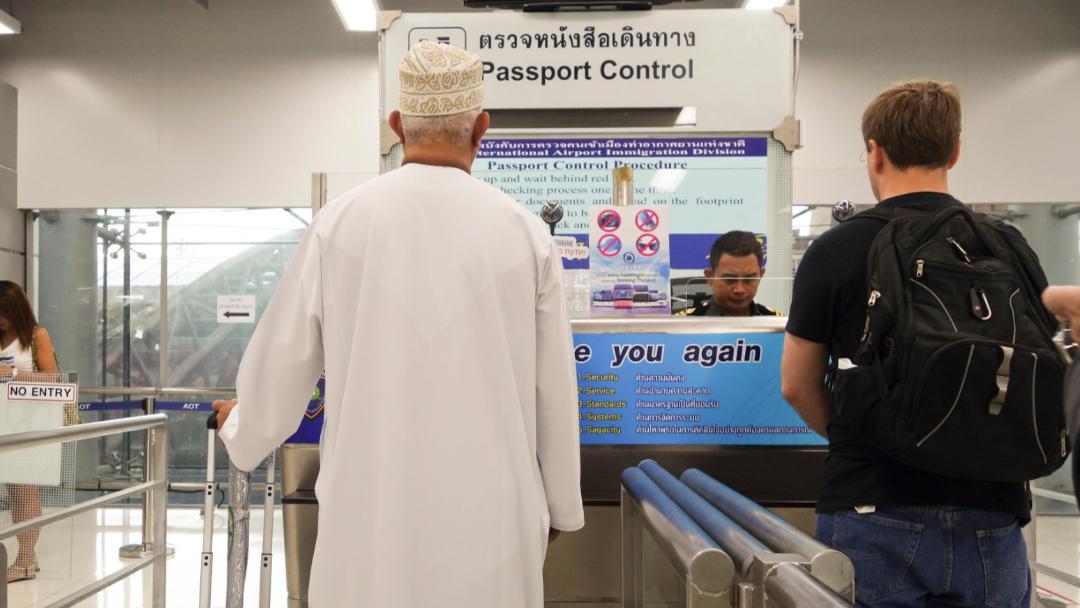
As referred above, from 15 September 2026, Thailand introduced further changes to visa-exemption arrangements, including a reduction in the relevant visa-exempt stay from 60 days back to 30 days.
The revised arrangements also impose greater restrictions on visa-exempt land-border entries, including a limit of two such entries per calendar year under the relevant rules, subject to specified exceptions.
These changes represent another step away from the old assumption that repeated border crossings could be used to maintain a virtually continuous tourist stay.
- Visa run or border run?
Strictly speaking, a border run and a visa run are not identical.
A border run generally means leaving Thailand and returning shortly afterwards in order to obtain a fresh permission to stay.
A visa run more accurately describes leaving Thailand to obtain a new Thai visa from a Thai embassy or consulate before returning.
In everyday conversation, however, the two expressions became largely interchangeable and were often both referred to simply as “visa runs”.
Conclusion
Visa runs were once woven into the fabric of expatriate life in Thailand. For some they were an inconvenience; for others, an excuse for a brief adventure in neighbouring Penang, Vientiane, Singapore or Kota Bharu.
The history of visa runs is ultimately the story of Thailand’s efforts to balance openness to visitors with the need to maintain an orderly immigration system. Over time, the authorities became increasingly focused on ensuring that people who intended to live in Thailand long-term held the immigration status appropriate to their circumstances.
The classic visa run has not disappeared entirely, but the carefree era when foreigners could simply cross a border and begin another period of stay has largely passed into history. For those of us who experienced it, however, it remains a memorable chapter of our Thailand expatriate life.