 Thailand outlines 20 land, rail, air, and water transport projects under THB1.38tn plan
THIS NEWS ARTICLE KINDLY SPONSORED BY FALLPROTEC, A WORLD-RENOWNED NAME IN THE DESIGN AND MANUFACTURE OF PREMIUM FALL PROTECTION SYSTEMS AND HEIGHT ACCESS SOLUTIONS
Thailand’s Ministry of Transport has outlined 20 key projects valued at over THB 1.38 trillion, with most to be implemented via public-private partnerships to reduce state investment.
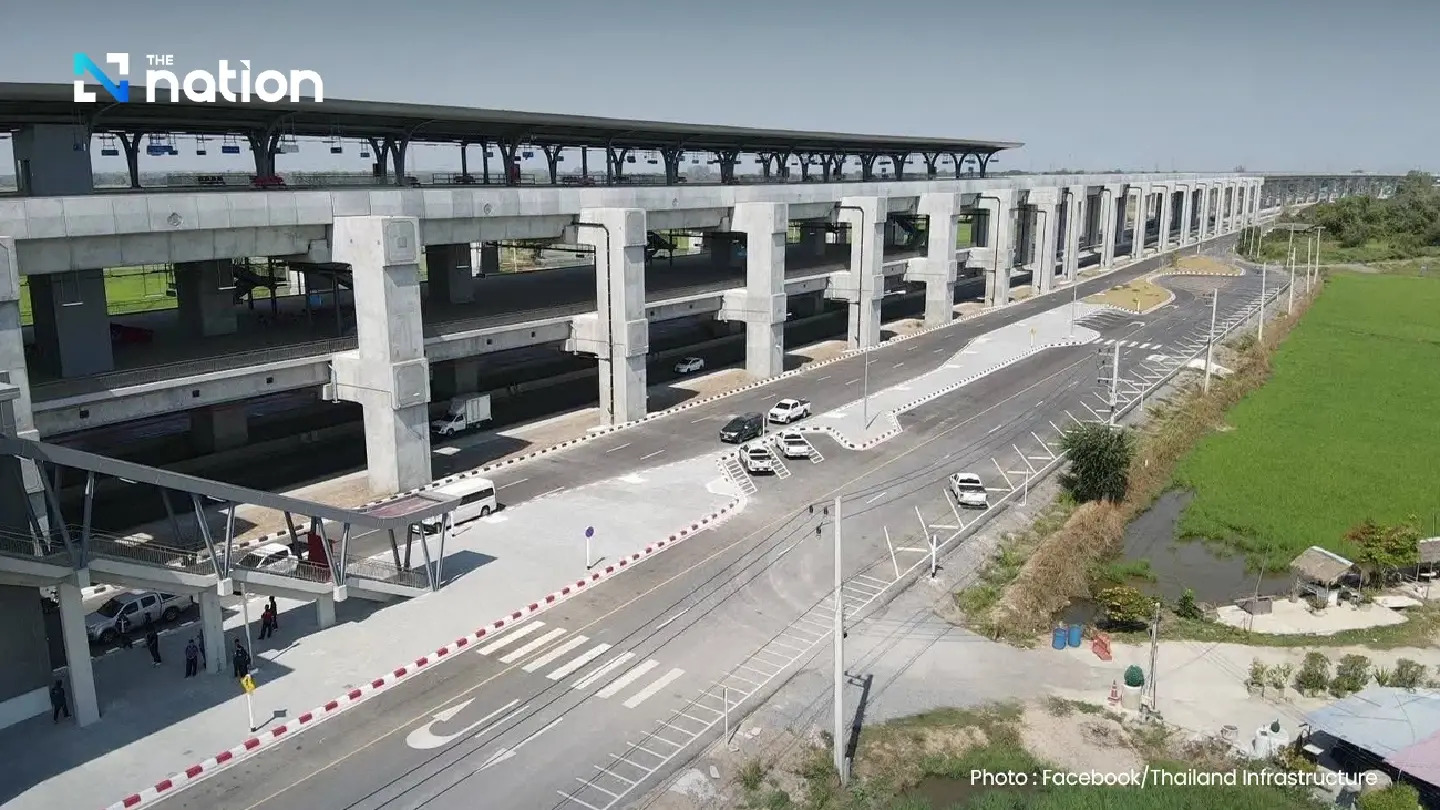
The plan encompasses land, rail, air, and water transport, featuring major initiatives such as new expressways, double-track railway lines, and significant airport expansions.
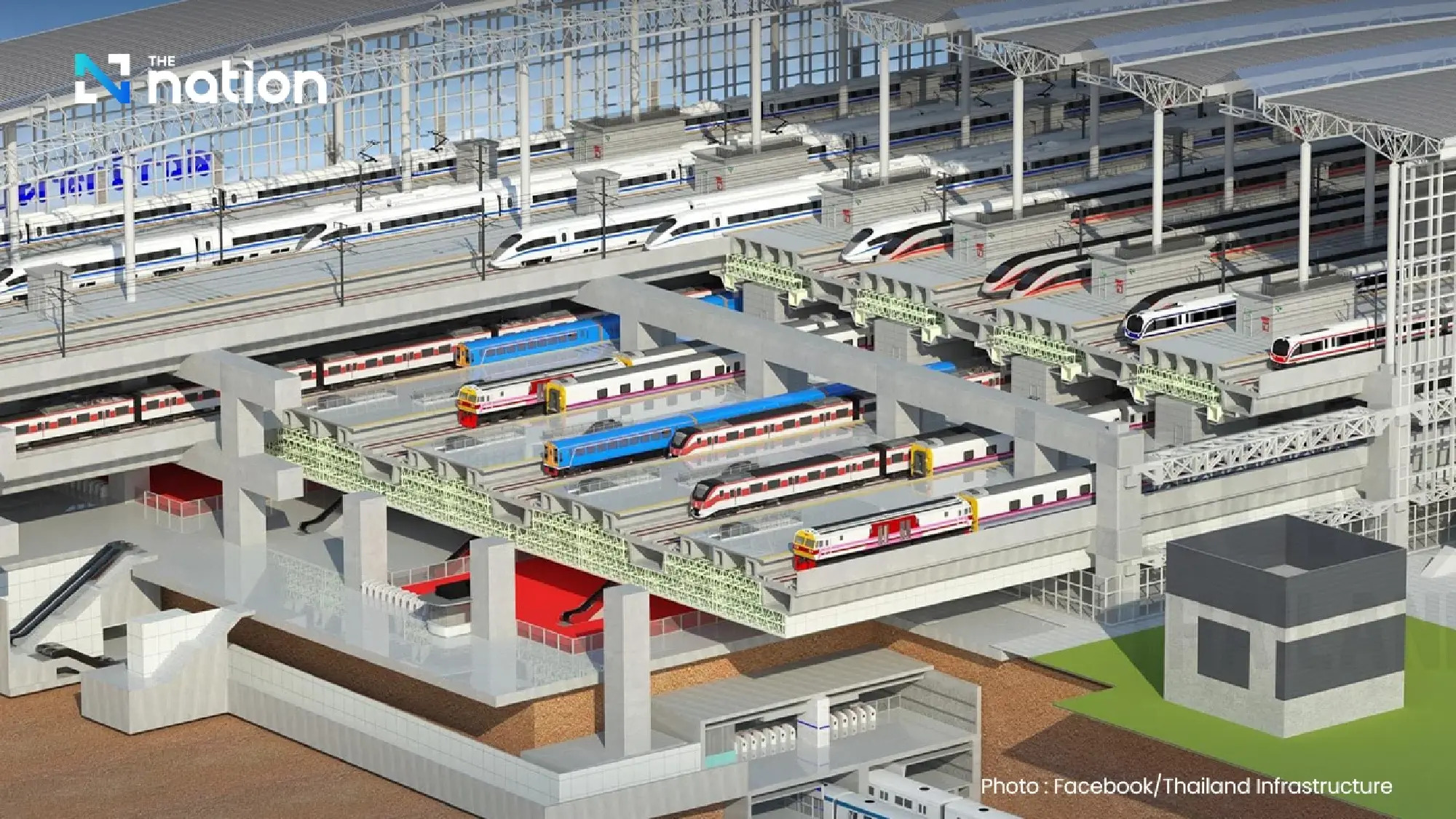
Among the most notable projects are the THB 900 billion “Land Bridge” initiative, the development of Don Mueang and Suvarnabhumi airports, and the construction of several new expressways and motorways.
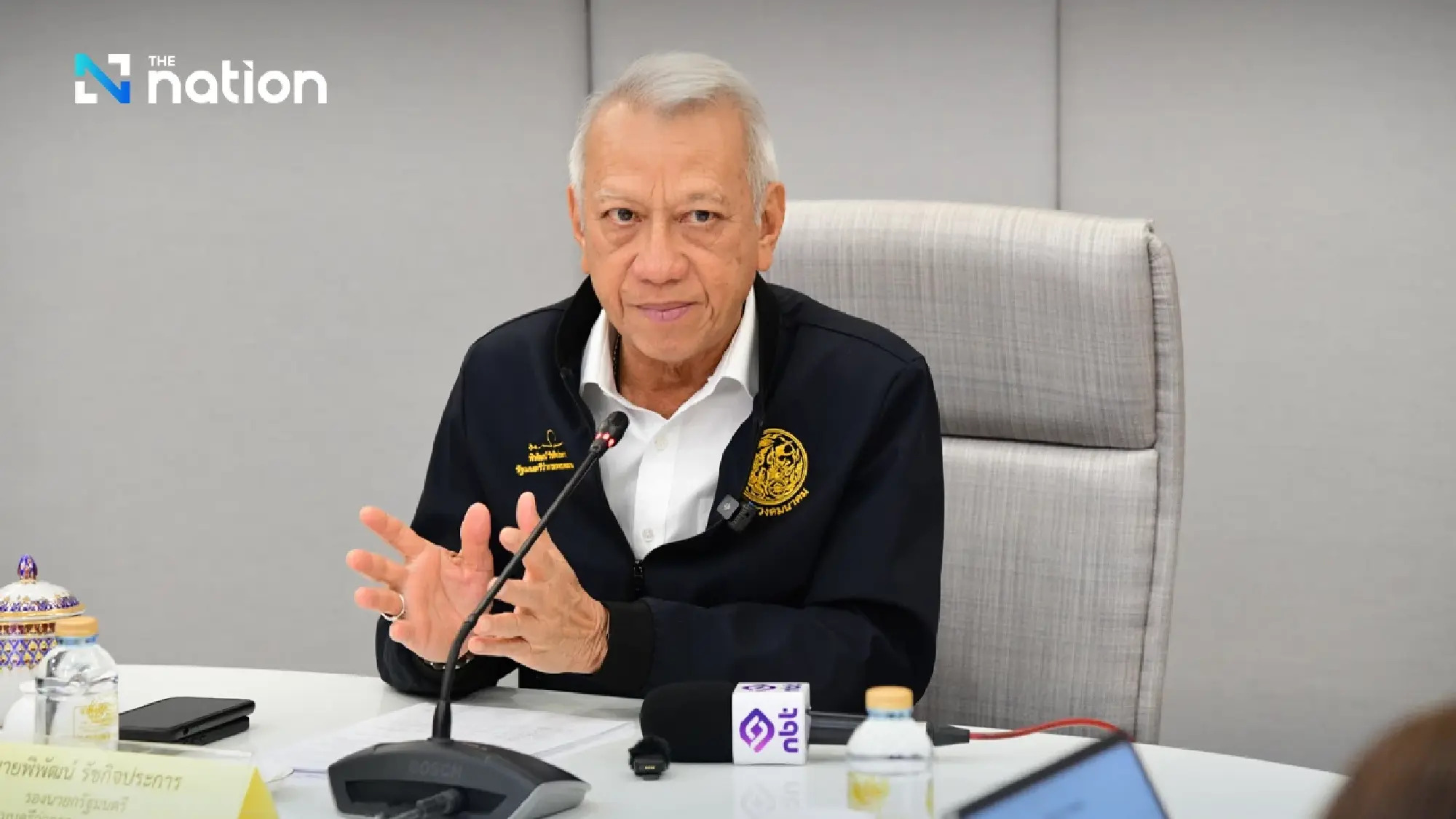
Transport Minister Phiphat Ratchakitprakarn said the Prime Minister had laid down policy directions for preparing the budget under an expenditure framework of THB3.788 trillion.
He said the guidelines required spending to be “targeted and precise” and to support the “10 Plus” policy, aimed at steering the country through the crisis while laying the foundations for sustainable development and accelerating Thailand’s move out of the middle-income trap.
The approach will be implemented through five key policy areas: the economy, foreign affairs and security, society, disasters and the environment, and public administration and legal reform.
 The Prime Minister also stressed that government agencies must use the budget based on value for money and zero-based budgeting, taking into account necessity, urgency and appropriateness under the current situation.
Unnecessary expenditure must be cut, while requests for additional budget allocations must not exceed 20% of the previous year’s allocation and must be for investment expenditure only.
The government is also seeking to promote clean energy, including the use of electric vehicles and the installation of solar rooftops at various agencies, as part of efforts to cope with the long-term energy crisis and strengthen all-around security readiness.
For the Ministry of Transport, the Prime Minister instructed the ministry to focus on maintaining and repairing existing road networks so they remain efficient and ready for continuous use, rather than prioritising new construction projects.
The approach is intended to ensure value for money in resource use, reduce state expenditure and sustainably improve transport safety.
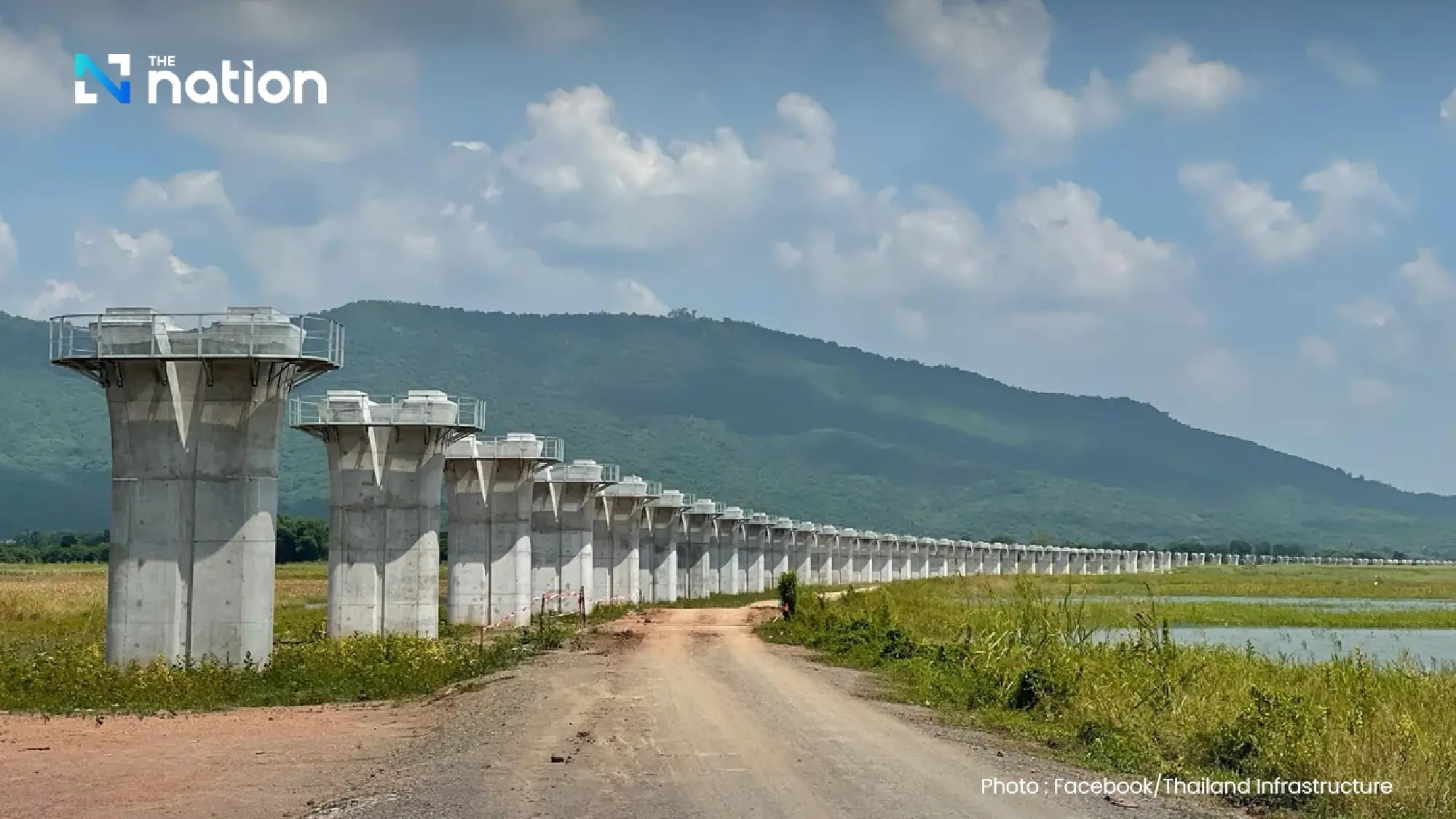 “The Ministry of Transport and its affiliated agencies are ready to apply the Prime Minister’s policies and operational guidelines in planning and preparing the budget so that concrete results can be achieved,” Phiphat said.
“The ministry has also instructed all agencies under its supervision to prepare budget requests in line with government policy, with priority given to the development of efficient transport infrastructure, while placing the highest importance on the interests of the public and the country. This will help support the government’s policy drive and enable it to achieve its goals,” he added.
Meanwhile, key investment projects under the Transport Ministry’s plan will be gradually submitted to the Cabinet or relevant committees for approval. Most will be implemented under public-private partnership arrangements to reduce state investment. There are 20 projects in total, worth more than THB1.38 trillion.
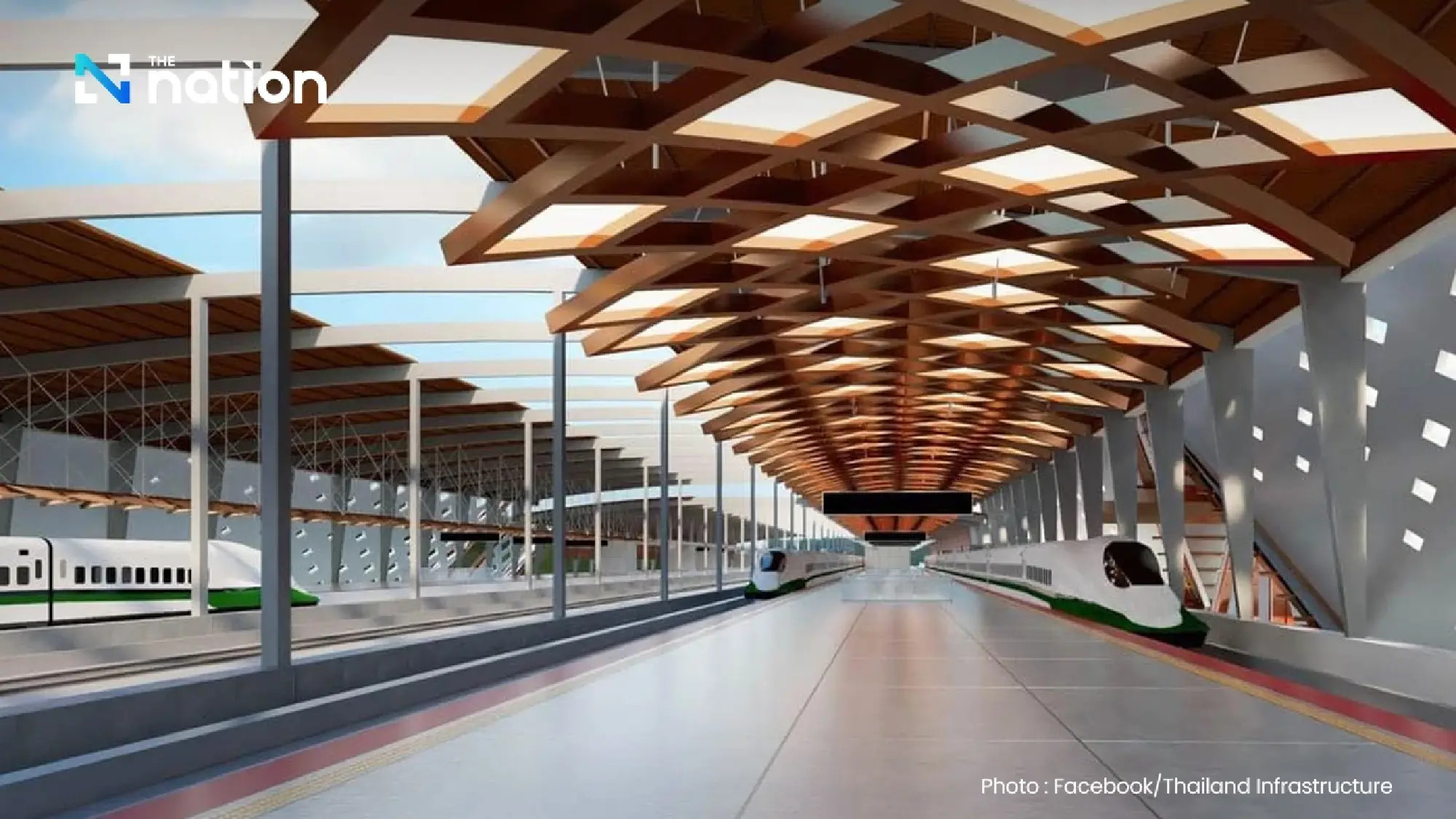 The land transport projects:
1 The Chalong Rat–Bangkok Outer Ring Road Expressway, eastern Bangkok, is worth THB13.655 billion.
2 The Bang Pa-in area network development project, including links with the M6 motorway, Asian Highway and M9 motorway, is worth THB9.651 billion.
3 The second-level elevated expressway, or Double Deck, on the Ngam Wong Wan–Rama IX section, is worth THB34.8 billion.
4 The M8 Nakhon Pathom–Pak Tho motorway, worth THB54.562 billion.
5 The Srinakarin–Suvarnabhumi Airport Expressway, worth THB20.811 billion.
6 The Phuket Expressway, Mueang Mai–Ko Kaeo–Kathu section, is worth THB46.751 billion.
7 The eastern section of the third outer ring road motorway, from Highway 305 to Highway 304.
8 The eastern Hat Yai bypass construction project on a new alignment, from the Highway 43 junction to the Highway 4 junction.
The rail transport projects comprise double-track railway construction on three sections:
1 Chumphon–Surat Thani, worth THB30.42253 billion:
2 Surat Thani–Hat Yai–Songkhla, worth THB66.27051 billion.
3 Hat Yai–Padang Besar, worth THB7.77290 billion.
The air transport projects:
1 The East Expansion of the passenger terminal building at Suvarnabhumi Airport, worth THB13.829 billion.
2 The Suvarnabhumi Airport Development Master Plan, 2025 edition.
3 The Don Mueang Airport development project, Phase 3, is worth THB69.285 billion.
4 The Chiang Mai Airport development project, Phase 1, is worth THB16 billion.
5 The Phuket Airport development project, Phase 2, is worth THB6.211 billion.
6 The preliminary feasibility and investment-worthiness study for Andaman Airport and Lanna Airport.
The water transport projects:
1 The development of a cruise terminal to accommodate large cruise ships in the Koh Samui district, Surat Thani province.
2 The Land Bridge project, worth THB900 billion.
3 The development of waterborne freight transport along the Pak Nam Pho–Samut Sakhon route, linking the MR–MAP–13 route.
Source: https://www.nationthailand.com/news/policy/40065494
Google Translation:
กระทรวงคมนาคมของไทยได้วางแผนโครงการคมนาคมสำคัญ 20 โครงการ มูลค่ากว่า 1.38 ล้านล้านบาท โดยส่วนใหญ่จะดำเนินการผ่านความร่วมมือระหว่างภาครัฐและเอกชนเพื่อลดการลงทุนของภาครัฐ
บทความข่าวนี้ได้รับการสนับสนุนโดย FALLPROTEC บริษัทที่มีชื่อเสียงระดับโลกด้านการออกแบบและการผลิตระบบป้องกันการตกจากที่สูงและโซลูชันการเข้าถึงที่สูงระดับพรีเมียม
แผนดังกล่าวครอบคลุมการคมนาคมทางบก ทางรถไฟ ทางอากาศ และทางน้ำ โดยมีโครงการสำคัญ เช่น ทางด่วนสายใหม่ ทางรถไฟรางคู่ และการขยายสนามบินอย่างมีนัยสำคัญ
โครงการที่โดดเด่นที่สุด ได้แก่ โครงการ “สะพานเชื่อมแผ่นดิน” มูลค่า 900 พันล้านบาท การพัฒนาสนามบินดอนเมืองและสุวรรณภูมิ และการก่อสร้างทางด่วนและมอเตอร์เวย์ใหม่หลายสาย
รัฐมนตรีว่าการกระทรวงคมนาคม พิพัฒน์ รัชกิจประการ กล่าวว่า นายกรัฐมนตรีได้วางแนวทางนโยบายสำหรับการจัดทำงบประมาณภายใต้กรอบรายจ่าย 3.788 ล้านล้านบาท
เขากล่าวว่าแนวทางดังกล่าวต้องการให้การใช้จ่าย “มีเป้าหมายและแม่นยำ” และสนับสนุนนโยบาย “10 บวก” ซึ่งมุ่งนำพาประเทศผ่านพ้นวิกฤตไปพร้อมกับการวางรากฐานเพื่อการพัฒนาอย่างยั่งยืนและเร่งให้ประเทศไทยหลุดพ้นจากกับดักรายได้ปานกลาง
แนวทางนี้จะถูกนำไปใช้ผ่านนโยบายหลัก 5 ด้าน ได้แก่ เศรษฐกิจ การต่างประเทศและความมั่นคง สังคม ภัยพิบัติและสิ่งแวดล้อม และการบริหารราชการและการปฏิรูปกฎหมาย
นายกรัฐมนตรีเน้นย้ำว่าหน่วยงานราชการต้องใช้จ่ายงบประมาณอย่างคุ้มค่าและวางแผนงบประมาณแบบฐานศูนย์ โดยคำนึงถึงความจำเป็น ความเร่งด่วน และความเหมาะสมภายใต้สถานการณ์ปัจจุบัน
ต้องตัดลดรายจ่ายที่ไม่จำเป็น ขณะที่คำขอจัดสรรงบประมาณเพิ่มเติมต้องไม่เกิน 20% ของงบประมาณปีที่แล้ว และต้องใช้เพื่อการลงทุนเท่านั้น
รัฐบาลยังมุ่งส่งเสริมพลังงานสะอาด รวมถึงการใช้รถยนต์ไฟฟ้าและการติดตั้งแผงโซลาร์เซลล์บนหลังคาในหน่วยงานต่างๆ ซึ่งเป็นส่วนหนึ่งของความพยายามในการรับมือกับวิกฤตพลังงานระยะยาวและเสริมสร้างความพร้อมด้านความมั่นคงรอบด้าน
สำหรับกระทรวงคมนาคม นายกรัฐมนตรีได้สั่งการให้กระทรวงมุ่งเน้นการบำรุงรักษาและซ่อมแซมเครือข่ายถนนที่มีอยู่เพื่อให้มีประสิทธิภาพและพร้อมใช้งานอย่างต่อเนื่อง แทนที่จะให้ความสำคัญกับโครงการก่อสร้างใหม่
แนวทางนี้มีจุดมุ่งหมายเพื่อให้เกิดความคุ้มค่าในการใช้ทรัพยากร ลดค่าใช้จ่ายของรัฐ และปรับปรุงความปลอดภัยในการขนส่งอย่างยั่งยืน
“กระทรวงคมนาคมและหน่วยงานในสังกัดพร้อมที่จะนำนโยบายและแนวทางปฏิบัติของนายกรัฐมนตรีมาใช้ในการวางแผนและจัดทำงบประมาณเพื่อให้ได้ผลลัพธ์ที่เป็นรูปธรรม” นายพิพัฒน์กล่าว
“กระทรวงยังได้สั่งการให้ทุกหน่วยงานภายใต้การกำกับดูแลจัดทำคำขอใช้งบประมาณให้สอดคล้องกับนโยบายของรัฐบาล โดยให้ความสำคัญกับการพัฒนาโครงสร้างพื้นฐานด้านการขนส่งที่มีประสิทธิภาพ ขณะเดียวกันก็ให้ความสำคัญสูงสุดกับผลประโยชน์ของประชาชนและประเทศชาติ สิ่งนี้จะช่วยสนับสนุนการขับเคลื่อนนโยบายของรัฐบาลและทำให้บรรลุเป้าหมายได้” เขากล่าวเสริม
ขณะเดียวกัน โครงการลงทุนสำคัญภายใต้แผนงานของกระทรวงคมนาคมจะทยอยนำเสนอต่อคณะรัฐมนตรีหรือคณะกรรมการที่เกี่ยวข้องเพื่อขออนุมัติ โดยส่วนใหญ่จะดำเนินการในรูปแบบความร่วมมือระหว่างภาครัฐและเอกชนเพื่อลดการลงทุนจากภาครัฐ มีโครงการทั้งหมด 20 โครงการ มูลค่ากว่า 1.38 ล้านล้านบาท
โครงการคมนาคมทางบก ได้แก่:
1. ทางด่วนวงแหวนรอบนอกฉลองราช-กรุงเทพฯ ฝั่งตะวันออก มูลค่า 13.655 พันล้านบาท
2. โครงการพัฒนาโครงข่ายพื้นที่บางปะอิน รวมถึงการเชื่อมต่อกับมอเตอร์เวย์ M6, ทางด่วนเอเชีย และมอเตอร์เวย์ M9 มูลค่า 9.651 พันล้านบาท
3. ทางด่วนยกระดับสองชั้น ช่วงงามวงศ์วาน-พระราม 9 มูลค่า 34.8 พันล้านบาท
4. ทางด่วน M8 นครปฐม-ปากโถ มูลค่า 54.562 พันล้านบาท
5. ทางด่วนศรีนครินทร์-ท่าอากาศยานสุวรรณภูมิ มูลค่า 20.811 พันล้านบาท 6. ทางด่วนภูเก็ต ช่วงเมืองใหม่-เกาะแก้ว-กะทู้ มูลค่า 46.751 พันล้านบาท
7. ทางหลวงวงแหวนรอบนอกสาย 3 ช่วงตะวันออก จากทางหลวงหมายเลข 305 ถึงทางหลวงหมายเลข 304
8. โครงการก่อสร้างทางเลี่ยงเมืองหาดใหญ่ฝั่งตะวันออก บนเส้นทางใหม่ จากทางแยกทางหลวงหมายเลข 43 ถึงทางแยกทางหลวงหมายเลข 4
โครงการขนส่งทางราง ประกอบด้วย การก่อสร้างทางรถไฟรางคู่ 3 ช่วง ได้แก่:
1. ชุมพร-สุราษฎร์ธานี มูลค่า 30.42253 พันล้านบาท
2. สุราษฎร์ธานี-หาดใหญ่-สงขลา มูลค่า 66.27051 พันล้านบาท
3. หาดใหญ่-ปาดังเบซาร์ มูลค่า 7.77290 พันล้านบาท
โครงการขนส่งทางอากาศ ได้แก่:
1. การขยายอาคารผู้โดยสารฝั่งตะวันออก สนามบินสุวรรณภูมิ มูลค่า 13.829 พันล้านบาท
2. แผนแม่บทการพัฒนาสนามบินสุวรรณภูมิ ฉบับปี 2568 โครงการ
3 โครงการพัฒนาสนามบินดอนเมือง ระยะที่ 3 มีมูลค่า 69.285 พันล้านบาท
4 โครงการพัฒนาสนามบินเชียงใหม่ ระยะที่ 1 มีมูลค่า 16 พันล้านบาท
5 โครงการพัฒนาสนามบินภูเก็ต ระยะที่ 2 มีมูลค่า 6.211 พันล้านบาท
6 การศึกษาความเป็นไปได้เบื้องต้นและความคุ้มค่าในการลงทุนสำหรับสนามบินอันดามันและสนามบินล้านนา
โครงการขนส่งทางน้ำ:
1. การพัฒนาท่าเรือสำหรับเรือสำราญขนาดใหญ่ในอำเภอเกาะสมุย จังหวัดสุราษฎร์ธานี
2. โครงการสะพานเชื่อมแผ่นดิน มูลค่า 900,000 ล้านบาท
3. การพัฒนาระบบขนส่งสินค้าทางน้ำตามเส้นทางปากน้ำโพ-สมุทรสาคร เชื่อมต่อกับเส้นทางรถไฟฟ้าสาย 13 (MR-MAP-13)