Thailand may charge Thais THB1,000 per overseas trip to fund ‘Tiew Khon La Krueng’
Tourism and Sports Ministry is discussing with the Finance Ministry reviving a 1983 law to charge Thais THB1,000 per overseas trip, aiming to raise THB10bn a year for a domestic travel subsidy scheme.
The government is considering reinstating a THB1,000 exit fee for Thai citizens travelling abroad, with the revenue earmarked to support the domestic travel subsidy programme “Tiew Khon La Krueng”.
The Ministry of Tourism and Sports has been holding talks with the Ministry of Finance on bringing back into force the 1983 decree on overseas travel tax, which would allow the state to collect an exit fee from Thais at THB1,000 per person per trip. The ministry estimates the measure could generate around THB10 billion a year, and would be used to subsidise 10 million entitlements under the “Tiew Khon La Krueng” scheme.
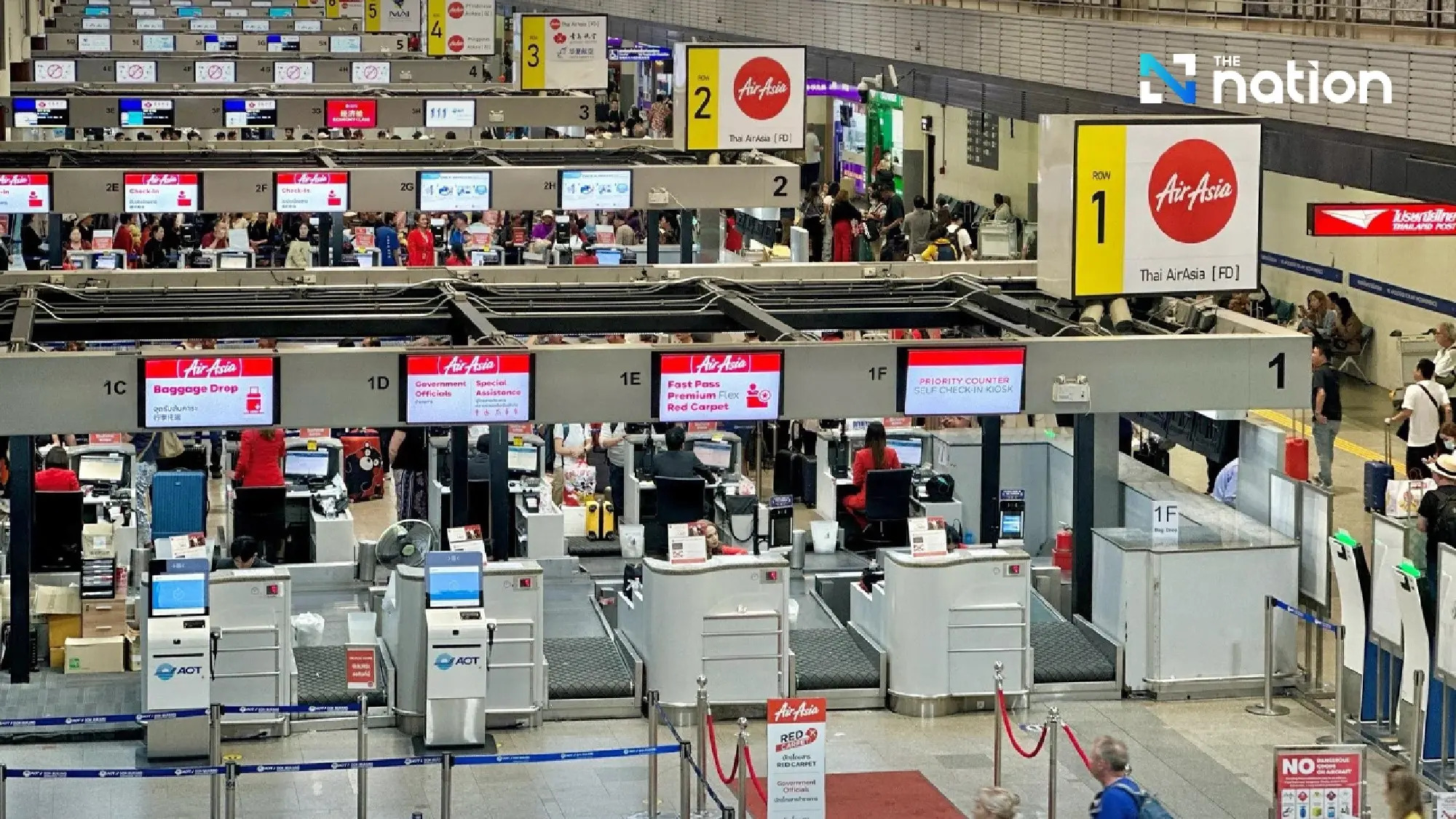 Tourism and Sports Minister Surasak Phancharoenworakul said on Monday that the ministry is exploring the feasibility of reviving the Royal Decree on Overseas Travel Tax B.E. 2526 (1983) to collect the fee from Thai travellers.
Based on data showing Thais make about 10 million overseas trips per year, Surasak said the proposed fee could raise roughly THB10,000 million annually for the state.
He said the funds would be allocated to support the “Tiew Khon La Krueng” programme to stimulate domestic tourism and curb capital outflows from overseas travel.
The proposed exit fee would apply only to Thai citizens, not foreign tourists, Surasak said, to avoid concerns over double charging for both entry and exit. He added that the ministry believes the measure would not materially affect Thais’ decisions to travel abroad.
 Surasak said discussions are continuing with the Finance Ministry. As the legal basis already exists, he said the measure could be implemented quickly if approved by the Cabinet.
Thailand previously collected an overseas travel tax of THB500 before it was later scrapped. Surasak said that compared with rising airfares, a THB1,000 fee is likely to have a smaller impact on travel decisions and would serve as a clearly targeted funding source to reinvest in domestic tourism.
“With a programme like this, we can help Thailand’s tourism sector grow sustainably without relying on the state budget,” he said. “It also allows long-term planning because the operating budget is clear.”
He added that the government is also pursuing a separate plan to collect a THB300 entry fee from foreign tourists—often referred to as a “landing fee”—to support a tourism development fund and insurance coverage.
 Meanwhile, Thanapol Cheewarattanaporn, president of the Association of Thai Travel Agents (ATTA), led a delegation to meet Surasak and raised concerns about the proposed THB1,000 overseas travel tax.
One key proposal from the group was for the government to delay reinstating the THB1,000 fee under the 1983 law, arguing it could affect Thai outbound travel volumes and potentially influence international flight capacity in the future.
Source: https://www.nationthailand.com/news/tourism/40065571
Google Translation:
ประเทศไทยอาจเก็บค่าธรรมเนียม 1,000 บาทต่อการเดินทางไปต่างประเทศหนึ่งครั้ง เพื่อเป็นทุนสนับสนุนโครงการ “เที่ยวท่องเที่ยว”
กระทรวงการท่องเที่ยวและกีฬาอยู่ระหว่างหารือกับกระทรวงการคลังเกี่ยวกับการนำกฎหมายปี 1983 กลับมาใช้ใหม่ โดยกำหนดให้เก็บค่าธรรมเนียม 1,000 บาทต่อการเดินทางไปต่างประเทศหนึ่งครั้ง เพื่อหวังจะเก็บภาษีได้ 10,000 บาทต่อปี สำหรับโครงการอุดหนุนการท่องเที่ยวภายในประเทศ
รัฐบาลกำลังพิจารณาที่จะนำค่าธรรมเนียม 1,000 บาทสำหรับพลเมืองไทยที่เดินทางไปต่างประเทศกลับมาใช้ใหม่ โดยรายได้จะนำไปสนับสนุนโครงการอุดหนุนการท่องเที่ยวภายในประเทศ “เที่ยวท่องเที่ยว”
กระทรวงการท่องเที่ยวและกีฬาได้หารือกับกระทรวงการคลังเกี่ยวกับการนำพระราชบัญญัติภาษีการเดินทางไปต่างประเทศปี 1983 กลับมาใช้ใหม่ ซึ่งจะทำให้รัฐสามารถเก็บค่าธรรมเนียมจากชาวไทยได้ 1,000 บาทต่อคนต่อการเดินทางหนึ่งครั้ง กระทรวงคาดการณ์ว่ามาตรการนี้อาจสร้างรายได้ประมาณ 10,000 บาทต่อปี และจะนำไปใช้อุดหนุนสิทธิ์ให้กับผู้ได้รับสิทธิ์ 10 ล้านคนภายใต้โครงการ “เที่ยวท่องเที่ยว”
ประเทศไทยอาจเก็บค่าธรรมเนียม 1,000 บาทต่อการเดินทางไปต่างประเทศหนึ่งครั้ง เพื่อสนับสนุนโครงการ “เที่ยวท่องเที่ยว”
นายสุรศักดิ์ พันเจริญวรกุล รัฐมนตรีว่าการกระทรวงการท่องเที่ยวและกีฬา กล่าวเมื่อวันจันทร์ว่า กระทรวงกำลังศึกษาความเป็นไปได้ในการนำพระราชกฤษฎีกาภาษีการเดินทางต่างประเทศ พ.ศ. 2526 กลับมาใช้ใหม่ เพื่อเก็บค่าธรรมเนียมจากนักท่องเที่ยวชาวไทย
โดยอ้างอิงจากข้อมูลที่แสดงว่าคนไทยเดินทางไปต่างประเทศประมาณ 10 ล้านคนต่อปี นายสุรศักดิ์กล่าวว่า ค่าธรรมเนียมที่เสนอจะสามารถสร้างรายได้ให้รัฐประมาณ 10,000 ล้านบาทต่อปี
เขากล่าวว่า เงินที่ได้จะนำไปจัดสรรเพื่อสนับสนุนโครงการ “เที่ยวท่องเที่ยว” เพื่อกระตุ้นการท่องเที่ยวภายในประเทศและลดการไหลออกของเงินทุนจากการเดินทางไปต่างประเทศ
นายสุรศักดิ์กล่าวว่า ค่าธรรมเนียมขาออกที่เสนอจะใช้เฉพาะกับคนไทยเท่านั้น ไม่ใช่ชาวต่างชาติ เพื่อหลีกเลี่ยงความกังวลเรื่องการเก็บค่าธรรมเนียมซ้ำซ้อนทั้งขาเข้าและขาออก เขากล่าวเสริมว่า กระทรวงเชื่อว่ามาตรการนี้จะไม่ส่งผลกระทบอย่างมีนัยสำคัญต่อการตัดสินใจของคนไทยในการเดินทางไปต่างประเทศ
ประเทศไทยอาจเก็บภาษีนักท่องเที่ยวต่างชาติ 1,000 บาทต่อการเดินทางไปต่างประเทศ เพื่อเป็นทุนสนับสนุนโครงการ ‘ท่องเที่ยวประเทศ’
สุรศักดิ์กล่าวว่า การหารือกับกระทรวงการคลังยังคงดำเนินต่อไป เนื่องจากมีพื้นฐานทางกฎหมายอยู่แล้ว เขากล่าวว่ามาตรการนี้สามารถดำเนินการได้อย่างรวดเร็วหากคณะรัฐมนตรีอนุมัติ
ก่อนหน้านี้ประเทศไทยเคยเก็บภาษีนักท่องเที่ยวต่างชาติ 500 บาท แต่ได้ยกเลิกไปในภายหลัง สุรศักดิ์กล่าวว่า เมื่อเทียบกับค่าโดยสารเครื่องบินที่เพิ่มสูงขึ้น ค่าธรรมเนียม 1,000 บาทน่าจะมีผลกระทบต่อการตัดสินใจเดินทางน้อยกว่า และจะเป็นแหล่งเงินทุนที่ชัดเจนเพื่อนำไปลงทุนในภาคการท่องเที่ยวภายในประเทศ
“ด้วยโครงการเช่นนี้ เราสามารถช่วยให้ภาคการท่องเที่ยวของประเทศไทยเติบโตอย่างยั่งยืนโดยไม่ต้องพึ่งพางบประมาณของรัฐ” เขากล่าว “นอกจากนี้ยังช่วยให้วางแผนระยะยาวได้ เพราะงบประมาณในการดำเนินงานมีความชัดเจน”
เขากล่าวเสริมว่า รัฐบาลกำลังดำเนินการตามแผนแยกต่างหากเพื่อเก็บค่าธรรมเนียมเข้าประเทศ 300 บาทจากนักท่องเที่ยวต่างชาติ ซึ่งมักเรียกว่า “ค่าธรรมเนียมการลงจอด” เพื่อสนับสนุนกองทุนพัฒนาการท่องเที่ยวและประกันภัย
ประเทศไทยอาจเก็บภาษี 1,000 บาทต่อการเดินทางไปต่างประเทศ เพื่อเป็นทุนสนับสนุนโครงการ ‘ท่องเที่ยวต่างประเทศ’
ขณะเดียวกัน ธนาพล ชีวารัตนพร ประธานสมาคมผู้ประกอบการท่องเที่ยวแห่งประเทศไทย (ATTA) นำคณะผู้แทนเข้าพบนายสุรศักดิ์ และแสดงความกังวลเกี่ยวกับภาษีท่องเที่ยวต่างประเทศ 1,000 บาทที่เสนอมา
ข้อเสนอสำคัญประการหนึ่งจากกลุ่มผู้แทนคือ ขอให้รัฐบาลชะลอการนำภาษี 1,000 บาทกลับมาใช้ใหม่ตามกฎหมายปี 2526 โดยให้เหตุผลว่าอาจส่งผลกระทบต่อปริมาณการเดินทางออกนอกประเทศของคนไทย และอาจมีผลต่อความจุของเที่ยวบินระหว่างประเทศในอนาคต