 Thai Transport Ministry says the Si Khiu crane collapse that killed 31 people stemmed from systemic safety failures
READ ALSO: Staff warning failure blamed for Thailand’s deadly Korat crane incident on train below
THIS NEWS ARTICLE KINDLY SPONSORED BY FALLPROTEC, A WORLD-RENOWNED NAME IN THE DESIGN AND MANUFACTURE OF PREMIUM FALL PROTECTION SYSTEMS AND HEIGHT ACCESS SOLUTIONS
Transport Ministry has concluded that the deadly collapse of a construction crane on the Thai-Chinese high-speed rail project in Nakhon Ratchasima was caused not by an individual error, but by a “systemic failure” involving all parties responsible for the work.
The accident, which took place in Si Khiu district, killed 31 people and injured 71 others after part of a Launching Gantry crane collapsed onto a passenger train running below.
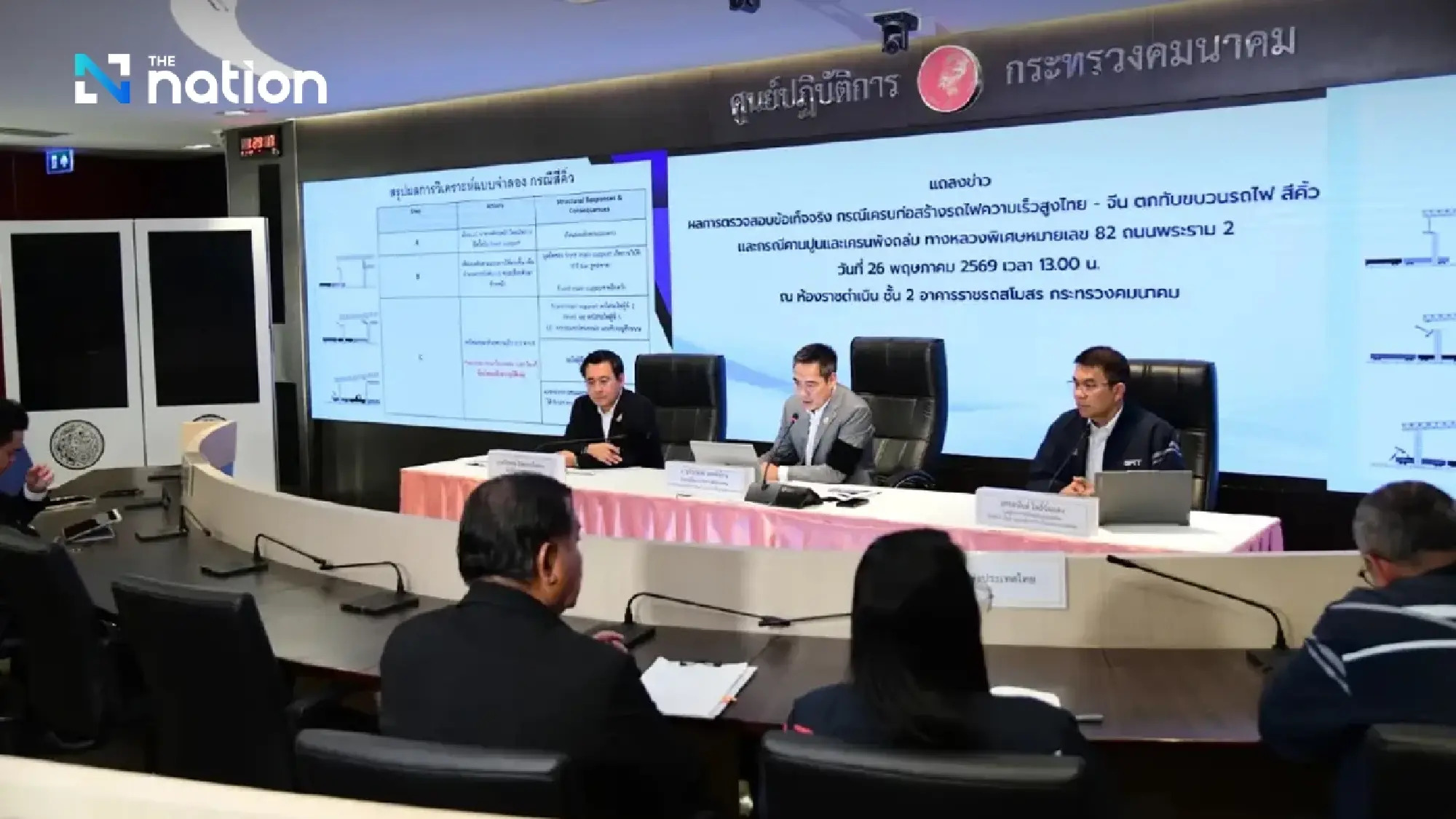 Jirapong Theppitak, deputy permanent secretary for transport and chairman of the fact-finding committee, announced the inquiry findings at the Transport Ministry alongside Piyapong Jiwattanakulpaisarn, director-general of the Department of Highways, and Anan Phonimdang, deputy governor and acting governor of the State Railway of Thailand (SRT).
Crane collapsed onto Bangkok-Ubon Ratchathani train
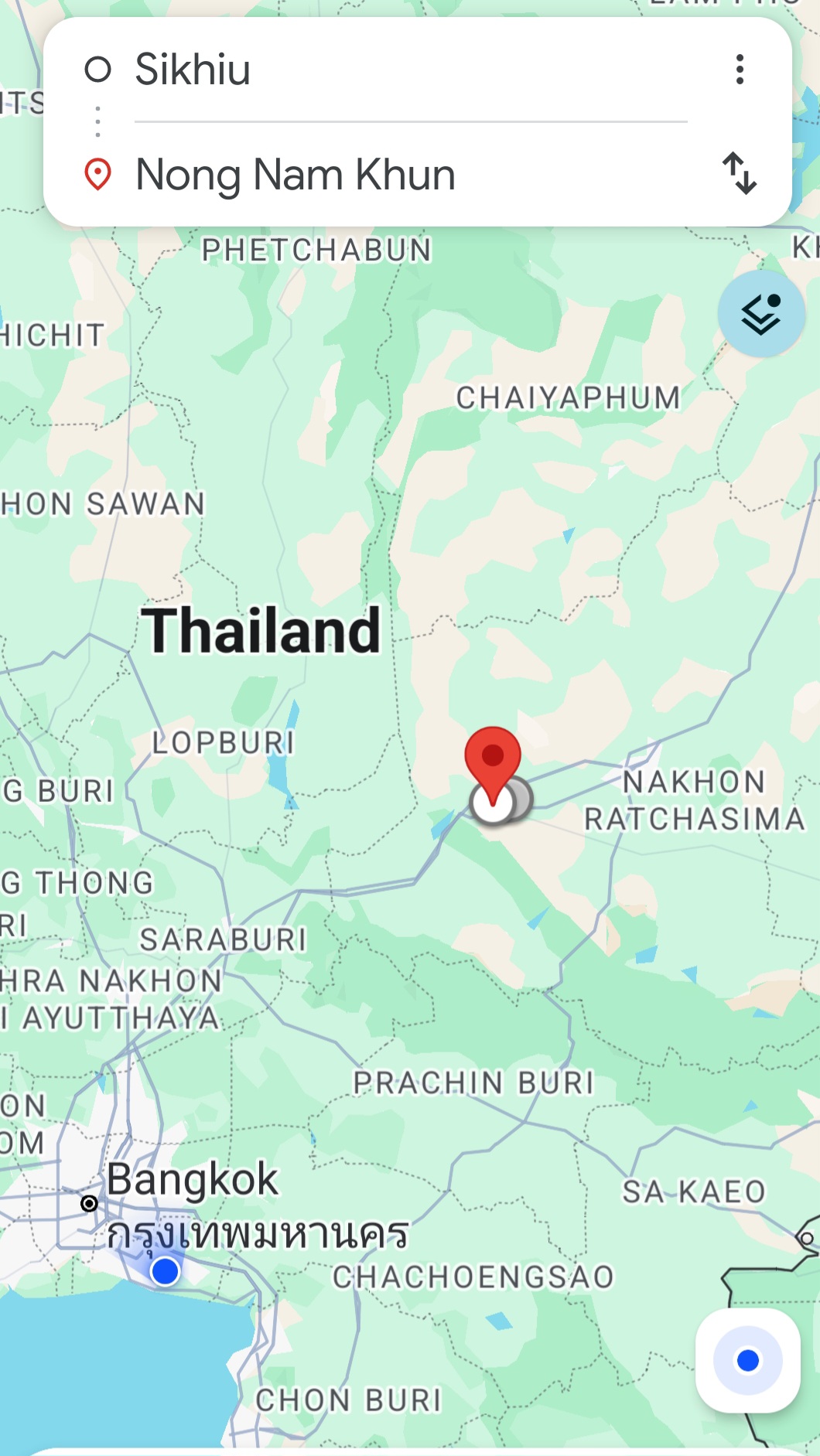
The incident occurred at about 9.15am on January 14, 2026, between Nong Nam Khun station and Si Khiu station in Nakhon Ratchasima province.
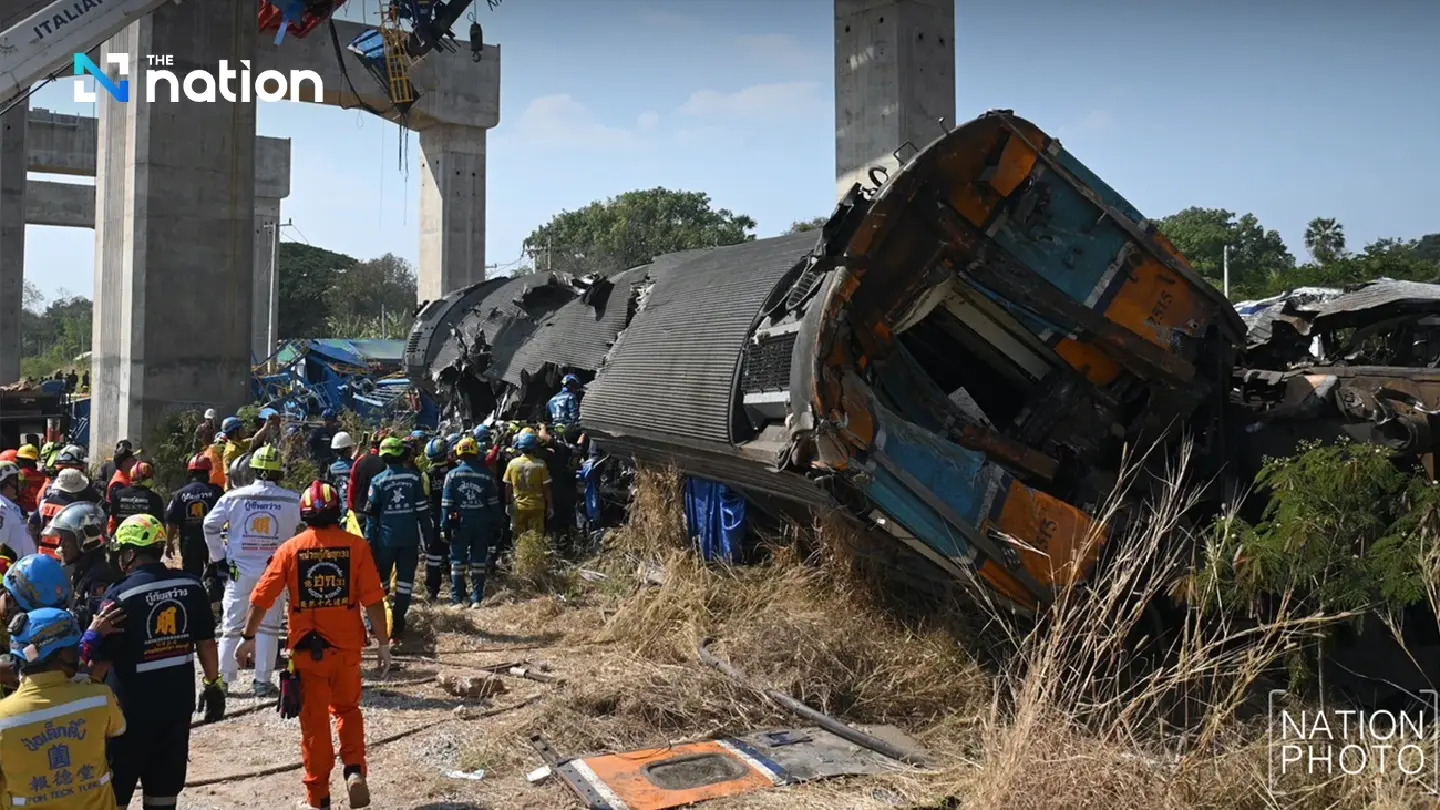
The front support base of a Launching Gantry crane being used on Contract 3-4 of the Thai-Chinese high-speed rail project fell from a height of more than 10 metres and landed on Special Express Train No 21, operating on the Bangkok-Ubon Ratchathani route.
The accident killed 30 passengers and one construction worker, bringing the death toll to 31. Another 71 people were injured.
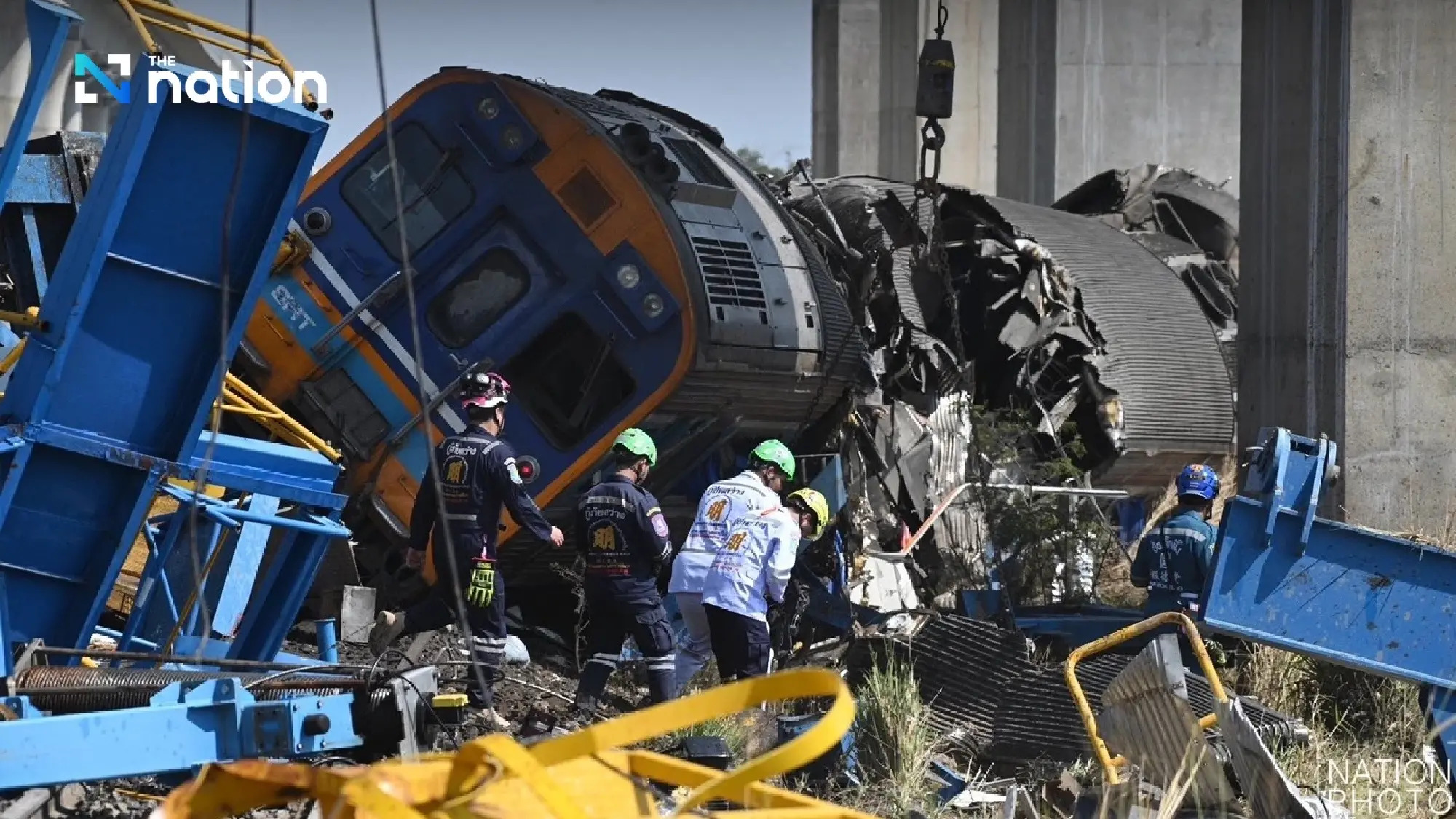
Three train carriages were damaged. The second carriage was torn by the impact and caught fire, while the third carriage derailed.
The accident forced authorities to close the lower northeastern railway line for 10 days, affecting more than 14 train services.
The SRT later reopened the northeastern line from Kaeng Khoi to Nakhon Ratchasima on January 24 after clearing the wreckage and completing safety checks.
Mandatory safety step skipped
The engineering investigation found that the Launching Gantry crane, which is used to lift large concrete components, has a required operating procedure before it moves forward.
Under that procedure, the “middle leg” must be moved close to the “front leg” so the two support points can share the load.
On the day of the accident, however, workers skipped this mandatory step and ordered the crane to move forward immediately. As a result, more than 700 tonnes of weight pressed down on a single support point.
The PT Bar steel fasteners could not withstand the force and snapped, causing the crane base to collapse onto the train passing below.
Contractor accused of multiple safety breaches
The fact-finding committee said the contractor had neglected several safety requirements.
 These included skipping a mandatory step in the operating manual, starting work without approval, failing to request a suspension of train services or “Window Time” from the SRT, failing to replace steel fasteners according to the required cycle, and failing to inspect the crane as required by law.
Supervision consultant failed to control site
The construction supervision consultant, or CSC, was also found to have seriously failed in its oversight duties.
The committee said there were no engineers or safety officers stationed at the work site, while approvals were signed both in advance and retroactively.
The CSC had also never inspected the crane itself throughout the period it was in use.
SRT criticised over weak project oversight
The SRT, as project owner, was also criticised in the investigation.
The committee found that the SRT had assigned engineers to oversee several contracts at the same time, beyond their capacity. This weakened supervision and allowed safety control to become lax.
The inquiry also said the SRT had allowed safety responsibilities to fall mainly to the CSC, even though the SRT still had a direct legal duty to supervise the project.
The committee concluded that the tragedy was “not an accident caused by bad luck”.
Instead, it said all parties had been aware of gaps in the safety system but allowed them to continue until they resulted in major loss of life.
The conduct identified by the investigation was considered a serious breach of contract and could lead to contract termination, blacklisting as an abandoned-work contractor, and revocation of the contractor’s registration in later procedures.
Five urgent safety measures proposed
The committee also proposed five urgent measures to the Transport Ministry.
- The first is to ban work above railway tracks while trains are passing below.
- The second is to abolish the practice of approving work retroactively.
- The third is to require all cranes to be inspected by independent experts.
- The fourth is to install real-time monitoring systems.
- The fifth is to strengthen penalties and raise contractor-selection standards for high-risk construction projects.
Source: https://www.nationthailand.com/news/general/40066679
Google Translation:
กระทรวงคมนาคมไทยระบุความล้มเหลวของระบบเป็นสาเหตุของการถล่มของเครนรถไฟความเร็วสูงศรีเคียว
บทความข่าวนี้ได้รับการสนับสนุนโดย FALLPROTEC บริษัทชั้นนำระดับโลกด้านการออกแบบและผลิตระบบป้องกันการตกจากที่สูงและโซลูชันการเข้าถึงที่สูงระดับพรีเมียม
กระทรวงคมนาคมกล่าวว่าเหตุการณ์เครนถล่มที่ศรีเคียวซึ่งคร่าชีวิตผู้คน 31 ราย เกิดจากความล้มเหลวของระบบความปลอดภัย
กระทรวงคมนาคมสรุปว่าการถล่มของเครนก่อสร้างในโครงการรถไฟความเร็วสูงไทย-จีนในจังหวัดนครราชสีมานั้นไม่ได้เกิดจากความผิดพลาดของบุคคล แต่เกิดจาก “ความล้มเหลวของระบบ” ที่เกี่ยวข้องกับทุกฝ่ายที่รับผิดชอบงาน
อุบัติเหตุซึ่งเกิดขึ้นในอำเภอศรีเคียว ทำให้มีผู้เสียชีวิต 31 ราย และบาดเจ็บอีก 71 ราย หลังจากส่วนหนึ่งของเครนยกโครงสร้างถล่มลงมาทับรถไฟโดยสารที่วิ่งอยู่ด้านล่าง
นายจิรพงษ์ เทพพิทักษ์ รองปลัดกระทรวงคมนาคม และประธานคณะกรรมการตรวจสอบข้อเท็จจริง ประกาศผลการสอบสวน ณ กระทรวงคมนาคม โดยมีนายปิยพงษ์ จิวัฒนากุลไพศาล อธิบดีกรมทางหลวง และนายอนันต์ โภนิมดัง รองผู้ว่าราชการการการรถไฟแห่งประเทศไทย (ร.ฟ.ท.) รักษาการ ร่วมแถลงข่าวด้วย
เหตุการณ์ดังกล่าวเกิดขึ้นเมื่อเวลาประมาณ 9.15 น. ของวันที่ 14 มกราคม 2569 ระหว่างสถานีหนองน้ำขุนและสถานีสีขิ้ว จังหวัดนครราชสีมา
ฐานค้ำด้านหน้าของเครนยกโครงสร้างที่ใช้ในโครงการรถไฟความเร็วสูงไทย-จีน สัญญาที่ 3-4 ตกลงมาจากความสูงกว่า 10 เมตร และทับรถไฟด่วนพิเศษขบวนที่ 21 ซึ่งวิ่งในเส้นทางกรุงเทพฯ-อุบลราชธานี
อุบัติเหตุครั้งนี้ทำให้มีผู้เสียชีวิต 30 ราย เป็นผู้โดยสาร และคนงานก่อสร้าง 1 ราย รวมเป็น 31 ราย และมีผู้บาดเจ็บอีก 71 ราย
ตู้รถไฟสามตู้ได้รับความเสียหาย ตู้ที่สองถูกแรงกระแทกฉีกขาดและเกิดไฟไหม้ ส่วนตู้ที่สามตกราง
อุบัติเหตุครั้งนี้ทำให้ทางการต้องปิดเส้นทางรถไฟสายตะวันออกเฉียงเหนือตอนล่างเป็นเวลา 10 วัน ส่งผลกระทบต่อบริการรถไฟมากกว่า 14 ขบวน
ต่อมา การรถไฟแห่งประเทศไทย (ร.ฟ.ท.) ได้เปิดให้บริการเส้นทางตะวันออกเฉียงเหนือจากแก่งคอยไปยังนครราชสีมาอีกครั้งในวันที่ 24 มกราคม หลังจากเคลียร์ซากปรักหักพังและตรวจสอบความปลอดภัยเสร็จสิ้น
ขั้นตอนความปลอดภัยที่จำเป็นถูกละเลย
การตรวจสอบทางวิศวกรรมพบว่า เครนยกชิ้นส่วนคอนกรีตขนาดใหญ่ (Launching Gantry crane) มีขั้นตอนการทำงานที่จำเป็นก่อนที่จะเคลื่อนที่ไปข้างหน้า
ตามขั้นตอนนั้น “ขาตรงกลาง” ต้องเคลื่อนที่เข้าใกล้ “ขาด้านหน้า” เพื่อให้จุดรองรับทั้งสองสามารถรับน้ำหนักร่วมกันได้
อย่างไรก็ตาม ในวันที่เกิดอุบัติเหตุ คนงานได้ละเลยขั้นตอนที่จำเป็นนี้และสั่งให้เครนเคลื่อนที่ไปข้างหน้าทันที ส่งผลให้น้ำหนักมากกว่า 700 ตันกดลงบนจุดรองรับเพียงจุดเดียว
ตัวยึดเหล็ก PT Bar ไม่สามารถทนต่อแรงกระแทกได้และหัก ทำให้ฐานเครนพังถล่มลงมาทับรถไฟที่วิ่งผ่านด้านล่าง
ผู้รับเหมาถูกกล่าวหาว่าละเมิดกฎความปลอดภัยหลายประการ
คณะกรรมการตรวจสอบข้อเท็จจริงกล่าวว่าผู้รับเหมาละเลยข้อกำหนดด้านความปลอดภัยหลายประการ
ซึ่งรวมถึงการข้ามขั้นตอนบังคับในคู่มือการใช้งาน การเริ่มงานโดยไม่ได้รับการอนุมัติ การไม่ขออนุญาตระงับการให้บริการรถไฟหรือ “ช่วงเวลาอนุญาต” จาก SRT การไม่เปลี่ยนตัวยึดเหล็กตามรอบที่กำหนด และการไม่ตรวจสอบเครนตามที่กฎหมายกำหนด
ที่ปรึกษาด้านการกำกับดูแลล้มเหลวในการควบคุมสถานที่ก่อสร้าง
พบว่าที่ปรึกษาด้านการกำกับดูแลการก่อสร้าง หรือ CSC ล้มเหลวอย่างร้ายแรงในการปฏิบัติหน้าที่กำกับดูแล
คณะกรรมการกล่าวว่าไม่มีวิศวกรหรือเจ้าหน้าที่ความปลอดภัยประจำอยู่ที่สถานที่ก่อสร้าง ในขณะที่การอนุมัติถูกลงนามทั้งล่วงหน้าและย้อนหลัง
นอกจากนี้ CSC ไม่เคยตรวจสอบเครนเลยตลอดระยะเวลาที่ใช้งาน
SRT ถูกวิพากษ์วิจารณ์เรื่องการกำกับดูแลโครงการที่อ่อนแอ
SRT ในฐานะเจ้าของโครงการ ถูกวิพากษ์วิจารณ์ในการสอบสวนด้วยเช่นกัน
คณะกรรมการพบว่า SRT ได้มอบหมายวิศวกรให้ดูแลสัญญาหลายฉบับพร้อมกัน เกินขีดความสามารถ ทำให้การกำกับดูแลอ่อนแอลงและทำให้การควบคุมความปลอดภัยหย่อนยาน
การสอบสวนยังระบุว่า SRT ปล่อยให้ความรับผิดชอบด้านความปลอดภัยส่วนใหญ่ตกอยู่กับ CSC แม้ว่า SRT ยังคงมีหน้าที่ตามกฎหมายโดยตรงในการกำกับดูแลโครงการ
คณะกรรมการสรุปว่าโศกนาฏกรรมครั้งนี้ “ไม่ใช่เหตุการณ์ที่เกิดจากโชคร้าย”
แต่คณะกรรมการกล่าวว่าทุกฝ่ายต่างตระหนักถึงช่องโหว่ในระบบความปลอดภัย แต่ปล่อยให้มันดำเนินต่อไปจนกระทั่งส่งผลให้เกิดการสูญเสียชีวิตครั้งใหญ่
พฤติกรรมที่ระบุโดยการสอบสวนถือเป็นการละเมิดสัญญาอย่างร้ายแรง และอาจนำไปสู่การยกเลิกสัญญา การขึ้นบัญชีดำในฐานะผู้รับเหมาที่ทิ้งงาน และการเพิกถอนการจดทะเบียนของผู้รับเหมาในขั้นตอนต่อไป
เสนอมาตรการความปลอดภัยเร่งด่วน 5 ข้อ
คณะกรรมการยังได้เสนอมาตรการเร่งด่วน 5 ข้อแก่กระทรวงคมนาคมด้วย
ข้อแรกคือ ห้ามทำงานเหนือรางรถไฟขณะที่รถไฟกำลังวิ่งผ่านด้านล่าง
ข้อที่สองคือ ยกเลิกการอนุมัติงานย้อนหลัง
ข้อที่สามคือ กำหนดให้เครนทุกตัวต้องได้รับการตรวจสอบโดยผู้เชี่ยวชาญอิสระ
ข้อที่สี่คือ ติดตั้งระบบตรวจสอบแบบเรียลไทม์
ประการที่ห้าคือ การเพิ่มบทลงโทษและยกระดับมาตรฐานการคัดเลือกผู้รับเหมาสำหรับโครงการก่อสร้างที่มีความเสี่ยงสูง