 Thai Government Urged to Tighten Foreign Condo Ownership Rules
June 22, 2026
THIS NEWS ARTICLE KINDLY SPONSORED BY FALLPROTEC , A WORLD-RENOWNED NAME IN THE DESIGN AND MANUFACTURE OF PREMIUM FALL PROTECTION SYSTEMS AND HEIGHT ACCESS SOLUTIONS
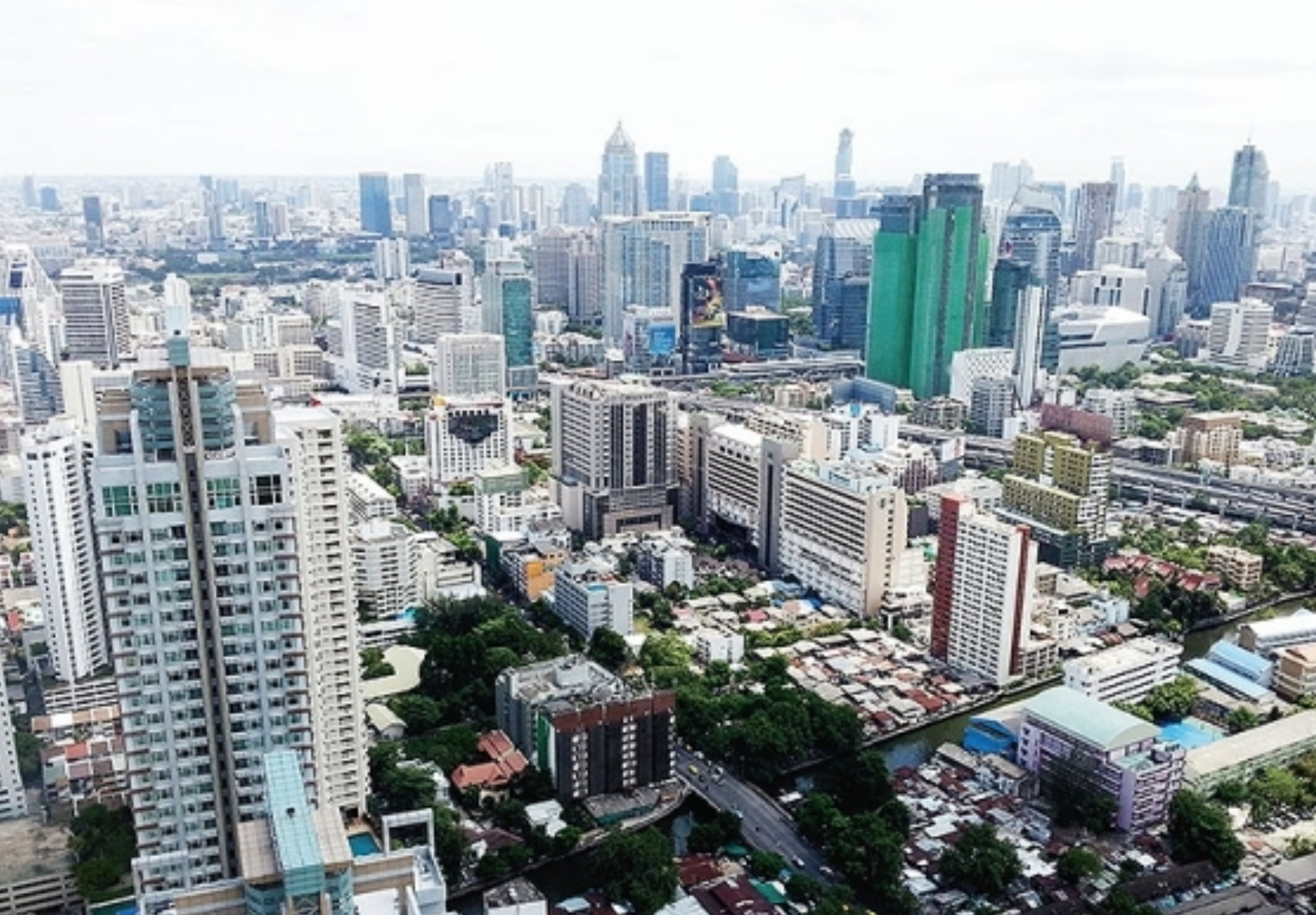
Thailand is facing renewed calls to tighten regulations governing foreign condominium ownership as the government considers raising the foreign ownership quota in condominium projects to attract overseas investment and support a property market still struggling with a slowdown.
The proposal is viewed as a way to improve liquidity in the real estate sector and help developers clear unsold inventory. However, concerns have emerged over housing affordability for Thai citizens, property speculation and the long-term impact of increased foreign ownership.
Dr Sopon Pornchokchai, president of the Agency for Real Estate Affairs (AREA), said the debate should move beyond claims that Thailand is “selling the nation”. He noted that only a limited number of condominium projects have reached the current 49% foreign ownership quota and that foreign buyers accounted for less than 20% of total condominium purchases last year.
Sopon argued that Thailand’s rules are considerably more lenient than those in China. Foreign buyers in Thailand face no residency requirement before purchasing a condominium, whereas China generally requires foreigners to have lived in the country for around one to two years before becoming eligible to buy property.
He also highlighted the absence of a minimum purchase price in Thailand. AREA’s survey of foreign condominium purchases in Bangkok and surrounding provinces in 2025 found that around two-thirds of units purchased by foreigners were priced at 5 million baht or less. By comparison, foreigners purchasing condominiums in major Chinese cities typically face costs of around 10-20 million baht or more due to higher property values and larger unit sizes.
The number of units foreigners can purchase has also come under scrutiny. Thailand allows foreign buyers to acquire multiple units provided the building remains within the legal foreign ownership quota, while China generally limits foreign buyers to a single unit. Sopon also raised concerns about nominee ownership structures and claimed that foreign owners already play a significant role in the management of some condominium projects in Bangkok, Pattaya and Hua Hin.
Additional concerns relate to property speculation and short-term rentals. Sopon said Thailand permits foreign buyers to purchase condominiums for investment and resale, while enforcement against illegal daily rentals remains weak. He warned that some buildings could become dominated by owners from a single nationality, potentially creating foreign enclaves and affecting the hotel sector if units are used as unlicensed accommodation.
Sopon also criticized Thailand’s low property tax burden on foreign owners. He said annual property taxes, rental income taxes and capital gains taxes are significantly lower than those imposed in China, making Thailand particularly attractive for investment-focused buyers seeking returns rather than permanent residence.
The Nation reported that the government has yet to decide whether to increase the foreign ownership quota. Sopon said any expansion should be accompanied by stricter, more transparent regulations to balance foreign investment with the long-term interests of Thailand and its citizens.
Adapted by ASEAN Now Nation 21 June 2026
Source: https://aseannow.com/thailand-news/government-urged-to-tighten-foreign-condo-ownership-rules-r2405/
Google Translation:
The Thai government is being urged to tighten regulations on foreign ownership of condominiums.
June 22, 2026
This news article is sponsored by FALLPROTEC, a world-leading company in the design and manufacture of premium fall protection systems and high-altitude access solutions.
Thailand is facing renewed calls to tighten regulations on foreign ownership of condominiums as the government considers increasing foreign ownership quotas in condominium projects to attract foreign investment and support its still sluggish real estate market.
This proposal is seen as a way to increase liquidity in the real estate sector and help developers clear unsold inventory. However, concerns have arisen regarding the affordability of housing for Thai citizens, real estate speculation, and the long-term effects of increased foreign ownership.
Dr. Sopon Pornchokchai, President of the Real Estate Authority of Thailand (AREA), said the debate should go beyond the accusation that Thailand is “selling out the nation.” He noted that only a limited number of condominium projects currently meet the 49% foreign ownership quota, and foreign buyers accounted for less than 20% of all condominium purchases last year. (Thailand Travel Guide)
Sophon argued that Thailand’s regulations are much more relaxed than China’s. Foreign buyers in Thailand are not required to reside in the country before purchasing a condominium, whereas in China, foreigners are generally required to live in the country for about one to two years before they are eligible to buy property.
He also emphasized the absence of a minimum purchase price in Thailand. An AREA survey of condominium purchases by foreigners in Bangkok and surrounding provinces in 2025 found that approximately two-thirds of units purchased by foreigners were priced at 5 million baht or less. In comparison, foreigners buying condominiums in major Chinese cities typically face costs of around 10-20 million baht or more due to higher property values and larger unit sizes.
The number of units that foreigners can purchase is also under scrutiny. Thailand allows foreign buyers to purchase multiple condominium units, as long as the building falls within the legally mandated foreign ownership quota, whereas China generally limits foreign buyers to only one unit. Mr. Sophon also expressed concerns about the nominee ownership structure and argued that foreign owners already play a significant role in managing some condominium projects in Bangkok, Pattaya, and Hua Hin.
Further concerns relate to real estate speculation and short-term rentals. Mr. Sophon stated that Thailand allows foreign buyers to purchase condominiums for investment and resale, while enforcement against illegal daily rentals remains weak. He warned that some buildings could be dominated by single-nationality owners, potentially creating expat communities and impacting the hotel sector if units are used as unauthorized accommodations.
Mr. Sophon also criticized Thailand’s low property tax burden for foreign owners. He said that the annual property tax, rental income tax, and capital gains tax on property sales are significantly lower than those levied in China, making Thailand particularly attractive to buyers who are focused on investment seeking returns rather than permanent residence.
The Nation newspaper reported that the government has not yet decided whether to increase foreign ownership quotas. Sophon said that any expansion should be accompanied by stricter and more transparent regulations to strike a balance between foreign investment and the long-term interests of Thailand and its people.
(Compiled by ASEAN Now Nation, June 21, 2026)