 Mixed-use projects shake up Thai property investment with one site for every lifestyle
THIS NEWS ARTICLE KINDLY SPONSORED BY FALLPROTEC, A WORLD-RENOWNED NAME IN THE DESIGN AND MANUFACTURE OF PREMIUM FALL PROTECTION SYSTEMS AND HEIGHT ACCESS SOLUTIONS
- Thai developers are bringing homes, shops, offices and hotels together on one site to meet changing demand and make better use of increasingly expensive land.
- A strong anchor, such as an international school, can give people a reason to visit or move into a development and create demand for its other businesses.
- Income from several businesses can spread risk, make a project more attractive to lenders and support the long-term value of the property.
Rising land costs, tougher competition and more cautious buyers are changing how Thai developers invest. Increasingly, they are bringing homes, hotels, shops, offices and services together on a single site. The challenge is to choose a combination that gives people a reason to live there, work there or come back regularly.
Dr Mana Nimitvanich, director of the Real Estate Information Center, expects mixed-use development in Thailand to continue growing. Developers have less land to work with and face higher investment costs, while buyers increasingly want more than a stand-alone condominium or shopping centre can offer.
“Bringing shops, homes, offices and hotels together makes better use of the land and keeps economic activity going throughout the day,” Mana said. “It draws different groups of people to the project, giving it greater potential to generate income and build the value of the property over time.”
Landmark towers are a bet on Bangkok’s economy
The rise of landmark towers on prime sites in central Bangkok reflects the same shift. Developers want these buildings to become destinations for investors, businesspeople and tourists.
One question is whether interest will fade after the first four or five years. Mana believes the economic benefits outweigh that risk. Construction creates jobs at the outset, while hotels, offices, shops and other businesses can sustain employment and trade long after a building opens.
“If these towers have a distinctive identity and offer an experience people cannot get elsewhere, they can become tourist attractions in their own right,” Mana said. He pointed to Dubai’s Burj Khalifa, a landmark that draws visitors from around the world.
Banks tighten lending but see scope for mixed-use projects with a strong anchor
A large stock of unsold homes, particularly conventional condominiums, has made finance harder to secure for stand-alone projects. Banks are looking closely at what buyers can afford, how quickly units sell and whether a development can generate enough cash.
For mixed-use projects, lenders assess each business separately. Housing, hotels, tourism businesses, hospitals and schools each face different risks. Income from several of them can spread those risks and make the development more attractive to a bank.
A joint venture can also reduce the capital a developer has to commit. An international hotel brand, an established business chain or an international school can bring specialist expertise as well as a recognised name and an existing customer base.
The right mix depends on the location
There is no fixed formula for how much space to give over to housing, hotels or retail, Mana said. The decision depends on the strengths of the site and the spending power of the people it is intended to serve.
A site on the Chao Phraya River, for example, may lend itself to an upmarket hotel and residences. In the city centre, office workers can provide a steady customer base for shops in the same development.
Hotels and shopping centres have traditionally been the main draws. International schools, hospitals and wellness centres are now playing that role too, while green building design can help a property stand out. Education, health and quality of life are increasingly important considerations for buyers of premium homes.
An international school creates demand for nearby homes
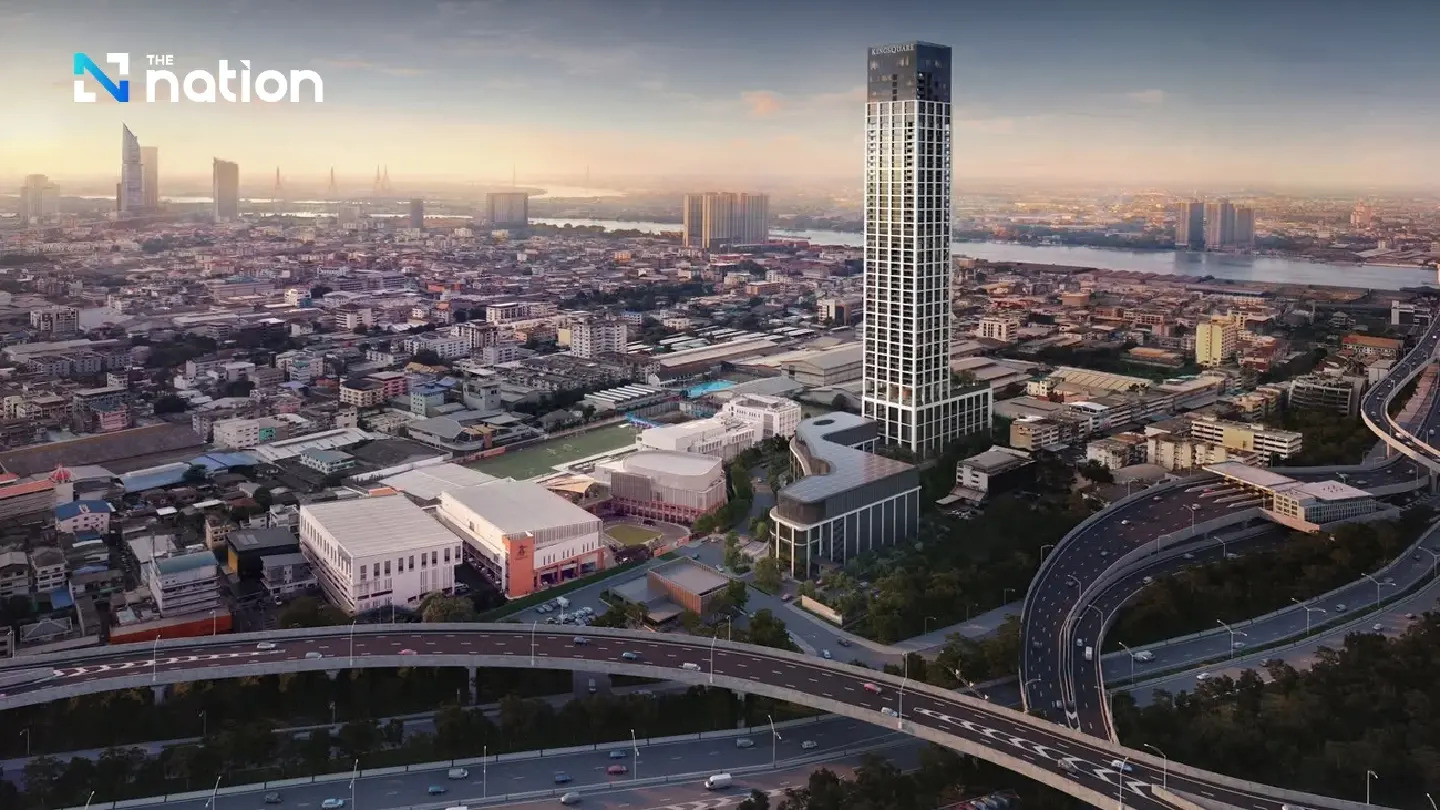
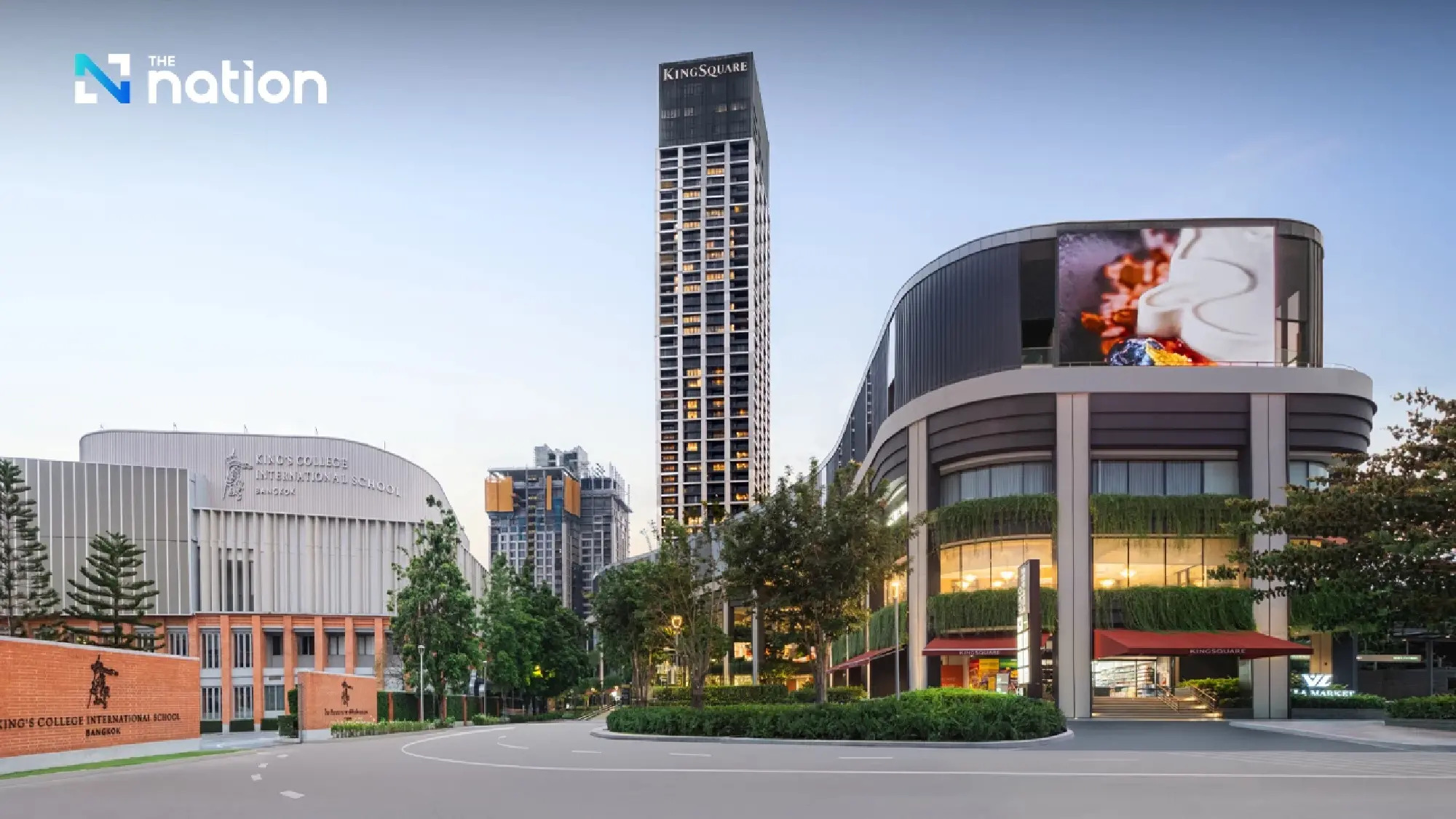
KingsQuare in Bangkok’s Rama III area shows how that can work. King’s College International School Bangkok gives parents a practical reason to buy nearby. A shorter journey makes it easier to drop off and collect their children each day.
Sales at KingsQuare Residence have reached 80%, according to Bangkok Biznews. Most buyers are affluent Thai and foreign nationals, and sales have been relatively less dependent on bank loans. The benefit extends to the retail space. As families move in, they bring regular trade to shops, restaurants and local services.
“A successful mixed-use project can start with one element that creates genuine demand,” Mana said. “The benefits then extend to the other businesses in the development.”
Smaller developers can compete by choosing their market carefully
Growing interest in mixed-use property leaves smaller and mid-sized developers with a choice. A large project requires substantial capital, and running several businesses can expose a firm to more risk than it can manage. Mana said a smaller developer may have a better opportunity in a market it knows well.
Market data can help identify gaps larger firms have overlooked. Examples include condominiums priced at 2 million to 3 million baht near urban rail lines, where zoning and local demand support development. A boutique hotel with a distinctive character can also reach a specific group of guests with a more modest investment.
Copying a large developer’s product and competing on price puts smaller firms at a disadvantage in both costs and marketing. Their advantage lies in understanding a particular group of customers well enough to offer something the larger project misses.
The super-luxury market still has room to grow
Mana sees further potential in high-end and super-luxury housing, even as weaker purchasing power and tighter credit weigh on the wider market. A prime address and expensive finishes alone are unlikely to secure a sale. Buyers need a reason to choose one property over another, and the sales team needs to understand what matters to them.
That shift is also shaping Thailand’s mixed-use market. Project size is giving way to more practical measures of value: whether families can walk to school, whether shops draw customers throughout the day and whether the different uses can sustain one another over time.
Source: https://www.nationthailand.com/business/property/40073888 (Butsakon Phusae for Bangkokbiznews)
โครงการแบบผสมผสานกำลังพลิกโฉมการลงทุนอสังหาริมทรัพย์ในประเทศไทย ด้วยพื้นที่เดียวที่ตอบโจทย์ทุกไลฟ์สไตล์
บทความข่าวนี้ได้รับการสนับสนุนโดย FALLPROTEC บริษัทชั้นนำระดับโลกด้านการออกแบบและผลิตระบบป้องกันการตกจากที่สูงและโซลูชันการเข้าถึงที่สูงระดับพรีเมียม
ผู้พัฒนาอสังหาริมทรัพย์ในประเทศไทยกำลังนำบ้าน ร้านค้า สำนักงาน และโรงแรมมารวมกันในพื้นที่เดียว เพื่อตอบสนองความต้องการที่เปลี่ยนแปลงไปและใช้ประโยชน์จากที่ดินที่มีราคาสูงขึ้นอย่างคุ้มค่า
ธุรกิจหลักที่แข็งแกร่ง เช่น โรงเรียนนานาชาติ สามารถดึงดูดให้ผู้คนมาเยี่ยมชมหรือย้ายเข้ามาอยู่ในโครงการ และสร้างความต้องการให้กับธุรกิจอื่นๆ ในโครงการนั้น
รายได้จากหลายธุรกิจสามารถกระจายความเสี่ยง ทำให้โครงการน่าสนใจยิ่งขึ้นสำหรับผู้ให้กู้ และสนับสนุนมูลค่าระยะยาวของอสังหาริมทรัพย์
ต้นทุนที่ดินที่สูงขึ้น การแข่งขันที่รุนแรงขึ้น และผู้ซื้อที่ระมัดระวังมากขึ้น กำลังเปลี่ยนแปลงวิธีการลงทุนของผู้พัฒนาอสังหาริมทรัพย์ในประเทศไทย พวกเขาจึงนำบ้าน โรงแรม ร้านค้า สำนักงาน และบริการต่างๆ มารวมกันในพื้นที่เดียวมากขึ้นเรื่อยๆ ความท้าทายอยู่ที่การเลือกรูปแบบที่ลงตัวที่จะทำให้ผู้คนมีเหตุผลที่จะอยู่อาศัย ทำงาน หรือกลับมาที่นี่เป็นประจำ
ดร.มานะ นิมิตวานิช ผู้อำนวยการศูนย์ข้อมูลอสังหาริมทรัพย์ คาดการณ์ว่าการพัฒนาอสังหาริมทรัพย์แบบผสมผสานในประเทศไทยจะเติบโตอย่างต่อเนื่อง ผู้พัฒนาอสังหาริมทรัพย์มีที่ดินให้ใช้ลดลงและเผชิญกับต้นทุนการลงทุนที่สูงขึ้น ในขณะที่ผู้ซื้อต้องการมากกว่าแค่คอนโดมิเนียมหรือศูนย์การค้าแบบเดี่ยวๆ
“การนำร้านค้า บ้านพัก สำนักงาน และโรงแรมมารวมกันจะทำให้ใช้ที่ดินได้อย่างมีประสิทธิภาพมากขึ้น และช่วยกระตุ้นกิจกรรมทางเศรษฐกิจตลอดทั้งวัน” ดร.มานะกล่าว “มันดึงดูดผู้คนหลากหลายกลุ่มมายังโครงการ ทำให้มีศักยภาพในการสร้างรายได้และเพิ่มมูลค่าของอสังหาริมทรัพย์ในระยะยาว”
ตึกระฟ้าที่เป็นแลนด์มาร์คคือการเดิมพันกับเศรษฐกิจของกรุงเทพฯ
การเกิดขึ้นของตึกระฟ้าที่เป็นแลนด์มาร์คบนทำเลทองใจกลางกรุงเทพฯ สะท้อนให้เห็นถึงการเปลี่ยนแปลงเช่นเดียวกัน ผู้พัฒนาอสังหาริมทรัพย์ต้องการให้ตึกเหล่านี้กลายเป็นจุดหมายปลายทางสำหรับนักลงทุน นักธุรกิจ และนักท่องเที่ยว
คำถามหนึ่งคือความสนใจจะลดลงหลังจากสี่หรือห้าปีแรกหรือไม่ ดร.มานะเชื่อว่าผลประโยชน์ทางเศรษฐกิจนั้นมากกว่าความเสี่ยง การก่อสร้างสร้างงานตั้งแต่เริ่มต้น ในขณะที่โรงแรม สำนักงาน ร้านค้า และธุรกิจอื่นๆ สามารถรักษาการจ้างงานและการค้าขายได้ในระยะยาวหลังจากอาคารเปิดทำการ
“หากตึกสูงเหล่านี้มีเอกลักษณ์ที่โดดเด่นและมอบประสบการณ์ที่ผู้คนหาไม่ได้จากที่อื่น พวกมันก็สามารถกลายเป็นแหล่งท่องเที่ยวได้ด้วยตัวเอง” มานา กล่าว เขายกตัวอย่างตึกเบิร์จคาลิฟาในดูไบ ซึ่งเป็นแลนด์มาร์คที่ดึงดูดนักท่องเที่ยวจากทั่วโลก
ธนาคารเข้มงวดการปล่อยสินเชื่อ แต่เห็นโอกาสสำหรับโครงการแบบผสมผสานที่มีธุรกิจหลักที่แข็งแกร่ง
บ้านที่ขายไม่ออกจำนวนมาก โดยเฉพาะคอนโดมิเนียมแบบดั้งเดิม ทำให้การขอสินเชื่อสำหรับโครงการเดี่ยวๆ ยากขึ้น ธนาคารกำลังพิจารณาอย่างใกล้ชิดว่าผู้ซื้อสามารถจ่ายได้เท่าใด ขายได้เร็วแค่ไหน และโครงการพัฒนาสามารถสร้างกระแสเงินสดได้เพียงพอหรือไม่
สำหรับโครงการแบบผสมผสาน ผู้ให้กู้จะประเมินธุรกิจแต่ละประเภทแยกกัน ที่อยู่อาศัย โรงแรม ธุรกิจท่องเที่ยว โรงพยาบาล และโรงเรียน แต่ละแห่งมีความเสี่ยงที่แตกต่างกัน รายได้จากหลายๆ ธุรกิจสามารถกระจายความเสี่ยงเหล่านั้นและทำให้โครงการพัฒนามีความน่าสนใจมากขึ้นสำหรับธนาคาร
การร่วมทุนยังสามารถลดเงินทุนที่ผู้พัฒนาต้องลงทุนได้อีกด้วย แบรนด์โรงแรมระดับนานาชาติ เครือธุรกิจที่ก่อตั้งมานาน หรือโรงเรียนนานาชาติ สามารถนำมาซึ่งความเชี่ยวชาญเฉพาะด้าน รวมถึงชื่อเสียงที่เป็นที่รู้จัก และฐานลูกค้าที่มีอยู่แล้ว
การผสมผสานที่เหมาะสมขึ้นอยู่กับทำเลที่ตั้ง
มานะกล่าวว่า ไม่มีสูตรตายตัวว่าควรจัดสรรพื้นที่ให้กับที่อยู่อาศัย โรงแรม หรือร้านค้าปลีกมากน้อยแค่ไหน การตัดสินใจขึ้นอยู่กับจุดแข็งของทำเลและกำลังซื้อของกลุ่มเป้าหมาย
ตัวอย่างเช่น ทำเลริมแม่น้ำเจ้าพระยา อาจเหมาะสำหรับโรงแรมและที่พักอาศัยระดับหรู ในใจกลางเมือง พนักงานออฟฟิศสามารถเป็นฐานลูกค้าที่มั่นคงสำหรับร้านค้าในโครงการเดียวกัน
โรงแรมและศูนย์การค้าเป็นจุดดึงดูดหลักมาโดยตลอด ปัจจุบันโรงเรียนนานาชาติ โรงพยาบาล และศูนย์สุขภาพก็มีบทบาทนั้นเช่นกัน ในขณะที่การออกแบบอาคารสีเขียวสามารถช่วยให้ทรัพย์สินโดดเด่นได้ การศึกษา สุขภาพ และคุณภาพชีวิตเป็นสิ่งที่ผู้ซื้อบ้านระดับพรีเมียมให้ความสำคัญมากขึ้นเรื่อยๆ
โรงเรียนนานาชาติสร้างความต้องการบ้านในบริเวณใกล้เคียง
คิงส์สแควร์ในย่านพระราม 3 กรุงเทพฯ แสดงให้เห็นว่าสิ่งนี้สามารถเกิดขึ้นได้อย่างไร โรงเรียนนานาชาติคิงส์คอลเลจ กรุงเทพฯ ทำให้ผู้ปกครองมีเหตุผลที่จับต้องได้ในการซื้อบ้านใกล้บ้าน การเดินทางที่สั้นลงทำให้การรับส่งบุตรหลานในแต่ละวันสะดวกยิ่งขึ้น
ยอดขายโครงการคิงส์ควอเรเรสซิเดนซ์สูงถึง 80% ตามรายงานของบางกอกบิซนิวส์ ผู้ซื้อส่วนใหญ่เป็นคนไทยและชาวต่างชาติที่มีฐานะดี และยอดขายพึ่งพาเงินกู้จากธนาคารค่อนข้างน้อย ประโยชน์นี้ยังขยายไปถึงพื้นที่ค้าปลีกด้วย เมื่อครอบครัวย้ายเข้ามา พวกเขาก็นำการค้าประจำมาสู่ร้านค้า ร้านอาหาร และบริการในท้องถิ่น
มานะกล่าวว่า “โครงการแบบผสมผสานที่ประสบความสำเร็จสามารถเริ่มต้นได้จากองค์ประกอบหนึ่งที่สร้างความต้องการที่แท้จริง จากนั้นผลประโยชน์ก็จะขยายไปยังธุรกิจอื่นๆ ในโครงการ”
ผู้พัฒนาอสังหาริมทรัพย์รายเล็กสามารถแข่งขันได้โดยการเลือกตลาดของตนอย่างรอบคอบ
ความสนใจที่เพิ่มขึ้นในโครงการอสังหาริมทรัพย์แบบผสมผสาน (Mixed-use) ทำให้ผู้พัฒนาอสังหาริมทรัพย์ขนาดเล็กและขนาดกลางต้องตัดสินใจเลือกแนวทางของตนเอง เนื่องจากโครงการขนาดใหญ่จำเป็นต้องใช้เงินลงทุนมหาศาล อีกทั้งการดำเนินธุรกิจหลายประเภทพร้อมกันอาจทำให้บริษัทเผชิญกับความเสี่ยงเกินกว่าที่จะรับมือได้ มานะกล่าวว่าผู้พัฒนาขนาดเล็กอาจมีโอกาสที่ดีกว่าในตลาดที่ตนเองมีความเชี่ยวชาญเป็นพิเศษ
ข้อมูลตลาดสามารถช่วยระบุช่องว่างที่บริษัทขนาดใหญ่มองข้ามไปได้ ตัวอย่างเช่น คอนโดมิเนียมราคา 2 ถึง 3 ล้านบาทที่ตั้งอยู่ใกล้แนวรถไฟฟ้า ซึ่งเป็นทำเลที่กฎหมายผังเมืองและความต้องการในพื้นที่เอื้อต่อการพัฒนา หรือโรงแรมบูติกที่มีเอกลักษณ์เฉพาะตัว ก็สามารถดึงดูดกลุ่มลูกค้าเฉพาะกลุ่มได้โดยใช้เงินลงทุนที่ไม่สูงจนเกินไป
การลอกเลียนแบบผลิตภัณฑ์ของผู้พัฒนาขนาดใหญ่แล้วหันมาแข่งขันด้านราคานั้น จะทำให้บริษัทขนาดเล็กเสียเปรียบทั้งในด้านต้นทุนและการตลาด จุดแข็งที่แท้จริงของผู้พัฒนาขนาดเล็กคือการเข้าใจกลุ่มลูกค้าเป้าหมายอย่างลึกซึ้ง จนสามารถนำเสนอสิ่งที่โครงการขนาดใหญ่มองข้ามไปได้
ตลาดระดับซูเปอร์ลักชัวรียังคงมีโอกาสเติบโต
มานะมองว่าตลาดที่อยู่อาศัยระดับไฮเอนด์และซูเปอร์ลักชัวรียังคงมีศักยภาพ แม้ว่ากำลังซื้อที่อ่อนแอลงและเกณฑ์การอนุมัติสินเชื่อที่เข้มงวดขึ้นจะส่งผลกระทบต่อภาพรวมของตลาดก็ตาม ทั้งนี้ การมีทำเลที่ตั้งดีเยี่ยมหรือการใช้วัสดุตกแต่งราคาแพงเพียงอย่างเดียวอาจไม่เพียงพอที่จะปิดการขายได้ ผู้ซื้อต้องการเหตุผลในการตัดสินใจเลือกโครงการใดโครงการหนึ่ง ดังนั้นทีมขายจึงจำเป็นต้องเข้าใจว่าสิ่งใดคือสิ่งที่ลูกค้าให้ความสำคัญอย่างแท้จริง
การเปลี่ยนแปลงนี้กำลังส่งผลต่อตลาดอสังหาริมทรัพย์แบบผสมผสานในประเทศไทยเช่นกัน โดยขนาดของโครงการไม่ใช่ปัจจัยสำคัญที่สุดอีกต่อไป แต่ถูกแทนที่ด้วยการวัดมูลค่าในเชิงปฏิบัติที่จับต้องได้มากกว่า เช่น ครอบครัวสามารถเดินไปโรงเรียนได้หรือไม่ ร้านค้าภายในโครงการสามารถดึงดูดลูกค้าได้ตลอดทั้งวันหรือไม่ และองค์ประกอบต่างๆ ที่รวมอยู่ในโครงการสามารถเกื้อหนุนซึ่งกันและกันในระยะยาวได้หรือไม่
[English to Thai translation by Google Translation: We apologise if any of the Google translation is incorrect]