
Is Thailand’s Ranong-Chumphon Land Bridge project a vision or a mirage?
Despite a government push, feasibility and competitiveness remain concerns for the project
THIS NEWS ARTICLE KINDLY SPONSORED BY FALLPROTEC, A WORLD-RENOWNED NAME IN THE DESIGN AND MANUFACTURE OF PREMIUM FALL PROTECTION SYSTEMS AND HEIGHT ACCESS SOLUTIONS
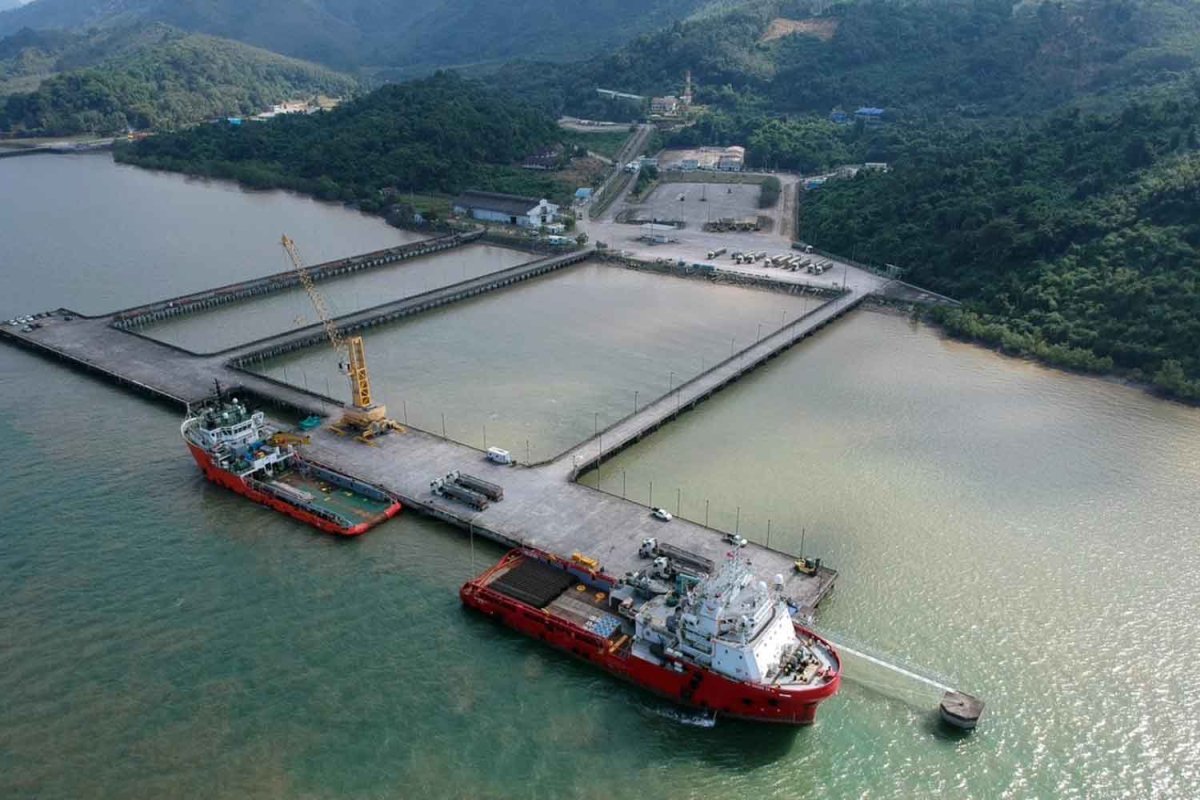
One of the flagship projects the Bhumjaithai Party-led government is determined to deliver is the Land Bridge linking the Andaman Sea and the Gulf of Thailand between Ranong and Chumphon.
The government is eager to capitalise on disruptions to global shipping caused by the closure of the Strait of Hormuz, seeking to revive a project discussed for decades.
However, long-standing objections to its impacts remain unresolved. In particular, the absence of an environmental and health impact assessment and unclear economic returns raise doubts over whether the project justifies investment exceeding 1 trillion baht, especially given the immediate environmental damage.
While many business leaders acknowledge the strategic rationale, the government has yet to provide clear answers or a coherent plan, raising concerns that the project may be too rushed.
DIRE STRAITS
Dhanakorn Kasetrsuwan, chairman of the Thai National Shippers’ Council (TNSC), said the council views the project as strategic infrastructure that could significantly enhance the country’s logistics and supply chain resilience, particularly by reducing dependence on global chokepoints such as the Strait of Malacca.
However, industry data indicates the total cost of using the Land Bridge would exceed that of direct maritime transport through the Malacca Strait.
The higher costs stem from factors such as double handling, trans-peninsula transport, and time inefficiencies resulting from system discontinuity. As a result, shipping lines lack sufficient incentive to reroute via the Land Bridge.
“The core issue is not simply the feasibility of implementation, but whether there will be sufficient cargo volume under normal conditions. While the project may be designed to serve emergency situations, such as disruptions in the Strait of Malacca, it is crucial to consider what happens during normal periods, which account for most of the project’s operational lifespan,” he said.
“In particular, a clear understanding of the actual cargo volume that will utilise the service and its origins is needed.”
The TNSC said the project’s success depends not only on infrastructure, but also developing a strong real sector capable of generating actual cargo volumes in the region.
Mr Dhanakorn highlighted concerns about the scale of new industrial investment required in the region and the willingness of cargo owners to consider the Land Bridge as a primary route.
Without establishing a strong industrial and cargo base, he said the project risks becoming an underutilised asset with potential but insufficient usage, which could undermine its long-term economic viability.
Tanit Sorat, vice-chairman of the Employers’ Confederation of Thai Trade and Industry, said he predicts the Land Bridge can reduce shipment times by only two days compared with routes via the Strait of Malacca.
In terms of cost, including lift-on and lift-off charges for transshipments, the Thai project appears uncompetitive compared with shipments routed through the strait.
Sufficient demand is critical to ensure the success of the Land Bridge project, said Mr Tanit, adding environmental impacts must be taken into account, particularly the potential effects on provinces along the Andaman coast.
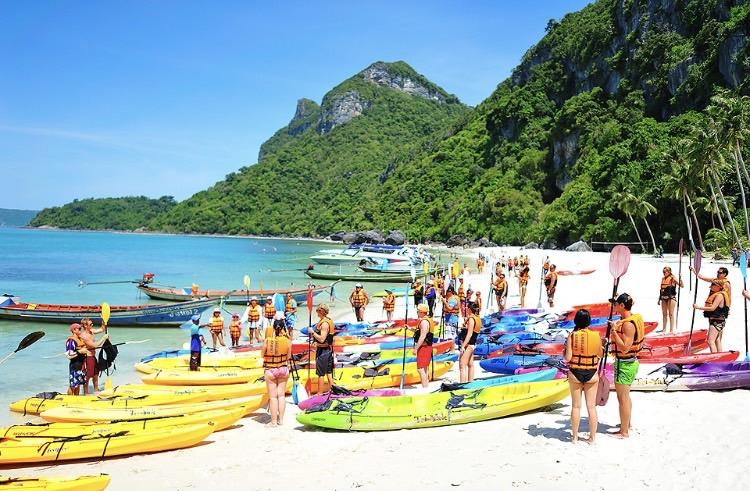
“Natural resources critical to tourism in the Andaman provinces would be affected, similar to what happened to Pattaya after the Eastern Seaboard was developed,” he said.
DEMAND FIRST, BUILD LATER
Mr Dhanakorn said if the project proceeds, the TNSC recommends adopting a “demand first, build later” approach, ensuring investment decisions are backed by confirmed demand. This means securing firm cargo commitments from actual users rather than relying solely on projections.
The Land Bridge should be clearly integrated with industrial development, such as the formation of industrial zones or clusters, in order to attract investment and generate consistent cargo flows, he noted.
The project must ensure genuine cost competitiveness by demonstrating clear advantages such as lower costs, faster transit times, or greater reliability in specific segments, according to the TNSC.
Seamless integration across ports, rail, customs and digital infrastructure is essential to ensure efficient system operation.
The council urged Thailand to accelerate measures that can deliver broader and faster impact, such as upgrading Laem Chabang Port into a smart port, strengthening rail logistics connections between factories and ports, reducing energy and logistics costs, and advancing digital logistics systems to enhance efficiency.
Mr Tanit said building a port for oil tankers would be more worthwhile if the government truly intends to develop a deep-sea facility on the Andaman coast.
LOW VIABILITY
He said he does not agree with the government’s proposal to use the public-private partnership (PPP) model or joint investment for the costly Land Bridge project, which he views as being economically unviable.
Instead, Mr Tanit suggested the government allow investors, particularly foreign entities, to invest in the entire project.
“However, the government must draft contracts carefully to avoid repeating the mistakes of the Hopewell Project,” he told the Bangkok Post, referring to a long legal dispute between the Thai government and the contractor Hopewell Holdings over a failed project to build an elevated highway and rail link from central Bangkok to Don Mueang airport.
Mr Tanit said his opinion is based on more than four decades in integrated logistics with the company he founded, V-Serve Group.
To be competitive with the Strait of Malacca in attracting foreign shipping lines, he said the Land Bridge must reduce shipment times by 4-5 days.
NEW DIRECTION
If proven feasible, the Land Bridge project may emerge as a new economic engine for Thailand, which urgently needs a clear economic plan to navigate mounting uncertainty, said Wichan Jitpukdee, chief executive of SCG Packaging Plc.
“I believe the Land Bridge is a good project that can strategically transform Thailand’s economic structure and enhance the country’s competitiveness,” he said.
The project is gaining support from key government figures, with Transport Minister Phiphat Ratchakitprakarn saying he believes the project will benefit the country, while Natural Resources and Environment Minister Suchart Chomklin said public concerns should not stand in the way of national development.
However, environmental advocates and communities in areas earmarked for infrastructure development are concerned about the negative impact on extensive mangrove forests and a variety of marine species.
For Mr Wichan, he said the Land Bridge could position Thailand as a Southeast Asian maritime transport hub, lifting revenue, jobs and foreign investment.
He stressed the need for a thorough study on project feasibility to address all doubts over its economic and environmental aspects.
“The project could proceed or be delayed and ultimately aborted, but Thailand urgently needs a long-term economic plan to withstand global crises,” said Mr Wichan, pointing to the severe impact on shipping from the closure of the Strait of Hormuz.
Tensions in the Middle East have had far-reaching effects, including surging global oil and plastic prices and shortages of raw materials such as helium, which is critical for semiconductor production.
He said Thailand faces both external and internal challenges, including concerns over political instability as neighbouring countries compete with Thailand to roll out new development projects.
The future of the Land Bridge hinges on consistent state policy, noted Mr Wichan.
“A change in government could strip the project of support,” he said.
COMPETITIVE BOOST
Somjai Phagaphasvivat, an international economics analyst, supports the project, noting it could help address Thailand’s competitiveness challenges.
“This project has been delayed for more than 20 years because it is a large-scale undertaking, with current investment estimated at around 1 trillion baht. The project also must contend with geopolitical challenges and environmental impact concerns,” he said.
“However, Thailand faces competitiveness issues and this project could be part of the solution.”
The Land Bridge is intended to be part of the Southern Economic Corridor, and could be linked with the Eastern Economic Corridor.
In terms of geopolitics, Mr Somjai said the two coastal areas of the project are zones where the influence of China and the US is balanced.
The project would benefit China, reducing travel time and costs while enhancing transport competitiveness for trade with the Middle East, especially oil shipments, he noted.
The Land Bridge could shorten the route by up to 8,900 kilometres and reduce travel time by 4-5 days, said Mr Somjai.
China is prioritising development of logistics systems in the region, supporting Cambodia’s Funan Techo Canal project, which is roughly 290km long, connecting the Gulf of Thailand with the Mekong River basin.
The canal would enable onward links to China, bypassing Vietnam to access the Gulf of Thailand.
“In geopolitical terms, China stands to benefit greatly from the Land Bridge project, which will have an impact on the Strait of Malacca,” he said.
If Thailand can successfully implement the project, it will become a logistics hub for the region and support many Thai industries that are integrated into the global supply chain, said Mr Somjai.
He said he supports the idea of allowing multiple countries, such as China, the US and Singapore, to invest in the project, allowing all parties to view it as a win-win outcome.
Meanwhile, security concerns have eased after the government decided not to pursue the Kra Canal project, focusing instead on developing the Land Bridge, noted Mr Somjai.
While the government plans to allow the private sector to invest in construction, he said it is expected the government will still need to invest in certain supporting infrastructure, such as roads and railways connecting the two coasts.
Yet the administration faces severe fiscal constraints, and global economic uncertainty could weigh on expected revenue from the project, said Mr Somjai.
LOCAL VOICES MATTER
Anan Ramphan, president of the Chumphon Tourism Business Association, said while most of the tourism private sector in the South supports the Land Bridge project, it urged the Office of Transport and Traffic Policy and Planning to accelerate efforts to address concerns raised by all stakeholders, including opponents of the project.

During a series of joint meetings between local private sector representatives and government agencies, the business community put forward several policy proposals such as requests for ports capable of accommodating
large cruise ships and international yachts, aiming to expand maritime tourism in the Gulf of Thailand.
The private sector also called for limits on preferential treatment of foreign capital, proposing at least 50% of investment should come from local sources and 60-70% of the workforce should be local.
Mechanisms to ensure local participation and transparency, particularly in relation to nominee business structures, were also proposed.
However, there has been no clear response or evidence that local feedback has been incorporated into policy, said the representatives.
The project has been promoted by successive governments, and Mr Anan said land prices around the proposed site have risen sharply over the past 4-5 years, with much of the land already acquired by investors.
Ownership may involve both domestic and foreign capital, including potential Chinese investment.
He said local communities remain wary of foreign investment based on past experiences of encroachment on fruit orchards and establishing integrated processing and export operations to avoid US tariffs.
This experience prompted calls for clearer and more transparent information from the government, said Mr Anan.
In terms of readiness, he said progress would be rapid if the project is approved.
Chumphon is revising its urban plan to accommodate industrial and logistics expansion.
If implemented, increased traffic flows are expected to spur related investment such as hotels as existing accommodation in the province remains limited, with around 20,000 rooms, said Mr Anan.
Additional report by Wichit Chantanusornsiri and Narumon Kasemsuk
Source: https://www.bangkokpost.com/business/general/3249239/land-bridge-a-vision-or-a-mirage
Google Translation:
โครงการสะพานเชื่อมแผ่นดินระนอง-ชุมพรของประเทศไทย เป็นเพียงวิสัยทัศน์หรือภาพลวงตา?
แม้รัฐบาลจะผลักดันอย่างหนัก แต่ความเป็นไปได้และความสามารถในการแข่งขันยังคงเป็นข้อกังวลสำหรับโครงการนี้
บทความข่าวนี้ได้รับการสนับสนุนโดย FALLPROTEC บริษัทที่มีชื่อเสียงระดับโลกด้านการออกแบบและการผลิตระบบป้องกันการตกจากที่สูงและโซลูชันการเข้าถึงที่สูงระดับพรีเมียม
หนึ่งในโครงการสำคัญที่รัฐบาลพรรคภูมิใจไทยมุ่งมั่นที่จะดำเนินการคือสะพานเชื่อมแผ่นดินที่เชื่อมทะเลอันดามันและอ่าวไทยระหว่างระนองและชุมพร
รัฐบาลกระตือรือร้นที่จะใช้ประโยชน์จากความปั่นป่วนในการขนส่งทางเรือทั่วโลกที่เกิดจากการปิดช่องแคบฮอร์มุซ เพื่อฟื้นฟูโครงการที่พูดคุยกันมานานหลายทศวรรษ
อย่างไรก็ตาม ข้อโต้แย้งที่มีมายาวนานเกี่ยวกับผลกระทบของโครงการยังคงไม่ได้รับการแก้ไข โดยเฉพาะอย่างยิ่ง การขาดการประเมินผลกระทบต่อสิ่งแวดล้อมและสุขภาพ และผลตอบแทนทางเศรษฐกิจที่ไม่ชัดเจน ทำให้เกิดข้อสงสัยว่าโครงการนี้คุ้มค่ากับการลงทุนเกิน 1 ล้านล้านบาทหรือไม่ โดยเฉพาะอย่างยิ่งเมื่อพิจารณาถึงความเสียหายต่อสิ่งแวดล้อมในทันที
ในขณะที่ผู้นำทางธุรกิจหลายคนยอมรับเหตุผลเชิงกลยุทธ์ แต่รัฐบาลยังไม่ได้ให้คำตอบที่ชัดเจนหรือแผนการที่สอดคล้องกัน ทำให้เกิดความกังวลว่าโครงการอาจจะเร่งรีบเกินไป
ช่องแคบที่วิกฤต
ธนากร เกษตรสุวรรณ ประธานสภาผู้ขนส่งสินค้าแห่งประเทศไทย (TNSC) กล่าวว่า สภาฯ มองว่าโครงการนี้เป็นโครงสร้างพื้นฐานเชิงกลยุทธ์ที่สามารถเพิ่มความยืดหยุ่นด้านโลจิสติกส์และห่วงโซ่อุปทานของประเทศได้อย่างมีนัยสำคัญ โดยเฉพาะอย่างยิ่งโดยการลดการพึ่งพาจุดคอขวดระดับโลก เช่น ช่องแคบมะละกา
อย่างไรก็ตาม ข้อมูลจากอุตสาหกรรมบ่งชี้ว่าต้นทุนรวมของการใช้สะพานบกจะสูงกว่าการขนส่งทางทะเลโดยตรงผ่านช่องแคบมะละกา
ต้นทุนที่สูงขึ้นเกิดจากปัจจัยต่างๆ เช่น การขนถ่ายซ้ำ การขนส่งข้ามคาบสมุทร และความไม่มีประสิทธิภาพด้านเวลาอันเนื่องมาจากความไม่ต่อเนื่องของระบบ ส่งผลให้สายการเดินเรือขาดแรงจูงใจเพียงพอที่จะเปลี่ยนเส้นทางผ่านสะพานบก
“ประเด็นสำคัญไม่ได้อยู่ที่ความเป็นไปได้ในการดำเนินการเท่านั้น แต่ยังอยู่ที่ว่าจะมีปริมาณสินค้าเพียงพอภายใต้สภาวะปกติหรือไม่ แม้ว่าโครงการอาจได้รับการออกแบบมาเพื่อรองรับสถานการณ์ฉุกเฉิน เช่น การหยุดชะงักในช่องแคบมะละกา แต่สิ่งสำคัญคือต้องพิจารณาสิ่งที่เกิดขึ้นในช่วงเวลาปกติ ซึ่งคิดเป็นส่วนใหญ่ของอายุการใช้งานของโครงการ” เขากล่าว
“โดยเฉพาะอย่างยิ่ง จำเป็นต้องมีความเข้าใจที่ชัดเจนเกี่ยวกับปริมาณสินค้าจริงที่จะใช้บริการและแหล่งที่มาของสินค้าเหล่านั้น”
TNSC กล่าวว่าความสำเร็จของโครงการไม่ได้ขึ้นอยู่กับโครงสร้างพื้นฐานเท่านั้น แต่ยังขึ้นอยู่กับการพัฒนาภาคเศรษฐกิจที่แข็งแกร่งซึ่งสามารถสร้างปริมาณสินค้าจริงในภูมิภาคได้ด้วย
นายธนากรเน้นย้ำถึงความกังวลเกี่ยวกับขนาดของการลงทุนทางอุตสาหกรรมใหม่ที่จำเป็นในภูมิภาคและความเต็มใจของเจ้าของสินค้าที่จะพิจารณาสะพานเชื่อมทางบกเป็นเส้นทางหลัก
หากปราศจากการสร้างฐานอุตสาหกรรมและฐานสินค้าที่แข็งแกร่ง เขากล่าวว่าโครงการอาจกลายเป็นสินทรัพย์ที่ใช้ประโยชน์ไม่เต็มที่ มีศักยภาพแต่มีการใช้งานไม่เพียงพอ ซึ่งอาจบั่นทอนความยั่งยืนทางเศรษฐกิจในระยะยาว
ธนิต โสรัต รองประธานสมาพันธ์นายจ้างการค้าและอุตสาหกรรมไทย กล่าวว่า เขาคาดการณ์ว่าสะพานเชื่อมทางบกจะช่วยลดเวลาการขนส่งได้เพียงสองวัน เมื่อเทียบกับเส้นทางผ่านช่องแคบมะละกา
ในแง่ของต้นทุน รวมถึงค่าธรรมเนียมการขนถ่ายสินค้า โครงการของไทยดูเหมือนจะไม่สามารถแข่งขันได้เมื่อเทียบกับการขนส่งผ่านช่องแคบมะละกา
ความต้องการที่เพียงพอเป็นสิ่งสำคัญต่อความสำเร็จของโครงการสะพานเชื่อมทางบก นายธนิตกล่าว พร้อมเสริมว่าต้องคำนึงถึงผลกระทบต่อสิ่งแวดล้อม โดยเฉพาะอย่างยิ่งผลกระทบที่อาจเกิดขึ้นกับจังหวัดต่างๆ ตามแนวชายฝั่งทะเลอันดามัน
“ทรัพยากรธรรมชาติที่สำคัญต่อการท่องเที่ยวในจังหวัดต่างๆ ของอันดามันจะได้รับผลกระทบ คล้ายกับสิ่งที่เกิดขึ้นกับพัทยาหลังจากมีการพัฒนาชายฝั่งทะเลตะวันออก” เขากล่าว
ความต้องการมาก่อน สร้างทีหลัง
นายธนากรกล่าวว่า หากโครงการดำเนินต่อไป คณะกรรมการกำกับกิจการขนส่งแห่งประเทศไทย (TNSC) แนะนำให้ใช้แนวทาง “ความต้องการมาก่อน สร้างทีหลัง” เพื่อให้แน่ใจว่าการตัดสินใจลงทุนได้รับการสนับสนุนจากความต้องการที่ได้รับการยืนยันแล้ว นี่หมายถึงการได้รับคำมั่นสัญญาด้านการขนส่งสินค้าที่แน่นอนจากผู้ใช้จริง แทนที่จะพึ่งพาการคาดการณ์เพียงอย่างเดียว
สะพานเชื่อมทางบกควรบูรณาการอย่างชัดเจนกับการพัฒนาอุตสาหกรรม เช่น การจัดตั้งเขตอุตสาหกรรมหรือกลุ่มอุตสาหกรรม เพื่อดึงดูดการลงทุนและสร้างกระแสการขนส่งสินค้าที่สม่ำเสมอ เขากล่าว
โครงการนี้ต้องรับประกันความสามารถในการแข่งขันด้านต้นทุนอย่างแท้จริง โดยแสดงให้เห็นถึงข้อได้เปรียบที่ชัดเจน เช่น ต้นทุนที่ต่ำกว่า เวลาขนส่งที่เร็วกว่า หรือความน่าเชื่อถือที่มากขึ้นในบางส่วนงาน ตามที่คณะกรรมการกำกับกิจการขนส่งแห่งประเทศไทย (TNSC) ระบุ
การบูรณาการอย่างราบรื่นระหว่างท่าเรือ ทางรถไฟ ศุลกากร และโครงสร้างพื้นฐานดิจิทัล เป็นสิ่งสำคัญเพื่อให้มั่นใจว่าระบบการทำงานมีประสิทธิภาพ
คณะมนตรีฯ เรียกร้องให้ประเทศไทยเร่งมาตรการที่สามารถสร้างผลกระทบในวงกว้างและรวดเร็วยิ่งขึ้น เช่น การยกระดับท่าเรือแหลมฉบังให้เป็นท่าเรืออัจฉริยะ การเสริมสร้างความเชื่อมโยงด้านโลจิสติกส์ทางรถไฟระหว่างโรงงานและท่าเรือ การลดต้นทุนด้านพลังงานและโลจิสติกส์ และการพัฒนาระบบโลจิสติกส์ดิจิทัลเพื่อเพิ่มประสิทธิภาพ
นายธนิตกล่าวว่า การสร้างท่าเรือสำหรับเรือบรรทุกน้ำมันจะคุ้มค่ากว่า หากรัฐบาลตั้งใจจริงที่จะพัฒนาท่าเรือน้ำลึกบนชายฝั่งทะเลอันดามัน
ความเป็นไปได้ต่ำ
เขากล่าวว่า เขาไม่เห็นด้วยกับข้อเสนอของรัฐบาลที่จะใช้รูปแบบความร่วมมือระหว่างภาครัฐและเอกชน (PPP) หรือการลงทุนร่วมกันสำหรับโครงการสะพานเชื่อมแผ่นดินที่มีค่าใช้จ่ายสูง ซึ่งเขาเห็นว่าไม่คุ้มค่าทางเศรษฐกิจ
แทนที่จะเป็นเช่นนั้น นายธนิตเสนอให้รัฐบาลอนุญาตให้นักลงทุน โดยเฉพาะนิติบุคคลต่างชาติ เข้ามาลงทุนในโครงการทั้งหมด
“อย่างไรก็ตาม รัฐบาลต้องร่างสัญญาอย่างระมัดระวังเพื่อหลีกเลี่ยงการทำผิดพลาดซ้ำรอยโครงการโฮปเวลล์” เขากล่าวกับบางกอกโพสต์ โดยอ้างถึงข้อพิพาททางกฎหมายที่ยืดเยื้อระหว่างรัฐบาลไทยและผู้รับเหมาโฮปเวลล์ โฮลดิ้งส์ เกี่ยวกับโครงการที่ล้มเหลวในการสร้างทางยกระดับและทางรถไฟเชื่อมจากใจกลางกรุงเทพฯ ไปยังสนามบินดอนเมือง
นายธนิตกล่าวว่า ความคิดเห็นของเขามาจากการทำงานด้านโลจิสติกส์แบบครบวงจรมากว่าสี่ทศวรรษกับบริษัทที่เขาก่อตั้งขึ้น คือ วี-เซอร์วิส กรุ๊ป
เพื่อให้สามารถแข่งขันกับช่องแคบมะละกาในการดึงดูดสายการเดินเรือต่างชาติได้ เขากล่าวว่าสะพานเชื่อมแผ่นดินต้องลดเวลาการขนส่งลง 4-5 วัน
ทิศทางใหม่
วิชัน จิตปุคดี ประธานเจ้าหน้าที่บริหาร บริษัท เอสซีจี แพคกิ้ง จำกัด (มหาชน) กล่าวว่า หากโครงการสะพานเชื่อมแผ่นดินพิสูจน์ได้ว่ามีความเป็นไปได้ อาจกลายเป็นเครื่องยนต์ทางเศรษฐกิจใหม่สำหรับประเทศไทย ซึ่งต้องการแผนเศรษฐกิจที่ชัดเจนอย่างเร่งด่วนเพื่อรับมือกับความไม่แน่นอนที่เพิ่มขึ้น
“ผมเชื่อว่าสะพานเชื่อมแผ่นดินเป็นโครงการที่ดีที่สามารถเปลี่ยนแปลงโครงสร้างเศรษฐกิจของประเทศไทยได้อย่างมีกลยุทธ์และเพิ่มขีดความสามารถในการแข่งขันของประเทศ” เขากล่าว
โครงการนี้ได้รับการสนับสนุนจากบุคคลสำคัญในรัฐบาล โดยรัฐมนตรีว่าการกระทรวงคมนาคม พิพัฒน์ รัชกิจประการ กล่าวว่าเขาเชื่อว่าโครงการนี้จะเป็นประโยชน์ต่อประเทศ ในขณะที่รัฐมนตรีว่าการกระทรวงทรัพยากรธรรมชาติและสิ่งแวดล้อม สุชาติ ชมกลิ่น กล่าวว่าความกังวลของประชาชนไม่ควรเป็นอุปสรรคต่อการพัฒนาประเทศ
อย่างไรก็ตาม นักอนุรักษ์สิ่งแวดล้อมและชุมชนในพื้นที่ที่กำหนดไว้สำหรับการพัฒนาโครงสร้างพื้นฐานมีความกังวลเกี่ยวกับผลกระทบเชิงลบต่อป่าชายเลนที่กว้างขวางและสิ่งมีชีวิตทางทะเลหลากหลายชนิด
นายวิชานกล่าวว่า สะพานเชื่อมแผ่นดินสามารถวางตำแหน่งประเทศไทยให้เป็นศูนย์กลางการขนส่งทางทะเลของเอเชียตะวันออกเฉียงใต้ เพิ่มรายได้ สร้างงาน และดึงดูดการลงทุนจากต่างประเทศ
เขาย้ำถึงความจำเป็นในการศึกษาความเป็นไปได้ของโครงการอย่างละเอียดถี่ถ้วน เพื่อแก้ไขข้อสงสัยทั้งหมดเกี่ยวกับด้านเศรษฐกิจและสิ่งแวดล้อม
“โครงการอาจดำเนินต่อไปหรืออาจล่าช้าและในที่สุดก็ถูกยกเลิก แต่ประเทศไทยต้องการแผนเศรษฐกิจระยะยาวอย่างเร่งด่วนเพื่อรับมือกับวิกฤตการณ์ระดับโลก” นายวิชานกล่าว โดยชี้ให้เห็นถึงผลกระทบอย่างรุนแรงต่อการขนส่งทางเรือจากการปิดช่องแคบฮอร์มุซ
ความตึงเครียดในตะวันออกกลางส่งผลกระทบในวงกว้าง รวมถึงราคาน้ำมันและพลาสติกทั่วโลกที่พุ่งสูงขึ้น และการขาดแคลนวัตถุดิบ เช่น ฮีเลียม ซึ่งมีความสำคัญต่อการผลิตเซมิคอนดักเตอร์
เขากล่าวว่า ประเทศไทยเผชิญกับความท้าทายทั้งภายนอกและภายใน รวมถึงความกังวลเกี่ยวกับความไม่มั่นคงทางการเมือง เนื่องจากประเทศเพื่อนบ้านแข่งขันกับประเทศไทยในการดำเนินโครงการพัฒนาใหม่ๆ
อนาคตของสะพานเชื่อมแผ่นดินขึ้นอยู่กับนโยบายของรัฐที่สอดคล้องกัน นายวิชานกล่าว
“การเปลี่ยนแปลงรัฐบาลอาจทำให้โครงการนี้ขาดการสนับสนุน” เขากล่าว
การเพิ่มขีดความสามารถในการแข่งขัน
สมใจ ภากาภาสวิวัฒน์ นักวิเคราะห์เศรษฐศาสตร์ระหว่างประเทศ สนับสนุนโครงการนี้ โดยระบุว่าโครงการนี้สามารถช่วยแก้ไขปัญหาด้านขีดความสามารถในการแข่งขันของประเทศไทยได้
“โครงการนี้ล่าช้ามานานกว่า 20 ปีแล้ว เนื่องจากเป็นโครงการขนาดใหญ่ โดยมีมูลค่าการลงทุนในปัจจุบันอยู่ที่ประมาณ 1 ล้านล้านบาท โครงการนี้ยังต้องเผชิญกับความท้าทายทางด้านภูมิรัฐศาสตร์และความกังวลเรื่องผลกระทบต่อสิ่งแวดล้อม” เขากล่าว
“อย่างไรก็ตาม ประเทศไทยกำลังเผชิญกับปัญหาด้านขีดความสามารถในการแข่งขัน และโครงการนี้อาจเป็นส่วนหนึ่งของทางออก”
สะพานเชื่อมแผ่นดินนี้มีจุดประสงค์เพื่อเป็นส่วนหนึ่งของระเบียงเศรษฐกิจภาคใต้ และอาจเชื่อมโยงกับระเบียงเศรษฐกิจภาคตะวันออก
ในแง่ของภูมิรัฐศาสตร์ นายสมใจกล่าวว่าพื้นที่ชายฝั่งทั้งสองแห่งของโครงการเป็นเขตที่อิทธิพลของจีนและสหรัฐอเมริกามีความสมดุล
โครงการนี้จะเป็นประโยชน์ต่อจีน โดยช่วยลดเวลาและค่าใช้จ่ายในการเดินทาง ขณะเดียวกันก็ช่วยเพิ่มขีดความสามารถในการแข่งขันด้านการขนส่งสำหรับการค้ากับตะวันออกกลาง โดยเฉพาะการขนส่งน้ำมัน เขากล่าว
นายสมใจกล่าวว่า สะพานเชื่อมทางบกนี้อาจช่วยย่นระยะทางได้ถึง 8,900 กิโลเมตร และลดเวลาเดินทางลงได้ 4-5 วัน
จีนให้ความสำคัญกับการพัฒนาระบบโลจิสติกส์ในภูมิภาคนี้ โดยให้การสนับสนุนโครงการคลองฟูนันเทโชของกัมพูชา ซึ่งมีความยาวประมาณ 290 กิโลเมตร เชื่อมต่ออ่าวไทยกับลุ่มแม่น้ำโขง
คลองนี้จะช่วยให้สามารถเชื่อมโยงไปยังจีนได้โดยไม่ต้องผ่านเวียดนามเพื่อเข้าถึงอ่าวไทย
“ในแง่ภูมิรัฐศาสตร์ จีนจะได้ประโยชน์อย่างมากจากโครงการสะพานเชื่อมทางบกนี้ ซึ่งจะมีผลกระทบต่อช่องแคบมะละกา” เขากล่าว
หากประเทศไทยสามารถดำเนินโครงการนี้ได้สำเร็จ ประเทศไทยจะกลายเป็นศูนย์กลางโลจิสติกส์ของภูมิภาคและสนับสนุนอุตสาหกรรมไทยหลายแห่งที่บูรณาการเข้ากับห่วงโซ่อุปทานระดับโลก นายสมใจกล่าว
เขากล่าวว่าเขาสนับสนุนแนวคิดที่จะอนุญาตให้หลายประเทศ เช่น จีน สหรัฐอเมริกา และสิงคโปร์ เข้ามาลงทุนในโครงการนี้ ซึ่งจะทำให้ทุกฝ่ายมองว่าเป็นผลดีต่อทุกฝ่าย
ขณะเดียวกัน ความกังวลด้านความมั่นคงได้คลี่คลายลงแล้ว หลังจากที่รัฐบาลตัดสินใจไม่ดำเนินโครงการคลองคราต่อ แต่หันมามุ่งเน้นการพัฒนาสะพานเชื่อมแผ่นดินแทน นายสมใจกล่าว
แม้ว่ารัฐบาลวางแผนที่จะอนุญาตให้ภาคเอกชนเข้ามาลงทุนในการก่อสร้าง แต่เขากล่าวว่าคาดว่ารัฐบาลยังคงต้องลงทุนในโครงสร้างพื้นฐานสนับสนุนบางอย่าง เช่น ถนนและทางรถไฟที่เชื่อมต่อชายฝั่งทั้งสอง
อย่างไรก็ตาม รัฐบาลเผชิญกับข้อจำกัดทางการคลังอย่างรุนแรง และความไม่แน่นอนทางเศรษฐกิจโลกอาจส่งผลกระทบต่อรายได้ที่คาดว่าจะได้รับจากโครงการนี้ นายสมใจกล่าว
เสียงจากคนในพื้นที่สำคัญ
อนันต์ รัมพัน ประธานสมาคมธุรกิจการท่องเที่ยวจังหวัดชุมพร กล่าวว่า แม้ว่าภาคเอกชนด้านการท่องเที่ยวส่วนใหญ่ในภาคใต้จะสนับสนุนโครงการสะพานเชื่อมแผ่นดิน แต่ก็เรียกร้องให้สำนักงานนโยบายและแผนการขนส่งทางบกเร่งดำเนินการแก้ไขข้อกังวลที่ผู้มีส่วนได้ส่วนเสียทุกฝ่าย รวมถึงผู้คัดค้านโครงการ ได้หยิบยกขึ้นมา
ในการประชุมร่วมกันระหว่างตัวแทนภาคเอกชนในพื้นที่และหน่วยงานภาครัฐ ภาคธุรกิจได้เสนอข้อเสนอเชิงนโยบายหลายประการ เช่น คำขอให้สร้างท่าเรือที่สามารถรองรับเรือสำราญขนาดใหญ่และเรือยอชต์ระหว่างประเทศ เพื่อขยายการท่องเที่ยวทางทะเลในอ่าวไทย
ภาคเอกชนยังเรียกร้องให้จำกัดการให้สิทธิพิเศษแก่เงินทุนต่างชาติ โดยเสนอว่าอย่างน้อย 50% ของการลงทุนควรมาจากแหล่งในประเทศ และ 60-70% ของแรงงานควรเป็นคนท้องถิ่น
นอกจากนี้ยังมีการเสนอให้มีกลไกเพื่อรับประกันการมีส่วนร่วมและความโปร่งใสของคนท้องถิ่น โดยเฉพาะอย่างยิ่งในส่วนที่เกี่ยวข้องกับโครงสร้างธุรกิจตัวแทน
อย่างไรก็ตาม ตัวแทนกล่าวว่ายังไม่มีการตอบสนองหรือหลักฐานที่ชัดเจนว่าข้อเสนอแนะจากคนท้องถิ่นได้ถูกนำไปพิจารณาในนโยบายแล้ว
โครงการนี้ได้รับการส่งเสริมโดยรัฐบาลหลายชุดที่ผ่านมา และนายอนันต์กล่าวว่าราคาที่ดินรอบๆ พื้นที่ที่เสนอได้เพิ่มขึ้นอย่างรวดเร็วในช่วง 4-5 ปีที่ผ่านมา โดยที่ดินส่วนใหญ่ถูกซื้อโดยนักลงทุนไปแล้ว
การเป็นเจ้าของอาจเกี่ยวข้องกับทั้งเงินทุนในประเทศและต่างประเทศ รวมถึงการลงทุนจากจีนที่อาจเกิดขึ้นได้
เขากล่าวว่าชุมชนท้องถิ่นยังคงระแวงการลงทุนจากต่างประเทศ เนื่องจากประสบการณ์ในอดีตเกี่ยวกับการบุกรุกสวนผลไม้ และการจัดตั้งโรงงานแปรรูปและส่งออกแบบครบวงจรเพื่อหลีกเลี่ยงภาษีของสหรัฐฯ
ประสบการณ์ดังกล่าวทำให้เกิดการเรียกร้องให้รัฐบาลให้ข้อมูลที่ชัดเจนและโปร่งใสมากขึ้น นายอนันต์กล่าว
ในแง่ของความพร้อม เขากล่าวว่าหากโครงการได้รับการอนุมัติ ความคืบหน้าจะเป็นไปอย่างรวดเร็ว
จังหวัดชุมพรกำลังปรับปรุงแผนผังเมืองเพื่อรองรับการขยายตัวของอุตสาหกรรมและโลจิสติกส์
หากดำเนินการแล้ว คาดว่าปริมาณการจราจรที่เพิ่มขึ้นจะกระตุ้นการลงทุนที่เกี่ยวข้อง เช่น โรงแรม เนื่องจากที่พักในจังหวัดยังมีจำกัดเพียงประมาณ 20,000 ห้อง นายอนันต์กล่าว
รายงานเพิ่มเติมโดย วิชิต ชันทานุสรศิริ และ นฤมล เกษมสุข
