
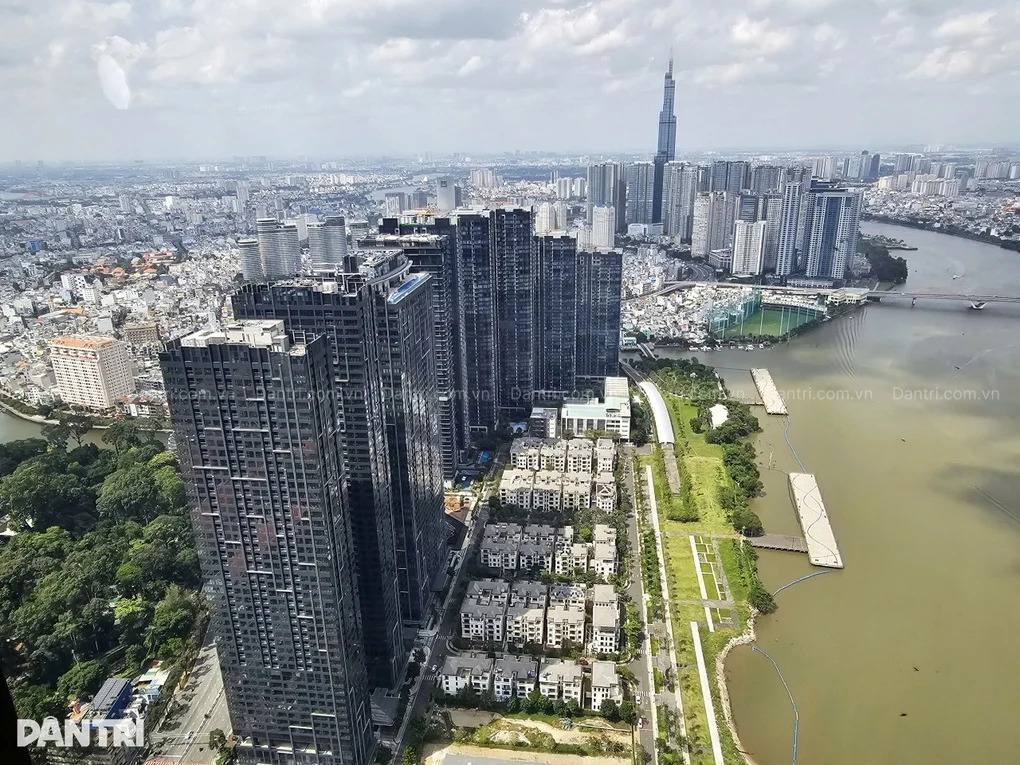
How does Vietnam rank third in the world for the number of luxury and high-end real estate properties?
THIS NEWS ARTICLE KINDLY SPONSORED BY FALLPROTEC, A WORLD-RENOWNED NAME IN THE DESIGN AND MANUFACTURE OF PREMIUM FALL PROTECTION SYSTEMS AND HEIGHT ACCESS SOLUTIONS
Vietnam has over 16,000 luxury apartments, ranking third in the world, amidst a rapidly growing wealthy and super-wealthy class, which in turn drives demand for luxury real estate.
According to the “Brand Standard” report by the luxury real estate consulting firm Global Branded Residences (GBR), Vietnam is leading the Asia-Pacific region in the number of luxury apartments, with 16,135 units across 68 projects. Globally, Vietnam ranks third, after the United Arab Emirates (84,972 units) and the United States (71,592 units).
Following Vietnam in the region is Thailand with 14,141 units across 73 projects, while India has 13,908 units across 61 projects. Vietnam has completed 19 projects and has an additional 49 projects announced or under development, spread from Hanoi and Ho Chi Minh City to Da Nang, Phu Quoc, Hoi An, and Ha Long.
Among them, Mercure Residences Ha Long, comprising 2,259 units, is the largest single luxury real estate project in Asia-Pacific. Hotel brands account for 93% of the total Vietnamese market, including both completed and future projects. This percentage is significantly higher than the global average, demonstrating the strong connection between luxury real estate and tourism , accommodation services, and hotel management and operation capabilities.
Luxury real estate refers to residential or resort properties developed in collaboration with international brands, typically commanding significantly higher prices than the average.
According to Savills’ Branded Residences Asia Pacific 2026 report, Vietnam currently leads the top 10 countries in the region in the number of branded residences, surpassing Thailand, India, and China. Supply in Vietnam is projected to increase by 152% by 2032, indicating significant growth potential for this segment.
For example, in Ho Chi Minh City, One Central Saigon, branded with The Ritz-Carlton, is expected to be offered for sale at up to 1 billion VND/m2. Grand Marina Saigon, branded with Marriott and JW Marriott, is priced at approximately 345-556 million VND/m2. In Ho Tram and Phan Thiet, many luxury villas are being offered for sale at prices in the tens of billions of VND each.
In Hanoi , The Grand Hanoi – The Ritz-Carlton Residences on Hang Bai Street had a price of approximately 650 million VND/m2 when the project was launched. In Da Nang, Nobu Residences Danang was priced at around 140-180 million VND/m2.
The increase in supply is occurring against the backdrop of a rapid growth in the number of wealthy and ultra-wealthy individuals in Vietnam. Knight Frank’s Wealth Report 2026 shows that Vietnam ranks 4th among markets with the fastest growth rate of UHNWI (ultra-high net worth individuals globally, i.e., those with a net worth of over $30 million) between 2026 and 2031. UHNWIs are individuals with a net worth of $30 million or more.
According to Knight Frank, Vietnam currently has 1,233 people in this group, equivalent to approximately VND 790 billion in net worth per person. This number is projected to increase to 1,960 by 2031, a 59% increase. Compared to 2021, the number of UHNWI in Vietnam has increased from 954 to 1,233 in 2026, a 29.2% increase.
Speaking with a reporter from Dan Tri newspaper , Mr. Nguyen Duy Thanh, General Director of Global Home Management Joint Stock Company and Vice President of the Ho Chi Minh City Association of Apartment Building Management and Operation (HCMO), stated that the development of luxury real estate stems from many factors.
According to him, the increasing number of wealthy and ultra-wealthy individuals in the country has led to a growing demand for assets that represent wealth accumulation, status, and offer a distinctive living experience. Luxury real estate meets this demand through its quality of service, operational standards, and international brand value.
Vietnam is also increasingly attracting international investment, high-end tourists, and foreigners to live and work there. This creates favorable conditions for international hotel brands and management companies to expand their operations in Vietnam. Collaborating with global brands also helps investors differentiate their projects in the high-end segment.
With over 50 projects bearing international brands, Vietnam currently ranks 4th in the world in the number of luxury real estate properties, according to Savills.
According to Mr. Thanh, the price of luxury real estate in Vietnam is typically 20-50% higher than that of regular high-end projects in the same location and with the same construction quality. This difference reflects not only the brand name but also the design standards, quality of management and operation, services, and the ability to maintain asset value.
Despite the large supply, he believes there is no basis to conclude that the market is experiencing widespread oversupply. In the medium and long term, this segment still has room for growth thanks to the increasing number of wealthy individuals, urbanization, and tourism development. However, the market will become more selective. Projects with good locations, transparent legal status, high-quality construction, and good operational capabilities will still be able to attract customers. Conversely, projects that rely solely on brand name to inflate prices without creating commensurate value may face liquidity pressure.
In terms of price, the long-term trend remains upward, especially in economic centers and high-end tourist destinations, but the rate of increase will depend more on product quality, operational efficiency, and actual demand. Investors also tend to prioritize products with rental potential and cash flow generation rather than simply expecting price appreciation.
“The luxury real estate segment in Vietnam still has growth potential, but the next phase will be a competition based on quality, operational capabilities, and the true value of the project, rather than just relying on brand name,” Mr. Thanh said.
Source: https://www.vietnam.vn
Google Translation:
[We apologise if any of the translation is incorrect: google Translation occasionally gets it wrong]
เหตุใดเวียดนามจึงครองอันดับ 3 ของโลกในด้านจำนวนอสังหาริมทรัพย์ระดับหรูและระดับไฮเอนด์?
บทความข่าวนี้ได้รับการสนับสนุนโดย Fallprotec แบรนด์ที่มีชื่อเสียงระดับโลกด้านการออกแบบและผลิตระบบป้องกันการตกจากที่สูงและโซลูชันสำหรับการเข้าถึงพื้นที่สูงระดับพรีเมียม
เวียดนามมีอพาร์ตเมนต์ระดับหรูมากกว่า 16,000 ยูนิต ซึ่งถือเป็นอันดับที่ 3 ของโลก ท่ามกลางการเติบโตอย่างรวดเร็วของกลุ่มคนร่ำรวยและกลุ่มคนที่มีความมั่งคั่งสูง (Super-wealthy) ซึ่งส่งผลให้ความต้องการอสังหาริมทรัพย์ระดับหรูเพิ่มสูงขึ้นตามไปด้วย
ข้อมูลจากรายงาน “Brand Standard” โดยบริษัทที่ปรึกษาด้านอสังหาริมทรัพย์ระดับหรูอย่าง Global Branded Residences (GBR) ระบุว่า เวียดนามเป็นผู้นำในภูมิภาคเอเชียแปซิฟิกในแง่ของจำนวนอพาร์ตเมนต์ระดับหรู โดยมีจำนวนทั้งสิ้น 16,135 ยูนิต จากโครงการทั้งหมด 68 โครงการ สำหรับในระดับโลก เวียดนามอยู่ในอันดับที่ 3 รองจากสหรัฐอาหรับเอมิเรตส์ (84,972 ยูนิต) และสหรัฐอเมริกา (71,592 ยูนิต)
รองจากเวียดนามในภูมิภาคนี้คือประเทศไทย ซึ่งมีอพาร์ตเมนต์ระดับหรู 14,141 ยูนิต จาก 73 โครงการ ตามมาด้วยอินเดียที่มี 13,908 ยูนิต จาก 61 โครงการ โดยในเวียดนามมีโครงการที่ก่อสร้างเสร็จสมบูรณ์แล้ว 19 โครงการ และอีก 49 โครงการที่ประกาศแผนหรืออยู่ระหว่างการพัฒนา ซึ่งกระจายตัวอยู่ในพื้นที่ต่าง ๆ ตั้งแต่ฮานอยและโฮจิมินห์ซิตี้ ไปจนถึงดานัง ฟู้โกว๊ก ฮอยอัน และฮาลอง
หนึ่งในนั้นคือโครงการ Mercure Residences Ha Long ซึ่งประกอบด้วยยูนิตที่พักอาศัยจำนวน 2,259 ยูนิต ถือเป็นโครงการอสังหาริมทรัพย์ระดับหรูโครงการเดียวที่ใหญ่ที่สุดในภูมิภาคเอเชียแปซิฟิก ทั้งนี้ โครงการที่เกี่ยวข้องกับแบรนด์โรงแรมมีสัดส่วนสูงถึง 93% ของตลาดอสังหาริมทรัพย์ระดับหรูทั้งหมดในเวียดนาม (รวมทั้งโครงการที่สร้างเสร็จแล้วและโครงการในอนาคต) ซึ่งถือเป็นสัดส่วนที่สูงกว่าค่าเฉลี่ยทั่วโลกอย่างมาก สะท้อนให้เห็นถึงความเชื่อมโยงที่แน่นแฟ้นระหว่างอสังหาริมทรัพย์ระดับหรูกับภาคการท่องเที่ยว บริการที่พัก รวมถึงขีดความสามารถในการบริหารจัดการและการดำเนินงานโรงแรม
Grand Marina Saigon โครงการอสังหาริมทรัพย์ระดับหรูภายใต้แบรนด์ Marriott และ JW Marriott ในนครโฮจิมินห์ (ภาพถ่าย: Le Tinh)
อสังหาริมทรัพย์ระดับหรู (Luxury Real Estate) หมายถึงที่อยู่อาศัยหรือรีสอร์ตที่พัฒนาขึ้นภายใต้ความร่วมมือกับแบรนด์ระดับนานาชาติ ซึ่งโดยทั่วไปจะมีราคาขายสูงกว่าอสังหาริมทรัพย์ทั่วไปอย่างมาก รายงาน “Branded Residences Asia Pacific 2026” ของ Savills ระบุว่า ปัจจุบันเวียดนามครองอันดับหนึ่งในกลุ่ม 10 ประเทศที่มีโครงการที่พักอาศัยภายใต้แบรนด์ (Branded Residences) มากที่สุดในภูมิภาค โดยแซงหน้าทั้งไทย อินเดีย และจีน ทั้งนี้ คาดการณ์ว่าอุปทานในเวียดนามจะเพิ่มขึ้นถึง 152% ภายในปี 2032 ซึ่งสะท้อนให้เห็นถึงศักยภาพในการเติบโตอย่างมีนัยสำคัญของตลาดกลุ่มนี้
ตัวอย่างเช่น ในนครโฮจิมินห์ โครงการ One Central Saigon ซึ่งใช้แบรนด์ The Ritz-Carlton คาดว่าจะเปิดขายในราคาที่สูงถึง 1 พันล้านดองต่อตารางเมตร ส่วนโครงการ Grand Marina Saigon ซึ่งใช้แบรนด์ Marriott และ JW Marriott มีราคาอยู่ที่ประมาณ 345–556 ล้านดองต่อตารางเมตร ขณะที่ในพื้นที่อย่างโฮจรัม (Ho Tram) และฟานเทียต (Phan Thiet) มีวิลล่าหรูหลายแห่งเสนอขายในราคาหลังละหลายหมื่นล้านดอง
สำหรับในกรุงฮานอย โครงการ The Grand Hanoi – The Ritz-Carlton Residences บนถนน Hang Bai เปิดตัวด้วยราคาประมาณ 650 ล้านดองต่อตารางเมตร ส่วนที่เมืองดานัง โครงการ Nobu Residences Danang มีราคาอยู่ที่ประมาณ 140–180 ล้านดองต่อตารางเมตร
การเพิ่มขึ้นของอุปทานดังกล่าวเกิดขึ้นท่ามกลางการเติบโตอย่างรวดเร็วของจำนวนบุคคลที่มีความมั่งคั่งสูงและมั่งคั่งสูงมากในเวียดนาม โดยรายงาน “Wealth Report 2026” ของ Knight Frank ระบุว่า เวียดนามติดอันดับที่ 4 ของตลาดที่มีอัตราการเติบโตของกลุ่ม UHNWI (บุคคลที่มีความมั่งคั่งสุทธิสูงมาก หรือมีทรัพย์สินสุทธิตั้งแต่ 30 ล้านดอลลาร์สหรัฐขึ้นไป) รวดเร็วที่สุดในโลกในช่วงระหว่างปี 2026 ถึง 2031
ข้อมูลจาก Knight Frank ระบุว่า ปัจจุบันเวียดนามมีบุคคลในกลุ่มนี้จำนวน 1,233 คน ซึ่งแต่ละคนมีความมั่งคั่งสุทธิเฉลี่ยประมาณ 790 พันล้านดอง โดยคาดการณ์ว่าจำนวนดังกล่าวจะเพิ่มขึ้นเป็น 1,960 คนภายในปี 2031 หรือคิดเป็นการเติบโตถึง 59% เมื่อเปรียบเทียบกับปี 2021 จำนวนบุคคลที่มีความมั่งคั่งระดับสูงมาก (UHNWI) ในเวียดนามได้เพิ่มขึ้นจาก 954 คน เป็น 1,233 คนในปี 2026 ซึ่งคิดเป็นการเพิ่มขึ้นถึง 29.2%
นายเหงียน ดุย ทัญ (Nguyen Duy Thanh) กรรมการผู้จัดการใหญ่บริษัท Global Home Management Joint Stock Company และรองประธานสมาคมการจัดการและดำเนินงานอาคารชุดแห่งนครโฮจิมินห์ (HCMO) ได้กล่าวกับผู้สื่อข่าวจากหนังสือพิมพ์ Dan Tri ว่า การพัฒนาอสังหาริมทรัพย์ระดับหรูนั้นมีปัจจัยสนับสนุนหลายประการ
เขาระบุว่า จำนวนบุคคลที่มั่งคั่งและมั่งคั่งระดับสูงในประเทศที่เพิ่มขึ้น ส่งผลให้มีความต้องการสินทรัพย์ที่สะท้อนถึงการสั่งสมความมั่งคั่ง สถานะทางสังคม และมอบประสบการณ์การอยู่อาศัยที่โดดเด่น ซึ่งอสังหาริมทรัพย์ระดับหรูสามารถตอบโจทย์ความต้องการเหล่านี้ได้ ผ่านคุณภาพการบริการ มาตรฐานการดำเนินงาน และมูลค่าของแบรนด์ระดับสากล
นอกจากนี้ เวียดนามยังดึงดูดการลงทุนจากต่างประเทศ นักท่องเที่ยวกลุ่มไฮเอนด์ รวมถึงชาวต่างชาติที่เข้ามาอยู่อาศัยและทำงานมากขึ้นเรื่อยๆ สิ่งนี้สร้างสภาพแวดล้อมที่เอื้อต่อการขยายธุรกิจของแบรนด์โรงแรมและบริษัทบริหารจัดการระดับนานาชาติในเวียดนาม อีกทั้งการร่วมมือกับแบรนด์ระดับโลกยังช่วยให้นักพัฒนาสามารถสร้างความแตกต่างให้กับโครงการของตนในตลาดระดับบนได้อีกด้วย
ข้อมูลจาก Savills ระบุว่า ปัจจุบันเวียดนามมีโครงการที่ใช้แบรนด์ระดับสากลอยู่กว่า 50 โครงการ ส่งผลให้เวียดนามครองอันดับที่ 4 ของโลกในด้านจำนวนอสังหาริมทรัพย์ระดับหรู
คุณถันห์กล่าวว่า ราคาอสังหาริมทรัพย์ระดับหรูในเวียดนามมักจะสูงกว่าโครงการระดับไฮเอนด์ทั่วไปในทำเลเดียวกันและมีคุณภาพการก่อสร้างระดับเดียวกันอยู่ประมาณ 20-50% ส่วนต่างราคาดังกล่าวไม่ได้สะท้อนเพียงแค่ชื่อแบรนด์เท่านั้น แต่ยังรวมถึงมาตรฐานการออกแบบ คุณภาพการบริหารจัดการและการดำเนินงาน การบริการ ตลอดจนความสามารถในการรักษามูลค่าของสินทรัพย์อีกด้วย
แม้จะมีอุปทานจำนวนมาก แต่เขามองว่ายังไม่มีเหตุผลเพียงพอที่จะสรุปได้ว่าตลาดกำลังเผชิญกับภาวะอุปทานล้นตลาดในวงกว้าง ในระยะกลางและระยะยาว ตลาดกลุ่มนี้ยังคงมีโอกาสเติบโตได้อีก โดยได้รับแรงหนุนจากการเพิ่มขึ้นของกลุ่มคนที่มีฐานะร่ำรวย การขยายตัวของความเป็นเมือง และการพัฒนาด้านการท่องเที่ยว อย่างไรก็ตาม ตลาดจะมีความพิถีพิถันในการเลือกมากขึ้น โครงการที่ตั้งอยู่ในทำเลดี มีสถานะทางกฎหมายที่โปร่งใส มีคุณภาพการก่อสร้างสูง และมีความสามารถในการบริหารจัดการที่ดี จะยังคงสามารถดึงดูดลูกค้าได้ ในทางกลับกัน โครงการที่อาศัยเพียงชื่อแบรนด์ในการอัปราคาโดยไม่ได้สร้างมูลค่าที่สอดคล้องกัน อาจต้องเผชิญกับแรงกดดันด้านสภาพคล่อง
ในด้านราคา แนวโน้มระยะยาวยังคงเป็นขาขึ้น โดยเฉพาะในศูนย์กลางทางเศรษฐกิจและแหล่งท่องเที่ยวระดับไฮเอนด์ แต่อัตราการเพิ่มขึ้นของราคาจะขึ้นอยู่กับคุณภาพของผลิตภัณฑ์ ประสิทธิภาพในการดำเนินงาน และความต้องการที่แท้จริงมากขึ้น นอกจากนี้ นักลงทุนยังมีแนวโน้มที่จะให้ความสำคัญกับผลิตภัณฑ์ที่มีศักยภาพในการปล่อยเช่าและสร้างกระแสเงินสด มากกว่าการคาดหวังเพียงแค่ราคาที่ปรับตัวสูงขึ้นเท่านั้น
“ตลาดอสังหาริมทรัพย์ระดับหรูในเวียดนามยังคงมีศักยภาพในการเติบโต แต่ในระยะต่อไปจะเป็นการแข่งขันที่วัดกันด้วยคุณภาพ ความสามารถในการบริหารจัดการ และมูลค่าที่แท้จริงของโครงการ มากกว่าการพึ่งพาเพียงชื่อแบรนด์เท่านั้น” คุณถันห์กล่าว

