Can you keep a secret? A Road Trip Through the Northern Esaan Provinces – Part 1 of 2
A two-part journey north through Sakon Nakhon, Nakhon Phanom and Bueng Kan provinces
PART 1 – DISCOVERING SAKON NAKHON AND NAKHON PHANOM – The journey from Bangkok, the wife’s village, Sakon Nakhon, Tha Rae and the two days exploring Nakhon Phanom.
A reason to get back on the road
When you’ve been living in Thailand for nearly four decades, you might think you’ve seen just about everything the country has to offer. Think again! Do yourself a favour: pack your bags for a week or more, get in your car and explore a few of the more remote ‘upcountry’ provinces. You’ll come away with a new appreciation of Thailand and the Thai way of life.
The idea for the tour
Back in February 2026, my wife and I decided to visit a few places we had never been to before but really should have: Bueng Kan and Nakhon Phanom provinces. Why should we have visited before? Well, my wife’s village in Sakon Nakhon province is only about a two-hour drive away.
We had only made it as far as the wife’s village. On our very first night there, sadly, one of my wife’s aunties passed away. We ended up spending the next few days in the village for the funeral ceremonies. With the loss of a loved one, any thoughts of sightseeing understandably disappeared, and we headed back home.
So, now it was time to try again.
Setting off
I love a car tour of Thailand. We’ve done plenty over the years. I love visiting new places, although I can’t say I particularly enjoy the travelling itself.
What I really dislike, however, is the packing and setting-off process. Why? Well, I’m not sure whether all husbands and wives are the same, but I take about 15 minutes to find my things and pack: a few shirts, underwear, socks, shorts, a warm shirt or jacket, reading material and electrical bits and pieces. You get the picture. My wife, on the other hand, seems to need about three hours to find her things and get them packed. This inevitably means we leave later than planned and usually results in our first argument of the trip. Every time!
Eventually, we set off. Ten minutes from home, we stopped to fill up the car with petrol, only to discover that something had been forgotten. Back home we went. Forty minutes later, we were finally on our way. Umm!
The route to northern Esaan
For anyone unfamiliar with the region, Esaan (also written in English as Isaan, Isarn, Issarn, Issan, Esan or Esarn) comprises 20 provinces in northeastern Thailand. I tend to use Esaan because I prefer the way it reflects my northern English pronunciation.
From Bangkok, it’s a long drive of around 700 kilometres and ten hours to my wife’s village. For comparison, that’s a longer journey time than the 800-kilometre drive from my home in Manchester to John o’ Groats, Scotland’s most northerly point. I’ve made the journey to the village many times over the past 30 years, and we always break it up with an overnight stop in each direction.
For this trip, we deliberately set off on a Sunday because we understood that the new M6 Bang Pa-in–Nakhon Ratchasima Motorway was supposed to be open along its entire length at weekends. Unfortunately, that information proved incorrect. One of the busiest sections, through the Pak Chong/Khao Yai area, was closed to northbound traffic, so we had to leave the motorway and rejoin it further north. When the M6 is fully open, it should be a real time-saver in both directions, despite its ridiculously slow 80 km/h speed limit. But why so slow?
We wanted somewhere roughly halfway to spend the night. ChatGPT suggested Ban Phai, about two kilometres off Route 2 and 45 kilometres south of Khon Kaen. Ban Phai is famous for its sausages, and there are plenty of stalls selling them along both sides of the highway. It is also the starting point for the 335-kilometre Ban Phai–Nakhon Phanom double-track railway project, which is under construction.
We arrived just after dark and checked into the Inpawa Boutique Hotel, right in the centre of Ban Phai. Built in 2010, it sits on a large plot with lovely gardens and turned out to be a good choice.
That Sunday night there was a street market just down the road, so we bought a selection of tasty Esaan food and enjoyed a feast at a table in the hotel garden.
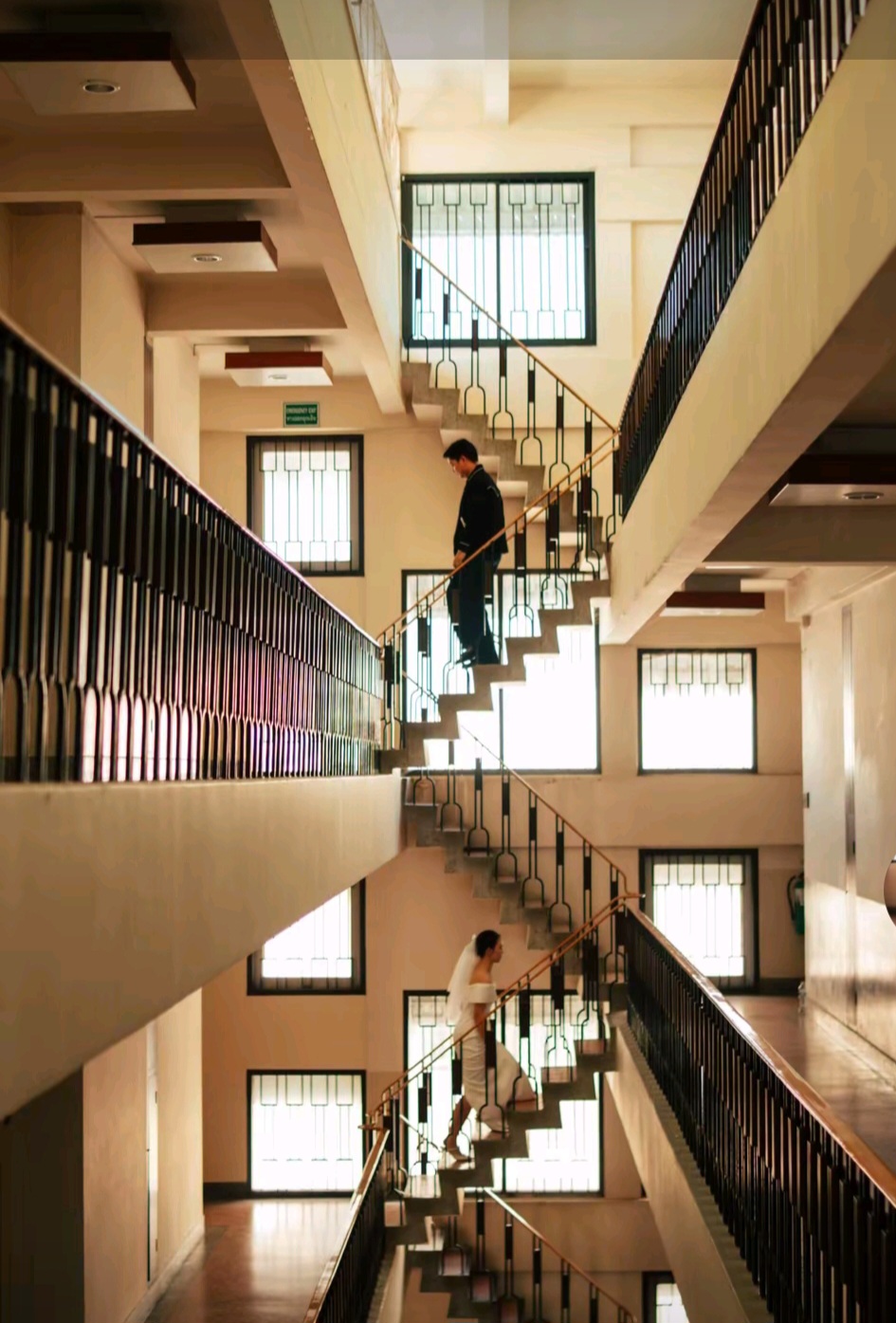
The following morning, while having breakfast in the hotel’s reception area, I spotted the rather old-looking Wanchai Hotel directly across the street. I couldn’t tell whether it was still open for business or not, but it looked as though it had been there since the 1970s. I bet it had a few stories to tell. I later found this gorgeous photograph of its staircase online.
On the second day, we headed north along Route 2 towards Udon Thani, then east along Route 22 towards Sakon Nakhon and Nakhon Phanom, before reaching my wife’s village, about 50 kilometres east of Sakon Nakhon town. We decided to stay, as we had back in February, at the lovely nearby Farm Sakon Resort in Phanna Nikhom district, Sakon Nakhon.
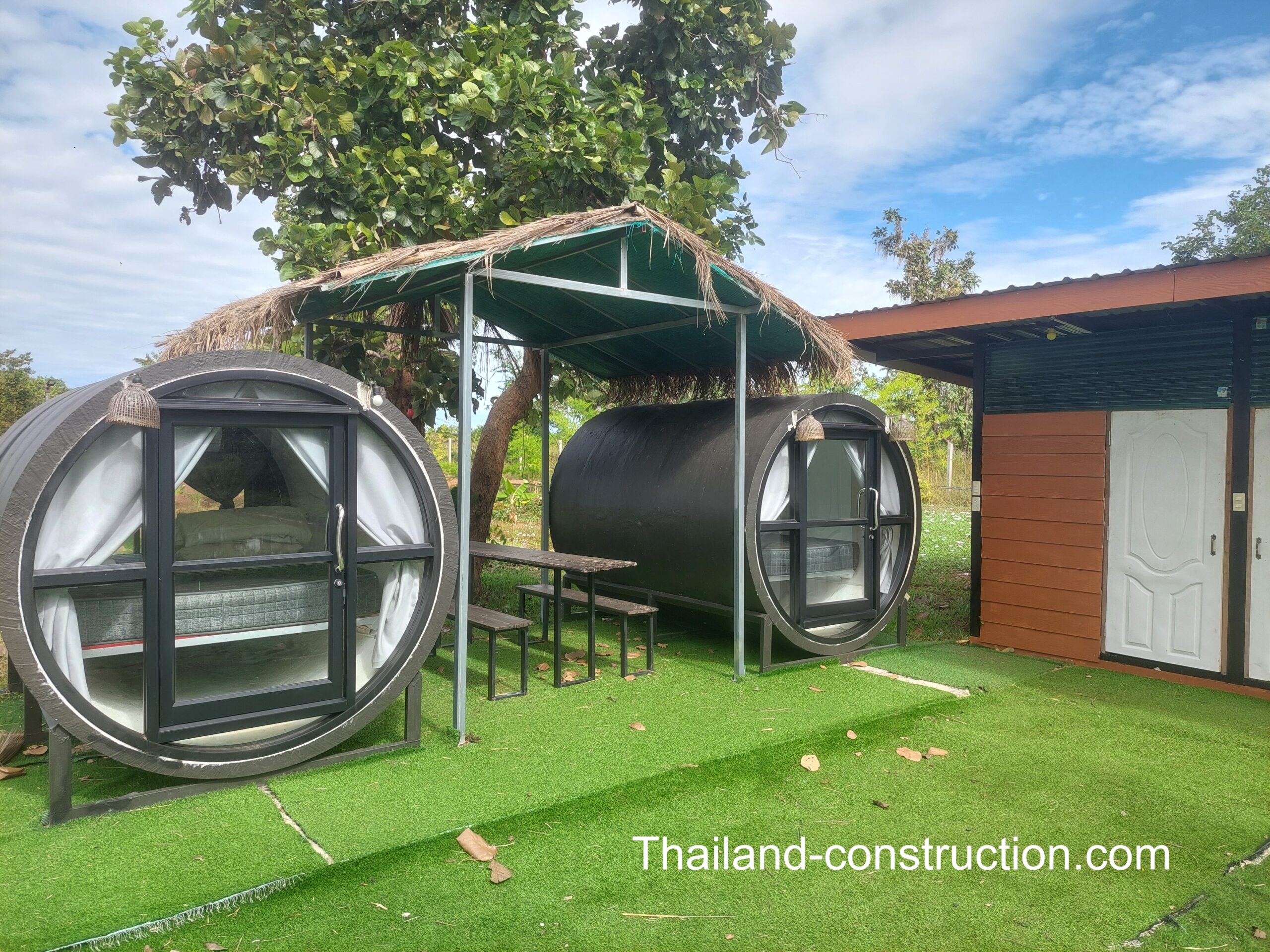
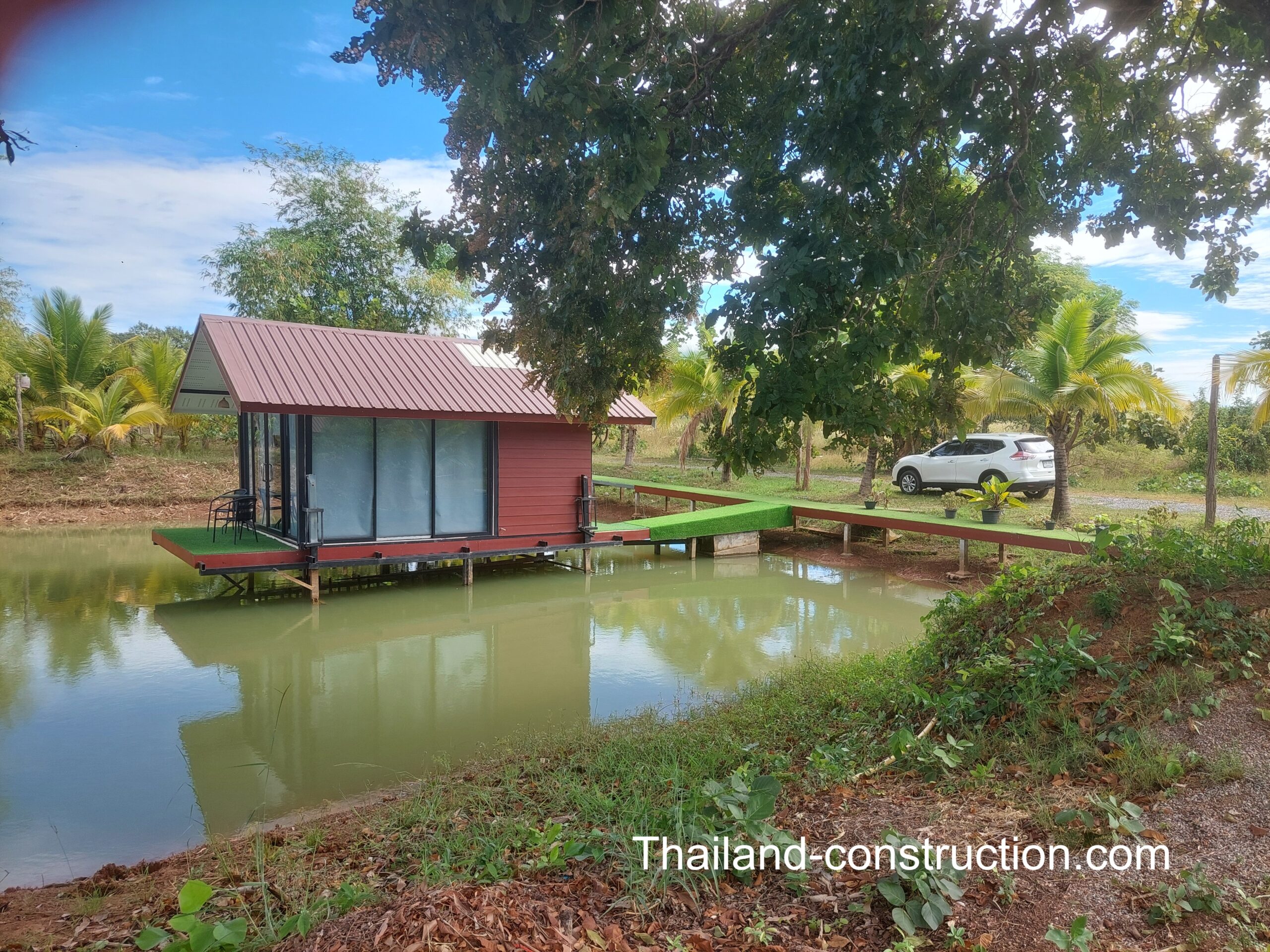
Part working farm, with fruit, rice and cattle; part resort; and part fishing park. For anyone who enjoys fishing, our room was heaven: it was situated on a floating pontoon in the middle of a fish pond. We paid ฿1,000 for the best room in the resort. At the time of our visit, breakfast was not included because they had no one to run the coffee shop/café; the other rooms were available for ฿800. At night it was ghostly dark and quiet; we loved it. In the nights we stayed at the six-room resort on this trip, we saw just one other guest, another foreigner sitting outside his room drinking coffee.
Exploring Sakon Nakhon
On the third day, we took my mother-in-law, an auntie and a young lad, whom the auntie was looking after while his parents were working down south, on a day trip into Sakon Nakhon town. The young lad had decided that a day out with us was preferable to going to school – a bit of a bonus for him! He was dressed in a plastic rain jacket with the hood up on a roasting-hot day: clearly Oasis are an influence on Sakon Nakhon schoolboys.
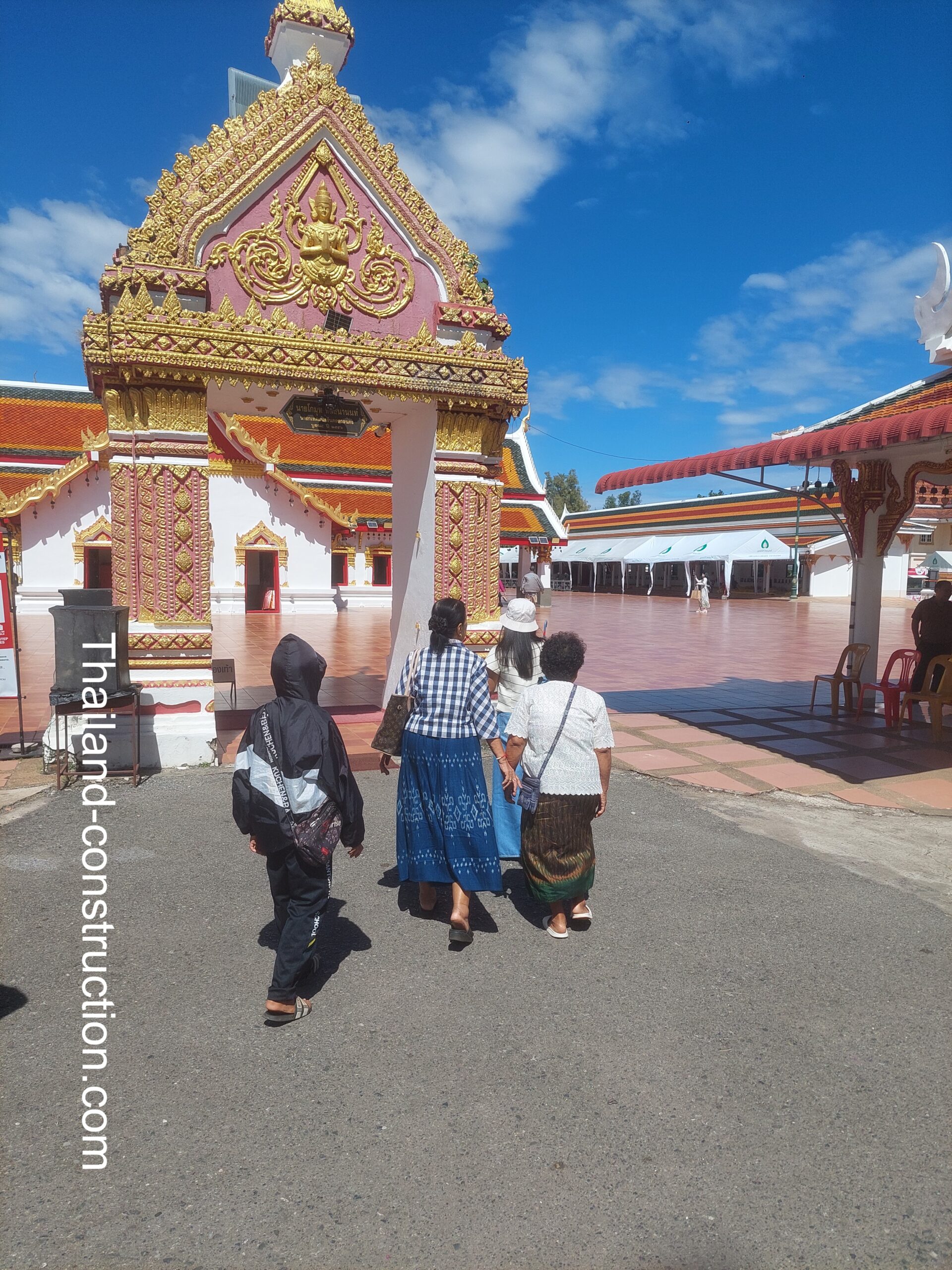
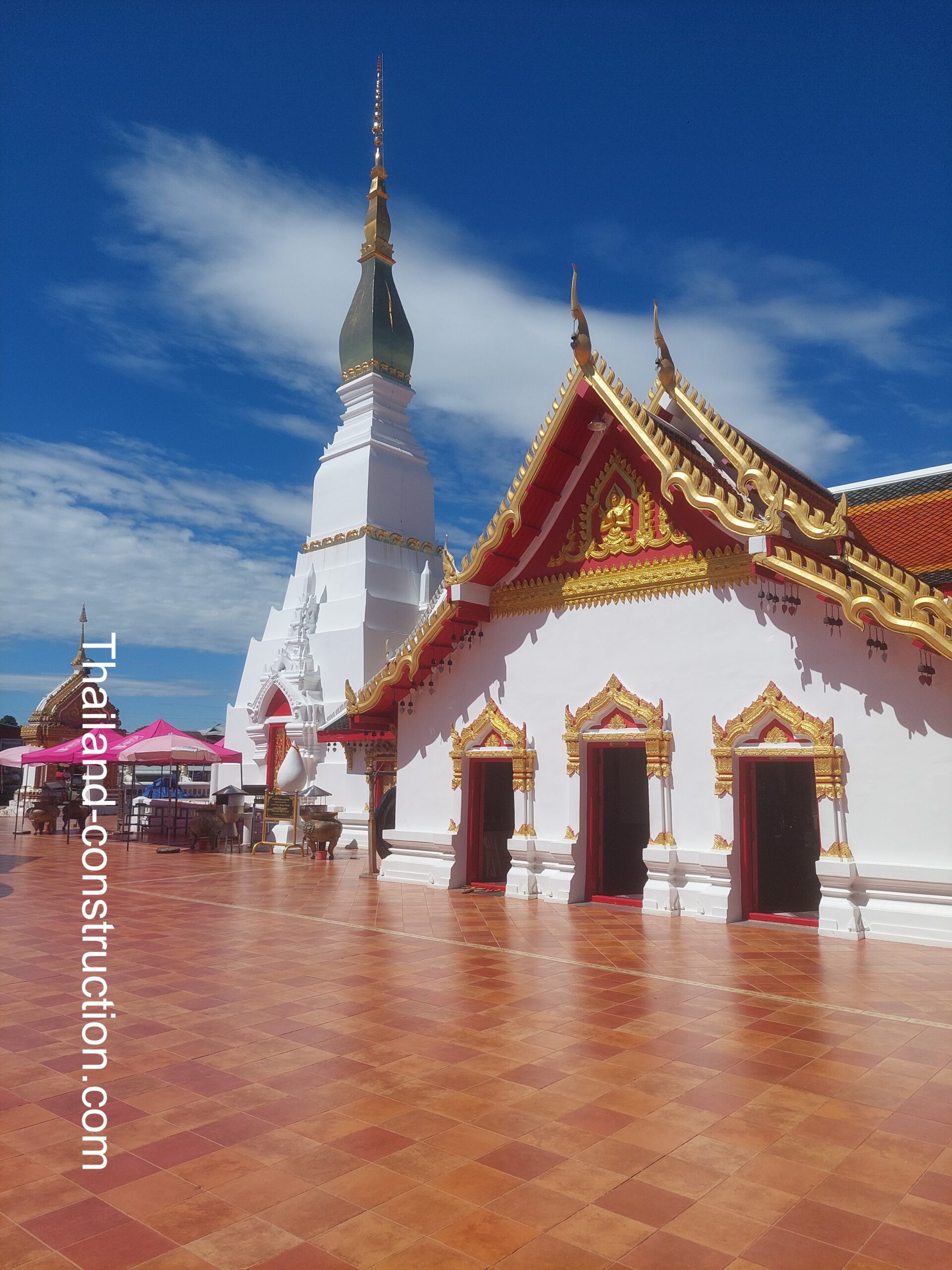
Our first stop was Wat Phra That Choeng Chum Worawihan, the province’s most important Buddhist site. It houses Phra That Choeng Chum, an important 24-metre-high religious monument constructed from brick and mortar. I’ve visited many times and it always impresses me, as do the other Phra Thats in the area. A Phra That is a sacred religious monument, traditionally associated with Buddhist relics. Many have the appearance of a tower or stupa, although their shapes and designs vary considerably; they may be decorated with gold, ornate carvings and Buddhist imagery.
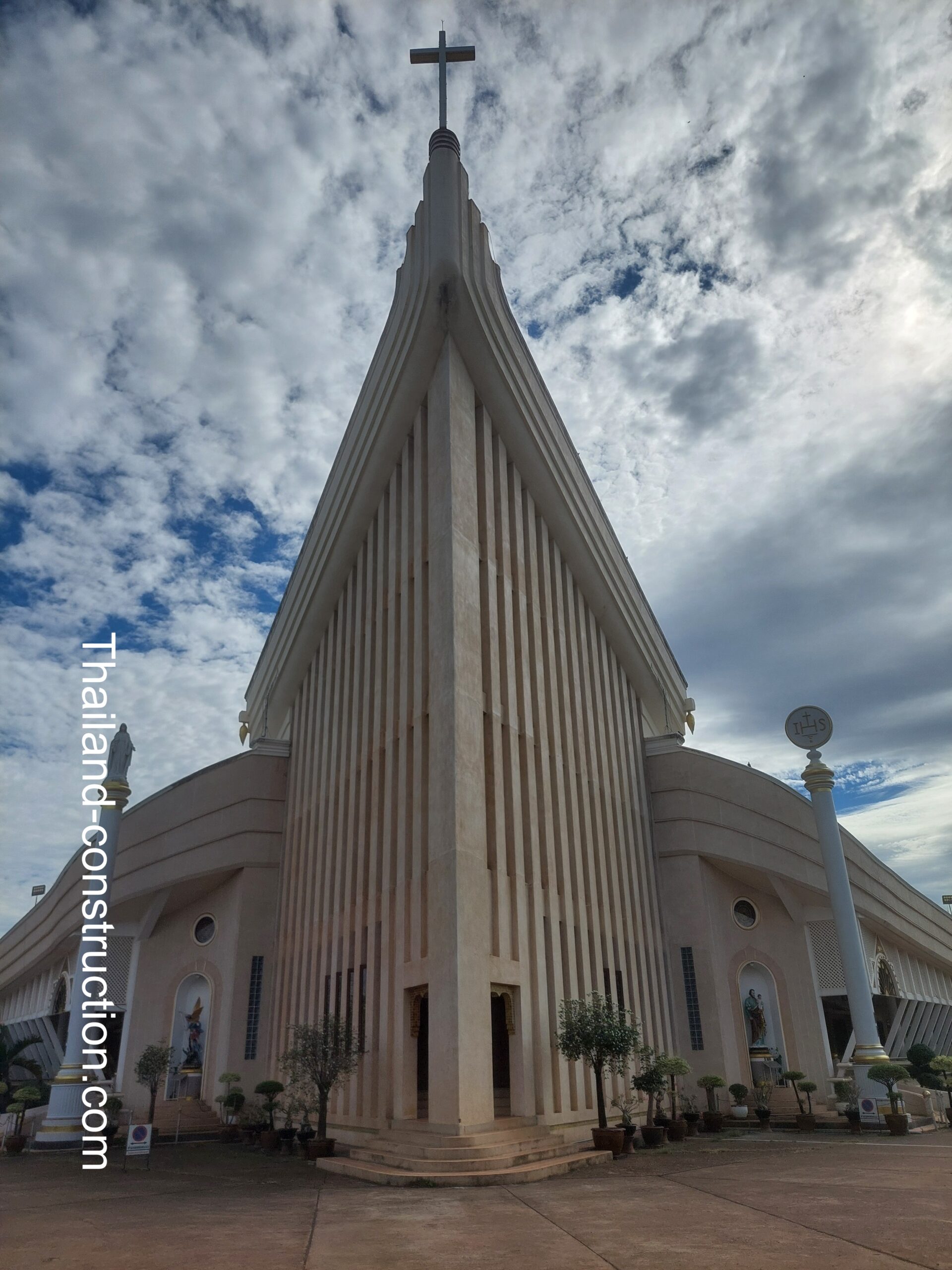
We then drove around Nong Han Lake to its northern side and the Catholic community of Tha Rae. The village is famous for the Cathedral of St Michael the Archangel and its annual Christmas Star Parade, known as the Dao Thae Rae Festival. Held in December, the celebrations see villagers decorate their houses with colourful lights and take part in a spectacular star parade through the streets to celebrate the birth of Jesus Christ. I was lucky enough, a couple of years ago, to experience the Christmas parade as it passed through the streets of central Sakon Nakhon on Christmas Day.
Sakon Nakhon has an unusually large Christian population, predominantly Roman Catholic. This is largely due to Vietnamese Catholics who fled religious persecution and migrated to northeastern Thailand during the 19th century. French Catholic missionaries helped establish settlements, particularly at Tha Rae in 1884, which subsequently became Thailand’s largest concentrated Catholic community. You will pass many churches all over Sakon Nakhon province, with one website reporting that there are 130 churches of different denominations across the province.
The Vietnamese migration also brought a lasting cultural influence. Generations of Vietnamese-Thai families have preserved aspects of their ancestral heritage, including traditional cuisine, customs and architecture. Vietnamese food, restaurants, coffee shops and traditional dishes remain particularly evident around Tha Rae and the wider province.
Lunch in Tha Rae was, naturally, Vietnamese. We stopped at the delightful Huon Ba Tip restaurant.
Off to Nakhon Phanom
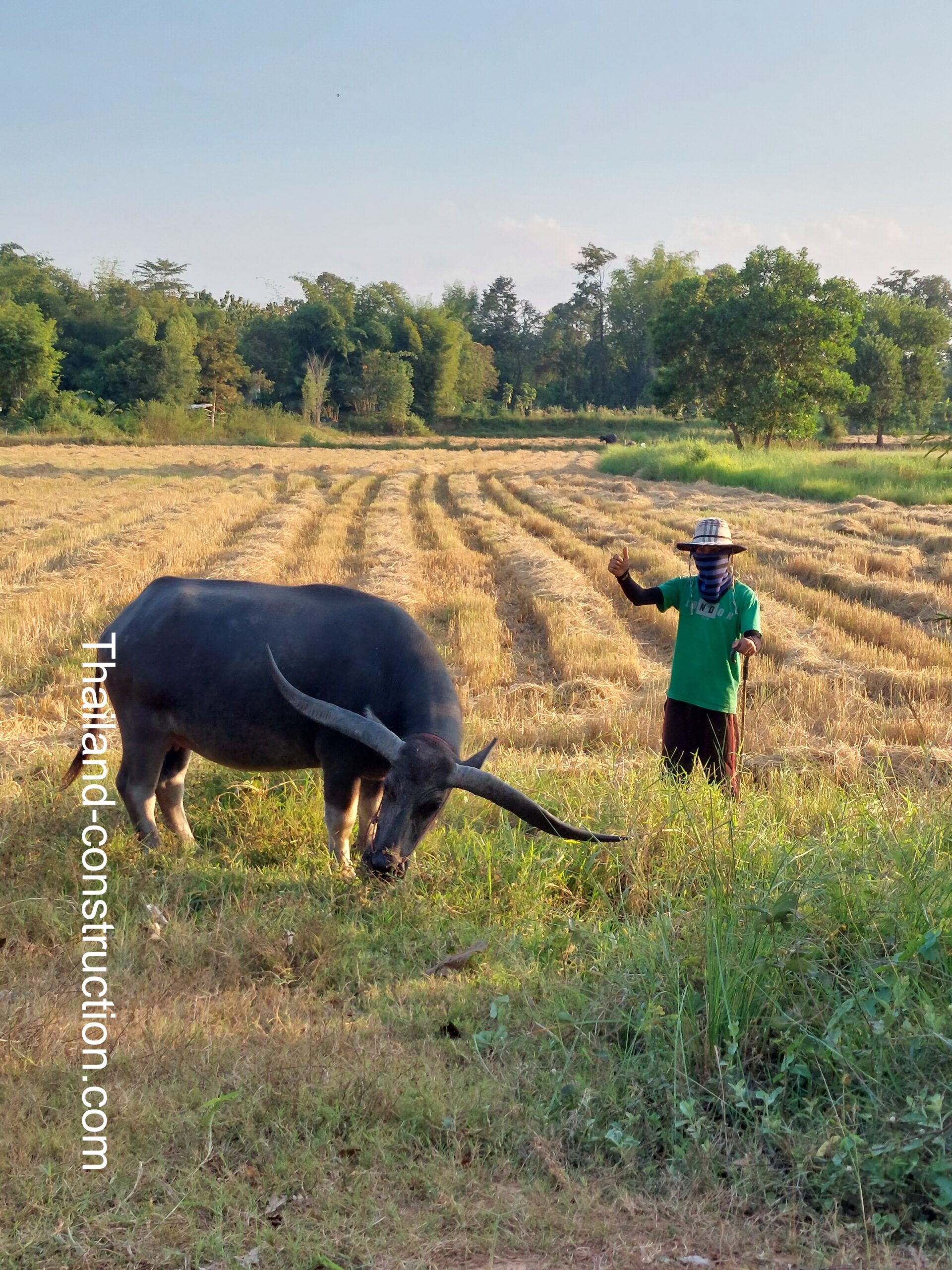
It was rice-harvesting season throughout the region. Everywhere we went, farmers were either harvesting the traditional way with scythes or using the increasingly popular small tracked rice combine harvesters. These machines cut, thresh and collect the rice in one operation.
My brother-in-law wanted us to hang around to watch the harvesting and threshing, but the hired man with the Kubota harvester couldn’t say when he would turn up. We decided to head off to Nakhon Phanom instead. It turned out to be a good decision, as the super-busy Kubota took another five days to arrive!
We passed through Tha Rae again without stopping and continued along Route 22 towards Nakhon Phanom. There wasn’t a great deal to see along this stretch of road, just a succession of small villages. To be honest, it was a wee bit boring. So, to make things more interesting, the car’s air-conditioning decided to stop blowing cold air. It was getting very hot inside, but we pressed on.
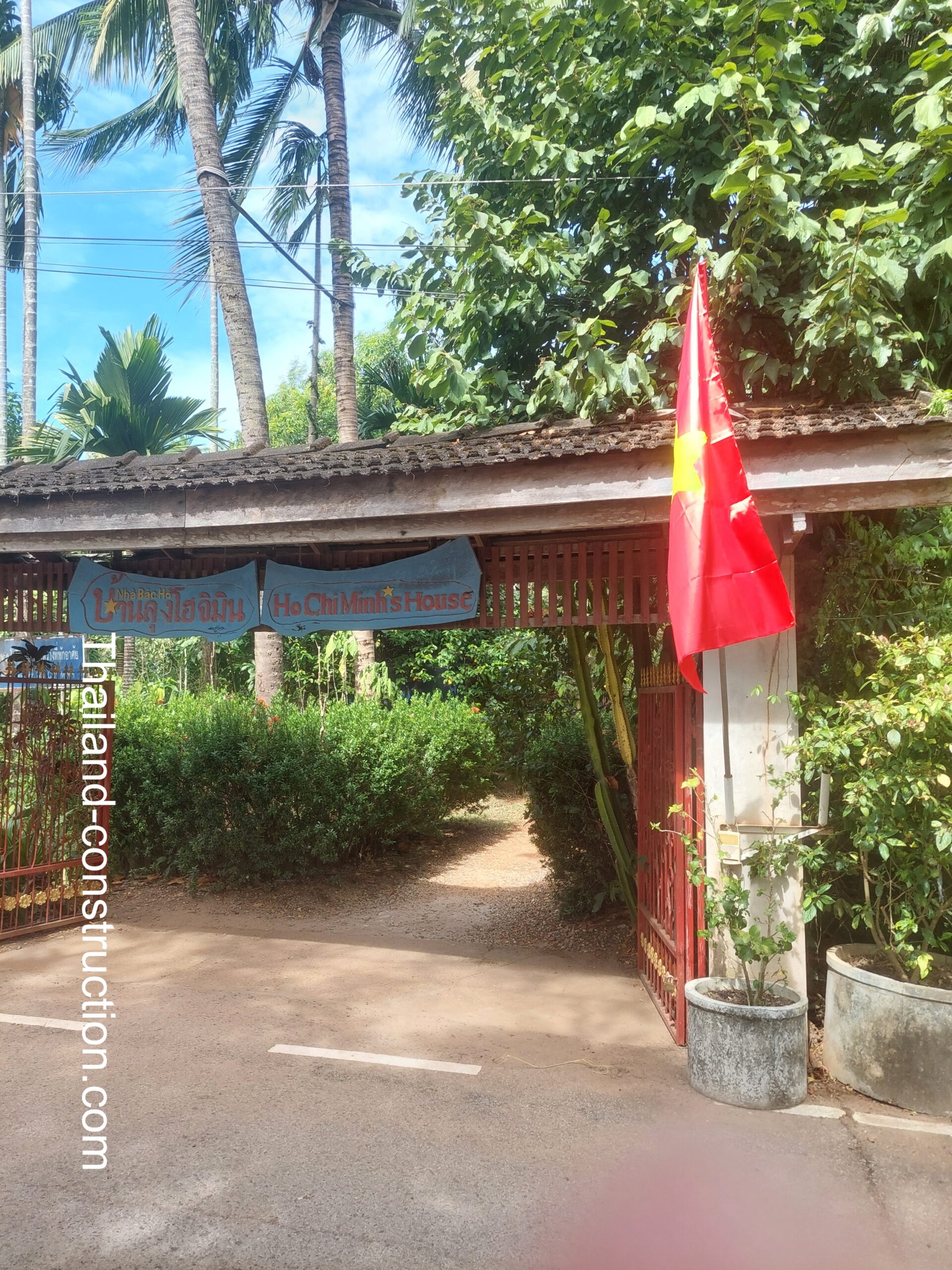
We knew we would be passing close to Ho Chi Minh’s House, just outside Nakhon Phanom, so decided to stop. We weren’t expecting to find much of interest. How wrong we were!
A visit to Ho Chi Minh’s House
Ho Chi Minh’s House, also known as Uncle Ho’s House, is an important historical site in Ban Na Chok village. Vietnam’s future revolutionary leader and president lived in this area during the late 1920s, particularly around 1928–1929, among the Vietnamese community in exile, while organising resistance against French colonial rule in Vietnam. He used the alias Thau Chin and maintained a relatively simple existence to avoid attracting attention from the French authorities.
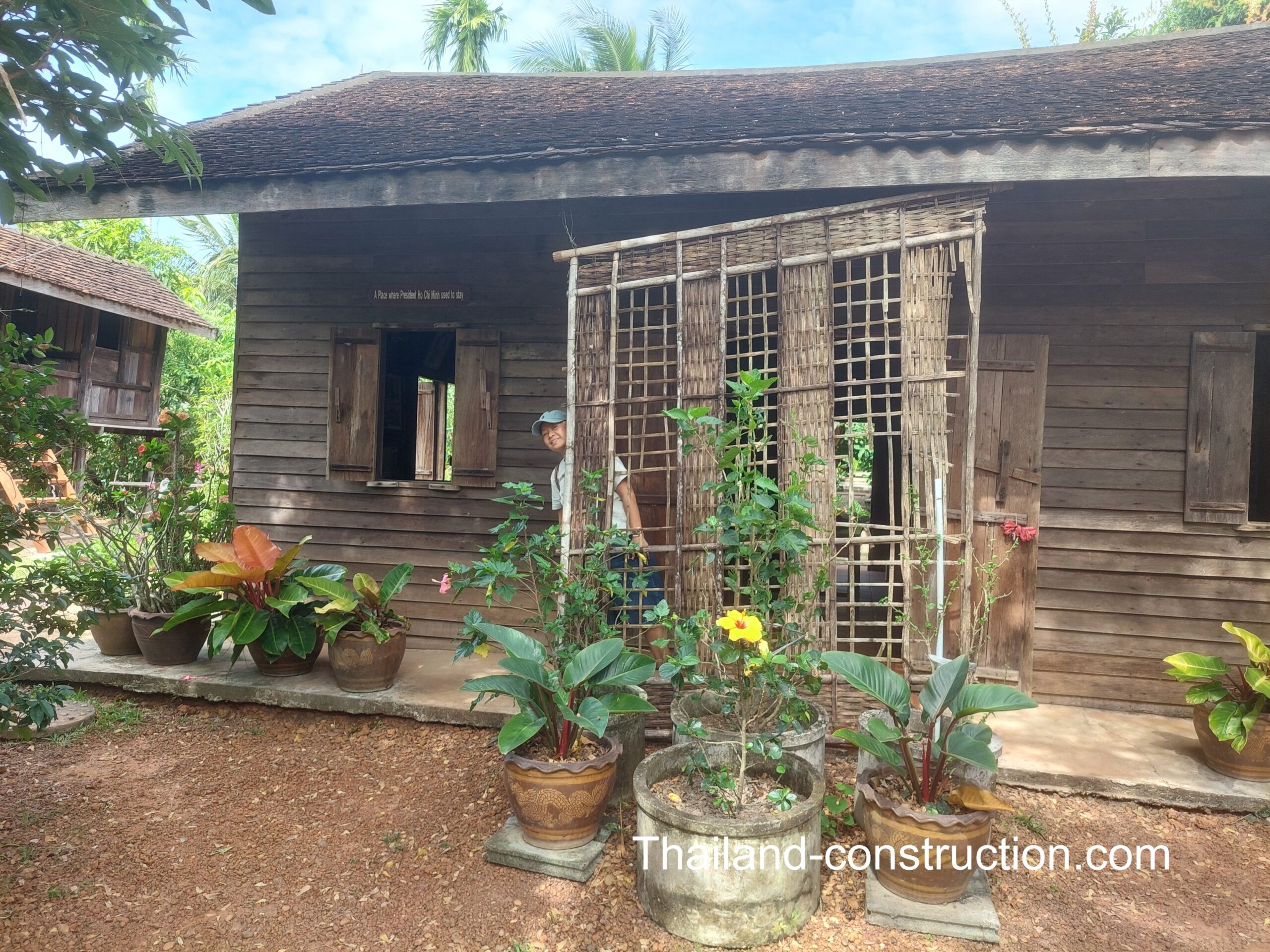
The site includes a reconstructed traditional wooden house, furnished with household items and historical photographs, as well as a garden containing trees traditionally attributed to Ho Chi Minh. A nearby museum and memorial form part of the Thai-Vietnamese Friendship Village. Today, the site is an important place of pilgrimage for Vietnamese visitors and a symbol of the longstanding historical and cultural relationship between Thailand and Vietnam.
It is a very quiet and peaceful place, with beautifully maintained natural gardens. I thoroughly enjoyed the visit and came away thinking that I wished my own house down south was in such a lovely garden setting.
By now, the car was becoming unbearably hot. The air-conditioning was blowing hot rather than cold air. As we drove the last few kilometres into Nakhon Phanom, I quickly searched Google Maps for a car air-conditioning repair shop. Bingo! We found one.
We arrived just as the two men in the small workshop were having lunch. They came over, asked what was wrong and immediately got to work. Apparently, there was an ice blockage in the system. They quickly cleaned the filter, added refrigerant and, after about 15 minutes, we were ฿1,000 lighter but very happy to be back on the road with cold air-conditioning!
Discovering Nakhon Phanom
We drove into Nakhon Phanom knowing very little about the town. Our first destination was Phaya Sri Sattanakharat Plaza, home to the enormous brass Naga monument dedicated to the mythical river serpent, overlooking the Mekong River promenade and Laos on the opposite bank. It seems to be the centre of town.
We eventually parked outside the café at the Landmark Hotel, which was to become our coffee shop of choice over the next two days, opposite the Naga.
Nakhon Phanom’s riverside is arguably the town’s greatest attraction. Stretching along the banks of the Mekong, the attractive promenade offers wonderful views across the river towards Laos and its distinctive limestone mountains. Laos gets the mountains, while flat Thailand gets the views!
Popular with locals and visitors alike, the promenade is popular in the evenings for walking, cycling, jogging or simply sitting and enjoying the scenery. The surrounding old town adds to its appeal, with historic French-Indochinese architecture, Vietnamese cultural influences, cafés and restaurants, while the weekend Walking Street offers street food, local produce and handicrafts. Unlike Thailand’s more commercialised tourist destinations, Nakhon Phanom retains a relaxed, unhurried atmosphere that is a large part of its charm.
There’s an amazing vibe about Nakhon Phanom, and I couldn’t help regretting not having visited during my previous 37 years in Thailand. It’s definitely a place to put on your to-visit list. A couple of nights are needed; you could even fly into the airport just outside town.
In some Thai towns, finding good accommodation can be a challenge. Nakhon Phanom, however, offers a surprisingly good selection of hotels, from older, smaller establishments in the town centre to newer, larger and more modern hotels a short drive south along the riverfront.
We checked into the lovely and great-value VELA Dhi hotel. Opened in 2022, it has 146 rooms and is a modern riverside property. We found it very comfortable, with attractive views across the Mekong towards Laos, and an excellent base for exploring the town.
Just a short walk away is a row of several excellent restaurants, including The TREE Café & Restaurant, Wang Kung Luang, Aeab Zaab and Mae Numphorn Restaurant. We ate at the latter two, and the prices were very reasonable.
Over the following two days, we cycled along the riverfront promenade and visited several of the town’s attractions, including the iconic Vietnamese Memorial Clock Tower, the impressive Phaya Sri Sattanakharat Naga Monument and Wat Mahathat, with its distinctive riverside stupa.
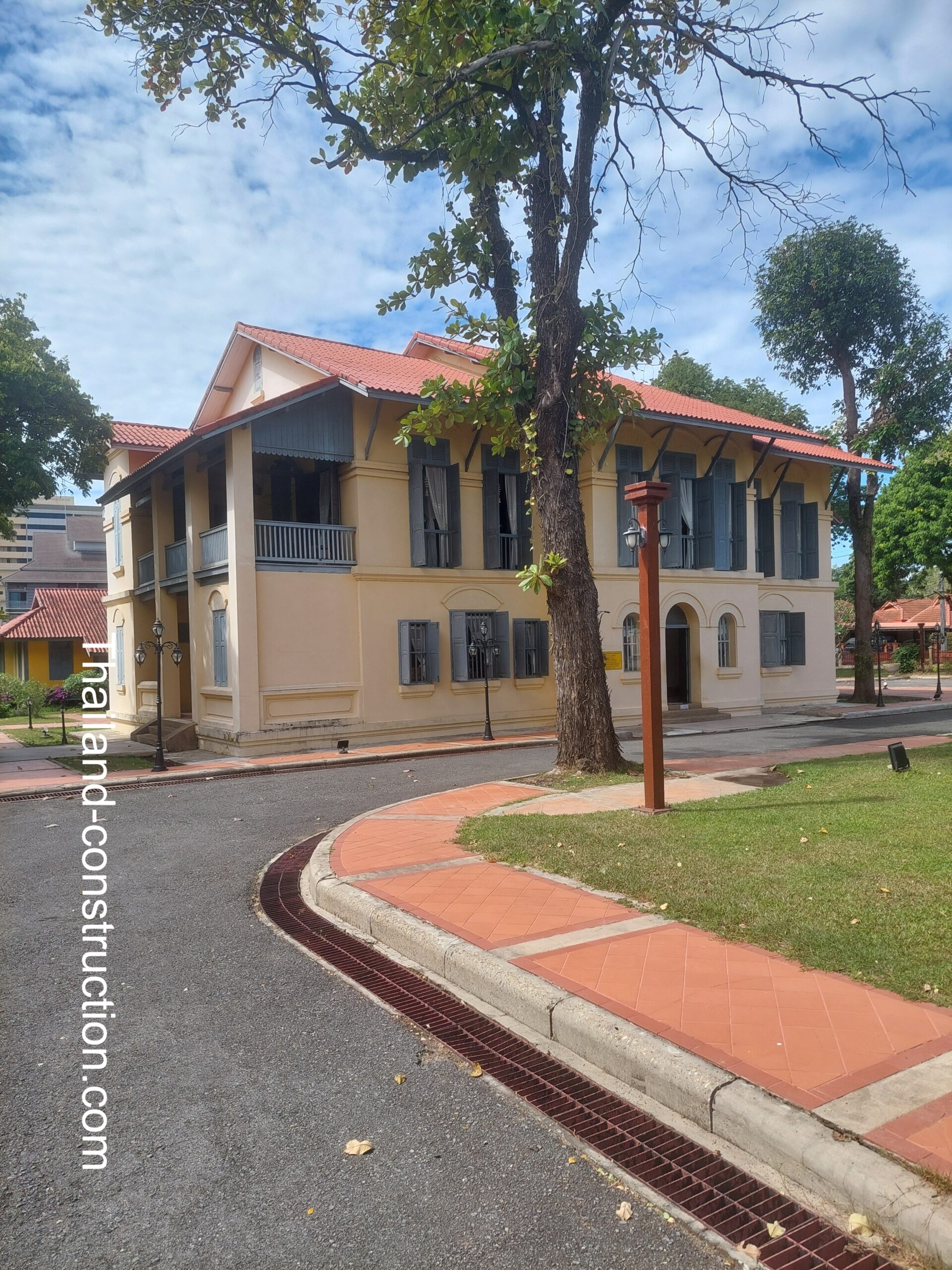
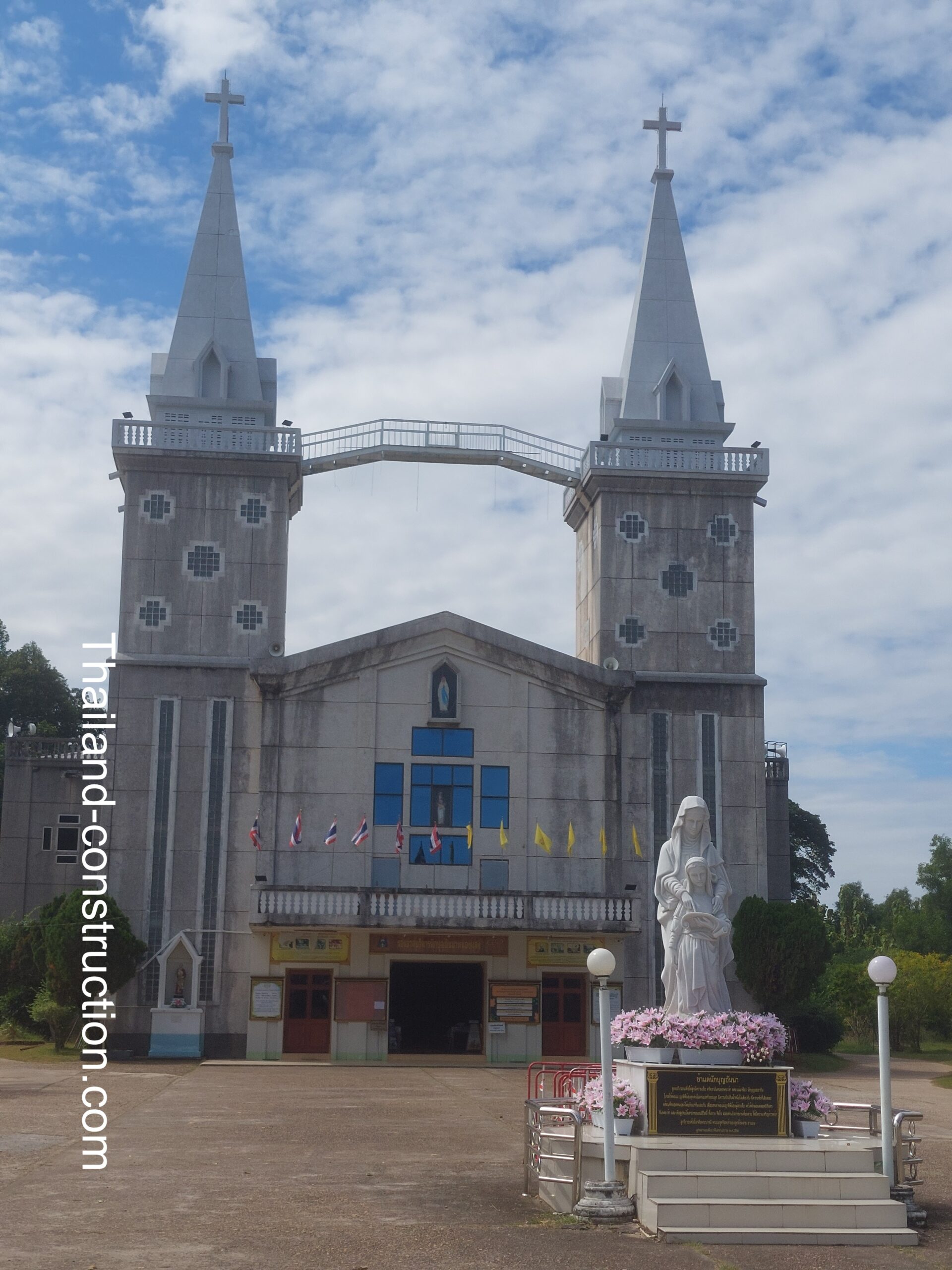
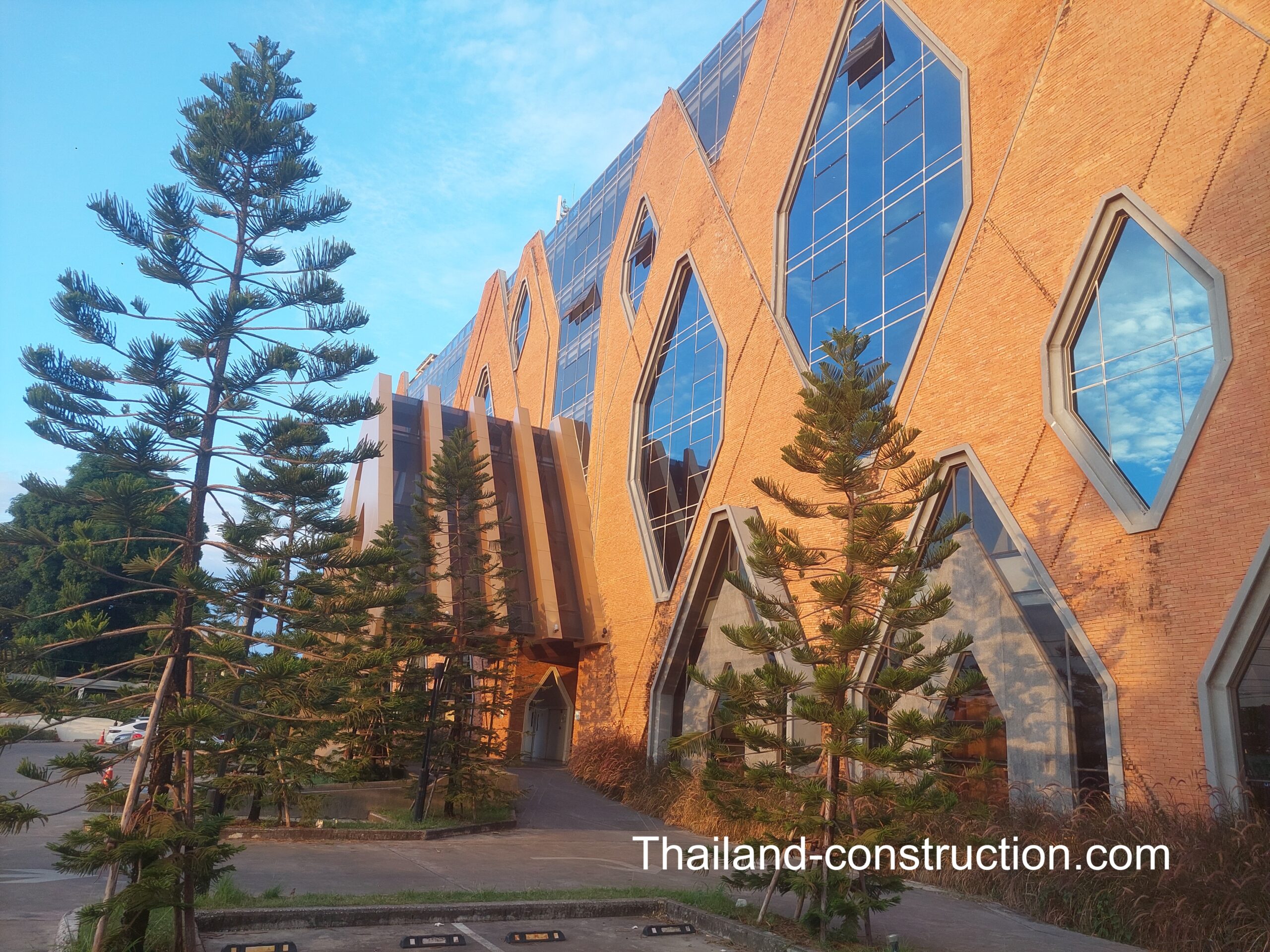
Two places we particularly enjoyed were St Anne’s Cathedral Nong Saeng and the Nakhon Phanom Provincial Governor’s Residence Museum. Both are in the quieter riverside area north of the Naga monument. This northern stretch of the riverfront is particularly lovely and, in our experience, attracts fewer visitors.
We also took the ฿50 Mekong River boat tour, which departs daily at 5 pm. The departure point is the first pier north of the Naga monument, shown on Google Maps as ‘Sunset River Cruise’. No booking is necessary; simply turn up and find a seat.
We went on a Wednesday in November and the boat was full. We were lucky to get seats at the front of the upper deck. Reasonably priced snacks and drinks (soft drinks or beer) are available to order on board, and the fare is collected from passengers once the boat has set off.
The boat cruises upriver along the Thai side towards St Anne’s Cathedral, crosses over to the Lao side, then heads south towards the Mekong River Eye big wheel before returning to the pier. It’s a lovely way to spend some time out on the river. We even spotted a man swimming on the Thai side of the river – apparently, he does it for 40 minutes every day of the year!
At just ฿50 per person, with no two-tier pricing for foreigners and Thais, it’s an absolute bargain.
Where shall we go next?
We needed to move on from Nakhon Phanom. Two nights there was enough to get a feel for the place, and we agreed we would return to see more sometime in the future. But where to go next?
Lying on my comfy bed in VELA Dhi, I tried to make a booking at several hotels I’d read were reasonably priced in Bueng Kan town for the Saturday and Sunday. Every hotel was full. Feeling a bit disheartened, we decided to book a hotel back in Sakon Nakhon for those weekend nights and explore the town and its weekend market. Unfortunately, everything reasonably priced was full there, too. What the hell was going on? We later found out there was some tourist event on in Sakon Nakhon.
What were we to do? Both my wife and I extended our searches on our phones to the whole of Bueng Kan province and, at almost exactly the same moment, we both found HimFai HomeStay Bueng Kan (ฮิมฝาย โฮมสเตย์ บึงกาฬ), which apparently translates as ‘By the Weir’. We booked it for two nights.