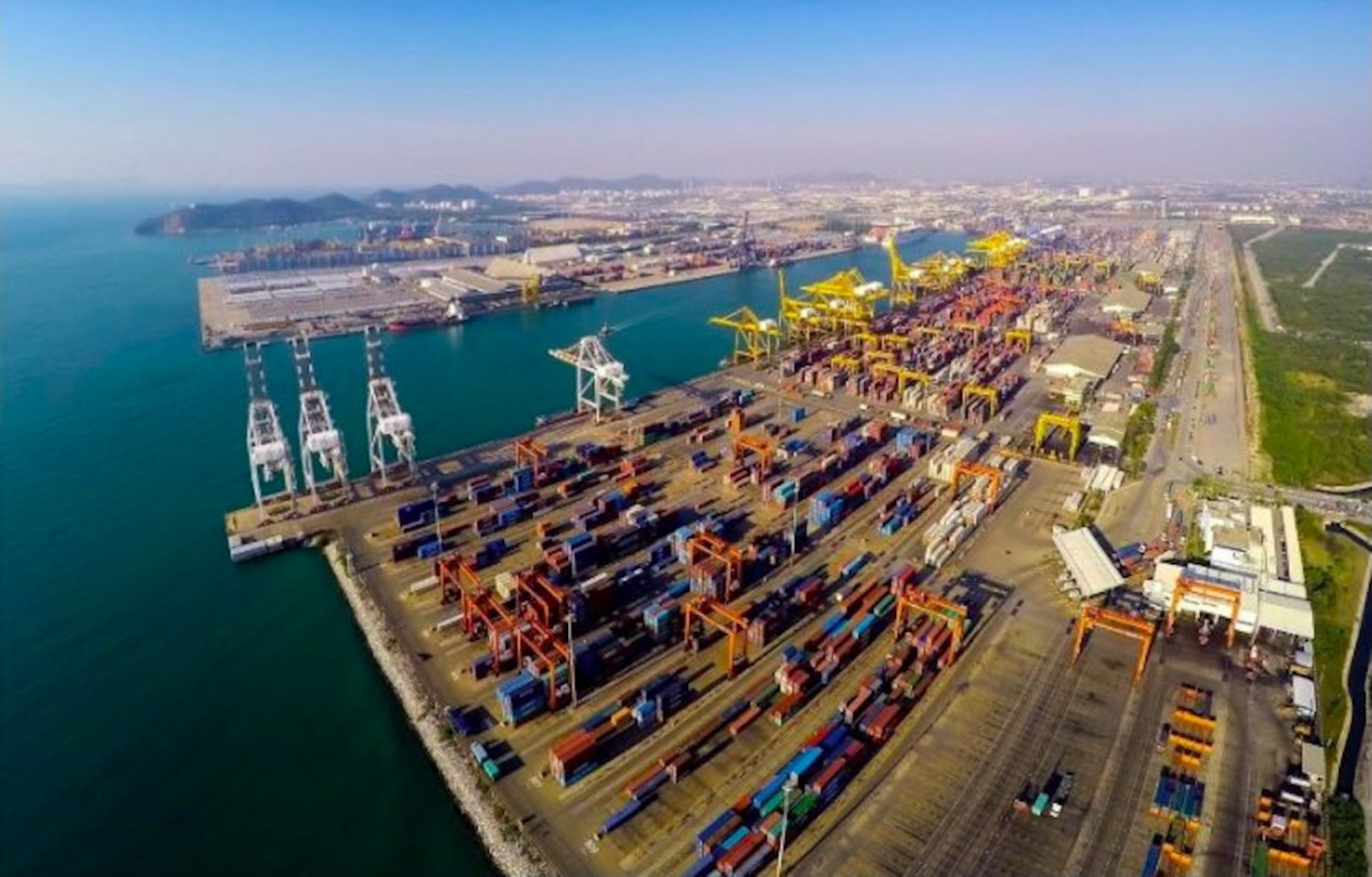
‘Missing Link’ misgivings; sceptics consider the Missing Link to be a scaled-down version of the Thailand’s Chumphon-Ranong Land Bridge
Bangkok Post editorial
THIS NEWS ARTICLE KINDLY SPONSORED BY FALLPROTEC, A WORLD-RENOWNED NAME IN THE DESIGN AND MANUFACTURE OF PREMIUM FALL PROTECTION SYSTEMS AND HEIGHT ACCESS SOLUTIONS
Out of the blue, the Anutin government has made an abrupt policy U-turn by announcing it will abandon the 1-trillion-baht Land Bridge project.
The reversal follows an official review that found the original project carried significant financial risks and uncertain economic returns. Yet the mega-infrastructure scheme has long been controversial, raising the question of why the government ignored repeated warnings and previous studies, or failed to conduct its own review before promoting the project so aggressively at home and abroad.
The announcement may provide temporary relief for critics, conservationists and communities opposed to large-scale industrial development along the Andaman Coast.
Just days later, however, the Anutin government announced it would replace the proposal with a narrower “Missing Link” infrastructure plan. The revised scheme involves upgrading the existing seaport in Ranong province and building a 100-kilometre dual-track railway linking Chumphon and Ranong.
To sceptics, the Missing Link appears to be little more than a scaled-down version of the Land Bridge, as it would still connect the Gulf of Thailand with the Andaman Sea. The project may be gradually expanded into something resembling the original Land Bridge, albeit under a less controversial name. Resistance from coastal communities could return if they conclude the policy U-turn and the Missing Link are merely old wine in a new bottle.
The controversy surrounding industrial development in the South reflects the government’s lack of a clear vision for the future of the Andaman coast.
Unlike the provinces along the Gulf of Thailand, those on the Andaman Coast have developed a distinct economic identity. Rich marine resources, pristine beaches and exceptional biodiversity have made the region a world-class destination, supporting high-value industries from luxury real estate to upscale tourism and wellness.
Previous policymakers understood the true value of the Andaman Coast and had a clearer vision of its long-term potential.
In November 2021, the Department of National Parks, Wildlife and Plant Conservation (DNP) submitted a nomination to the Unesco World Heritage Committee seeking World Heritage status for the Andaman Sea Natural Reserves of Thailand. The department had hoped the site would be inscribed by 2025.
The proposed World Heritage site comprises Mu Ko Ranong, Laem Son, Mu Ko Surin, Mu Ko Similan, Khao Lampi-Hat Thai Mueang and Sirinat national parks, together with the Ranong mangrove conservation forests and the Ranong Biosphere Reserve. The nomination covers 115,955 hectares, with 175,845 hectares designated as a buffer zone.
The key question is whether the government is committed to securing World Heritage status for the Andaman Coast while pursuing plans for a deep-sea port and related infrastructure that could transform the region into another Eastern Seaboard.
Do they recognise that heavy industry is incompatible with the high-end tourism and wellness sectors, and that enforcing environmental safeguards on such competing activities may be beyond the capacity of the authorities? The government should redouble its efforts to secure World Heritage status for the Andaman Sea and pursue sustainable development.
Bangkok Post editorial column – editorials represent Bangkok Post thoughts about current issues and situations.
Source: https://www.bangkokpost.com/opinion/opinion/3294247/missing-link-misgivings
Google Translation:
ความกังวลเกี่ยวกับ “สะพานเชื่อมแผ่นดิน” ผู้สงสัยมองว่าสะพานเชื่อมแผ่นดินนี้เป็นเพียงสะพานเชื่อมแผ่นดินชุมพร-ระนองของไทยในขนาดที่ย่อส่วนลง
บทบรรณาธิการของบางกอกโพสต์
บทความข่าวนี้ได้รับการสนับสนุนโดย FALLPROTEC บริษัทชั้นนำระดับโลกด้านการออกแบบและผลิตระบบป้องกันการตกจากที่สูงและโซลูชันการเข้าถึงที่สูง
อย่างกะทันหัน รัฐบาลอนุทินได้ประกาศเปลี่ยนนโยบายอย่างฉับพลัน โดยประกาศว่าจะยกเลิกโครงการสะพานเชื่อมแผ่นดินมูลค่า 1 ล้านล้านบาท
การเปลี่ยนแปลงนี้เกิดขึ้นหลังจากมีการตรวจสอบอย่างเป็นทางการพบว่าโครงการเดิมมีความเสี่ยงทางการเงินสูงและผลตอบแทนทางเศรษฐกิจไม่แน่นอน อย่างไรก็ตาม โครงการโครงสร้างพื้นฐานขนาดใหญ่นี้เป็นที่ถกเถียงกันมานาน ทำให้เกิดคำถามว่าทำไมรัฐบาลจึงเพิกเฉยต่อคำเตือนซ้ำแล้วซ้ำเล่าและการศึกษาครั้งก่อนๆ หรือล้มเหลวในการตรวจสอบของตนเองก่อนที่จะส่งเสริมโครงการอย่างแข็งขันทั้งในและต่างประเทศ
การประกาศดังกล่าวอาจช่วยบรรเทาความกังวลของนักวิจารณ์ นักอนุรักษ์ และชุมชนที่ต่อต้านการพัฒนาอุตสาหกรรมขนาดใหญ่ตามแนวชายฝั่งทะเลอันดามันได้ชั่วคราว
อย่างไรก็ตาม เพียงไม่กี่วันต่อมา รัฐบาลอนุทินก็ประกาศว่าจะเปลี่ยนข้อเสนอดังกล่าวเป็นแผนโครงสร้างพื้นฐานที่แคบกว่าเดิมชื่อ “สะพานเชื่อม” (Missing Link) แผนงานที่แก้ไขใหม่นี้เกี่ยวข้องกับการปรับปรุงท่าเรือที่มีอยู่เดิมในจังหวัดระนอง และการสร้างทางรถไฟรางคู่ระยะทาง 100 กิโลเมตรเชื่อมระหว่างชุมพรและระนอง
สำหรับผู้ที่มองในแง่ลบ สะพานเชื่อมนี้ดูเหมือนจะเป็นเพียงสะพานเชื่อมแผ่นดินขนาดเล็กกว่า เนื่องจากยังคงเชื่อมต่ออ่าวไทยกับทะเลอันดามันอยู่ดี โครงการนี้อาจค่อยๆ ขยายใหญ่ขึ้นจนคล้ายกับสะพานเชื่อมแผ่นดินเดิม แม้ว่าจะใช้ชื่อที่ก่อให้เกิดข้อโต้แย้งน้อยกว่าก็ตาม การต่อต้านจากชุมชนชายฝั่งอาจกลับมาอีกครั้งหากพวกเขาคิดว่าการเปลี่ยนนโยบายและการสร้างสะพานเชื่อมนี้เป็นเพียงของเก่าในบรรจุภัณฑ์ใหม่
ความขัดแย้งเกี่ยวกับการพัฒนาอุตสาหกรรมในภาคใต้สะท้อนให้เห็นถึงการขาดวิสัยทัศน์ที่ชัดเจนของรัฐบาลสำหรับอนาคตของชายฝั่งทะเลอันดามัน
แตกต่างจากจังหวัดต่างๆ ตามแนวชายฝั่งอ่าวไทย จังหวัดต่างๆ บนชายฝั่งทะเลอันดามันได้พัฒนาเอกลักษณ์ทางเศรษฐกิจที่แตกต่างออกไป ทรัพยากรทางทะเลที่อุดมสมบูรณ์ ชายหาดที่บริสุทธิ์ และความหลากหลายทางชีวภาพที่โดดเด่น ทำให้ภูมิภาคนี้เป็นจุดหมายปลายทางระดับโลก สนับสนุนอุตสาหกรรมที่มีมูลค่าสูง ตั้งแต่อสังหาริมทรัพย์หรูไปจนถึงการท่องเที่ยวระดับไฮเอนด์และการดูแลสุขภาพ
ผู้กำหนดนโยบายในอดีตเข้าใจถึงคุณค่าที่แท้จริงของชายฝั่งทะเลอันดามัน และมีวิสัยทัศน์ที่ชัดเจนกว่าเกี่ยวกับศักยภาพในระยะยาว
ในเดือนพฤศจิกายน 2564 กรมอุทยานแห่งชาติ สัตว์ป่า และพืช (DNP) ได้ยื่นเสนอชื่อต่อคณะกรรมการมรดกโลกของยูเนสโก เพื่อขอสถานะมรดกโลกสำหรับเขตสงวนธรรมชาติทะเลอันดามันของประเทศไทย โดยกรมฯ หวังว่าสถานที่แห่งนี้จะได้รับการขึ้นทะเบียนภายในปี 2568
พื้นที่มรดกโลกที่เสนอประกอบด้วยอุทยานแห่งชาติหมู่เกาะระนอง แหลมสน หมู่เกาะสุรินทร์ หมู่เกาะสิมิลัน เขาใบพาย-หาดไทยเมือง และสิรินาถ รวมทั้งป่าอนุรักษ์ชายเลนระนองและเขตสงวนชีวมณฑลระนอง พื้นที่ที่ได้รับการเสนอชื่อครอบคลุม 115,955 เฮกตาร์ โดยมีพื้นที่ 175,845 เฮกตาร์ถูกกำหนดให้เป็นเขตกันชน
คำถามสำคัญคือ รัฐบาลมุ่งมั่นที่จะรักษาสถานะมรดกโลกให้กับชายฝั่งทะเลอันดามันหรือไม่ ในขณะที่ดำเนินแผนการสร้างท่าเรือน้ำลึกและโครงสร้างพื้นฐานที่เกี่ยวข้อง ซึ่งอาจเปลี่ยนภูมิภาคนี้ให้กลายเป็นชายฝั่งทะเลตะวันออกอีกแห่งหนึ่ง
พวกเขายอมรับหรือไม่ว่าอุตสาหกรรมหนักไม่สอดคล้องกับภาคการท่องเที่ยวและสุขภาพระดับสูง และการบังคับใช้มาตรการคุ้มครองสิ่งแวดล้อมกับกิจกรรมที่แข่งขันกันเช่นนี้อาจเกินขีดความสามารถของหน่วยงานที่เกี่ยวข้อง รัฐบาลควรเพิ่มความพยายามเป็นสองเท่าในการรักษาสถานะมรดกโลกให้กับทะเลอันดามันและดำเนินนโยบายการพัฒนาอย่างยั่งยืน
(คอลัมน์บทบรรณาธิการของบางกอกโพสต์ – บทบรรณาธิการแสดงความคิดเห็นของบางกอกโพสต์เกี่ยวกับประเด็นและสถานการณ์ปัจจุบัน)