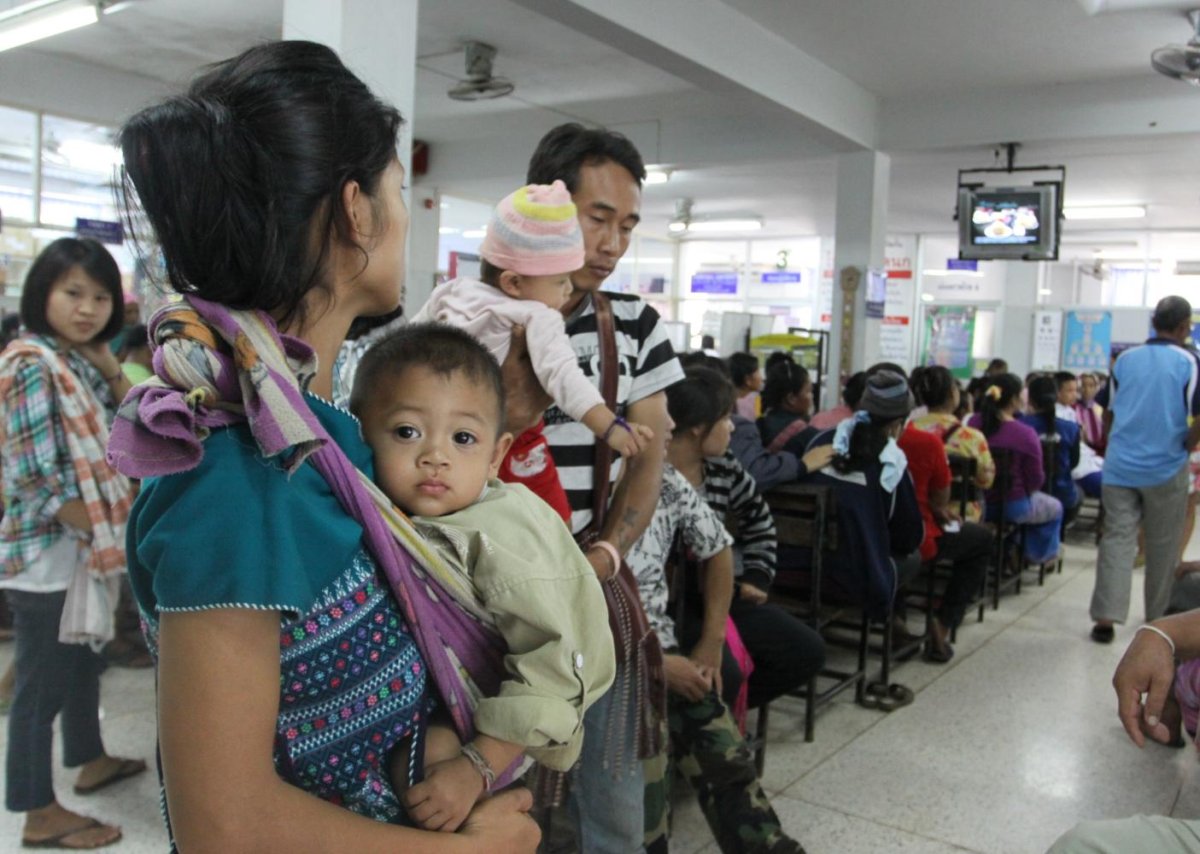
Dr Worawit treating patients along the remote and rugged terrain of the Thai-Myanmar border
READ ALSO: Local doctor to receive WHO award
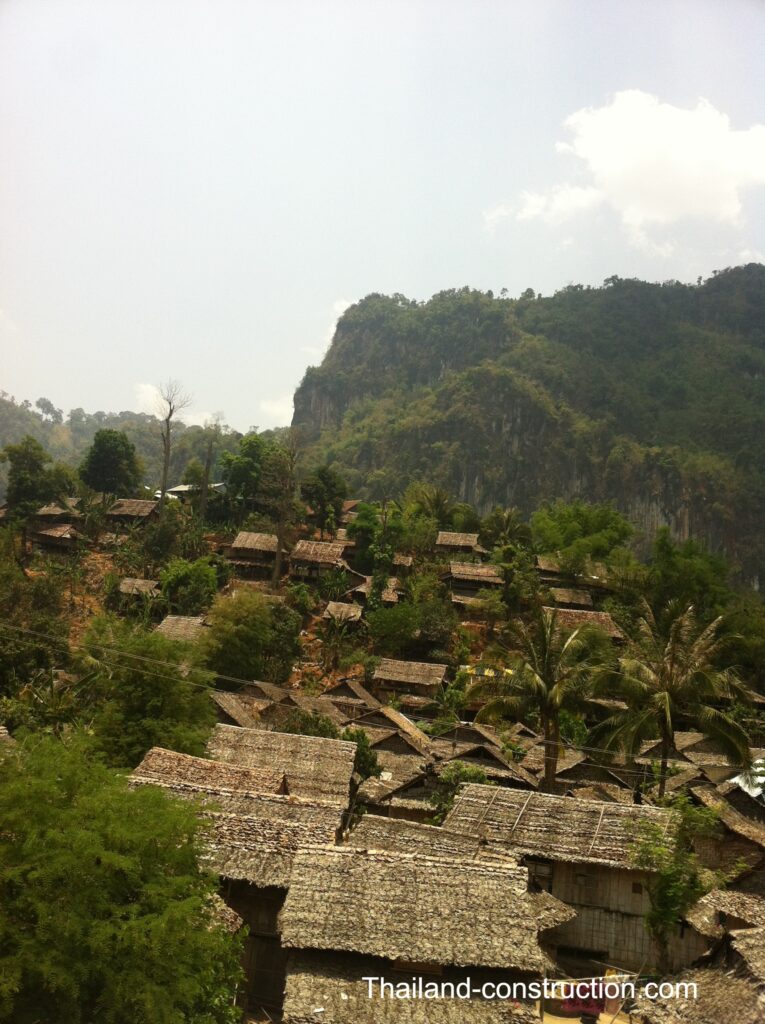
Dr Worawit Tantiwattanasap, director of Umphang Hospital, has spent his entire career treating patients along the remote and rugged terrain of the Thai-Myanmar border. “Border doctors are like soldiers, but the enemy isn’t people or armies, but disease,” he tells me in our interview on June 19. “Preventing epidemics from crossing into Thailand is crucial.”
He has a passionate way of cutting through every policy debate about who deserves care and who doesn’t. “Borders are concepts created on paper by maps; they don’t exist in the wild,” he says. “Mosquitos fly back and forth across the border, travel without passports, don’t ask for visas. We have to take care of everyone; we shouldn’t choose by nationality.”
Dr Worawit has received the 2026 United Arab Emirates Health Foundation Prize from the World Health Organization (WHO). The award was presented during the 79th World Health Assembly in Geneva, Switzerland, on May 20.
He has been working in one of five Thai districts bordering Myanmar’s Karen State, now called the Karen Nation of Kawthule. For him, the border line is barely a century old. When the British carved Burma away from Siam, the demarcation cut through Karen communities who kept living as if the border weren’t there, visiting family, marrying across it, giving birth in the forest with the help of midwives. Many of those births were never registered. Generations later, the result is a population Dr Worawit calls “quasi foreigners”: Karen people born and raised in Thailand who hold no Thai ID, stateless on land their families have occupied for as long as anyone remembers.
Then there are the genuine foreigners, Karen refugees who fled fighting in Myanmar and settled in border camps. Tak province holds three of the largest: Mae La, Umpiem, and Nu Po, together housing roughly 60,000 people, a sizeable share of the refugees still living in camps along the border. UNHCR and international NGOs support them. Beyond the camps, by Dr Worawit’s rough count, perhaps half of the roughly 280,000 people living in the border zone outside any official designation are similarly stateless or undocumented; the rest are migrant labourers drawn to Mae Sot‘s garment factories. Almost none of them carry a Thai ID card. The Interior Ministry has tried registering them with a special card, short of granting residency, but the population is remote, often off the grid, and moves too fast for the bureaucracy to keep pace.
What unites them, in Dr Worawit’s telling, is geography and disease. The border districts sit in remote, tropical terrain on both sides; Thai and Myanmar alike are rural and underserved, a decade behind in basic medical infrastructure. “There are diseases that can spread,” he says, “malaria, cholera, tuberculosis, meningococcal meningitis, diphtheria, whooping cough, every single disease imaginable”. War on the Myanmar side, with its displacement and troop movements, only accelerates the spread.
Covid made the stakes concrete. Donated funds let Umphang run nine community isolation centres on the Myanmar side, staffed by the hospital’s own people; the most severe cases were ferried by ambulance to Umphang’s ventilators and field hospital. By his counting, the hospital looked after some 83,000 people through the pandemic, far beyond what any government allocation, typically stipulated to cover Thai citizens only, could accommodate.
He returns to this theme, doctors on the border, standing in for soldiers, more than once over the course of the interview. “We are frontline fighters against disease and contagion,” he says, “and that contributes to the security of the nation”.
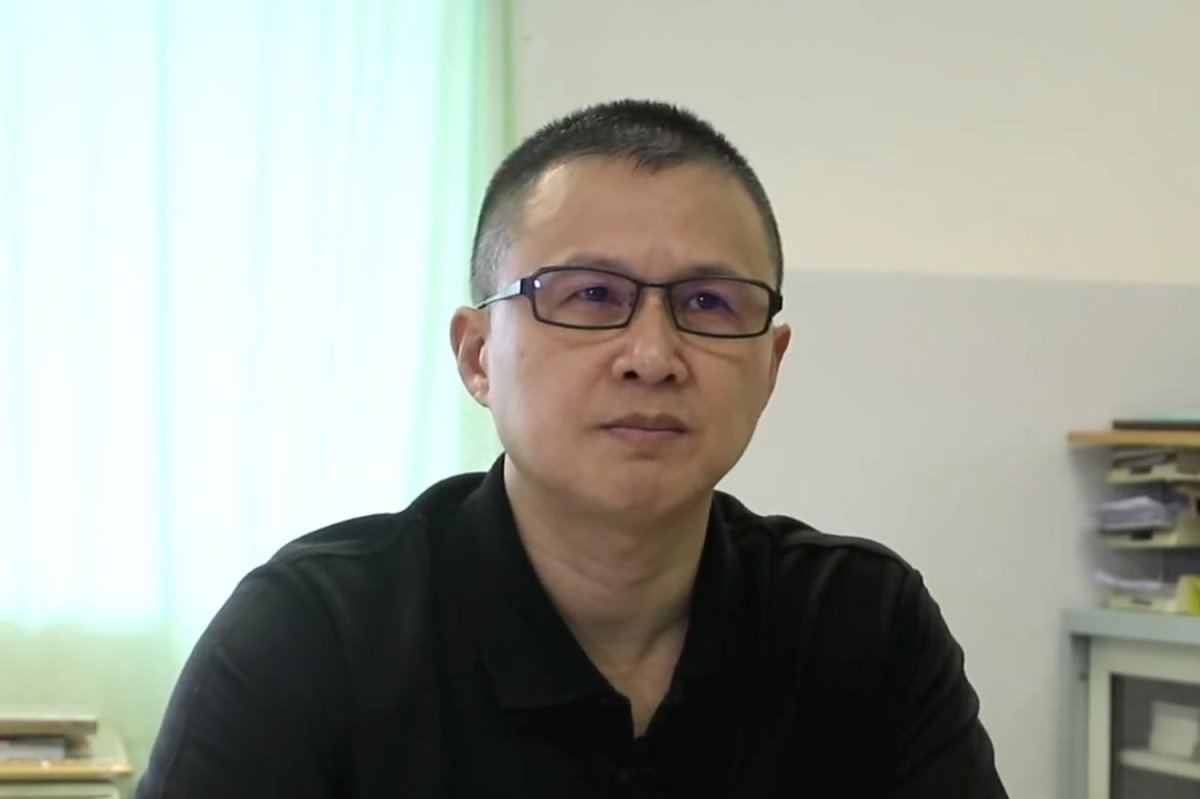
The hospital is a beacon in a remote area where the next nearest hospital is several hours away, but the finances tell another story. Monthly operating costs run about 12.4 million baht, of which nearly 8 million baht goes to salaries for roughly 400 staff. Fuel, diesel for generators, gasoline for ambulances, cost half a million baht a month before this year; with prices rising, it’s now closer to 700,000. “The plain truth is, nobody gives you gas if you don’t pay for it,” he says.
Medicine donations help, but they don’t cover payroll or fuel. Annual fundraising drives have historically brought in tens of millions of baht, enough in good years to clear the hospital’s debts. Thai doctors based in the United States contribute; European support arrives more sporadically. The hospital runs a QR code for direct donations and keeps an open account for anyone who wants to help. Even so, “seek money early in the month to cover expenses at the end of the month” has become an operating principle in the ongoing struggle, and when patients need referral elsewhere for advanced treatment, those hospitals require payment up front. They don’t treat for free.
At the centre of the policy problem is a single Thai legal term: bukhon, person.
“The meaning of ‘person’ shifts depending on the law,” Dr Worawit says. “It’s one thing in criminal law, another thing under the Social Security Act. If the word is interpreted narrowly, it only includes Thai citizens.”
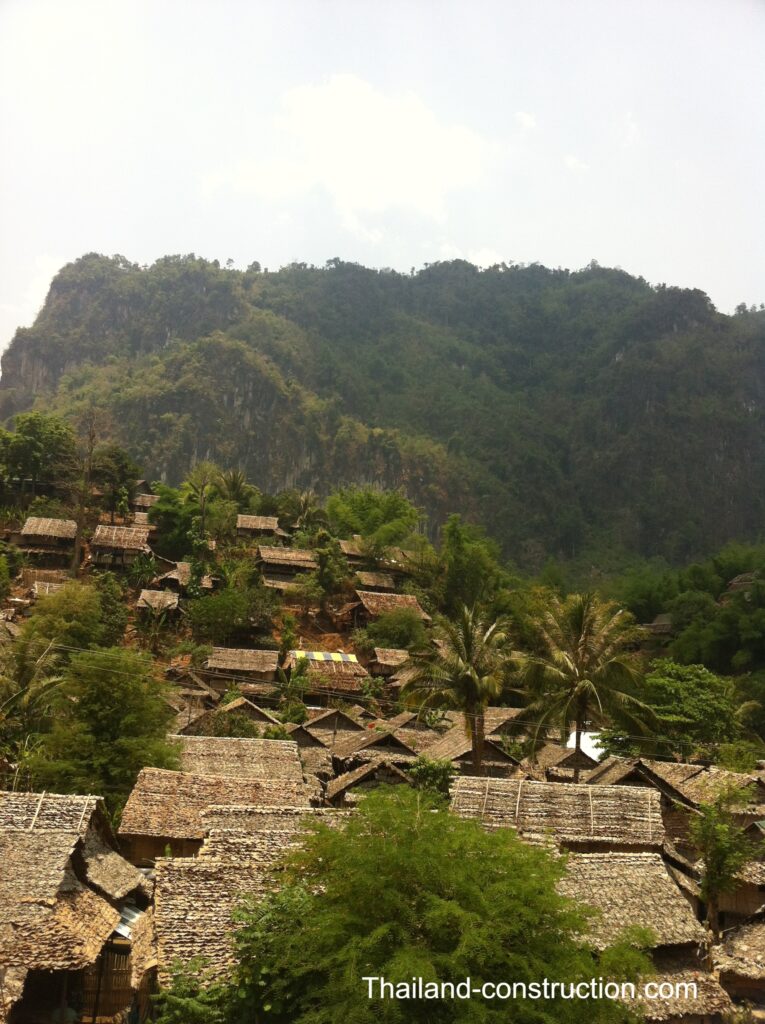
 Criminal law treats “person” as universal: a killing is a killing, regardless of who commits it or against whom. Social security law does not. It is precisely in that gap, Dr Worawit says, that the bureaucratic difficulties of his work lie.
“We can’t solve these problems without loosening up the rules, making room for exceptions,” he says. He raises the example of Greece during the Eurozone debt crisis when the public health system was pushed to the brink, and families faced growing financial pressure around childbirth — particularly for Caesarean deliveries, which often carried substantial out‑of‑pocket costs in practice, if not always in law. Hospitals struggled to meet basic obligations amid chronic underfunding. At the same time, debt enforcement intensified across the economy, with property seizures becoming commonplace.
“It violates medical ethics,” he says. “It contradicts the Hippocratic Oath, a fundamental medical teaching inherited from ancient Greece.”
“If we don’t preserve humanity, the world will collapse,” he says.
Dr Worawit once planned a different ending to his career, as a Buddhist monk helping Aids patients at Wat Phrabat Nam Phu, before the abbot he’d hoped to study under, Luang Pho Alongkot, was defrocked and arrested on embezzlement and money-laundering charges.
“Okay, then I won’t go with that plan,” he says. “I won’t… I won’t… become a monk anymore.”
Instead he built a house in rural Umphang, where he intends to keep working in some capacity even after he formally steps back, gradually handing the hospital, and its donors, to the younger doctors who arrived as recruits decades ago and are now experienced enough to run hospitals of their own.
“I can continue to help at the hospital, I can see patients,” he says. “It will also give me the opportunity to talk to the donors who have been so kind to Umphang Hospital all along, some of whom I know, so they can continue to support the hospital. I’ll gradually hand over the responsibilities to younger doctors who will take over from me.”
“One day I will die, so the baton has to be handed off to others,” he says. “As hard as it is for me, I have to learn to ‘let it go.'”
His closing reflection returns to the word at the root of his philosophy: thammachat, nature, built from dharma.
“Can we afford to let go of our humanitarian nature?” In a world he sees as materially advanced but spiritually regressive, he argues there’s no room to look away from a neighbouring country that cannot care for its own people.
“If lives can be saved, shouldn’t we do our best?”
He extends an open invitation: come to Umphang, see the camps, see the hospital, see what’s at stake.
Philip J Cunningham is a media researcher covering Asian politics. He is the author of ‘Tiananmen Moon’.
Source: https://www.bangkokpost.com/opinion/opinion/3286224/worawit-the-doctor-with-a-border
Google Translation:
นายแพทย์วรวิทย์ ให้การรักษาผู้ป่วยในพื้นที่ห่างไกลและทุรกันดารตามแนวชายแดนไทย-เมียนมาร์
โรงพยาบาลอุปพัง อำเภอตาก ที่ซึ่งชาวบ้านและผู้ลี้ภัยจำนวนมากจากสงครามกลางเมืองในเมียนมาร์ต้องพึ่งพาแพทย์เพื่อรักษาชีวิต (ภาพ: ปาริตตา วังเกียรติ)
นายแพทย์วรวิทย์ ตันติวัฒนาทรัพย์ ผู้อำนวยการโรงพยาบาลอุปพัง ได้อุทิศทั้งชีวิตการทำงานเพื่อรักษาผู้ป่วยในพื้นที่ห่างไกลและทุรกันดารตามแนวชายแดนไทย-เมียนมาร์ “แพทย์ชายแดนเปรียบเสมือนทหาร แต่ศัตรูไม่ใช่คนหรือกองทัพ แต่เป็นโรคระบาด” เขากล่าวในการสัมภาษณ์เมื่อวันที่ 19 มิถุนายน “การป้องกันโรคระบาดไม่ให้ข้ามเข้ามาในประเทศไทยเป็นสิ่งสำคัญยิ่ง”
เขามีวิธีการที่เฉียบคมในการอธิบายประเด็นถกเถียงเรื่องนโยบายเกี่ยวกับผู้ที่สมควรได้รับการดูแลและผู้ที่ไม่สมควรได้รับ “พรมแดนเป็นเพียงแนวคิดที่สร้างขึ้นบนกระดาษโดยแผนที่ มันไม่ได้มีอยู่จริงในธรรมชาติ” เขากล่าว “ยุงบินไปมาข้ามพรมแดน เดินทางโดยไม่มีพาสปอร์ต ไม่ขอวีซ่า เราต้องดูแลทุกคน เราไม่ควรเลือกปฏิบัติโดยพิจารณาจากสัญชาติ”
ดร.วรวิทย์ ได้รับรางวัลมูลนิธิสุขภาพแห่งสหรัฐอาหรับเอมิเรตส์ประจำปี 2026 จากองค์การอนามัยโลก (WHO) รางวัลนี้มอบให้ในระหว่างการประชุมสมัชชาอนามัยโลกครั้งที่ 79 ที่เจนีวา สวิตเซอร์แลนด์ เมื่อวันที่ 20 พฤษภาคม
เขาทำงานอยู่ในหนึ่งในห้าอำเภอของไทยที่ติดกับรัฐกะเหรี่ยงของเมียนมาร์ ซึ่งปัจจุบันเรียกว่าประเทศกะเหรี่ยงเกาะกู๋ล สำหรับเขา เส้นแบ่งเขตแดนนี้มีอายุเพียงศตวรรษกว่าๆ เท่านั้น เมื่ออังกฤษแบ่งพม่าออกจากสยาม เส้นแบ่งเขตแดนได้ตัดผ่านชุมชนกะเหรี่ยง ซึ่งพวกเขายังคงใช้ชีวิตราวกับว่าไม่มีพรมแดนอยู่ตรงนั้น เยี่ยมเยียนครอบครัว แต่งงานข้ามพรมแดน คลอดบุตรในป่าโดยมีนางผดุงครรภ์ช่วยเหลือ การเกิดเหล่านั้นจำนวนมากไม่เคยได้รับการจดทะเบียน หลายชั่วอายุคนต่อมา ผลลัพธ์ที่ได้คือประชากรที่ ดร.วรวิทย์เรียกว่า “ชาวต่างชาติกึ่งๆ” คือชาวกะเหรี่ยงที่เกิดและเติบโตในประเทศไทยแต่ไม่มีบัตรประจำตัวประชาชนไทย ไร้สัญชาติบนแผ่นดินที่ครอบครัวของพวกเขาอาศัยอยู่มานานเท่าที่ใครๆ ก็จำได้
นอกจากนี้ยังมีชาวต่างชาติที่แท้จริง คือผู้ลี้ภัยชาวกะเหรี่ยงที่หนีภัยสงครามในเมียนมาร์และตั้งถิ่นฐานในค่ายผู้ลี้ภัยตามแนวชายแดน จังหวัดตากมีค่ายผู้ลี้ภัยขนาดใหญ่ที่สุด 3 แห่ง ได้แก่ แม่ลา อุมเพียร และหนูโพ รวมกันแล้วมีผู้ลี้ภัยอาศัยอยู่ประมาณ 60,000 คน ซึ่งเป็นสัดส่วนที่มากพอสมควรของผู้ลี้ภัยที่ยังคงอาศัยอยู่ในค่ายตามแนวชายแดน สำนักงานข้าหลวงใหญ่แห่งสหประชาชาติว่าด้วยผู้ลี้ภัยและองค์กรพัฒนาเอกชนระหว่างประเทศให้การสนับสนุนพวกเขา นอกเหนือจากค่ายผู้ลี้ภัยแล้ว จากการนับอย่างคร่าวๆ ของ ดร.วรวิทย์ อาจมีประชากรประมาณครึ่งหนึ่งจากประมาณ 280,000 คนที่อาศัยอยู่ในเขตชายแดนนอกเหนือจากการกำหนดอย่างเป็นทางการใดๆ ที่ไร้สัญชาติหรือไม่มีเอกสารเช่นกัน ส่วนที่เหลือเป็นแรงงานอพยพที่ถูกดึงดูดไปยังโรงงานตัดเย็บเสื้อผ้าในแม่สอด แทบไม่มีใครในพวกเขามีบัตรประจำตัวประชาชนไทยเลย กระทรวงมหาดไทยพยายามขึ้นทะเบียนพวกเขาด้วยบัตรพิเศษ ซึ่งไม่ใช่การให้สิทธิ์พำนักถาวร แต่ประชากรเหล่านี้อาศัยอยู่ในพื้นที่ห่างไกล มักอยู่นอกระบบเครือข่าย และเคลื่อนย้ายเร็วเกินกว่าที่ระบบราชการจะตามทัน
สิ่งที่เชื่อมโยงพวกเขาเข้าด้วยกัน ตามคำบอกเล่าของ ดร.วรวิทย์ คือ ภูมิศาสตร์และโรคภัยไข้เจ็บ อำเภอชายแดนตั้งอยู่ในภูมิประเทศเขตร้อนที่ห่างไกลทั้งสองฝั่ง ทั้งไทยและเมียนมาร์ต่างเป็นชนบทและขาดแคลนบริการ โครงสร้างพื้นฐานทางการแพทย์ขั้นพื้นฐานล้าหลังไปเป็นทศวรรษ “มีโรคที่สามารถแพร่กระจายได้” เขากล่าว “มาลาเรีย อหิวาตกโรค วัณโรค เยื่อหุ้มสมองอักเสบจากเชื้อเมนิงโกค็อกคัส คอตีบ ไอกรุน ทุกโรคที่นึกออก” สงครามในฝั่งเมียนมาร์ ด้วยการพลัดถิ่นและการเคลื่อนย้ายกำลังทหาร ยิ่งเร่งการแพร่กระจายของโรค
โควิด-19 ทำให้สถานการณ์ชัดเจนขึ้น เงินบริจาคทำให้โรงพยาบาลอุมพังสามารถดำเนินการศูนย์แยกกักตัวชุมชน 9 แห่งในฝั่งเมียนมาร์ โดยมีบุคลากรของโรงพยาบาลเองเป็นผู้ดูแล ผู้ป่วยที่มีอาการหนักที่สุดจะถูกส่งตัวโดยรถพยาบาลไปยังเครื่องช่วยหายใจและโรงพยาบาลสนามของอุมพัง จากการนับของเขา โรงพยาบาลแห่งนี้ดูแลผู้คนประมาณ 83,000 คนในช่วงการระบาดใหญ่ ซึ่งเกินกว่างบประมาณที่รัฐบาลจัดสรรไว้ (โดยปกติแล้วจะครอบคลุมเฉพาะพลเมืองไทยเท่านั้น) อย่างมาก
เขากลับมาพูดถึงเรื่องแพทย์ที่ชายแดน ทำหน้าที่แทนทหาร หลายครั้งในระหว่างการสัมภาษณ์ “เราคือนักรบแนวหน้าต่อสู้กับโรคติดต่อ” เขากล่าว “และนั่นมีส่วนช่วยสร้างความมั่นคงให้กับประเทศชาติ”
โรงพยาบาลแห่งนี้เป็นเหมือนแสงสว่างในพื้นที่ห่างไกล ซึ่งโรงพยาบาลที่ใกล้ที่สุดอยู่ห่างออกไปหลายชั่วโมง แต่ด้านการเงินกลับบอกเล่าเรื่องราวที่แตกต่างออกไป ค่าใช้จ่ายในการดำเนินงานรายเดือนอยู่ที่ประมาณ 12.4 ล้านบาท ซึ่งเกือบ 8 ล้านบาทเป็นเงินเดือนสำหรับเจ้าหน้าที่ประมาณ 400 คน ค่าน้ำมันเชื้อเพลิง ดีเซลสำหรับเครื่องกำเนิดไฟฟ้า น้ำมันเบนซินสำหรับรถพยาบาล มีราคาครึ่งล้านบาทต่อเดือนก่อนปีนี้ แต่ด้วยราคาที่สูงขึ้น ปัจจุบันมีราคาใกล้เคียง 700,000 บาท “ความจริงก็คือ ไม่มีใครให้น้ำมันคุณถ้าคุณไม่จ่าย” เขากล่าว
การบริจาคยาช่วยได้ แต่ไม่เพียงพอที่จะจ่ายเงินเดือนหรือค่าน้ำมัน การระดมทุนประจำปีเคยได้เงินมาหลายสิบล้านบาท ซึ่งในปีกที่ดีๆ ก็เพียงพอที่จะชำระหนี้ของโรงพยาบาลได้ แพทย์ไทยที่ทำงานในสหรัฐอเมริกาบริจาคเงิน ส่วนการสนับสนุนจากยุโรปมาเป็นระยะๆ โรงพยาบาลมีระบบคิวอาร์โค้ดสำหรับการบริจาคโดยตรง และเปิดบัญชีไว้ให้ทุกคนที่ต้องการช่วยเหลือ ถึงกระนั้น “การหาเงินตั้งแต่ต้นเดือนเพื่อใช้จ่ายตอนสิ้นเดือน” ก็กลายเป็นหลักการดำเนินงานในการต่อสู้ที่ดำเนินอยู่ และเมื่อผู้ป่วยจำเป็นต้องได้รับการส่งต่อเพื่อรับการรักษาขั้นสูงที่โรงพยาบาลอื่น โรงพยาบาลเหล่านั้นก็ต้องการการชำระเงินล่วงหน้า พวกเขาไม่ได้รักษาฟรี
ปัญหาสำคัญของนโยบายอยู่ที่คำศัพท์ทางกฎหมายของไทยคำเดียว คือ “คน”
“ความหมายของ ‘คน’ เปลี่ยนไปตามกฎหมาย” ดร.วรวิทย์กล่าว “มันเป็นอย่างหนึ่งในกฎหมายอาญา เป็นอีกอย่างหนึ่งในพระราชบัญญัติประกันสังคม หากตีความคำนี้อย่างแคบๆ ก็จะหมายความเฉพาะพลเมืองไทยเท่านั้น”
กฎหมายอาญาถือว่า “บุคคล” เป็นสิ่งสากล: การฆ่าก็คือการฆ่า ไม่ว่าใครจะเป็นผู้กระทำหรือกระทำต่อใครก็ตาม แต่กฎหมายประกันสังคมไม่ได้เป็นเช่นนั้น ดร.วรวิทย์กล่าวว่า ช่องว่างนี้เองที่เป็นต้นเหตุของความยากลำบากทางด้านระบบราชการในการทำงานของเขา
“เราไม่สามารถแก้ปัญหาเหล่านี้ได้หากไม่ผ่อนปรนกฎระเบียบและเปิดทางให้มีข้อยกเว้น” เขากล่าว เขายกตัวอย่างประเทศกรีซในช่วงวิกฤตหนี้ยูโรโซน เมื่อระบบสาธารณสุขถูกผลักดันไปสู่จุดวิกฤต และครอบครัวต้องเผชิญกับแรงกดดันทางการเงินที่เพิ่มขึ้นเกี่ยวกับการคลอดบุตร โดยเฉพาะอย่างยิ่งการผ่าคลอด ซึ่งมักมีค่าใช้จ่ายส่วนตัวจำนวนมากในทางปฏิบัติ แม้ว่าจะไม่เป็นเช่นนั้นเสมอไปในทางกฎหมาย โรงพยาบาลต่างดิ้นรนเพื่อปฏิบัติตามภาระผูกพันขั้นพื้นฐานท่ามกลางการขาดแคลนงบประมาณอย่างเรื้อรัง ในขณะเดียวกัน การบังคับใช้หนี้ก็เข้มข้นขึ้นทั่วทั้งเศรษฐกิจ โดยการยึดทรัพย์สินกลายเป็นเรื่องปกติ
“มันขัดต่อจริยธรรมทางการแพทย์” เขากล่าว “มันขัดแย้งกับคำปฏิญาณของฮิปโปเครติส ซึ่งเป็นหลักคำสอนทางการแพทย์พื้นฐานที่สืบทอดมาจากกรีกโบราณ”
“ถ้าเราไม่รักษามนุษยชาติไว้ โลกจะล่มสลาย” เขากล่าว
ครั้งหนึ่ง ดร.วรวิทย์เคยวางแผนจบชีวิตการทำงานที่แตกต่างออกไป โดยการเป็นพระภิกษุช่วยเหลือผู้ป่วยเอดส์ที่วัดพระบาทน้ำภู ก่อนที่เจ้าอาวาสที่เขาหวังจะเรียนด้วยอย่างหลวงพ่ออลงก็อต จะถูกปลดจากตำแหน่งและถูกจับกุมในข้อหาฉ้อโกงและฟอกเงิน
“เอาล่ะ งั้นผมจะไม่ทำตามแผนนั้นแล้ว” เขากล่าว “ผมจะไม่… ผมจะไม่… เป็นพระภิกษุอีกต่อไป”
แทนที่จะเป็นเช่นนั้น เขาได้สร้างบ้านในชนบทอำเภออุมพัง ซึ่งเขาตั้งใจจะทำงานที่นั่นต่อไปแม้หลังจากที่เขาถอยออกจากตำแหน่งอย่างเป็นทางการ โดยค่อยๆ ส่งมอบโรงพยาบาลและผู้บริจาคให้กับแพทย์รุ่นใหม่ที่เข้ามาเป็นแพทย์ฝึกหัดเมื่อหลายสิบปีก่อนและตอนนี้มีประสบการณ์มากพอที่จะบริหารโรงพยาบาลของตนเองได้แล้ว
“ผมยังสามารถช่วยเหลือที่โรงพยาบาลได้ ผมยังสามารถตรวจคนไข้ได้” เขากล่าว “นอกจากนี้ยังเป็นโอกาสให้ผมได้พูดคุยกับผู้บริจาคที่ให้ความช่วยเหลือโรงพยาบาลอุปพังมาโดยตลอด ซึ่งบางท่านผมก็รู้จัก เพื่อที่พวกเขาจะได้ให้การสนับสนุนโรงพยาบาลต่อไป ผมจะค่อยๆ ส่งมอบความรับผิดชอบให้กับแพทย์รุ่นใหม่ที่จะมารับช่วงต่อจากผม”
“สักวันหนึ่งผมก็ต้องตาย ดังนั้นไม้ต่อก็ต้องส่งต่อให้คนอื่น” เขากล่าว “ถึงแม้จะยากสำหรับผม แต่ผมก็ต้องเรียนรู้ที่จะ ‘ปล่อยวาง’”
บทสรุปของเขาหวนกลับไปสู่คำที่เป็นรากฐานของปรัชญาของเขา นั่นคือ ธรรมชาติ ธรรมชาติ ที่สร้างขึ้นจากธรรมะ
“เราจะยอมปล่อยวางธรรมชาติแห่งมนุษยธรรมของเราได้หรือไม่?” ในโลกที่เขาเห็นว่าเจริญก้าวหน้าทางวัตถุแต่ถดถอยทางจิตวิญญาณ เขาโต้แย้งว่าไม่มีที่ว่างให้เราเมินเฉยต่อประเทศเพื่อนบ้านที่ไม่สามารถดูแลประชาชนของตนเองได้
“ถ้าเราสามารถช่วยชีวิตคนได้ เราก็ควรทำอย่างสุดความสามารถไม่ใช่หรือ?”
เขาเชิญชวนอย่างเปิดกว้าง: มาที่อุมพาง มาดูค่ายผู้ลี้ภัย มาดูโรงพยาบาล มาดูสิ่งที่กำลังตกอยู่ในอันตราย
ฟิลิป เจ. คันนิงแฮม เป็นนักวิจัยด้านสื่อที่รายงานข่าวการเมืองเอเชีย เขาเป็นผู้เขียนหนังสือ ‘ดวงจันทร์เทียนอันเหมิน’