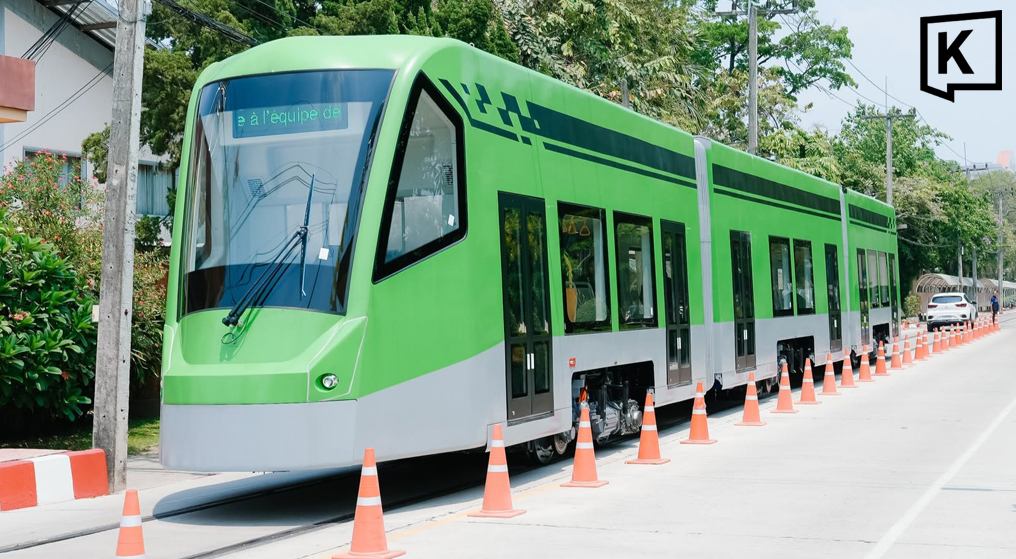
 Thai-developed light rail tram known as the “Luk Isan Tram” begins track testing at RMUTI’s Khon Kaen Campus
THIS NEWS ARTICLE KINDLY SPONSORED BY FALLPROTEC, A WORLD-RENOWNED NAME IN THE DESIGN AND MANUFACTURE OF PREMIUM FALL PROTECTION SYSTEMS AND HEIGHT ACCESS SOLUTIONS
Rajamangala University of Technology Isan (RMUTI) has successfully begun real-track testing of a Thai-developed light rail transit (LRT) prototype, marking a significant step in the country’s efforts to develop homegrown rail technology and train a new generation of railway engineers.
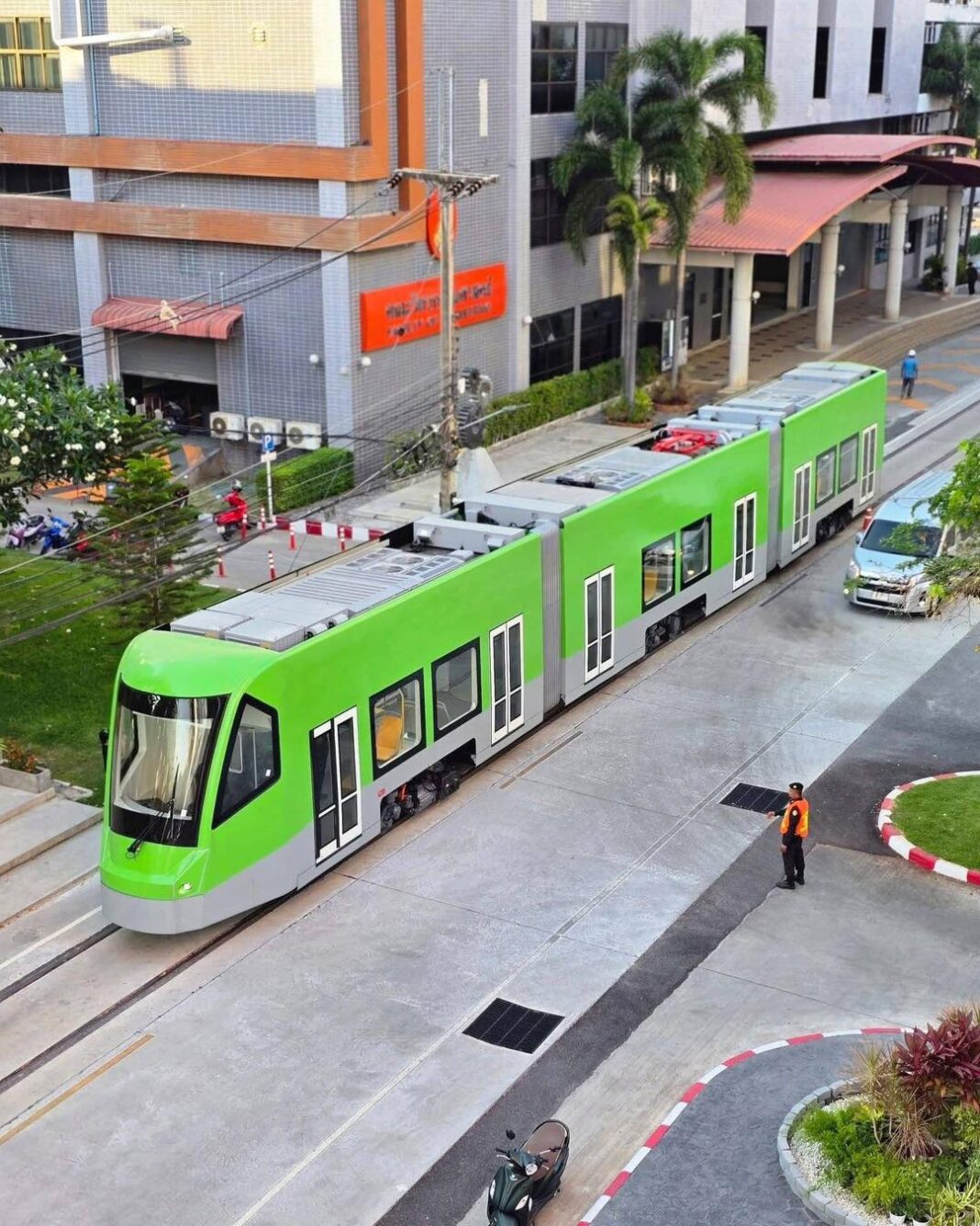
 The prototype, known as the “Luk Isan Tram,” has been undergoing continuous testing on a dedicated railway track at RMUTI’s Khon Kaen Campus, attracting widespread public attention on social media.
On 10 July 2026, RMUTI President Assoc. Prof. Dr. Kosit Sriphuthorn said the successful trials demonstrate Thailand’s growing capability to design, develop and test rail technology using local expertise. ThaiGovernment Updates
“What people see today is not just the testing of a prototype light rail vehicle,” he said. “It reflects the potential of Thai engineers to design and develop practical railway technology. We are not only building a tram but also creating knowledge, developing skilled personnel and laying the foundation for Thailand’s rail industry.”
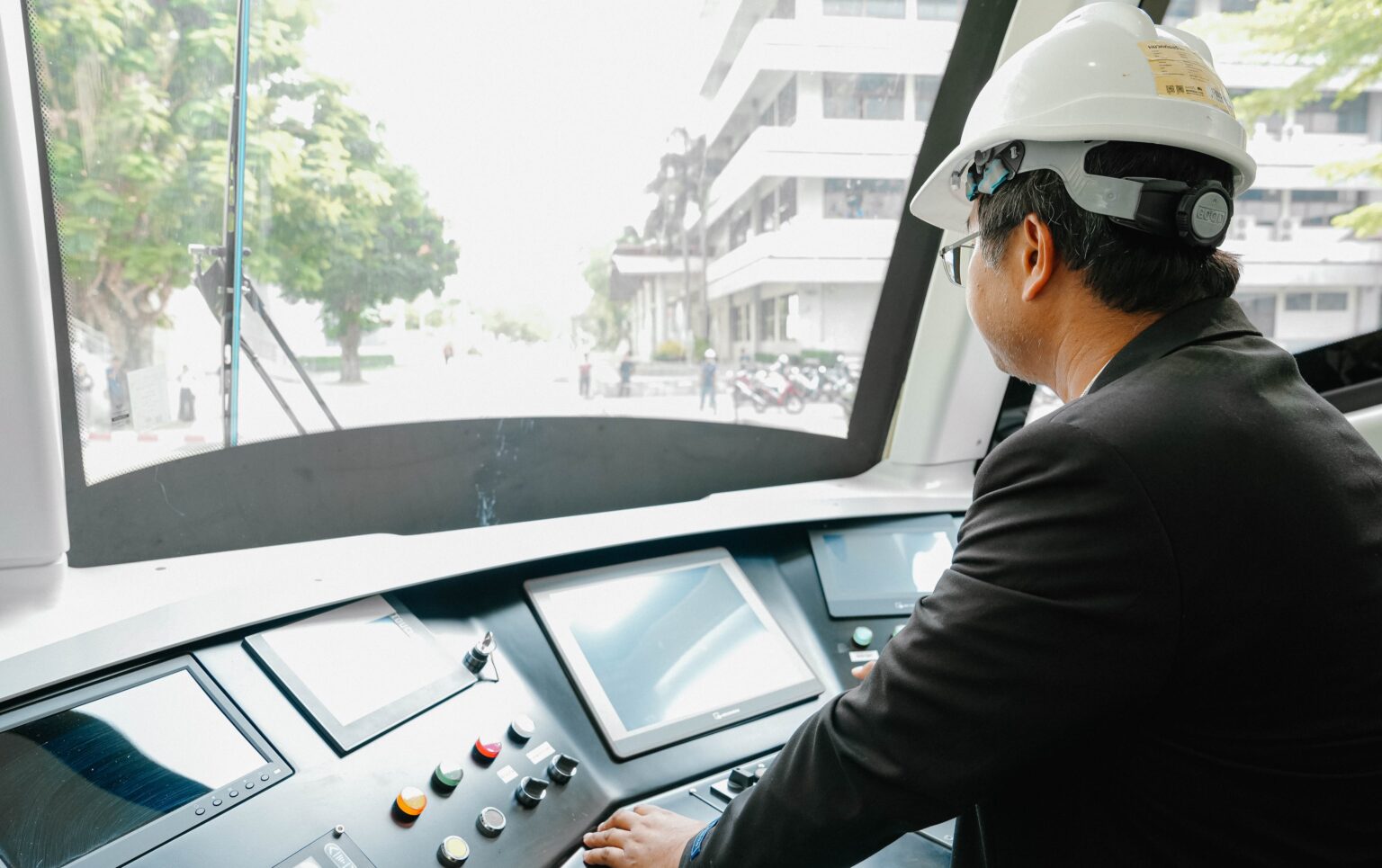 The testing programme covers the tram’s performance on straight and curved tracks, braking systems, propulsion, wheel assemblies and other key components developed by the university’s research team.
Engineers are also evaluating locally developed rail fastening systems, rail pads and groove rail pads to ensure the prototype meets performance and safety requirements for future operation.
The university said the project incorporates international railway engineering standards, adapting global best practices in design, safety, control systems and maintenance to suit Thailand’s operating conditions.
Beyond serving as a testing facility, the railway track at the Khon Kaen campus functions as a large-scale laboratory where students, lecturers and researchers gain hands-on experience in railway design, manufacturing, installation, testing, maintenance and system management.
RMUTI said it has spent more than 15 years developing rail engineering programmes, research and industry partnerships.
The university hopes to establish its Khon Kaen campus as a regional centre for railway education, research and innovation, supporting workforce development and strengthening Thailand’s long-term goal of building a self-reliant rail industry.
Source: https://www.khaosodenglish.com/tech/2026/07/10/thai-developed-light-rail-tram-begins-track-testing/
Google Translation:
รถไฟฟ้ารางเบาที่พัฒนาโดยไทย หรือที่รู้จักกันในชื่อ “รถไฟฟ้ารางเบาอีสาน” เริ่มทดสอบบนรางจริงแล้วที่มหาวิทยาลัยเทคโนโลยีราชมงคลอีสาน วิทยาเขตขอนแก่น
ข่าวนี้ได้รับการสนับสนุนโดย FALLPROTEC บริษัทชั้นนำระดับโลกด้านการออกแบบและการผลิตระบบป้องกันการตกจากที่สูงและโซลูชันการเข้าถึงที่สูง
มหาวิทยาลัยเทคโนโลยีราชมงคลอีสาน (RMUTI) ได้เริ่มทดสอบรถไฟฟ้ารางเบาต้นแบบที่พัฒนาโดยไทยบนรางจริงแล้ว ซึ่งถือเป็นก้าวสำคัญในการพัฒนาเทคโนโลยีรถไฟภายในประเทศและฝึกอบรมวิศวกรทางรถไฟรุ่นใหม่
รถไฟฟ้าต้นแบบดังกล่าว ซึ่งรู้จักกันในชื่อ “รถไฟฟ้ารางเบาอีสาน” ได้รับการทดสอบอย่างต่อเนื่องบนรางรถไฟเฉพาะที่มหาวิทยาลัยเทคโนโลยีราชมงคลอีสาน วิทยาเขตขอนแก่น และได้รับความสนใจอย่างกว้างขวางจากสาธารณชนบนสื่อสังคมออนไลน์
เมื่อวันที่ 10 กรกฎาคม 2569 อธิการบดีมหาวิทยาลัยเทคโนโลยีราชมงคลอีสาน รองอธิการบดี… ศาสตราจารย์ ดร. โคสิท ศรีภูธร กล่าวว่า การทดสอบที่ประสบความสำเร็จแสดงให้เห็นถึงศักยภาพที่เพิ่มขึ้นของประเทศไทยในการออกแบบ พัฒนา และทดสอบเทคโนโลยีทางรถไฟโดยใช้ความเชี่ยวชาญภายในประเทศ (ThaiGovernment Updates)
“สิ่งที่ผู้คนเห็นในวันนี้ไม่ใช่แค่การทดสอบรถรางต้นแบบ” เขากล่าว “มันสะท้อนให้เห็นถึงศักยภาพของวิศวกรไทยในการออกแบบและพัฒนาเทคโนโลยีทางรถไฟที่ใช้งานได้จริง เราไม่ได้แค่สร้างรถราง แต่ยังสร้างองค์ความรู้ พัฒนาบุคลากรที่มีทักษะ และวางรากฐานสำหรับอุตสาหกรรมทางรถไฟของประเทศไทย”
โครงการทดสอบครอบคลุมประสิทธิภาพของรถรางบนรางตรงและรางโค้ง ระบบเบรก ระบบขับเคลื่อน ชุดล้อ และส่วนประกอบสำคัญอื่นๆ ที่พัฒนาโดยทีมวิจัยของมหาวิทยาลัย
วิศวกรยังประเมินระบบยึดราง แผ่นรองราง และแผ่นรองรางแบบร่องที่พัฒนาขึ้นในประเทศ เพื่อให้แน่ใจว่าต้นแบบตรงตามข้อกำหนดด้านประสิทธิภาพและความปลอดภัยสำหรับการใช้งานในอนาคต
มหาวิทยาลัยกล่าวว่าโครงการนี้ได้รวมเอามาตรฐานวิศวกรรมทางรถไฟระหว่างประเทศ โดยปรับใช้แนวปฏิบัติที่ดีที่สุดระดับโลกในด้านการออกแบบ ความปลอดภัย ระบบควบคุม และการบำรุงรักษาให้เหมาะสมกับสภาพการใช้งานของประเทศไทย
นอกจากจะเป็นสถานที่ทดสอบแล้ว รางรถไฟในวิทยาเขตขอนแก่นยังทำหน้าที่เป็นห้องปฏิบัติการขนาดใหญ่ ที่นักศึกษา อาจารย์ และนักวิจัยได้รับประสบการณ์ตรงในการออกแบบ ผลิต ติดตั้ง ทดสอบ บำรุงรักษา และบริหารจัดการระบบรถไฟ
มหาวิทยาลัยการรถไฟแห่งประเทศไทย (รฟ.ม.ท.) กล่าวว่าได้ใช้เวลามากกว่า 15 ปีในการพัฒนาหลักสูตรวิศวกรรมรถไฟ งานวิจัย และความร่วมมือกับภาคอุตสาหกรรม
มหาวิทยาลัยหวังที่จะพัฒนาวิทยาเขตขอนแก่นให้เป็นศูนย์กลางระดับภูมิภาคสำหรับการศึกษา วิจัย และนวัตกรรมด้านรถไฟ สนับสนุนการพัฒนาบุคลากร และเสริมสร้างเป้าหมายระยะยาวของประเทศไทยในการสร้างอุตสาหกรรมรถไฟที่พึ่งพาตนเองได้