Experts question steel plant’s reopening in Thailand
Xin Ke Yuan Steel had been shut due to regulatory, safety and environmental violations
THIS NEWS ARTICLE KINDLY SPONSORED BY FALLPROTEC, A WORLD-RENOWNED NAME IN THE DESIGN AND MANUFACTURE OF PREMIUM FALL PROTECTION SYSTEMS AND HEIGHT ACCESS SOLUTIONS
The government’s decision to allow Xin Ke Yuan Steel to resume operations has raised fresh questions about public safety and whether regulations adequately address concerns surrounding steel produced through induction furnace (IF) technology.
The debate extends beyond a single steelmaker to the broader issue of how regulators should respond when structural engineers and industry experts continue to raise concerns about materials used in critical infrastructure and buildings.
Xin Ke Yuan Steel is a Chinese company operating in Thailand. The company was accused by the previous government of producing substandard steel products. An earthquake on March 28, 2025, led to the collapse of the 30-storey State Audit Office (SAO) building, killing nearly 100 people.
Xin Ke Yuan Steel, which had been shut for more than 18 months over regulatory, safety and environmental violations, was cleared to resume operations on June 5 after authorities concluded the company had complied with the conditions required for reopening.
The government, however, insists the reopening was required under existing law after the company addressed deficiencies identified by regulators and met the necessary standards.
Industry Minister Varawut Silpa-archa has pledged more frequent inspections of steel plants and said IF-based steelmakers will be required to install and operate ladle refining furnaces to strengthen quality control.
He warned that production could again be suspended if future tests uncover violations or substandard products.
Yet the controversy surrounding the decision to reopen the plant has not subsided.
Among the most prominent critics is Prof Amorn Pimanmas, president of the Thailand Structural Engineers Association, who has called for stricter oversight of IF-produced steel, separate technical standards and clearer product identification.
He argues steel produced through induction furnace technology may be more vulnerable to quality inconsistencies if manufacturing controls are inadequate, particularly when recycled scrap metal is used as feedstock and secondary refining processes are insufficient.
He also urges authorities to consider restrictions on its use in critical structures, high-rise buildings and areas vulnerable to seismic activity.
Following heightened concerns over construction standards after the March 2025 earthquake and the collapse of the SAO building under construction, some government agencies, including the Bangkok Metropolitan Administration, have reportedly restricted the use of IF-produced steel in major infrastructure projects such as bridges, elevated roads and rail systems.
The restrictions themselves do not prove that IF-produced steel is unsafe, but they raise legitimate questions about how risks associated with the technology are being assessed.
Additional questions have also been raised by Atavit Suwanpakdee, a former adviser to Industry Minister Akanat Promphan who previously helped lead inspections that resulted in the plant’s closure. Mr Atavit questions whether existing quality-control and testing procedures are sufficient to ensure product safety, calling for stricter safeguards governing the use of IF-produced steel in critical structures and public infrastructure projects.
These concerns deserve attention, even though manufacturers argue that IF technology is widely used internationally and can produce steel that meets required standards when proper quality controls are in place. Moreover, investigations into the collapse of the SAO building have yet to establish whether steel quality played any role in the disaster.
However, the more important question is whether Thailand’s standards and oversight mechanisms adequately address concerns raised by structural engineers. When respected experts question whether current regulations sufficiently account for the limitations of a particular production process, those concerns warrant serious scrutiny.
Recent reports from the Philippines have drawn attention to concerns about construction quality and material standards in earthquake-prone areas. While direct comparisons should be approached with caution and investigations into specific structural failures remain ongoing, such incidents serve as a reminder that weaknesses in oversight often become apparent only after disaster strikes.
The reopening of Xin Ke Yuan Steel should prompt the Industry Ministry to undertake a broader reassessment of whether regulations governing IF-produced steel remain adequate to safeguard public safety.
The government may be correct in arguing the company fulfilled the legal conditions required for reopening. Yet legality and public confidence are not always the same thing.
When concerns continue to be raised by structural engineers, industry groups and even some public agencies, policymakers should view them not as obstacles to industrial activity but as opportunities to strengthen public trust.
When public safety is at stake, meeting the minimum legal requirement should be regarded as the starting point of regulatory responsibility, not the end of it.
Source: https://www.bangkokpost.com/thailand/general/3270845/experts-question-steel-plants-reopening
Google Translation:
ผู้เชี่ยวชาญตั้งคำถามเกี่ยวกับการเปิดโรงงานเหล็กอีกครั้งในประเทศไทย
โรงงานเหล็กซินเคอหยวนถูกปิดเนื่องจากการละเมิดกฎระเบียบ ความปลอดภัย และสิ่งแวดล้อม
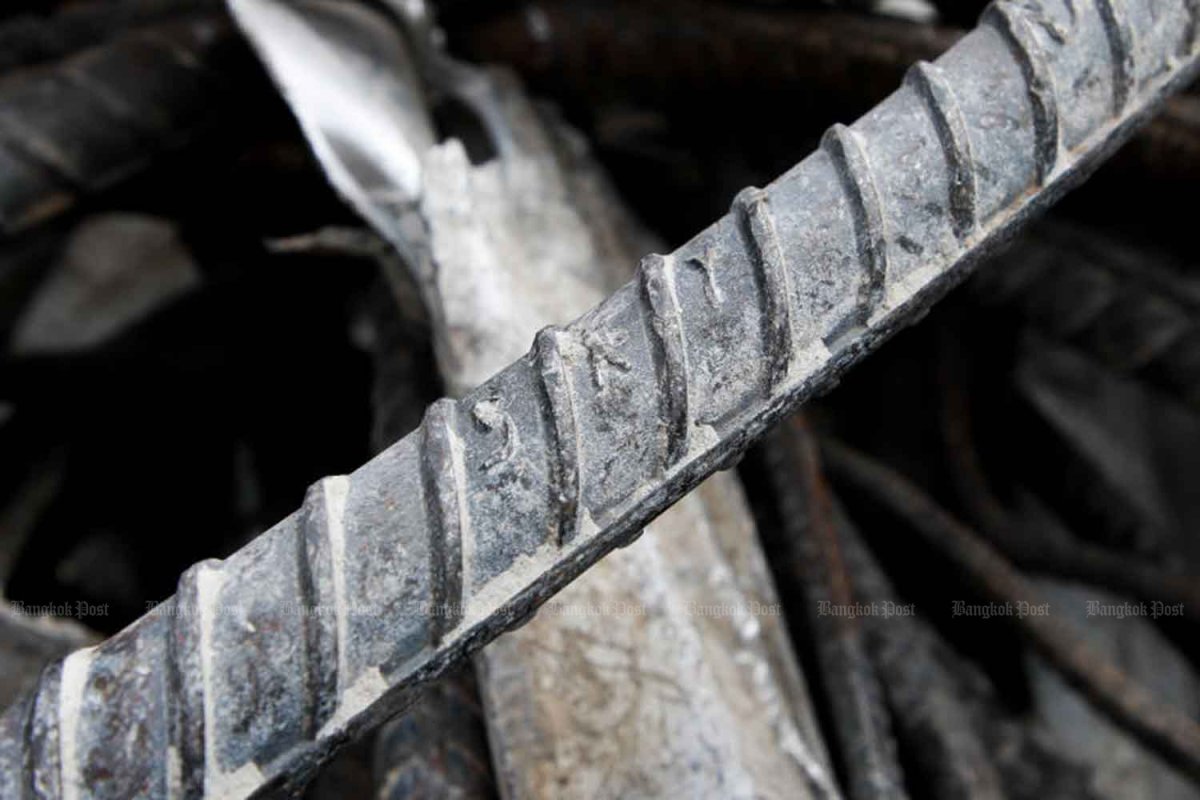
กองเหล็กเส้นที่ถูกรื้อถอนจากสถานที่ก่อสร้างอาคารสำนักงานตรวจสอบบัญชีแห่งรัฐในเดือนเมษายน 2568 พบว่ามีผลิตภัณฑ์ของบริษัทเหล็กซินเคอหยวนรวมอยู่ด้วย (ภาพ: ปัทธราพงษ์ ชาติปัทธราซิล)
บทความข่าวนี้ได้รับการสนับสนุนโดย FALLPROTEC บริษัทชั้นนำระดับโลกด้านการออกแบบและการผลิตระบบป้องกันการตกจากที่สูงและโซลูชันการเข้าถึงที่สูง
การตัดสินใจของรัฐบาลที่อนุญาตให้โรงงานเหล็กซินเคอหยวนกลับมาดำเนินการอีกครั้งได้ก่อให้เกิดคำถามใหม่เกี่ยวกับความปลอดภัยสาธารณะ และว่ากฎระเบียบต่างๆ ได้แก้ไขข้อกังวลเกี่ยวกับเหล็กที่ผลิตด้วยเทคโนโลยีเตาหลอมเหนี่ยวนำ (IF) อย่างเพียงพอหรือไม่
การถกเถียงขยายวงกว้างออกไปนอกเหนือจากผู้ผลิตเหล็กรายเดียว ไปสู่ประเด็นที่กว้างขึ้นว่าหน่วยงานกำกับดูแลควรตอบสนองอย่างไร เมื่อวิศวกรโครงสร้างและผู้เชี่ยวชาญในอุตสาหกรรมยังคงแสดงความกังวลเกี่ยวกับวัสดุที่ใช้ในโครงสร้างพื้นฐานและอาคารที่สำคัญ
บริษัท ซิน เค่อ หยวน สตีล เป็นบริษัทจีนที่ดำเนินงานในประเทศไทย บริษัทนี้ถูกรัฐบาลชุดก่อนกล่าวหาว่าผลิตเหล็กไม่ได้มาตรฐาน เหตุการณ์แผ่นดินไหวเมื่อวันที่ 28 มีนาคม 2568 ทำให้ตึกสำนักงานตรวจสอบบัญชีแห่งชาติ (SAO) สูง 30 ชั้นพังถล่มลงมา คร่าชีวิตผู้คนไปเกือบ 100 คน
บริษัท ซิน เค่อ หยวน สตีล ซึ่งถูกปิดไปนานกว่า 18 เดือนเนื่องจากละเมิดกฎระเบียบ ความปลอดภัย และสิ่งแวดล้อม ได้รับอนุญาตให้กลับมาดำเนินงานอีกครั้งเมื่อวันที่ 5 มิถุนายน หลังจากที่ทางการสรุปว่าบริษัทได้ปฏิบัติตามเงื่อนไขที่กำหนดสำหรับการเปิดดำเนินการใหม่แล้ว
อย่างไรก็ตาม รัฐบาลยืนยันว่าการเปิดดำเนินการใหม่เป็นไปตามกฎหมายที่มีอยู่ หลังจากที่บริษัทได้แก้ไขข้อบกพร่องที่หน่วยงานกำกับดูแลระบุและได้มาตรฐานที่จำเป็นแล้ว
นายวราวุฒิ ศิลปะอาชา รัฐมนตรีว่าการกระทรวงอุตสาหกรรม ได้ให้คำมั่นว่าจะเพิ่มการตรวจสอบโรงงานเหล็กบ่อยขึ้น และกล่าวว่าผู้ผลิตเหล็กในเขตอุตสาหกรรมอินดัสเทรียลจะต้องติดตั้งและใช้งานเตาหลอมเหล็กแบบหลอมเหลว (ladle refining furnace) เพื่อเสริมสร้างการควบคุมคุณภาพ
เขาเตือนว่าการผลิตอาจถูกระงับอีกครั้งหากการทดสอบในอนาคตพบการละเมิดหรือผลิตภัณฑ์ไม่ได้มาตรฐาน
อย่างไรก็ตาม ความขัดแย้งเกี่ยวกับการตัดสินใจเปิดโรงงานอีกครั้งยังไม่ยุติลง
หนึ่งในผู้ที่วิพากษ์วิจารณ์มากที่สุดคือ ศาสตราจารย์อมร พิมานมาส ประธานสมาคมวิศวกรโครงสร้างแห่งประเทศไทย ซึ่งเรียกร้องให้มีการกำกับดูแลเหล็กที่ผลิตด้วยเทคโนโลยีเตาเหนี่ยวนำไฟฟ้าอย่างเข้มงวดมากขึ้น มีมาตรฐานทางเทคนิคที่แยกต่างหาก และการระบุผลิตภัณฑ์ที่ชัดเจนยิ่งขึ้น
เขาให้เหตุผลว่า เหล็กที่ผลิตด้วยเทคโนโลยีเตาเหนี่ยวนำไฟฟ้าอาจมีความเสี่ยงต่อความไม่สม่ำเสมอของคุณภาพมากขึ้น หากการควบคุมการผลิตไม่เพียงพอ โดยเฉพาะอย่างยิ่งเมื่อใช้เศษโลหะรีไซเคิลเป็นวัตถุดิบ และกระบวนการกลั่นขั้นที่สองไม่เพียงพอ
เขายังเรียกร้องให้ทางการพิจารณาจำกัดการใช้งานในโครงสร้างที่สำคัญ อาคารสูง และพื้นที่ที่มีความเสี่ยงต่อแผ่นดินไหว
หลังจากความกังวลที่เพิ่มขึ้นเกี่ยวกับมาตรฐานการก่อสร้างหลังเหตุการณ์แผ่นดินไหวในเดือนมีนาคม 2568 และการพังถล่มของอาคาร SAO ที่อยู่ระหว่างการก่อสร้าง หน่วยงานรัฐบาลบางแห่ง รวมถึงกรุงเทพมหานคร ได้จำกัดการใช้เหล็กที่ผลิตด้วยเทคโนโลยีเตาเหนี่ยวนำไฟฟ้าในโครงการโครงสร้างพื้นฐานขนาดใหญ่ เช่น สะพาน ทางยกระดับ และระบบราง
ข้อจำกัดเหล่านั้นไม่ได้พิสูจน์ว่าเหล็กที่ผลิตด้วยเทคโนโลยี IF นั้นไม่ปลอดภัย แต่กลับทำให้เกิดคำถามที่สมเหตุสมผลเกี่ยวกับการประเมินความเสี่ยงที่เกี่ยวข้องกับเทคโนโลยีนี้
นอกจากนี้ นายอาตาวิต สุวรรณภักดี อดีตที่ปรึกษาของนายอากันัต พรหมพันธุ์ รัฐมนตรีว่าการกระทรวงอุตสาหกรรม ซึ่งเคยเป็นผู้นำในการตรวจสอบที่นำไปสู่การปิดโรงงานดังกล่าว ได้ตั้งคำถามว่าขั้นตอนการควบคุมคุณภาพและการทดสอบที่มีอยู่เพียงพอที่จะรับประกันความปลอดภัยของผลิตภัณฑ์หรือไม่ และเรียกร้องให้มีมาตรการป้องกันที่เข้มงวดมากขึ้นสำหรับการใช้เหล็กที่ผลิตด้วยเทคโนโลยี IF ในโครงสร้างที่สำคัญและโครงการโครงสร้างพื้นฐานสาธารณะ
ข้อกังวลเหล่านี้สมควรได้รับการพิจารณา แม้ว่าผู้ผลิตจะโต้แย้งว่าเทคโนโลยี IF นั้นใช้กันอย่างแพร่หลายในระดับสากลและสามารถผลิตเหล็กที่ได้มาตรฐานตามที่กำหนดเมื่อมีการควบคุมคุณภาพที่เหมาะสม ยิ่งไปกว่านั้น การสอบสวนเกี่ยวกับการถล่มของอาคาร SAO ยังไม่สามารถระบุได้ว่าคุณภาพของเหล็กมีส่วนเกี่ยวข้องกับภัยพิบัติหรือไม่
อย่างไรก็ตาม คำถามที่สำคัญกว่าคือ มาตรฐานและกลไกการกำกับดูแลของประเทศไทยนั้นสามารถแก้ไขข้อกังวลที่วิศวกรโครงสร้างได้หยิบยกขึ้นมาได้อย่างเพียงพอหรือไม่ เมื่อผู้เชี่ยวชาญที่ได้รับการยอมรับตั้งคำถามว่ากฎระเบียบปัจจุบันครอบคลุมข้อจำกัดของกระบวนการผลิตเฉพาะอย่างเพียงพอหรือไม่ ข้อกังวลเหล่านั้นสมควรได้รับการตรวจสอบอย่างจริงจัง
รายงานล่าสุดจากฟิลิปปินส์ได้ดึงความสนใจไปที่ข้อกังวลเกี่ยวกับคุณภาพการก่อสร้างและมาตรฐานวัสดุในพื้นที่เสี่ยงแผ่นดินไหว แม้ว่าการเปรียบเทียบโดยตรงควรทำด้วยความระมัดระวัง และการสอบสวนความล้มเหลวของโครงสร้างเฉพาะยังคงดำเนินอยู่ เหตุการณ์ดังกล่าวเป็นเครื่องเตือนใจว่าจุดอ่อนในการกำกับดูแลมักจะปรากฏชัดก็ต่อเมื่อเกิดภัยพิบัติขึ้นแล้ว
การเปิดโรงงานเหล็กซินเคอหยวนอีกครั้ง ควรเป็นแรงกระตุ้นให้กระทรวงอุตสาหกรรมทำการประเมินอย่างครอบคลุมมากขึ้นว่า กฎระเบียบที่ควบคุมเหล็กที่ผลิตในโรงงานเหล็กยังคงเพียงพอที่จะปกป้องความปลอดภัยของประชาชนหรือไม่
รัฐบาลอาจถูกต้องในการอ้างว่าบริษัทได้ปฏิบัติตามเงื่อนไขทางกฎหมายที่กำหนดสำหรับการเปิดโรงงานอีกครั้งแล้ว แต่ความถูกต้องตามกฎหมายและความเชื่อมั่นของประชาชนนั้นไม่ใช่สิ่งเดียวกันเสมอไป
เมื่อวิศวกรโครงสร้าง กลุ่มอุตสาหกรรม และแม้แต่หน่วยงานภาครัฐบางแห่งยังคงแสดงความกังวล ผู้กำหนดนโยบายควรพิจารณาความกังวลเหล่านั้นไม่ใช่เป็นอุปสรรคต่อกิจกรรมทางอุตสาหกรรม แต่ควรเป็นโอกาสในการเสริมสร้างความเชื่อมั่นของประชาชน
เมื่อความปลอดภัยของประชาชนตกอยู่ในความเสี่ยง การปฏิบัติตามข้อกำหนดทางกฎหมายขั้นต่ำควรถูกมองว่าเป็นจุดเริ่มต้นของความรับผิดชอบด้านการกำกับดูแล ไม่ใช่จุดสิ้นสุด