Waste separation comes to Bangkok condos
Pilot project part of campaign to promote sorting and reduce pressure on landfills
THIS NEWS ARTICLE KINDLY SPONSORED BY FALLPROTEC, A WORLD-RENOWNED NAME IN THE DESIGN AND MANUFACTURE OF PREMIUM FALL PROTECTION SYSTEMS AND HEIGHT ACCESS SOLUTIONS
Bangkok is testing a pilot “No Mixed Waste” project in 10 condominiums in Klong Toey and Watthana districts to promote waste separation and reduce the amount of garbage sent to landfills.
The project started on Feb 12 and if it produces positive results, it will be expanded across all 50 districts in the capital in the coming years, according to the Bangkok Metropolitan Administration (BMA).
The pilot is being run by the BMA’s Department of Environment, with support from the Danish Environmental Protection Agency, the Thailand Environment Institute, and SCG Chemicals Plc as a network partner for circular economy and recycling solutions.
Condominiums represent a growing share of Bangkok’s housing stock. Waste from hundreds of households is often combined before collection, which reduces the effectiveness of waste separation efforts.
The pilot project tackles high-rise condominium challenges — such as garbage chutes, limited space for multiple bins, and centralised waste rooms. Participating buildings are being equipped with waste-sorting infrastructure, supported by resident education programmes designed to make separation more practical.
“We expect the pilot to show that waste sorting in high-rise buildings is achievable with well-functioning and convenient systems, education, communication and stakeholder engagement,” explained Rasmus Andreas Toender, circular economy and waste management specialist with the Danish agency.
Currently, Bangkok produces around 8,700 tonnes of garbage daily, of which more than half goes to landfills, according to Greener Bangkok. About 40% of all waste is considered recyclable, although actual recycling rates are around 20%.
Informal waste pickers, known as saleng, play a critical role, with some estimates suggesting they account for up to 75% of the recycling that actually happens.
Landfills, meanwhile, are a growing threat to the environment. Besides poisoning the soil, they produce methane, which is responsible for around 30% of the current rise in global temperature. Methane increases the risk of landfill fires, and both can contribute to air pollution, including the notorious PM2.5 fine-dust particles.
The “No Mixed Waste” campaign is not new — it began evolving in 2022, after Chadchart Sittipunt became governor. The BMA began testing small projects encouraging households to separate food waste from other garbage to reduce landfill disposal.
The campaign expanded from pilot projects in selected districts to a citywide programme covering all 50 districts in 2023, although encouraging consistent participation remains an ongoing challenge.
Then, in 2025, Bangkok introduced a new waste-management fee regulation: higher fees for buildings that send mixed waste and lower fees for those that separate it properly.
Overcoming scepticism
However, previous waste-separation campaigns have faced scepticism from residents who questioned whether separated waste remained separated after collection.
“Better waste management systems need the development of complex legislation, supporting taxes and fees, adequate public budgets, and public awareness to improve,” said Mr Rasmus.
“In Denmark, for example, it has taken us decades to get to where we are now on waste management, and our systems are still developing.”
He added that people need simple and accessible waste-sorting systems and confidence that they are actually contributing to improving the situation.
After the pilot, the Danish Environmental Protection Agency will continue to work with the Thai partners to examine the findings.
“We’ll continue to collaborate with the BMA and the other strategic sector cooperation partners … in their efforts to extend the project’s impact beyond the pilot phase to the benefit of everyone involved,” said Mr Rasmus.
Other partners in the project include the Pollution Control Department, Department of Local Administration, the Federation of Thai Industries and the Asean Centre for Sustainable Development Studies and Dialogue.
Source: https://www.bangkokpost.com/thailand/general/3264853/waste-separation-comes-to-bangkok-condos
Google Translation:
การแยกขยะเริ่มใช้ในคอนโดมิเนียมกรุงเทพฯ แล้ว
โครงการนำร่องเป็นส่วนหนึ่งของแคมเปญส่งเสริมการคัดแยกขยะและลดภาระของบ่อฝังกลบ
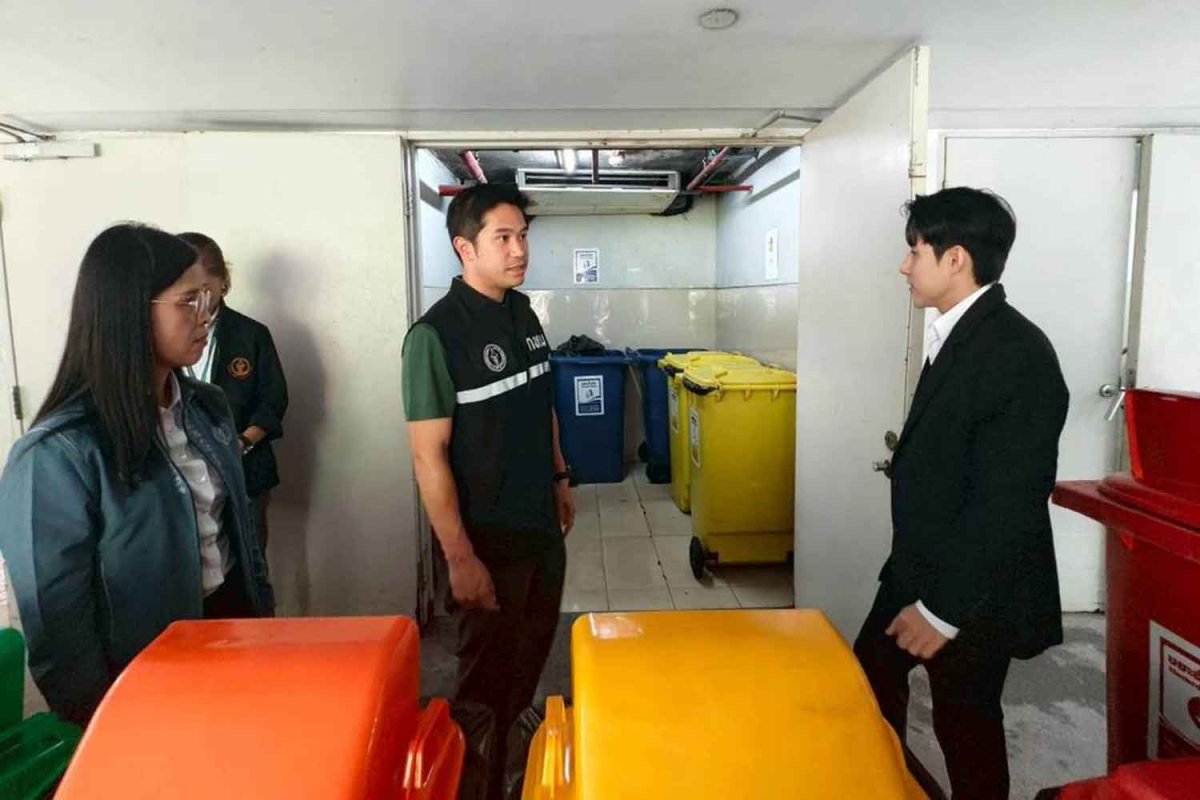
ผู้บริหารกรุงเทพมหานครตรวจสอบการคัดแยกขยะที่อาคารคอนโดมิเนียมในเขตวัฒนา กรุงเทพฯ เมื่อเดือนตุลาคมปีที่แล้ว (ภาพ: กรุงเทพมหานคร)
ข่าวนี้ได้รับการสนับสนุนโดย FALLPROTEC บริษัทชั้นนำระดับโลกด้านการออกแบบและผลิตระบบป้องกันการตกจากที่สูงและโซลูชั่นการเข้าถึงที่สูง
กรุงเทพฯ กำลังทดสอบโครงการนำร่อง “ไม่ปะปนขยะ” ในคอนโดมิเนียม 10 แห่งในเขตคลองเตยและวัฒนา เพื่อส่งเสริมการแยกขยะและลดปริมาณขยะที่ส่งไปยังบ่อฝังกลบ
โครงการเริ่มต้นเมื่อวันที่ 12 กุมภาพันธ์ และหากได้ผลลัพธ์ที่ดี จะขยายไปยังทั้ง 50 เขตในกรุงเทพฯ ในอีกไม่กี่ปีข้างหน้า ตามข้อมูลจากกรุงเทพมหานคร (กรุงเทพมหานคร)
โครงการนำร่องนี้ดำเนินการโดยกรมสิ่งแวดล้อม กรุงเทพมหานคร โดยได้รับการสนับสนุนจากสำนักงานคุ้มครองสิ่งแวดล้อมแห่งเดนมาร์ก สถาบันสิ่งแวดล้อมแห่งประเทศไทย และบริษัท เอสซีจี เคมิคอลส์ จำกัด (มหาชน) ในฐานะพันธมิตรเครือข่ายด้านเศรษฐกิจหมุนเวียนและโซลูชันการรีไซเคิล
คอนโดมิเนียมคิดเป็นสัดส่วนที่เพิ่มขึ้นของที่อยู่อาศัยในกรุงเทพฯ ขยะจากหลายร้อยครัวเรือนมักถูกรวมเข้าด้วยกันก่อนการเก็บรวบรวม ซึ่งลดประสิทธิภาพของความพยายามในการคัดแยกขยะ
โครงการนำร่องนี้แก้ไขปัญหาของคอนโดมิเนียมสูง เช่น ท่อส่งขยะ พื้นที่จำกัดสำหรับถังขยะหลายประเภท และห้องเก็บขยะส่วนกลาง อาคารที่เข้าร่วมจะได้รับการติดตั้งโครงสร้างพื้นฐานสำหรับการคัดแยกขยะ พร้อมด้วยโครงการให้ความรู้แก่ผู้อยู่อาศัยที่ออกแบบมาเพื่อให้การคัดแยกขยะทำได้ง่ายขึ้น
“เราคาดหวังว่าโครงการนำร่องนี้จะแสดงให้เห็นว่าการคัดแยกขยะในอาคารสูงสามารถทำได้ด้วยระบบที่มีประสิทธิภาพและสะดวกสบาย การให้ความรู้ การสื่อสาร และการมีส่วนร่วมของผู้มีส่วนได้ส่วนเสีย” ราสมุส อันเดรียส โทเอ็นเดอร์ ผู้เชี่ยวชาญด้านเศรษฐกิจหมุนเวียนและการจัดการขยะจากหน่วยงานของเดนมาร์กกล่าว
ปัจจุบัน กรุงเทพฯ ผลิตขยะประมาณ 8,700 ตันต่อวัน ซึ่งมากกว่าครึ่งหนึ่งถูกนำไปฝังกลบ ตามข้อมูลของกรีนเนอร์ แบงก์กิ้ง ประมาณ 40% ของขยะทั้งหมดถือว่าสามารถรีไซเคิลได้ แม้ว่าอัตราการรีไซเคิลจริงจะอยู่ที่ประมาณ 20% เท่านั้น
คนเก็บขยะรายย่อย หรือที่รู้จักกันในชื่อ “สะเทิน” มีบทบาทสำคัญ โดยบางประมาณการระบุว่าพวกเขามีส่วนในการรีไซเคิลมากถึง 75% ของขยะทั้งหมดที่เกิดขึ้นจริง
ขณะเดียวกัน หลุมฝังกลบก็เป็นภัยคุกคามต่อสิ่งแวดล้อมที่เพิ่มมากขึ้น นอกจากจะทำให้ดินเป็นพิษแล้ว ยังก่อให้เกิดก๊าซมีเทน ซึ่งเป็นสาเหตุของการเพิ่มขึ้นของอุณหภูมิโลกประมาณ 30% ก๊าซมีเทนเพิ่มความเสี่ยงต่อการเกิดไฟไหม้ในหลุมฝังกลบ และทั้งสองอย่างสามารถก่อให้เกิดมลพิษทางอากาศ รวมถึงฝุ่นละอองขนาดเล็ก PM2.5 ที่เป็นที่รู้จักกันดี
แคมเปญ “ห้ามทิ้งขยะปน” ไม่ใช่เรื่องใหม่ เริ่มขึ้นในปี 2022 หลังจากที่นายชาดชาติ สิทธิพันธ์ เข้ารับตำแหน่งผู้ว่าราชการจังหวัด กรุงเทพมหานครเริ่มทดลองโครงการขนาดเล็กเพื่อส่งเสริมให้ครัวเรือนแยกขยะอาหารออกจากขยะอื่นๆ เพื่อลดปริมาณขยะที่ต้องนำไปฝังกลบ
โครงการดังกล่าวขยายจากโครงการนำร่องในเขตที่เลือกไว้ ไปสู่โครงการทั่วเมืองครอบคลุมทั้ง 50 เขตในปี 2566 แม้ว่าการส่งเสริมให้มีส่วนร่วมอย่างสม่ำเสมอจะยังคงเป็นความท้าทายอย่างต่อเนื่อง
จากนั้น ในปี 2568 กรุงเทพฯ ได้นำระเบียบค่าธรรมเนียมการจัดการขยะใหม่มาใช้ โดยคิดค่าธรรมเนียมสูงขึ้นสำหรับอาคารที่ส่งขยะรวม และคิดค่าธรรมเนียมต่ำลงสำหรับอาคารที่แยกขยะอย่างถูกต้อง
การเอาชนะความสงสัย
อย่างไรก็ตาม โครงการรณรงค์การแยกขยะก่อนหน้านี้เผชิญกับความสงสัยจากประชาชนที่ตั้งคำถามว่าขยะที่แยกแล้วจะยังคงแยกอยู่หรือไม่หลังจากเก็บรวบรวมแล้ว
“ระบบการจัดการขยะที่ดีขึ้นจำเป็นต้องมีการพัฒนากฎหมายที่ซับซ้อน ภาษีและค่าธรรมเนียมที่สนับสนุน งบประมาณสาธารณะที่เพียงพอ และการสร้างความตระหนักรู้ของประชาชนเพื่อปรับปรุง” นายราสมุสกล่าว
“ตัวอย่างเช่น ในเดนมาร์ก เราใช้เวลาหลายทศวรรษกว่าจะมาถึงจุดนี้ในเรื่องการจัดการขยะ และระบบของเราก็ยังคงพัฒนาอยู่”
เขากล่าวเสริมว่าประชาชนต้องการระบบคัดแยกขยะที่ง่ายและเข้าถึงได้ รวมถึงความมั่นใจว่าพวกเขากำลังมีส่วนร่วมในการปรับปรุงสถานการณ์ให้ดีขึ้นจริง ๆ
หลังจากโครงการนำร่องเสร็จสิ้นลง สำนักงานคุ้มครองสิ่งแวดล้อมแห่งเดนมาร์กจะยังคงทำงานร่วมกับพันธมิตรชาวไทยเพื่อตรวจสอบผลการศึกษาต่อไป
“เราจะยังคงร่วมมือกับกรุงเทพมหานครและพันธมิตรความร่วมมือเชิงกลยุทธ์อื่น ๆ … ในความพยายามที่จะขยายผลกระทบของโครงการให้เกินกว่าระยะนำร่อง เพื่อประโยชน์ของทุกคนที่เกี่ยวข้อง” นายราสมุสกล่าว
พันธมิตรอื่น ๆ ในโครงการนี้ ได้แก่ กรมควบคุมมลพิษ กรมการปกครองส่วนท้องถิ่น สภาอุตสาหกรรมแห่งประเทศไทย และศูนย์ศึกษาและสนทนาเพื่อการพัฒนาอย่างยั่งยืนอาเซียน