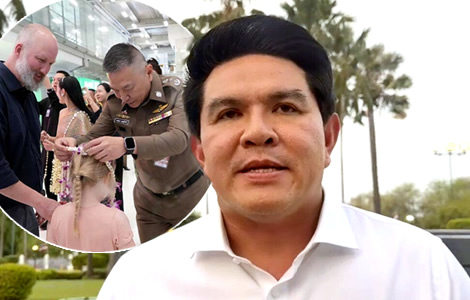
Thailand’s Tourism Minister talks of limiting tourist arrivals with screening as kingdom aims for quality visitors
Thailand launches sweeping tourism crackdown with shorter visas, tougher screening, higher airport fees and a new ฿300 levy as ministers target foreign crime, nominee networks and mass tourism under a new “quality over quantity” policy.
Thailand is preparing its toughest tourism and immigration crackdown in years as ministers move to slash visa-free stays, tighten screening across all visa categories, impose new tourist charges and openly discuss limiting foreign arrivals. On Monday, Tourism and Sports Minister Surasak Phanjaroenworakul confirmed the government will revoke 60-day visa-free entry and enforce stricter immigration controls amid rising concern over foreign criminality, nominee business networks and tourist misconduct. Meanwhile, authorities are pushing ahead with a ฿300 tourist levy and steep airport fee increases as Thailand shifts away from mass tourism towards what ministers called “quality over quantity” arrivals.
Thailand is preparing sweeping restrictions on foreign visitors as the government tightens visa controls, shortens visa-free stays and expands security screening measures. On Monday evening, Tourism and Sports Minister Surasak Phanjaroenworakul again confirmed that authorities were moving to screen and limit incoming tourists more aggressively.
However, this time the minister went significantly further than previous remarks. He openly discussed limiting tourist numbers entering Thailand in the future. Consequently, the government now appears to be shifting away from policies centred purely on tourism growth and mass arrivals.
The remarks followed a meeting of Bhumjaithai Party ministers at Government House on May 11. Afterwards, Mr Surasak confirmed that the Prime Minister had informally instructed a full review of Thailand’s visa system.
Thailand prepares sweeping visa crackdown as ministers signal tougher controls on foreign arrivals
Importantly, the review will not focus solely on tourist visas. Instead, officials will examine all visa categories currently issued by Thailand. These include BOI investment visas, student visas, marriage visas and other long-term entry permissions.
Furthermore, Deputy Prime Minister Pakorn Nilapraphan and relevant agencies will supervise the review process through a newly established working group. The group is expected to receive formal approval at Tuesday’s Cabinet meeting.
Most significantly, Mr Surasak confirmed that Thailand will definitely revoke the current 60-day visa-free programme. Previously, travellers from 93 countries received 60-day visa-free access to the kingdom.
Now, however, the government plans to reduce permitted stays to 30 days. According to the minister, the Ministry of Foreign Affairs is preparing detailed proposals for Cabinet consideration. Nevertheless, officials may no longer apply a uniform visa-free system across all countries.
Instead, future visa-free periods may vary according to traveller behaviour and market conditions in specific nations. Consequently, some countries could receive different entry privileges than others.
Mr Surasak said the revised system would better reflect actual tourist behaviour patterns. According to ministry studies, most foreign tourists stay in Thailand only briefly. Data showed average stays slightly exceeded nine days nationwide.
Therefore, officials believe reducing stays from 60 days to 30 days would not significantly damage the tourism sector. Moreover, ministry figures showed Norwegian tourists recorded the longest average stays at approximately 21 days. Even so, authorities still believe a 30-day limit remains sufficient for most visitors entering Thailand.
At the same time, the minister stressed that alternative visa options would remain available for non-tourism purposes. For example, visitors seeking medical treatment may still apply under specialised visa categories.
Government links visa reforms to security concerns over crime, nominees and foreign influence networks
Likewise, internship applicants and long-term visitors may use other immigration channels. Nevertheless, the government’s growing focus now centres on security concerns and criminal activity involving foreign nationals.
Mr Surasak directly referenced reports involving Chinese criminality and influential figures operating inside Thailand. In particular, authorities are concerned about nominee business arrangements and illegal activities conducted under legal visa cover.
Consequently, officials are preparing stricter screening procedures across all visa categories. Mr Surasak stated that financial status alone would no longer guarantee visa approval consideration. Previously, wealth and financial evidence often carried significant influence during immigration assessments.
Now, however, authorities intend to evaluate broader behavioural and security indicators as well. The minister stated clearly that possessing money does not automatically prove harmless intentions. Therefore, immigration checks will expand beyond financial criteria alone. Furthermore, officials are reassessing visa durations, required documents and approval standards throughout the entire system.
Prime Minister orders stricter visa scrutiny as officials tighten nationwide immigration reviews
Mr Surasak also acknowledged mounting concern over nominee-based crimes disguised through visa arrangements. According to the minister, these activities have increasingly appeared across Thailand in recent years.
Consequently, the Prime Minister has ordered tighter scrutiny for all future visa approvals. The government now insists that easier tourist access can no longer remain the central policy objective. Instead, ministers repeatedly emphasised “quality over quantity” during Monday’s discussions.
Mr Surasak stated that Thailand would no longer focus solely on attracting large tourist numbers to boost revenue. Rather, the administration wants stricter approvals and tighter controls throughout the tourism sector.
At the same time, the minister attempted to reassure foreigners who had legally obtained visas. He said compliant visa holders should not face direct disruption under the revised system.
Thailand confirms ฿300 tourist levy as ministers redirect focus towards infrastructure funding plans
Nevertheless, he confirmed that all visa categories would still undergo comprehensive reassessment. Authorities are currently reviewing application procedures, supporting documents and approval conditions for every category issued by Thailand. Therefore, the immigration review is expected to extend well beyond tourism-related visas alone.
Meanwhile, the government is also advancing additional financial measures affecting foreign arrivals. Mr Surasak again confirmed plans for Thailand’s proposed ฿300 tourism levy on international visitors.
Previously, the proposed fee was linked to automatic insurance coverage for tourists entering the country. However, on Monday, the minister shifted emphasis towards tourism infrastructure development instead.
He stated that revenues from the levy would support tourism infrastructure projects and tourism promotion programmes nationwide. Officials remain confident that the measure will proceed. Currently, the proposed charge stands at ฿300 per person per visit and is expected to target mainly air arrivals.
Airport charge hikes and tourist misconduct fears intensify pressure for stricter visitor controls
The tourism levy announcement came alongside another major increase affecting international passengers. Last week, Airports of Thailand confirmed a substantial rise in airport departure charges. Consequently, departing international travellers will soon face sharply higher costs.
The increases take effect on June 20. Departure fees will rise from ฿730 to ฿1,120 per passenger. That represents an increase of approximately 50 per cent. Together, the airport fee increase and tourism levy will significantly raise costs for foreign visitors entering and leaving Thailand.
Meanwhile, concerns surrounding foreign misconduct continue influencing government policy discussions. Mr Surasak specifically referred to scandals involving foreign tourists at Thailand’s national parks.
In recent months, authorities have faced criticism over misconduct incidents involving visitors at protected tourist sites. Consequently, ministers now appear determined to strengthen enforcement and tighten visitor oversight nationwide. The government also believes existing visa systems may have enabled criminal groups to exploit legal entry arrangements. Therefore, officials are reassessing whether current immigration rules remain too permissive.
Thailand advances sweeping immigration overhaul as ministers prioritise security over visitor numbers
Importantly, ministers are now openly discussing limits on tourist volumes entering Thailand. That marks a significant departure from previous tourism strategies focused heavily on visitor growth. For years, authorities aggressively pursued rising foreign arrival numbers and tourism revenue expansion.
Now, however, security concerns increasingly dominate government tourism policy discussions. As a result, immigration enforcement is becoming central to Thailand’s tourism strategy moving forward.
Although officials have not confirmed final implementation dates, preparations are already advancing rapidly. The Ministry of Foreign Affairs is currently drafting detailed proposals for Cabinet review. Afterwards, ministers are expected to consider the revised framework formally.
New government panel to review all Thai visa categories and tighten nationwide screening rules now
Meanwhile, the new working group will continue reviewing all visa categories and screening measures. The review includes tourist visas, investment visas, student permissions and marriage-related arrangements involving foreign nationals with Thai spouses.
Consequently, Thailand now faces one of its most extensive immigration policy overhauls in recent years. The combined measures involve shorter visa-free stays, stricter vetting procedures and higher visitor charges.
Hoteliers and leading foreign tourism entrepreneurs ask government to help as industry crisis worsens
Hardline foreign tourism confirmed by new minster. More charges, shorter visas and mandatory insurance
Moreover, the government appears increasingly willing to accept lower tourist volumes if tighter controls can be achieved. Mr Surasak made clear that visitor quantity no longer represents the administration’s overriding objective. Instead, authorities are prioritising stricter screening, tighter immigration control and stronger enforcement measures across the entire tourism sector.
Source: https://www.thaiexaminer.com/thai-news-foreigners/2026/05/11/tourism-minister-talks-of-limiting-tourist-arrivals-with-screening-as-kingdom-aims-for-quality-visitors
Google Translation:
รัฐมนตรีว่าการกระทรวงการท่องเที่ยวของไทยกล่าวถึงการจำกัดจำนวนนักท่องเที่ยวด้วยการคัดกรองอย่างเข้มงวด โดยมุ่งหวังให้ประเทศมีนักท่องเที่ยวที่มีคุณภาพ
ประเทศไทยเริ่มดำเนินการปราบปรามการท่องเที่ยวอย่างครอบคลุม ด้วยวีซ่าระยะสั้น การคัดกรองที่เข้มงวดขึ้น ค่าธรรมเนียมสนามบินที่สูงขึ้น และภาษีใหม่ 300 บาท โดยรัฐมนตรีตั้งเป้าไปที่อาชญากรรมของชาวต่างชาติ เครือข่ายธุรกิจตัวแทน และการท่องเที่ยวแบบมวลชน ภายใต้นโยบายใหม่ที่เน้น “คุณภาพมากกว่าปริมาณ”
ประเทศไทยกำลังเตรียมการปราบปรามการท่องเที่ยวและตรวจคนเข้าเมืองที่เข้มงวดที่สุดในรอบหลายปี โดยรัฐมนตรีเตรียมลดระยะเวลาการอยู่โดยไม่ต้องขอวีซ่า เข้มงวดการคัดกรองในทุกประเภทวีซ่า เรียกเก็บค่าธรรมเนียมนักท่องเที่ยวใหม่ และหารืออย่างเปิดเผยเกี่ยวกับการจำกัดจำนวนนักท่องเที่ยวต่างชาติ ในวันจันทร์ รัฐมนตรีว่าการกระทรวงการท่องเที่ยวและกีฬา สุรศักดิ์ พันเจริญวรกุล ยืนยันว่ารัฐบาลจะยกเลิกการเข้าประเทศโดยไม่ต้องขอวีซ่า 60 วัน และบังคับใช้มาตรการควบคุมการเข้าเมืองที่เข้มงวดขึ้น ท่ามกลางความกังวลที่เพิ่มขึ้นเกี่ยวกับอาชญากรรมของชาวต่างชาติ เครือข่ายธุรกิจตัวแทน และพฤติกรรมที่ไม่เหมาะสมของนักท่องเที่ยว ในขณะเดียวกัน ทางการกำลังผลักดันภาษีนักท่องเที่ยว 300 บาท และเพิ่มค่าธรรมเนียมสนามบินอย่างมาก เนื่องจากประเทศไทยกำลังเปลี่ยนจากการท่องเที่ยวแบบมวลชนไปสู่สิ่งที่รัฐมนตรีเรียกว่า “คุณภาพมากกว่าปริมาณ”
ประเทศไทยกำลังเตรียมมาตรการจำกัดนักท่องเที่ยวต่างชาติอย่างเข้มงวดมากขึ้น เนื่องจากรัฐบาลกำลังเข้มงวดการควบคุมวีซ่า ลดระยะเวลาการยกเว้นวีซ่า และขยายมาตรการตรวจสอบความปลอดภัย เมื่อเย็นวันจันทร์ที่ผ่านมา นายสุรศักดิ์ พันเจริญวรกุล รัฐมนตรีว่าการกระทรวงการท่องเที่ยวและกีฬา ได้ยืนยันอีกครั้งว่าทางการกำลังดำเนินการตรวจสอบและจำกัดจำนวนนักท่องเที่ยวที่เข้ามาอย่างเข้มงวดมากขึ้น
อย่างไรก็ตาม ในครั้งนี้ รัฐมนตรีได้กล่าวถึงประเด็นที่ไกลกว่าครั้งก่อนๆ อย่างมาก โดยได้พูดคุยอย่างเปิดเผยเกี่ยวกับการจำกัดจำนวนนักท่องเที่ยวที่จะเข้ามาในประเทศไทยในอนาคต ส่งผลให้รัฐบาลดูเหมือนจะเปลี่ยนนโยบายจากที่เน้นเฉพาะการเติบโตของการท่องเที่ยวและการรับนักท่องเที่ยวจำนวนมากไปเป็นอย่างอื่น
คำกล่าวนี้เกิดขึ้นหลังจากการประชุมคณะรัฐมนตรีพรรคภูมิใจไทยที่ทำเนียบรัฐบาลเมื่อวันที่ 11 พฤษภาคม หลังจากนั้น นายสุรศักดิ์ได้ยืนยันว่านายกรัฐมนตรีได้สั่งการอย่างไม่เป็นทางการให้มีการทบทวนระบบวีซ่าของประเทศไทยอย่างละเอียด
ประเทศไทยเตรียมปราบปรามวีซ่าอย่างเข้มงวดมากขึ้น ขณะที่รัฐมนตรีส่งสัญญาณควบคุมการเข้าประเทศของชาวต่างชาติอย่างเข้มงวดขึ้น
ที่สำคัญ การทบทวนจะไม่มุ่งเน้นเฉพาะวีซ่าท่องเที่ยวเท่านั้น แต่เจ้าหน้าที่จะตรวจสอบวีซ่าทุกประเภทที่ประเทศไทยออกให้ในปัจจุบัน ซึ่งรวมถึงวีซ่าลงทุน BOI, วีซ่านักเรียน, วีซ่าสมรส และใบอนุญาตเข้าประเทศระยะยาวอื่นๆ
นอกจากนี้ รองนายกรัฐมนตรี ปกรณ์ นิลประพันธ์ และหน่วยงานที่เกี่ยวข้อง จะกำกับดูแลกระบวนการทบทวนผ่านคณะทำงานที่จัดตั้งขึ้นใหม่ คณะทำงานนี้คาดว่าจะได้รับการอนุมัติอย่างเป็นทางการในการประชุมคณะรัฐมนตรีในวันอังคาร
ที่สำคัญที่สุด นายสุรศักดิ์ยืนยันว่าประเทศไทยจะยกเลิกโครงการยกเว้นวีซ่า 60 วันในปัจจุบันอย่างแน่นอน ก่อนหน้านี้ นักท่องเที่ยวจาก 93 ประเทศได้รับอนุญาตให้เข้าประเทศโดยไม่ต้องขอวีซ่าเป็นเวลา 60 วัน
อย่างไรก็ตาม ขณะนี้รัฐบาลวางแผนที่จะลดระยะเวลาการพำนักที่อนุญาตเหลือ 30 วัน ตามที่รัฐมนตรีกล่าว กระทรวงการต่างประเทศกำลังเตรียมข้อเสนอโดยละเอียดเพื่อเสนอต่อคณะรัฐมนตรีพิจารณา อย่างไรก็ตาม เจ้าหน้าที่อาจจะไม่ใช้ระบบยกเว้นวีซ่าแบบเดียวกันกับทุกประเทศอีกต่อไป
แต่ในอนาคต ระยะเวลาการยกเว้นวีซ่าอาจแตกต่างกันไปตามพฤติกรรมของนักท่องเที่ยวและสภาวะตลาดในแต่ละประเทศ ดังนั้นบางประเทศอาจได้รับสิทธิพิเศษในการเข้าประเทศที่แตกต่างกัน
นายสุรศักดิ์กล่าวว่าระบบที่แก้ไขใหม่นี้จะสะท้อนรูปแบบพฤติกรรมของนักท่องเที่ยวที่แท้จริงได้ดียิ่งขึ้น จากการศึกษาของกระทรวง พบว่านักท่องเที่ยวต่างชาติส่วนใหญ่พำนักอยู่ในประเทศไทยเพียงระยะสั้น ข้อมูลแสดงให้เห็นว่าระยะเวลาพำนักเฉลี่ยทั่วประเทศอยู่ที่ประมาณ 9 วัน
ดังนั้น เจ้าหน้าที่จึงเชื่อว่าการลดระยะเวลาพำนักจาก 60 วันเหลือ 30 วัน จะไม่ส่งผลกระทบอย่างมีนัยสำคัญต่อภาคการท่องเที่ยว นอกจากนี้ ตัวเลขของกระทรวงยังแสดงให้เห็นว่านักท่องเที่ยวชาวนอร์เวย์มีระยะเวลาพำนักเฉลี่ยยาวนานที่สุดที่ประมาณ 21 วัน ถึงกระนั้น เจ้าหน้าที่ก็ยังเชื่อว่าระยะเวลา 30 วันนั้นเพียงพอสำหรับนักท่องเที่ยวส่วนใหญ่ที่เดินทางเข้าประเทศไทย
ในขณะเดียวกัน รัฐมนตรีเน้นย้ำว่าทางเลือกวีซ่าอื่นๆ จะยังคงมีอยู่สำหรับวัตถุประสงค์ที่ไม่เกี่ยวข้องกับการท่องเที่ยว ตัวอย่างเช่น ผู้ที่ต้องการเข้ารับการรักษาพยาบาลยังคงสามารถยื่นขอวีซ่าประเภทพิเศษได้
รัฐบาลเชื่อมโยงการปฏิรูปวีซ่ากับความกังวลด้านความมั่นคงเกี่ยวกับอาชญากรรม ผู้ได้รับการเสนอชื่อ และเครือข่ายอิทธิพลต่างชาติ
ในทำนองเดียวกัน ผู้สมัครฝึกงานและนักท่องเที่ยวระยะยาวอาจใช้ช่องทางตรวจคนเข้าเมืองอื่นๆ อย่างไรก็ตาม ขณะนี้รัฐบาลให้ความสำคัญกับความกังวลด้านความมั่นคงและกิจกรรมทางอาชญากรรมที่เกี่ยวข้องกับชาวต่างชาติมากขึ้น
นายสุรศักดิ์ได้อ้างถึงรายงานที่เกี่ยวข้องกับอาชญากรรมของชาวจีนและบุคคลผู้มีอิทธิพลที่ดำเนินงานอยู่ภายในประเทศไทยโดยตรง โดยเฉพาะอย่างยิ่ง ทางการกังวลเกี่ยวกับข้อตกลงทางธุรกิจที่ใช้ชื่อบุคคลอื่นเป็นตัวแทน และกิจกรรมที่ผิดกฎหมายที่ดำเนินการภายใต้การคุ้มครองของวีซ่า
ด้วยเหตุนี้ เจ้าหน้าที่จึงกำลังเตรียมขั้นตอนการคัดกรองที่เข้มงวดมากขึ้นสำหรับวีซ่าทุกประเภท นายสุรศักดิ์กล่าวว่า สถานะทางการเงินเพียงอย่างเดียวจะไม่รับประกันการพิจารณาอนุมัติวีซ่าอีกต่อไป ก่อนหน้านี้ ความมั่งคั่งและหลักฐานทางการเงินมักมีอิทธิพลอย่างมากในการประเมินการเข้าเมือง
อย่างไรก็ตาม ขณะนี้ความกังวลด้านความปลอดภัยกำลังครอบงำการอภิปรายนโยบายการท่องเที่ยวของรัฐบาลมากขึ้นเรื่อยๆ ส่งผลให้การบังคับใช้กฎหมายคนเข้าเมืองกลายเป็นหัวใจสำคัญของยุทธศาสตร์การท่องเที่ยวของประเทศไทยในอนาคต
แม้ว่าเจ้าหน้าที่ยังไม่ได้ยืนยันวันบังคับใช้ขั้นสุดท้าย แต่การเตรียมการกำลังคืบหน้าอย่างรวดเร็ว กระทรวงการต่างประเทศกำลังร่างข้อเสนอโดยละเอียดเพื่อเสนอต่อคณะรัฐมนตรีพิจารณา หลังจากนั้น คาดว่ารัฐมนตรีจะพิจารณากรอบที่แก้ไขแล้วอย่างเป็นทางการ
คณะทำงานใหม่ของรัฐบาลจะทบทวนวีซ่าไทยทุกประเภทและเข้มงวดกฎการคัดกรองทั่วประเทศในขณะนี้
ในขณะเดียวกัน คณะทำงานใหม่จะดำเนินการทบทวนวีซ่าทุกประเภทและมาตรการคัดกรองต่อไป การทบทวนนี้รวมถึงวีซ่าท่องเที่ยว วีซ่าลงทุน ใบอนุญาตนักเรียน และข้อตกลงที่เกี่ยวข้องกับการสมรสของชาวต่างชาติกับคู่สมรสชาวไทย
ด้วยเหตุนี้ ประเทศไทยจึงเผชิญกับการปรับปรุงนโยบายคนเข้าเมืองครั้งใหญ่ที่สุดครั้งหนึ่งในรอบหลายปี มาตรการต่างๆ ประกอบด้วยการลดระยะเวลาการพำนักโดยไม่ต้องขอวีซ่า ขั้นตอนการตรวจสอบที่เข้มงวดขึ้น และค่าธรรมเนียมผู้มาเยือนที่สูงขึ้น
ผู้ประกอบการโรงแรมและผู้ประกอบการท่องเที่ยวต่างชาติชั้นนำขอความช่วยเหลือจากรัฐบาลเนื่องจากวิกฤตอุตสาหกรรมทวีความรุนแรงขึ้น
รัฐมนตรีใหม่ยืนยันนโยบายการท่องเที่ยวต่างประเทศที่เข้มงวด ค่าธรรมเนียมที่เพิ่มขึ้น วีซ่าที่สั้นลง และประกันภัยภาคบังคับ
ยิ่งไปกว่านั้น รัฐบาลดูเหมือนจะเต็มใจที่จะยอมรับปริมาณนักท่องเที่ยวที่ลดลง หากสามารถควบคุมได้อย่างเข้มงวดมากขึ้น นายสุรศักดิ์ชี้แจงอย่างชัดเจนว่า ปริมาณนักท่องเที่ยวไม่ได้เป็นเป้าหมายหลักของรัฐบาลอีกต่อไป แต่ทางการกำลังให้ความสำคัญกับการคัดกรองที่เข้มงวดขึ้น การควบคุมการเข้าเมืองที่รัดกุมยิ่งขึ้น และมาตรการบังคับใช้ที่เข้มแข็งขึ้นในภาคการท่องเที่ยวทั้งหมด