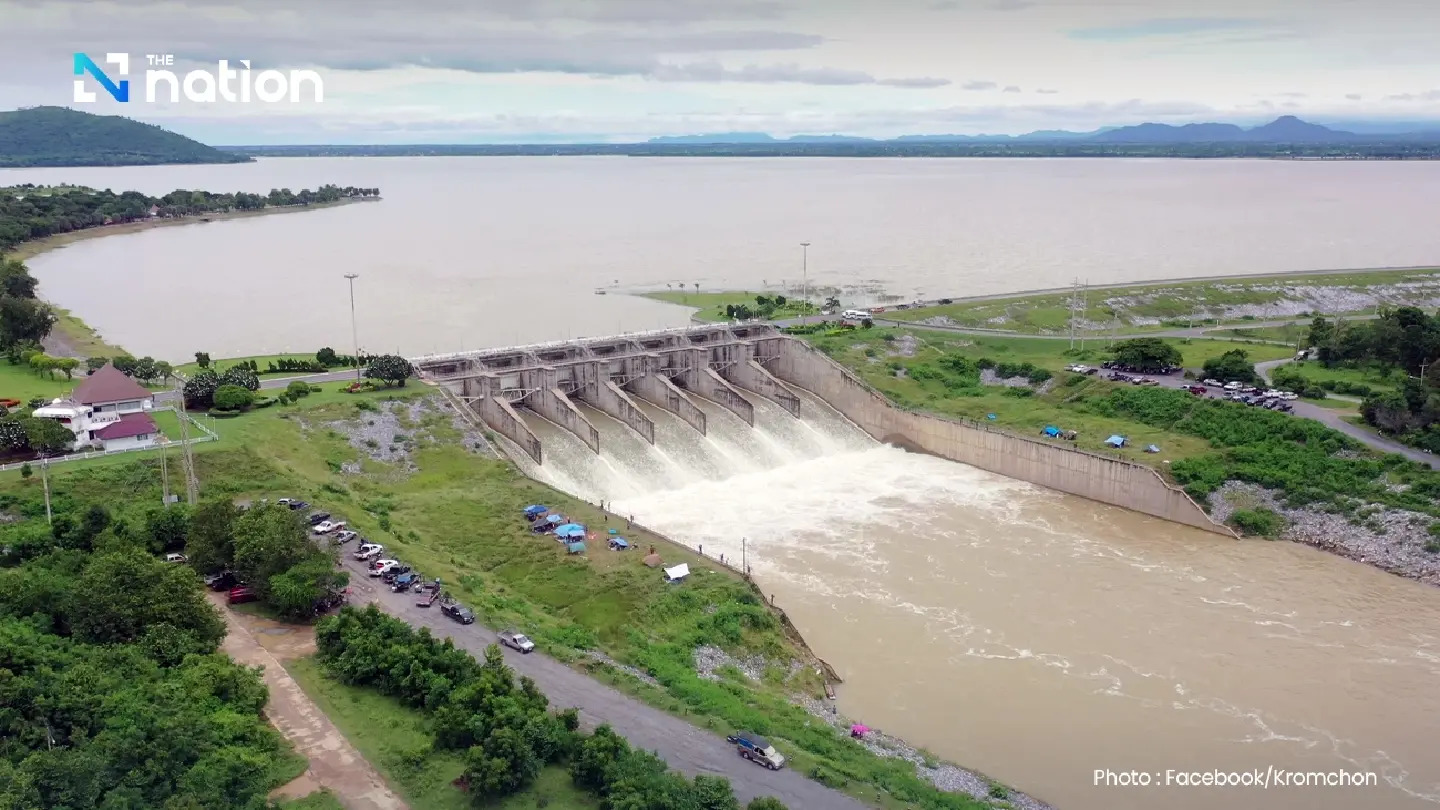
 Six major Thai dams under watch as water levels fall
THIS NEWS ARTICLE KINDLY SPONSORED BY FALLPROTEC, A WORLD-RENOWNED NAME IN THE DESIGN AND MANUFACTURE OF PREMIUM FALL PROTECTION SYSTEMS AND HEIGHT ACCESS SOLUTIONS
ONWR says Thailand has enough water until the end of the 2025/26 dry season, despite six major dams falling below control levels
Thailand is monitoring six major reservoirs where water levels have fallen below the minimum control level, although the Office of the National Water Resources (ONWR) insists supplies remain sufficient for public consumption and economic activities through to the end of the 2025/26 dry season.
In its latest update on April 27, 2026, ONWR said overall water storage nationwide stood at 48.39 billion cubic metres, or 60% of total capacity, with usable water at 24.287 billion cubic metres, or 43%.
Meanwhile, upper Thailand is bracing for summer storms and heavy rainfall. Between April 28 and May 1, thunderstorms, strong winds and isolated hail are expected, initially affecting the Northeast, North and East, before spreading to the Central region, Bangkok and surrounding areas.
 Key reservoir figures
Total water nationwide: 48.39 billion cubic metres (60%)
Usable water: 24.287 billion cubic metres (43%)
Medium-sized reservoirs below 30%: 67 nationwide
Reservoir levels by region
West: 68% — 19.308 billion cubic metres
South: 64% — 5.017 billion cubic metres
North: 60% — 16.455 billion cubic metres
Northeast: 48% — 5.789 billion cubic metres
East: 37% — 1.125 billion cubic metres
Central region: 35% — 696 million cubic metres
 In the Eastern Economic Corridor (EEC), key reservoirs remain at moderate levels:
Prasae Reservoir: 172 million cubic metres (58%)
Bang Phra Reservoir: 58 million cubic metres (50%)
Nong Pla Lai Reservoir: 78 million cubic metres (48%)
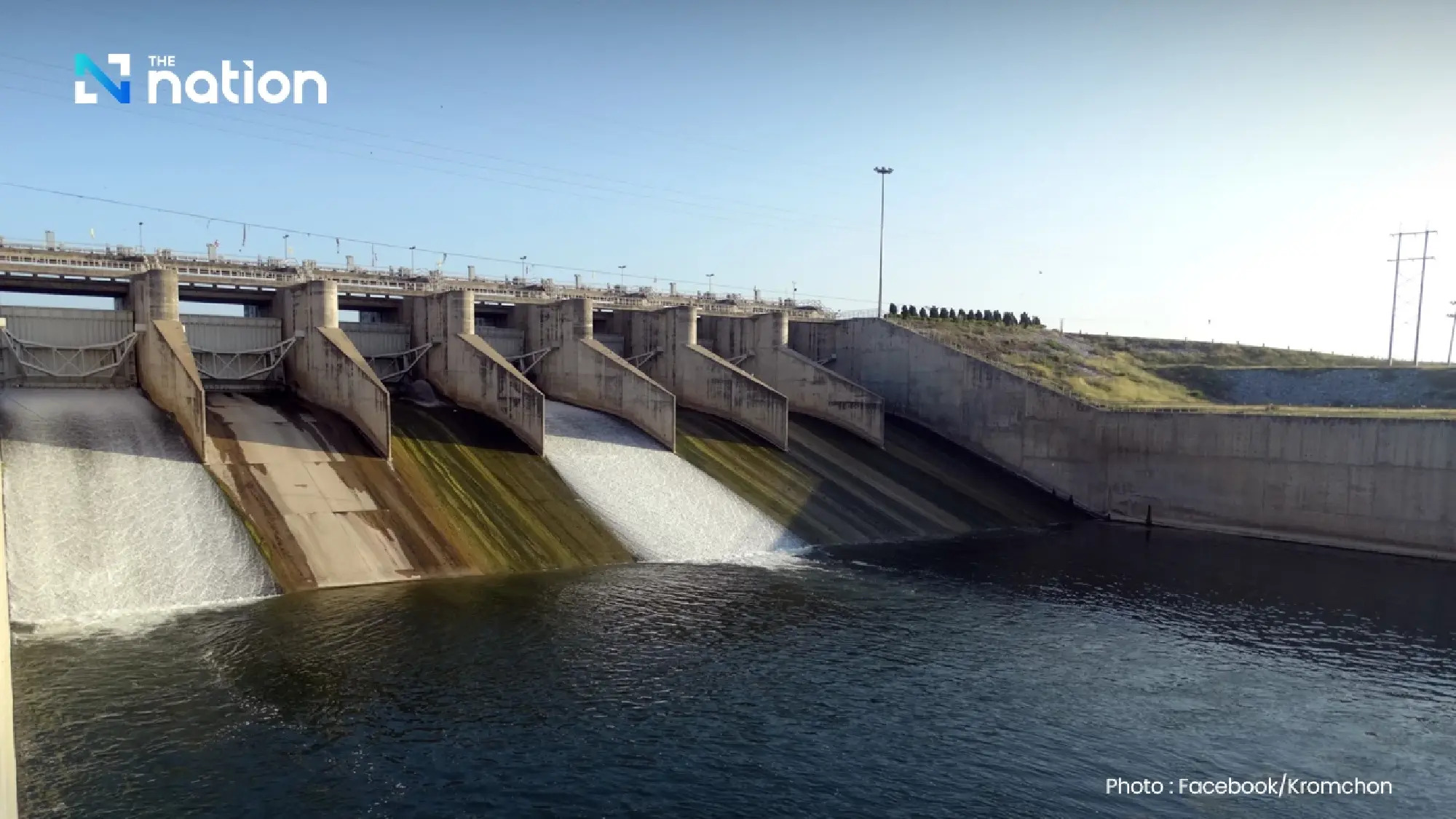
However, six large reservoirs are now under close watch after falling below minimum control levels:
Mae Mok Dam (North)
Pa Sak Jolasid Dam (Central region)
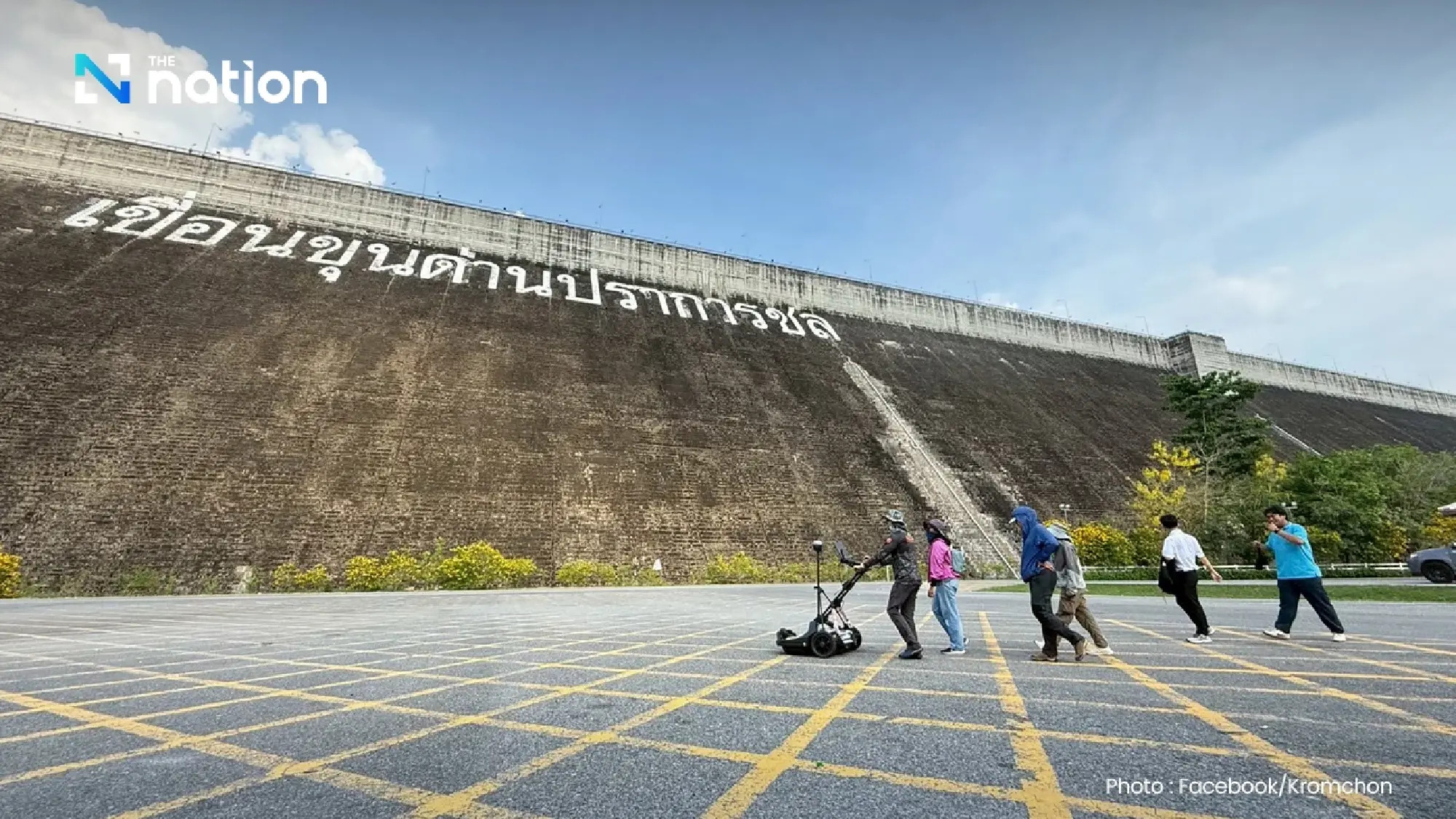
Khun Dan Prakan Chon Dam (East)
Khlong Si Yat Dam (East)
Vajiralongkorn Dam (West)
Pran Buri Dam (West)
Despite these concerns, ONWR stressed that the overall water situation remains manageable.
Water quality checks conducted at 7am showed salinity levels at all monitoring points within normal standards. The Chao Phraya River at the Sam Lae pumping station met drinking water criteria, while the Tha Chin River at Khlong Chinda, the Mae Klong River at Amphawa and the Bang Pakong River at Bang Taen all met agricultural-use standards.
Authorities said that while some reservoirs remain under pressure, current reserves are still adequate. However, residents in vulnerable areas are advised to closely monitor weather updates as summer storms intensify towards the end of April.
Source: https://www.nationthailand.com/news/general/40065567
Google Translation:
เขื่อนสำคัญ 6 แห่งของไทยอยู่ในภาวะเฝ้าระวังระดับน้ำลดลง
บทความข่าวนี้ได้รับการสนับสนุนโดย FALLPROTEC บริษัทชั้นนำระดับโลกด้านการออกแบบและผลิตระบบป้องกันการตกจากที่สูงและโซลูชันการเข้าถึงที่สูงระดับพรีเมียม
สำนักงานทรัพยากรน้ำแห่งชาติ (ONWR) ระบุว่าประเทศไทยมีน้ำเพียงพอจนถึงสิ้นฤดูแล้งปี 2025/26 แม้ว่าเขื่อนสำคัญ 6 แห่งจะมีระดับน้ำต่ำกว่าระดับควบคุม
ประเทศไทยกำลังเฝ้าระวังอ่างเก็บน้ำสำคัญ 6 แห่งที่มีระดับน้ำลดลงต่ำกว่าระดับควบคุมขั้นต่ำ แม้ว่าสำนักงานทรัพยากรน้ำแห่งชาติ (ONWR) จะยืนยันว่าปริมาณน้ำยังคงเพียงพอสำหรับการบริโภคของประชาชนและกิจกรรมทางเศรษฐกิจจนถึงสิ้นฤดูแล้งปี 2025/26
ในการอัปเดตล่าสุดเมื่อวันที่ 27 เมษายน 2569 ONWR ระบุว่าปริมาณน้ำสำรองทั่วประเทศอยู่ที่ 48.39 พันล้านลูกบาศก์เมตร หรือ 60% ของความจุทั้งหมด โดยมีน้ำที่ใช้ได้อยู่ที่ 24.287 พันล้านลูกบาศก์เมตร หรือ 43%
ขณะเดียวกัน ภาคเหนือของประเทศไทยกำลังเตรียมรับมือกับพายุฤดูร้อนและฝนตกหนัก ระหว่างวันที่ 28 เมษายนถึง 1 พฤษภาคม คาดว่าจะเกิดพายุฝนฟ้าคะนอง ลมแรง และลูกเห็บตกในบางพื้นที่ โดยจะเริ่มจากภาคตะวันออกเฉียงเหนือ ภาคเหนือ และภาคตะวันออกก่อน แล้วจึงกระจายไปยังภาคกลาง กรุงเทพฯ และพื้นที่โดยรอบ
ตัวเลขสำคัญเกี่ยวกับอ่างเก็บน้ำ
ปริมาณน้ำทั้งหมดทั่วประเทศ: 48.39 พันล้านลูกบาศก์เมตร (60%)
น้ำที่ใช้ได้: 24.287 พันล้านลูกบาศก์เมตร (43%)
อ่างเก็บน้ำขนาดกลางที่มีระดับน้ำต่ำกว่า 30%: 67 แห่งทั่วประเทศ
ระดับน้ำในอ่างเก็บน้ำแยกตามภูมิภาค
ภาคตะวันตก: 68% — 19.308 พันล้านลูกบาศก์เมตร
ภาคใต้: 64% — 5.017 พันล้านลูกบาศก์เมตร
ภาคเหนือ: 60% — 16.455 พันล้านลูกบาศก์เมตร
ภาคตะวันออกเฉียงเหนือ: 48% — 5.789 พันล้านลูกบาศก์เมตร
ภาคตะวันออก: 37% — 1.125 พันล้านลูกบาศก์เมตร
ภาคกลาง: 35% — 696 ล้านลูกบาศก์เมตร
ในเขตเศรษฐกิจพิเศษภาคตะวันออก (EEC) อ่างเก็บน้ำสำคัญๆ ยังคงมีระดับน้ำปานกลาง:
อ่างเก็บน้ำประเส: 172 ล้านลูกบาศก์เมตร (58%)
อ่างเก็บน้ำบางพระ: 58 ล้านลูกบาศก์เมตร (50%)
หนองปลาไหล ปริมาณน้ำในอ่างเก็บน้ำ: 78 ล้านลูกบาศก์เมตร (48%)
อย่างไรก็ตาม ขณะนี้อ่างเก็บน้ำขนาดใหญ่ 6 แห่งกำลังอยู่ภายใต้การเฝ้าระวังอย่างใกล้ชิด หลังจากปริมาณน้ำลดลงต่ำกว่าระดับควบคุมขั้นต่ำ ได้แก่:
เขื่อนแม่โมก (ภาคเหนือ)
เขื่อนป่าสักชลสิทธิ์ (ภาคกลาง)
เขื่อนขุนด่านปราการชน (ภาคตะวันออก)
เขื่อนคลองศรียัต (ภาคตะวันออก)
เขื่อนวชิราลงกรณ์ (ภาคตะวันตก)
เขื่อนปราณบุรี (ภาคตะวันตก)
แม้จะมีข้อกังวลเหล่านี้ สำนักงานทรัพยากรน้ำแห่งชาติ (ONWR) เน้นย้ำว่าสถานการณ์น้ำโดยรวมยังคงอยู่ในระดับที่จัดการได้
การตรวจสอบคุณภาพน้ำที่ดำเนินการเมื่อเวลา 7.00 น. พบว่าระดับความเค็มที่จุดตรวจสอบทั้งหมดอยู่ในเกณฑ์ปกติ แม่น้ำเจ้าพระยาที่สถานีสูบน้ำสามเลผ่านเกณฑ์น้ำดื่ม ขณะที่แม่น้ำท่าจีนที่คลองชินดา แม่น้ำแม่กลองที่อำเภออัมพวา และแม่น้ำบางปะกงที่บางแตน ผ่านเกณฑ์มาตรฐานการใช้เพื่อการเกษตร
เจ้าหน้าที่กล่าวว่า แม้ว่าอ่างเก็บน้ำบางแห่งยังคงอยู่ภายใต้แรงกดดัน แต่ปริมาณน้ำสำรองในปัจจุบันยังคงเพียงพอ อย่างไรก็ตาม ขอแนะนำให้ประชาชนในพื้นที่เสี่ยงติดตามข่าวสารสภาพอากาศอย่างใกล้ชิด เนื่องจากพายุฤดูร้อนจะทวีความรุนแรงขึ้นในช่วงปลายเดือนเมษายน