Feasibility studies behind Thailand’s Chumphon–Ranong Land Bridge ‘inaccurate’ claims coalition of academics, environmental organisations and civil society groups
Activists demand transparency from Anutin government about trillion-baht megaproject
THIS NEWS ARTICLE KINDLY SPONSORED BY FALLPROTEC, A WORLD-RENOWNED NAME IN THE DESIGN AND MANUFACTURE OF PREMIUM FALL PROTECTION SYSTEMS AND HEIGHT ACCESS SOLUTIONS
A coalition of academics, environmental organisations and civil society groups has urged Prime Minister Anutin Charnvirakul to disclose all environmental and health impact assessment (EHIA) reports related to the proposed southern Land Bridge project.
They also want him to delay the approval process, citing concerns about transparency and the reliability of key studies related to the trillion-baht infrastructure megaproject.
In an open letter submitted on April 10, the signatories criticised the government’s efforts to fast-track the Chumphon–Ranong Land Bridge and the drafting of legislation to establish the Southern Special Economic Corridor.
They said the project was being advanced without adequate public scrutiny and was based on studies that did not accurately reflect economic feasibility, environmental impacts or risks to local communities.
The coalition called for the full disclosure of all EHIA reports to ensure meaningful public participation, as guaranteed by the constitution.
It said access to accurate information was essential before any decision is made on what would be one of the country’s largest infrastructure projects.
The Land Bridge proposal first emerged about four decades ago and has been dusted off by various governments over the years. It envisions seaports in Ranong and Chumphon linked by a highway, rail line, pipelines and other infrastructure. (Story continues below)
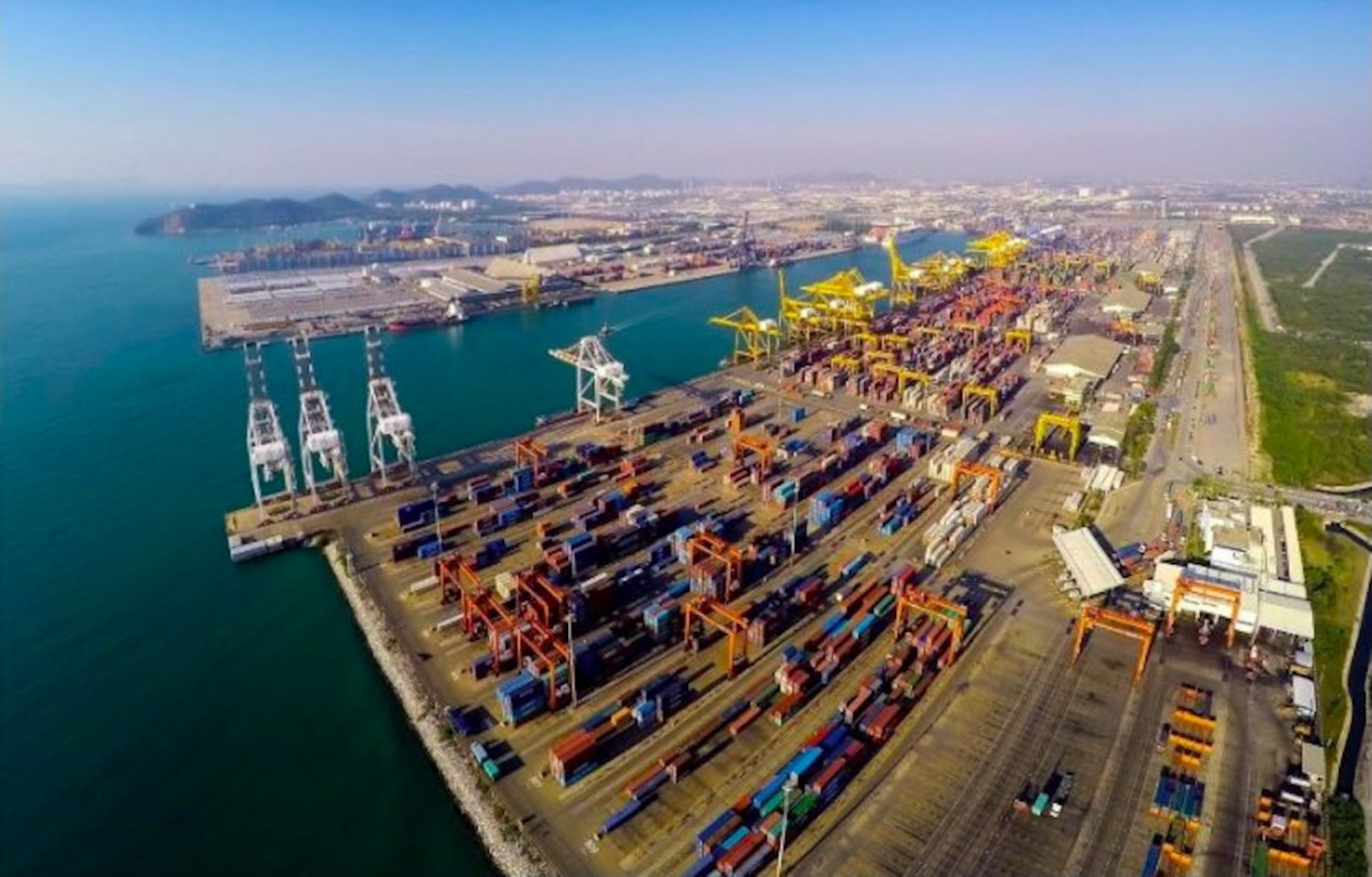
Proponents have said the 100-kilometre connection would cut shipping times between the Indian and Pacific oceans by bypassing the busy Malacca Strait. Critics have questioned the costs of unloading a vessel at one port, shipping containers 100km and loading them into another vessel at the other end.
Activists have mobilised again following the recent submission of EHIA studies for the two planned deep-sea ports — Laem Riw in Chumphon and Laem Ao Ang in Ranong — prepared by the Office of Transport and Traffic Policy and Planning (OTP) under the Ministry of Transport.
The Office of Natural Resources and Environmental Policy and Planning (ONEP) is reviewing the reports.
In the letter, the groups outlined five major concerns. First, they questioned the project’s economic viability, pointing to conflicting conclusions among state agencies.
A feasibility study by the National Economic and Social Development Council (NESDC) reportedly found the investment economically unviable, while the OTP reached the opposite conclusion.
Second, they said the environmental impact assessments were too limited in scope.
Despite the project’s potential to affect ecosystems and livelihoods across a wide area, the EHIA studies assessed impacts within a five-kilometre radius of each site, which they said could not reflect the full consequences, particularly for fishing communities.
Third, the coalition raised concerns about data accuracy, citing discrepancies in findings on marine biodiversity.
The EHIA reports appeared to understate the number and diversity of benthic species compared with previous studies, while failing to adequately assess major risks such as earthquakes, oil spills and fires, it said.
Fourth, they criticised what they described as insufficient public participation, saying affected communities were not properly informed and that consultation processes were dominated by government officials and project-related agencies.
Finally, the signatories warned that the project could undermine the ecological value of Chumphon and Ranong, provinces rich in biodiversity that have been proposed for inclusion on Unesco’s World Heritage tentative list.
Apisak Tassanee, coordinator of the Beach for Life network, said there was no justification for withholding the full EHIA reports, given the project’s potential impact on livelihoods, health and the environment, adding that the studies raised serious doubts over accuracy and transparency.
Meanwhile, the environmental law organisation EnLAW rejected the justification given by ONEP and OTP for withholding the reports, which cited provisions of the Official Information Act and personal data protection laws.
EnLAW said the refusal lacked legal basis and violated constitutional rights to access information and public participation.
The coalition said it was not opposed to economic development but called on the government to review the studies and slow the project’s progress until the concerns are addressed.
“Thailand’s development must be based on accurate information, ecological sustainability and fairness,” the letter said.
Source: https://www.bangkokpost.com/thailand/general/3236864/feasibility-studies-behind-land-bridge-inaccurate
Google Translation:
รายงานการศึกษาความเป็นไปได้เกี่ยวกับโครงการสะพานเชื่อมแผ่นดินชุมพร-ระนองของไทย ‘ไม่ถูกต้อง’
นักกิจกรรมเรียกร้องความโปร่งใสจากรัฐบาลอนุทินเกี่ยวกับโครงการขนาดใหญ่ มูลค่าล้านล้านบาท
บทความข่าวนี้ได้รับการสนับสนุนโดย FALLPROTEC บริษัทที่มีชื่อเสียงระดับโลกด้านการออกแบบและการผลิตระบบป้องกันการตกจากที่สูงและโซลูชันการเข้าถึงที่สูงระดับพรีเมียม
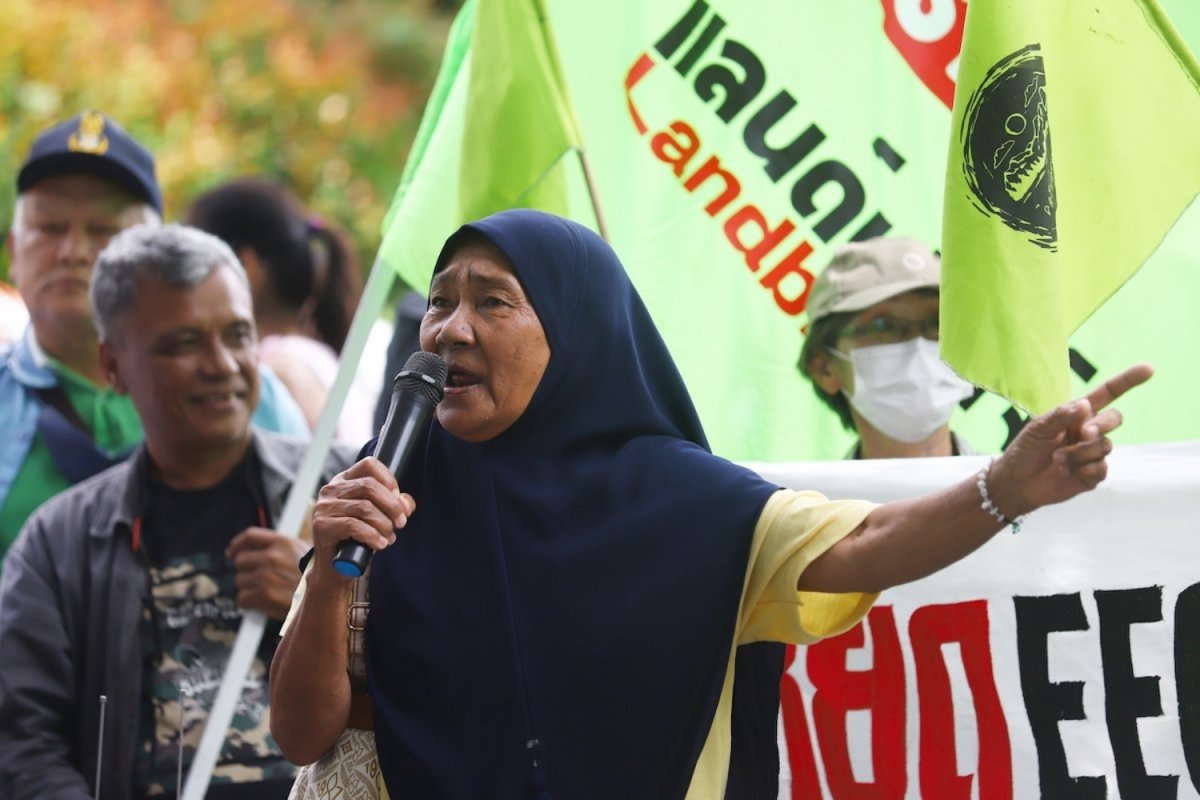
หญิงคนหนึ่งกล่าวปราศรัยในการชุมนุมที่สำนักงานใหญ่พรรคภูมิใจไทย เมื่อวันที่ 18 กันยายน 2568 เรียกร้องให้นายกรัฐมนตรีอนุทิน ชาญวีรกุล ระงับโครงการสะพานเชื่อมแผ่นดินสายใต้ รวมถึงการขยายระเบียงเศรษฐกิจภาคตะวันออก (ภาพ: นุตถวัฒน์ วิเชียรบุตร)
กลุ่มนักวิชาการ องค์กรด้านสิ่งแวดล้อม และกลุ่มภาคประชาสังคม ได้เรียกร้องให้นายกรัฐมนตรีอนุทิน ชาญวีรกุล เปิดเผยรายงานการประเมินผลกระทบสิ่งแวดล้อมและสุขภาพ (EHIA) ทั้งหมดที่เกี่ยวข้องกับโครงการสะพานเชื่อมแผ่นดินสายใต้ที่เสนอ
พวกเขายังต้องการให้เขาชะลอขั้นตอนการอนุมัติ โดยอ้างถึงความกังวลเกี่ยวกับความโปร่งใสและความน่าเชื่อถือของการศึกษาที่สำคัญที่เกี่ยวข้องกับโครงการโครงสร้างพื้นฐานขนาดใหญ่ มูลค่าล้านล้านบาท
ในจดหมายเปิดผนึกที่ส่งเมื่อวันที่ 10 เมษายน ผู้ลงนามได้วิพากษ์วิจารณ์ความพยายามของรัฐบาลในการเร่งรัดโครงการสะพานเชื่อมแผ่นดินชุมพร-ระนอง และการร่างกฎหมายเพื่อจัดตั้งเขตเศรษฐกิจพิเศษภาคใต้
พวกเขากล่าวว่าโครงการนี้กำลังดำเนินการโดยปราศจากการตรวจสอบจากสาธารณชนอย่างเพียงพอ และอิงจากการศึกษาที่ไม่สะท้อนถึงความเป็นไปได้ทางเศรษฐกิจ ผลกระทบต่อสิ่งแวดล้อม หรือความเสี่ยงต่อชุมชนท้องถิ่นอย่างถูกต้อง
กลุ่มผู้ลงนามเรียกร้องให้เปิดเผยรายงานการประเมินผลกระทบสิ่งแวดล้อม (EHIA) ทั้งหมด เพื่อให้แน่ใจว่าประชาชนมีส่วนร่วมอย่างมีความหมายตามที่รัฐธรรมนูญรับรอง
พวกเขากล่าวว่าการเข้าถึงข้อมูลที่ถูกต้องเป็นสิ่งสำคัญก่อนที่จะมีการตัดสินใจใดๆ เกี่ยวกับโครงการโครงสร้างพื้นฐานที่ใหญ่ที่สุดโครงการหนึ่งของประเทศ
ข้อเสนอสะพานเชื่อมแผ่นดินนี้ปรากฏขึ้นครั้งแรกเมื่อประมาณสี่ทศวรรษที่แล้ว และได้รับการปัดฝุ่นโดยรัฐบาลต่างๆ ในช่วงหลายปีที่ผ่านมา โครงการนี้มีวิสัยทัศน์ที่จะเชื่อมต่อท่าเรือในระนองและชุมพรด้วยทางหลวง ทางรถไฟ ท่อส่ง และโครงสร้างพื้นฐานอื่นๆ (เรื่องราวต่อด้านล่าง)
ภาพจำลองจากศิลปินแสดงให้เห็นถึงขนาดของท่าเรือน้ำลึกที่วางแผนไว้ในโครงการสะพานเชื่อมแผ่นดิน
ผู้สนับสนุนกล่าวว่า การเชื่อมต่อระยะทาง 100 กิโลเมตรนี้จะช่วยลดเวลาการขนส่งระหว่างมหาสมุทรอินเดียและมหาสมุทรแปซิฟิกโดยหลีกเลี่ยงช่องแคบมะละกาที่พลุกพล่าน แต่ผู้คัดค้านตั้งคำถามถึงต้นทุนในการขนถ่ายสินค้าจากเรือที่ท่าเรือแห่งหนึ่ง ขนส่งตู้คอนเทนเนอร์เป็นระยะทาง 100 กิโลเมตร และบรรจุลงเรืออีกลำที่ปลายอีกด้านหนึ่ง
นักเคลื่อนไหวได้รวมตัวกันอีกครั้งหลังจากมีการยื่นรายงานการประเมินผลกระทบสิ่งแวดล้อม (EHIA) สำหรับท่าเรือน้ำลึกสองแห่งที่วางแผนไว้ ได้แก่ ท่าเรือแหลมหริว จังหวัดชุมพร และท่าเรือแหลมอ่าวอ่าง จังหวัดระนอง ซึ่งจัดทำโดยสำนักงานนโยบายและการวางแผนการขนส่ง (OTP) ภายใต้กระทรวงคมนาคม
สำนักงานนโยบายและการวางแผนทรัพยากรธรรมชาติและสิ่งแวดล้อม (ONEP) กำลังตรวจสอบรายงานดังกล่าว
ในจดหมาย กลุ่มต่างๆ ได้ระบุข้อกังวลหลัก 5 ประการ ประการแรก พวกเขาตั้งคำถามถึงความเป็นไปได้ทางเศรษฐกิจของโครงการ โดยชี้ให้เห็นถึงข้อสรุปที่ขัดแย้งกันระหว่างหน่วยงานของรัฐ
รายงานการศึกษาความเป็นไปได้โดยสภาพัฒนาเศรษฐกิจและสังคมแห่งชาติ (NESDC) ระบุว่าการลงทุนดังกล่าวไม่คุ้มค่าทางเศรษฐกิจ ในขณะที่ OTP กลับได้ข้อสรุปที่ตรงกันข้าม
ประการที่สอง พวกเขากล่าวว่าการประเมินผลกระทบสิ่งแวดล้อมมีขอบเขตจำกัดเกินไป
แม้ว่าโครงการจะมีศักยภาพที่จะส่งผลกระทบต่อระบบนิเวศและวิถีชีวิตในพื้นที่กว้างขวาง แต่การศึกษา EHIA ประเมินผลกระทบภายในรัศมีห้ากิโลเมตรจากแต่ละพื้นที่ ซึ่งพวกเขากล่าวว่าไม่สามารถสะท้อนผลกระทบทั้งหมดได้ โดยเฉพาะอย่างยิ่งสำหรับชุมชนชาวประมง
ประการที่สาม กลุ่มพันธมิตรแสดงความกังวลเกี่ยวกับความถูกต้องของข้อมูล โดยอ้างถึงความคลาดเคลื่อนในผลการวิจัยเกี่ยวกับความหลากหลายทางชีวภาพทางทะเล
รายงาน EHIA ดูเหมือนจะประเมินจำนวนและความหลากหลายของสิ่งมีชีวิตหน้าดินต่ำกว่าความเป็นจริงเมื่อเทียบกับการศึกษาครั้งก่อนๆ ในขณะเดียวกันก็ล้มเหลวในการประเมินความเสี่ยงที่สำคัญ เช่น แผ่นดินไหว การรั่วไหลของน้ำมัน และไฟไหม้ อย่างเพียงพอ
ประการที่สี่ พวกเขาวิจารณ์สิ่งที่พวกเขาอธิบายว่าเป็นการมีส่วนร่วมของประชาชนที่ไม่เพียงพอ โดยกล่าวว่าชุมชนที่ได้รับผลกระทบไม่ได้รับการแจ้งข้อมูลอย่างเหมาะสม และกระบวนการปรึกษาหารือถูกครอบงำโดยเจ้าหน้าที่รัฐและหน่วยงานที่เกี่ยวข้องกับโครงการ
สุดท้าย ผู้ลงนามเตือนว่าโครงการนี้อาจทำลายคุณค่าทางนิเวศวิทยาของจังหวัดชุมพรและระนอง ซึ่งเป็นจังหวัดที่มีความหลากหลายทางชีวภาพสูงและได้รับการเสนอชื่อให้รวมอยู่ในรายชื่อมรดกโลกเบื้องต้นของยูเนสโก
อภิศักดิ์ ตัสสนี ผู้ประสานงานเครือข่าย Beach for Life กล่าวว่าไม่มีเหตุผลใดที่จะระงับรายงานการประเมินผลกระทบสิ่งแวดล้อมฉบับเต็ม เนื่องจากโครงการนี้อาจส่งผลกระทบต่อความเป็นอยู่ สุขภาพ และสิ่งแวดล้อม พร้อมเสริมว่าการศึกษาดังกล่าวทำให้เกิดข้อสงสัยอย่างร้ายแรงเกี่ยวกับความถูกต้องและความโปร่งใส
ในขณะเดียวกัน องค์กรกฎหมายสิ่งแวดล้อม EnLAW ปฏิเสธเหตุผลที่ ONEP และ OTP ให้ไว้สำหรับการระงับรายงาน ซึ่งอ้างถึงบทบัญญัติของพระราชบัญญัติข้อมูลข่าวสารสาธารณะและกฎหมายคุ้มครองข้อมูลส่วนบุคคล
กลุ่ม EnLAW กล่าวว่าการปฏิเสธดังกล่าวขาดพื้นฐานทางกฎหมายและละเมิดสิทธิตามรัฐธรรมนูญในการเข้าถึงข้อมูลและการมีส่วนร่วมของประชาชน
กลุ่มพันธมิตรดังกล่าวระบุว่าไม่ได้คัดค้านการพัฒนาเศรษฐกิจ แต่เรียกร้องให้รัฐบาลทบทวนการศึกษาและชะลอความคืบหน้าของโครงการจนกว่าข้อกังวลต่างๆ จะได้รับการแก้ไข
จดหมายดังกล่าวระบุว่า “การพัฒนาของประเทศไทยต้องตั้งอยู่บนพื้นฐานของข้อมูลที่ถูกต้อง ความยั่งยืนทางนิเวศวิทยา และความเป็นธรรม”