Engineering Institute of Thailand (EIT) preaches rooftop solar safety
Contractors for rooftop solar installation must register with the Council of Engineers Thailand to enhance consumer confidence on safety, according to the Engineering Institute of Thailand (EIT).
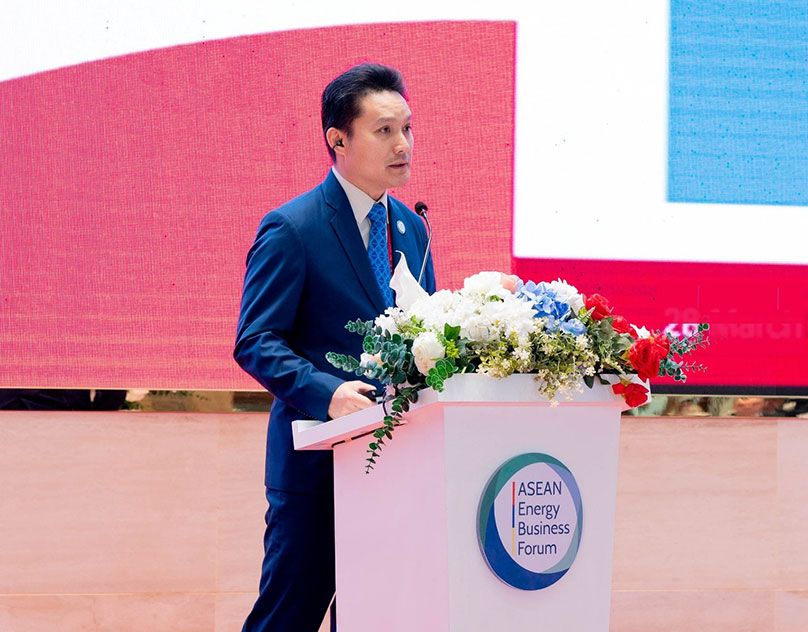
Techatat Buranaaudsawakul, chairman of the Electrical Engineering Department at the EIT, encouraged contractors to register, undergo annual inspections and demonstrate that systems can deliver expected economic performance.
He said companies seeking registration will be required to employ qualified engineers and technicians.
Mr Techatat said an influx of rooftop solar products from foreign players, particularly from China, have increased accessibility in Thailand, but also hindered some aspects of installation.
“Safety is a top priority for rooftop solar,” he told the Bangkok Post.
“People should look at more than the price, such as whether the product truly delivers green energy and long-term safety. A system may increase upfront costs by 10-15%, but over its lifetime it could be worth it.”
To address quality gaps, the EIT plans to sign a memorandum of understanding with the Provincial Electricity Authority in early 2026 to train engineers and electricians in rooftop solar design and installation.
“Installers source and assemble the equipment themselves, while consumers often only see the price,” said Mr Techatat. “We want people to be confident that manufacturers and importers have real engineering experience.”
He noted stronger measures are needed to address unregulated foreign players, particularly from China, entering the market with uncertified products, undermining safety standards and displacing local workers.
According to Mr Techatat, rooftop solar installation must align with Thailand’s latest benchmark, the EIT 2025 Thai Electrical Code: Solar Power Supply and Battery Energy Storage System 2025, which emphasises fire prevention, arc-fault protection and rapid shutdown mechanism.
One of the most critical requirements is an Arc-Fault Circuit Interrupter (AFCI) for inverters. Under EIT standards, inverters must be equipped with DC AFCI capable of cutting off power within 2.5 seconds when an arc fault is detected, in line with IEC 63027 or UL 1699B.
Rapid shutdown functionality is mandatory under the new code, allowing system voltage to be quickly reduced during emergencies to protect firefighters, technicians and occupants.
He said the position for rooftop solar installation is also crucial, especially to avoid flooding.
Source: https://www.bangkokpost.com/business/general/3173668/engineer-preaches-rooftop-solar-safety
Google translation:
สถาบันวิศวกรรมแห่งประเทศไทย (EIT) เน้นย้ำเรื่องความปลอดภัยของแผงโซลาร์เซลล์บนหลังคา
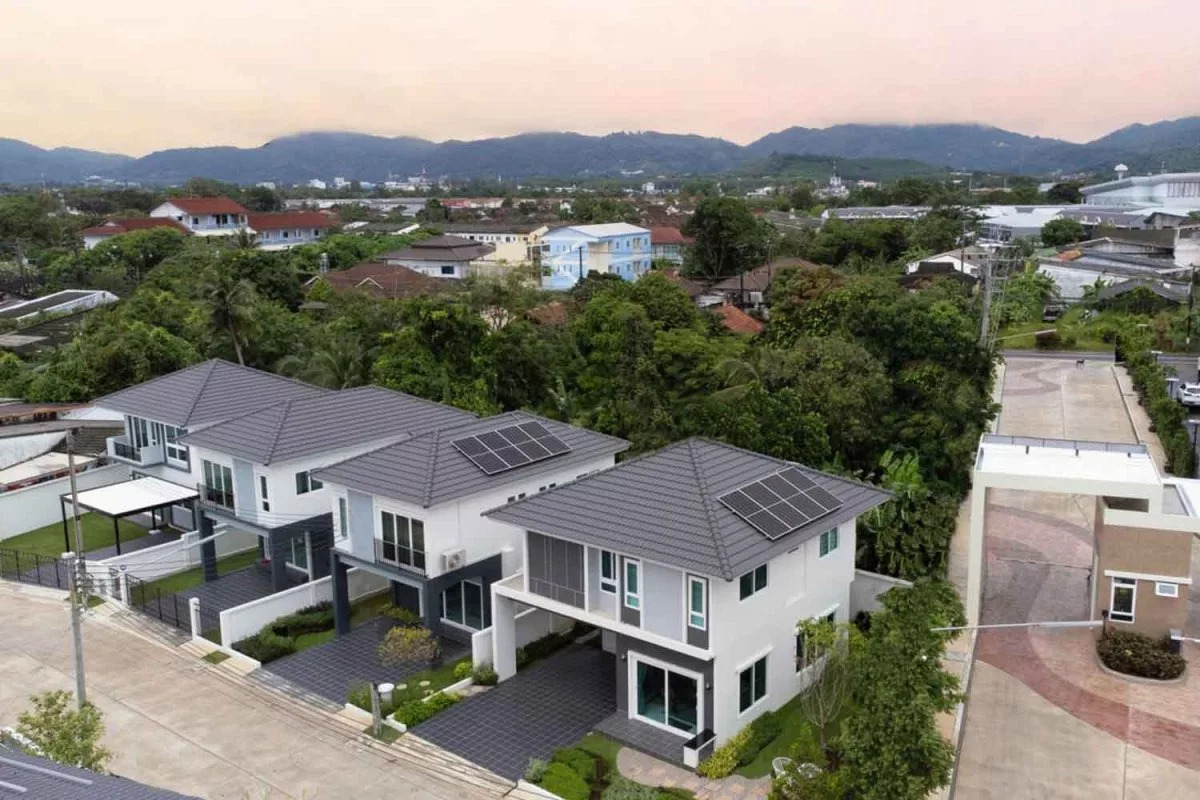
บ้านที่ติดตั้งแผงโซลาร์เซลล์บนหลังคาในโครงการบ้านจัดสรรที่ภูเก็ต พัฒนาโดยบริษัท สุภาลัย
สถาบันวิศวกรรมแห่งประเทศไทย (EIT) ระบุว่า ผู้รับเหมาติดตั้งแผงโซลาร์เซลล์บนหลังคาต้องขึ้นทะเบียนกับสภาวิศวกรแห่งประเทศไทย เพื่อเพิ่มความมั่นใจด้านความปลอดภัยให้กับผู้บริโภค
นายเทชาทัต บูรณาอุดสวากุล ประธานภาควิชาวิศวกรรมไฟฟ้า EIT สนับสนุนให้ผู้รับเหมาขึ้นทะเบียน เข้ารับการตรวจสอบประจำปี และแสดงให้เห็นว่าระบบสามารถให้ประสิทธิภาพทางเศรษฐกิจตามที่คาดหวัง
เขากล่าวว่า บริษัทที่ต้องการขึ้นทะเบียนจะต้องจ้างวิศวกรและช่างเทคนิคที่มีคุณสมบัติเหมาะสม
นายเทชาทัตกล่าวว่า การเข้ามาของผลิตภัณฑ์แผงโซลาร์เซลล์บนหลังคาจากต่างประเทศ โดยเฉพาะจากจีน ทำให้การเข้าถึงในประเทศไทยง่ายขึ้น แต่ก็เป็นอุปสรรคต่อการติดตั้งในบางด้านเช่นกัน
“ความปลอดภัยเป็นสิ่งสำคัญที่สุดสำหรับแผงโซลาร์เซลล์บนหลังคา” เขากล่าวกับบางกอกโพสต์
“ผู้คนควรพิจารณามากกว่าแค่ราคา เช่น ผลิตภัณฑ์นั้นให้พลังงานสีเขียวอย่างแท้จริงและมีความปลอดภัยในระยะยาวหรือไม่ ระบบอาจเพิ่มต้นทุนเริ่มต้น 10-15% แต่ตลอดอายุการใช้งานอาจคุ้มค่า”
เพื่อแก้ไขช่องว่างด้านคุณภาพ EIT วางแผนที่จะลงนามในบันทึกความเข้าใจกับหน่วยงานการไฟฟ้าส่วนภูมิภาคในช่วงต้นปี 2026 เพื่อฝึกอบรมวิศวกรและช่างไฟฟ้าด้านการออกแบบและการติดตั้งแผงโซลาร์เซลล์บนหลังคา
“ผู้ติดตั้งจัดหาและประกอบอุปกรณ์เอง ในขณะที่ผู้บริโภคมักจะเห็นแต่ราคา” นายเทชาทัตกล่าว “เราต้องการให้ผู้คนมั่นใจว่าผู้ผลิตและผู้นำเข้ามีประสบการณ์ด้านวิศวกรรมที่แท้จริง”
เขากล่าวเสริมว่าจำเป็นต้องมีมาตรการที่เข้มงวดมากขึ้นเพื่อจัดการกับผู้เล่นต่างชาติที่ไม่ได้รับการควบคุม โดยเฉพาะจากจีน ที่เข้ามาในตลาดด้วยผลิตภัณฑ์ที่ไม่ได้รับการรับรอง บ่อนทำลายมาตรฐานความปลอดภัย และแย่งงานจากคนงานในท้องถิ่น
นายเทชาทัตกล่าวว่า การติดตั้งโซลาร์เซลล์บนดาดฟ้าต้องสอดคล้องกับมาตรฐานล่าสุดของประเทศไทย คือ มาตรฐานไฟฟ้า EIT 2025: ระบบจ่ายพลังงานแสงอาทิตย์และระบบกักเก็บพลังงานแบตเตอรี่ 2025 ซึ่งเน้นการป้องกันอัคคีภัย การป้องกันการเกิดประกายไฟ และกลไกการปิดระบบอย่างรวดเร็ว
หนึ่งในข้อกำหนดที่สำคัญที่สุดคือ อุปกรณ์ตัดวงจรไฟฟ้าเมื่อเกิดประกายไฟ (AFCI) สำหรับอินเวอร์เตอร์ ภายใต้มาตรฐาน EIT อินเวอร์เตอร์ต้องติดตั้ง AFCI แบบ DC ที่สามารถตัดไฟภายใน 2.5 วินาทีเมื่อตรวจพบประกายไฟ ตามมาตรฐาน IEC 63027 หรือ UL 1699B
ฟังก์ชันการปิดระบบอย่างรวดเร็วเป็นข้อบังคับภายใต้มาตรฐานใหม่นี้ เพื่อลดแรงดันไฟฟ้าของระบบอย่างรวดเร็วในกรณีฉุกเฉิน เพื่อปกป้องนักดับเพลิง ช่างเทคนิค และผู้ที่อยู่ในอาคาร
เขากล่าวว่า ตำแหน่งการติดตั้งโซลาร์เซลล์บนดาดฟ้าก็มีความสำคัญเช่นกัน โดยเฉพาะอย่างยิ่งเพื่อหลีกเลี่ยงน้ำท่วม