2025 a ‘turning point’ for Bangkok
City’s woes, from road collapses to pet rules, edge closer to solutions, writes Supoj Wancharoen
From a collapsing road to contentious transit debts, tighter pet rules and higher rubbish fees, 2025 marked a turning point in how Bangkok governs itself.
Long-simmering problems edged closer to resolution, even as new regulations tested how far residents are willing to adjust everyday habits in the name of safety, order and sustainability.
Taken together, the Bangkok Metropolitan Administration’s (BMA) moves — closing costly mass-transit chapters, regulating animal ownership in a crowded city and reshaping waste behaviour through fees and incentives — reveal a capital grappling with growth, accountability and the harsh realities of managing a modern metropolis.
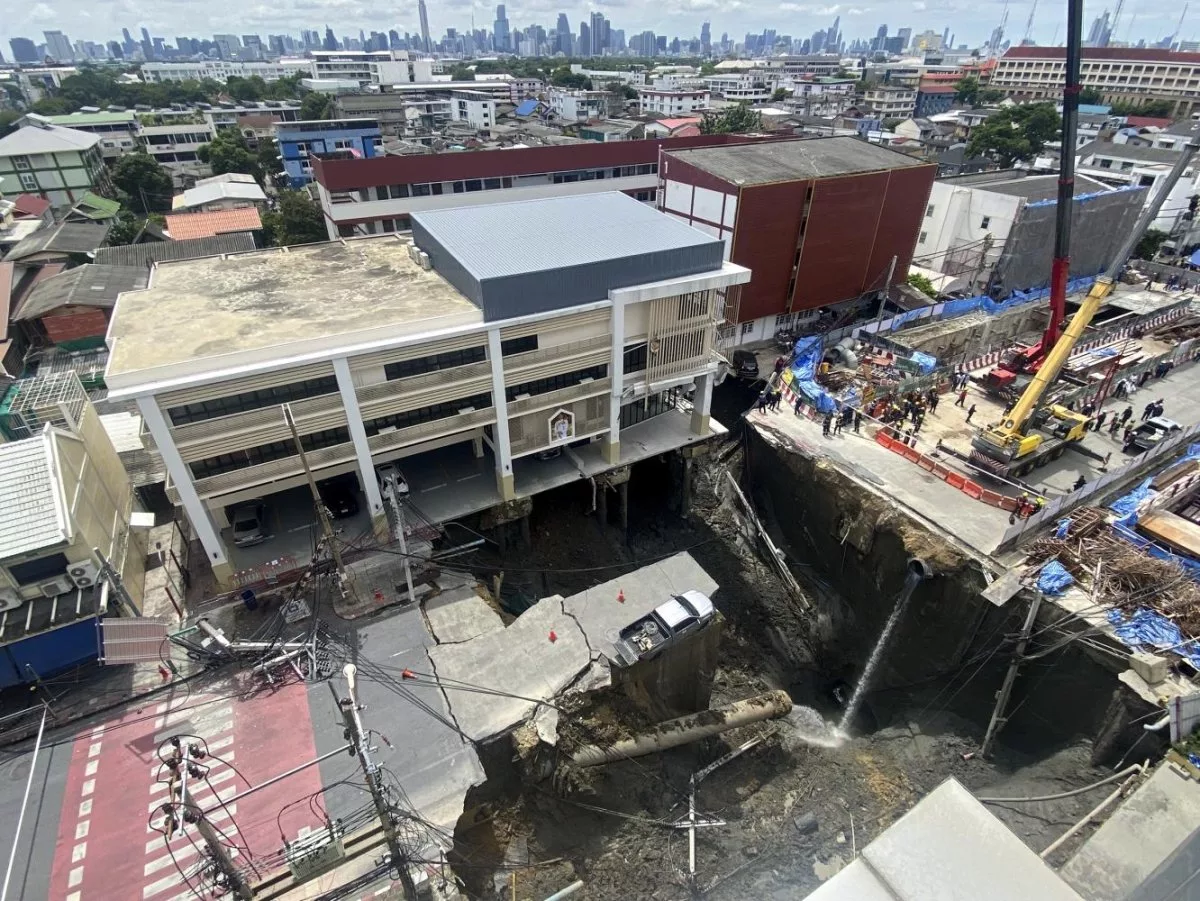
The dramatic collapse of Sam Sen Road in front of Vajira Hospital stands out as one of Bangkok’s most consequential infrastructure incidents, raising concerns about the safety of underground transport construction.
The sinkhole, which opened without warning on Sept 24, exposed a 30-by-30-metre cavity plunging about 50 metres deep.
Bangkok governor Chadchart Sittipunt said the affected section sits above the underground rail tunnels of the Purple Line’s southern extension, which is under construction.
The collapse occurred at the junction between the tunnels and a new station — a recognised structural weak point, he said.
The Mass Rapid Transit Authority of Thailand (MRTA) said the sinkhole was apparently caused by a leaking water pipe that led to soil subsidence and the collapse into one of two subway tunnels.
The MRTA pledged full responsibility for the damage, which forced the closure of Sam Sen Road for 37 days — far longer than the initial seven-day estimate — before it reopened on Oct 31.
The BMA delivered at least 9,400 cubic metres of sand and crushed stone to stabilise the soil before sealing the surface with concrete.
Vajira Hospital suspended outpatient services during the first two days of the incident, while Sam Sen police station was also affected.
Demolition and reconstruction costs are expected to exceed 40 million baht, which the CKST-PL joint venture — comprising CH Karnchang and Sino-Thai — has agreed to cover.
Panya Chupinit, deputy permanent secretary of the Transport Ministry and chairman of the committee investigating the collapse, said the inquiry is expected to be completed this month.
The delay, he said, reflects the sensitive and highly technical nature of the investigation, which requires pinpointing the precise cause.
Preliminary assessments indicate damage of about 700–800 million baht, with repairs expected to take roughly one year due to the scale of the incident, he said.
The 82-billion-baht southern extension of the MRT Purple Line will link Tao Poon and Rat Burana over a distance of 23.63 kilometres, comprising 14.29km of underground structures and 9.34km of elevated track, with 10 underground stations and seven elevated stations.
The line, originally slated to open in 2028, may not be ready until 2030 or 2031.
Green Line debt
One of the longest-running disputes in Bangkok’s mass-transit history moved closer to resolution this year after the Bangkok Metropolitan Administration (BMA) agreed to settle more than 36 billion baht in unpaid operating costs owed to Bangkok Mass Transit System Plc (BTSC) for running the Green Line extensions.
The debt stems from the operation of two major extensions of the BTS Skytrain system — the first from On Nut to Bearing and Saphan Taksin to Bang Wa, and the second from Bearing to Samut Prakan and Mo Chit to Saphan Mai and Khu Khot.
Although services on the extensions were gradually opened between 2017 and 2020 to support Bangkok’s rapid expansion, City Hall failed to fully compensate BTSC for operations, paying only partial amounts before halting payments in 2019.
The stoppage followed Order No.3/2019 issued by the National Council for Peace and Order (NCPO), which sought to restructure concession arrangements for the Green Line.
The BMA’s decision not to continue payments was seen as part of efforts to await a renewed concession framework under the order.
However, the lack of payments caused the city’s debt to balloon steadily, prompting BTSC to seek legal redress.
BTSC eventually filed a lawsuit with the Administrative Court, arguing the BMA was legally obliged to pay for services already rendered.
After years of legal proceedings, the court ruled in favour of BTSC, ordering City Hall to settle the outstanding operational debts.
The ruling pushed the matter back into the administrative system, and the BMA later submitted a proposal to the Bangkok Metropolitan Council seeking approval to pay BTSC.
The debt totals 36.44 billion baht, comprising 31.48 billion baht in principal and 4.96 billion baht in accrued interest.
BTSC chairman Keeree Kanjanapas said on Oct 30 the company welcomed the decision, noting the prolonged uncertainty had placed sustained pressure on the operator.
He said BTSC had continued to shoulder daily operating costs, including staff salaries and system maintenance, throughout the years when payments stalled.
“Over many years, we were under pressure because without follow-up, the matter progressed very slowly,” he said. “But the company still had to manage daily operational expenses. With this resolution, that burden eases significantly.”
For the BMA, the settlement represents not only financial housekeeping but also a reset in national transport policy discussions.
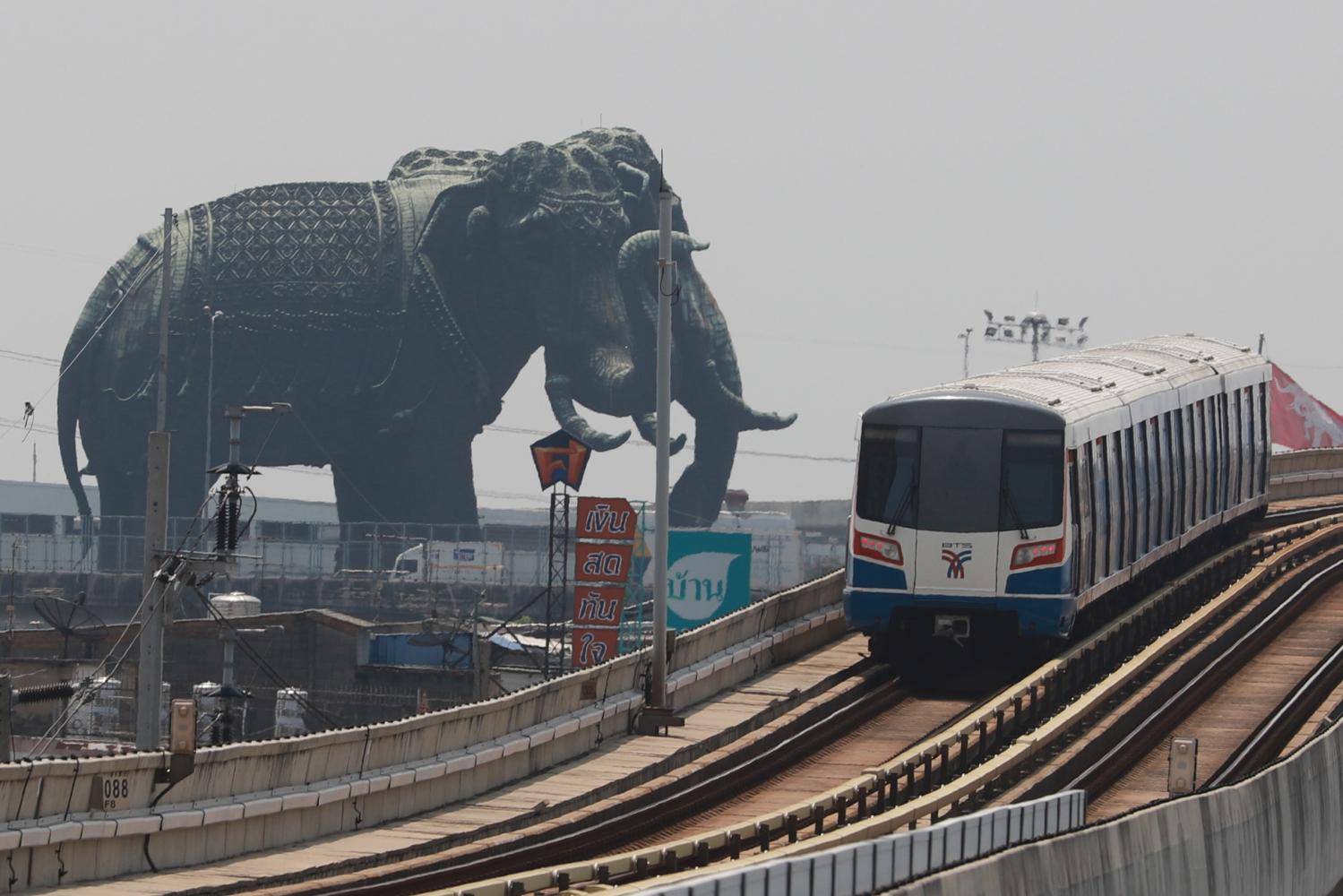
The city administration has indicated support for transferring Green Line operations to the central government, with the Mass Rapid Transit Authority of Thailand potentially taking over management as part of broader plans to centralise control of Bangkok’s rail systems.
New pet control
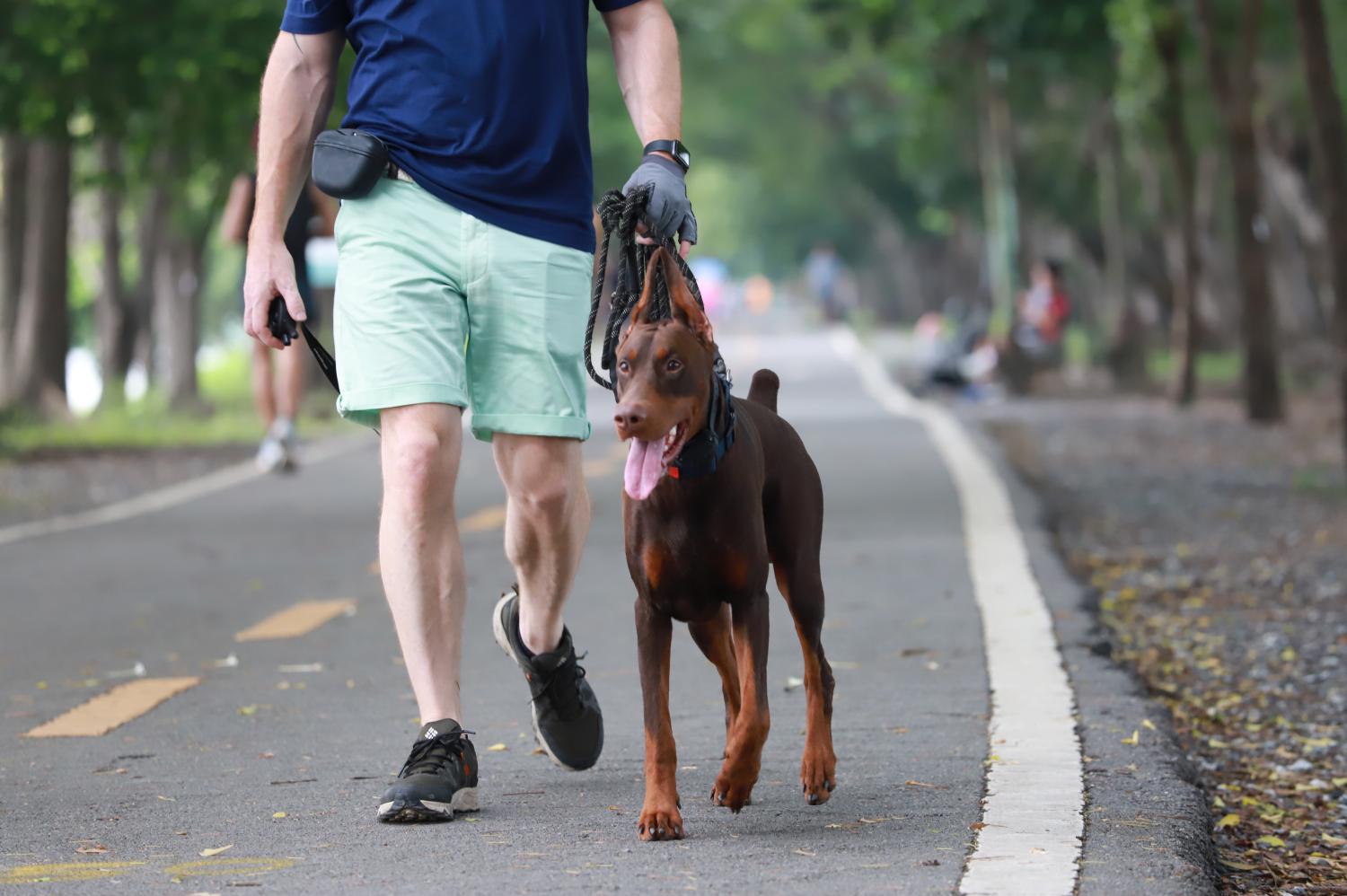
News of Bangkok’s move to regulate dogs, cats and other animals has stirred significant public interest, particularly among pet owners, begging familiar questions: Will the city enforce the rules seriously? Will owners cooperate? And will the number of stray animals in Bangkok finally decline?
Unveiled in the middle of this year, the initiative marks a renewed effort by the BMA to curb the population of stray dogs and cats while reshaping pet owners’ behaviour towards greater responsibility and order — without infringing on the rights of residents who do not keep animals.
The policy is anchored in the Bangkok Metropolitan Ordinance on the Control of Animal Keeping or Release 2024, which will officially come into force on Jan 10.
At its core is a requirement that all dog and cat owners in Bangkok register their pets and have them implanted with microchips.
The system aims to build a comprehensive database that allows authorities to monitor pet ownership, track lost animals, and provide timely assistance when pets go missing.
The BMA has opened eight service points offering free registration and microchipping. These include the Bangkok Metropolitan Veterinary Clinics in Si Phraya (Bang Rak), Min Buri, Wat That Thong (Watthana), Bang Khen (Chatuchak), Wat Hong Rattanaram (Bangkok Yai), Chuang Noot Netr (Chom Thong), Bangkok Noi, and the Rabies Control Unit in Din Daeng district.
While the service is free at these facilities, owners choosing private clinics will have to bear the cost themselves. The ordinance also sets clear limits on the number of dogs or cats allowed, based on residential size.
Apartments or rental units of 20–80 square metres may keep one pet, while units of 80 square metres or more may keep up to two. For land-based residences, plots of up to 20 square wah may keep two animals; up to 50 square wah, three; up to 100 square wah, four, and properties larger than 100 square wah no more than six.
City officials hope the rules will improve public health, protect animal welfare, and reduce conflicts between pet owners and non-owners. Current surveys estimate Bangkok has 54,860 dogs and 124,194 cats. Of these, 34,296 dogs — about 62.5% — have already been microchipped and registered. Cats lag far behind, with only 13,768 registered, or 11.09%.
Whether the new measures will close that gap remains to be seen, but the BMA’s push signals a more serious approach to long-standing urban animal management challenges.
Pay-as-you-throw
The BMA has this year introduced a new city ordinance aimed at improving waste management and environmental sustainability.
The regulation, which took effect on Oct 1, increases waste collection fees for households, businesses, and large facilities across the capital.
Under the new system, general households producing no more than 20 litres of waste per day now pay 60 baht per month, up from the previous rate of 20 baht.
Bangkok has about 2.5 million households, making residential waste the biggest focus of the policy.
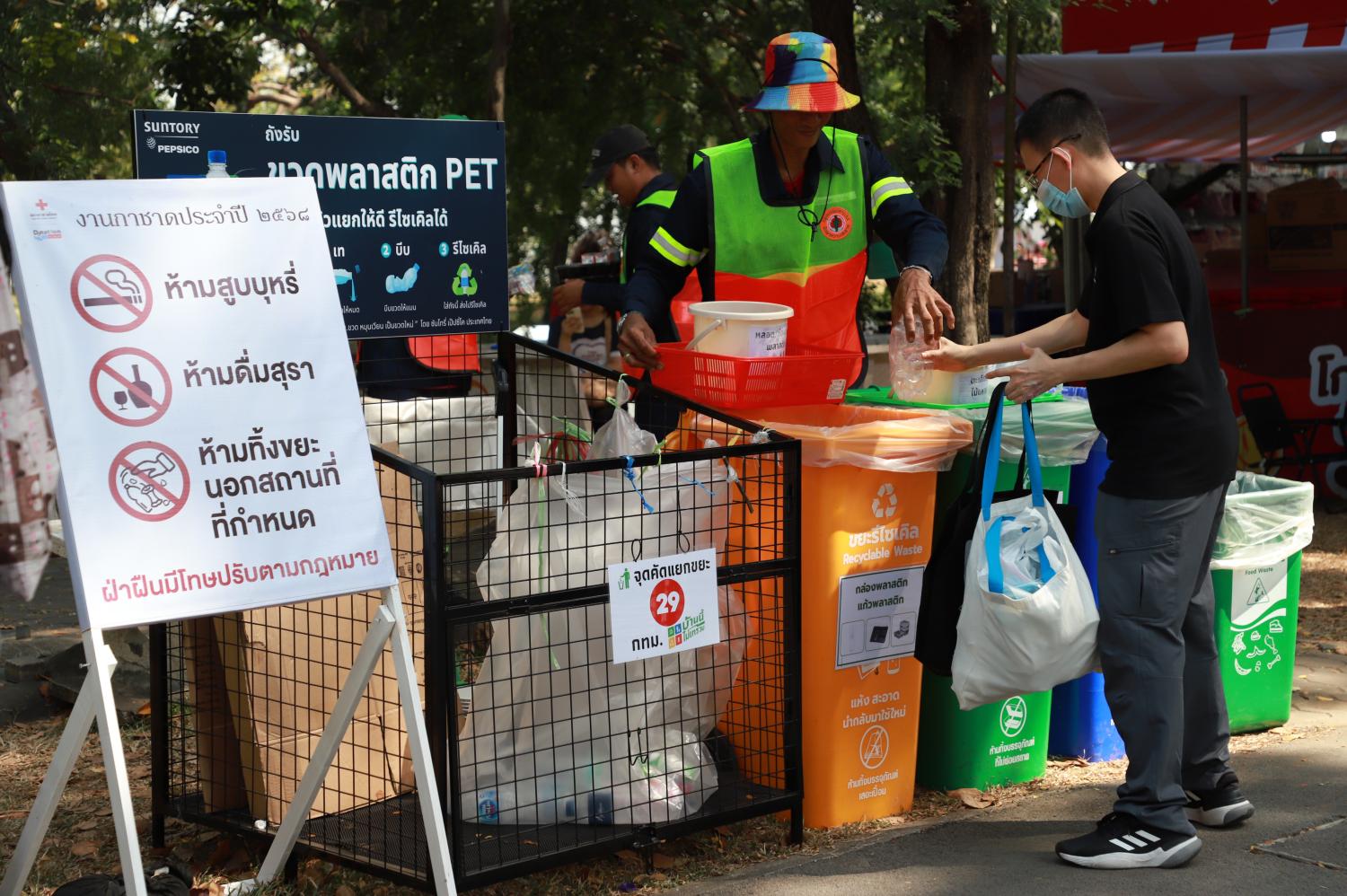
However, households can maintain the original 20-baht fee by joining the BMA’s “This House Does Not Mix Waste” programme, which requires residents to separate waste into four categories: food waste, recyclables, general waste, and hazardous waste.
The fee adjustment comes after more than a decade without change.
Governor Chadchart said the city handles around 10,000 tonnes of waste per day, with disposal costs amounting to approximately seven billion baht per year. But it collects only 500 million baht in fees annually.
BMA officials say the new rates reflect rising costs and support the implementation of a “Pay-As-You-Throw” system to encourage waste reduction.
Businesses will also see higher charges. Small shops and restaurants will pay 120 baht per 20 litres of waste, 60 baht for collection and 60 baht for disposal, while large facilities and markets face fees of 8,000 baht per cubic metre.
To qualify for the reduced household rate, residents must register via the BKK Waste Pay app or at district offices and provide proof of proper waste separation, either through photo evidence verified by BMA officers or documentation of selling or donating recyclables.
Random inspections will be conducted every three months, and households that fail twice consecutively will revert to the standard 60-baht fee.
The BMA is also expanding its fleet of garbage trucks to handle food scraps and hazardous waste.
Officials say the policy will make waste transport and processing more efficient while allowing households to earn extra income by selling recyclables.
As of mid-December, more than 702,800 households had registered for the new programme.
Source: https://www.bangkokpost.com/thailand/general/3167054/2025-a-turning-point-for-bangkok
Google Translate
ปี 2025 คือ ‘จุดเปลี่ยน’ สำหรับกรุงเทพฯ
ปัญหาต่างๆ ของเมือง ตั้งแต่ถนนทรุดตัวไปจนถึงกฎระเบียบเกี่ยวกับสัตว์เลี้ยง ใกล้จะได้รับการแก้ไขแล้ว เขียนโดย สุพจน์ วรรณเจริญ
จากถนนทรุดตัวไปจนถึงหนี้สินด้านการขนส่งที่เป็นข้อถกเถียง กฎระเบียบเกี่ยวกับสัตว์เลี้ยงที่เข้มงวดขึ้น และค่าธรรมเนียมขยะที่สูงขึ้น ปี 2025 ถือเป็นจุดเปลี่ยนในการบริหารจัดการของกรุงเทพฯ
ปัญหาที่คุกรุ่นมานานใกล้จะได้รับการแก้ไข แม้ว่ากฎระเบียบใหม่จะทดสอบว่าประชาชนเต็มใจที่จะปรับเปลี่ยนพฤติกรรมในชีวิตประจำวันเพื่อความปลอดภัย ความเป็นระเบียบ และความยั่งยืนมากน้อยเพียงใด
โดยรวมแล้ว การดำเนินการของกรุงเทพมหานคร (BMA) ไม่ว่าจะเป็นการปิดเส้นทางขนส่งมวลชนที่มีค่าใช้จ่ายสูง การควบคุมการเลี้ยงสัตว์ในเมืองที่แออัด และการปรับเปลี่ยนพฤติกรรมการจัดการขยะผ่านค่าธรรมเนียมและสิ่งจูงใจ เผยให้เห็นถึงเมืองหลวงที่กำลังดิ้นรนกับการเติบโต ความรับผิดชอบ และความเป็นจริงที่ยากลำบากของการบริหารจัดการมหานครสมัยใหม่
การทรุดตัวอย่างรุนแรงของถนนสามเสนหน้าโรงพยาบาลวชิระ เป็นหนึ่งในเหตุการณ์โครงสร้างพื้นฐานที่สำคัญที่สุดของกรุงเทพฯ ซึ่งก่อให้เกิดความกังวลเกี่ยวกับความปลอดภัยของการก่อสร้างระบบขนส่งใต้ดิน หลุมยุบซึ่งเปิดขึ้นโดยไม่มีสัญญาณเตือนล่วงหน้าเมื่อวันที่ 24 กันยายน เผยให้เห็นโพรงขนาด 30 คูณ 30 เมตร ลึกประมาณ 50 เมตร
นายชาดชาติ สิทธิพันธุ์ ผู้ว่าราชการกรุงเทพมหานคร กล่าวว่า ส่วนที่ได้รับผลกระทบอยู่เหนืออุโมงค์รถไฟฟ้าใต้ดินสายสีม่วงส่วนต่อขยายทางใต้ ซึ่งอยู่ระหว่างการก่อสร้าง
การทรุดตัวเกิดขึ้นที่จุดเชื่อมต่อระหว่างอุโมงค์และสถานีใหม่ ซึ่งเป็นจุดอ่อนโครงสร้างที่ทราบกันดีอยู่แล้ว เขากล่าว
การรถไฟฟ้าขนส่งมวลชนแห่งประเทศไทย (รฟท.) กล่าวว่า หลุมยุบเกิดจากท่อน้ำรั่ว ทำให้ดินทรุดตัวและพังลงไปในอุโมงค์รถไฟฟ้าใต้ดินหนึ่งในสองอุโมงค์
รฟท. รับผิดชอบความเสียหายทั้งหมด ซึ่งทำให้ต้องปิดถนนสามเสนเป็นเวลา 37 วัน นานกว่าที่คาดการณ์ไว้ในตอนแรก 7 วัน ก่อนที่จะเปิดให้บริการอีกครั้งในวันที่ 31 ตุลาคม
กรุงเทพมหานครได้นำทรายและหินบดอย่างน้อย 9,400 ลูกบาศก์เมตรมาถมเพื่อทำให้ดินมีความเสถียร ก่อนที่จะเทคอนกรีตปิดผิวหน้าดิน
โรงพยาบาลวชิระได้ระงับบริการผู้ป่วยนอกในช่วงสองวันแรกของเหตุการณ์ ขณะที่สถานีตำรวจสามเสนก็ได้รับผลกระทบเช่นกัน
คาดว่าค่าใช้จ่ายในการรื้อถอนและสร้างใหม่จะเกิน 40 ล้านบาท ซึ่งบริษัทร่วมทุน CKST-PL ซึ่งประกอบด้วย CH Karnchang และ Sino-Thai ได้ตกลงที่จะรับผิดชอบ
ปัญญา ชุพินิช รองปลัดกระทรวงคมนาคมและประธานคณะกรรมการสอบสวนเหตุการณ์ถล่ม กล่าวว่า คาดว่าการสอบสวนจะแล้วเสร็จภายในเดือนนี้
เขากล่าวว่า ความล่าช้าสะท้อนให้เห็นถึงลักษณะที่ละเอียดอ่อนและซับซ้อนทางเทคนิคของการสอบสวน ซึ่งจำเป็นต้องระบุสาเหตุที่แท้จริง
การประเมินเบื้องต้นบ่งชี้ว่าความเสียหายอยู่ที่ประมาณ 700-800 ล้านบาท โดยคาดว่าการซ่อมแซมจะใช้เวลาประมาณหนึ่งปีเนื่องจากขนาดของเหตุการณ์ เขากล่าว
ส่วนต่อขยายรถไฟฟ้าสายสีม่วงตอนใต้ มูลค่า 82,000 ล้านบาท จะเชื่อมต่อสถานีเตาปูนและสถานีราษฎร ระยะทาง 23.63 กิโลเมตร ประกอบด้วยทางใต้ดิน 14.29 กิโลเมตร และทางยกระดับ 9.34 กิโลเมตร มีสถานีใต้ดิน 10 สถานี และสถานียกระดับ 7 สถานี
เดิมทีมีกำหนดเปิดให้บริการในปี 2028 แต่อาจจะไม่แล้วเสร็จจนกว่าจะถึงปี 2030 หรือ 2031
หนี้สินสายสีเขียว
ข้อพิพาทที่ยืดเยื้อยาวนานที่สุดครั้งหนึ่งในประวัติศาสตร์ระบบขนส่งมวลชนของกรุงเทพฯ ใกล้จะยุติลงในปีนี้ หลังจากที่กรุงเทพมหานคร (BMA) ตกลงที่จะชำระค่าใช้จ่ายในการดำเนินงานที่ค้างชำระกว่า 36,000 ล้านบาท ให้แก่บริษัท รถไฟฟ้าขนส่งมวลชนแห่งประเทศไทย จำกัด (มหาชน) สำหรับการดำเนินงานส่วนต่อขยายสายสีเขียว
หนี้สินดังกล่าวเกิดจากการดำเนินงานขยายเส้นทางรถไฟฟ้า BTS สองเส้นทางหลัก เส้นทางแรกจากอุดรธานีไปแบริ่ง และจากสะพานตากสินไปบางหว้า และเส้นทางที่สองจากแบริ่งไปสมุทรปราการ และจากหมอชิตไปสะพานใหม่และคูคต
แม้ว่าการให้บริการในเส้นทางขยายเหล่านี้จะทยอยเปิดให้บริการระหว่างปี 2560 ถึง 2563 เพื่อรองรับการขยายตัวอย่างรวดเร็วของกรุงเทพฯ แต่กรุงเทพมหานครกลับไม่ชดเชยค่าใช้จ่ายในการดำเนินงานให้แก่ BTSC อย่างครบถ้วน โดยจ่ายเพียงบางส่วนก่อนที่จะหยุดจ่ายในปี 2562
การหยุดจ่ายดังกล่าวเป็นไปตามคำสั่งที่ 3/2562 ของคณะมนตรีความมั่นคงแห่งชาติ (คสช.) ซึ่งมีเป้าหมายเพื่อปรับโครงสร้างสัมปทานสำหรับรถไฟฟ้าสายสีเขียว
การตัดสินใจของกรุงเทพมหานครที่จะไม่จ่ายเงินต่อถูกมองว่าเป็นส่วนหนึ่งของความพยายามที่จะรอข้อตกลงสัมปทานใหม่ภายใต้คำสั่งดังกล่าว
อย่างไรก็ตาม การขาดการชำระเงินทำให้หนี้สินของกรุงเทพมหานครเพิ่มขึ้นอย่างต่อเนื่อง ส่งผลให้ BTSC ต้องดำเนินการทางกฎหมายเพื่อแก้ไขปัญหา
ในที่สุด BTSC ก็ยื่นฟ้องต่อศาลปกครอง โดยอ้างว่า BMA มีหน้าที่ตามกฎหมายที่จะต้องจ่ายค่าบริการที่ได้ดำเนินการไปแล้ว
หลังจากดำเนินคดีทางกฎหมายมาหลายปี ศาลได้ตัดสินให้ BTSC เป็นฝ่ายชนะ โดยสั่งให้กรุงเทพมหานครชำระหนี้ค่าใช้จ่ายในการดำเนินงานที่ค้างอยู่
คำตัดสินดังกล่าวทำให้เรื่องนี้กลับเข้าสู่ระบบราชการอีกครั้ง และต่อมากรุงเทพมหานครได้ยื่นเรื่องต่อสภากรุงเทพมหานครเพื่อขออนุมัติจ่ายเงินให้ BTSC
หนี้ทั้งหมดมีจำนวน 36.44 พันล้านบาท ประกอบด้วยเงินต้น 31.48 พันล้านบาท และดอกเบี้ยค้างจ่าย 4.96 พันล้านบาท
นายกีรี กัญจนภาส ประธานกรรมการ BTSC กล่าวเมื่อวันที่ 30 ตุลาคมว่า บริษัทฯ ยินดีกับคำตัดสินดังกล่าว โดยระบุว่าความไม่แน่นอนที่ยืดเยื้อได้สร้างแรงกดดันอย่างต่อเนื่องต่อผู้ประกอบการ
เขากล่าวว่า BTSC ยังคงแบกรับค่าใช้จ่ายในการดำเนินงานประจำวัน รวมถึงเงินเดือนพนักงานและการบำรุงรักษาระบบ ตลอดหลายปีที่ผ่านมาในขณะที่การชำระเงินล่าช้า
“ตลอดหลายปีที่ผ่านมา เราอยู่ภายใต้แรงกดดันเพราะไม่มีการติดตามผล ทำให้เรื่องนี้คืบหน้าไปอย่างช้ามาก” เขากล่าว “แต่บริษัทฯ ยังคงต้องบริหารจัดการค่าใช้จ่ายในการดำเนินงานประจำวัน ด้วยการแก้ไขปัญหาในครั้งนี้ ภาระดังกล่าวจึงลดลงอย่างมาก”
สำหรับกรุงเทพมหานคร ข้อตกลงนี้ไม่เพียงแต่เป็นการจัดการด้านการเงินเท่านั้น แต่ยังเป็นการเริ่มต้นใหม่ในการอภิปรายนโยบายการขนส่งระดับชาติอีกด้วย
ฝ่ายบริหารเมืองได้แสดงการสนับสนุนการโอนการดำเนินงานรถไฟฟ้าสายสีเขียวไปยังรัฐบาลกลาง โดยที่การรถไฟฟ้าขนส่งมวลชนแห่งประเทศไทยอาจเข้ามารับช่วงการบริหารจัดการต่อ ซึ่งเป็นส่วนหนึ่งของแผนการที่กว้างขึ้นในการรวมศูนย์การควบคุมระบบรางของกรุงเทพฯ
การควบคุมสัตว์เลี้ยงแบบใหม่
ข่าวเกี่ยวกับการที่กรุงเทพฯ จะออกกฎระเบียบเกี่ยวกับสุนัข แมว และสัตว์อื่นๆ ได้กระตุ้นความสนใจของประชาชนอย่างมาก โดยเฉพาะอย่างยิ่งในหมู่เจ้าของสัตว์เลี้ยง ทำให้เกิดคำถามที่คุ้นเคยขึ้นมาว่า: เมืองจะบังคับใช้กฎอย่างจริงจังหรือไม่? เจ้าของสัตว์เลี้ยงจะให้ความร่วมมือหรือไม่? และจำนวนสัตว์จรจัดในกรุงเทพฯ จะลดลงในที่สุดหรือไม่?
โครงการริเริ่มนี้ซึ่งเปิดตัวเมื่อกลางปีนี้ ถือเป็นความพยายามครั้งใหม่ของกรุงเทพมหานครในการควบคุมจำนวนสุนัขและแมวจรจัด ในขณะเดียวกันก็ปรับเปลี่ยนพฤติกรรมของเจ้าของสัตว์เลี้ยงให้มีความรับผิดชอบและเป็นระเบียบมากขึ้น โดยไม่ละเมิดสิทธิของผู้อยู่อาศัยที่ไม่ได้เลี้ยงสัตว์
นโยบายนี้มีพื้นฐานมาจากพระราชบัญญัติกรุงเทพมหานครว่าด้วยการควบคุมการเลี้ยงหรือปล่อยสัตว์ พ.ศ. 2567 ซึ่งจะมีผลบังคับใช้อย่างเป็นทางการในวันที่ 10 มกราคม
หัวใจสำคัญของนโยบายนี้คือข้อกำหนดให้เจ้าของสุนัขและแมวทุกคนในกรุงเทพฯ ต้องลงทะเบียนสัตว์เลี้ยงและฝังไมโครชิป
ระบบนี้มีจุดมุ่งหมายเพื่อสร้างฐานข้อมูลที่ครอบคลุม ซึ่งจะช่วยให้เจ้าหน้าที่สามารถตรวจสอบการเป็นเจ้าของสัตว์เลี้ยง ติดตามสัตว์ที่หายไป และให้ความช่วยเหลือได้ทันท่วงทีเมื่อสัตว์เลี้ยงหายตัวไป
กรุงเทพมหานครได้เปิดจุดบริการ 8 แห่งที่ให้บริการลงทะเบียนและฝังไมโครชิปฟรี ได้แก่ สถานีอนามัยสัตว์กรุงเทพมหานครในเขตศรีพระยา (บางรัก) มีนบุรี วัดธาตุทอง (วัดวัฒนา) บางเขน (จตุจักร) วัดหงส์รัตนาราม (กรุงเทพใหญ่) ชุมนุทเนตร (ชมทอง) กรุงเทพน้อย และหน่วยควบคุมโรคพิษสุนัขบ้าในเขตดินแดง
แม้ว่าบริการจะฟรีที่สถานีเหล่านี้ แต่เจ้าของที่เลือกใช้บริการคลินิกเอกชนจะต้องรับผิดชอบค่าใช้จ่ายเอง ข้อบัญญัตินี้ยังกำหนดข้อจำกัดที่ชัดเจนเกี่ยวกับจำนวนสุนัขหรือแมวที่อนุญาตให้เลี้ยงได้ โดยพิจารณาจากขนาดของที่อยู่อาศัย
อพาร์ตเมนต์หรือห้องเช่าขนาด 20-80 ตารางเมตร สามารถเลี้ยงสัตว์ได้ 1 ตัว ในขณะที่ห้องเช่าขนาด 80 ตารางเมตรขึ้นไป สามารถเลี้ยงได้ไม่เกิน 2 ตัว สำหรับที่อยู่อาศัยบนที่ดินเปล่า ที่ดินขนาดไม่เกิน 20 ตารางวา สามารถเลี้ยงสัตว์ได้ 2 ตัว ที่ดินขนาดไม่เกิน 50 ตารางวา 3 ตัว ที่ดินขนาดไม่เกิน 100 ตารางวา 4 ตัว และที่ดินขนาดใหญ่กว่า 100 ตารางวา ไม่เกิน 6 ตัว
เจ้าหน้าที่ของเมืองหวังว่ากฎระเบียบเหล่านี้จะช่วยปรับปรุงสุขภาพของประชาชน ปกป้องสวัสดิภาพสัตว์ และลดความขัดแย้งระหว่างเจ้าของสัตว์เลี้ยงและผู้ที่ไม่มีสัตว์เลี้ยง จากการสำรวจในปัจจุบันคาดว่ากรุงเทพฯ มีสุนัข 54,860 ตัว และแมว 124,194 ตัว ในจำนวนนี้ สุนัข 34,296 ตัว หรือประมาณ 62.5% ได้รับการฝังไมโครชิปและลงทะเบียนแล้ว ส่วนแมวนั้นยังตามหลังอยู่มาก โดยมีเพียง 13,768 ตัว หรือ 11.09% เท่านั้นที่ลงทะเบียนแล้ว
ยังคงต้องรอดูว่ามาตรการใหม่เหล่านี้จะสามารถลดช่องว่างดังกล่าวได้หรือไม่ แต่การผลักดันของ BMA บ่งชี้ถึงแนวทางที่จริงจังมากขึ้นในการแก้ไขปัญหาการจัดการสัตว์ในเมืองที่มีมาอย่างยาวนาน
ระบบเก็บขยะแบบคิดตามปริมาณ
กรุงเทพมหานครได้ออกเทศบัญญัติใหม่ในปีนี้ โดยมีเป้าหมายเพื่อปรับปรุงการจัดการขยะและความยั่งยืนด้านสิ่งแวดล้อม
ระเบียบดังกล่าวมีผลบังคับใช้ตั้งแต่วันที่ 1 ตุลาคม โดยเพิ่มค่าธรรมเนียมการเก็บขยะสำหรับครัวเรือน ธุรกิจ และสถานประกอบการขนาดใหญ่ทั่วกรุงเทพฯ
ภายใต้ระบบใหม่ ครัวเรือนทั่วไปที่ผลิตขยะไม่เกิน 20 ลิตรต่อวัน จะต้องจ่าย 60 บาทต่อเดือน เพิ่มขึ้นจากอัตราเดิม 20 บาท
กรุงเทพฯ มีครัวเรือนประมาณ 2.5 ล้านครัวเรือน ทำให้ขยะในครัวเรือนเป็นเป้าหมายหลักของนโยบายนี้
อย่างไรก็ตาม ครัวเรือนสามารถคงค่าธรรมเนียมเดิม 20 บาทได้ โดยเข้าร่วมโครงการ “บ้านหลังนี้ไม่ปนขยะ” ของกรุงเทพมหานคร ซึ่งกำหนดให้ผู้อยู่อาศัยแยกขยะออกเป็น 4 ประเภท ได้แก่ ขยะอาหาร ขยะรีไซเคิล ขยะทั่วไป และขยะอันตราย
การปรับค่าธรรมเนียมครั้งนี้เกิดขึ้นหลังจากไม่มีการเปลี่ยนแปลงมานานกว่าทศวรรษ
ผู้ว่าราชการกรุงเทพมหานคร นายชาดชาติ กล่าวว่า กรุงเทพมหานครจัดการขยะประมาณ 10,000 ตันต่อวัน โดยมีค่าใช้จ่ายในการกำจัดประมาณ 7 พันล้านบาทต่อปี แต่เก็บค่าธรรมเนียมได้เพียง 500 ล้านบาทต่อปี
เจ้าหน้าที่กรุงเทพมหานครกล่าวว่า อัตราค่าธรรมเนียมใหม่สะท้อนถึงต้นทุนที่เพิ่มขึ้นและสนับสนุนการนำระบบ “จ่ายตามปริมาณขยะ” มาใช้เพื่อส่งเสริมการลดปริมาณขยะ
ธุรกิจต่างๆ ก็จะต้องเสียค่าธรรมเนียมที่สูงขึ้นเช่นกัน ร้านค้าขนาดเล็กและร้านอาหารจะจ่าย 120 บาทต่อขยะ 20 ลิตร โดยแบ่งเป็นค่าเก็บขยะ 60 บาท และค่ากำจัด 60 บาท ขณะที่สถานประกอบการขนาดใหญ่และตลาดจะต้องเสียค่าธรรมเนียม 8,000 บาทต่อลูกบาศก์เมตร
เพื่อรับส่วนลดสำหรับครัวเรือน ผู้อยู่อาศัยต้องลงทะเบียนผ่านแอปพลิเคชัน BKK Waste Pay หรือที่สำนักงานเขต และแสดงหลักฐานการแยกขยะอย่างถูกต้อง ไม่ว่าจะเป็นหลักฐานภาพถ่ายที่ตรวจสอบโดยเจ้าหน้าที่กรุงเทพมหานคร หรือเอกสารการขายหรือบริจาควัสดุรีไซเคิล
จะมีการตรวจสอบแบบสุ่มทุก 3 เดือน และครัวเรือนที่ไม่ปฏิบัติตามกฎสองครั้งติดต่อกันจะกลับไปเสียค่าธรรมเนียมมาตรฐาน 60 บาท
BMA กำลังขยายกองรถเก็บขยะเพื่อรองรับเศษอาหารและขยะอันตรายด้วย
เจ้าหน้าที่กล่าวว่านโยบายนี้จะทำให้การขนส่งและการจัดการขยะมีประสิทธิภาพมากขึ้น ในขณะเดียวกันก็ช่วยให้ครัวเรือนมีรายได้เสริมจากการขายวัสดุรีไซเคิล
ณ กลางเดือนธันวาคม มีครัวเรือนลงทะเบียนเข้าร่วมโครงการใหม่แล้วกว่า 702,800 ครัวเรือน