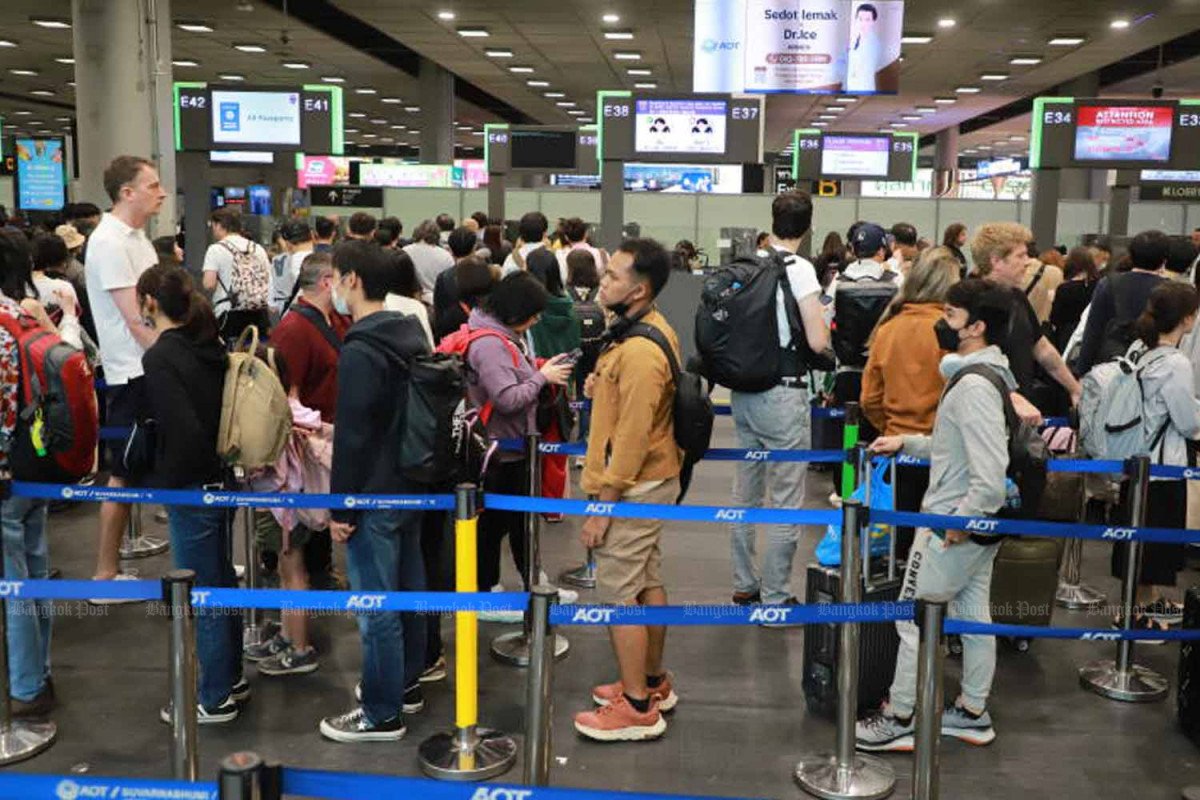
What are Thailand’s visa changes really about?
Length of stay in the country has little to do with degree of abuse or criminality
Bangkok Post Opinion
There have been a number of announcements from state agencies to do with visa policies in Thailand over the past several months that seem to have made the matter rather convoluted.
One of the more recent examples came from the Ministry of Foreign Affairs, which said it had approved a plan to reduce visa-free periods for tourists from certain countries from 60 to 30 days, even though the extensions had been approved only about a year prior.
That news came shortly after the government indicated it was considering an insurance requirement for tourists to “reduce the burden of medical bills on the nation”, an additional 300-baht tourism fee on arrivals and signals from Immigration Police that they were more closely scrutinising so-called “visa runs” before that.
Viewed together, the impression would be that Thailand has seen a need to get stricter with its visitors, that we’re tightening our borders.
At the same time, the administration in February acknowledged proposed policies to attract not only more travellers to Thailand, but more long-stay visitors. Among the permits highlighted for this purpose was the Destination Thailand Visa, which offers the ability to stay for up to five years.
Which is it then? Does Thailand want to limit guests from abroad or does it want more to arrive and stay even longer?
More importantly, perhaps, is the question of what suddenly sparked this recent wave of signals that the nation is getting more meticulous about screening people entering from abroad?
Foreign Minister Sihasak Phuangketkeow explained that the current 60-day visa has allowed people to come and stay in Thailand for “purposes other than those intended”. In the eyes of his office, 30 days is sufficient for tourism while 60 days risks delinquency.
His view appears to be mostly shared throughout the government, with even the prime minister pointing to the problem of scammers and “grey activities” when speaking of tighter visa controls.
Looking through most available statistics, however, this argument seems to be based almost exclusively on anecdotal evidence. While grey-market activities and crimes involving foreigners, like scamming, are on the rise, no direct line can be drawn between the upsurge of criminality and visa leniency.
From the available numbers, 3,249 visas were revoked for crimes and unrest in 2025 in a country that welcomes more than 30 million foreign arrivals each year.
Visa revocation for people abusing student visas is much higher, exceeding ten thousand yearly. One of the more notable cases was engineers from China arriving on student visas to take part in the ill-fated State Audit Office (SAO) construction project. Why is the conversation not centred on educational permissions then?
Sawet Vienthong, a professor of political science at Mahamakut Buddhist University, said changes to visa durations and fees alone would not address the root cause of Thailand’s problem with transnational criminals. Instead, he suggested immigration authorities intensify their background checks of entrants, looking in particular for any connections to illegal networks.
Paisan Sukcharoen, acting chairman of the Chiang Mai Tourism Industry Council, expressed measured agreement with the sentiment of the Ministry of Foreign Affairs but reminded that under its own proposal, visitors would be able to request extensions beyond 30 days, leaving a loophole for abuse.
He also drew attention to the potential for those with criminal intent to simply use other corrupt means to achieve longer stays. As a member of the tourism industry, he voiced concern over the impacts of the policy switch on legitimate long-stay individuals, like digital nomads.
If even a brief consideration of circumstances and possibilities raises robust questions about these latest proposals, why should the country persist in its review of this particular course of action?
If the threat is grey business, overstaying by criminals and burdens on national systems such as healthcare, would it not be more effective to devote attention to directly addressing these problems?
At the very least, even if Thailand ends up only being able to counteract these issues to the same degree as through tougher visa policies, it would do so while still being able to proceed fully in its mission of attracting more tourists and guests.
Most importantly, it cannot go unsaid that if Thailand’s goal is to screen out detrimental elements and preserve so-called quality tourists, it might be much better served projecting an image that is tough on misbehaviour and supportive of those with an honest appreciation of the country’s values and culture.
Quality tourists are not the result of visa policies but of law enforcement quality and the quality of stays presented to visitors.
Source: https://www.bangkokpost.com/opinion/opinion/3235260/what-are-thailands-visa-changes-really-about
Google Translation:
การเปลี่ยนแปลงวีซ่าของไทยนั้นเกี่ยวกับอะไรกันแน่?
ระยะเวลาการพำนักในประเทศแทบไม่มีส่วนเกี่ยวข้องกับระดับการละเมิดหรืออาชญากรรมเลย
บทความแสดงความคิดเห็นจากบางกอกโพสต์
ประเทศไทยจะได้อะไรจากการลดวีซ่าจาก 60 วันเหลือ 30 วัน? (ภาพ: บางกอกโพสต์)
ในช่วงหลายเดือนที่ผ่านมา มีการประกาศจากหน่วยงานของรัฐหลายแห่งเกี่ยวกับนโยบายวีซ่าในประเทศไทย ซึ่งดูเหมือนจะทำให้เรื่องนี้ซับซ้อนยิ่งขึ้น
ตัวอย่างล่าสุดมาจากกระทรวงการต่างประเทศ ซึ่งกล่าวว่าได้อนุมัติแผนการลดระยะเวลาการยกเว้นวีซ่าสำหรับนักท่องเที่ยวจากบางประเทศจาก 60 วันเหลือ 30 วัน แม้ว่าการขยายเวลาดังกล่าวจะได้รับการอนุมัติเพียงประมาณหนึ่งปีก่อนหน้านี้ก็ตาม
ข่าวนี้เกิดขึ้นไม่นานหลังจากที่รัฐบาลระบุว่ากำลังพิจารณาข้อกำหนดด้านประกันภัยสำหรับนักท่องเที่ยวเพื่อ “ลดภาระค่าใช้จ่ายด้านการรักษาพยาบาลของประเทศ” ค่าธรรมเนียมการท่องเที่ยวเพิ่มเติม 300 บาทเมื่อเดินทางมาถึง และสัญญาณจากตำรวจตรวจคนเข้าเมืองว่ากำลังตรวจสอบสิ่งที่เรียกว่า “การต่อวีซ่า” อย่างเข้มงวดมากขึ้นก่อนหน้านั้น
เมื่อพิจารณาโดยรวมแล้ว ดูเหมือนว่าประเทศไทยจะเห็นความจำเป็นที่จะต้องเข้มงวดกับนักท่องเที่ยวมากขึ้น และกำลังกระชับพรมแดนของเรา
ในขณะเดียวกัน ในเดือนกุมภาพันธ์ รัฐบาลได้ยอมรับนโยบายที่เสนอเพื่อดึงดูดนักท่องเที่ยวให้มาเยือนประเทศไทยมากขึ้น รวมถึงนักท่องเที่ยวที่พำนักระยะยาวด้วย หนึ่งในใบอนุญาตที่ถูกเน้นย้ำเพื่อจุดประสงค์นี้คือ วีซ่าปลายทางประเทศไทย (Destination Thailand Visa) ซึ่งอนุญาตให้พำนักได้นานถึงห้าปี
สรุปแล้ว ประเทศไทยต้องการจำกัดจำนวนนักท่องเที่ยวจากต่างประเทศ หรือต้องการให้มีนักท่องเที่ยวเข้ามาและพำนักนานขึ้นกันแน่?
ที่สำคัญกว่านั้น อาจเป็นเรื่องที่ว่าอะไรเป็นสาเหตุที่ทำให้เกิดสัญญาณต่างๆ ขึ้นมาอย่างกะทันหันว่าประเทศกำลังเข้มงวดมากขึ้นในการตรวจสอบผู้ที่เดินทางมาจากต่างประเทศ?
รัฐมนตรีว่าการกระทรวงการต่างประเทศ สีหะศักดิ์ พวงเกตแก้ว อธิบายว่า วีซ่า 60 วันในปัจจุบัน อนุญาตให้ผู้คนเข้ามาและพำนักในประเทศไทยเพื่อ “จุดประสงค์อื่นนอกเหนือจากที่ตั้งใจไว้” ในมุมมองของสำนักงานของเขา วีซ่า 30 วันนั้นเพียงพอสำหรับการท่องเที่ยว ในขณะที่วีซ่า 60 วันมีความเสี่ยงที่จะผิดกฎหมาย
ดูเหมือนว่ามุมมองของเขาจะได้รับการสนับสนุนจากรัฐบาลเป็นส่วนใหญ่ แม้กระทั่งนายกรัฐมนตรีก็ยังชี้ให้เห็นถึงปัญหาของพวกมิจฉาชีพและ “กิจกรรมนอกระบบ” เมื่อพูดถึงการควบคุมวีซ่าที่เข้มงวดขึ้น
อย่างไรก็ตาม เมื่อพิจารณาจากสถิติที่มีอยู่ส่วนใหญ่แล้ว ข้อโต้แย้งนี้ดูเหมือนจะอิงอยู่กับหลักฐานจากคำบอกเล่าเป็นส่วนใหญ่ ในขณะที่กิจกรรมในตลาดมืดและอาชญากรรมที่เกี่ยวข้องกับชาวต่างชาติ เช่น การหลอกลวง กำลังเพิ่มขึ้น แต่ก็ไม่สามารถเชื่อมโยงโดยตรงระหว่างการเพิ่มขึ้นของอาชญากรรมกับการผ่อนปรนวีซ่าได้
จากตัวเลขที่มีอยู่ พบว่ามีการเพิกถอนวีซ่า 3,249 รายการเนื่องจากอาชญากรรมและความไม่สงบในปี 2025 ในประเทศที่ต้อนรับชาวต่างชาติมากกว่า 30 ล้านคนต่อปี
การเพิกถอนวีซ่าสำหรับผู้ที่ใช้ประโยชน์จากวีซ่านักเรียนในทางที่ผิดนั้นสูงกว่ามาก โดยเกินกว่าหมื่นรายต่อปี หนึ่งในกรณีที่โดดเด่นที่สุดคือวิศวกรจากจีนที่เดินทางมาด้วยวีซ่านักเรียนเพื่อเข้าร่วมโครงการก่อสร้างสำนักงานตรวจสอบบัญชีแห่งรัฐ (SAO) ที่ล้มเหลว ทำไมการสนทนาจึงไม่มุ่งเน้นไปที่การอนุญาตด้านการศึกษา?
ศาสตราจารย์สเวท เวียนทอง อาจารย์ด้านรัฐศาสตร์ มหาวิทยาลัยมหามกุฏ กล่าวว่า การเปลี่ยนแปลงระยะเวลาและค่าธรรมเนียมวีซ่าเพียงอย่างเดียวจะไม่สามารถแก้ไขต้นตอปัญหาของอาชญากรรมข้ามชาติในประเทศไทยได้ เขาเสนอแนะว่าหน่วยงานตรวจคนเข้าเมืองควรเพิ่มความเข้มงวดในการตรวจสอบประวัติของผู้เข้าประเทศ โดยเฉพาะอย่างยิ่งการตรวจสอบความเชื่อมโยงกับเครือข่ายผิดกฎหมาย
ไพศาล สุขเจริญ รักษาการประธานสภาการท่องเที่ยวเชียงใหม่ แสดงความเห็นด้วยในระดับหนึ่งกับความคิดเห็นของกระทรวงการต่างประเทศ แต่เตือนว่าภายใต้ข้อเสนอของตนเอง นักท่องเที่ยวจะสามารถขอต่ออายุวีซ่าเกิน 30 วันได้ ซึ่งเป็นการเปิดช่องโหว่ให้มีการใช้ในทางที่ผิด
เขายังชี้ให้เห็นถึงความเป็นไปได้ที่ผู้ที่มีเจตนาร้ายอาจใช้วิธีการทุจริตอื่นๆ เพื่อให้ได้อยู่ในประเทศนานขึ้น ในฐานะสมาชิกของอุตสาหกรรมการท่องเที่ยว เขาแสดงความกังวลเกี่ยวกับผลกระทบของการเปลี่ยนแปลงนโยบายต่อผู้ที่พำนักระยะยาวอย่างถูกต้องตามกฎหมาย เช่น นักท่องเที่ยวอิสระที่ทำงานออนไลน์
หากแม้เพียงการพิจารณาสถานการณ์และความเป็นไปได้เพียงเล็กน้อยก็ทำให้เกิดคำถามมากมายเกี่ยวกับข้อเสนอเหล่านี้ ทำไมประเทศจึงยังคงพิจารณาแนวทางปฏิบัตินี้ต่อไป?
หากภัยคุกคามคือธุรกิจผิดกฎหมาย การอยู่เกินกำหนดของอาชญากร และภาระต่อระบบของประเทศ เช่น ระบบสาธารณสุข การมุ่งเน้นไปที่การแก้ไขปัญหาเหล่านี้โดยตรงจะไม่เป็นวิธีที่มีประสิทธิภาพมากกว่าหรือ?
อย่างน้อยที่สุด แม้ว่าสุดท้ายแล้วประเทศไทยจะสามารถแก้ไขปัญหาเหล่านี้ได้ในระดับเดียวกับการใช้มาตรการวีซ่าที่เข้มงวดขึ้น ก็ยังคงสามารถดำเนินภารกิจในการดึงดูดนักท่องเที่ยวและแขกผู้มาเยือนได้อย่างเต็มที่
ที่สำคัญที่สุดคือ หากเป้าหมายของประเทศไทยคือการคัดกรององค์ประกอบที่เป็นอันตรายและรักษานักท่องเที่ยวที่มีคุณภาพไว้ การสร้างภาพลักษณ์ที่เข้มงวดต่อพฤติกรรมที่ไม่เหมาะสมและสนับสนุนผู้ที่มีความชื่นชมคุณค่าและวัฒนธรรมของประเทศอย่างแท้จริง อาจเป็นประโยชน์มากกว่า
นักท่องเที่ยวที่มีคุณภาพไม่ได้เป็นผลมาจากนโยบายวีซ่า แต่เป็นผลมาจากการบังคับใช้กฎหมายที่มีคุณภาพ