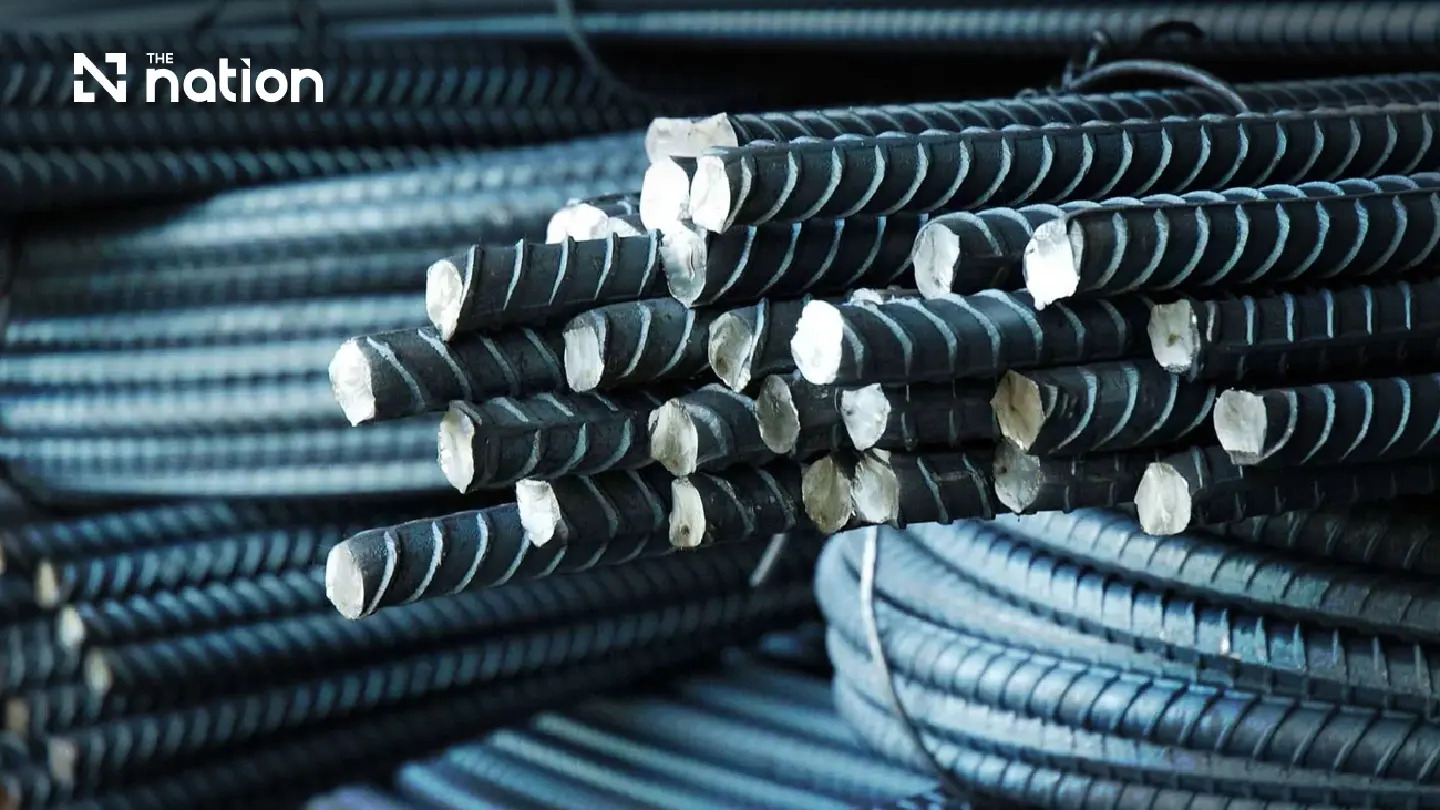
 Thailand’s standards institute has proposed banning steel rebar made with induction furnaces (IF) from use in critical structural work, citing safety concerns
IF steel producers oppose proposed overhaul of rebar standards
THIS NEWS ARTICLE KINDLY SPONSORED BY FALLPROTEC, A WORLD-RENOWNED NAME IN THE DESIGN AND MANUFACTURE OF PREMIUM FALL PROTECTION SYSTEMS AND HEIGHT ACCESS SOLUTIONS
- Thailand’s standards institute has proposed banning steel rebar made with induction furnaces (IF) from use in critical structural work, citing safety concerns.
- IF steel producers strongly oppose the new rule, arguing it is unfair to established businesses, that their products meet quality standards, and that the move is driven by commercial competition.
- Opponents warn that the ban would disrupt the supply chain, causing steel shortages and sharp price increases for the construction industry.
The Thai Industrial Standards Institute (TISI) has opened discussions on revised standards for steel reinforcing bars, proposing that deformed bars used in critical structural work be produced only through basic oxygen furnace or electric arc furnace processes.
The proposal, intended to improve construction safety, has drawn strong opposition from induction furnace operators, who argue that excluding their production method would be unfair, damage established businesses and potentially drive up steel prices.
IF steel producers oppose proposed overhaul of rebar standards
TISI held a workshop on Monday to gather views from associations representing manufacturers of concrete reinforcing steel, deformed bars and round bars after the Industrial Product Standards Council approved a draft revision of the deformed-bar standard.
Under the proposed rules, deformed bars used in primary structural elements, including columns and beams in high-rise buildings, would have to be produced through a basic oxygen furnace (BOF) or electric arc furnace (EF).
Steel produced through an induction furnace (IF) would no longer be permitted for deformed bars used in critical load-bearing structures.
TISI said the restriction was intended to improve safety and strengthen quality control.
IF steel producers oppose proposed overhaul of rebar standards
Proposed restriction remains under consultation
Atavit Suwanpakdee, a United Thai Nation Party list MP and former chairman of the advisory team to the industry minister, told the forum that the Industrial Product Standards Council had already approved the principle of limiting deformed-bar production to BOF and EF processes.
The decision would effectively exclude IF-produced steel from the deformed-bar category, he said.
However, the council’s resolution is only a step towards drafting a ministerial regulation. The proposal must first undergo a public consultation to determine whether the framework approved by the council is appropriate.
Atavit argued that standards should control the production process itself rather than rely solely on testing the finished steel.
He pointed to the limited number of officers responsible for steel inspections, saying that only five officials had handled such inspections nationwide during the 10 years from 2016 to 2026.
Under the routine inspection process, he claimed, samples were often cut and prepared in advance for examination, allowing products to continue passing inspections.
Following the collapse of the State Audit Office building, however, a larger special task force involving officers from several agencies conducted more intensive checks and found that numerous steel samples failed to meet the required standards, he said.
“I am therefore convinced that we cannot judge the quality of steel only from samples inspected by five officials,” Atavit said.
“The manufacturing process itself must be controlled, otherwise problems will continue.”
He supported the council’s decision to exclude IF production from the revised standard, but acknowledged that businesses still using induction furnaces would be affected and that the government would have to consider appropriate assistance.
Their views must be heard during the consultation process, he said, although public safety should remain the priority.
“Safety standards must come first because the public cannot afford to wait,” he added.
IF operators insist their steel meets Thai standards
Sakchai Thanabodijirapong, president of the Induction Furnace Metal Smelters Trade Association, rejected the proposal and insisted that steel manufactured through IF technology could comply with both existing and revised Thai Industrial Standards.
He said IF operators fully supported efforts to raise production standards and strengthen public confidence.
However, he argued that using the consultation forum to consider whether IF production should be abolished was unfair to businesses that had operated in the industry for almost two decades.
Sakchai said concerns raised over the past 10 years involved only two or three factories and should not be used to judge the entire sector.
“Our operators have been in business for almost 20 years. I have personally produced IF steel since 2004,” he said.
“Over that period, the industry has supplied tens of millions of tonnes of steel to the market. Had there been a widespread problem, it would have emerged long ago rather than only now.”
He described the controversy as being driven more by politics and commercial competition than by the production method itself, and called on the media and the public to recognise that IF manufacturers believed they were being treated unfairly.
Operators warn of shortages and higher prices
Amorn Uengsomboon, vice-president of the association, warned that eliminating IF production would require a major technological transition with consequences extending beyond manufacturers.
Contractors, property developers and other steel users could face immediate supply difficulties, he said.
“The most heavily affected group will be steel users. Where will they obtain the steel they need?” Amorn asked.
“Contractors and developers have already made plans based on the existing supply. If that supply disappears, prices are likely to rise sharply.”
He questioned whether the authorities would compensate both manufacturers forced to discontinue IF production and customers affected by higher costs or shortages.
Sakchai said businesses in the IF sector were worth tens of billions of baht, while the wider market value connected with their operations amounted to hundreds of billions of baht.
“If TISI intends to use taxpayers’ money to provide compensation, where will that funding come from?” he said.
The debate leaves regulators facing a difficult balance between strengthening structural safety and avoiding disproportionate disruption to manufacturers and steel users.
The proposed revision has not yet taken effect, and the final conditions will depend on the consultation process and the subsequent drafting of a Ministry of Industry regulation.
Source: https://www.nationthailand.com/news/general/40069904
Google Translation:
สถาบันมาตรฐานของประเทศไทยเสนอให้ห้ามใช้เหล็กเส้นเสริมแรงที่ผลิตด้วยเตาเหนี่ยวนำ (IF) ในงานโครงสร้างที่สำคัญ โดยอ้างถึงข้อกังวลด้านความปลอดภัย
ผู้ผลิตเหล็ก IF คัดค้านการปรับปรุงมาตรฐานเหล็กเส้นเสริมแรงที่เสนอ
บทความข่าวนี้ได้รับการสนับสนุนโดย FALLPROTEC บริษัทที่มีชื่อเสียงระดับโลกด้านการออกแบบและการผลิตระบบป้องกันการตกจากที่สูงและโซลูชันการเข้าถึงที่สูงระดับพรีเมียม
สถาบันมาตรฐานของประเทศไทยเสนอให้ห้ามใช้เหล็กเส้นเสริมแรงที่ผลิตด้วยเตาเหนี่ยวนำ (IF) ในงานโครงสร้างที่สำคัญ โดยอ้างถึงข้อกังวลด้านความปลอดภัย
ผู้ผลิตเหล็ก IF คัดค้านกฎใหม่นี้อย่างรุนแรง โดยโต้แย้งว่าไม่ยุติธรรมต่อธุรกิจที่ดำเนินกิจการอยู่แล้ว ผลิตภัณฑ์ของพวกเขามีคุณภาพตามมาตรฐาน และการเคลื่อนไหวนี้เกิดจากการแข่งขันทางการค้า
ผู้คัดค้านเตือนว่าการห้ามดังกล่าวจะทำให้ห่วงโซ่อุปทานหยุดชะงัก ทำให้เกิดการขาดแคลนเหล็กและราคาพุ่งสูงขึ้นอย่างรวดเร็วในอุตสาหกรรมการก่อสร้าง
สถาบันมาตรฐานอุตสาหกรรมแห่งประเทศไทย (TISI) ได้เปิดการอภิปรายเกี่ยวกับมาตรฐานเหล็กเส้นเสริมแรงฉบับปรับปรุงใหม่ โดยเสนอให้เหล็กเส้นเสริมแรงที่ใช้ในงานโครงสร้างที่สำคัญนั้น ต้องผลิตด้วยกระบวนการเตาหลอมออกซิเจนพื้นฐาน (BOF) หรือเตาหลอมไฟฟ้า (EF) เท่านั้น
ข้อเสนอดังกล่าว ซึ่งมีจุดประสงค์เพื่อปรับปรุงความปลอดภัยในการก่อสร้าง ได้รับการคัดค้านอย่างรุนแรงจากผู้ประกอบการเตาหลอมเหนี่ยวนำ ซึ่งโต้แย้งว่าการยกเว้นวิธีการผลิตของพวกเขาจะเป็นการไม่ยุติธรรม สร้างความเสียหายให้กับธุรกิจที่ดำเนินอยู่แล้ว และอาจทำให้ราคาเหล็กสูงขึ้น
หากผู้ผลิตเหล็กคัดค้านการปรับปรุงมาตรฐานเหล็กเส้นเสริมแรงที่เสนอ
TISI ได้จัดการประชุมเชิงปฏิบัติการเมื่อวันจันทร์เพื่อรวบรวมความคิดเห็นจากสมาคมที่เป็นตัวแทนผู้ผลิตเหล็กเส้นเสริมคอนกรีต เหล็กเส้นเสริมแรง และเหล็กเส้นกลม หลังจากที่สภามาตรฐานผลิตภัณฑ์อุตสาหกรรมอนุมัติร่างแก้ไขมาตรฐานเหล็กเส้นเสริมแรง
ภายใต้กฎที่เสนอ เหล็กเส้นเสริมแรงที่ใช้ในองค์ประกอบโครงสร้างหลัก รวมถึงเสาและคานในอาคารสูง จะต้องผลิตด้วยกระบวนการเตาหลอมออกซิเจนพื้นฐาน (BOF) หรือเตาหลอมไฟฟ้า (EF) เท่านั้น
เหล็กที่ผลิตด้วยเตาเหนี่ยวนำ (IF) จะไม่ได้รับอนุญาตให้ใช้เป็นเหล็กเส้นเสริมแรงในโครงสร้างรับน้ำหนักที่สำคัญอีกต่อไป
TISI กล่าวว่าข้อจำกัดนี้มีจุดประสงค์เพื่อปรับปรุงความปลอดภัยและเสริมสร้างการควบคุมคุณภาพ
ผู้ผลิตเหล็ก IF คัดค้านการปรับปรุงมาตรฐานเหล็กเส้นเสริมแรงที่เสนอ
ข้อจำกัดที่เสนอยังอยู่ระหว่างการปรึกษาหารือ
อัฐวิทย์ สุวรรณภักดี สมาชิกสภาผู้แทนราษฎรบัญชีรายชื่อพรรคสัตย์ผสม และอดีตประธานคณะที่ปรึกษาของรัฐมนตรีว่าการกระทรวงอุตสาหกรรม กล่าวในที่ประชุมว่า สภามาตรฐานผลิตภัณฑ์อุตสาหกรรมได้อนุมัติหลักการจำกัดการผลิตเหล็กเส้นเสริมแรงเฉพาะกระบวนการ BOF และ EF แล้ว
เขากล่าวว่าการตัดสินใจดังกล่าวจะทำให้เหล็กที่ผลิตด้วยเตาเหนี่ยวนำไม่เข้าข่ายเหล็กเส้นเสริมแรง
อย่างไรก็ตาม มติของสภาเป็นเพียงขั้นตอนหนึ่งในการร่างระเบียบกระทรวง ข้อเสนอดังกล่าวต้องผ่านการปรึกษาหารือสาธารณะก่อนเพื่อพิจารณาว่ากรอบที่สภาอนุมัตินั้นเหมาะสมหรือไม่
อัฐวิทย์แย้งว่ามาตรฐานควรควบคุมกระบวนการผลิตเองมากกว่าที่จะพึ่งพาการทดสอบเหล็กสำเร็จรูปเพียงอย่างเดียว
เขาชี้ให้เห็นถึงจำนวนเจ้าหน้าที่ที่รับผิดชอบการตรวจสอบเหล็กที่มีจำกัด โดยกล่าวว่ามีเจ้าหน้าที่เพียงห้าคนเท่านั้นที่ดำเนินการตรวจสอบดังกล่าวทั่วประเทศในช่วง 10 ปี ตั้งแต่ปี 2016 ถึง 2026
เขาอ้างว่าภายใต้กระบวนการตรวจสอบตามปกติ ตัวอย่างมักถูกตัดและเตรียมไว้ล่วงหน้าสำหรับการตรวจสอบ ทำให้ผลิตภัณฑ์ยังคงผ่านการตรวจสอบต่อไป
อย่างไรก็ตาม หลังจากอาคารสำนักงานตรวจสอบบัญชีของรัฐพังถล่ม คณะทำงานพิเศษขนาดใหญ่ที่ประกอบด้วยเจ้าหน้าที่จากหลายหน่วยงานได้ทำการตรวจสอบอย่างเข้มข้นมากขึ้น และพบว่าตัวอย่างเหล็กจำนวนมากไม่เป็นไปตามมาตรฐานที่กำหนด เขากล่าว
“ดังนั้น ผมจึงเชื่อมั่นว่าเราไม่สามารถตัดสินคุณภาพของเหล็กได้จากตัวอย่างที่ตรวจสอบโดยเจ้าหน้าที่เพียงห้าคนเท่านั้น” อตาวิตกล่าว
“กระบวนการผลิตเองต้องได้รับการควบคุม มิฉะนั้นปัญหาจะยังคงอยู่ต่อไป”
เขาสนับสนุนการตัดสินใจของสภาในการยกเว้นการผลิตเหล็กด้วยเตาเหนี่ยวนำไฟฟ้าจากมาตรฐานที่แก้ไขแล้ว แต่ยอมรับว่าธุรกิจที่ยังคงใช้เตาเหนี่ยวนำไฟฟ้าจะได้รับผลกระทบ และรัฐบาลจะต้องพิจารณาความช่วยเหลือที่เหมาะสม
เขากล่าวว่าต้องรับฟังความคิดเห็นของพวกเขาในระหว่างกระบวนการปรึกษาหารือ แม้ว่าความปลอดภัยของประชาชนควรเป็นสิ่งสำคัญที่สุดก็ตาม
“มาตรฐานความปลอดภัยต้องมาก่อน เพราะประชาชนรอไม่ได้” เขากล่าวเสริม
ศักชัย ธนาบดีจิรพงษ์ ประธานสมาคมผู้ประกอบการเตาหลอมเหล็กเหนี่ยวนำ ปฏิเสธข้อเสนอดังกล่าว และยืนยันว่าเหล็กที่ผลิตด้วยเทคโนโลยีเตาหลอมเหล็กเหนี่ยวนำนั้น สามารถปฏิบัติตามมาตรฐานอุตสาหกรรมไทยทั้งฉบับปัจจุบันและฉบับปรับปรุงได้
เขากล่าวว่า ผู้ประกอบการเตาหลอมเหล็กเหนี่ยวนำสนับสนุนความพยายามในการยกระดับมาตรฐานการผลิตและเสริมสร้างความเชื่อมั่นของประชาชนอย่างเต็มที่
อย่างไรก็ตาม เขาแย้งว่า การใช้เวทีปรึกษาหารือเพื่อพิจารณาว่าควรยกเลิกการผลิตด้วยเตาหลอมเหล็กเหนี่ยวนำหรือไม่นั้น ไม่ยุติธรรมต่อธุรกิจที่ดำเนินงานในอุตสาหกรรมนี้มาเกือบสองทศวรรษ
ศักชัยกล่าวว่า ข้อกังวลที่เกิดขึ้นในช่วง 10 ปีที่ผ่านมานั้นเกี่ยวข้องกับโรงงานเพียงสองหรือสามแห่งเท่านั้น และไม่ควรนำมาใช้ตัดสินอุตสาหกรรมทั้งหมด
“ผู้ประกอบการของเราดำเนินธุรกิจมาเกือบ 20 ปีแล้ว ผมเองก็ผลิตเหล็ก IF มาตั้งแต่ปี 2547” เขากล่าว
“ตลอดระยะเวลาดังกล่าว อุตสาหกรรมได้ส่งเหล็กหลายสิบล้านตันสู่ตลาด หากมีปัญหาที่แพร่หลาย มันคงปรากฏออกมานานแล้ว ไม่ใช่เพิ่งมาปรากฏตอนนี้”
เขาอธิบายว่าข้อโต้แย้งนี้เกิดจากเรื่องการเมืองและการแข่งขันทางการค้ามากกว่าวิธีการผลิตเอง และเรียกร้องให้สื่อและประชาชนตระหนักว่าผู้ผลิตเหล็ก IF เชื่อว่าพวกเขากำลังถูกปฏิบัติอย่างไม่เป็นธรรม
ผู้ประกอบการเตือนถึงปัญหาการขาดแคลนและราคาที่สูงขึ้น
อมร เอ็งสมบูรณ์ รองประธานสมาคม เตือนว่า การยกเลิกการผลิตเหล็ก IF จะต้องมีการเปลี่ยนแปลงทางเทคโนโลยีครั้งใหญ่ ซึ่งจะมีผลกระทบมากกว่าแค่ผู้ผลิต
ผู้รับเหมา ผู้พัฒนาอสังหาริมทรัพย์ และผู้ใช้เหล็กรายอื่นๆ อาจเผชิญกับปัญหาการจัดหาในทันที เขากล่าว
“กลุ่มที่ได้รับผลกระทบมากที่สุดคือผู้ใช้เหล็ก พวกเขาจะหาเหล็กที่ต้องการได้จากที่ไหน” อมรถาม
“ผู้รับเหมาและผู้พัฒนาได้วางแผนไว้แล้วโดยอิงจากอุปทานที่มีอยู่ หากอุปทานนั้นหายไป ราคาอาจพุ่งสูงขึ้นอย่างมาก”
เขาตั้งคำถามว่าทางการจะชดเชยทั้งผู้ผลิตที่ถูกบังคับให้หยุดการผลิตเหล็กโครงสร้าง และลูกค้าที่ได้รับผลกระทบจากต้นทุนที่สูงขึ้นหรือการขาดแคลนหรือไม่
ศักดิ์ชัยกล่าวว่าธุรกิจในภาคเหล็กโครงสร้างมีมูลค่าหลายหมื่นล้านบาท ในขณะที่มูลค่าตลาดโดยรวมที่เกี่ยวข้องกับการดำเนินงานมีมูลค่าหลายแสนล้านบาท
“หาก TISI ตั้งใจจะใช้เงินภาษีของประชาชนในการชดเชย เงินทุนนั้นจะมาจากไหน” เขากล่าว
การถกเถียงนี้ทำให้หน่วยงานกำกับดูแลต้องเผชิญกับความสมดุลที่ยากลำบากระหว่างการเสริมสร้างความปลอดภัยของโครงสร้างและการหลีกเลี่ยงการหยุดชะงักที่ไม่สมดุลต่อผู้ผลิตและผู้ใช้เหล็ก
การแก้ไขที่เสนอมายังไม่มีผลบังคับใช้ และเงื่อนไขสุดท้ายจะขึ้นอยู่กับกระบวนการปรึกษาหารือและการร่างระเบียบกระทรวงอุตสาหกรรมในภายหลัง