Thailand’s mediocre master plan for rail development
By James Clark
Thailand is spending billions of baht in double tracking its antiquated metre-gauge railway network, which will not significantly improve train speeds. Meanwhile, Vietnam’s grand master plan is making Thailand’s plan look mediocre by comparison. Here is what Thailand is planning, and what they should do instead.
In 2017, the Office of Transport and Traffic Policy and Planning (OTP) unveiled a 20-year master plan for rail development. The PDF report can be found here:
Bangkok Post published a summary if you don’t feel like slogging through a 158-page report: OTP unveils 20-year master rail plan.
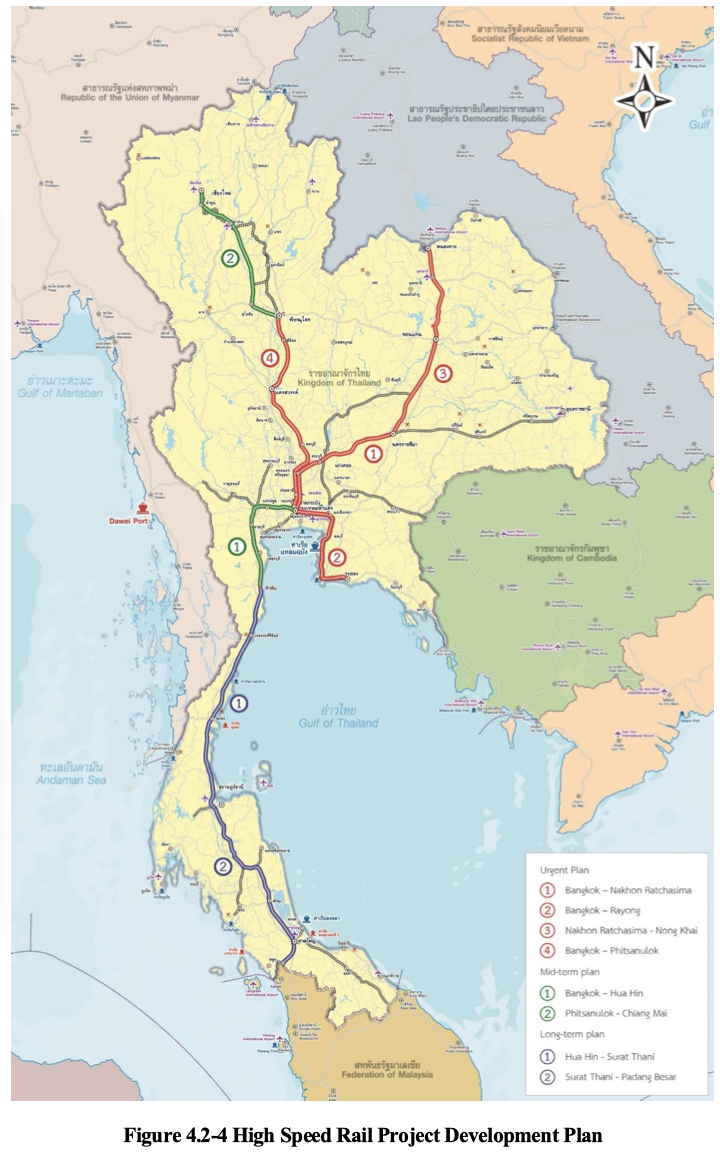
The plan involves converting the metre-gauge single-track railway network to a double-track network, as well as building standard-gauge high-speed railways.
At the time of the report, the single-track network was 3,763 km, while the double and third-track networks were 280 km. The plan proposes reducing the single-track network to 770 km while increasing the double and third-track networks to 5,625 km. The plan also includes 2,506 km of high-speed railway.
My biggest issue with Thailand’s railway development plan is that they are building this dual-gauge railway system when they should have phased out the metre-gauge railway completely and invested in a modern standard-gauge railway.
I’ve already written about the mixed-gauge mess of Thailand’s railways, so I will be ploughing some old territory here. There have been some recent developments and regional news stories that have got me thinking about Thailand’s rail development plan again.
The Chiang Mai high-speed railway and the Lopburi Bypass
The 20-year master plan includes the Bangkok-Chiang Mai high-speed railway. The Bangkok-Phitsanulok section was proposed to be built in the middle-term phase (between 2022 and 2026), and the Phitsanulok to Chiang Mai section in the long-term phase (from 2027 to 2036).
We are now in the final year of the middle-term phase, and the Chiang Mai high-speed railway is technically still alive, but the probability of it being built is low.
While the prospects of a standard-gauge railway between Bangkok and Chiang Mai are slipping away, the State Railway of Thailand are continuing their plan to double-track the current metre-gauge railway on the Northern Line.
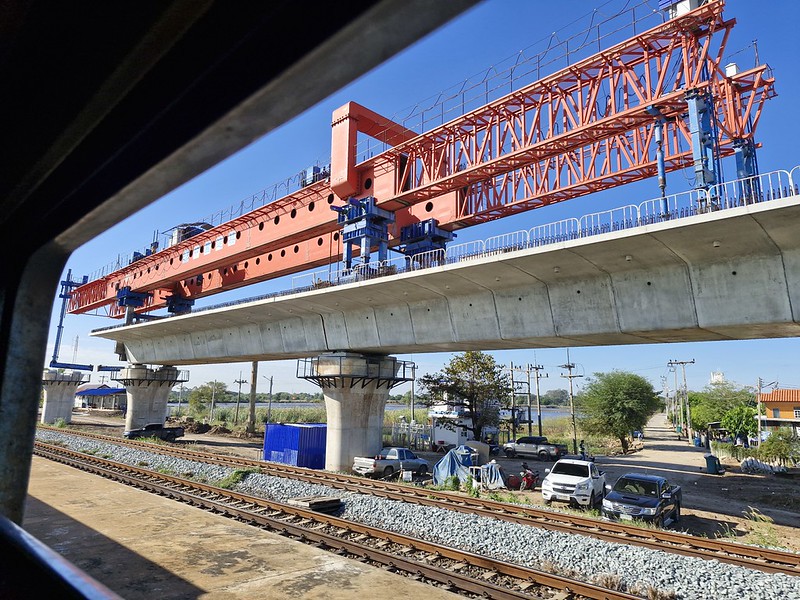
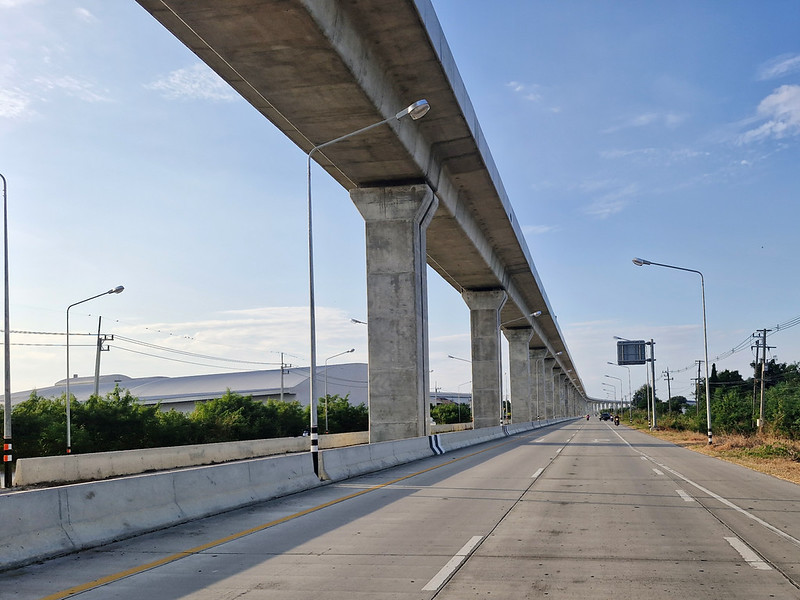
The double tracking of the Lop Buri-Pak Nam Pho section is a 145-kilometre line which includes a 19km elevated section (the longest elevated railway in Thailand). The elevated section bypasses Lopburi, and a new station (Lopburi 2) has been built to serve trains that use the bypass. The old Lopburi station is still used for local trains.
The Lopburi bypass opened in December 2025, and I took the train from Chiang Mai to Lopburi so I could see the bypass for myself.
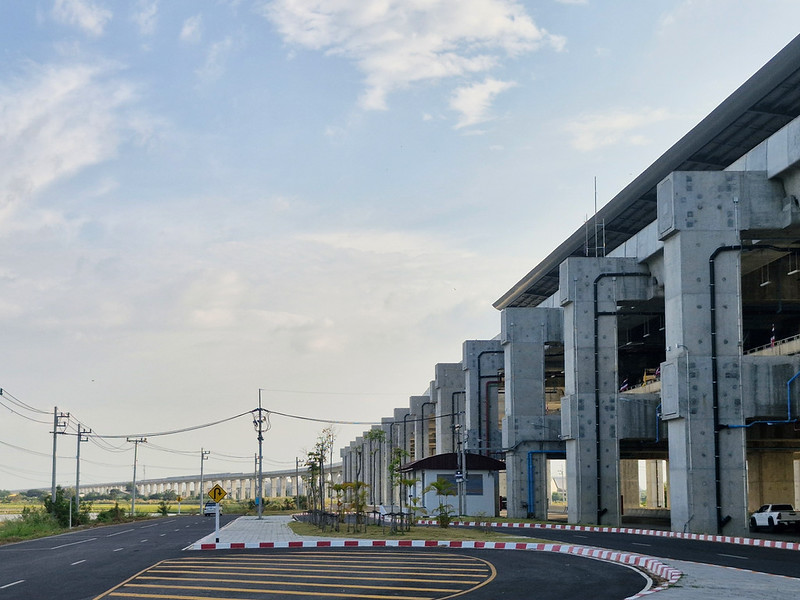
Lopburi 2 Station is on the elevated section, about 8 km west of Lopburi city. Most of the express trains on the Northern Line use this station, and a free shuttle service operates between Lopburi 2 Station and Lopburi Station.
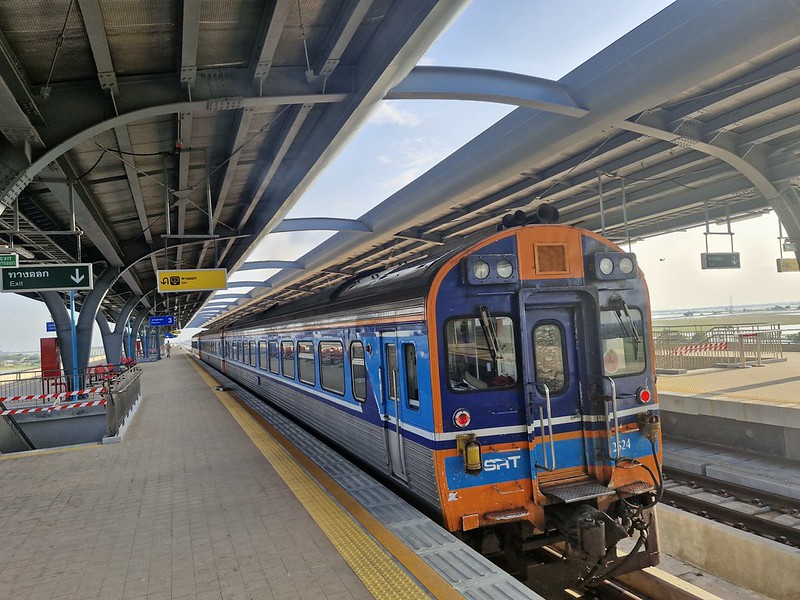
I took the shuttle to Lopburi Station, and after staying in Lopburi, I took the commuter train from the old Lopburi Station to Bangkok.
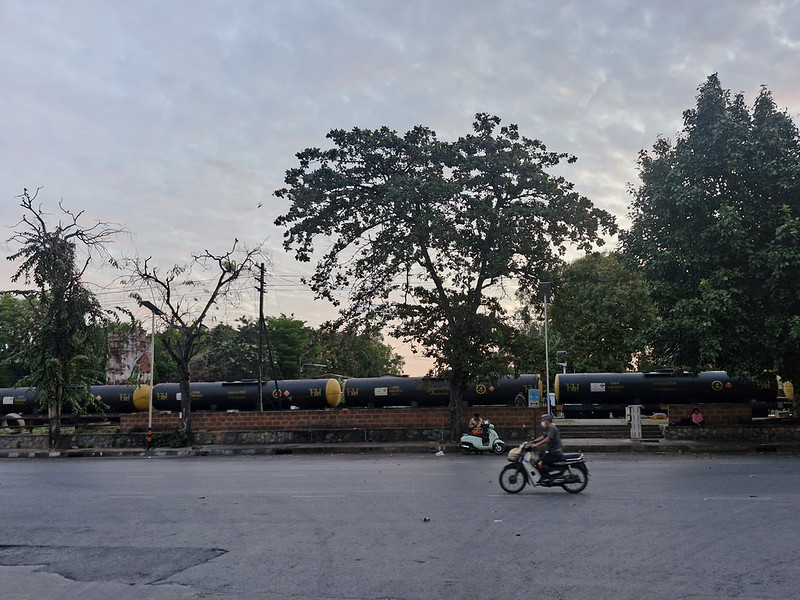
The line that goes through Lopburi is still used for some through services, but what surprised me more was that the line is still used for freight. What was the point of building a city bypass if freight trains are still going through the city?
The Lopburi bypass is a substantial amount of concrete that resembles a structure that would serve a high-speed railway, but this is for diesel trains on the metre-gauge railway.
If Thailand were still considering building a high-speed railway to Chiang Mai, it would need to construct another viaduct for the high-speed railway.
Thailand is currently building a high-speed railway from Bangkok to Nong Khai, and it is also double-tracking the existing single-track metre-gauge railway in the same corridor. If the Bangkok-Chiang Mai high-speed railway were ever to be built, then the Northern corridor would also have the same duplication of railways as the Northeastern corridor is currently undergoing.
Vietnam is planning what Thailand should have done
Vietnam’s economy shifted up a gear in 2025, and the rest of Southeast Asia is taking notice. The rise of Vietnam has been acknowledged at the highest level in Thailand, with Prime Minister Anutin Charnvirakul stating that it is a “nightmare” to see Thailand’s economy lagging behind Vietnam’s.
While reviewing Thailand’s unambitious 20-year master plan, I can’t help but compare it to Vietnam’s ambitious high-speed railway plan. Vietnam plans to build a high-speed railway from Hanoi to Ho Chi Minh City.
The line will be a standard-gauge double-track railway with a top speed of 350 km/h. It will reduce travel time between the two cities from 35-40 hours to about 5.5 hours, and it will make flying between some cities redundant.
Like Thailand, Vietnam currently has a single-track metre-gauge railway system with trains powered by diesel engines. Vietnam did consider upgrading the metre-gauge line, but a report in 2013 concluded that it would be cheaper to build a new line than to rehabilitate the old line.
To be fair to Thailand, Vietnam is talking big, but they have no track record of building any new national railway lines. The high-speed railway plan has been talked about since 2005, and the last time they tried to rebuild a railway, they gave up halfway through.
Cities in Vietnam have also been slow to build urban railways, with Hanoi breaking the record in Asia for the longest time to complete a first metro line, while Ho Chi Minh City took 12 years to build the first metro line that was supposed to take 6 years.
What Thailand’s 20-year master plan for rail development should have looked like
The current 20-year master plan involves double-tracking the current metre-gauge network while planning to build high-speed railways in the same corridors.
To quote the master plan:
“Development of master plan. It will help to transport passengers and rail freight faster, safer and more punctual. The dual system will reduce delays and uncertainty. Because of waiting It also increases the frequency of service. It is expected that the train will be able to service at an average speed of 90 km / hr. and the car can be served at an average speed of 70 km / hr. The hourly rate of all services is expected to increase to 80%.”
The double tracking will improve service frequencies as trains will no longer have to wait at passing loops for other trains to pass. There will be some speed improvements, but ultimately, it won’t be enough to shift travellers from air travel to train travel.
What the master plan for rail development in Thailand should have done was to systematically phase out the metre gauge railways, one region at a time.
All the lines should be standard-gauge, with a high-speed railway in the Nong Khai-Bangkok and Bangkok-Padang Besar corridor, as well as Bangkok-Chiang Mai. For the other lines, a semi-high-speed railway (160 km/h) like the Laos-China Railway would have been sufficient.
Thailand needs to be more ambitious
Renovating the old system instead of building a modern railway is symbolic of the malaise that Thailand currently finds itself in.
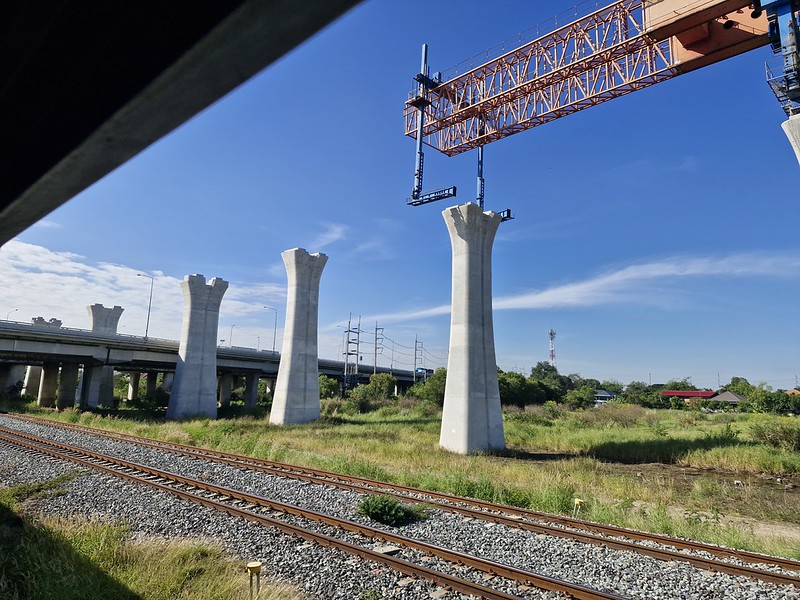
There has been a lot of self-flagellation in the local media over the last year about how Thailand’s economy is adrift. In February 2026, the Financial Times published an article about how Thailand became the ‘sick man’ of Asia, and the title has stuck. That title is unfair (I would say it is the Philippines), but the article got more people talking about the economy.
Articles in the local media continue to compare Thailand’s lagging economy with Vietnam’s rise, but this article’s headline mentions the bigger problem:
Thailand is spooked by Vietnam’s ascent – but what’s scarier is Bangkok’s lack of big ideas
Economic rivalry with your regional neighbours is good, as it keeps your own economy competitive. Thailand’s tourism industry has been coasting on its “Land of Smiles” reputation for decades, so the rise of Vietnam has been a wake-up call. The Bangkok Post ran with the headline, “war room touted amid Vietnam rivalry“, which could have been more tastefully written given the two countries’ history.
Bangkok has been throwing around some big ideas, but those ideas have been like throwing spaghetti against the wall to see what sticks. Some ideas include casinos, a Disney park, and the Land Bridge project.
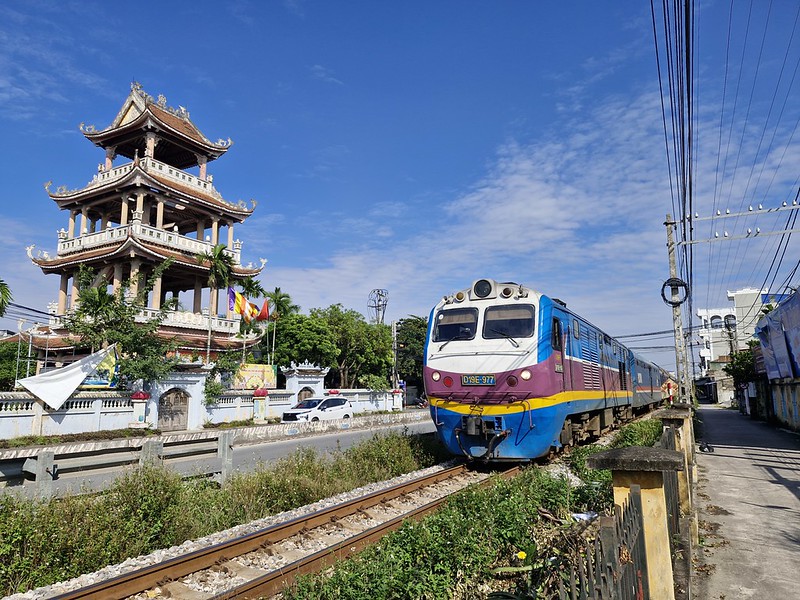
Build the high-speed railway instead of the Land Bridge
I have already written about why the Thailand Land Bridge is a bad idea. As an alternative, I would suggest fast-tracking the proposed high-speed railway from Bangkok to Padang Besar.
The Land Bridge is being championed as an economic boost for the south, but a high-speed railway passing through the major cities will be more beneficial. For example, Hat Yai is still recovering from the catastrophic flood of 2025. There was the usual post-disaster talk of how to help Hat Yai recover, but one thing that will not help it recover is the Land Bridge.
If Thailand is prepared to spend one trillion baht on something, then spend it on the high-speed railway.
The current train from Bangkok to Hat Yai Junction takes between 14 and 16 hours to cover the 945 km distance.
When I calculated the travel times of the Vietnam high-speed railway, I used the Beijing-Shanghai HSR as an example. It has an operating speed of 350 km/h, and averaged out, it takes 291.9 km/h.
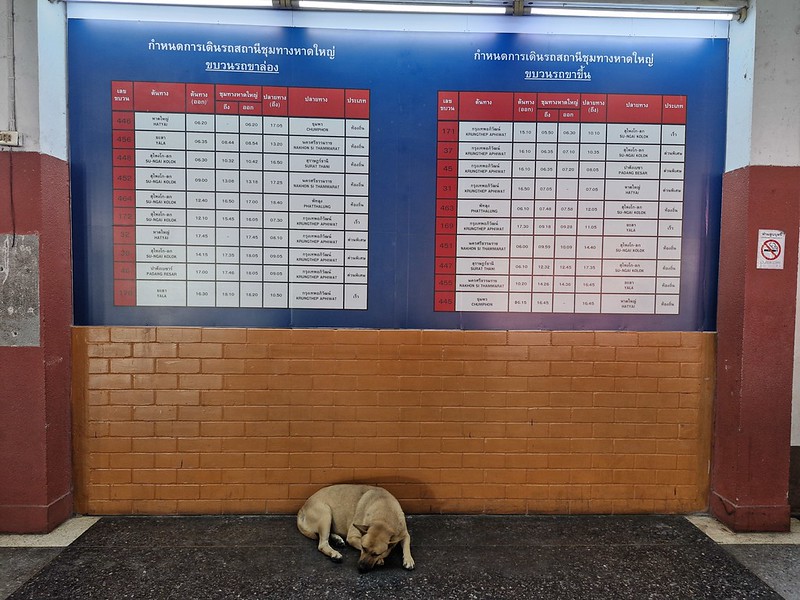
Using this metric, a high-speed railway at 350 km/h would travel from Bangkok to Hat Yai in about 3 hours and 15 minutes. Not only would this be competitive with air travel, but it would also transform the cities in the path, such as Hua Hin, Chumphon, and Surat Thani. With a high-speed railway to the south, why not make a branch to Phuket instead of the proposed metre-gauge railway?
In the master plan document (3.4.4 Necessity of High-Speed Rail System Development in Thailand), it states:
“The high-speed rail system will bring a new era for travel and new experience to passengers. It will be also an important key to national development as it will decentralize growth and prosperity countrywide.”
A high-speed railway would be more beneficial for the south than the Land Bridge, and it would make train travel fast enough for people to consider switching from air travel.
Source: https://futuresoutheastasia.com/thailands-mediocre-master-plan-for-rail-development/
Google Translation:
แผนแม่บทการพัฒนาระบบรางของไทยที่ดูธรรมดา
โดย เจมส์ คลาร์ก
ประเทศไทยกำลังทุ่มเงินหลายพันล้านบาทในการขยายรางรถไฟเก่าให้เป็นรางคู่ ซึ่งจะไม่ช่วยเพิ่มความเร็วของรถไฟอย่างมีนัยสำคัญ ในขณะเดียวกัน แผนแม่บทการพัฒนาระบบรางของเวียดนามกลับทำให้แผนของไทยดูธรรมดาไปเลยเมื่อเทียบกัน นี่คือสิ่งที่ประเทศไทยกำลังวางแผน และสิ่งที่พวกเขาควรทำแทน
ในปี 2560 สำนักงานนโยบายและการวางแผนการขนส่งและจราจร (OTP) ได้เปิดเผยแผนแม่บทการพัฒนาระบบรางระยะ 20 ปี สามารถดูรายงานฉบับเต็มได้ที่นี่:
แผนแม่บทการพัฒนาระบบรางเพื่ออำนวยความสะดวกเขตเศรษฐกิจพิเศษ การท่องเที่ยว และการพัฒนาพื้นที่ท้องถิ่น
หนังสือพิมพ์บางกอกโพสต์ได้เผยแพร่บทสรุปไว้ หากคุณไม่อยากอ่านรายงานฉบับเต็ม 158 หน้า: OTP เปิดเผยแผนแม่บทการพัฒนาระบบรางระยะ 20 ปี
แผนที่แสดงเส้นทางรถไฟความเร็วสูงที่เสนอในประเทศไทย
แผนดังกล่าวเกี่ยวข้องกับการเปลี่ยนเครือข่ายรถไฟรางเดี่ยวขนาด 1 เมตรให้เป็นเครือข่ายรางคู่ รวมถึงการสร้างรถไฟความเร็วสูงรางมาตรฐาน
ณ เวลาที่จัดทำรายงาน เครือข่ายรางเดี่ยวมีความยาว 3,763 กิโลเมตร ในขณะที่เครือข่ายรางคู่และรางสามส่วนมีความยาว 280 กิโลเมตร แผนดังกล่าวเสนอให้ลดเครือข่ายรางเดี่ยวเหลือ 770 กิโลเมตร ในขณะที่เพิ่มเครือข่ายรางคู่และรางสามส่วนเป็น 5,625 กิโลเมตร แผนนี้ยังรวมถึงรถไฟความเร็วสูง 2,506 กิโลเมตรด้วย
ปัญหาใหญ่ที่สุดของผมเกี่ยวกับแผนพัฒนาระบบรถไฟของประเทศไทยคือ พวกเขากำลังสร้างระบบรถไฟรางคู่ในขณะที่พวกเขาควรจะยกเลิกรถไฟรางเดี่ยวขนาด 1 เมตรอย่างสมบูรณ์และลงทุนในรถไฟรางมาตรฐานที่ทันสมัย
ผมเคยเขียนเกี่ยวกับความยุ่งเหยิงของระบบรถไฟรางผสมของประเทศไทยไปแล้ว ดังนั้นผมจะพูดถึงเรื่องเดิมซ้ำอีกครั้ง มีข่าวคราวและความคืบหน้าบางอย่างในภูมิภาคที่ทำให้ผมนึกถึงแผนพัฒนาการรถไฟของประเทศไทยอีกครั้ง
รถไฟความเร็วสูงเชียงใหม่และทางเลี่ยงเมืองลพบุรี
แผนแม่บท 20 ปีรวมถึงรถไฟความเร็วสูงกรุงเทพฯ-เชียงใหม่ โดยส่วนของกรุงเทพฯ-พิษณุโลกนั้นเสนอให้สร้างในระยะกลาง (ระหว่างปี 2022 ถึง 2026) และส่วนของพิษณุโลก-เชียงใหม่ในระยะยาว (ตั้งแต่ปี 2027 ถึง 2036)
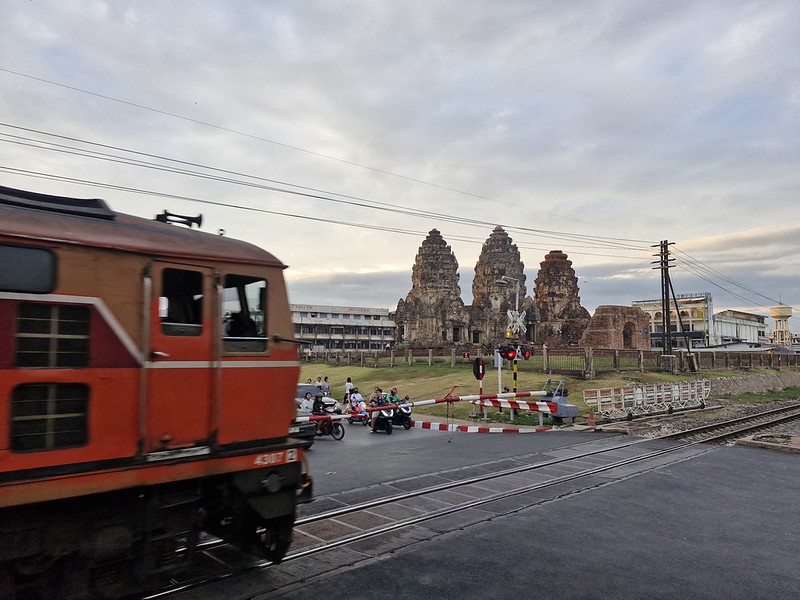
ทางข้ามรถไฟในลพบุรี
ขณะนี้เราอยู่ในปีสุดท้ายของระยะกลางแล้ว และรถไฟความเร็วสูงเชียงใหม่ก็ยังคงมีโอกาสอยู่ แต่โอกาสที่จะสร้างเสร็จนั้นต่ำ
ในขณะที่โอกาสในการสร้างทางรถไฟรางมาตรฐานระหว่างกรุงเทพฯ และเชียงใหม่กำลังลดลง การรถไฟแห่งประเทศไทยยังคงเดินหน้าแผนการขยายทางรถไฟรางมาตรฐานสายเหนือให้เป็นรางคู่ต่อไป
เส้นทางรถไฟรางคู่สายลพบุรี-ปากน้ำโพธิ์มีความยาว 145 กิโลเมตร รวมทั้งช่วงทางยกระดับยาว 19 กิโลเมตร (เป็นทางยกระดับที่ยาวที่สุดในประเทศไทย) ทางยกระดับนี้เลี่ยงเมืองลพบุรี และมีการสร้างสถานีใหม่ (ลพบุรี 2) เพื่อรองรับรถไฟที่ใช้ทางเลี่ยงเมือง สถานีลพบุรีเดิมยังคงใช้สำหรับรถไฟท้องถิ่นอยู่
ทางเลี่ยงเมืองลพบุรีเปิดให้บริการในเดือนธันวาคม 2568 และฉันได้นั่งรถไฟจากเชียงใหม่ไปลพบุรีเพื่อไปชมทางเลี่ยงเมืองด้วยตัวเอง
สถานีลพบุรี 2 อยู่บนทางยกระดับ ห่างจากตัวเมืองลพบุรีไปทางทิศตะวันตกประมาณ 8 กิโลเมตร รถไฟด่วนส่วนใหญ่ในสายเหนือใช้สถานีนี้ และมีบริการรถรับส่งฟรีระหว่างสถานีลพบุรี 2 และสถานีลพบุรี
รถไฟสาย 8 ที่สถานีลพบุรี 2
ฉันนั่งรถรับส่งไปสถานีลพบุรี และหลังจากพักค้างคืนที่ลพบุรีแล้ว ฉันก็นั่งรถไฟโดยสารจากสถานีลพบุรีเดิมไปกรุงเทพฯ
เส้นทางรถไฟที่ผ่านลพบุรีนั้นยังคงใช้สำหรับบริการรถไฟบางขบวนอยู่ แต่สิ่งที่ทำให้ผมประหลาดใจมากกว่าคือ เส้นทางนี้ยังคงใช้สำหรับขนส่งสินค้าอยู่ แล้วจะสร้างทางเลี่ยงเมืองไปทำไม ในเมื่อรถไฟขนส่งสินค้ายังวิ่งผ่านเมืองอยู่?
ทางเลี่ยงเมืองลพบุรีเป็นโครงสร้างคอนกรีตขนาดใหญ่ที่ดูคล้ายกับโครงสร้างที่จะใช้สำหรับรถไฟความเร็วสูง แต่ที่นี่ใช้สำหรับรถไฟดีเซลบนทางรถไฟรางแคบ
หากประเทศไทยยังคงพิจารณาที่จะสร้างรถไฟความเร็วสูงไปยังเชียงใหม่ ก็จะต้องสร้างสะพานลอยอีกแห่งหนึ่งสำหรับรถไฟความเร็วสูงนั้น
ปัจจุบันประเทศไทยกำลังสร้างรถไฟความเร็วสูงจากกรุงเทพฯ ไปยังหนองคาย และกำลังขยายทางรถไฟรางแคบที่มีอยู่เดิมเป็นรางคู่ในเส้นทางเดียวกัน หากรถไฟความเร็วสูงกรุงเทพฯ-เชียงใหม่สร้างเสร็จจริง เส้นทางภาคเหนือก็จะมีทางรถไฟซ้ำซ้อนเช่นเดียวกับเส้นทางภาคตะวันออกเฉียงเหนือที่กำลังดำเนินการอยู่
รถไฟยกระดับที่ทางเลี่ยงเมืองลพบุรี
เวียดนามกำลังวางแผนในสิ่งที่ประเทศไทยควรทำ
เศรษฐกิจของเวียดนามเร่งตัวขึ้นในปี 2025 และประเทศอื่นๆ ในเอเชียตะวันออกเฉียงใต้กำลังจับตามอง การเติบโตของเวียดนามได้รับการยอมรับในระดับสูงสุดของประเทศไทย โดยนายกรัฐมนตรีอนุทิน ชาญวีรกุล กล่าวว่า เป็น “ฝันร้าย” ที่เห็นเศรษฐกิจของประเทศไทยล้าหลังเวียดนาม
ขณะที่กำลังทบทวนแผนแม่บท 20 ปีที่ไม่ทะเยอทะยานของประเทศไทย ผมอดไม่ได้ที่จะเปรียบเทียบกับแผนรถไฟความเร็วสูงที่ทะเยอทะยานของเวียดนาม เวียดนามวางแผนที่จะสร้างรถไฟความเร็วสูงจากฮานอยไปยังโฮจิมินห์ซิตี้
เส้นทางรถไฟสายนี้จะเป็นทางรถไฟรางคู่ขนาดมาตรฐานที่มีความเร็วสูงสุด 350 กิโลเมตรต่อชั่วโมง จะช่วยลดเวลาเดินทางระหว่างสองเมืองจาก 35-40 ชั่วโมง เหลือประมาณ 5.5 ชั่วโมง และจะทำให้การเดินทางโดยเครื่องบินระหว่างบางเมืองไม่จำเป็นอีกต่อไป
เช่นเดียวกับประเทศไทย ปัจจุบันเวียดนามมีระบบรถไฟรางเดี่ยวขนาด 1 เมตร โดยใช้เครื่องยนต์ดีเซล เวียดนามเคยพิจารณาที่จะปรับปรุงเส้นทางรถไฟราง 1 เมตร แต่รายงานในปี 2013 สรุปว่าการสร้างเส้นทางใหม่จะถูกกว่าการซ่อมแซมเส้นทางเก่า
รถไฟขนส่งสินค้าในลพบุรี
เพื่อความเป็นธรรมกับประเทศไทย เวียดนามกำลังพูดถึงเรื่องใหญ่ แต่พวกเขาไม่มีประวัติการสร้างเส้นทางรถไฟแห่งชาติใหม่ใดๆ แผนรถไฟความเร็วสูงถูกพูดถึงมาตั้งแต่ปี 2005 และครั้งสุดท้ายที่พวกเขาพยายามสร้างทางรถไฟใหม่ พวกเขาก็ล้มเลิกไปกลางคัน
เมืองต่างๆ ในเวียดนามก็สร้างระบบรถไฟในเมืองได้ช้าเช่นกัน โดยฮานอยทำลายสถิติในเอเชียด้วยระยะเวลาที่นานที่สุดในการสร้างรถไฟฟ้าใต้ดินสายแรก ขณะที่โฮจิมินห์ซิตี้ใช้เวลา 12 ปีในการสร้างรถไฟฟ้าใต้ดินสายแรก ซึ่งเดิมกำหนดไว้เพียง 6 ปี
แผนแม่บทการพัฒนาระบบรถไฟ 20 ปีของไทยควรจะเป็นอย่างไร
แผนแม่บท 20 ปีในปัจจุบันเกี่ยวข้องกับการเพิ่มรางคู่ในเครือข่ายรถไฟรางแคบที่มีอยู่ พร้อมกับวางแผนสร้างรถไฟความเร็วสูงในเส้นทางเดียวกัน
อ้างอิงจากแผนแม่บท:
“การพัฒนาแผนแม่บท จะช่วยขนส่งผู้โดยสารและสินค้าทางรถไฟได้เร็วขึ้น ปลอดภัยขึ้น และตรงต่อเวลามากขึ้น ระบบรางคู่จะช่วยลดความล่าช้าและความไม่แน่นอน นอกจากนี้ยังเพิ่มความถี่ในการให้บริการ คาดว่ารถไฟจะสามารถให้บริการด้วยความเร็วเฉลี่ย 90 กม./ชม. และรถยนต์สามารถให้บริการด้วยความเร็วเฉลี่ย 70 กม./ชม. อัตราการให้บริการต่อชั่วโมงของทุกประเภทคาดว่าจะเพิ่มขึ้นเป็น 80%”
สถานีลพบุรี 2 ยกระดับ
การสร้างรางคู่จะช่วยเพิ่มความถี่ในการให้บริการ เนื่องจากรถไฟจะไม่ต้องรอที่ทางแยกเพื่อหลีกทางให้รถไฟขบวนอื่นผ่านไปก่อน ความเร็วจะเพิ่มขึ้นบ้าง แต่สุดท้ายแล้วก็ยังไม่เพียงพอที่จะดึงดูดผู้โดยสารให้หันมาใช้รถไฟแทนการเดินทางทางอากาศ
สิ่งที่แผนแม่บทการพัฒนาระบบรถไฟของประเทศไทยควรทำคือ การทยอยยกเลิกทางรถไฟรางแคบทีละภูมิภาค
ควรใช้รางมาตรฐานทั้งหมด โดยมีทางรถไฟความเร็วสูงในเส้นทางหนองคาย-กรุงเทพฯ และกรุงเทพฯ-ปาดังเบซาร์ รวมถึงกรุงเทพฯ-เชียงใหม่ สำหรับเส้นทางอื่นๆ ทางรถไฟความเร็วปานกลาง (160 กม./ชม.) เช่นเดียวกับทางรถไฟลาว-จีน ก็เพียงพอแล้ว
ประเทศไทยจำเป็นต้องมีความทะเยอทะยานมากกว่านี้
การปรับปรุงระบบเก่าแทนที่จะสร้างทางรถไฟที่ทันสมัยนั้นเป็นสัญลักษณ์ของความตกต่ำที่ประเทศไทยกำลังเผชิญอยู่
การก่อสร้างทางรถไฟความเร็วสูงกรุงเทพฯ-หนองคายควบคู่ไปกับทางรถไฟรางแคบ
ในช่วงปีที่ผ่านมา สื่อท้องถิ่นได้วิพากษ์วิจารณ์เศรษฐกิจของประเทศไทยอย่างหนัก ในเดือนกุมภาพันธ์ 2569 หนังสือพิมพ์ไฟแนนเชียลไทมส์ได้ตีพิมพ์บทความเกี่ยวกับว่าประเทศไทยกลายเป็น “คนป่วย” ของเอเชีย และชื่อนั้นก็ยังคงติดอยู่ ชื่อนั้นไม่ยุติธรรม (ผมว่าน่าจะเป็นฟิลิปปินส์มากกว่า) แต่บทความนี้ทำให้ผู้คนพูดถึงเศรษฐกิจมากขึ้น
บทความในสื่อท้องถิ่นยังคงเปรียบเทียบเศรษฐกิจที่ล้าหลังของประเทศไทยกับการเติบโตของเวียดนาม แต่หัวข้อข่าวของบทความนี้กล่าวถึงปัญหาที่ใหญ่กว่า:
ประเทศไทยหวาดกลัวการเติบโตของเวียดนาม – แต่สิ่งที่น่ากลัวกว่าคือการขาดความคิดริเริ่มที่ยิ่งใหญ่ของกรุงเทพฯ
การแข่งขันทางเศรษฐกิจกับประเทศเพื่อนบ้านในภูมิภาคเป็นสิ่งที่ดี เพราะทำให้เศรษฐกิจของเราเองมีความสามารถในการแข่งขัน อุตสาหกรรมการท่องเที่ยวของไทยอาศัยชื่อเสียง “ดินแดนแห่งรอยยิ้ม” มานานหลายทศวรรษ ดังนั้นการ崛起ของเวียดนามจึงเป็นเหมือนสัญญาณเตือน หนังสือพิมพ์บางกอกโพสต์พาดหัวข่าวว่า “เตรียมห้องบัญชาการท่ามกลางการแข่งขันกับเวียดนาม” ซึ่งน่าจะเขียนให้สุภาพกว่านี้หากพิจารณาจากประวัติศาสตร์ของทั้งสองประเทศ
กรุงเทพฯ ได้เสนอแนวคิดใหญ่ๆ มากมาย แต่แนวคิดเหล่านั้นก็เหมือนกับการโยนเส้นสปาเก็ตตี้ใส่กำแพงเพื่อดูว่าอะไรจะติดอยู่บ้าง บางแนวคิดได้แก่ คาสิโน สวนสนุกดิสนีย์ และโครงการสะพานเชื่อมแผ่นดิน
ภาพรถไฟบนทางรถไฟรางเดี่ยวขนาด 1 เมตร ผ่านเมืองน้ำดินห์ ประเทศเวียดนาม
สร้างทางรถไฟความเร็วสูงแทนสะพานเชื่อมแผ่นดิน
ผมเคยเขียนเกี่ยวกับเหตุผลที่ว่าทำไมสะพานเชื่อมแผ่นดินของไทยจึงเป็นความคิดที่ไม่ดี ในฐานะทางเลือก ผมขอแนะนำให้เร่งดำเนินการโครงการทางรถไฟความเร็วสูงจากกรุงเทพฯ ไปยังปาดังเบซาร์
สะพานเชื่อมแผ่นดินถูกยกย่องว่าเป็นตัวกระตุ้นเศรษฐกิจสำหรับภาคใต้ แต่ทางรถไฟความเร็วสูงที่วิ่งผ่านเมืองใหญ่ๆ จะเป็นประโยชน์มากกว่า ตัวอย่างเช่น หาดใหญ่ยังคงฟื้นตัวจากอุทกภัยครั้งใหญ่ในปี 2025 มีการพูดคุยกันตามปกติหลังภัยพิบัติว่าจะช่วยเหลือหาดใหญ่ฟื้นตัวอย่างไร แต่สิ่งหนึ่งที่จะไม่ช่วยให้ฟื้นตัวได้คือสะพานเชื่อมแผ่นดิน
หากประเทศไทยพร้อมที่จะใช้เงินหนึ่งล้านล้านบาทกับอะไรสักอย่าง ก็ควรใช้กับรถไฟความเร็วสูง
ปัจจุบัน รถไฟจากกรุงเทพฯ ไปยังหาดใหญ่จังก์ชันใช้เวลา 14-16 ชั่วโมงในการเดินทางระยะทาง 945 กิโลเมตร
ปัจจุบัน รถไฟจากกรุงเทพฯ ไปยังสถานีรถไฟหาดใหญ่ใช้เวลาเดินทางระหว่าง 14 ถึง 16 ชั่วโมง เพื่อครอบคลุมระยะทาง 945 กิโลเมตร
เมื่อผมคำนวณเวลาเดินทางของรถไฟความเร็วสูงของเวียดนาม ผมใช้รถไฟความเร็วสูงปักกิ่ง-เซี่ยงไฮ้เป็นตัวอย่าง รถไฟสายนี้มีความเร็วในการวิ่ง 350 กิโลเมตรต่อชั่วโมง และโดยเฉลี่ยแล้วใช้เวลา 291.9 กิโลเมตรต่อชั่วโมง
ตารางเวลาที่หาดใหญ่ – สุนัขเบื่อๆ กับตารางเวลารถไฟช้าๆ ไปและกลับจากหาดใหญ่
โดยใช้เกณฑ์นี้ รถไฟความเร็วสูงที่ความเร็ว 350 กิโลเมตรต่อชั่วโมง จะเดินทางจากกรุงเทพฯ ไปหาดใหญ่ได้ในเวลาประมาณ 3 ชั่วโมง 15 นาที ไม่เพียงแต่จะสามารถแข่งขันกับการเดินทางทางอากาศได้เท่านั้น แต่ยังจะเปลี่ยนแปลงเมืองต่างๆ ที่อยู่บนเส้นทาง เช่น หัวหิน ชุมพร และสุราษฎร์ธานี เมื่อมีรถไฟความเร็วสูงไปทางใต้แล้ว ทำไมไม่สร้างทางแยกไปภูเก็ตแทนที่จะสร้างทางรถไฟรางแคบที่เสนอไว้ล่ะ?
ในเอกสารแผนแม่บท (3.4.4 ความจำเป็นในการพัฒนาระบบรถไฟความเร็วสูงในประเทศไทย) ระบุไว้ว่า:
“ระบบรถไฟความเร็วสูงจะนำมาซึ่งยุคใหม่ของการเดินทางและประสบการณ์ใหม่แก่ผู้โดยสาร นอกจากนี้ยังเป็นกุญแจสำคัญในการพัฒนาประเทศ เนื่องจากจะกระจายการเติบโตและความเจริญรุ่งเรืองไปทั่วประเทศ”
รถไฟความเร็วสูงจะเป็นประโยชน์ต่อภาคใต้มากกว่าสะพานเชื่อมแผ่นดิน และจะทำให้การเดินทางด้วยรถไฟรวดเร็วพอที่จะทำให้ผู้คนพิจารณาเปลี่ยนจากการเดินทางโดยเครื่องบินมาใช้รถไฟได้