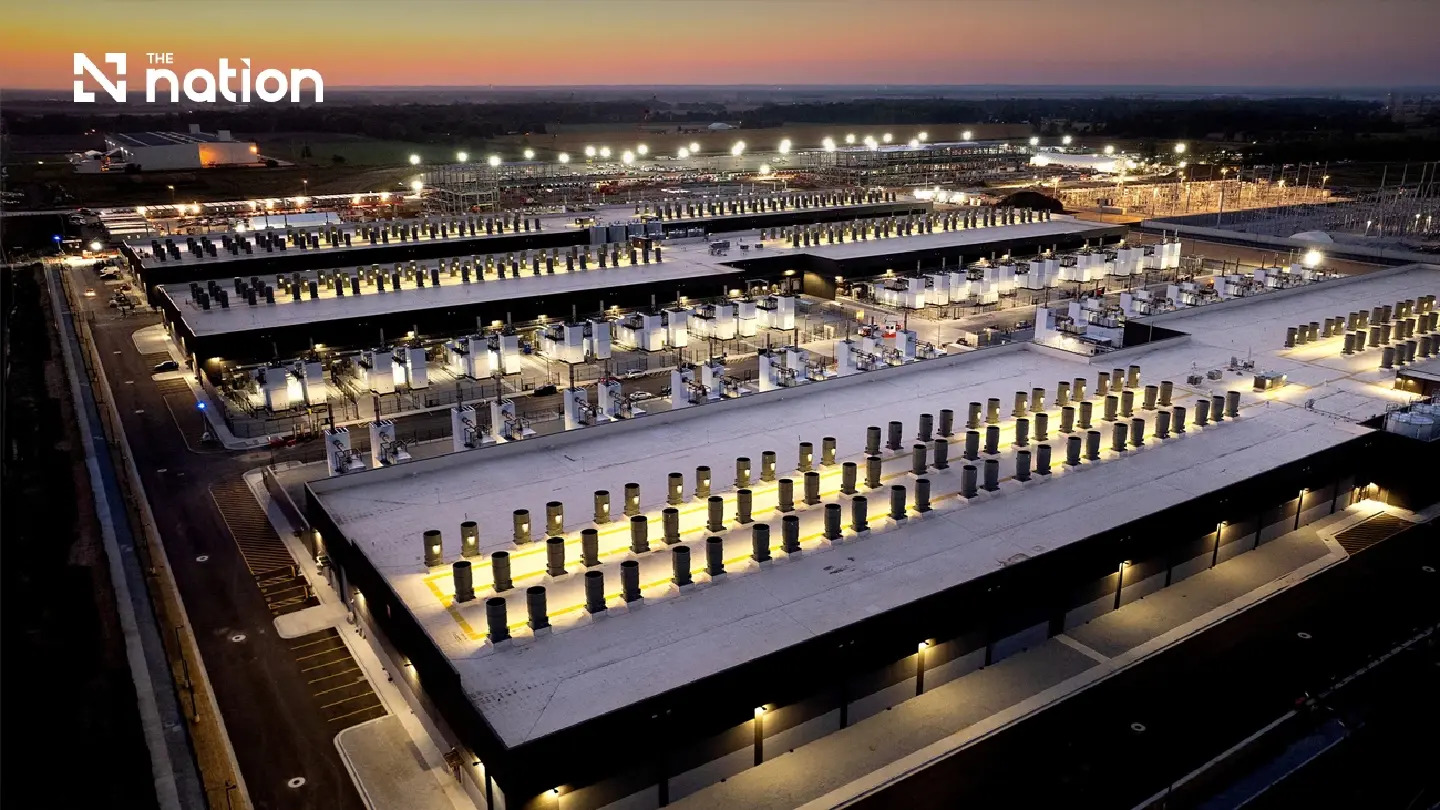
 Thailand’s Data Centre Boom Tests the Grid, the Rules and the Workforce
THIS NEWS ARTICLE KINDLY SPONSORED BY FALLPROTEC, A WORLD-RENOWNED NAME IN THE DESIGN AND MANUFACTURE OF PREMIUM FALL PROTECTION SYSTEMS AND HEIGHT ACCESS SOLUTIONS
- The massive influx of data center investments is straining Thailand’s electricity transmission grid, which was not built for such concentrated, high-demand loads, prompting a 31-billion-baht upgrade plan.
- Thai regulators are responding to the boom by tightening rules, introducing higher electricity tariffs specifically for data centers, and shifting investment criteria to prioritize sustainability over the sheer number of projects.
- The sector’s high consumption of water and power is raising concerns among existing industries about resource competition and sparking a debate over whether the economic benefits and jobs created justify the strain on the grid and the local workforce.
As Google, AWS and TikTok pour billions into Thailand, regulators, researchers and factory owners are asking how much the country actually gains.
Thailand’s pitch to the world’s technology companies has, for the past two years, been built on numbers that keep climbing. The Board of Investment approved 26 data centre projects worth almost 500 billion baht in 2025, and by the first quarter of 2026, fresh applications had already reached 1.01 trillion baht — roughly 2.4 times what they were a year earlier.
The country’s planned pipeline now stands near 2.87 gigawatts, concentrated overwhelmingly in the Eastern Economic Corridor provinces of Chonburi, Rayong and Chachoengsao.
What was, until recently, a story about how much capital was arriving has become a harder question: whether the electricity grid, the water supply and the workforce can actually absorb it.

The Google pitch
Google is among the hyperscalers building in that corridor. Bryan Yue, principal of global infrastructure for Asia Pacific at Google, who leads the company’s Chonburi data centre project, argues that the investment case extends far beyond the physical buildings themselves.
“The internet lives within data centres,” he said, describing them as the physical infrastructure behind everything from Google Maps to a QR-code payment at a Bangkok street stall.
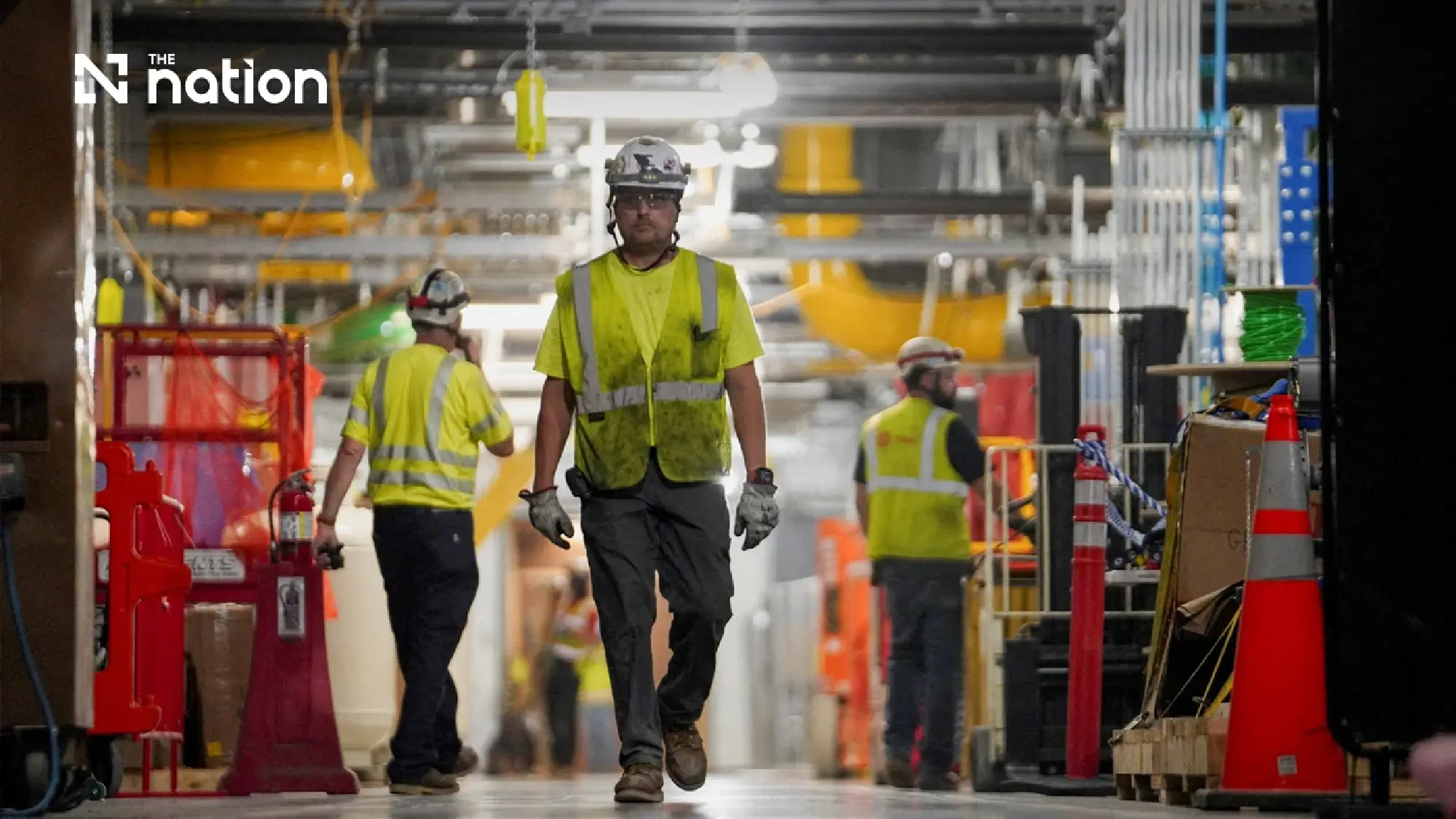
Google’s roughly USD 1 billion 2024 investment, he said, is projected to generate USD 4 billion in GDP uplift over four years, with construction alone requiring an average of 4,200 workers annually, and Google estimating that for every job created directly inside one of its data centres, nine more are supported outside it — in construction, utilities and local services.
Water and power
Water and power remain the more contested part of that pitch. Yue said Google conducts a site-specific water risk assessment before building anywhere, sometimes drawing on a century of local data, and defaults to air cooling in places already under strain, as it has done in Nevada, Texas and parts of India.
Where supply is healthier, the company uses water cooling because it consumes less electricity. Google has also committed to replenishing more water than it draws and to disclosing its efficiency data — it says it was the first hyperscaler to publish quarterly power usage effectiveness figures and annual site-level water use.
The “megawatt gap”
That transparency sits inside a national grid under mounting strain.
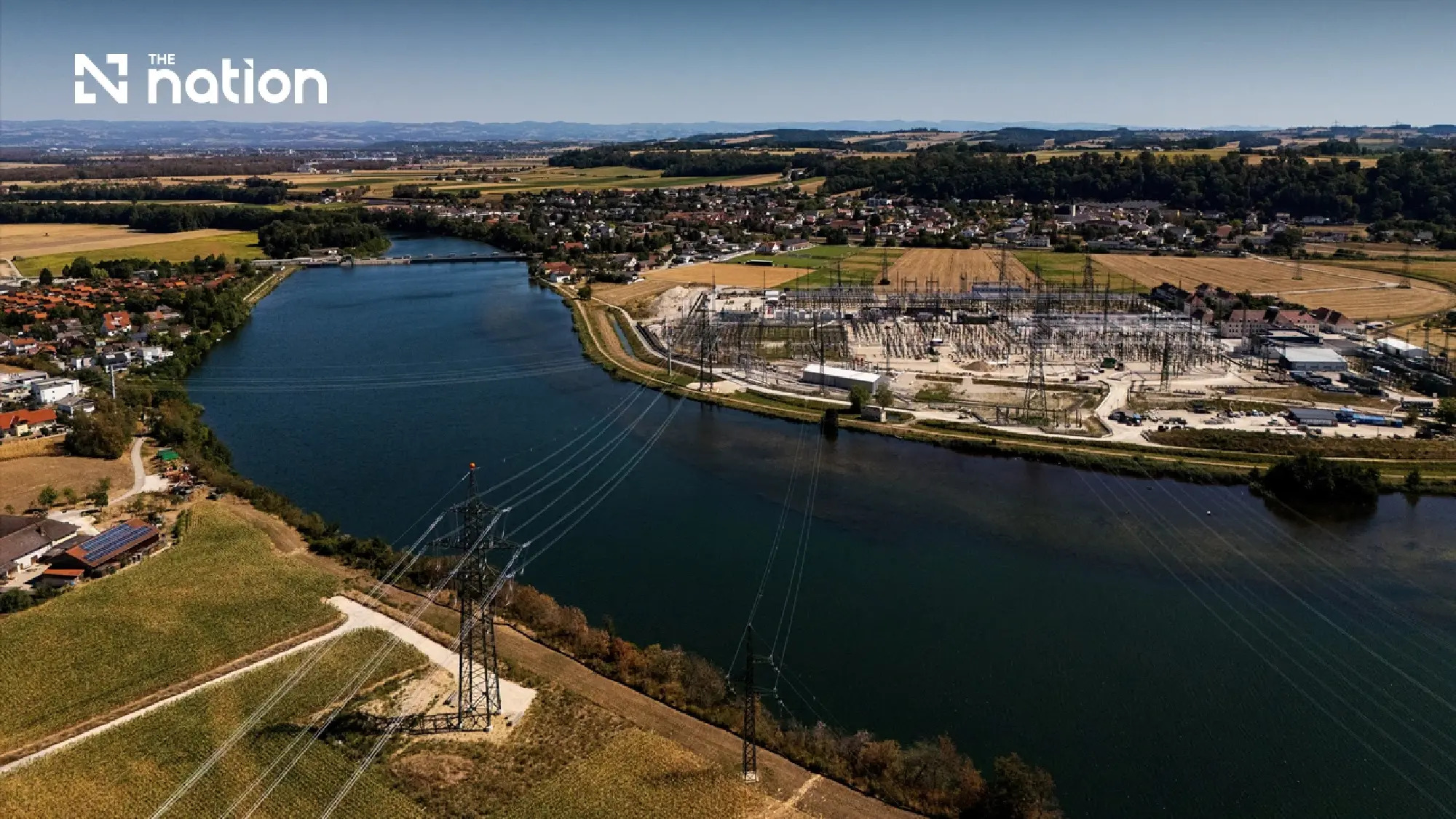
Jerin Raj, senior vice-president and head of Asia-Pacific and India at engineering firm Black & Veatch, has described the core problem as a “megawatt gap” — not a shortage of generation capacity, where Thailand’s reserve margin exceeds 25 percent, but a transmission system built for conventional industrial loads
The Electricity Generating Authority of Thailand has responded with a 31-billion-baht plan to upgrade transmission in the Eastern Economic Corridor, where roughly 70 percent of approved projects are clustered, according to the state agency overseeing energy regulation.
Paying for capacity
That concentration has forced a broader rethink of how Thailand prices and rations electricity for the industry. Energy Regulatory Commission Secretary-General Poonpat Leesombatpiboon has estimated that if every approved data centre project ran at full capacity, demand could approach 30,000 megawatts — nearly half of the country’s roughly 55,000-megawatt generating capacity.
In response, authorities introduced a new electricity tariff category specifically for data centres, expected to run at roughly 5 to 6 baht per kilowatt-hour against a household rate closer to 3 to 4 baht, alongside a requirement that developers post a financial guarantee of 4.5 million baht per megawatt of capacity, refunded in stages as projects reach real usage targets.
Finance Minister Ekniti Nitithanprapas said the tariff reflects the higher cost of the imported liquefied natural gas needed to meet the sector’s demand.
Quality over quantity
The Board of Investment, which had spent three years courting projects on largely open terms, is now shifting its own criteria.
BOI Secretary-General Narit Therdsteerasukdi has said promotion will no longer be “a competition over the number of projects alone” but will instead weigh the benefit to the Thai economy against how sustainably electricity, water and environmental resources are managed.
He has been in talks with Prime Minister Anutin Charnvirakul on tightening the rules after finding that many Bangkok-area facilities draw heavily on electricity and water without triggering environmental impact assessments.
A researcher’s caution
The Thailand Development Research Institute has pushed that scrutiny further.
Dr Areeporn Asawinpongphan, an energy policy researcher at the institute, told local media that charging data centres more than households for power is reasonable given how resource-intensive the industry is but cautioned that the government must weigh the country’s overall capacity carefully so that data centre growth does not “come at the expense of existing industries” that need the same electricity, clean power and infrastructure.
TDRI has separately pointed to a starker asymmetry in the investment case: a 100-megawatt data centre, by the institute’s estimate, creates around 50 direct jobs while consuming electricity equivalent to that of roughly 13 million people and water equivalent to that of 1.3 million — a ratio that has fed scepticism in parts of the Thai policy establishment about whether headline investment figures translate into commensurate local benefit.

Factories worry too
That scepticism is not confined to researchers and regulators. It also runs through Thailand’s existing manufacturing base, which draws on the same grid and the same watersheds the new data centres are being built on.
The Federation of Thai Industries surveyed 160 member executives on the sector’s expansion, and the results echo TDRI’s concerns from inside the business community itself: 68.8 percent named insufficient water supply as their leading worry, and 61.3 percent each flagged rising electricity demand and doubt that regulation can keep pace with the industry’s growth.
“We fear rising water demand could spark competition between industries and communities,” said Montri Mahaplerkpong, FTI vice chairman, warning that unmanaged growth could eventually pit factories, households and data centres against one another for the same limited supplies.
He raised a similar concern on electricity, arguing that without active management of demand and supply, the expansion could ultimately affect the country’s energy security.
A further 51.2 percent of respondents said they doubted Thai entrepreneurs would see much direct benefit from the boom, pointing to the sector’s heavy reliance on imported technology and foreign specialists.
Even so, FTI’s members were not uniformly negative: 48.1 percent said they expected data centres to meaningfully support the development of Thai industry, and 48.8 percent believed the country could still become a genuine regional hub if the resource constraints are managed well.
Closing the skills gap
Industry participants describe the labour question differently.
Budsarin Pradityont, Thailand’s country head for ST Telemedia Global Data Centres, has argued that the country’s workforce is quick to learn and digitally capable but has historically had fewer opportunities to work on genuinely difficult technical problems — a gap she believes the arrival of global operators helps close through direct exposure and knowledge transfer.
She has also framed data centres as only the first layer of a digital economy, describing them as the room the data runs in, with the more durable economic value sitting in the software and applications built on top.
A global squeeze
The pressure on Thailand’s grid is not a local anomaly. Gartner projects global data centre electricity consumption will rise 26 percent in 2026 to 565 terawatt-hours, with worldwide power demand climbing toward 290 gigawatts by 2030.
Linglan Wang, a director analyst at the firm, has argued that power availability, not chip supply, has become the new battleground for scaling AI infrastructure.
Anders Maltesen, president of ABB’s Energy Industries division for Asia, has made a related point specific to Thailand, arguing that new generation capacity and better use of existing grid assets need to advance together rather than sequentially — echoed locally by a Ministry of Energy plan to add more than 1,150 megawatts of supply points and transformers in the Eastern Economic Corridor.
Buying clean power directly
Thailand has also begun experimenting with mechanisms to let data centres buy clean power directly.
A Direct Power Purchase Agreement pilot, capped at 2,000 megawatts, would let facilities contract with renewable generators independent of the state utility’s single-buyer system — the kind of arrangement Yue said Google is watching closely, since it underpins the company’s own model of signing long-term contracts that give renewable developers the financial certainty to build.
Final rules for the scheme have moved slowly through public consultation and were still pending as of mid-2026.
What Thailand extracts from the capital
None of this settles the underlying dispute over whether Thailand’s data centre wave is, on balance, a net gain. What has changed is the terms of the debate.
The conversation two years ago centred on how much capital the country could attract; the one now underway, spanning the Board of Investment, the energy regulator, TDRI, the Federation of Thai Industries and the operators themselves, centres on what Thailand extracts from that capital once it arrives – a question the country’s grid, its water systems and its next generation of technicians will spend the coming decade answering.
Source: https://www.nationthailand.com/business/tech/40070053
Google Translation:
[We apologise if any of the translation is incorrect: google Translation occasionally gets it wrong]
การเติบโตอย่างรวดเร็วของศูนย์ข้อมูลในประเทศไทยกำลังทดสอบระบบโครงข่ายไฟฟ้า กฎระเบียบ และแรงงาน
บทความข่าวนี้ได้รับการสนับสนุนโดย FALLPROTEC บริษัทชั้นนำระดับโลกด้านการออกแบบและผลิตระบบป้องกันการตกจากที่สูงและโซลูชันการเข้าถึงที่สูงระดับพรีเมียม
การลงทุนในศูนย์ข้อมูลจำนวนมหาศาลกำลังสร้างภาระให้กับระบบส่งไฟฟ้าของประเทศไทย ซึ่งไม่ได้ถูกสร้างมาเพื่อรองรับโหลดที่มีความเข้มข้นและความต้องการสูงเช่นนี้ ส่งผลให้ต้องมีการวางแผนปรับปรุงระบบด้วยงบประมาณ 31 พันล้านบาท
หน่วยงานกำกับดูแลของไทยกำลังตอบสนองต่อการเติบโตอย่างรวดเร็วนี้ด้วยการเข้มงวดกฎระเบียบ การกำหนดอัตราค่าไฟฟ้าที่สูงขึ้นโดยเฉพาะสำหรับศูนย์ข้อมูล และการปรับเปลี่ยนเกณฑ์การลงทุนเพื่อเน้นความยั่งยืนมากกว่าจำนวนโครงการ
การใช้น้ำและไฟฟ้าในปริมาณมากของภาคส่วนนี้กำลังสร้างความกังวลเกี่ยวกับการแข่งขันด้านทรัพยากรในกลุ่มอุตสาหกรรมที่มีอยู่ และจุดประกายการถกเถียงว่าผลประโยชน์ทางเศรษฐกิจและงานที่สร้างขึ้นนั้นคุ้มค่ากับภาระที่เกิดขึ้นกับระบบโครงข่ายไฟฟ้าและแรงงานในท้องถิ่นหรือไม่
ขณะที่ Google, AWS และ TikTok ทุ่มเงินลงทุนหลายพันล้านดอลลาร์ในประเทศไทย หน่วยงานกำกับดูแล นักวิจัย และเจ้าของโรงงานต่างตั้งคำถามว่า ประเทศไทยจะได้ประโยชน์มากน้อยแค่ไหนกันแน่
ในช่วงสองปีที่ผ่านมา การดึงดูดบริษัทเทคโนโลยีระดับโลกของไทยนั้นสร้างขึ้นจากตัวเลขที่เพิ่มขึ้นอย่างต่อเนื่อง คณะกรรมการส่งเสริมการลงทุนอนุมัติโครงการศูนย์ข้อมูล 26 โครงการ มูลค่าเกือบ 500 พันล้านบาทในปี 2025 และภายในไตรมาสแรกของปี 2026 ใบสมัครใหม่ก็พุ่งสูงถึง 1.01 ล้านล้านบาท หรือประมาณ 2.4 เท่าของปีก่อนหน้า
แผนการพัฒนาประเทศขณะนี้มีกำลังการผลิตรวมเกือบ 2.87 กิกะวัตต์ โดยส่วนใหญ่กระจุกตัวอยู่ในจังหวัดต่างๆ ในเขตเศรษฐกิจพิเศษภาคตะวันออก ได้แก่ ชลบุรี ระยอง และฉะเชิงเทรา
สิ่งที่เคยเป็นเรื่องราวเกี่ยวกับการไหลเข้าของเงินทุนจำนวนมาก จนกระทั่งเมื่อไม่นานมานี้ กลายเป็นคำถามที่ยากขึ้น นั่นคือ ระบบไฟฟ้า ระบบน้ำประปา และกำลังคนจะสามารถรองรับเงินทุนเหล่านั้นได้จริงหรือไม่
ไบรอัน ยู
การดึงดูดของ Google
Google เป็นหนึ่งในบริษัทไฮเปอร์สเกลเลอร์ที่กำลังสร้างศูนย์ข้อมูลในเขตเศรษฐกิจพิเศษดังกล่าว ไบรอัน ยู ผู้บริหารหลักด้านโครงสร้างพื้นฐานระดับโลกประจำภูมิภาคเอเชียแปซิฟิกของ Google ซึ่งเป็นผู้นำโครงการศูนย์ข้อมูลชลบุรีของบริษัท กล่าวว่า การลงทุนครั้งนี้คุ้มค่ามากกว่าแค่ตัวอาคาร
“อินเทอร์เน็ตดำรงอยู่ภายในศูนย์ข้อมูล” เขากล่าว โดยอธิบายว่าศูนย์ข้อมูลเป็นโครงสร้างพื้นฐานทางกายภาพที่อยู่เบื้องหลังทุกสิ่งทุกอย่าง ตั้งแต่ Google Maps ไปจนถึงการชำระเงินด้วยคิวอาร์โค้ดที่ร้านค้าข้างทางในกรุงเทพฯ
เขากล่าวว่า การลงทุนของ Google ในปี 2024 มูลค่าประมาณ 1 พันล้านดอลลาร์สหรัฐ คาดว่าจะสร้างการเติบโตของ GDP ถึง 4 พันล้านดอลลาร์สหรัฐในระยะเวลา 4 ปี โดยเฉพาะการก่อสร้างอย่างเดียวก็ต้องการแรงงานเฉลี่ย 4,200 คนต่อปี และ Google ประมาณการว่าสำหรับทุกงานที่สร้างขึ้นโดยตรงภายในศูนย์ข้อมูลของบริษัท จะมีงานอีก 9 ตำแหน่งที่ได้รับการสนับสนุนจากภายนอก — ในด้านการก่อสร้าง สาธารณูปโภค และบริการในท้องถิ่น
น้ำและไฟฟ้า
น้ำและไฟฟ้ายังคงเป็นส่วนที่ถกเถียงกันมากที่สุดในข้อเสนอนี้ ยู กล่าวว่า Google ดำเนินการประเมินความเสี่ยงด้านน้ำเฉพาะพื้นที่ก่อนที่จะก่อสร้างที่ใดก็ตาม บางครั้งใช้ข้อมูลในท้องถิ่นที่มีมานานกว่าศตวรรษ และเลือกใช้ระบบระบายความร้อนด้วยอากาศในสถานที่ที่มีปัญหาอยู่แล้ว เช่นเดียวกับที่ทำในเนวาดา เท็กซัส และบางส่วนของอินเดีย
ในพื้นที่ที่มีปริมาณน้ำเพียงพอ บริษัทจะใช้ระบบระบายความร้อนด้วยน้ำ เนื่องจากใช้ไฟฟ้าลดลง Google ยังมุ่งมั่นที่จะเติมน้ำให้มากกว่าปริมาณที่ใช้ และเปิดเผยข้อมูลประสิทธิภาพการใช้พลังงาน โดยระบุว่าเป็นผู้ให้บริการคลาวด์ขนาดใหญ่รายแรกที่เผยแพร่ตัวเลขประสิทธิภาพการใช้พลังงานรายไตรมาส และการใช้น้ำในระดับไซต์งานรายปี
“ช่องว่างเมกะวัตต์”
ความโปร่งใสนี้เกิดขึ้นภายในโครงข่ายไฟฟ้าของประเทศที่กำลังเผชิญกับแรงกดดันอย่างหนัก
เจอริน ราช รองประธานอาวุโสและหัวหน้าฝ่ายเอเชียแปซิฟิกและอินเดียของบริษัทวิศวกรรม Black & Veatch ได้อธิบายปัญหาหลักว่าเป็น “ช่องว่างเมกะวัตต์” ซึ่งไม่ใช่การขาดแคลนกำลังการผลิตไฟฟ้า เนื่องจากประเทศไทยมีกำลังการผลิตสำรองเกิน 25 เปอร์เซ็นต์ แต่เป็นระบบส่งไฟฟ้าที่สร้างขึ้นเพื่อรองรับโหลดอุตสาหกรรมแบบดั้งเดิม
การไฟฟ้าฝ่ายผลิตแห่งประเทศไทยได้ตอบสนองด้วยแผนมูลค่า 31 พันล้านบาทเพื่อยกระดับระบบส่งไฟฟ้าในเขตเศรษฐกิจพิเศษภาคตะวันออก ซึ่งโครงการที่ได้รับอนุมัติประมาณ 70 เปอร์เซ็นต์กระจุกตัวอยู่ ตามข้อมูลจากหน่วยงานภาครัฐที่กำกับดูแลด้านพลังงาน
การจ่ายตามกำลังการผลิต
การกระจุกตัวดังกล่าวได้บังคับให้ประเทศไทยต้องทบทวนวิธีการกำหนดราคาและจัดสรรไฟฟ้าสำหรับอุตสาหกรรมนี้ใหม่ทั้งหมด นายพูนพัฒน์ ลีสมบัติพิบูลย์ เลขาธิการคณะกรรมการกำกับพลังงาน ได้ประเมินว่า หากโครงการศูนย์ข้อมูลที่ได้รับอนุมัติทุกโครงการดำเนินการเต็มกำลังการผลิต ความต้องการใช้ไฟฟ้าอาจสูงถึง 30,000 เมกะวัตต์ ซึ่งเกือบครึ่งหนึ่งของกำลังการผลิตไฟฟ้าของประเทศที่มีอยู่ประมาณ 55,000 เมกะวัตต์
เพื่อเป็นการตอบสนอง ทางการได้กำหนดอัตราค่าไฟฟ้าใหม่สำหรับศูนย์ข้อมูลโดยเฉพาะ ซึ่งคาดว่าจะอยู่ที่ประมาณ 5-6 บาทต่อกิโลวัตต์ชั่วโมง เทียบกับอัตราค่าไฟฟ้าครัวเรือนที่ใกล้เคียง 3-4 บาท พร้อมกับข้อกำหนดให้ผู้พัฒนาโครงการต้องวางหลักประกันทางการเงิน 4.5 ล้านบาทต่อเมกะวัตต์ของกำลังการผลิต ซึ่งจะคืนให้เป็นระยะเมื่อโครงการบรรลุเป้าหมายการใช้งานจริง
นายเอกนิติ นิติธานประภาส รัฐมนตรีว่าการกระทรวงการคลัง กล่าวว่า อัตราค่าไฟฟ้าดังกล่าวสะท้อนถึงต้นทุนที่สูงขึ้นของก๊าซธรรมชาติเหลวที่นำเข้าซึ่งจำเป็นต่อการตอบสนองความต้องการของภาคส่วนนี้
คุณภาพสำคัญกว่าปริมาณ
คณะกรรมการส่งเสริมการลงทุน (BOI) ซึ่งใช้เวลาสามปีในการดึงดูดโครงการต่างๆ ด้วยเงื่อนไขที่เปิดกว้าง กำลังปรับเปลี่ยนเกณฑ์ของตนเอง
นายณริศ เธิดสตีรสุขดี เลขาธิการ BOI กล่าวว่า การส่งเสริมการลงทุนจะไม่ใช่ “การแข่งขันด้านจำนวนโครงการเพียงอย่างเดียว” อีกต่อไป แต่จะพิจารณาถึงประโยชน์ต่อเศรษฐกิจไทยควบคู่ไปกับการบริหารจัดการไฟฟ้า น้ำ และทรัพยากรสิ่งแวดล้อมอย่างยั่งยืน
เขากำลังหารือกับนายกรัฐมนตรีอนุทิน ชาญวีรกุล เกี่ยวกับการเข้มงวดกฎระเบียบ หลังจากพบว่าสถานประกอบการหลายแห่งในกรุงเทพฯ ใช้ไฟฟ้าและน้ำอย่างมากโดยไม่ได้ทำการประเมินผลกระทบต่อสิ่งแวดล้อม
ข้อควรระวังจากนักวิจัย
สถาบันวิจัยเพื่อการพัฒนาแห่งประเทศไทย (DRSI) ได้ผลักดันการตรวจสอบดังกล่าวให้เข้มงวดมากขึ้น
ดร.อารีพร อัสวินพงษ์พันธุ์ นักวิจัยด้านนโยบายพลังงานของสถาบันฯ กล่าวกับสื่อท้องถิ่นว่า การคิดค่าไฟฟ้าจากศูนย์ข้อมูลสูงกว่าครัวเรือนนั้นสมเหตุสมผล เนื่องจากอุตสาหกรรมนี้ใช้ทรัพยากรมาก แต่เตือนว่ารัฐบาลต้องพิจารณาถึงศักยภาพโดยรวมของประเทศอย่างรอบคอบ เพื่อไม่ให้การเติบโตของศูนย์ข้อมูล “มาเบียดเบียนอุตสาหกรรมที่มีอยู่” ซึ่งต้องการไฟฟ้า พลังงานสะอาด และโครงสร้างพื้นฐานเช่นเดียวกัน
สถาบันวิจัยเทคโนโลยีแห่งประเทศไทย (TDRI) ชี้ให้เห็นถึงความไม่สมดุลที่ชัดเจนยิ่งขึ้นในกรณีการลงทุน: ศูนย์ข้อมูลขนาด 100 เมกะวัตต์ ตามการประมาณการของสถาบันฯ สร้างงานโดยตรงประมาณ 50 ตำแหน่ง ในขณะที่ใช้ไฟฟ้าเทียบเท่ากับประชากรประมาณ 13 ล้านคน และน้ำเทียบเท่ากับ 1.3 ล้านคน ซึ่งอัตราส่วนนี้ทำให้เกิดความสงสัยในบางส่วนของหน่วยงานกำหนดนโยบายของไทยว่าตัวเลขการลงทุนที่ดูดีนั้นจะส่งผลให้เกิดประโยชน์ในท้องถิ่นที่คุ้มค่าหรือไม่
มนตรี มหาเพลกพงษ์
โรงงานก็กังวลเช่นกัน
ความสงสัยนั้นไม่ได้จำกัดอยู่เฉพาะนักวิจัยและหน่วยงานกำกับดูแลเท่านั้น นอกจากนี้ โครงข่ายไฟฟ้ายังวิ่งผ่านฐานการผลิตที่มีอยู่ของประเทศไทย ซึ่งใช้โครงข่ายไฟฟ้าและแหล่งน้ำเดียวกันกับที่กำลังก่อสร้างศูนย์ข้อมูลแห่งใหม่
สภาอุตสาหกรรมแห่งประเทศไทยได้สำรวจความคิดเห็นของผู้บริหารสมาชิก 160 คนเกี่ยวกับการขยายตัวของภาคธุรกิจ และผลการสำรวจสะท้อนความกังวลของ TDRI จากภายในชุมชนธุรกิจเอง โดย 68.8 เปอร์เซ็นต์ระบุว่าการขาดแคลนน้ำเป็นความกังวลหลัก และ 61.3 เปอร์เซ็นต์ระบุว่าความต้องการใช้ไฟฟ้าที่เพิ่มขึ้นและความสงสัยว่ากฎระเบียบจะทันกับการเติบโตของอุตสาหกรรมหรือไม่
“เราเกรงว่าความต้องการใช้น้ำที่เพิ่มขึ้นอาจก่อให้เกิดการแข่งขันระหว่างอุตสาหกรรมและชุมชน” นายมนตรี มหาเพลกพงษ์ รองประธานสภาอุตสาหกรรมแห่งประเทศไทยกล่าวเตือนว่า การเติบโตที่ไม่ได้รับการจัดการอาจทำให้โรงงาน ครัวเรือน และศูนย์ข้อมูลต้องแข่งขันกันเองเพื่อแย่งชิงทรัพยากรที่มีจำกัด
เขายังแสดงความกังวลในทำนองเดียวกันเกี่ยวกับไฟฟ้า โดยให้เหตุผลว่าหากไม่มีการจัดการอุปสงค์และอุปทานอย่างมีประสิทธิภาพ การขยายตัวอาจส่งผลกระทบต่อความมั่นคงด้านพลังงานของประเทศในที่สุด
นอกจากนี้ ผู้ตอบแบบสอบถามอีก 51.2 เปอร์เซ็นต์กล่าวว่า พวกเขาไม่แน่ใจว่าผู้ประกอบการไทยจะได้รับประโยชน์โดยตรงจากความเฟื่องฟูนี้มากนัก โดยชี้ให้เห็นถึงการพึ่งพาเทคโนโลยีที่นำเข้าและผู้เชี่ยวชาญต่างชาติอย่างมากในภาคส่วนนี้
ถึงกระนั้น สมาชิกของ FTI ก็ไม่ได้มองในแง่ลบไปทั้งหมด: 48.1 เปอร์เซ็นต์กล่าวว่า พวกเขาคาดหวังว่าศูนย์ข้อมูลจะสนับสนุนการพัฒนาอุตสาหกรรมไทยอย่างมีนัยสำคัญ และ 48.8 เปอร์เซ็นต์เชื่อว่าประเทศไทยยังคงสามารถเป็นศูนย์กลางระดับภูมิภาคได้อย่างแท้จริง หากมีการจัดการข้อจำกัดด้านทรัพยากรอย่างดี
การปิดช่องว่างด้านทักษะ
ผู้เข้าร่วมในอุตสาหกรรมอธิบายปัญหาด้านแรงงานแตกต่างกัน
บุดสาริน ประดิษฐ์ยอนต์ หัวหน้าประจำประเทศไทยของ ST Telemedia Global Data Centres ได้กล่าวว่า แรงงานของประเทศเรียนรู้ได้เร็วและมีความสามารถด้านดิจิทัล แต่ในอดีตมีโอกาสน้อยที่จะได้ทำงานกับปัญหาทางเทคนิคที่ยากลำบากอย่างแท้จริง ซึ่งเธอเชื่อว่าการเข้ามาของผู้ประกอบการระดับโลกจะช่วยลดช่องว่างนี้ได้ผ่านการสัมผัสโดยตรงและการถ่ายทอดความรู้
เธอยังได้กล่าวถึงศูนย์ข้อมูลว่าเป็นเพียงชั้นแรกของเศรษฐกิจดิจิทัล โดยอธิบายว่าเป็นห้องที่ข้อมูลไหลเวียนอยู่ ส่วนมูลค่าทางเศรษฐกิจที่ยั่งยืนกว่านั้นอยู่ที่ซอฟต์แวร์และแอปพลิเคชันที่สร้างขึ้นบนนั้น
แรงกดดันระดับโลก
แรงกดดันต่อระบบไฟฟ้าของประเทศไทยไม่ใช่เรื่องผิดปกติเฉพาะพื้นที่ Gartner คาดการณ์ว่าการใช้ไฟฟ้าของศูนย์ข้อมูลทั่วโลกจะเพิ่มขึ้น 26 เปอร์เซ็นต์ในปี 2026 เป็น 565 เทราวัตต์-ชั่วโมง โดยความต้องการพลังงานทั่วโลกจะเพิ่มขึ้นสู่ระดับ 290 กิกะวัตต์ภายในปี 2030
หลิงหลาน หวัง ผู้อำนวยการและนักวิเคราะห์ของบริษัทดังกล่าว ได้ให้เหตุผลว่า ความพร้อมใช้งานของพลังงาน ไม่ใช่การจัดหาชิป ได้กลายเป็นสนามรบใหม่สำหรับการขยายโครงสร้างพื้นฐาน AI
แอนเดอร์ส มัลเตเซน ประธานฝ่ายอุตสาหกรรมพลังงานของ ABB ประจำภูมิภาคเอเชีย ได้กล่าวถึงประเด็นที่เกี่ยวข้องโดยเฉพาะกับประเทศไทย โดยให้เหตุผลว่ากำลังการผลิตไฟฟ้าใหม่และการใช้ประโยชน์จากโครงข่ายไฟฟ้าที่มีอยู่ให้ดียิ่งขึ้นนั้น จำเป็นต้องดำเนินการควบคู่กันไป ไม่ใช่ดำเนินการทีละขั้นตอน ซึ่งสอดคล้องกับแผนของกระทรวงพลังงานในประเทศที่ต้องการเพิ่มจุดจ่ายไฟและหม้อแปลงไฟฟ้ามากกว่า 1,150 เมกะวัตต์ในเขตเศรษฐกิจพิเศษภาคตะวันออก
การซื้อพลังงานสะอาดโดยตรง
ประเทศไทยยังได้เริ่มทดลองใช้กลไกที่จะช่วยให้ศูนย์ข้อมูลสามารถซื้อพลังงานสะอาดได้โดยตรง
โครงการนำร่องข้อตกลงซื้อขายไฟฟ้าโดยตรง (Direct Power Purchase Agreement) ซึ่งจำกัดไว้ที่ 2,000 เมกะวัตต์ จะอนุญาตให้โรงงานต่างๆ ทำสัญญาซื้อขายกับผู้ผลิตพลังงานหมุนเวียนได้โดยอิสระจากระบบผู้ซื้อรายเดียวของบริษัทสาธารณูปโภคของรัฐ ซึ่งเป็นรูปแบบที่ Yue กล่าวว่า Google กำลังจับตามองอย่างใกล้ชิด เนื่องจากเป็นพื้นฐานของโมเดลของบริษัทเองในการลงนามในสัญญาซื้อขายระยะยาวที่ให้ความมั่นคงทางการเงินแก่ผู้พัฒนาพลังงานหมุนเวียนในการก่อสร้าง
กฎระเบียบขั้นสุดท้ายสำหรับโครงการนี้ได้ดำเนินการอย่างช้าๆ ผ่านการปรึกษาหารือกับสาธารณะ และยังอยู่ระหว่างการพิจารณา ณ กลางปี 2026
สิ่งที่ประเทศไทยได้รับจากเมืองหลวง
ทั้งหมดนี้ไม่ได้ยุติข้อพิพาทพื้นฐานเกี่ยวกับว่าคลื่นศูนย์ข้อมูลของประเทศไทยนั้นโดยรวมแล้วเป็นผลประโยชน์สุทธิหรือไม่ สิ่งที่เปลี่ยนไปคือเงื่อนไขของการถกเถียง
การสนทนาเมื่อสองปีก่อนมุ่งเน้นไปที่ว่าประเทศสามารถดึงดูดเงินทุนได้มากแค่ไหน การหารือที่กำลังดำเนินอยู่ในขณะนี้ ซึ่งครอบคลุมทั้งคณะกรรมการส่งเสริมการลงทุน หน่วยงานกำกับดูแลด้านพลังงาน (TDRI) สภาหอการค้าและอุตสาหกรรมแห่งประเทศไทย และผู้ประกอบการเองนั้น มุ่งเน้นไปที่สิ่งที่ประเทศไทยจะได้รับจากเงินทุนเหล่านั้นเมื่อเข้ามาถึง ซึ่งเป็นคำถามที่ระบบโครงข่ายไฟฟ้า ระบบน้ำ และช่างเทคนิคยุคใหม่ของประเทศจะต้องใช้เวลาในทศวรรษหน้าในการหาคำตอบ